Given the chance to visit places that were opening free for the day yesterday there was no stopping us.
Palazzo Davanzati, dating from the fourteenth century, has been named after the Davanzati family, who lived there for 260 years until the death of the last heir in 1838. The Palace managed to escape the large scale demolition of medieval Florence that was carried out in the nineteenth century, but went on to have a rather chequered history with various owners carrying out dubious restoration work, financed through the sale of Palace contents.
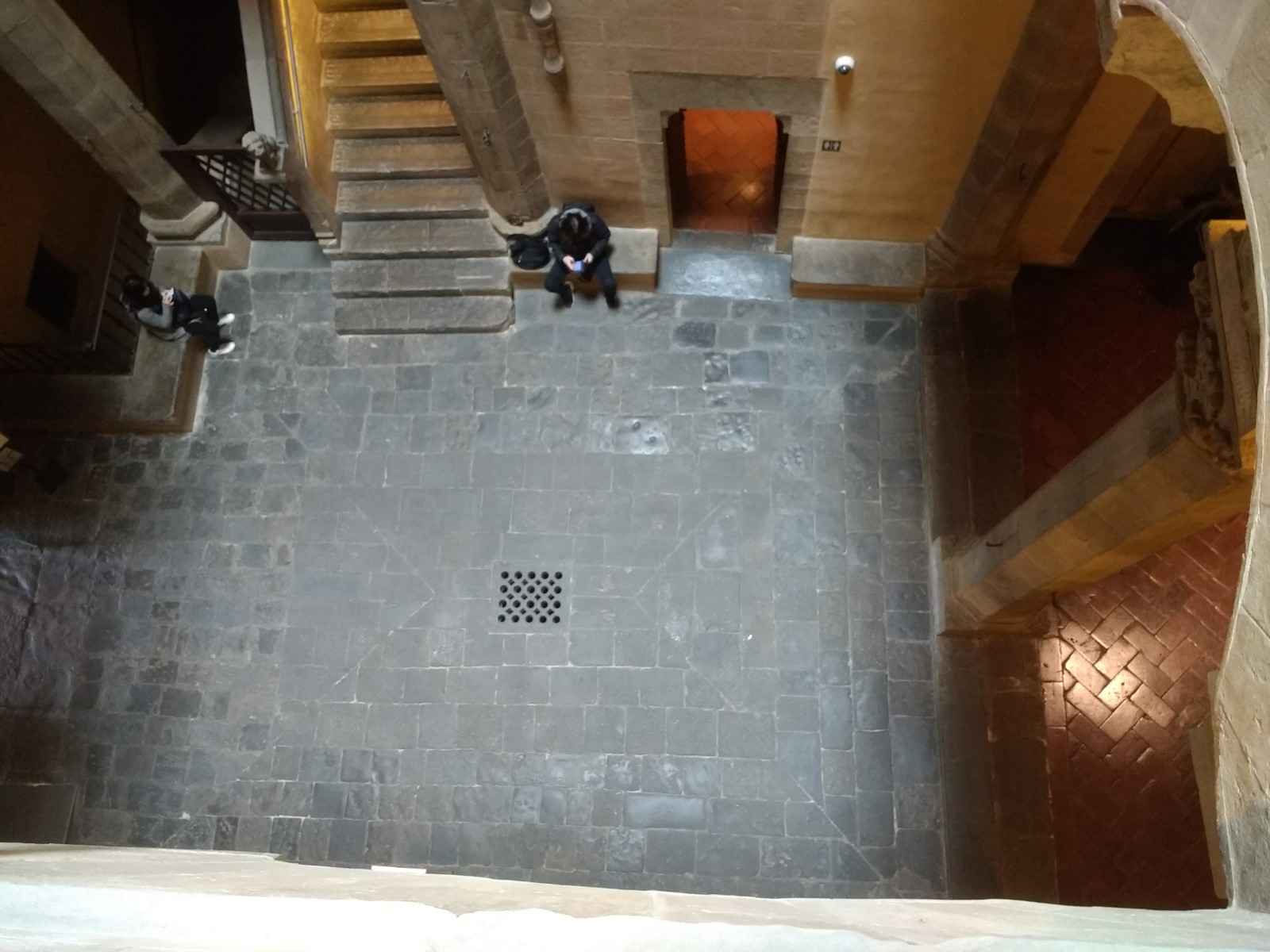
Eventually, the Palace was bought by the Italian state in 1951 and kept open as a museum, closing briefly in 1995 to carry out major restoration work, to prevent the collapse of the building.
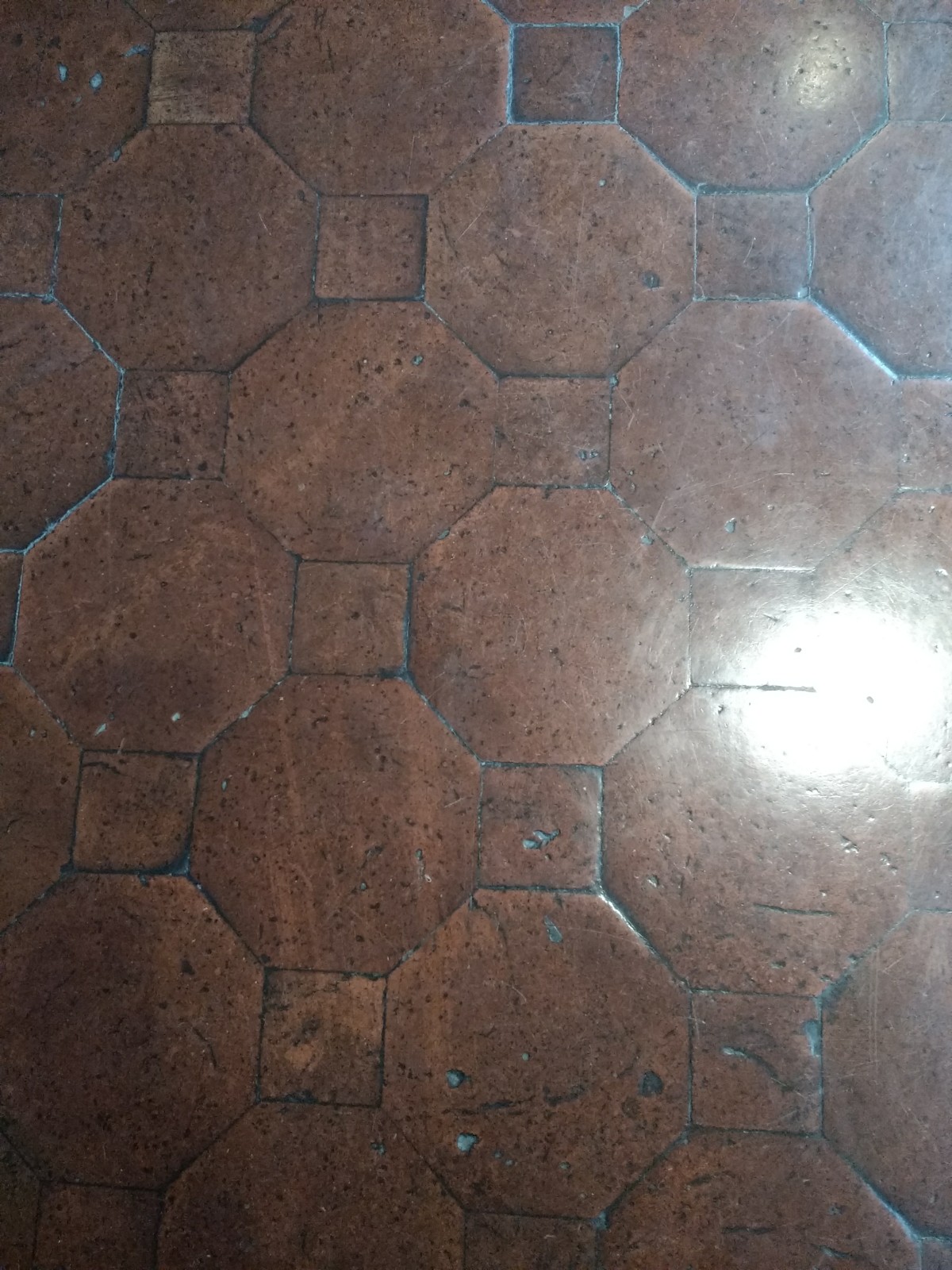
Today the Palace is presented as from the sixteenth century.
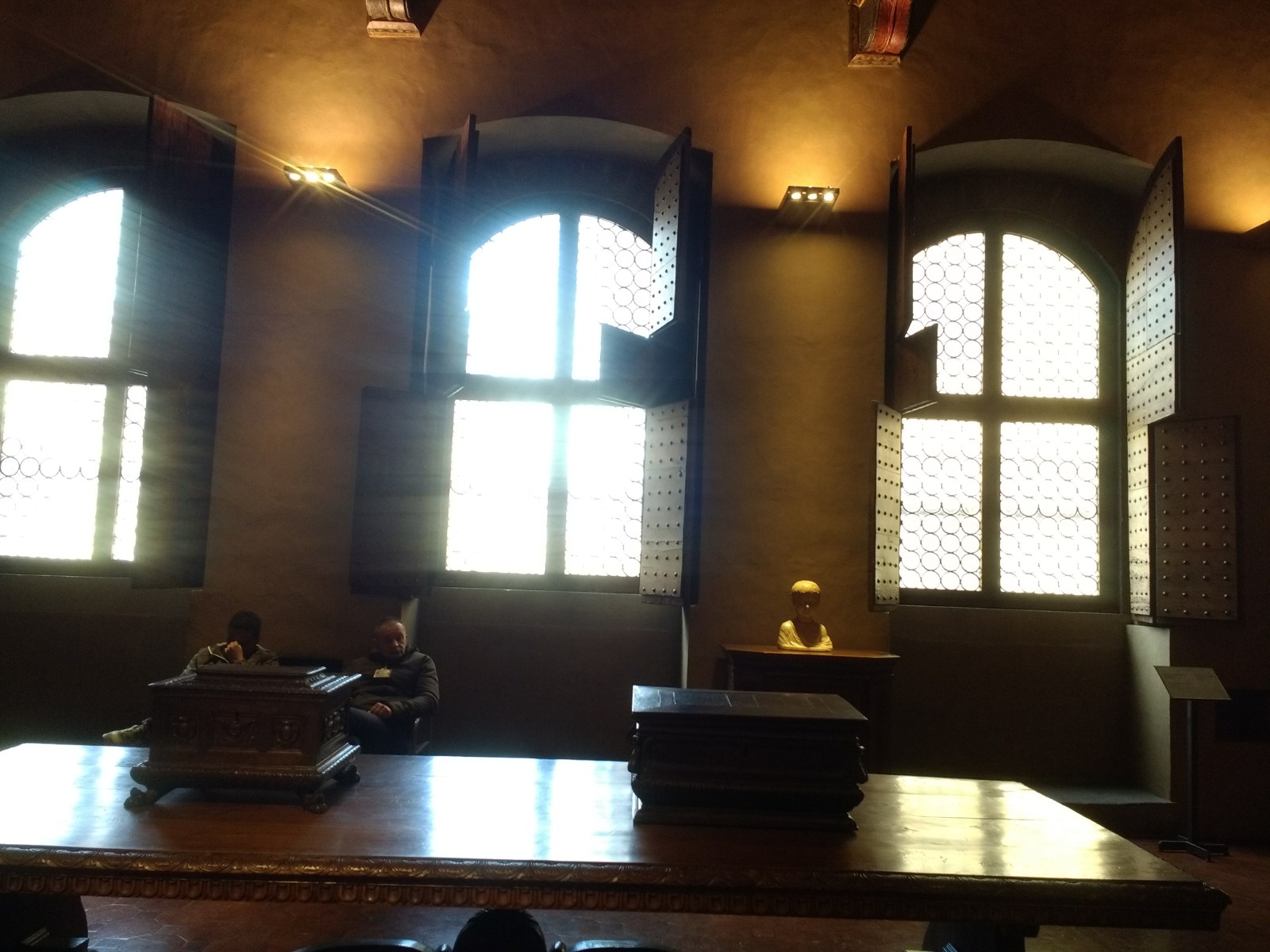
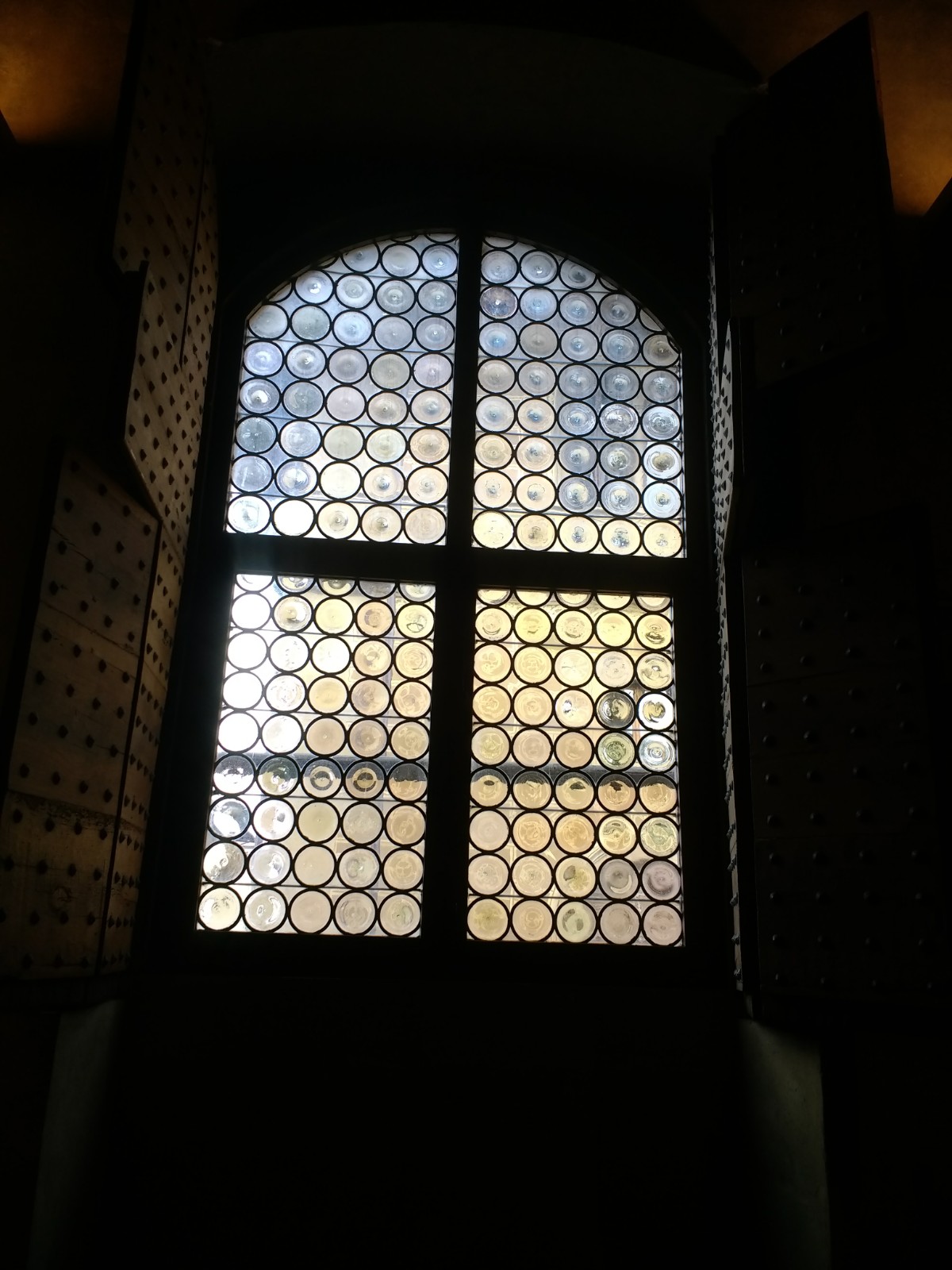
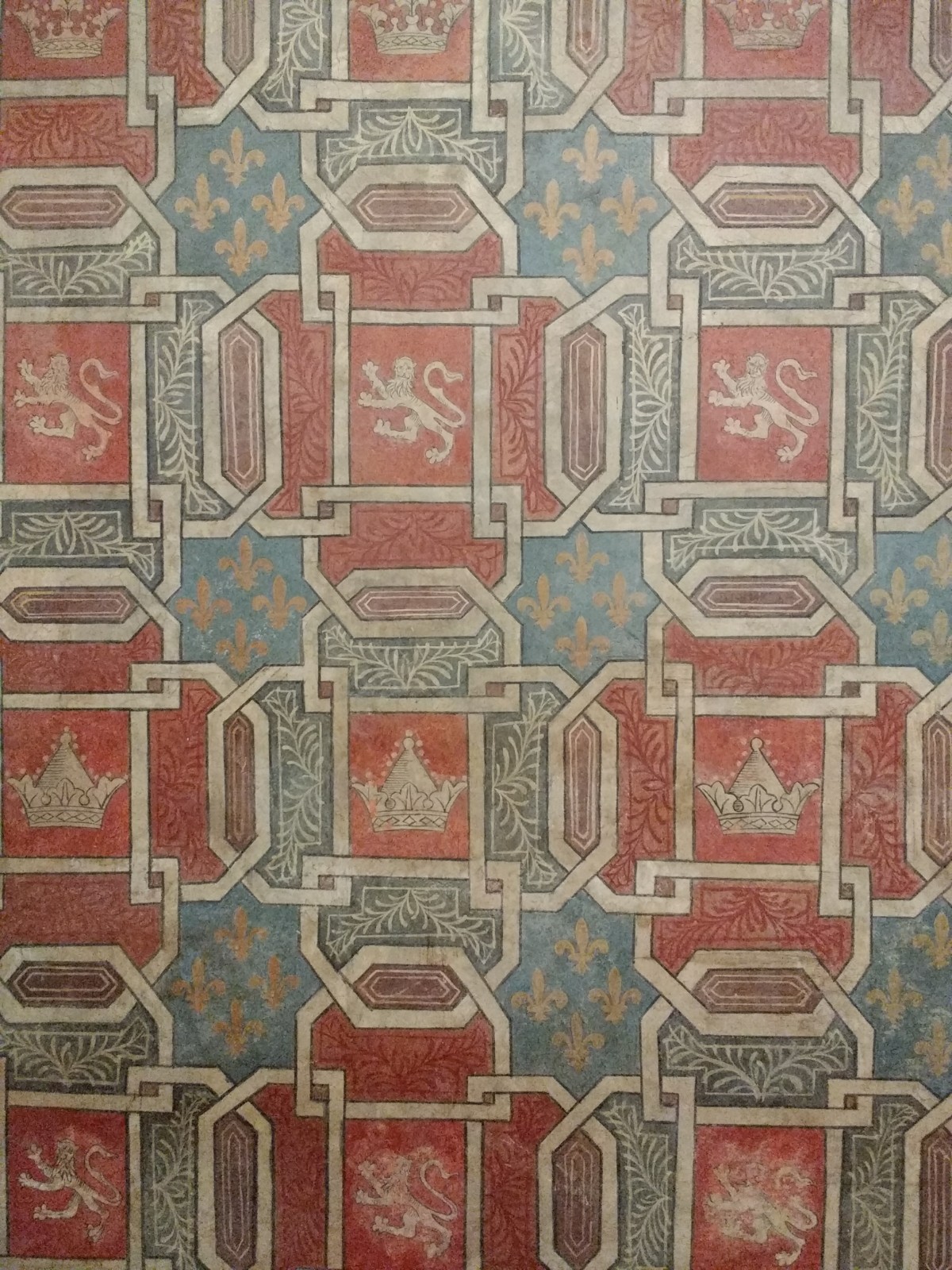
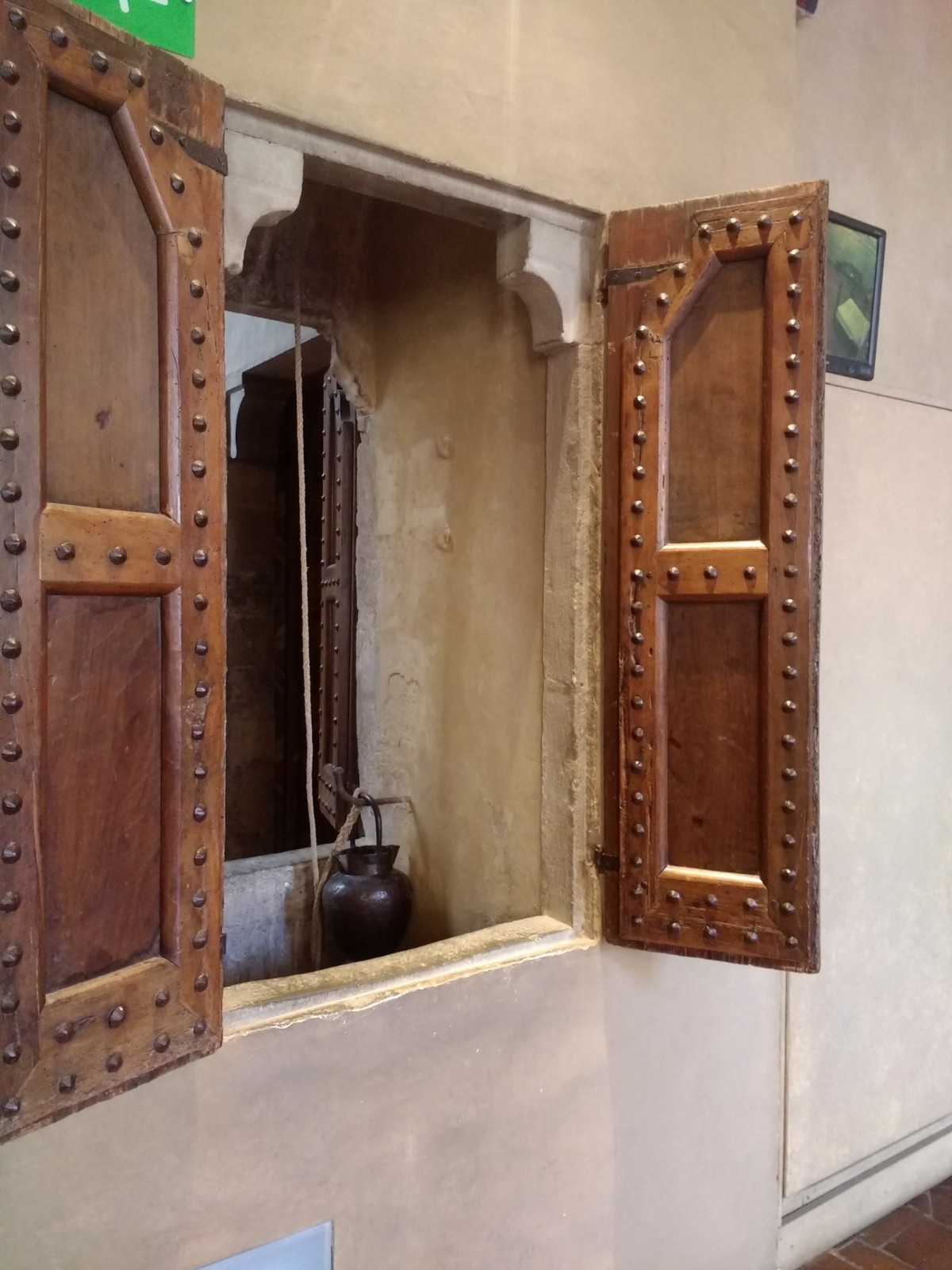
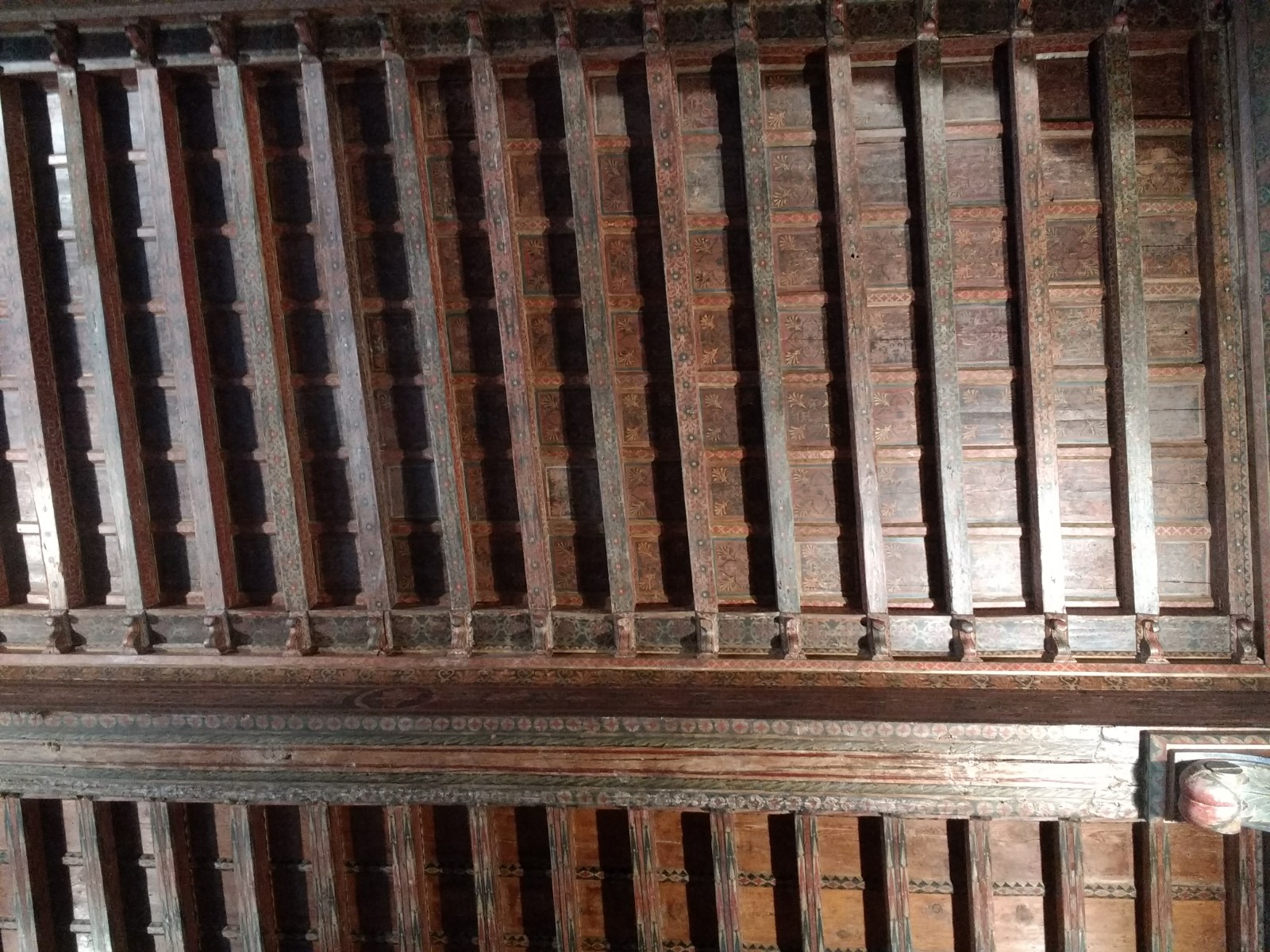
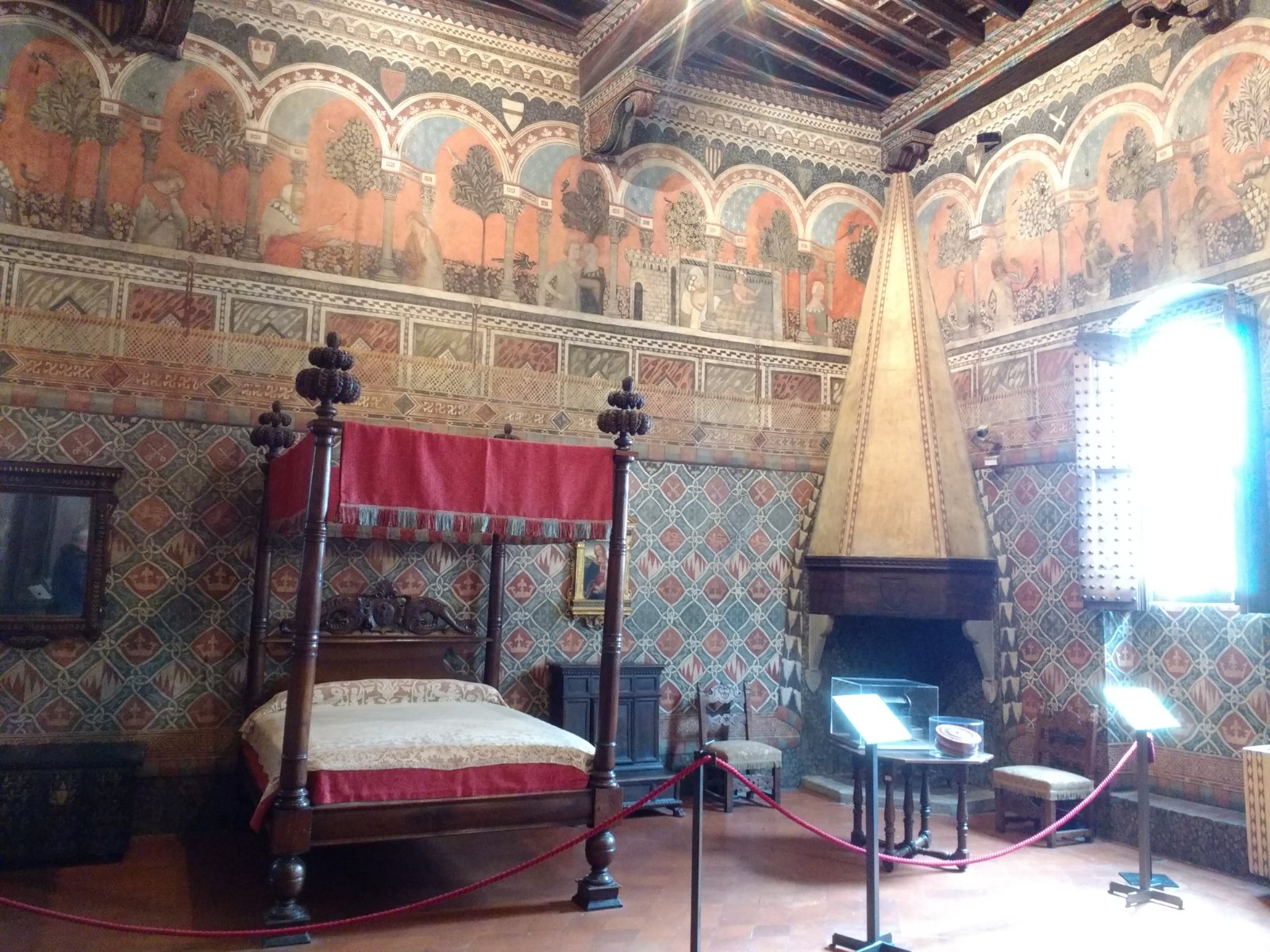
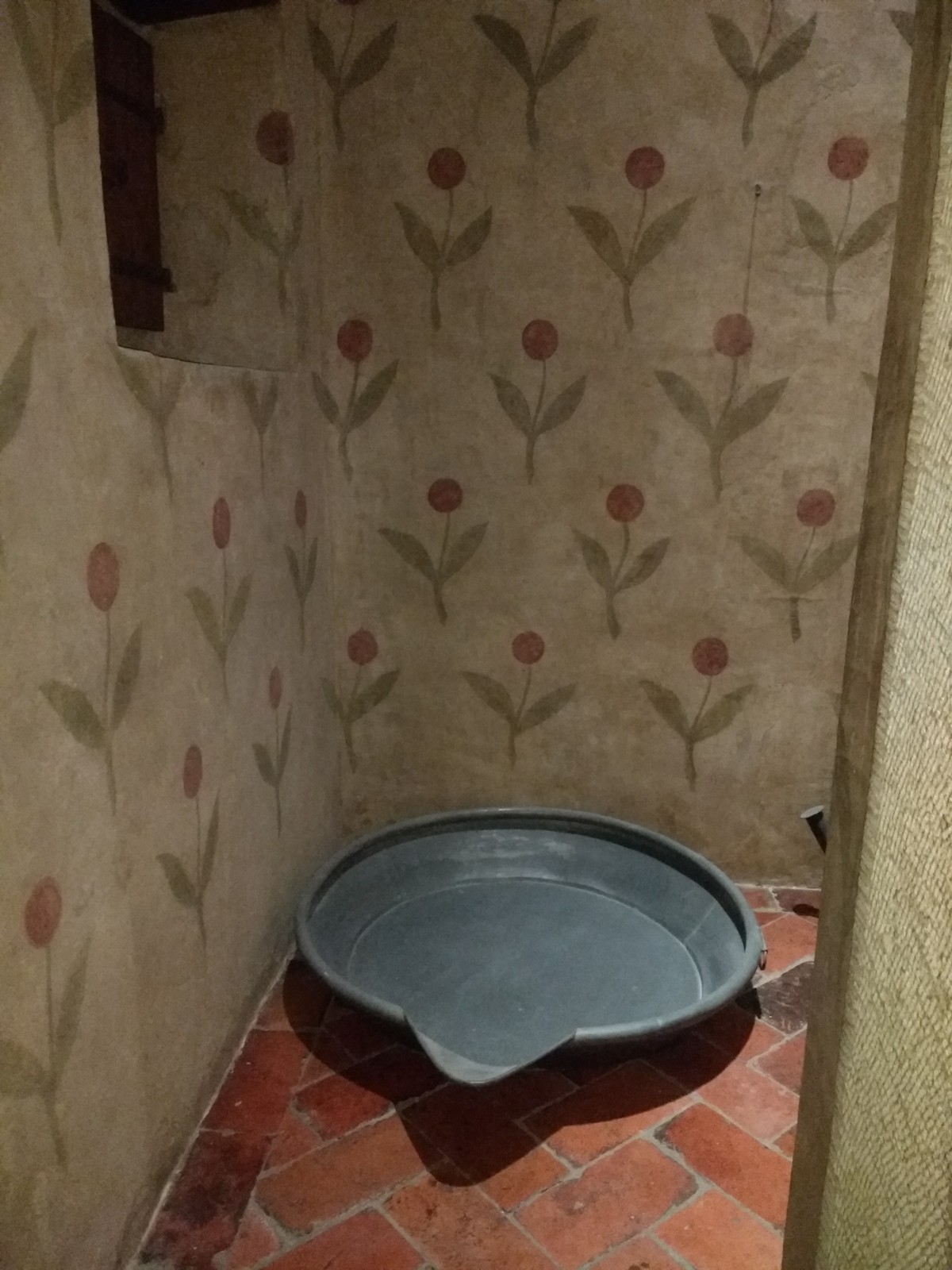
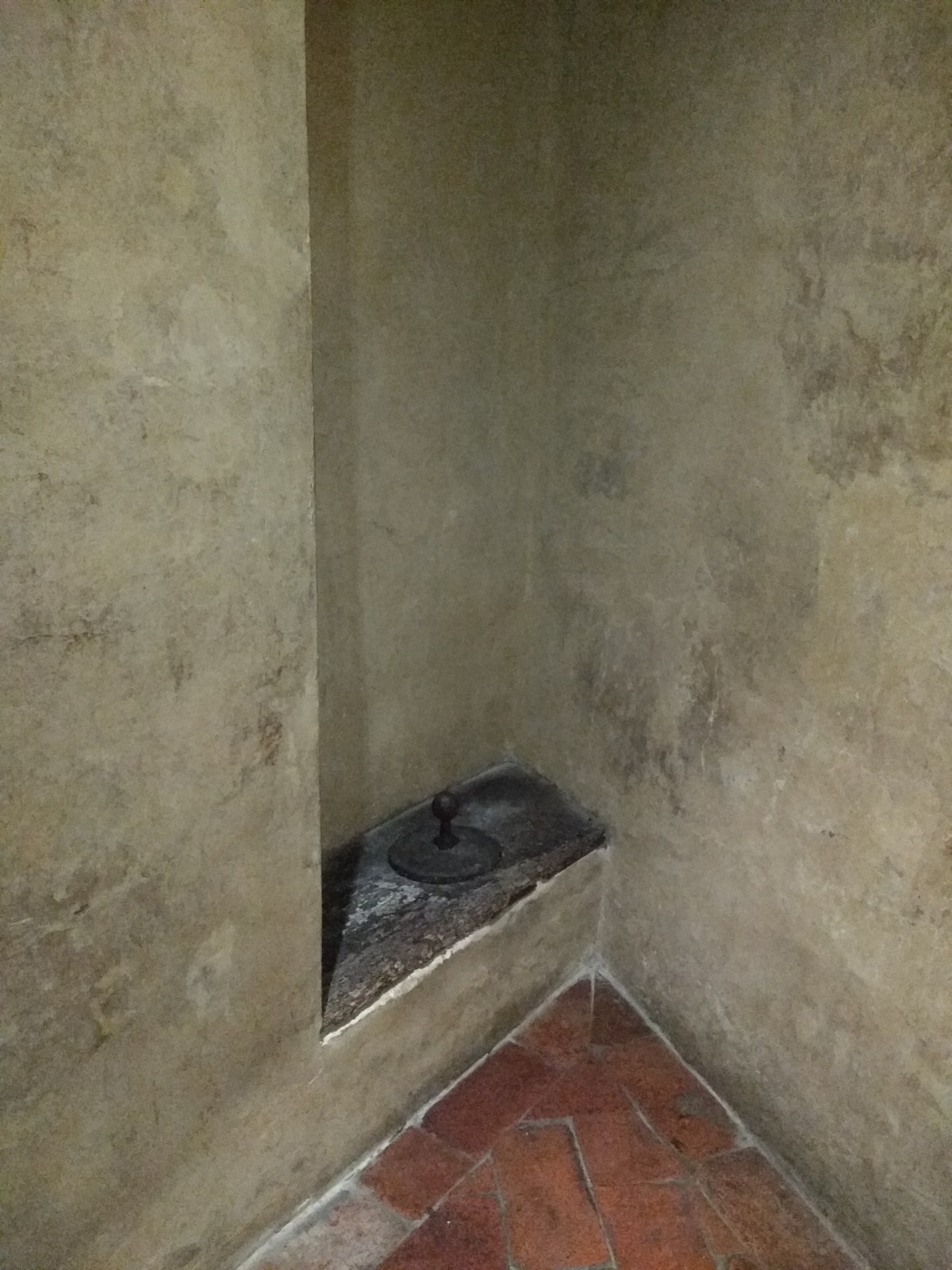

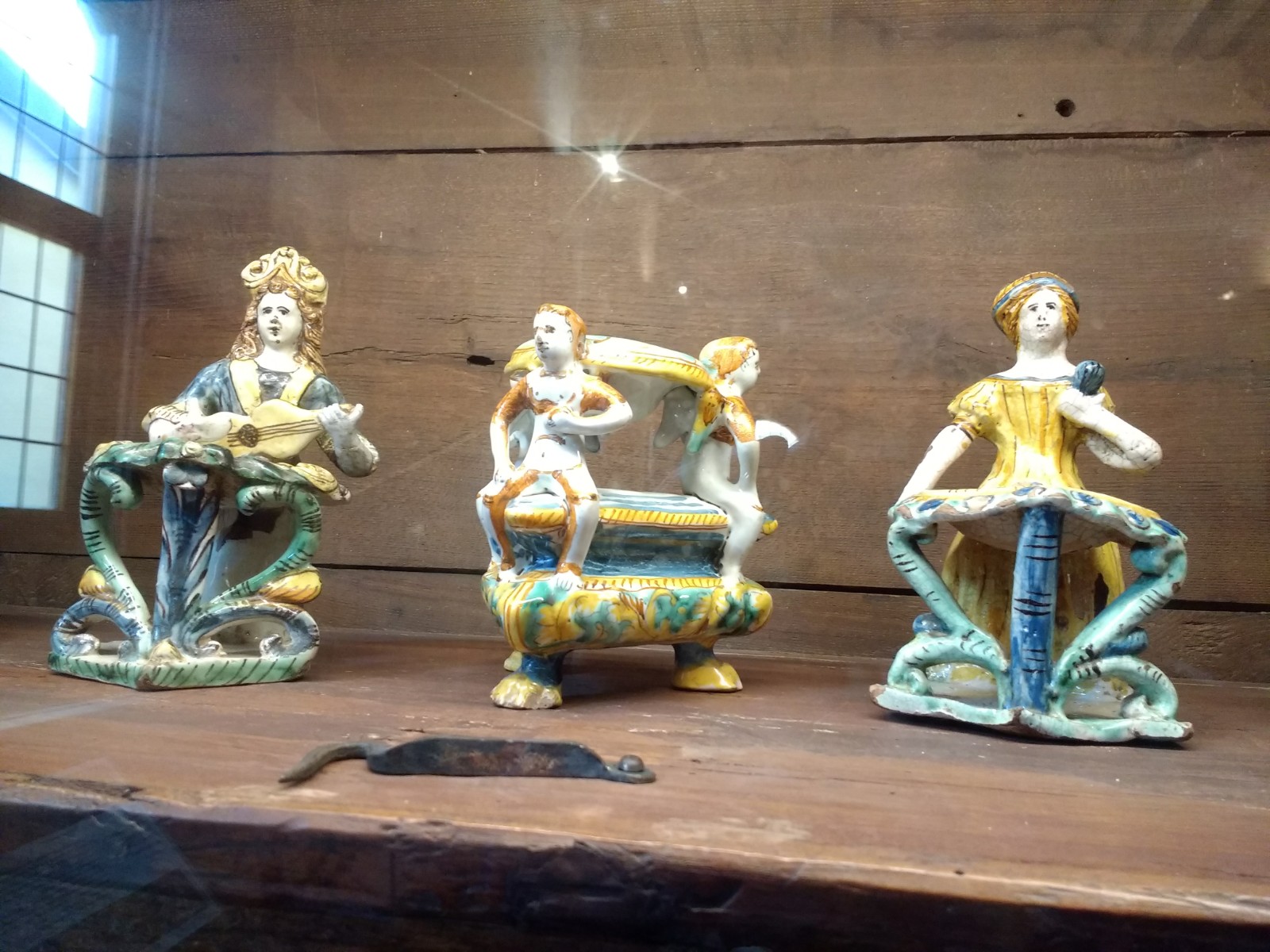
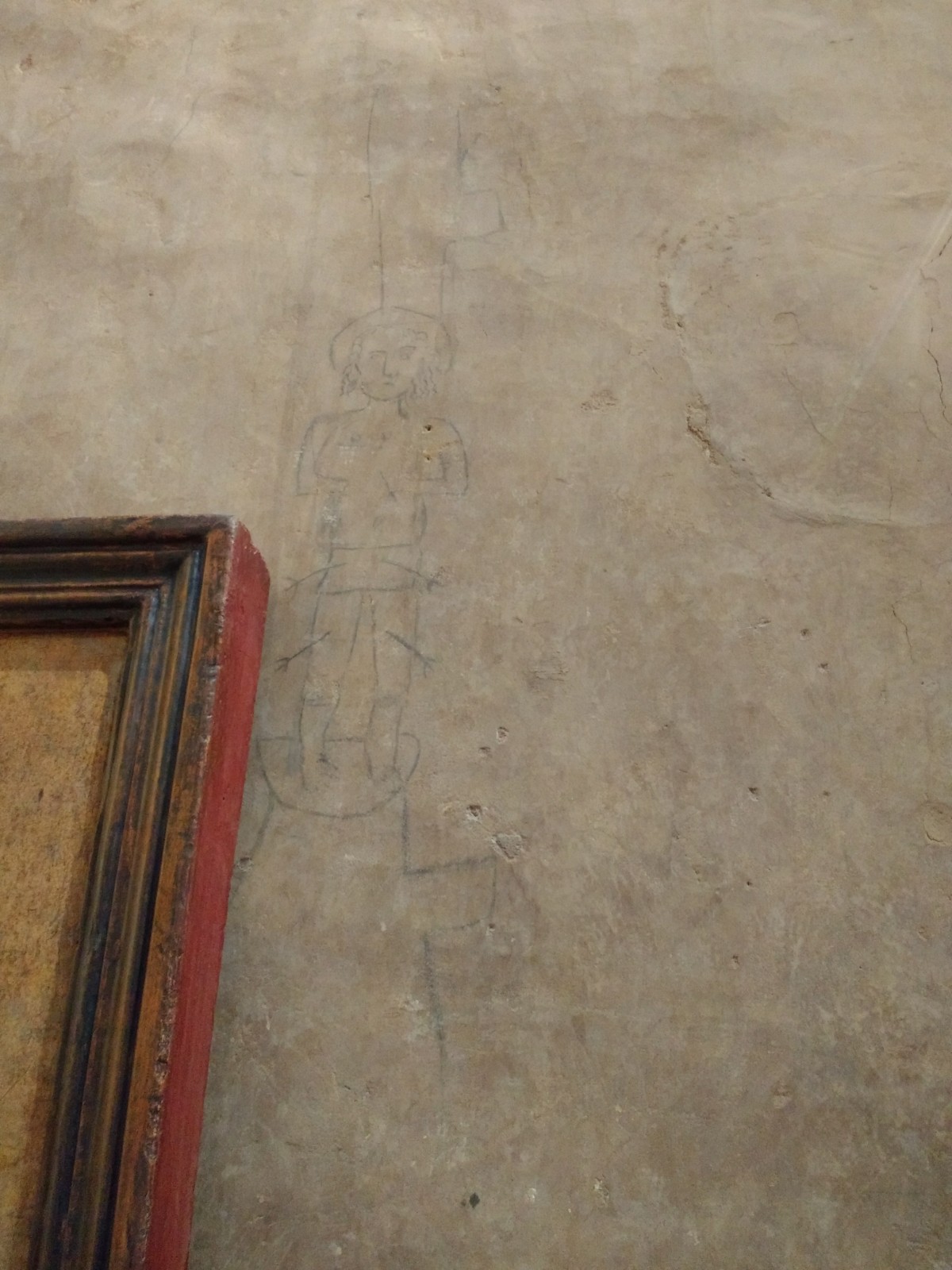
We didn’t see the top (third floor) which is where the kitchen would have been, common in grand houses so that the heat and cooking smells from the kitchen fires did not pass into the other rooms. There was also less risk to the rest of the building from out-of-control kitchen fires.
Our next free stop was Cappelle Medicee, burial place of the Medici family.
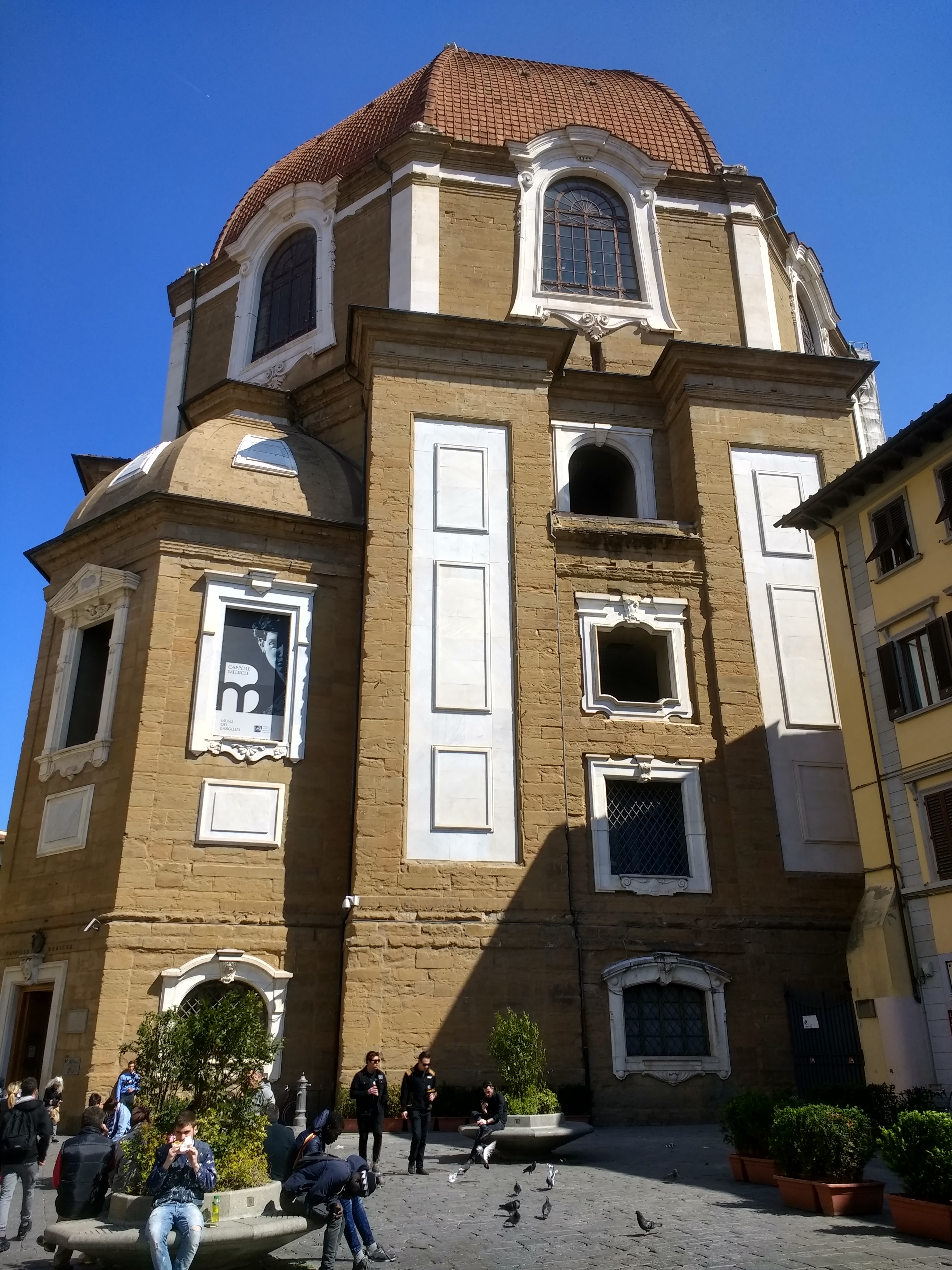
The New Sacristy was built by Michelangelo in 1519 over the space of ten years.
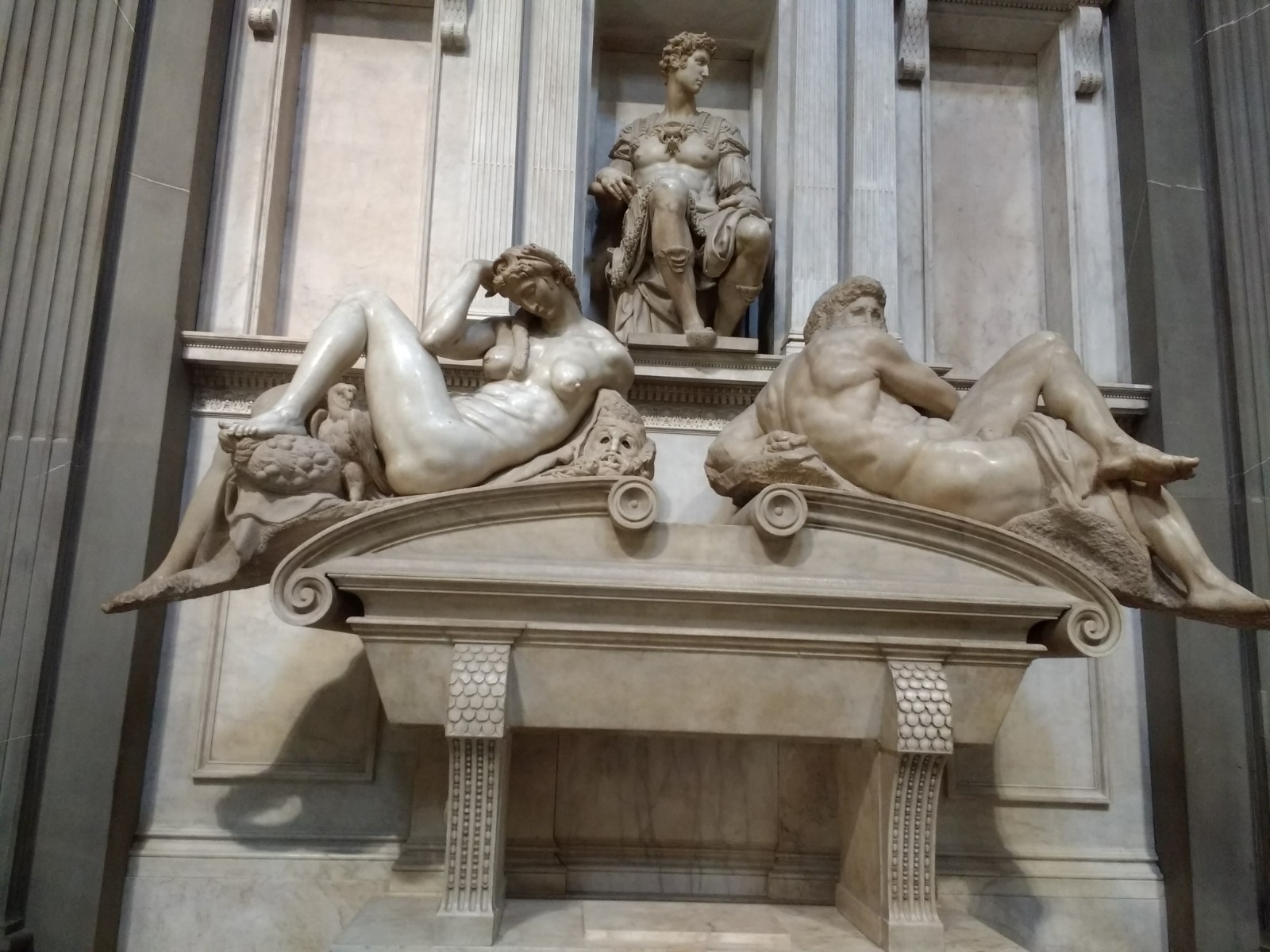
‘Night’ is shown by the sleeping woman on the left, and ‘Day’ by the man on the right.
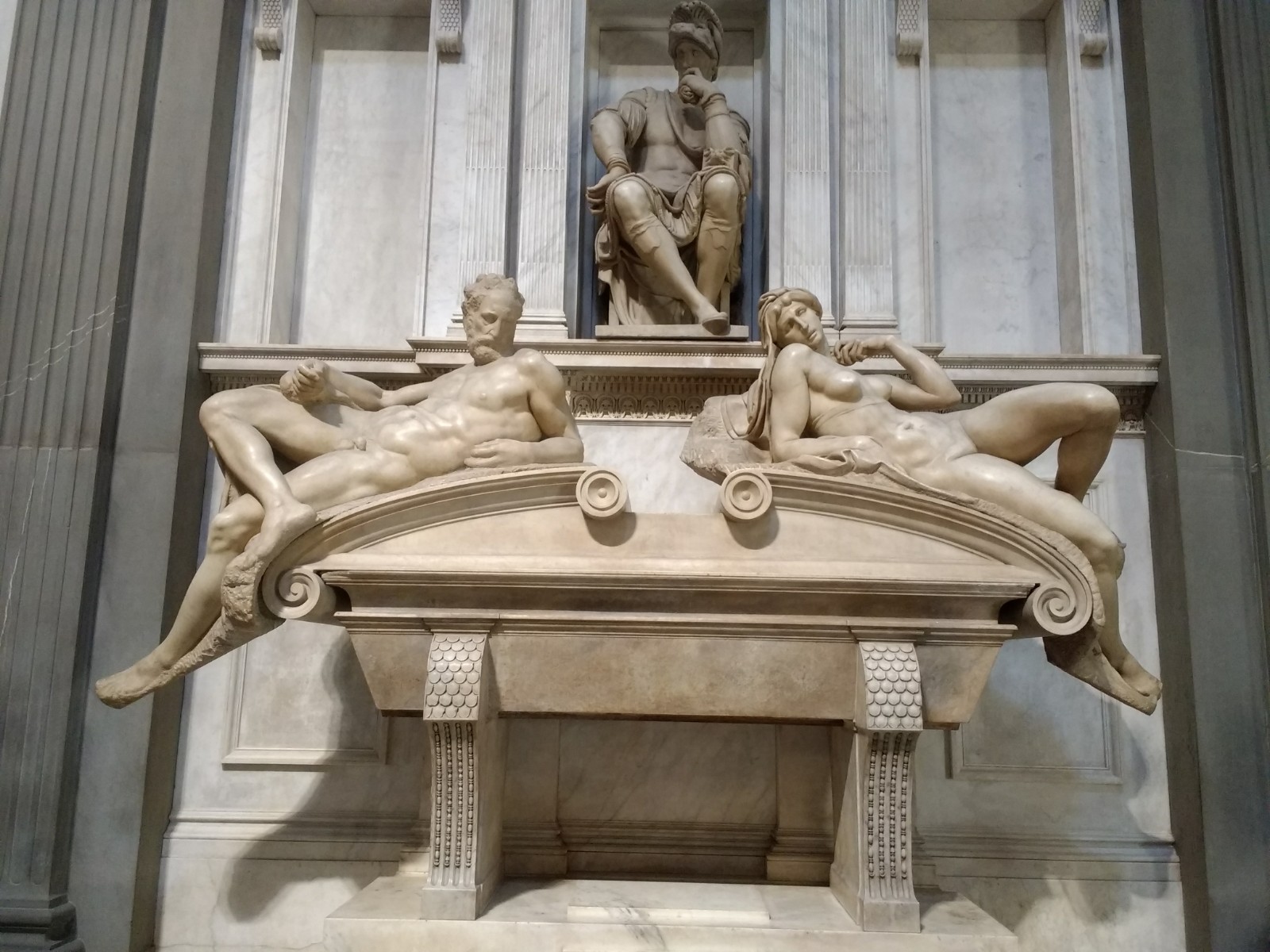
‘Dawn’ is shown by the waking man on the left, and ‘Dusk’ by the sleepy woman on the right.
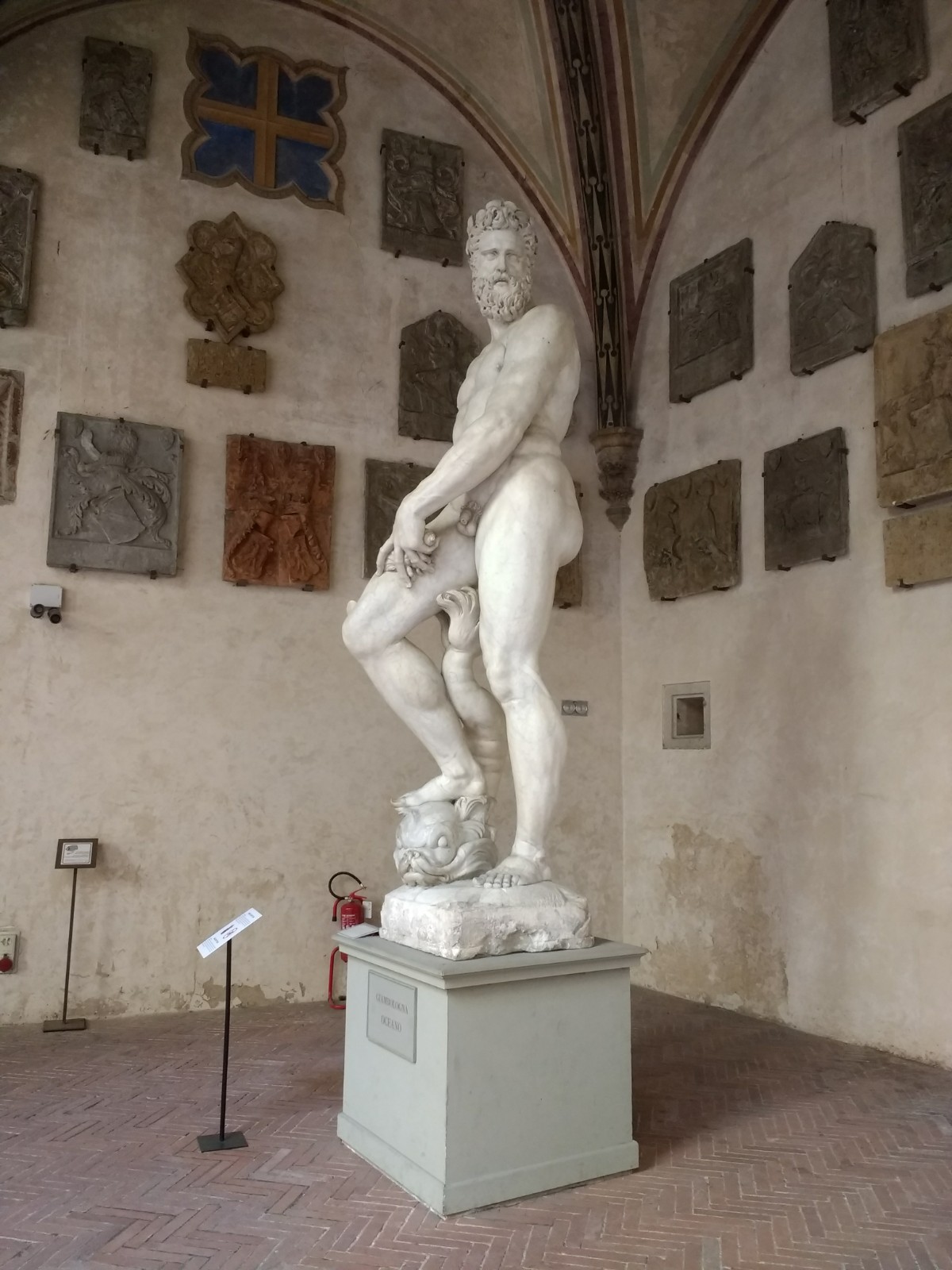
The last of our free museums, Museo Bargello, was built to house the chief of police in the thirteenth century, later used as a jail, and opened as a museum to house gothic and Renaissance sculptures in 1865. We followed Rick Steves’ audio guide and saw a selection of what was on offer.
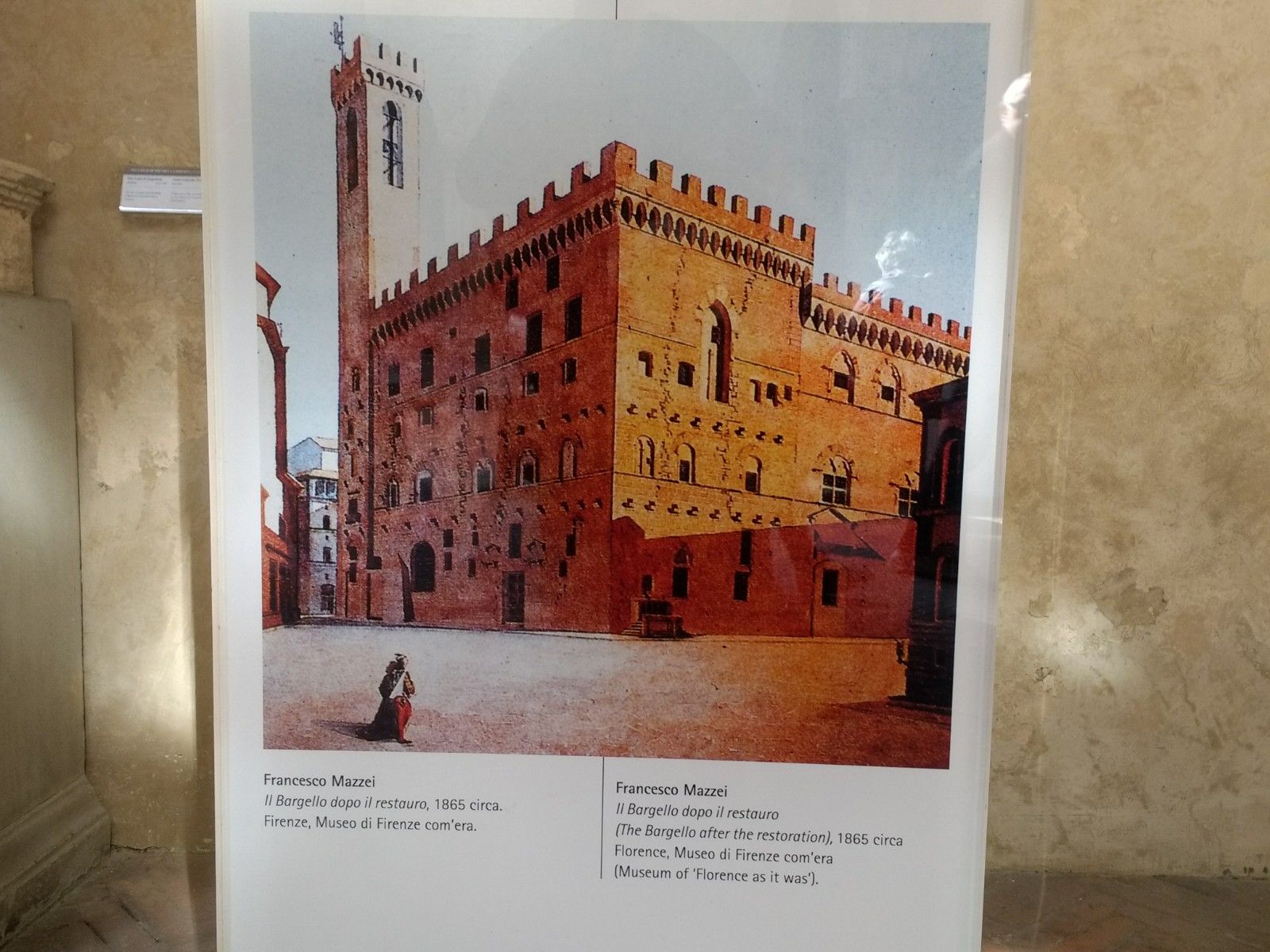
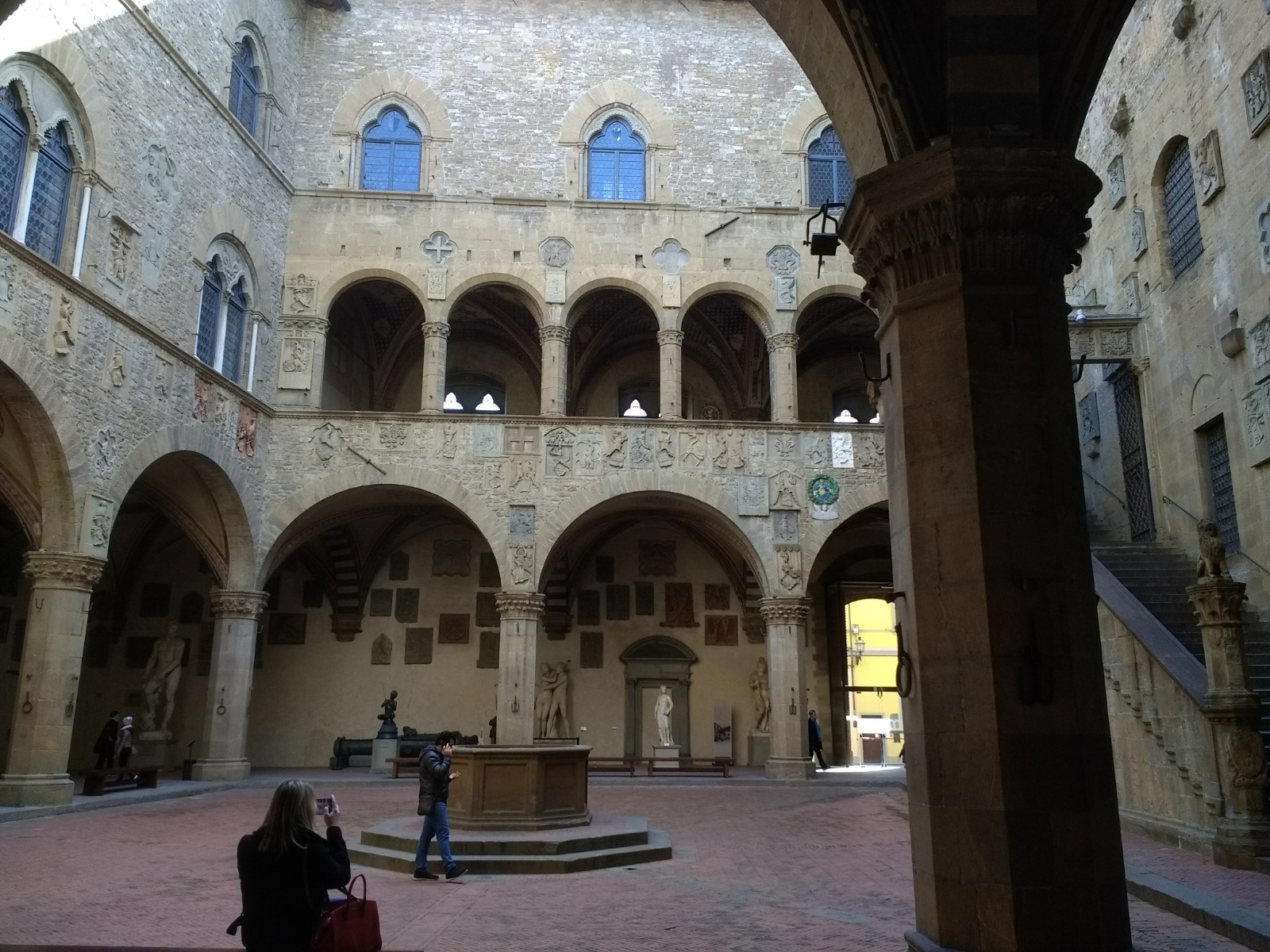
Rick’s descriptions included details of why the pieces were made, how they were received and new techniques and ways of representation used by the sculptors. I won’t reproduce what we learned, just show you some pictures. If you’re interested, all Rick Steves’ tours and talks can be downloaded free.
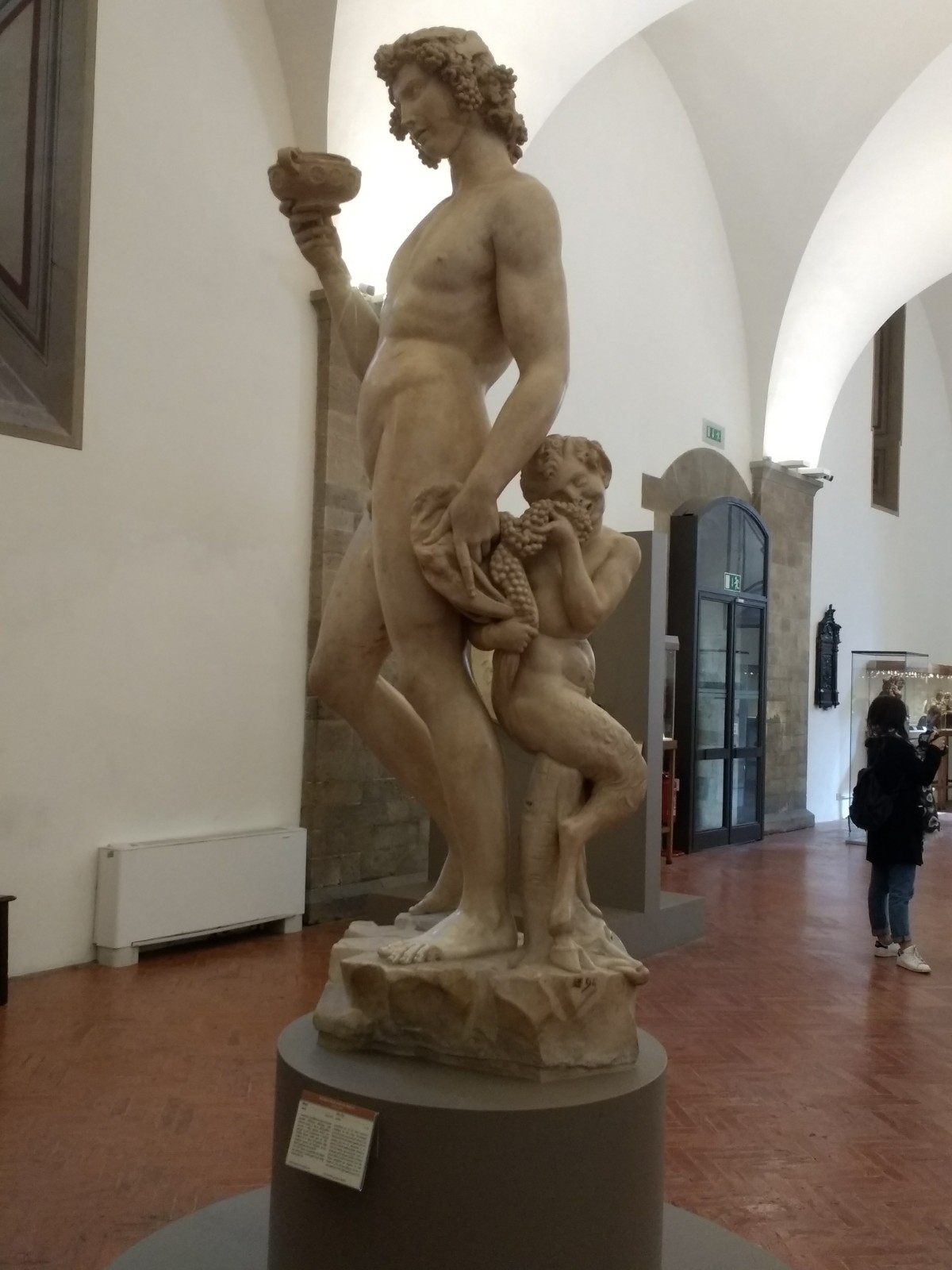
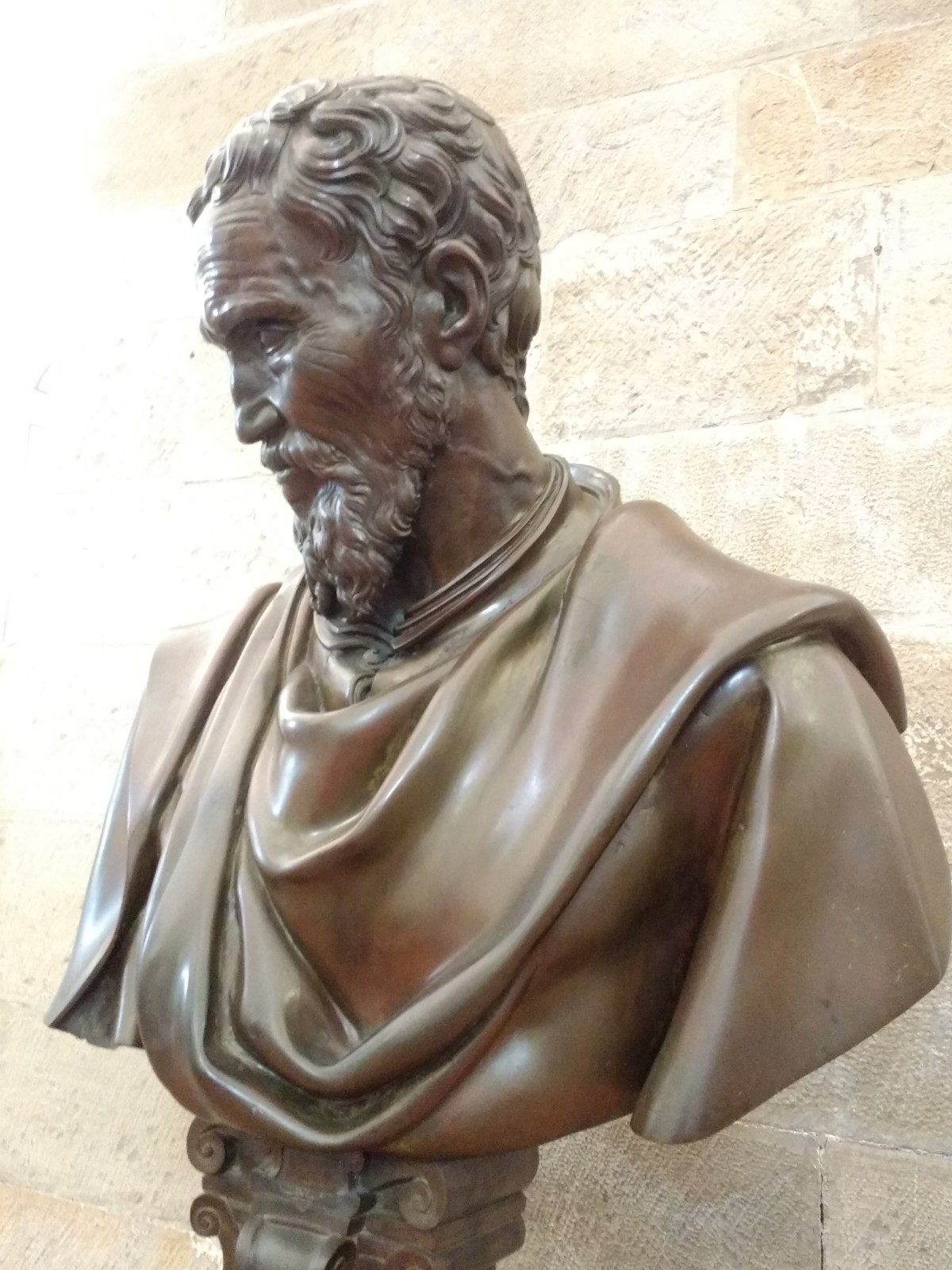
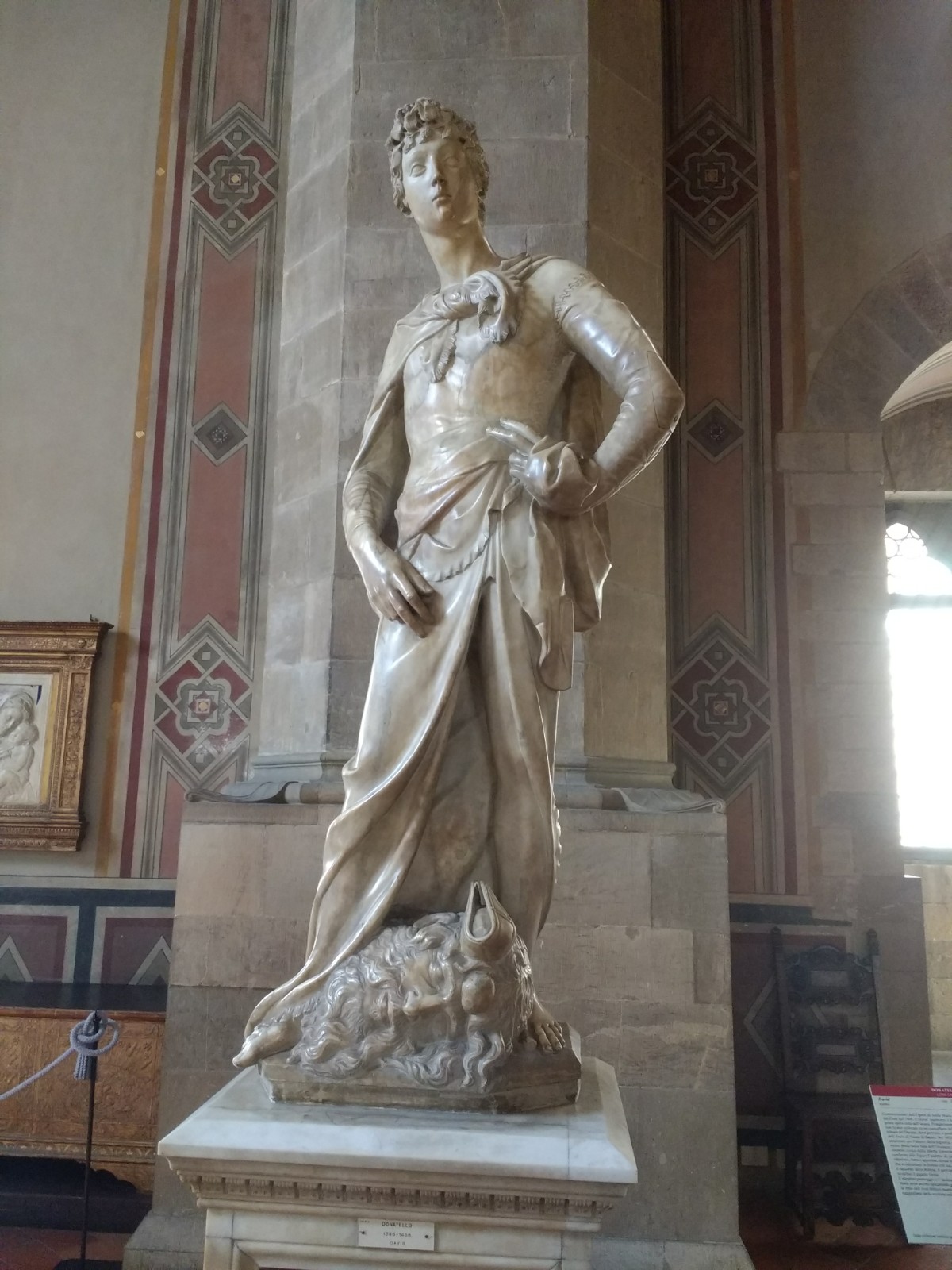

 Tortoise Travel
Loved these places- especially the Palace.
Only visit Belevedere on a clear day to get great views of Florence. Xxx
LikeLike
I think the Belvedere is in the Boboli Gardens, isn’t it? We are planning to go there at the weekend as it is predicted to get warmer.
LikeLike