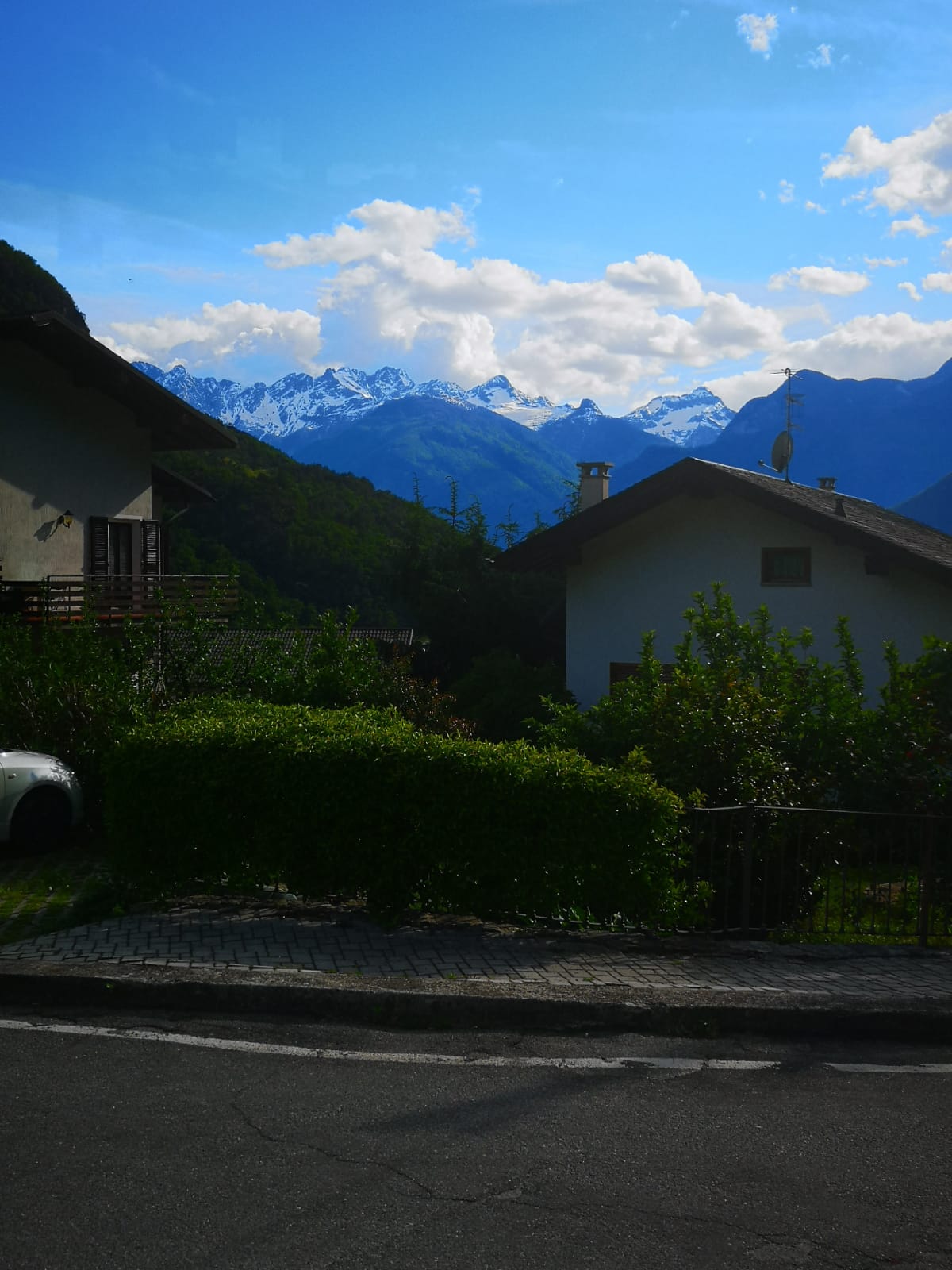
Guy and Laura are here after a week spent camping near the Swiss border. The scenery was wonderful and thankfully they had some good weather after a wet start.
View from the camp-site where Guy and Laura were staying.
The weather has been damp and dull for their stay in Bologna up to now, but today is turning out better and they have taken themselves off to Modena, which we visited a couple of weeks ago.
Yesterday we showed them round the Anatomical Theatre where human corpses were dissected for the training of medical students in the seventeenth century.
Bologna was at the forefront in the training of doctors at this time and wax modellers reproduced human body parts for educative purposes.
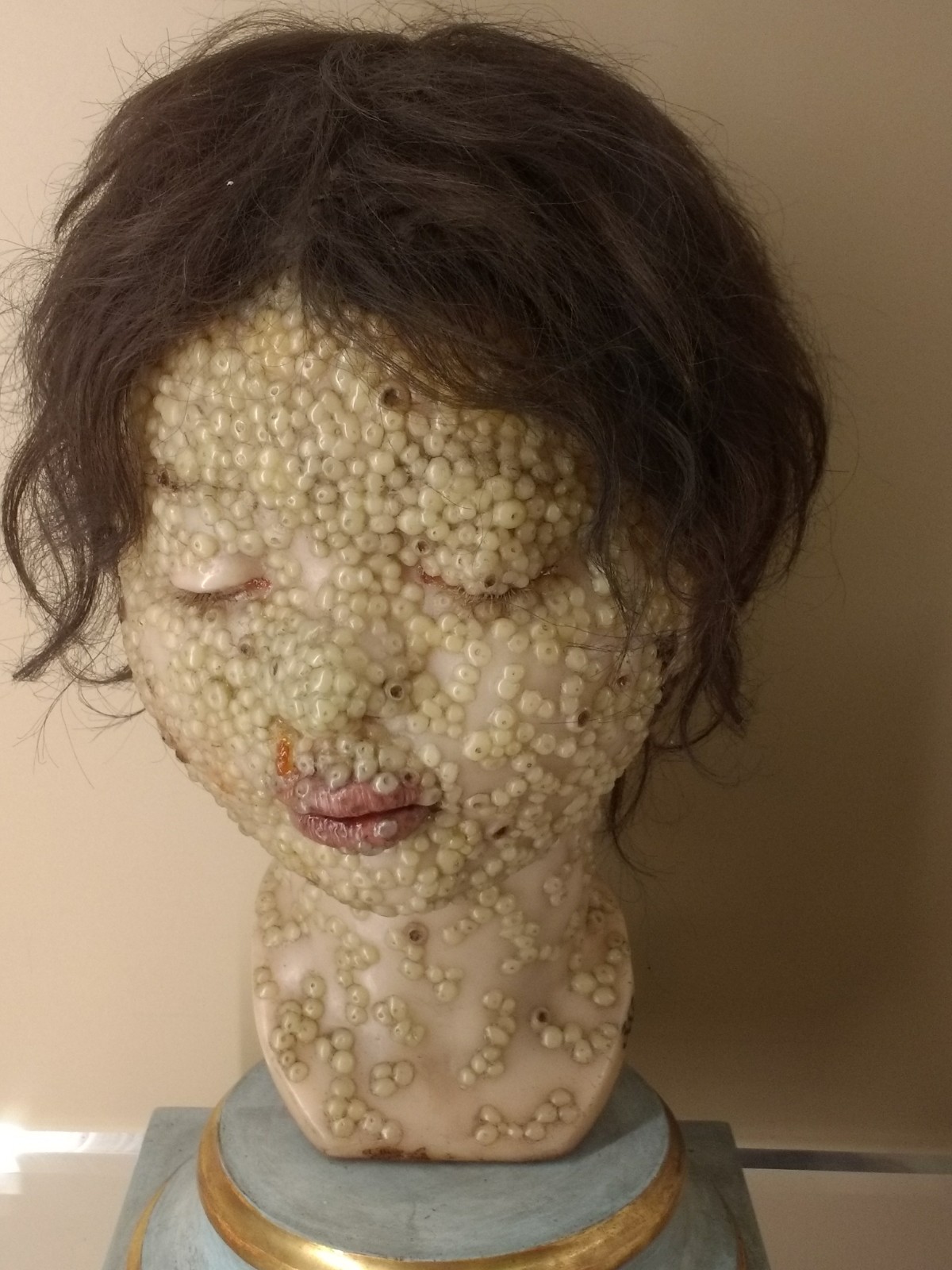
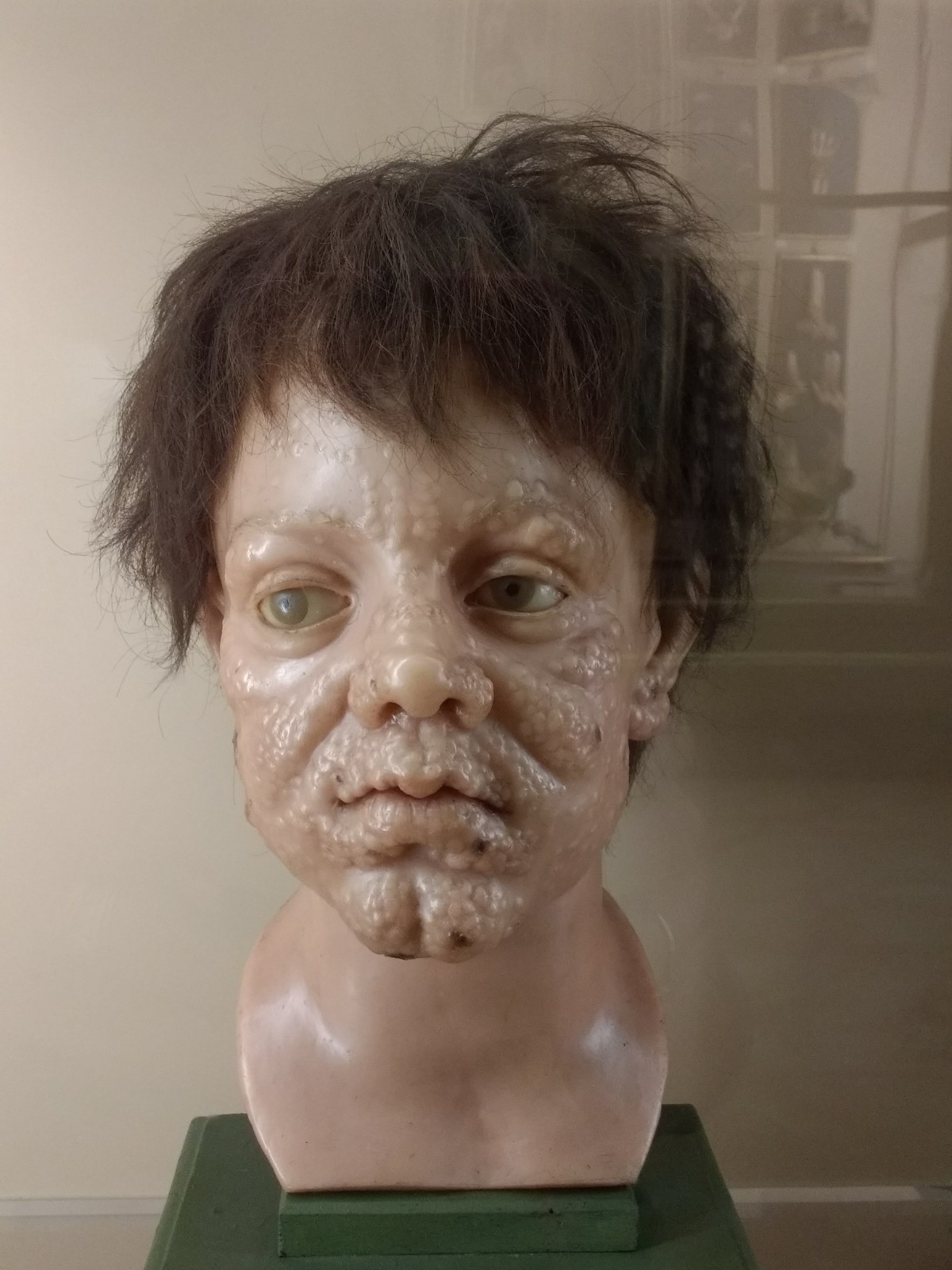
In one museum there are wax models showing a series of foetuses inside the womb, each foetus presented in a different position for birth eg breech and transverse, and in a second museum abnormalities of the foetus (mostly extremely rare) were modelled for prospective obstetricians.
Also to be seen are the effects of various diseases.
SmallpoxLeprosy
How wonderful it would be, I thought, if one day in the future, diseases that people suffer from today will only exist as exhibits in museums. Smallpox has now been eradicated according to the World Health Organisation, the last known case having been in Somalia in 1977.
Unfortunately, it has proved more of a challenge to rid the world of leprosy.
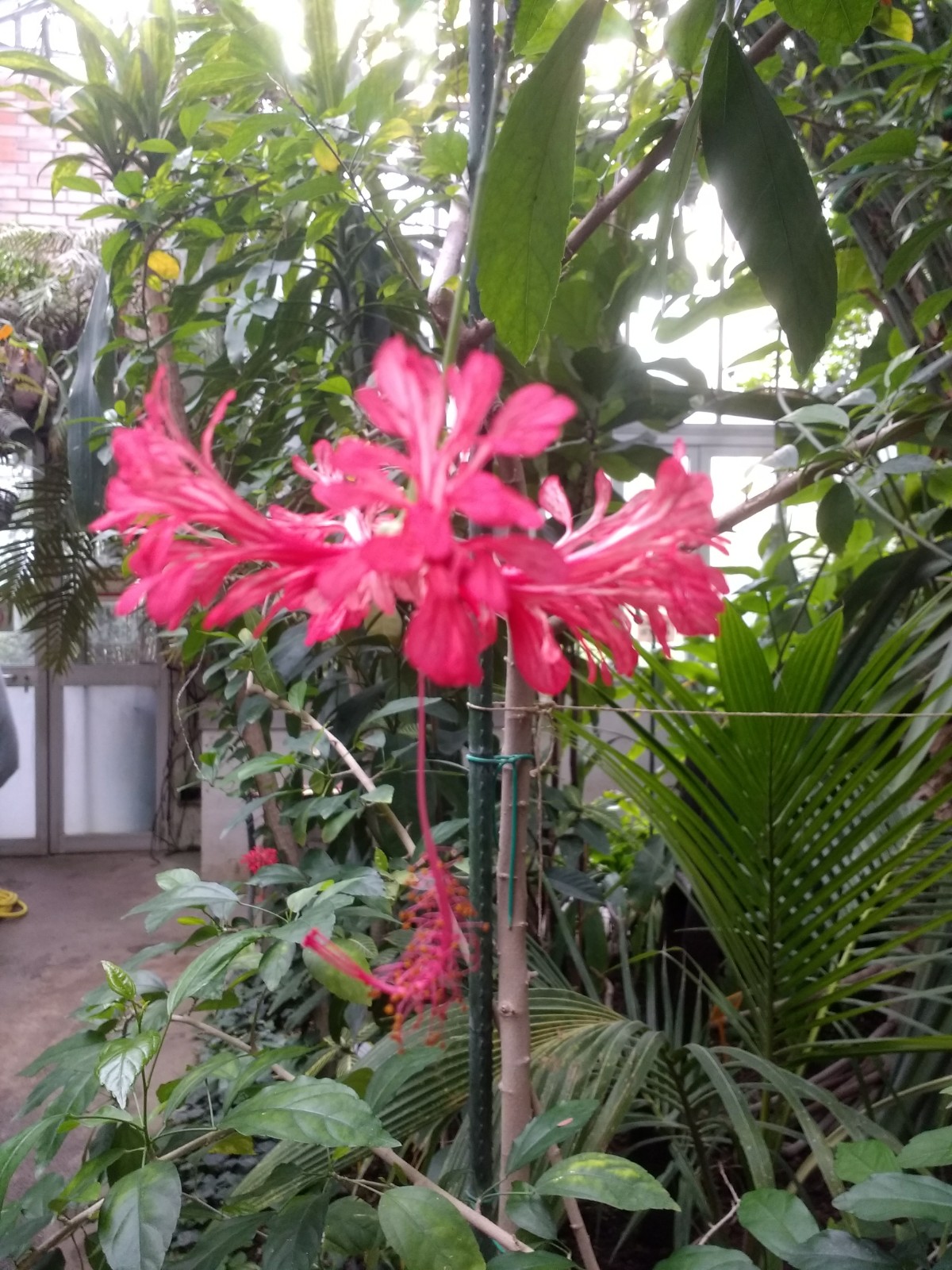
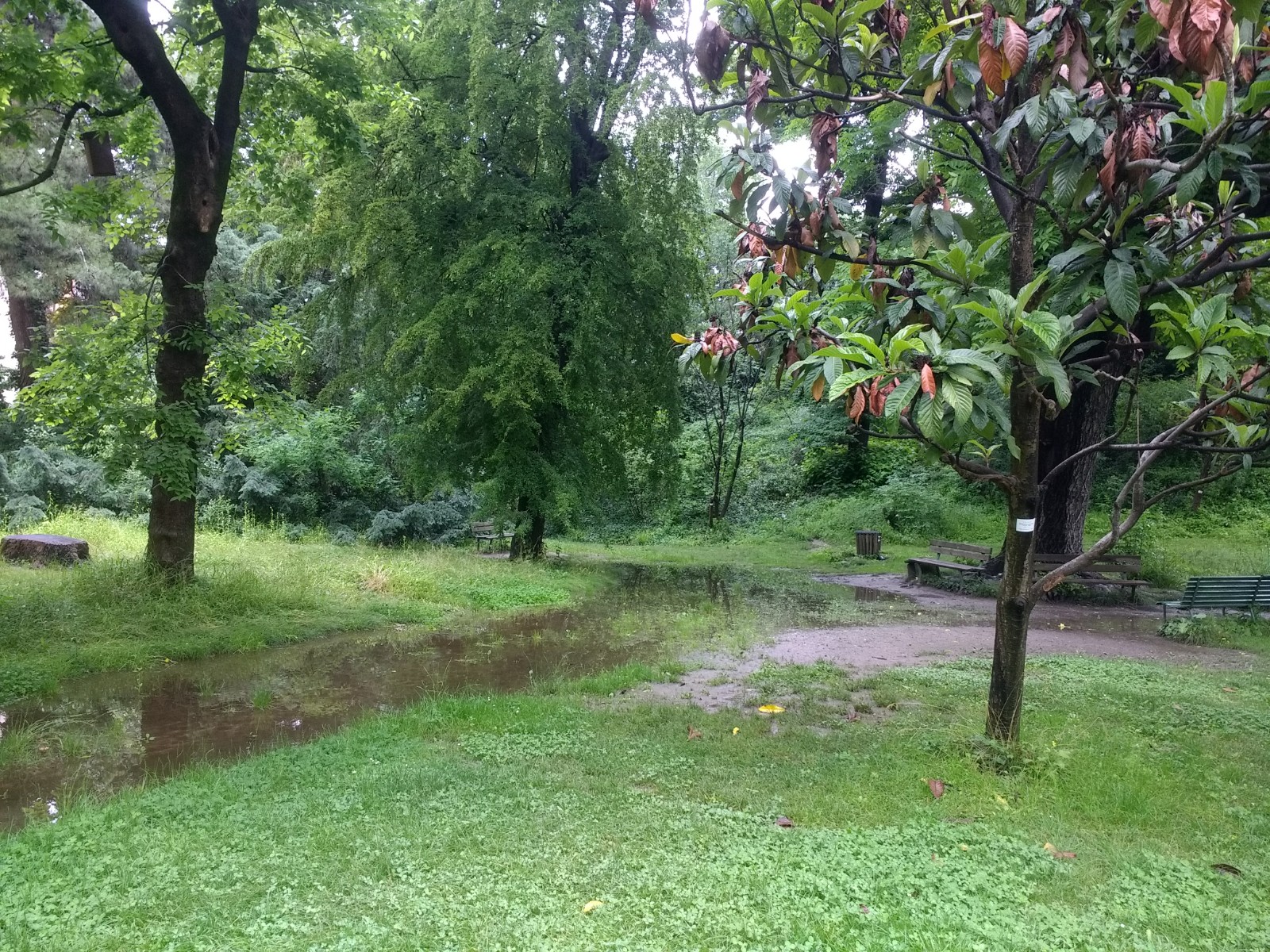
After the macabre waxworks we popped into the Botanical Gardens.
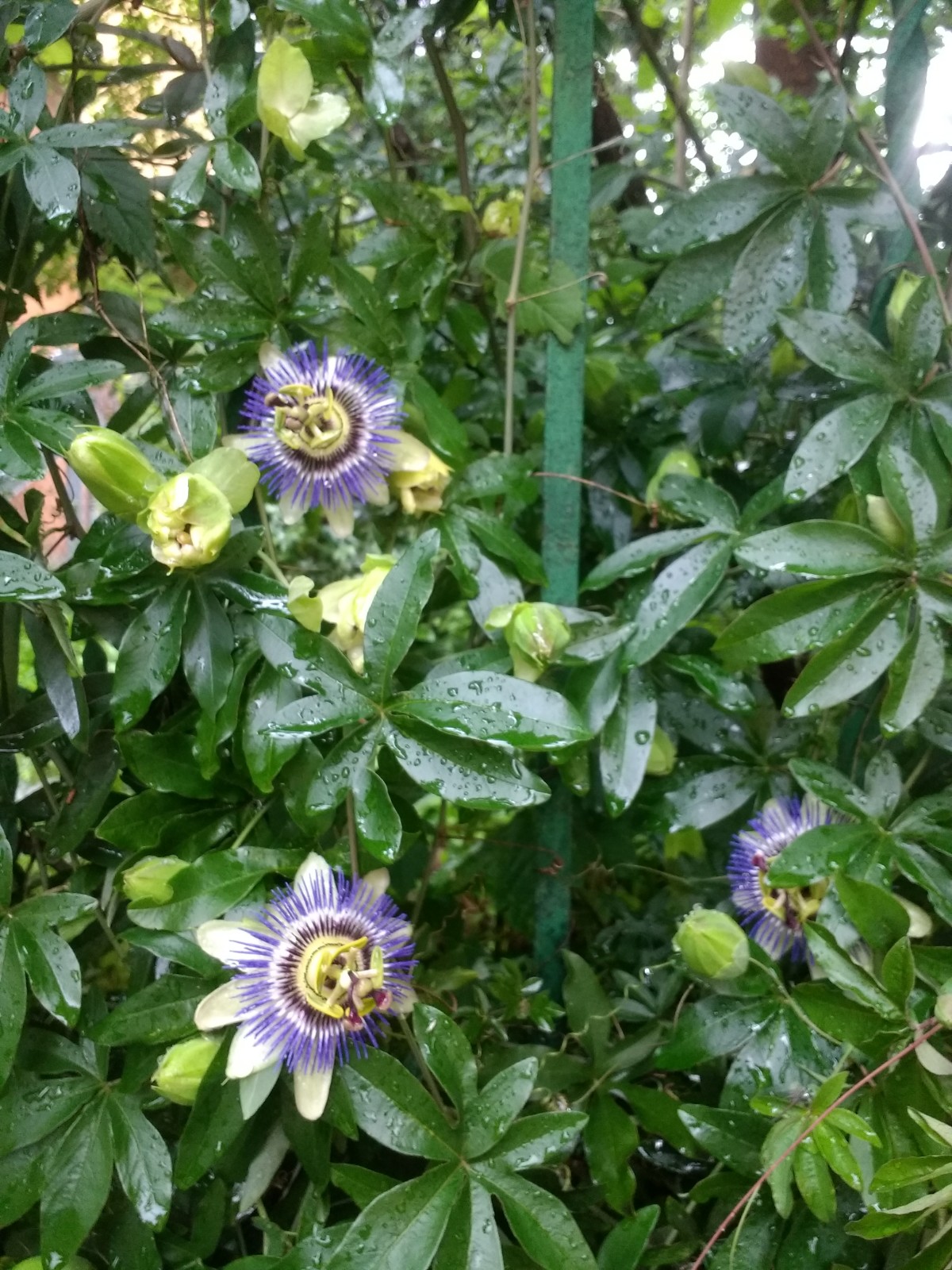
In a hothousePassion flowers
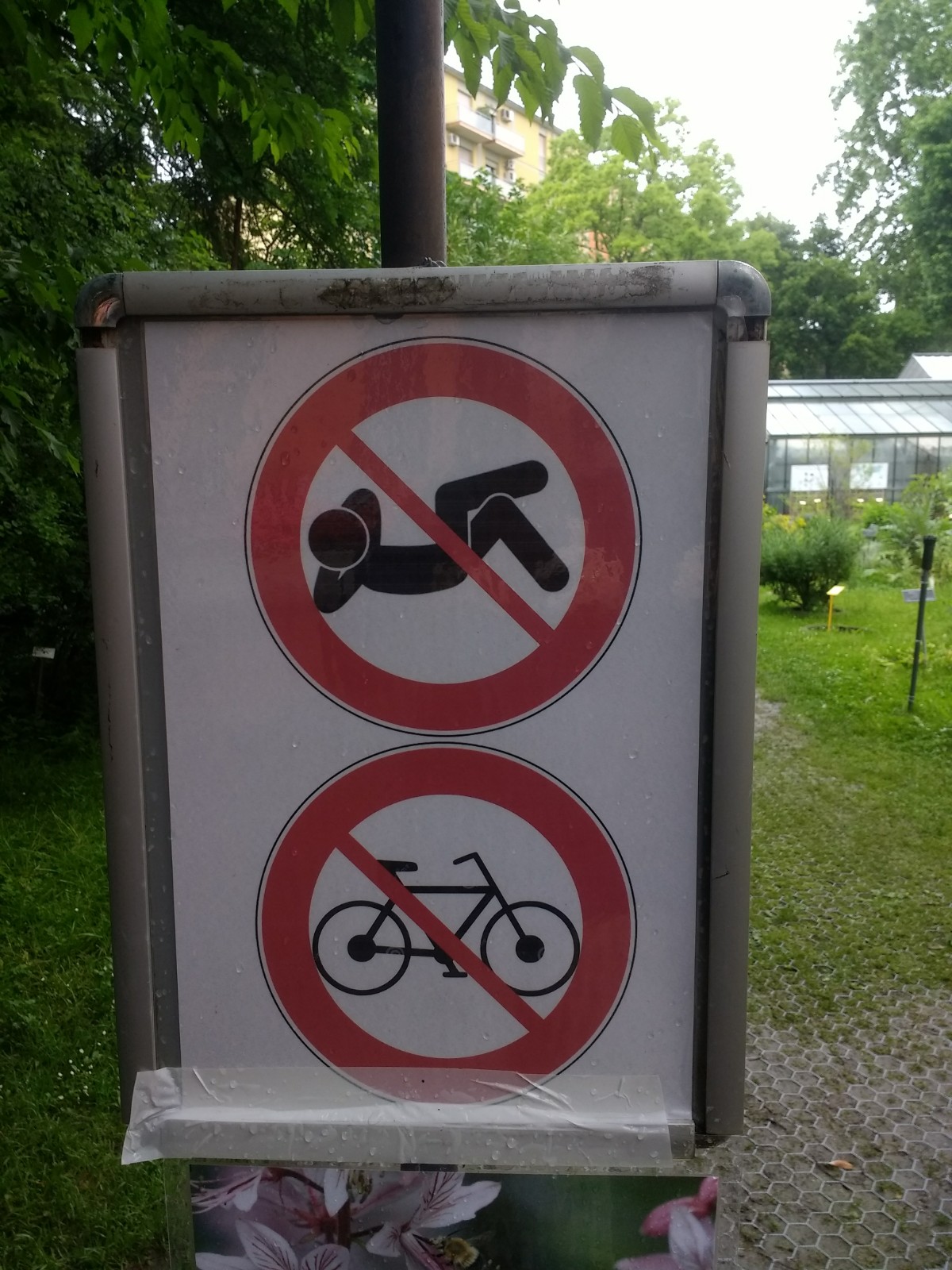
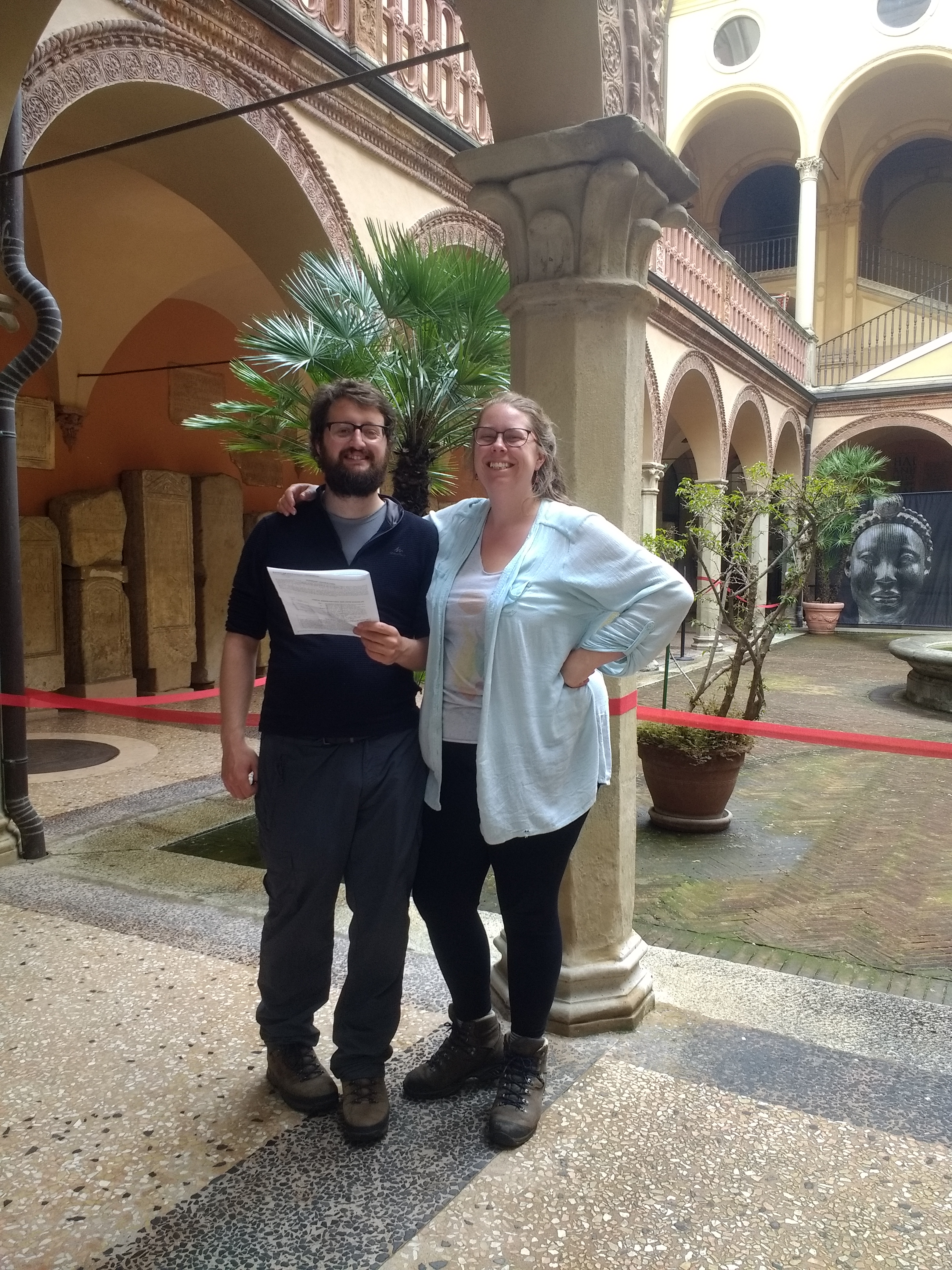
No worries, we weren’t tempted to lie down on the grass …The conditions are far from dry here, but Guy hopes that his housemates are watering his garden in London. Guy and Laura at the Archeological Museum, Bologna. It looks as if Guy is holding a song sheet, but it is actually some notes on the Roman remains we were looking at in the museum.
Whilst a protest against a far-right politician in the UK yesterday amounted to Nigel Farage being covered in milkshake, here in Bologna feelings against the far-right got a little more out of hand.
A crowd of one thousand protested against a rally by the far-right group, Forza Nuovo, led by Roberto Fiore, who incidentally is a chum of Farage’s.
Here, the terrorist bombing of Bologna Station in August 1980, which killed 85 people, is still fresh in the Bolognese memory. Several members of a neo-fascist terrorist organisation were sentenced to life imprisonment for the massacre, although the group denied involvement. Fiore fled to London when weapons were found in a building used by him. After spending the next 20 years in the UK as a political refugee, he returned to Italy, where he was sentenced to the next five plus years in prison.
The antifascist protestors yesterday threw petrol bombs and the police retaliated with baton charges and water cannon, but there have been no reports of casualties. Our classmates reported seeing helicopters flying over the city yesterday evening, which we, in our leafy suburban apartment, were oblivious to.
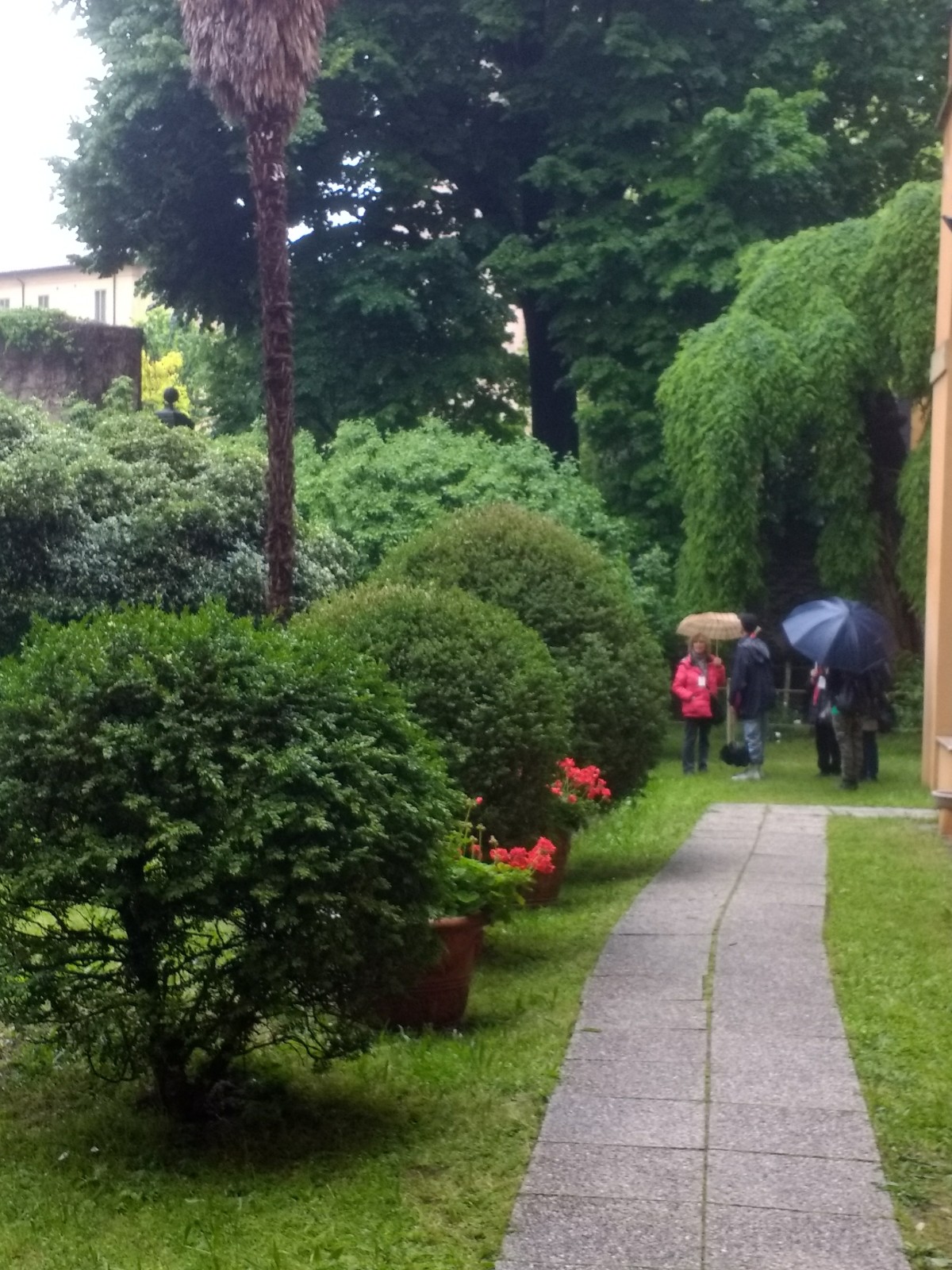
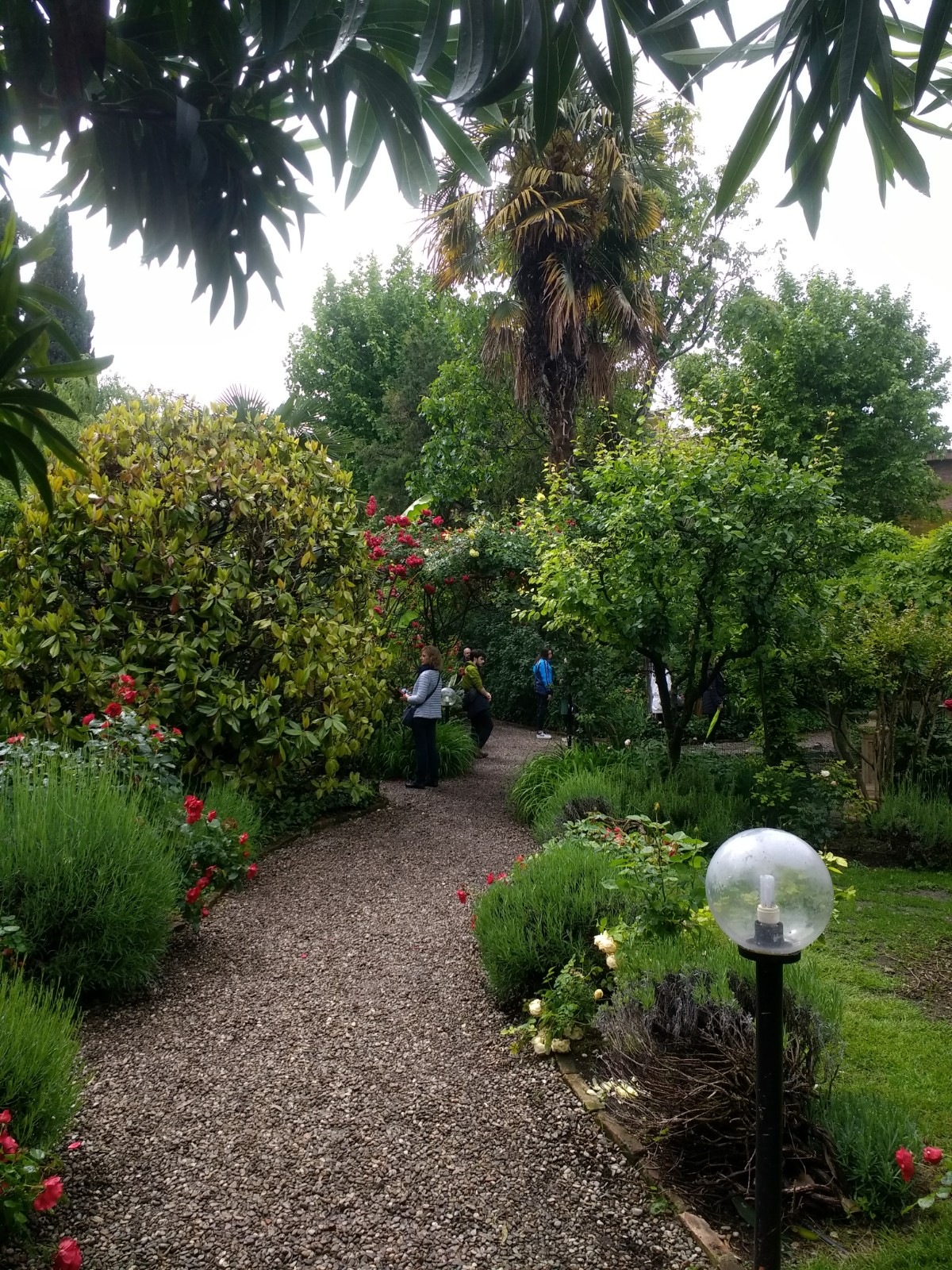
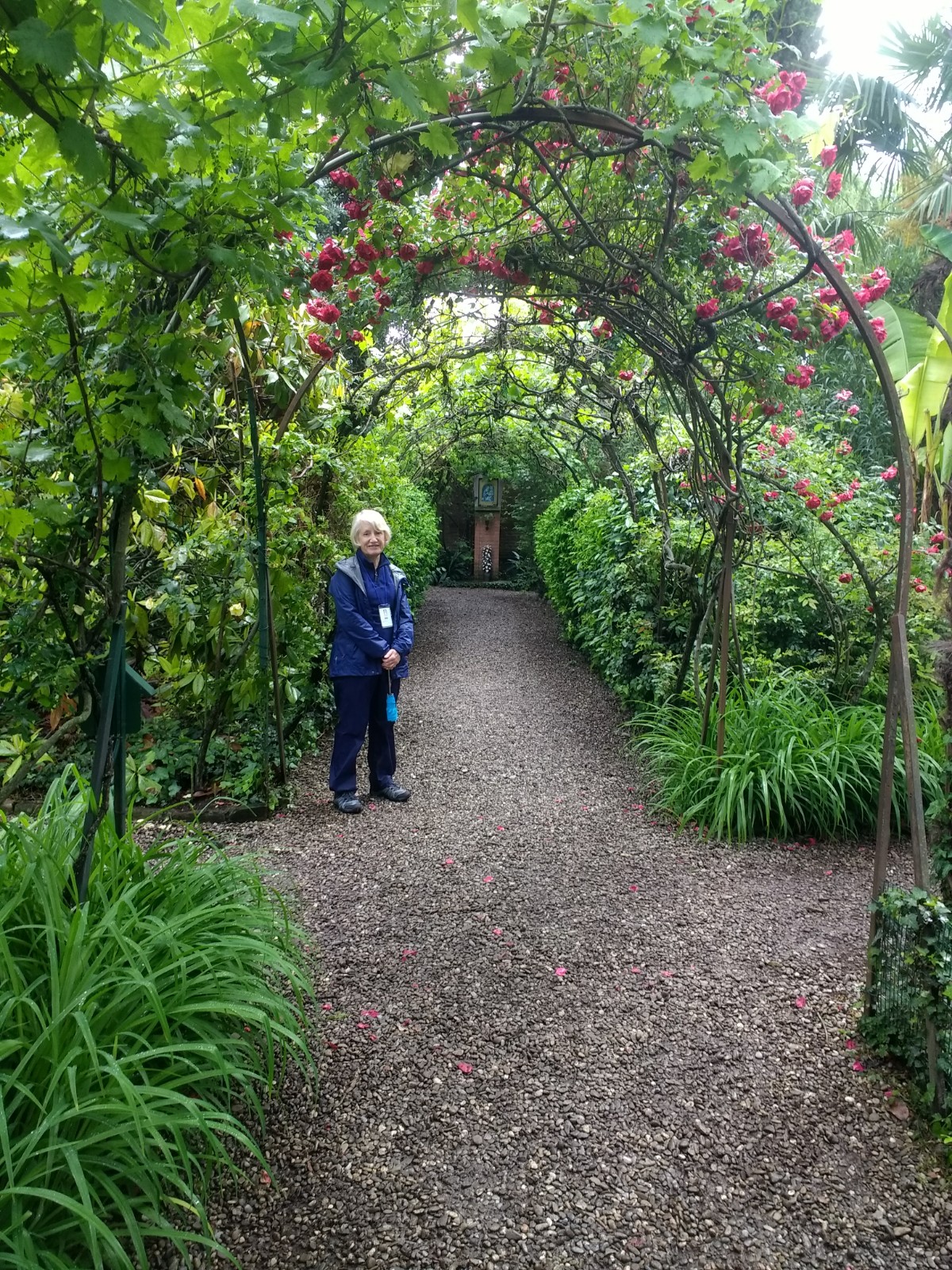
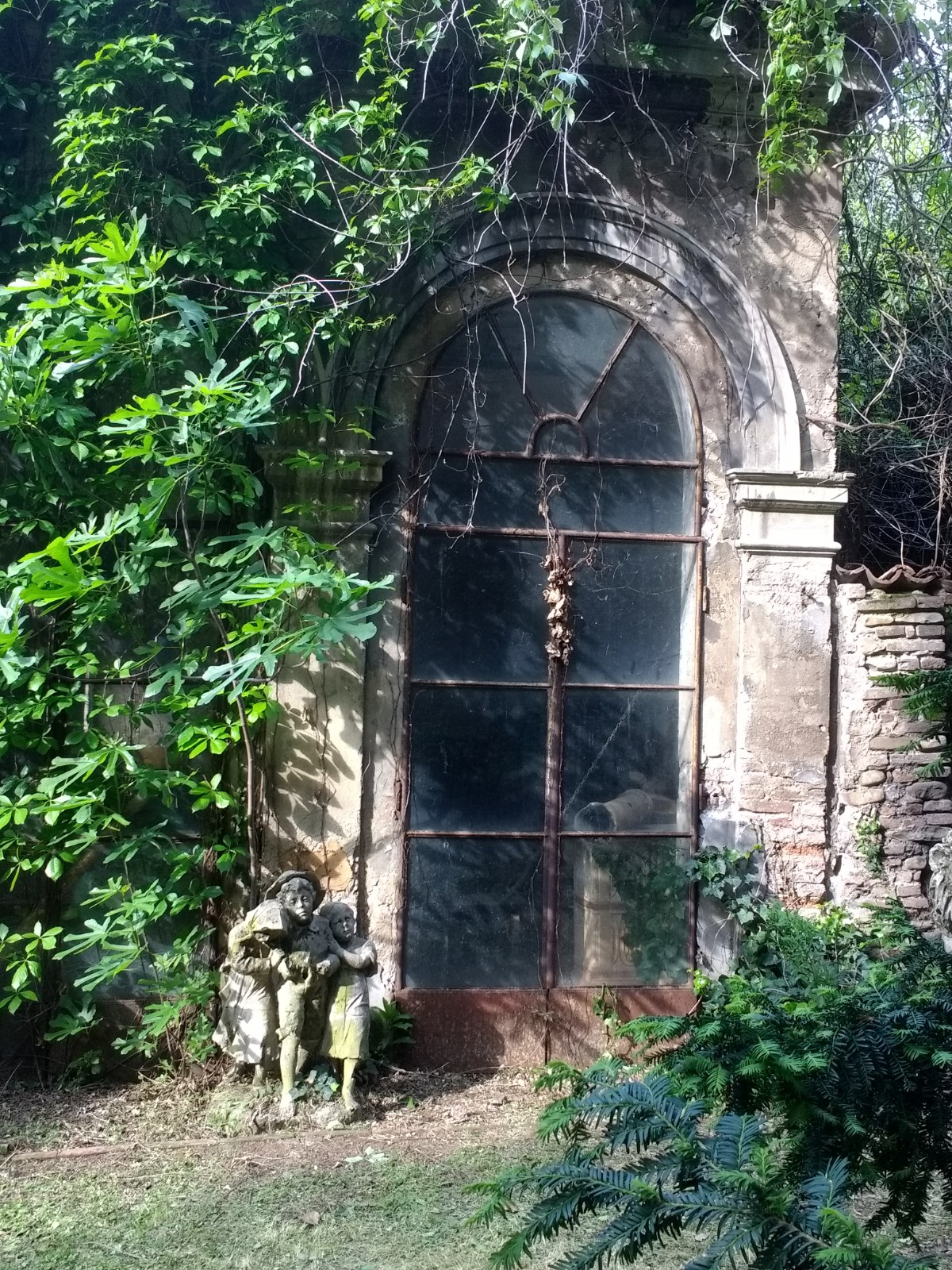
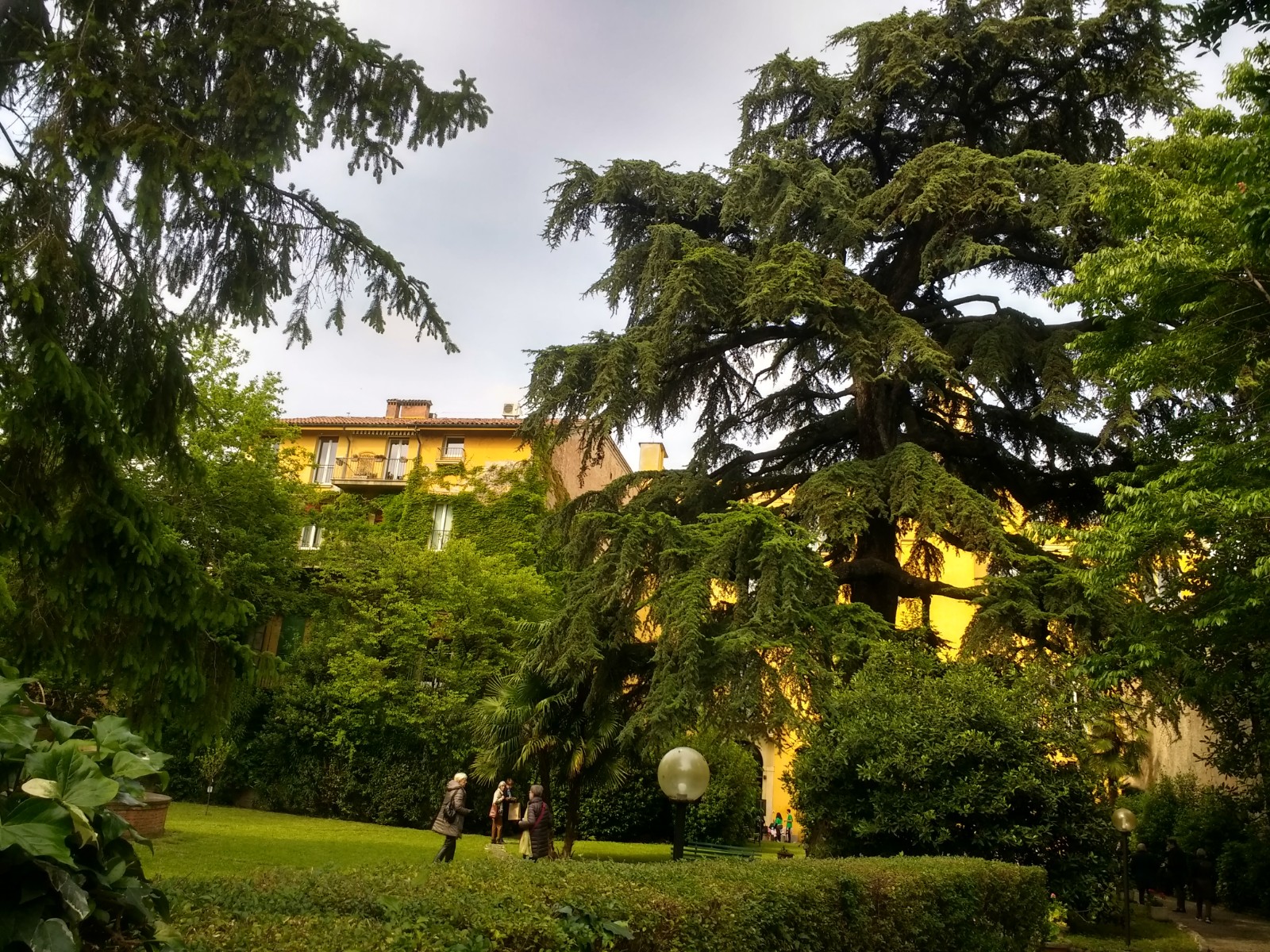
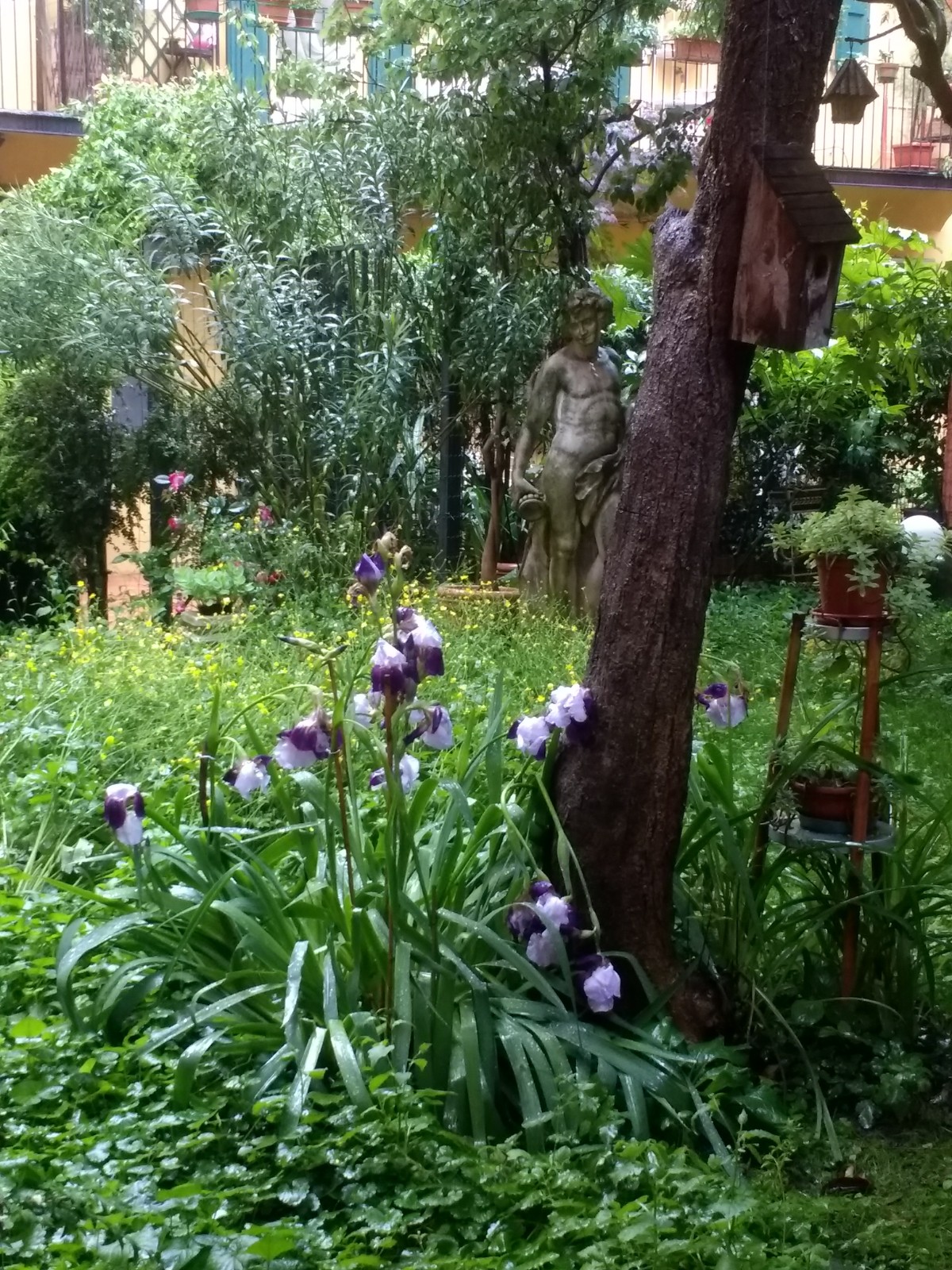
For the last six years a number of private gardens in Bologna have opened to the public for one weekend in May. The event occurred this weekend, and people turned out through sun, and rain.
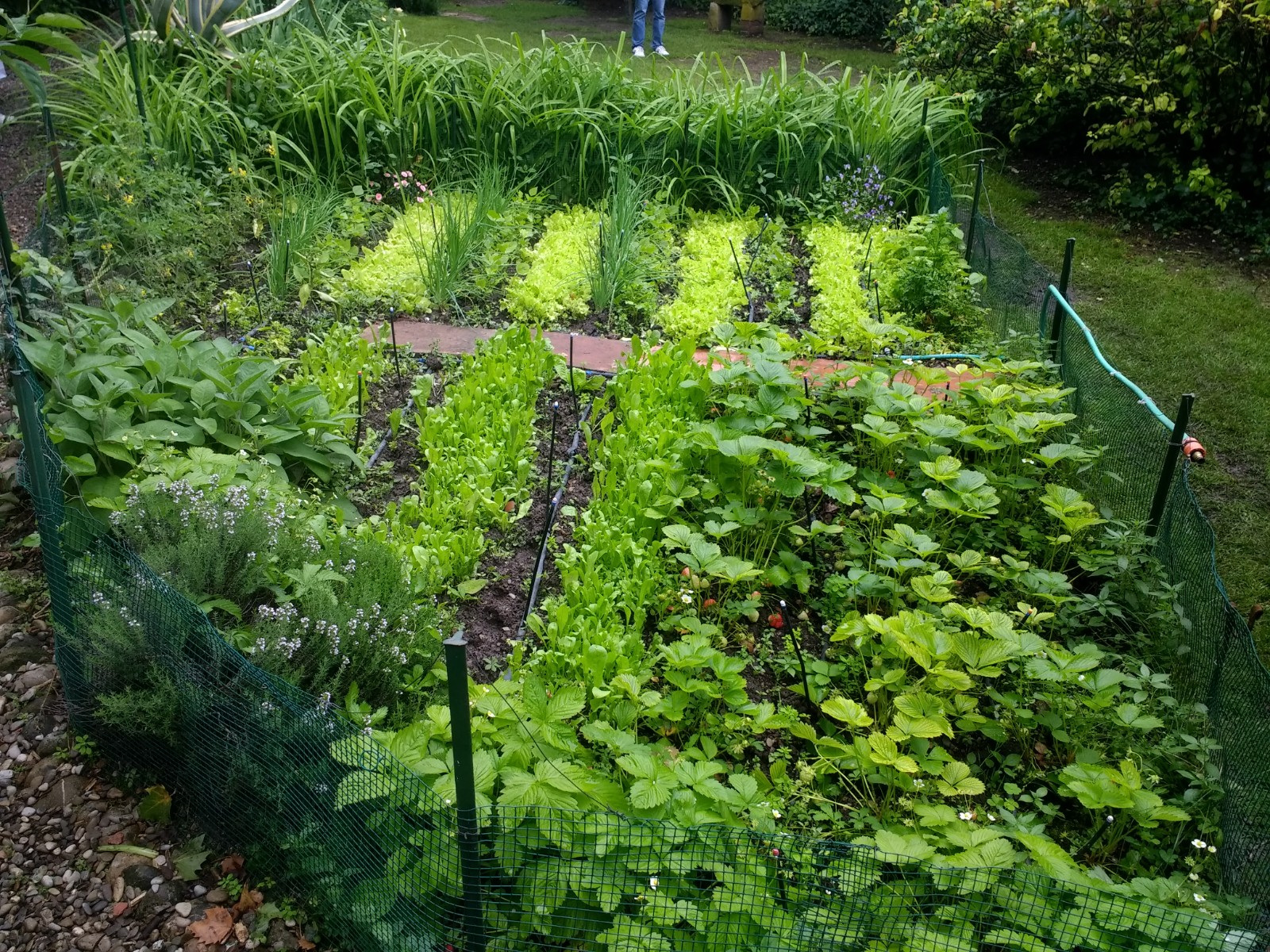
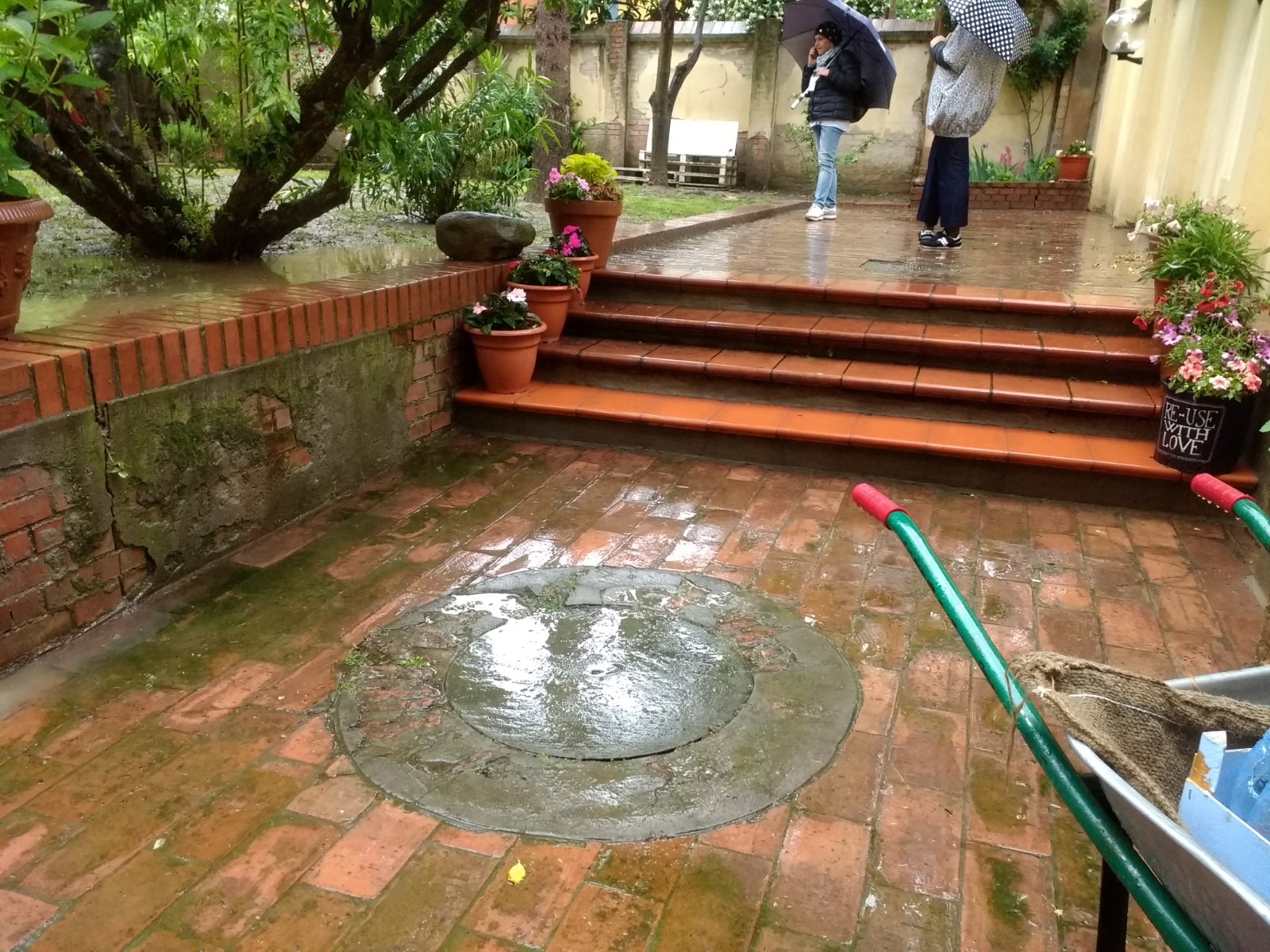
This was the only vegetable garden that we saw.In the winter people used to put snow down this hole to make an ice house, which could be accessed from the cellar.
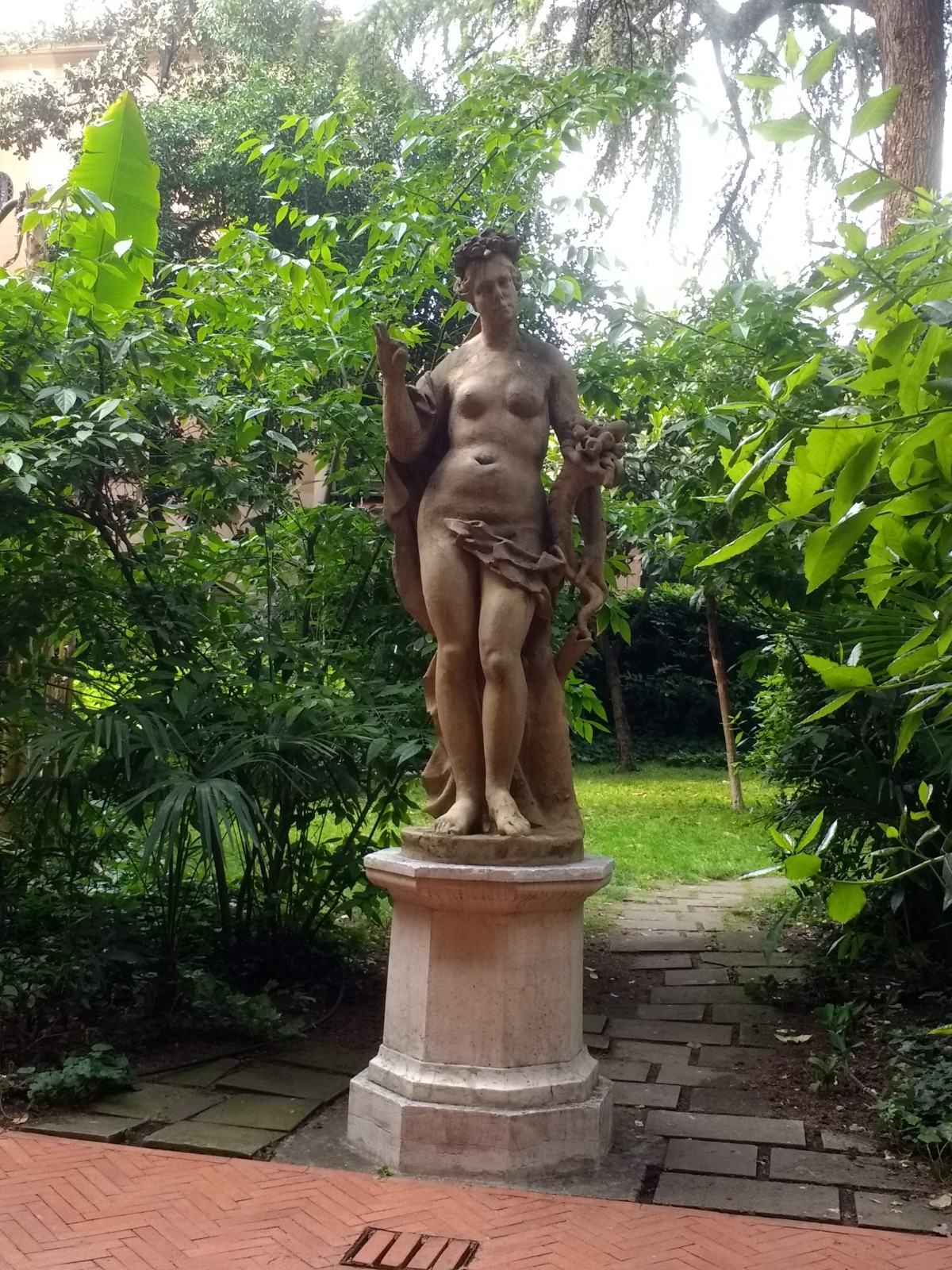
The word ‘garden’ was taken quite loosely. A few were similar to English gardens with lawn (or area of short, green vegetation) paths and flowers. Others were a rectangle of green jungle, and some just a space with a few plants dotted around.
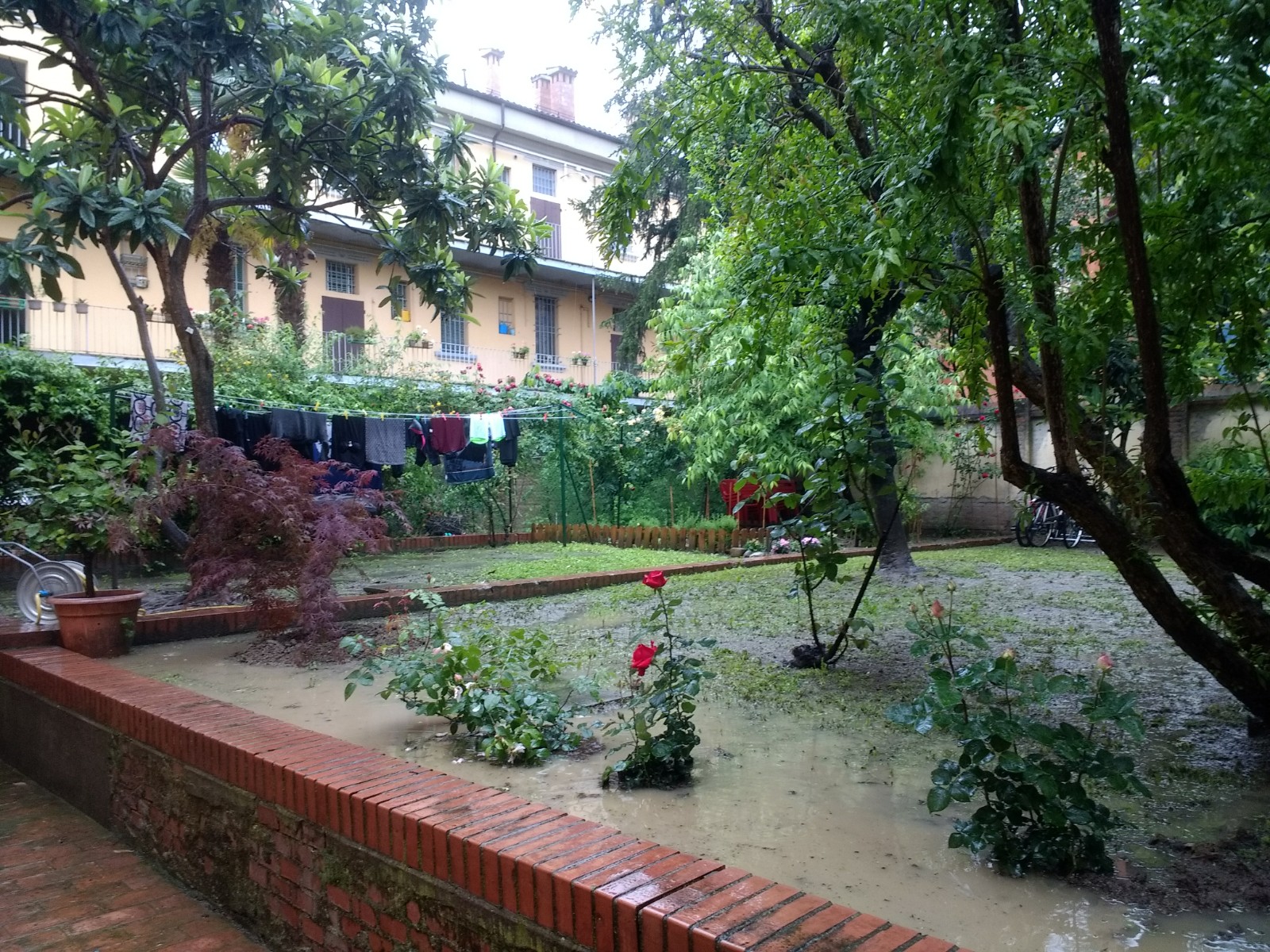
The washing had been left out rather optimistically
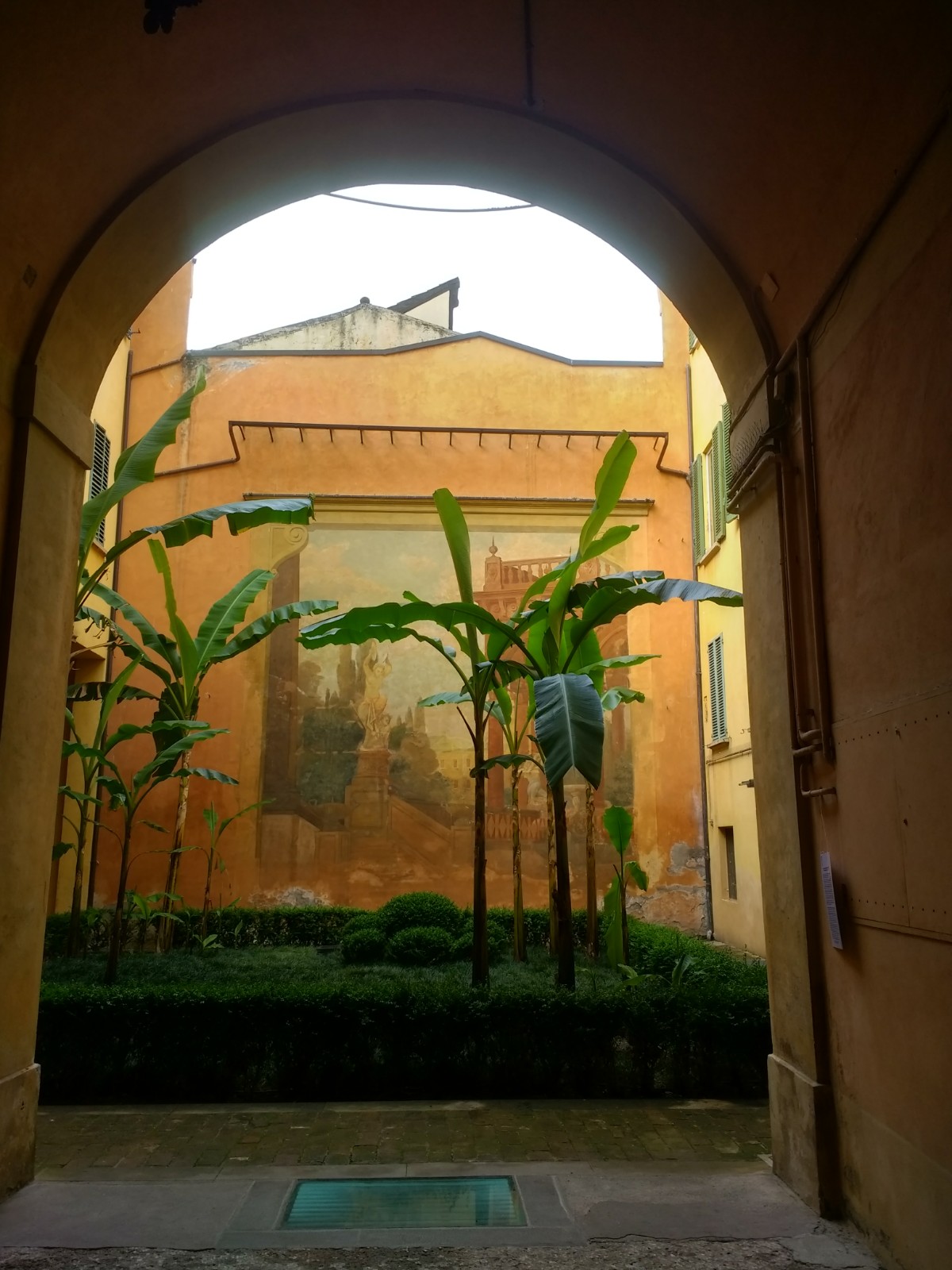
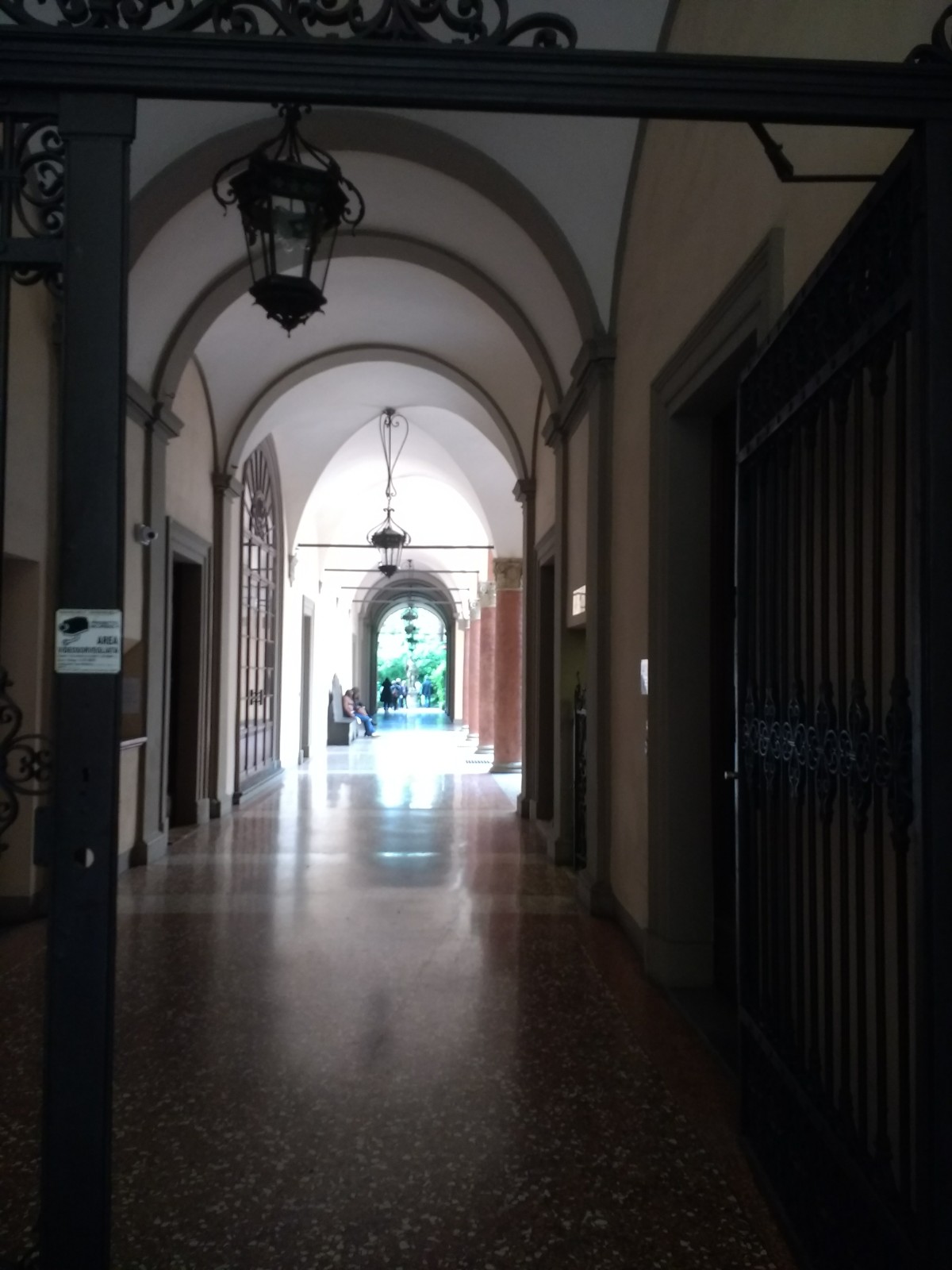
Large houses (palazzos) line the city streets here. Mostly divided into apartments, the residents share the space behind the building. These can only be accessed by passing through the building. Enclosed by high walls, each garden was an oasis of calm. Usually with a mass of vegetation, they are cool in the summer months (when it apparently gets hot).
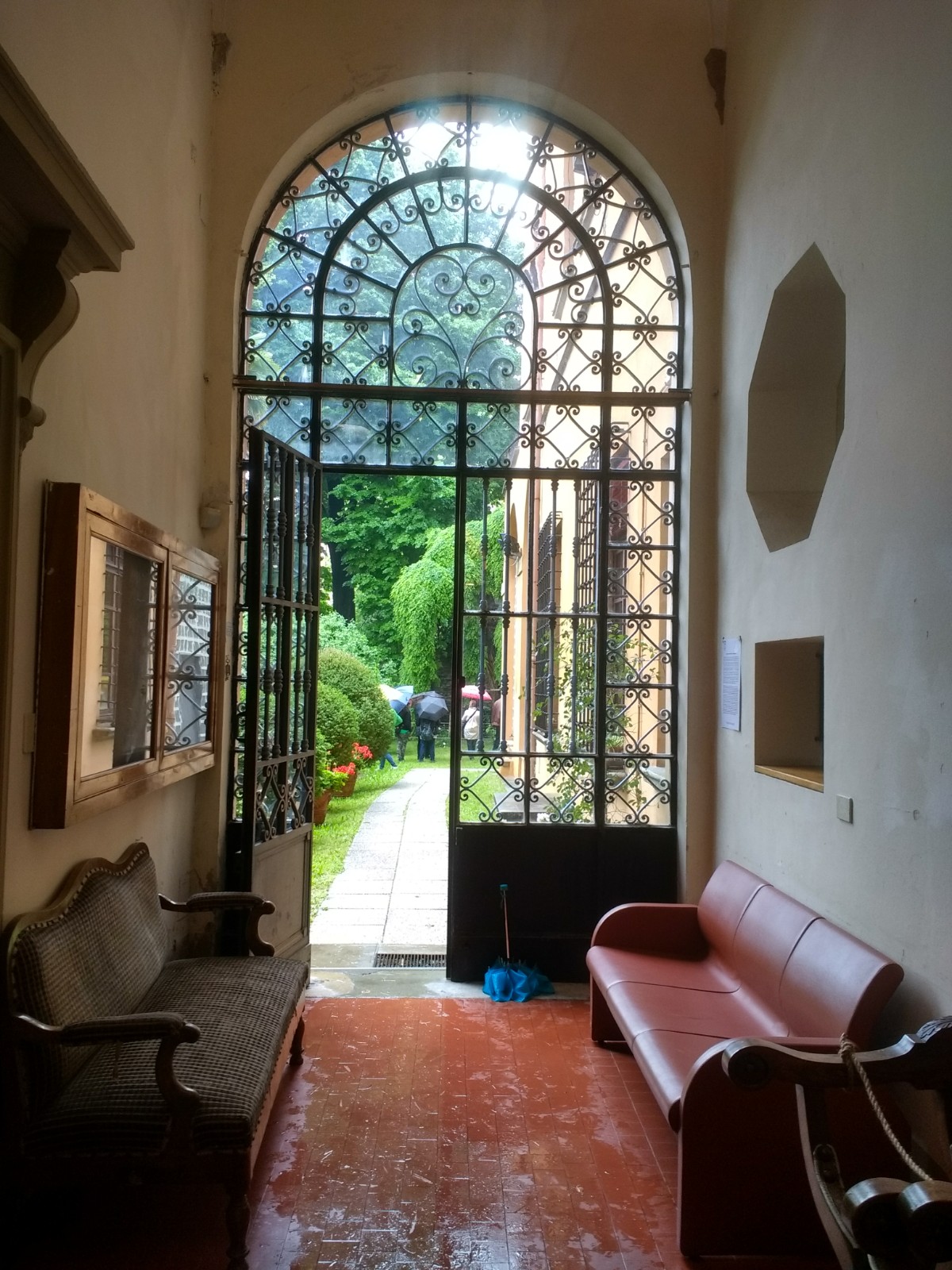
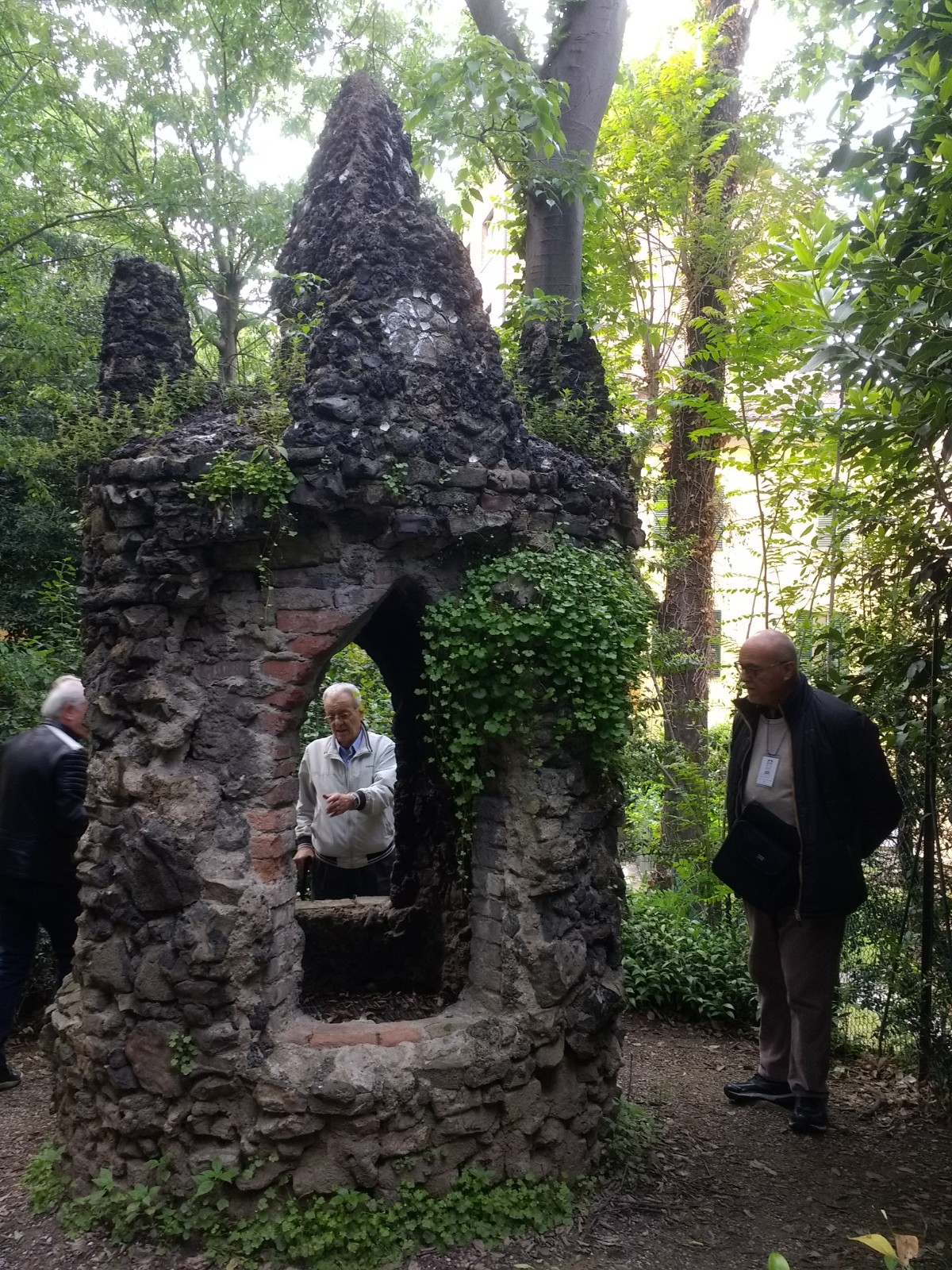
Courtyard garden with trompe l’oeilI think this construction was just a folly.Walking through one of the grander palazzos
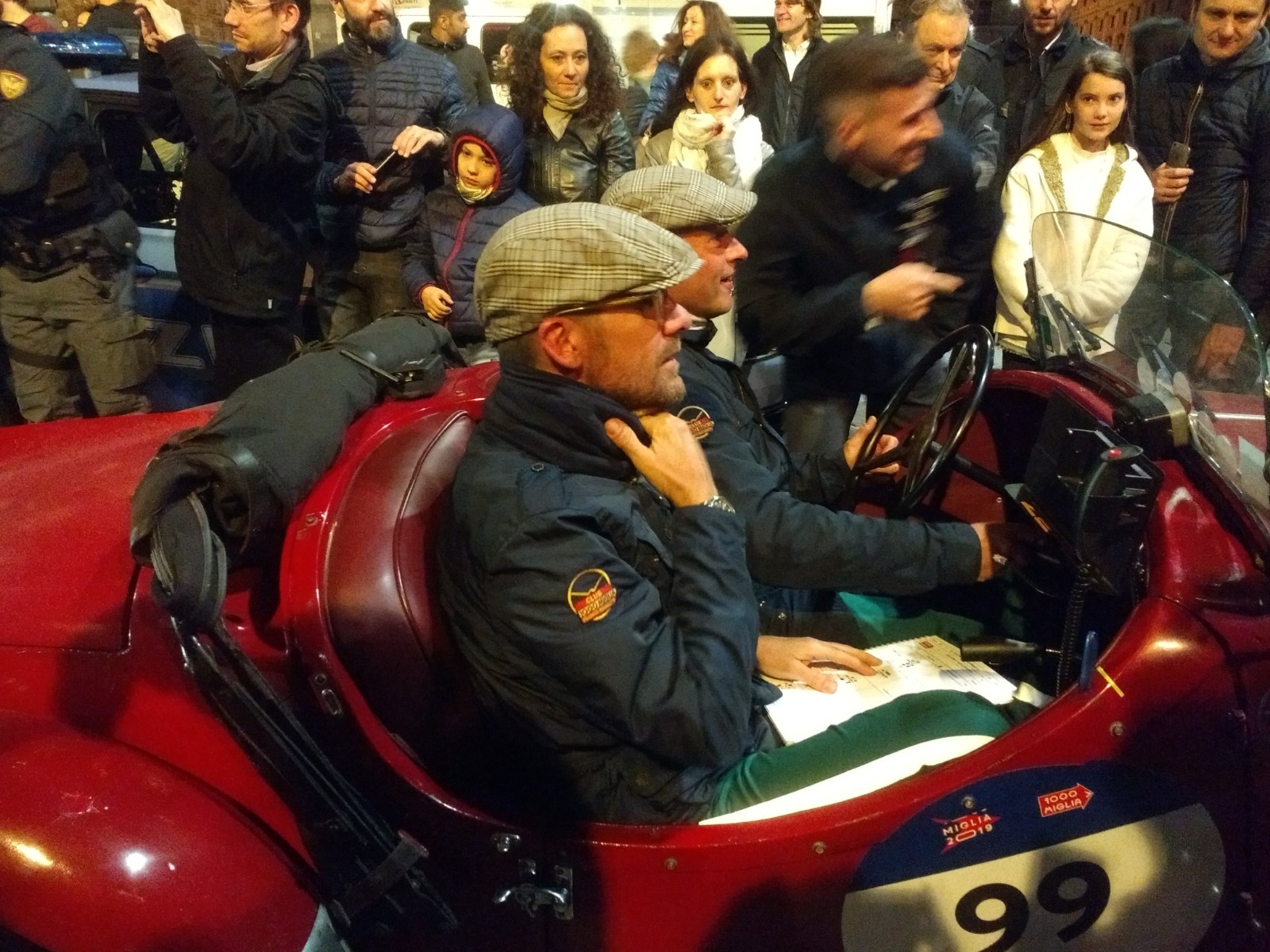
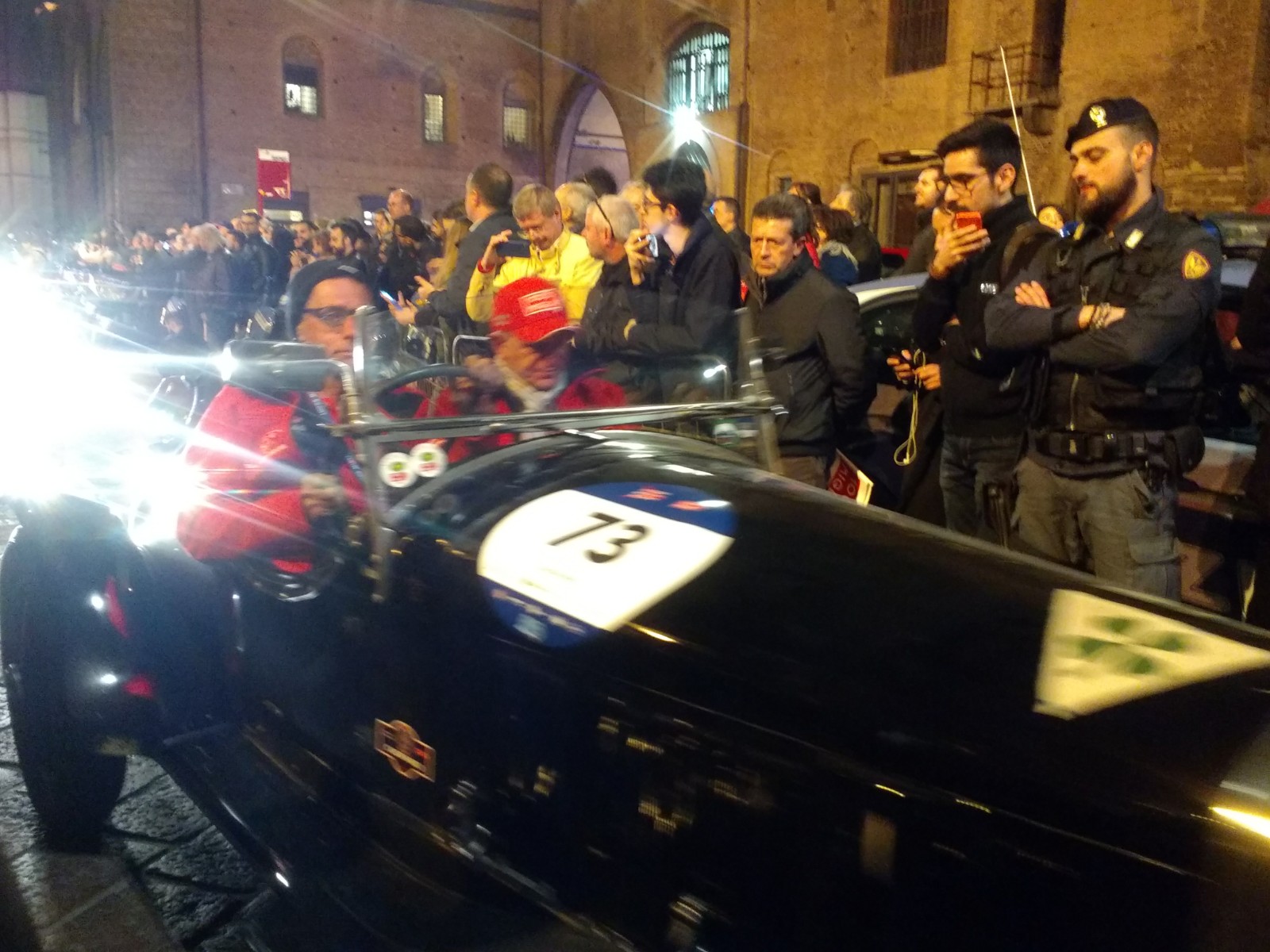
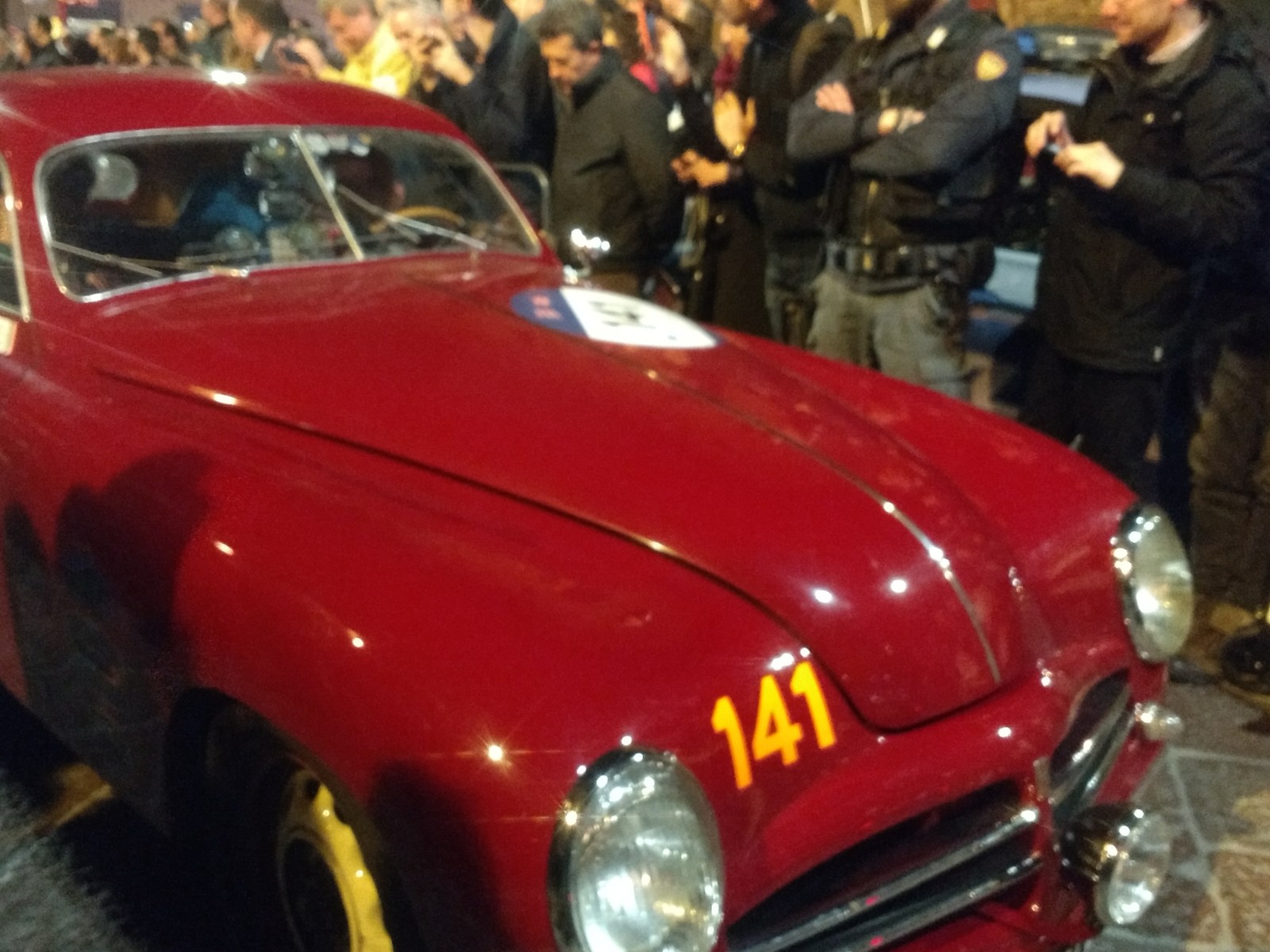
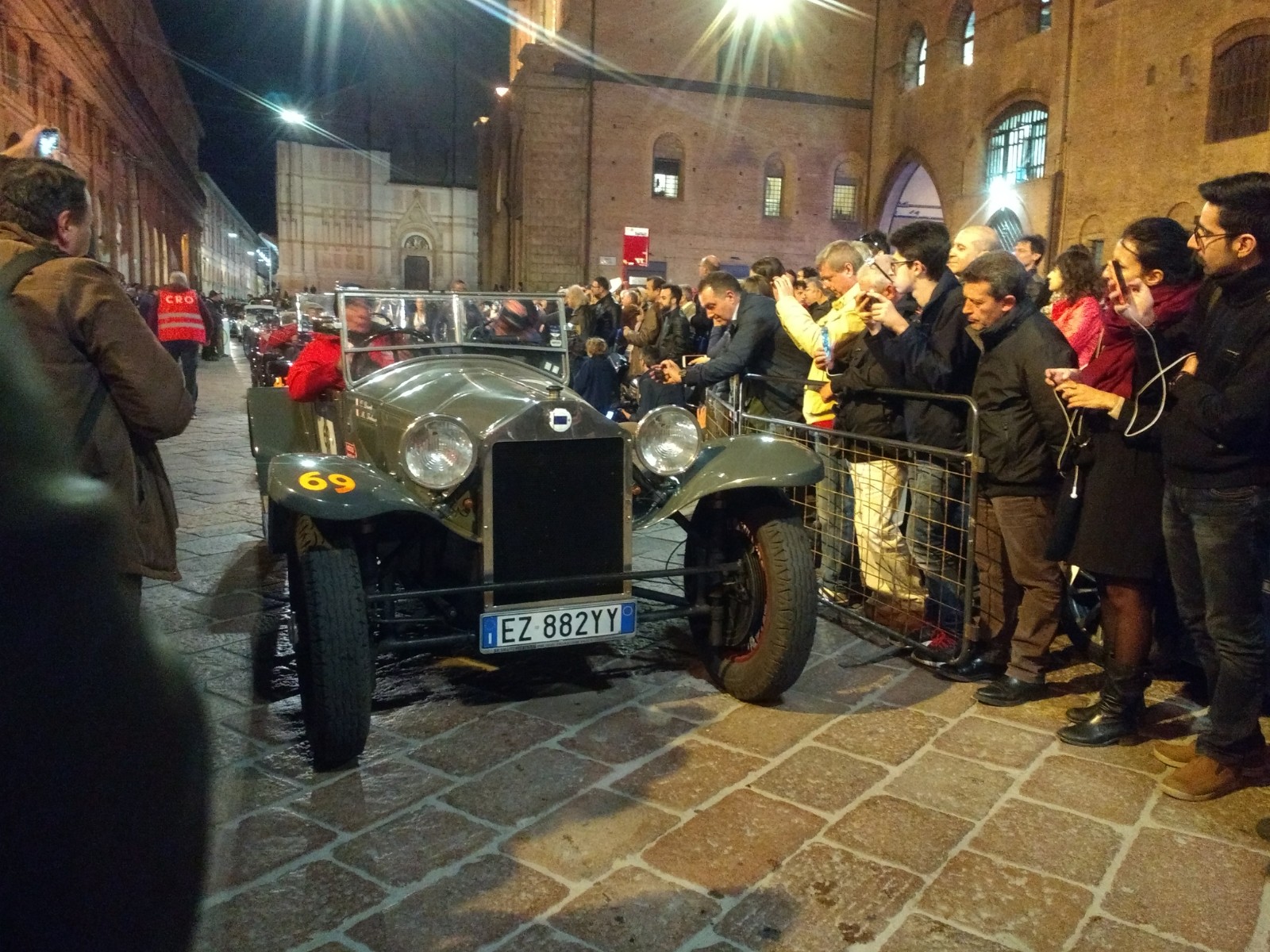
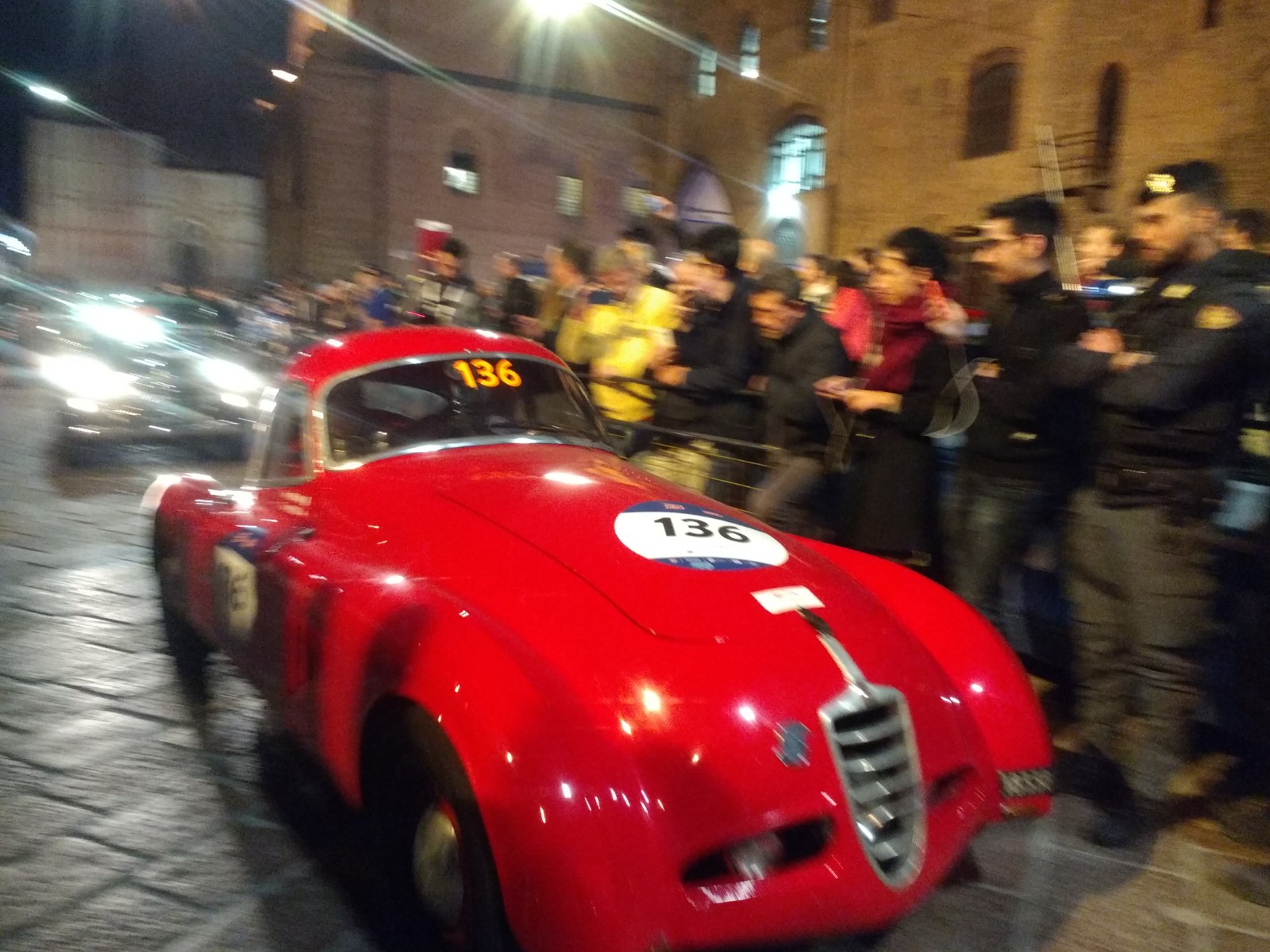
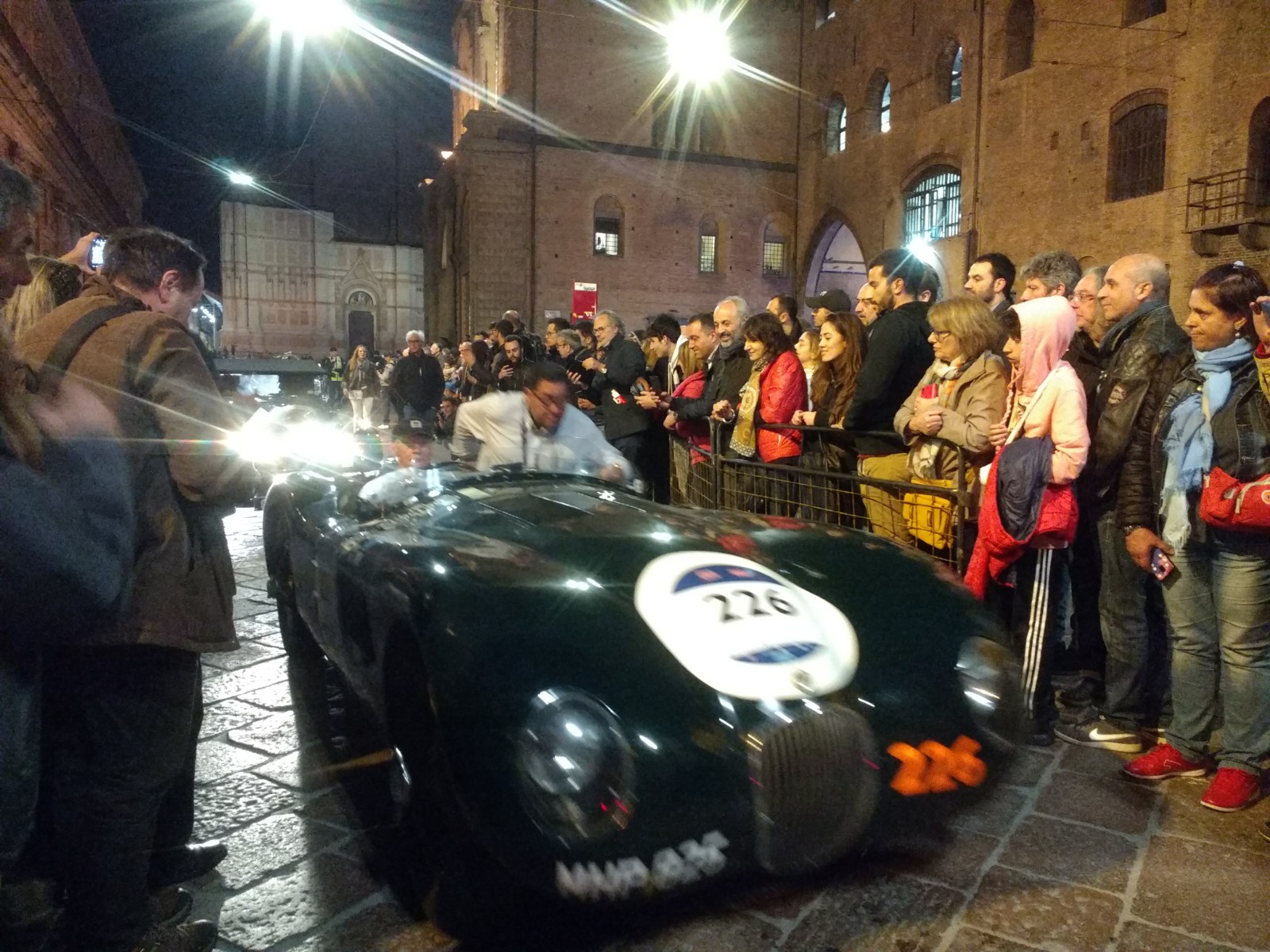
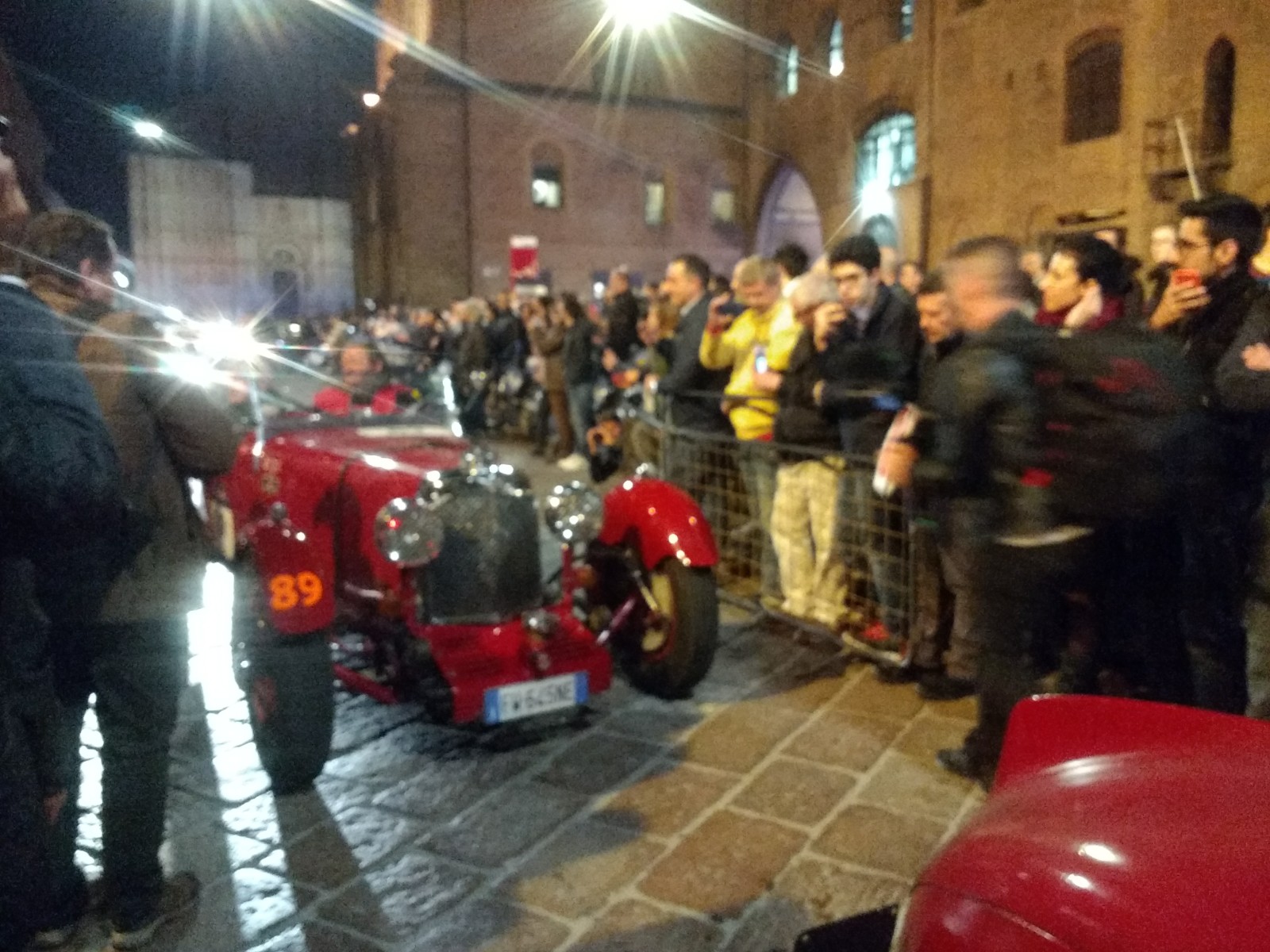
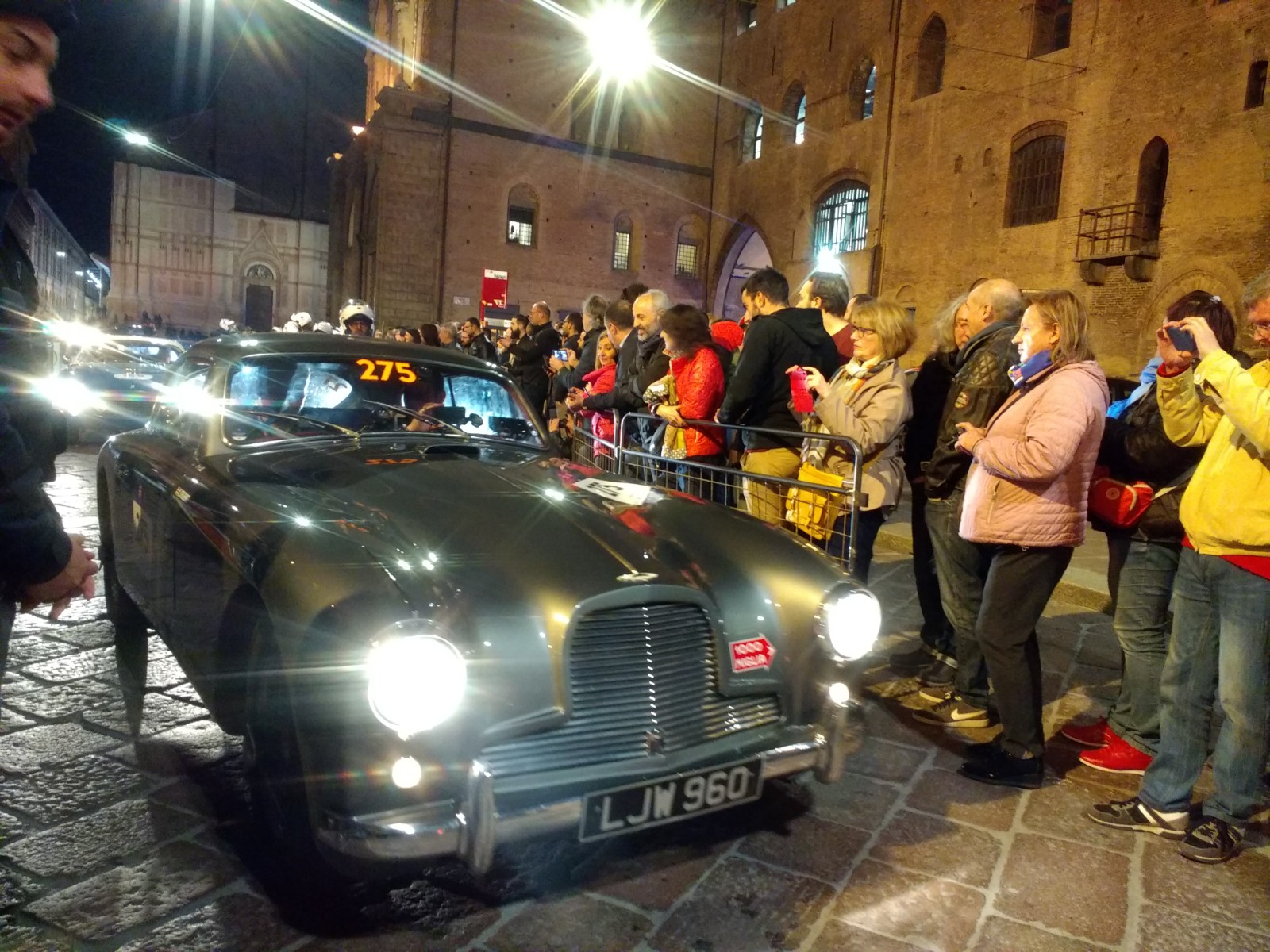
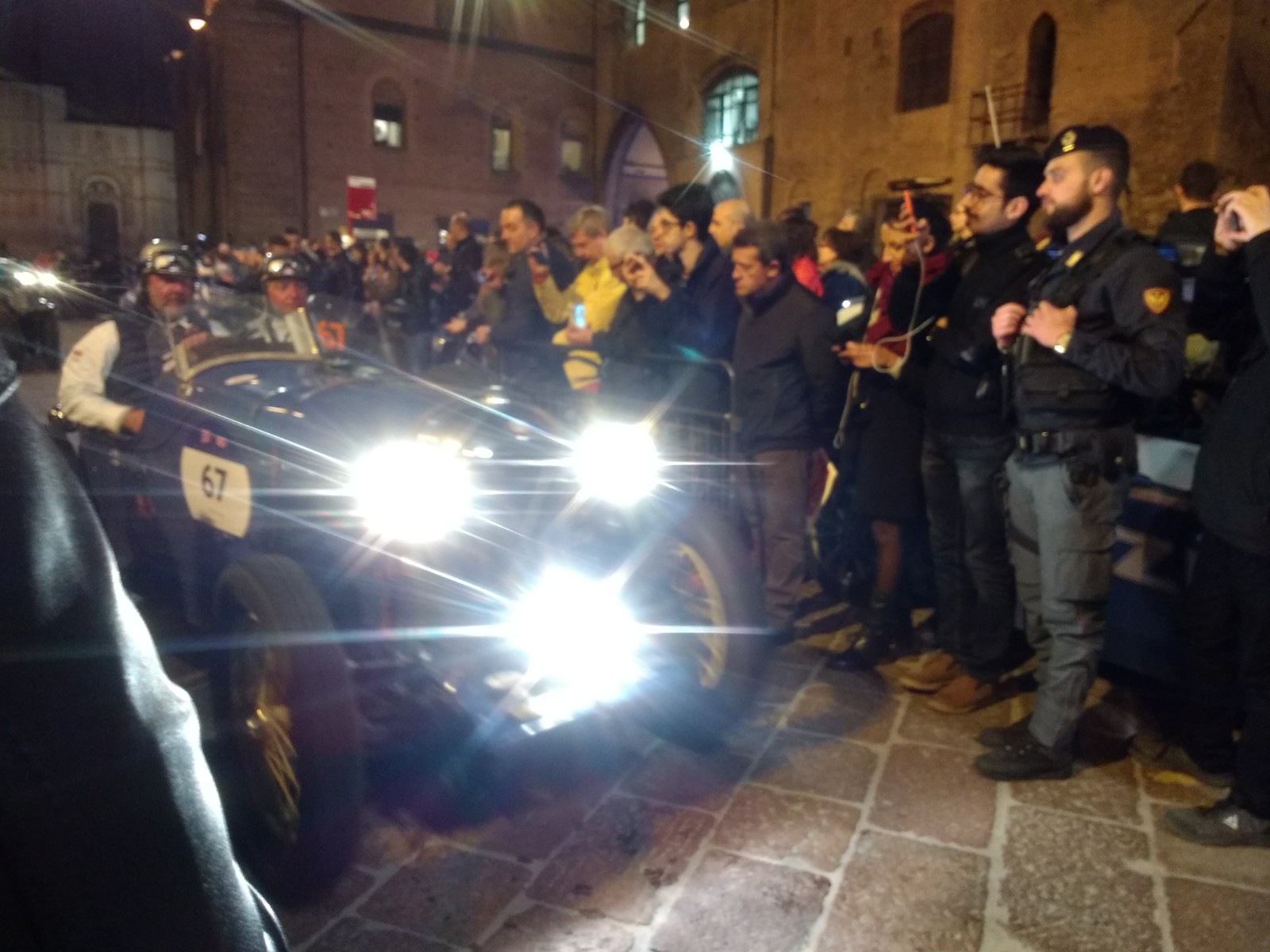
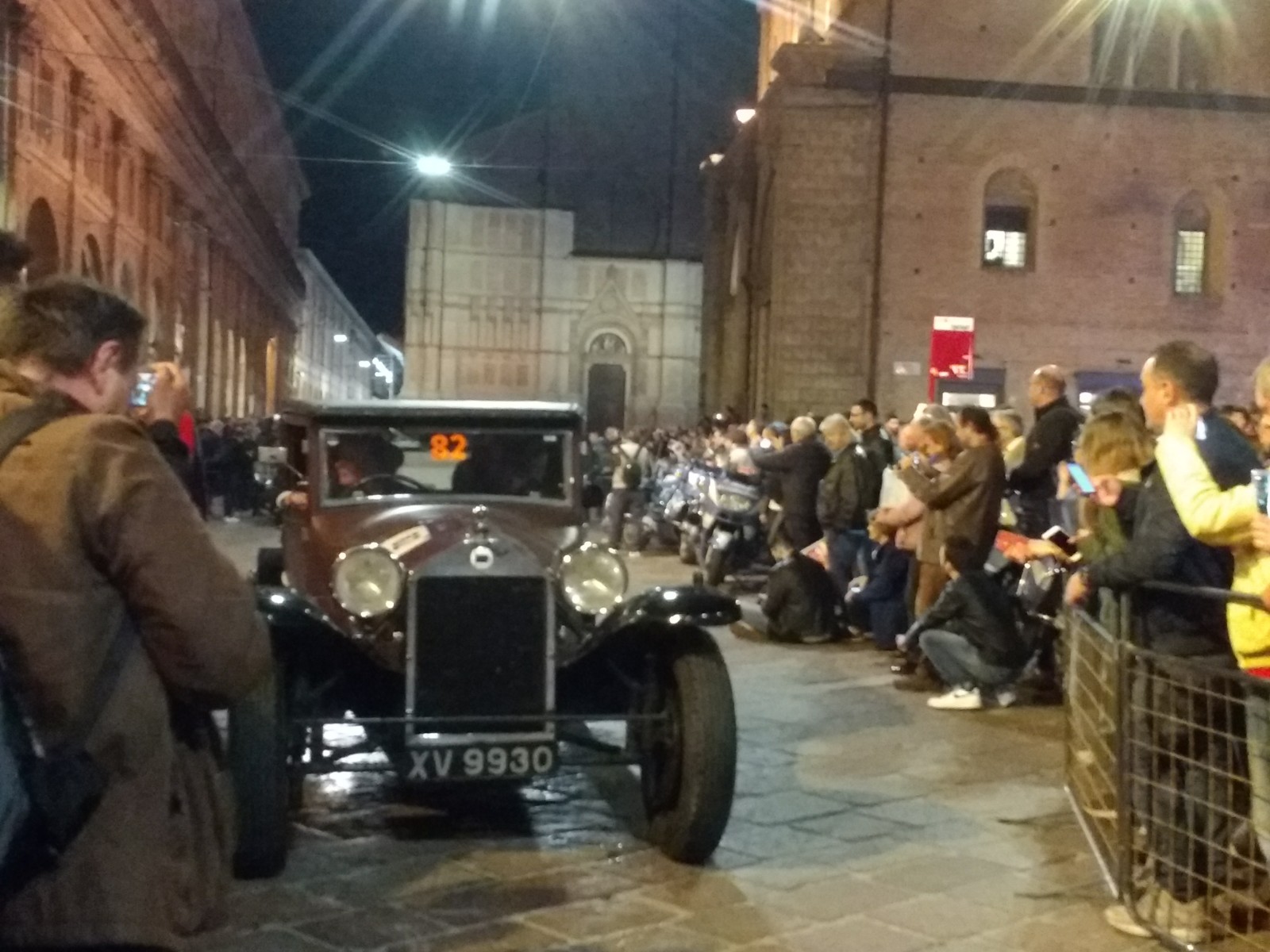
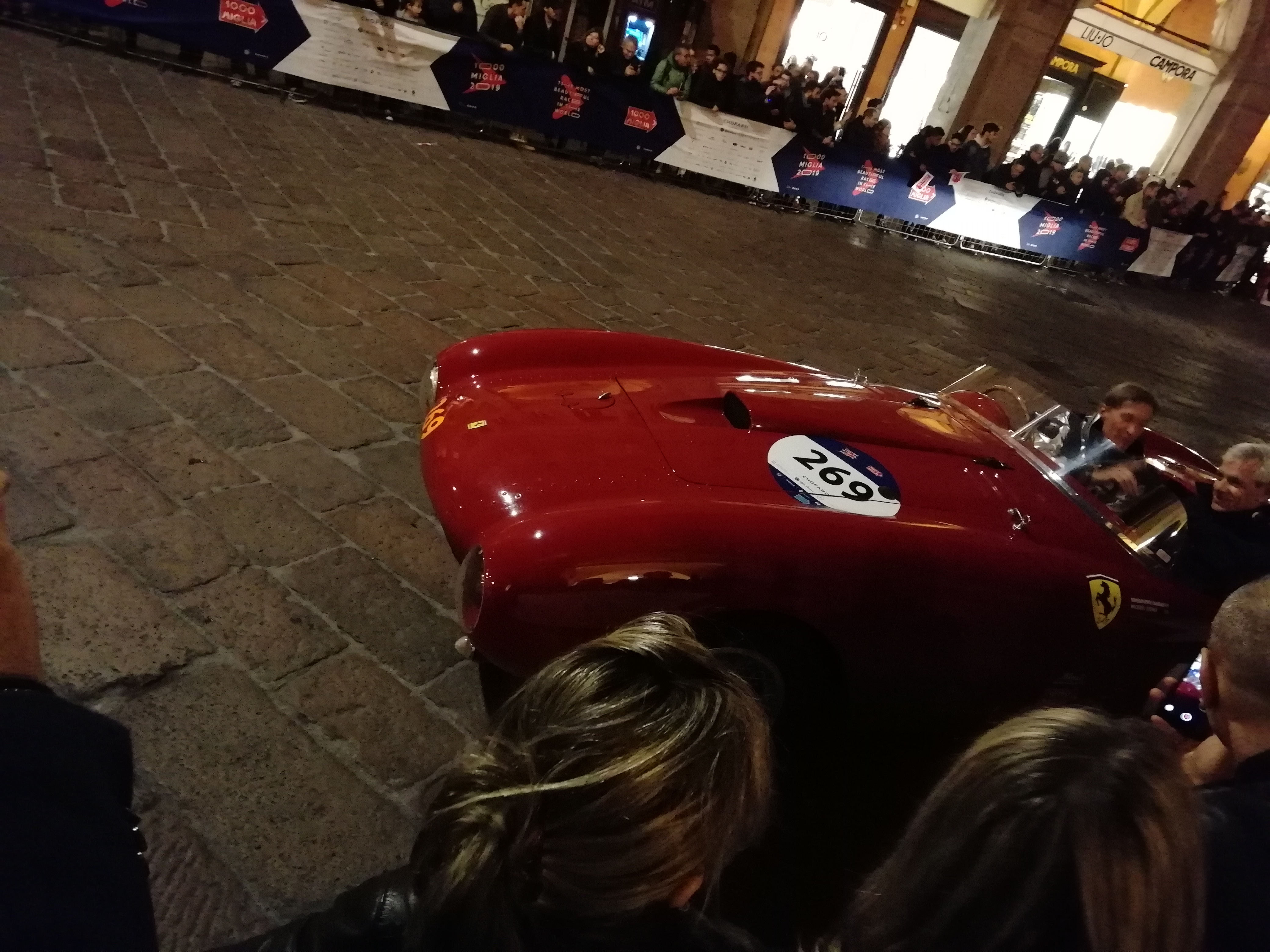
After saying farewell to one of our classmates yesterday evening, we lingered in the centre of town to catch sight of some of the historic cars arriving for the end of the third leg of the Mille Miglia.
The Mille Miglia (1000 miles) was started in 1927 as a race from Brescia to Rome, and back to Brescia. Stirling Moss, driving a Mercedes Benz 300 SLR, set a record for the fastest time (10 hours, 7 mins and 48 secs) to complete the circuit in 1955, a record that was not beaten before the race was abandoned a couple of years later after two fatal crashes.
FiatAlfa Romeo
The Mille Miglia Storica has run since 1977 as a four-day rally, using the same course as in 1957, and with only pre-1957 cars entitled to enter.
StanguelliniLancia
S.I.A.T.A. Jaguar C Type Aston Martin Bugatti Aston MartinSalmsonLancia
This year, incredibly, 430 cars entered. If you are lucky enough to own a car built before 1957, the entry fee is €9760 and includes hotel accommodation for 3 nights for 2 people, and also lunch and dinner.
The weather continues to be very mixed here in Bologna, and we are not yet wearing our summer clothes. On the contrary, we are still putting our heating on for a short period in the morning and evening. This is a real luxury as in the newer blocks of flats you don’t have control of your own heating, and it is turned off centrally on May 1.
Working on our Italian takes up a lot of our time after school, but it is all enjoyable, more so than if we were studying for an exam, I suspect. We had our first taste of listening to a recording of native speakers today, not slowed down for foreign learners, but at the natural speaking speed for Italians, which most of us found really difficult. Mark is finding it tricky to answer any question directed towards him, as he is struck by ‘brain freeze.’ He has a private lesson booked for next week in the hopes that this will help him find his tongue. Personally, I think an extra glass of wine would do this, although perhaps a glass of wine at breakfast would be a little much.
We are both having difficulty sleeping at night which is I suspect down to what my grandmother would have called ‘over-stimulation.’ In the same way, she called any food that was remotely tasty ‘rich’ and therefore was deemed to be a bad thing and would have her heading for the milk of magnesia.
As we are off out tonight for what should be some ‘rich’ food, we both had a siesta this afternoon, which for Mark meant an hour’s nap, and for me an hour with my feet up and eyes closed as I never manage to sleep in the afternoon unless I am ill.
The school is very busy and our class has now increased to ten students, mainly from the Netherlands, UK and former UK colonies. Luckily the one German student in the class speaks excellent English as that is the language everyone resorts to after school. I know it is good to practice Italian, but we are not yet up to having an extended conversation in it.
To finish, a picture to make you chuckle. We saw this in the student area of Bologna – the university here is very large and has over 86,000 students. It’s a shame the students can’t be given a bigger pitch. Is this why Italy are not doing well in football at the moment?
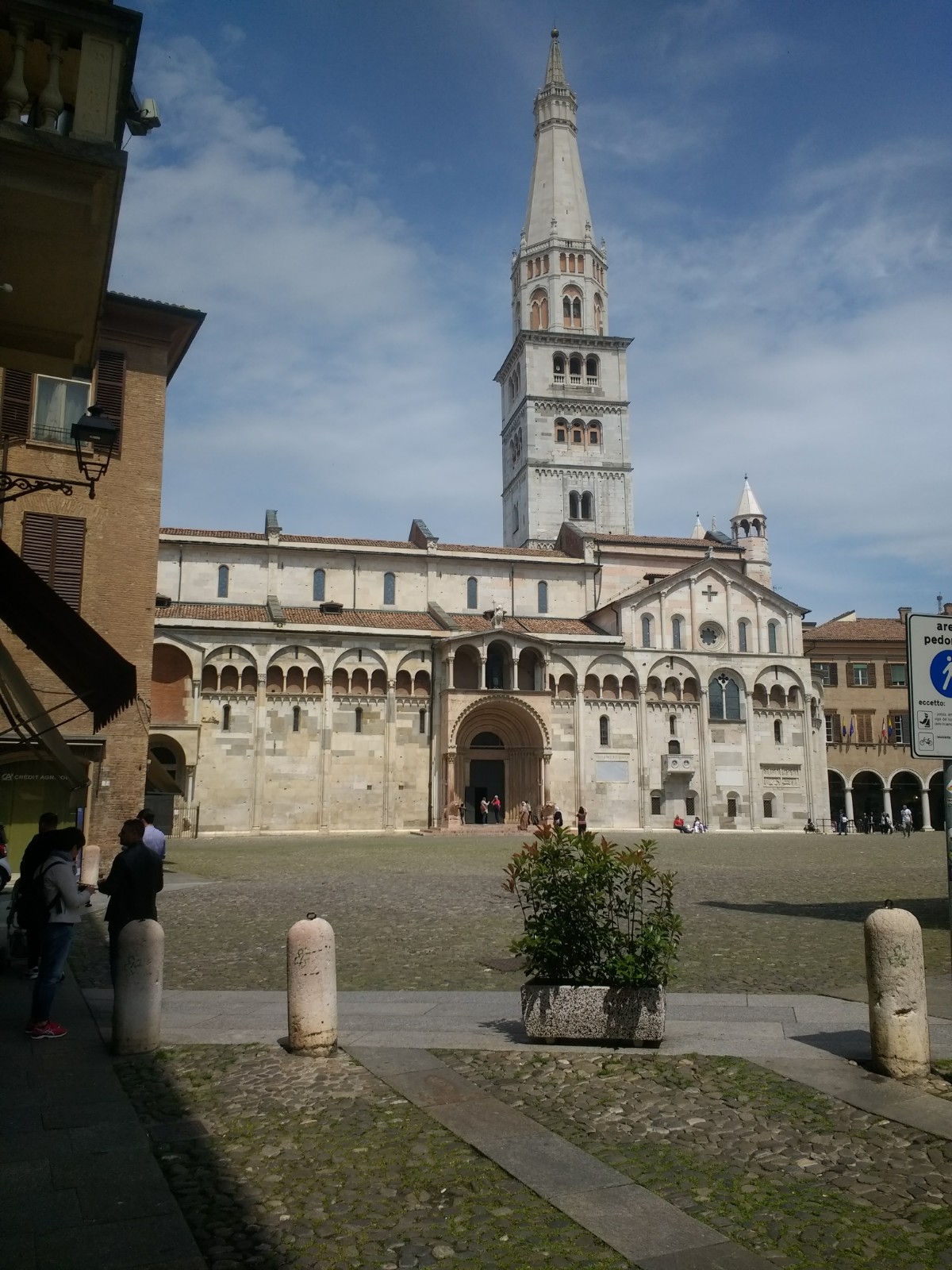
We’re busy with our Italian homework today as, once again, it is a very wet Sunday. Yesterday, though, was a beautiful day and we visited Modena.
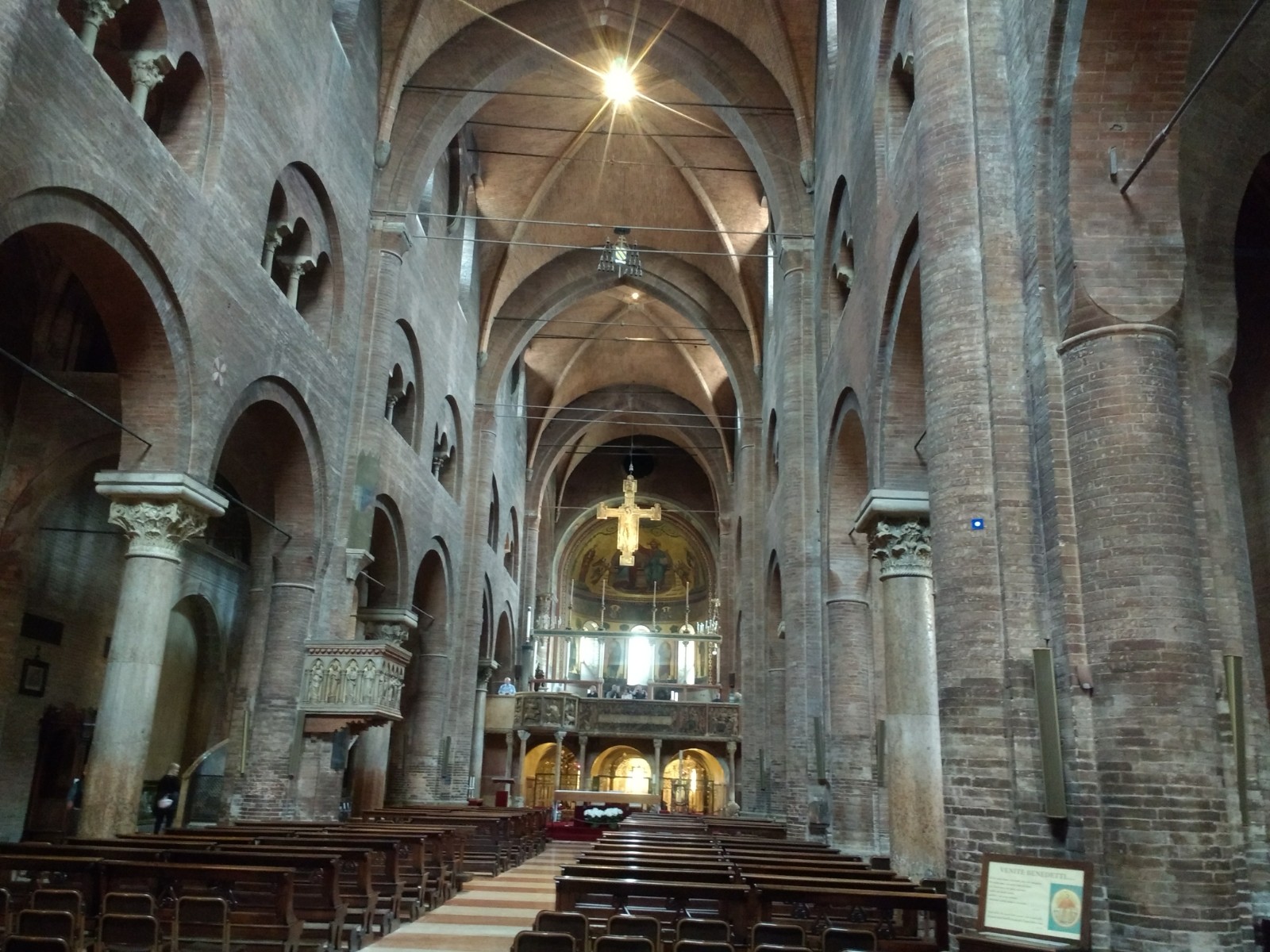
Cathedral, Modena
Modena’s real claim to fame is the Ferrari museum, but it is a charming city in its own right. Yesterday, it was delightfully free of large groups of tourists and was a lovely place to wander round in the sunshine.
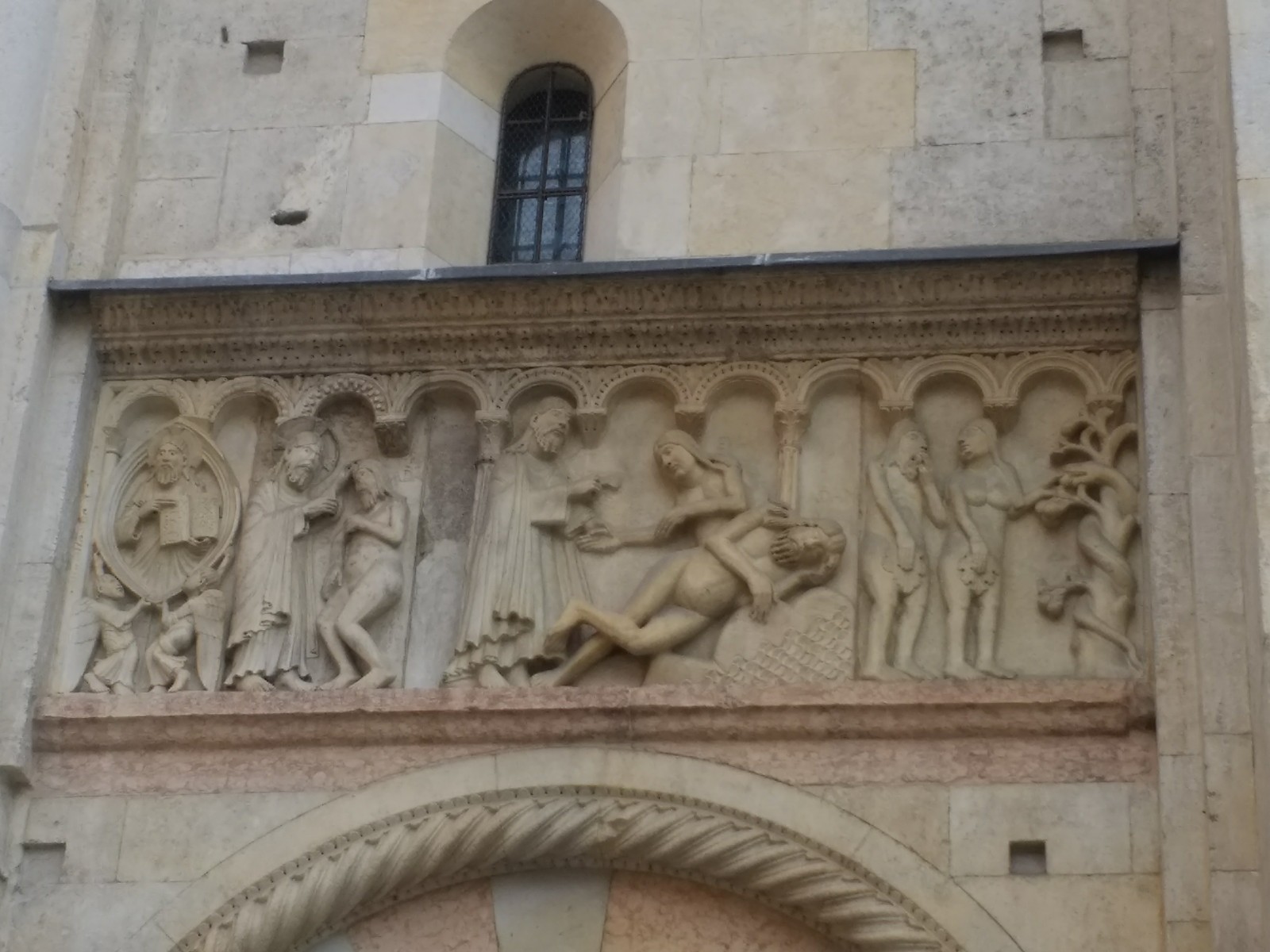
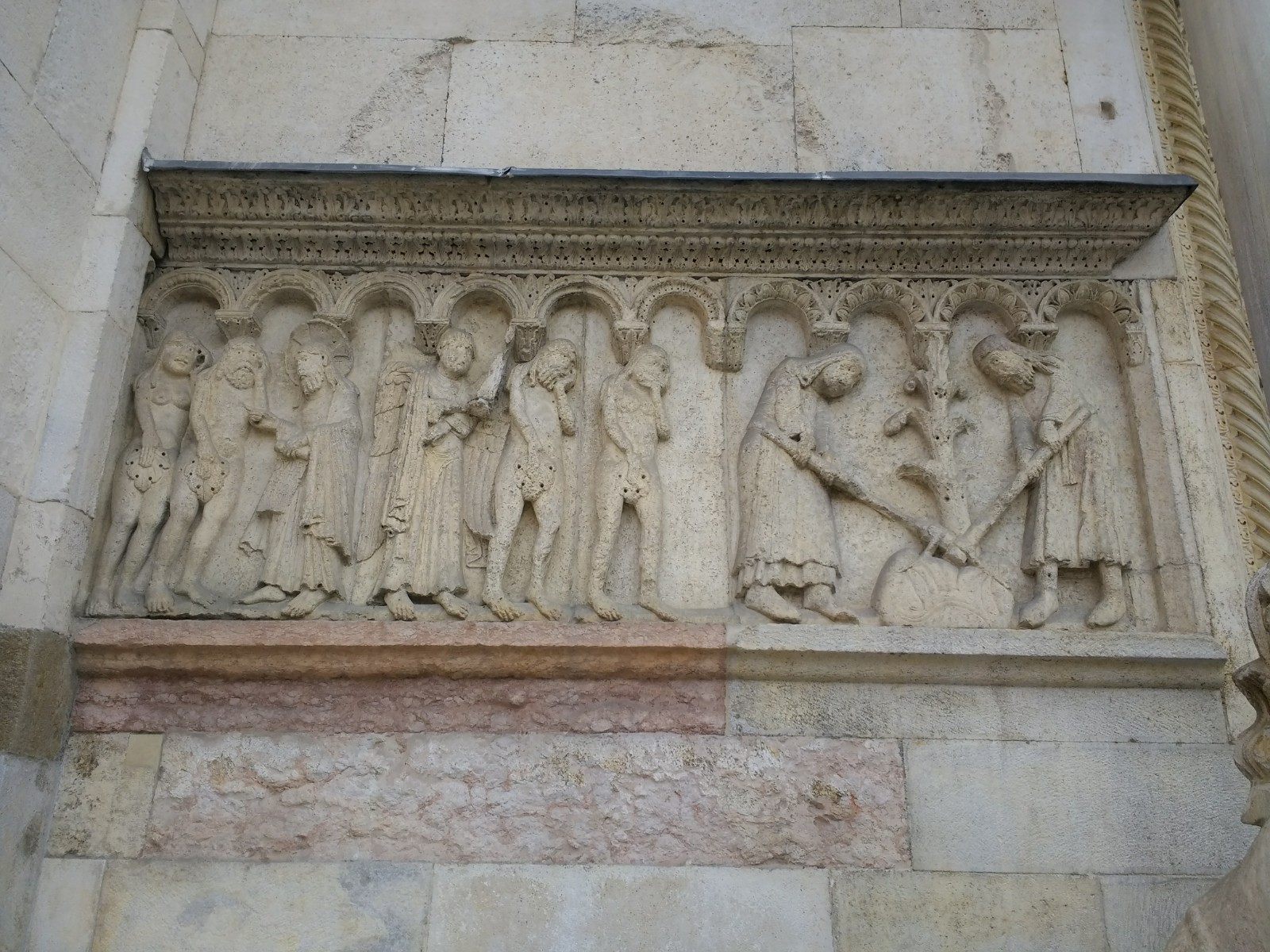
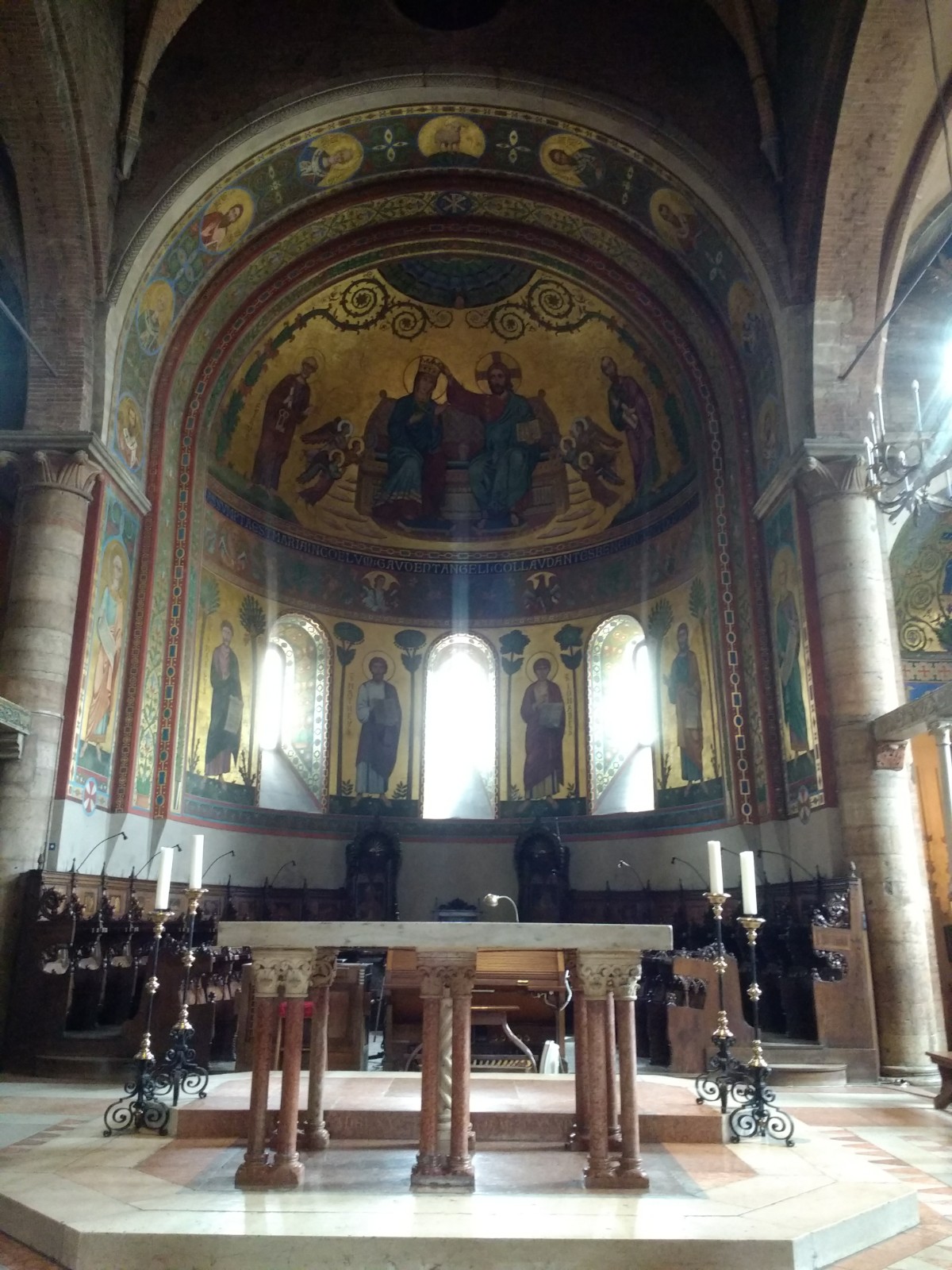
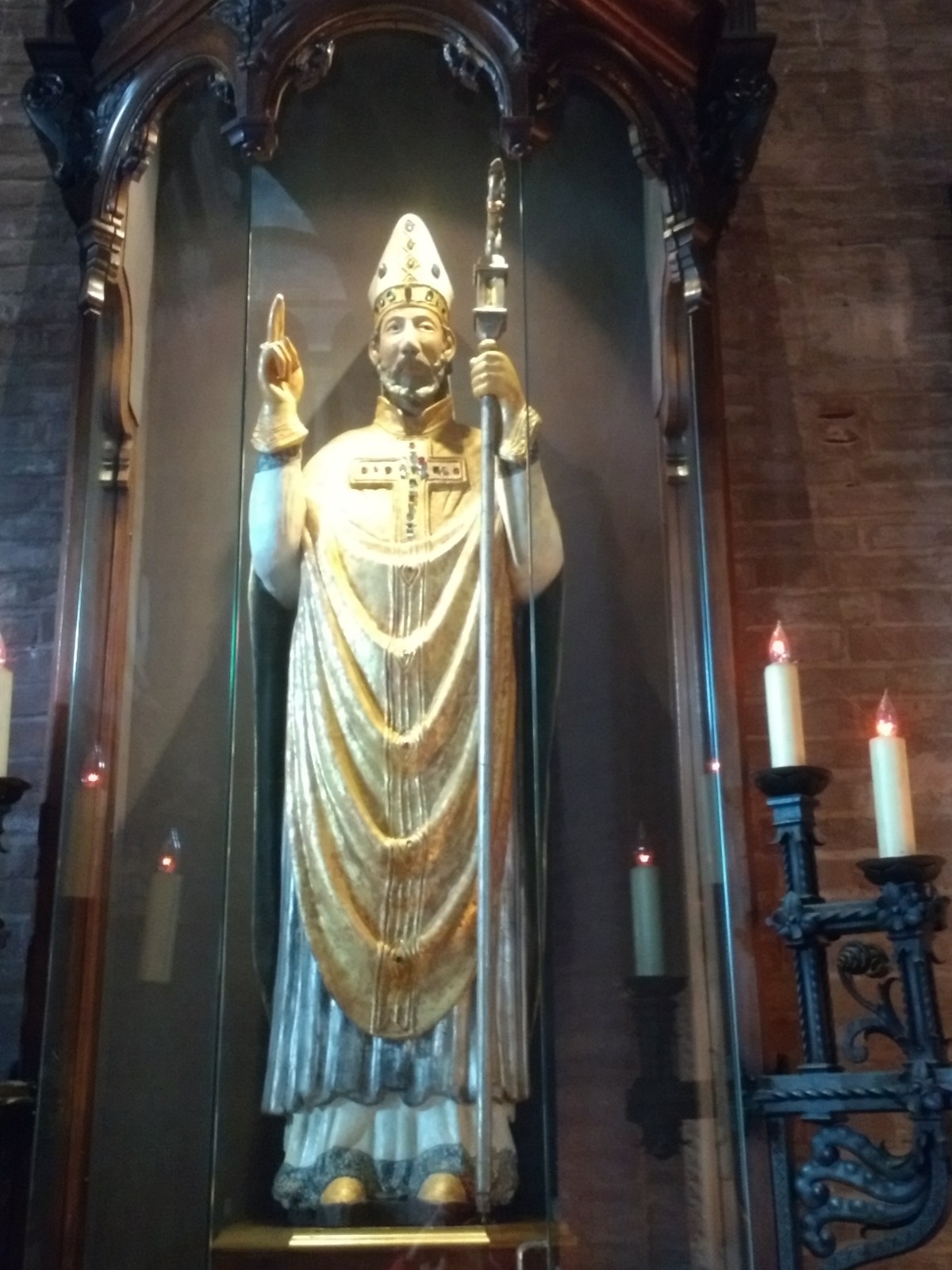
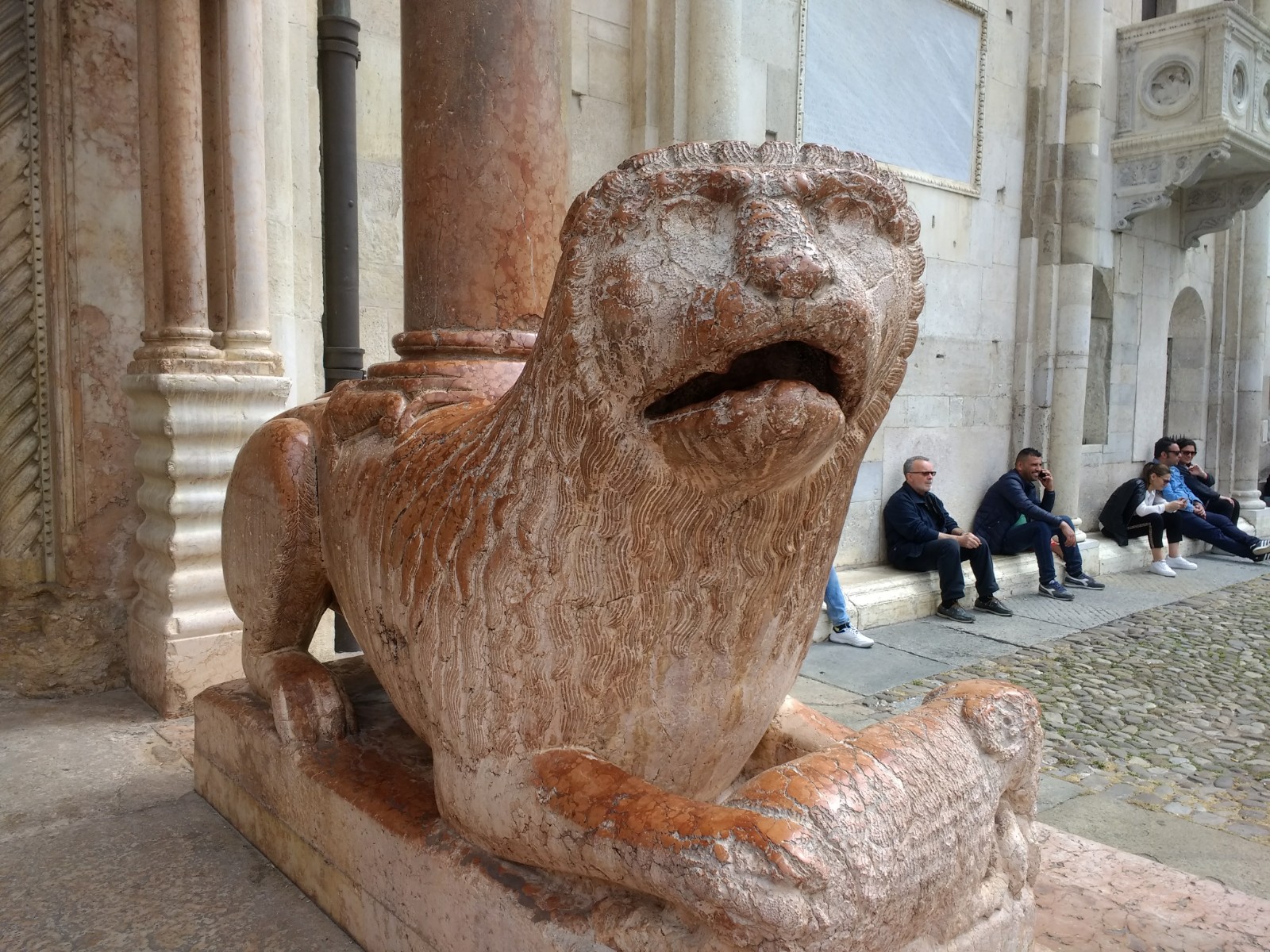
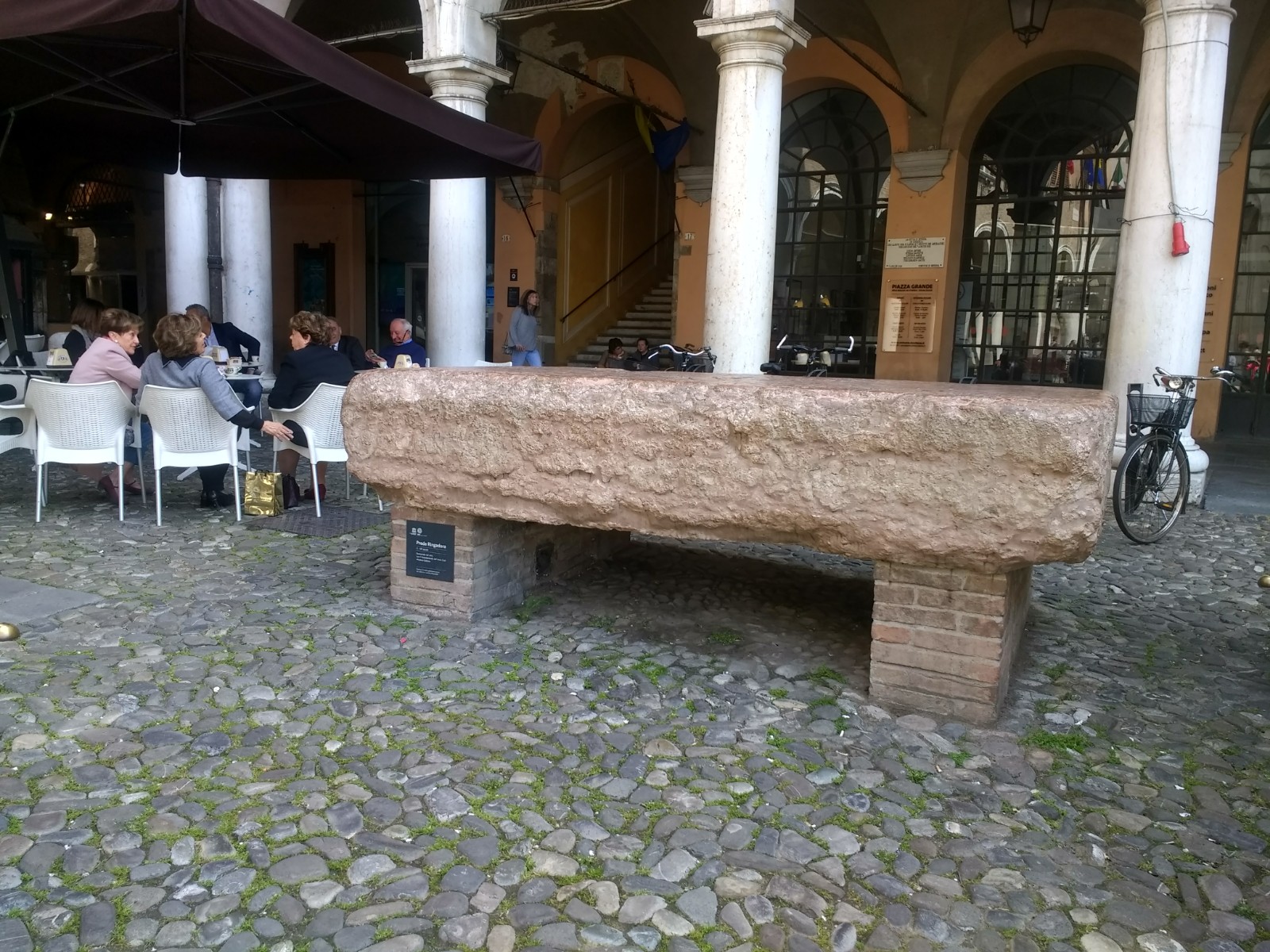
Frieze on Cathedral. I do love it when I can recognise a story. God creates Adam and subsequently Eve, from Adam’s rib. Adam and Eve cover their nakedness and Eve offers Adam an apple (see the serpent in the tree). Adam and Eve are banished from the Garden of Eden and have to work. Inside the Cathedral Apse, Modena Cathedral We saw a lot of beautiful rose-coloured marble in Modena (see the legs of the altar) which I think is from Verona. St Geminiano, patron saint of Modena Lion in rose-coloured marble outside the Cathedral Preda Ringadora In Piazza Grande
A large marble block in Piazza Grande is thought to have come from a Roman building and to have been used as a stage for speakers in the Middle Ages. A more gruesome use was that of a place of execution, and also as a platform to display corpses for the purposes of identification.
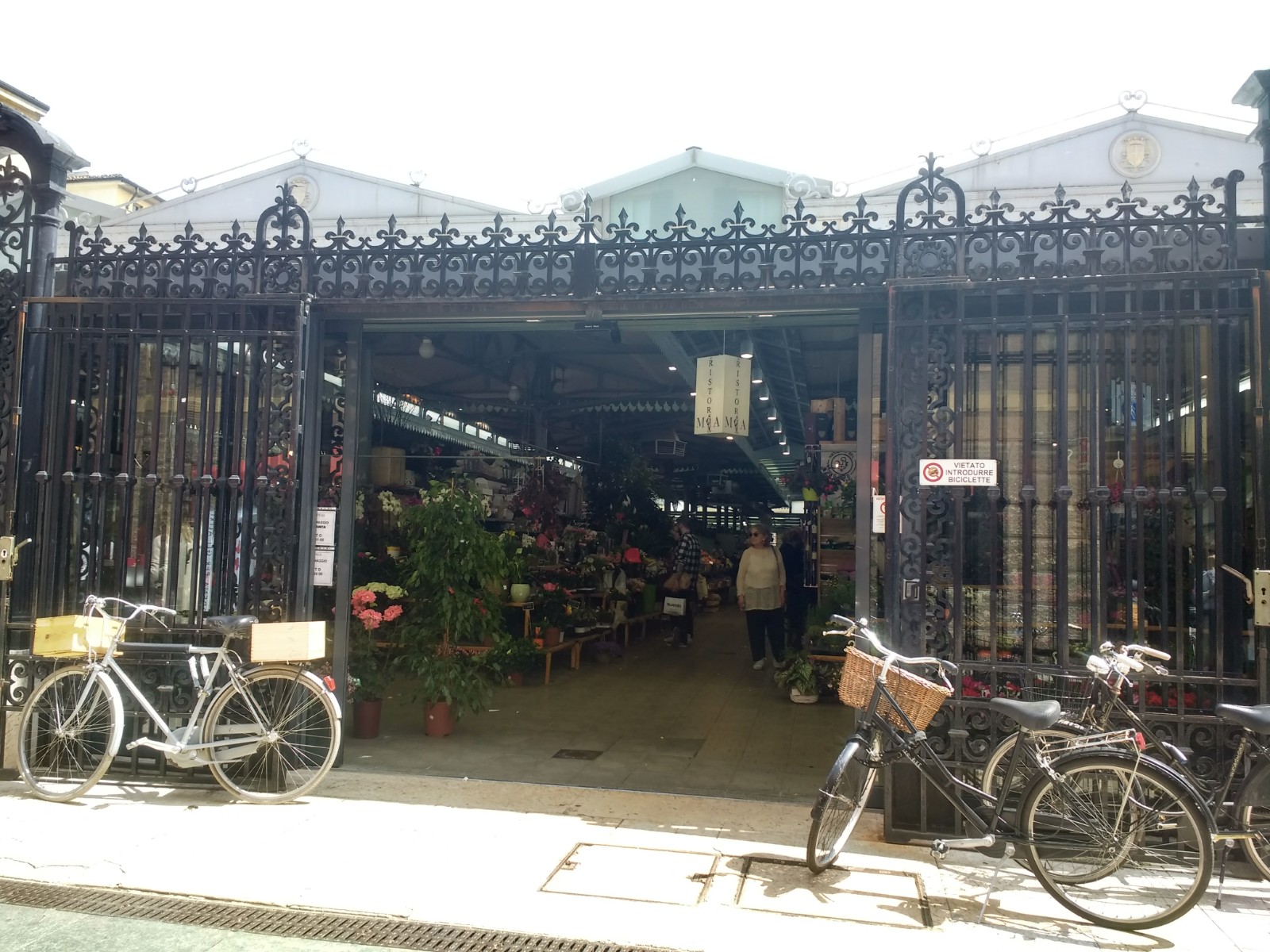
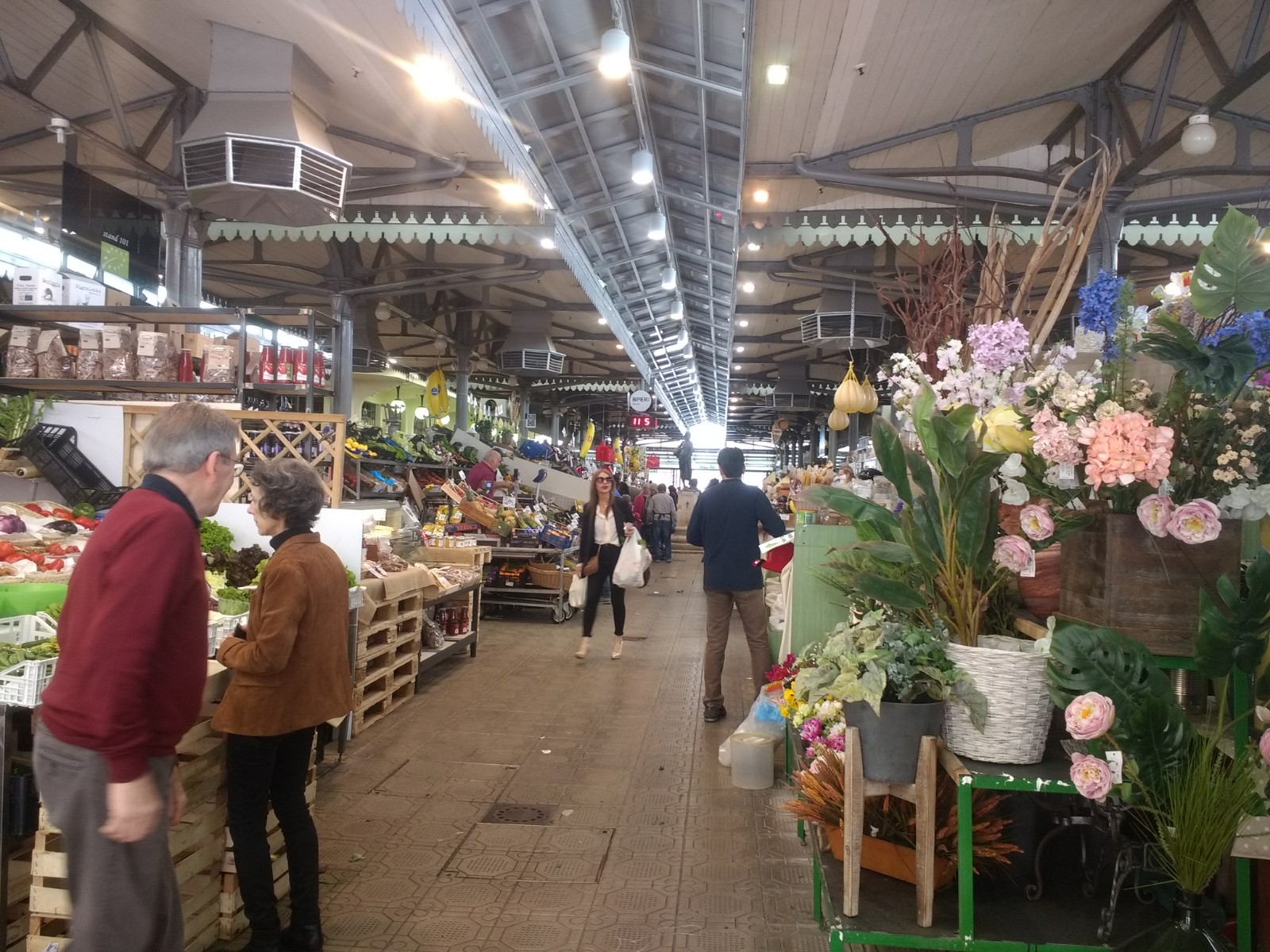
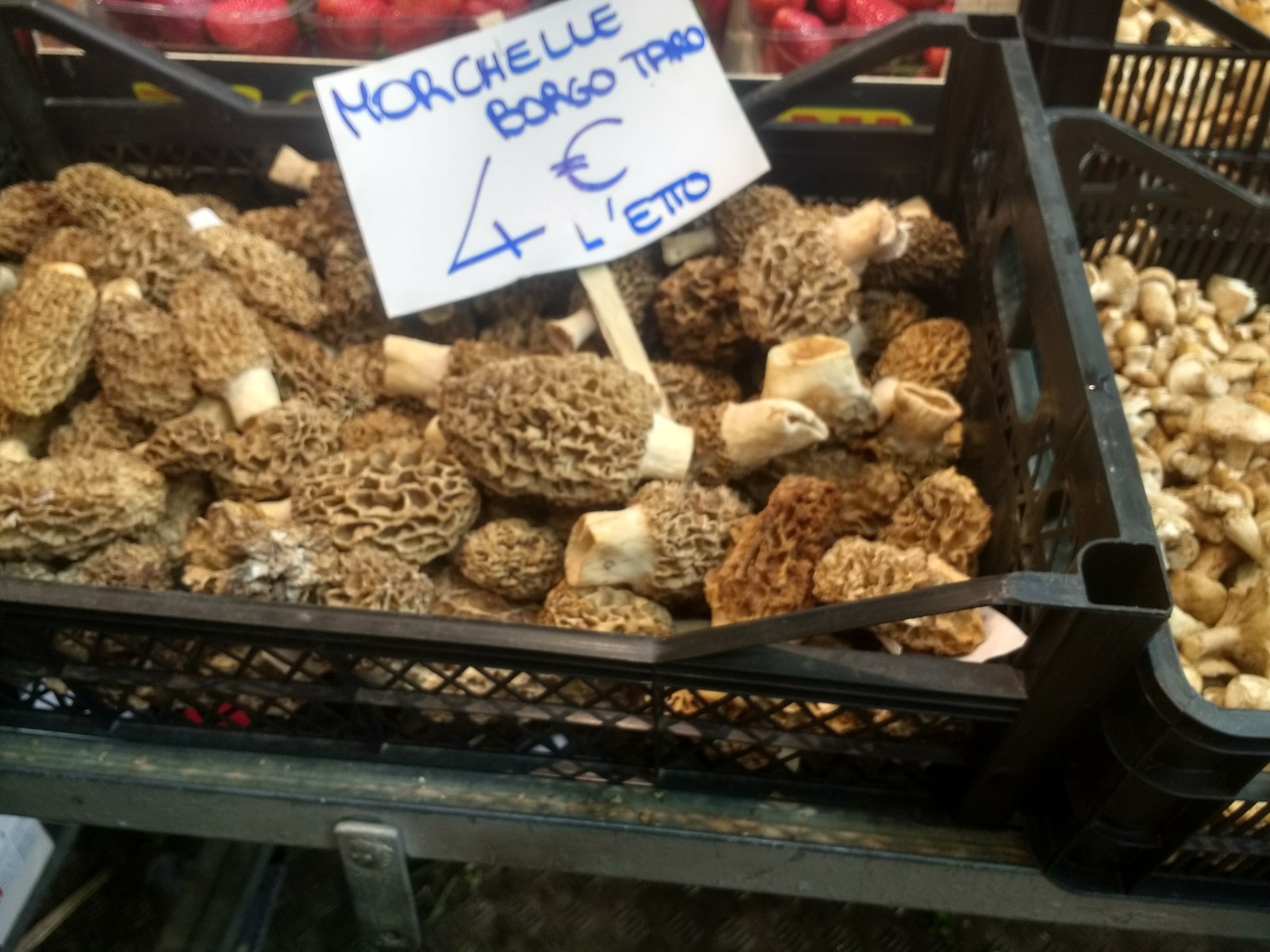
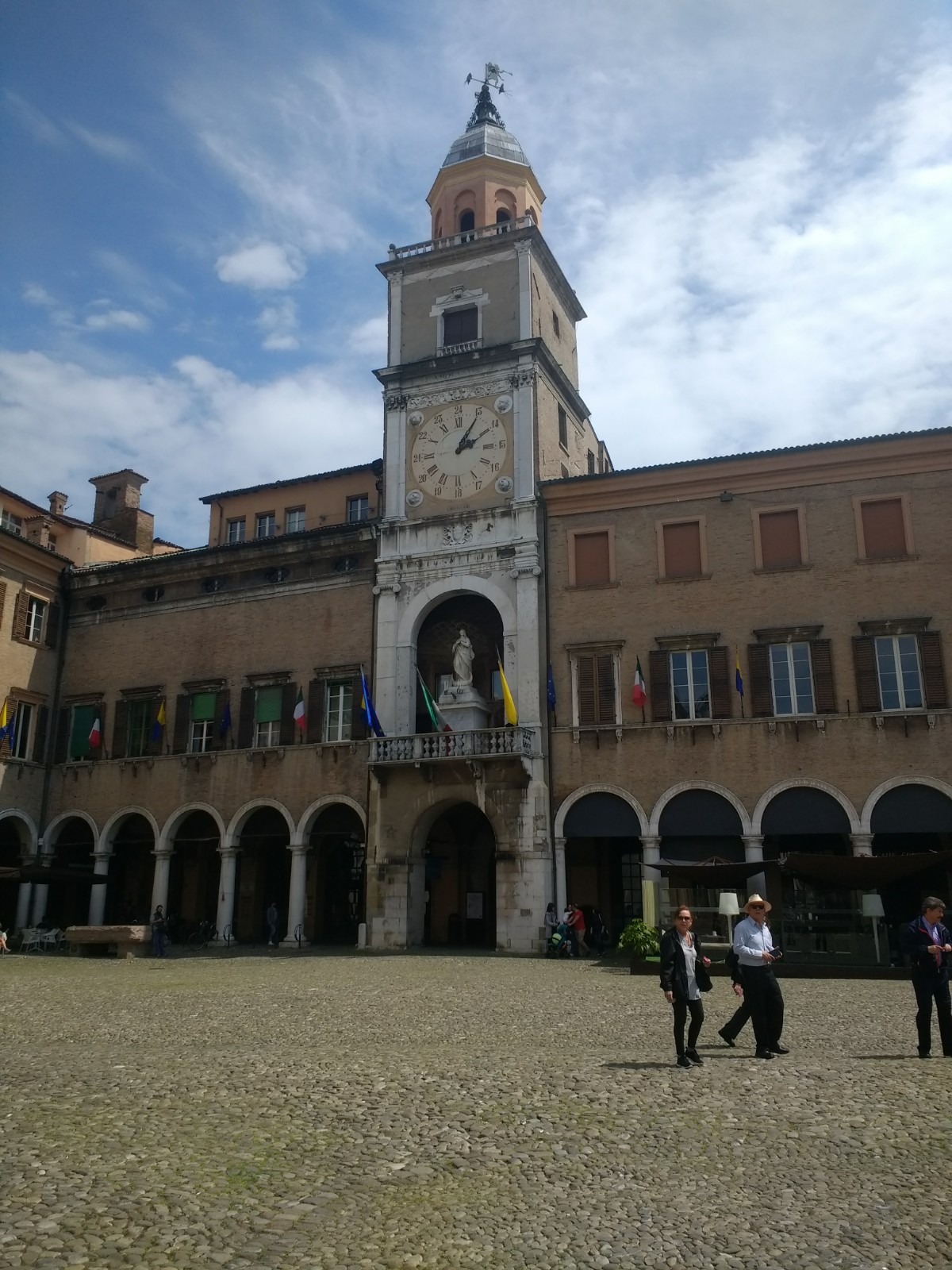
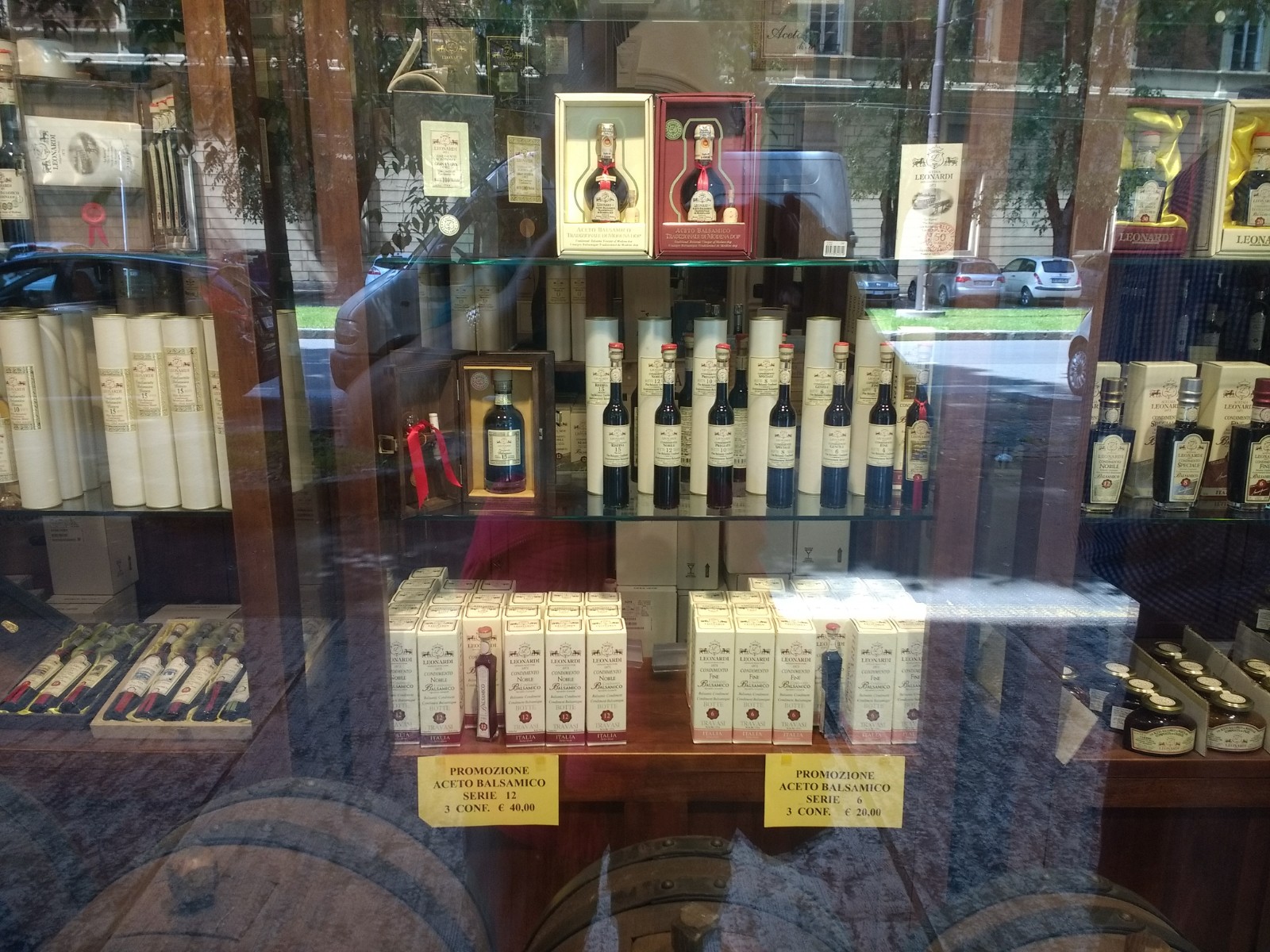
Indoor market, Modena, in Liberty styleInside the food market. In common with other food markets here, there is a section to sit down and eat food from the stalls. A pity we’d already had lunch.These are morels, a type of fungi. An ‘etto’ is 100g. Clock Tower, Piazza Grande. The clock face, showing numbers 13 to 24, as well as 1 to 12, was added in the nineteenth century. Modena is also famous for its Balsamic vinegar, which you can have tastings of. I couldn’t work out how much vinegar you got for 40€, but I have a feeling it’s very expensive.
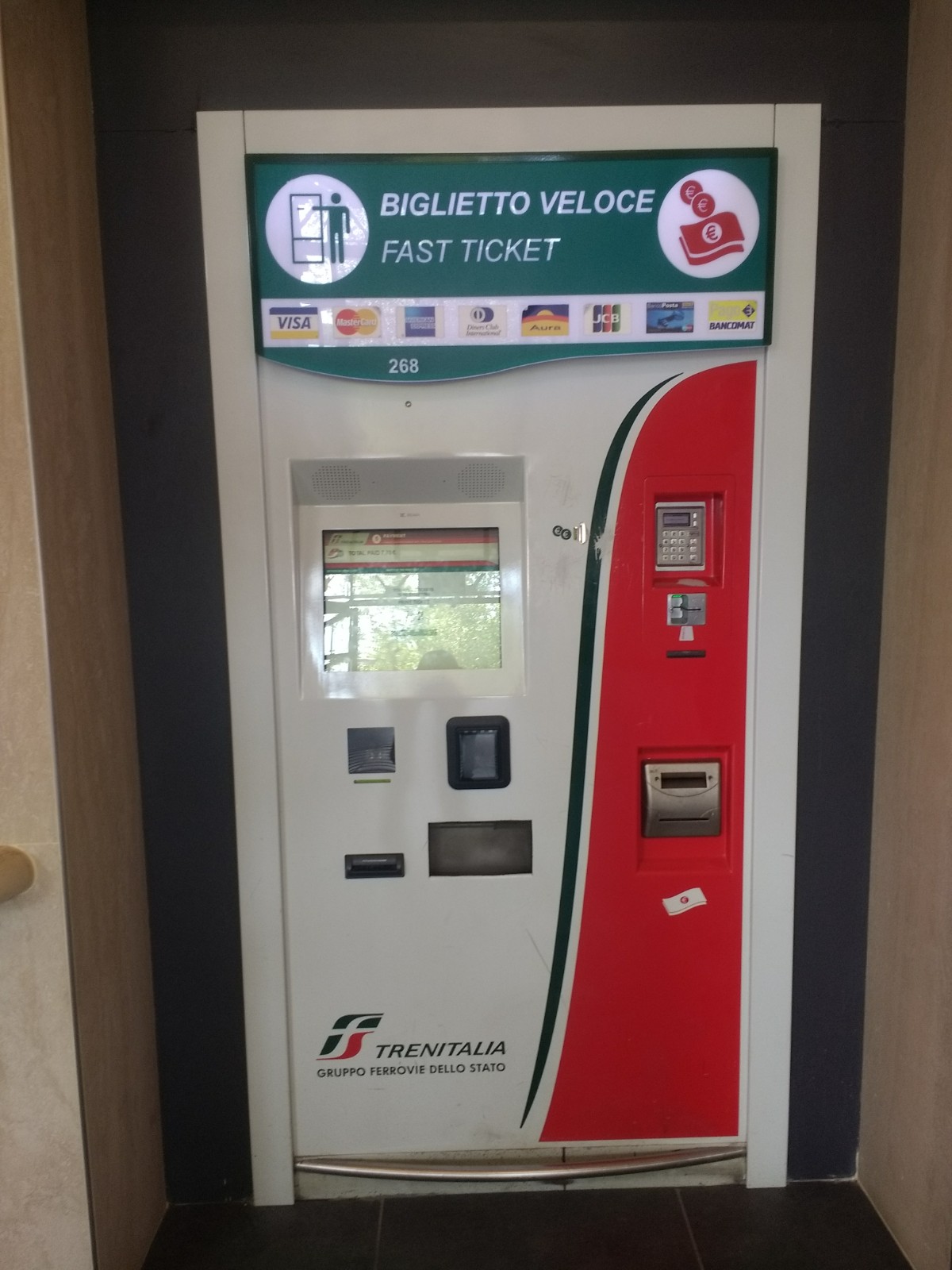
At the end of the day we headed back to the station. It’s usual in Italy to buy your ticket from a machine like the one above. If you know where you’re going, they’re easy to use, but not fast (no matter what’s written on the front). One problem is that Italian towns often have an Italian name that’s different to its English name, and unless you know the Italian name for your destination (and how to spell it) you won’t be going there.
On our way to Modena yesterday, Mark stood in a slow queue behind another foreigner to buy our tickets. When it came to the turn of the other foreigner, he was stuck as he was unable to recall the Italian name for Padua (it’s Padova). Mark went blank too so couldn’t help him.
I’m not saying we should all call places by their English names, but that we all call Italian places by their Italian names, English places by their English names and so on.
In case you’re wondering, you can download the Trenitalia app and order your tickets through that. The ticket, with a barcode you can show to the ticket inspector, is then e-mailed to you. However, your ticket can take a couple of hours to come through, so risky if you’re about to hop on the train. What do you say to the ticket inspector? My ticket’s in the ether?
Having purchased your ticket, it has to be validated, which involves putting it into a machine so it can be stamped (to stop people fraudulently using their tickets again). If you are caught on a train with a ticket that has not been validated, there are large fines. The stamping machines are usually on the platforms, but occasionally a hunt is involved. Why can’t they just put them on the trains like they do on the buses?
We’ve passed two milestones in the last couple of days. One is our wedding anniversary – we’ve been married 33 years today. Funnily enough, some neighbours of ours from Warnham also celebrate their significant day today, but were married a few years before us. If you’re reading, Happy Anniversary, George and Vivian!
The other milestone is that Mark is now officially an old age pensioner, but won’t see any money for another four weeks. I am also now 65, but have to wait until September to get mine.
After several damp days it is sunny and warm again, but it is not set to last apparently. I gather the low temperatures, and this amount of rain, is very unusual at this time of year. Unbelievably, the heating is on at school during the day, and we have had it on at home in the evenings too.
The Giro D’Italia (similar to the Tour de France) starts from the main square in Bologna tomorrow, but we have decided to avoid the crowds and head to Modena (about a half hour train ride from here) for the day instead.
If the weather is as bad on Sunday as it is forecast to be, we will make it a housework and homework day. I am enjoying the Italian, but am finding it hard to remember the irregular verbs. I seem to know them at home, but the next day at school my mind is a blank. My former colleagues will recognise this difficulty. Countless parents used to say to me, ‘I can’t understand it. He knew it at home.’ You never know, perhaps I am dyslexic too.
As our classes finish at 1pm, it is very easy to slip into a town-centre cafe for an inexpensive lunch. One of our favourite places is the mis-appropriately named, ‘Cafe de Paris,’ which displays a handwritten menu outside advertising its dishes of the day, for either eight, or ten euros, and includes a cover charge, bread, water and coffee. Today we both had ten-euro meals, smoked salmon and fried potatoes for me (sounds strange but it was delicious) pasta, tomato sauce and meatballs for Mark. I also had a fresh fruit salad (to make up for the lack of vegetables). The bill came to €23.50, which you really can’t complain about.
After this, we decided to pop into a museum on the way home. With our museum cards, we can visit the main city museums as many times as we like, which means you don’t have to see everything in one go, unless you want to.
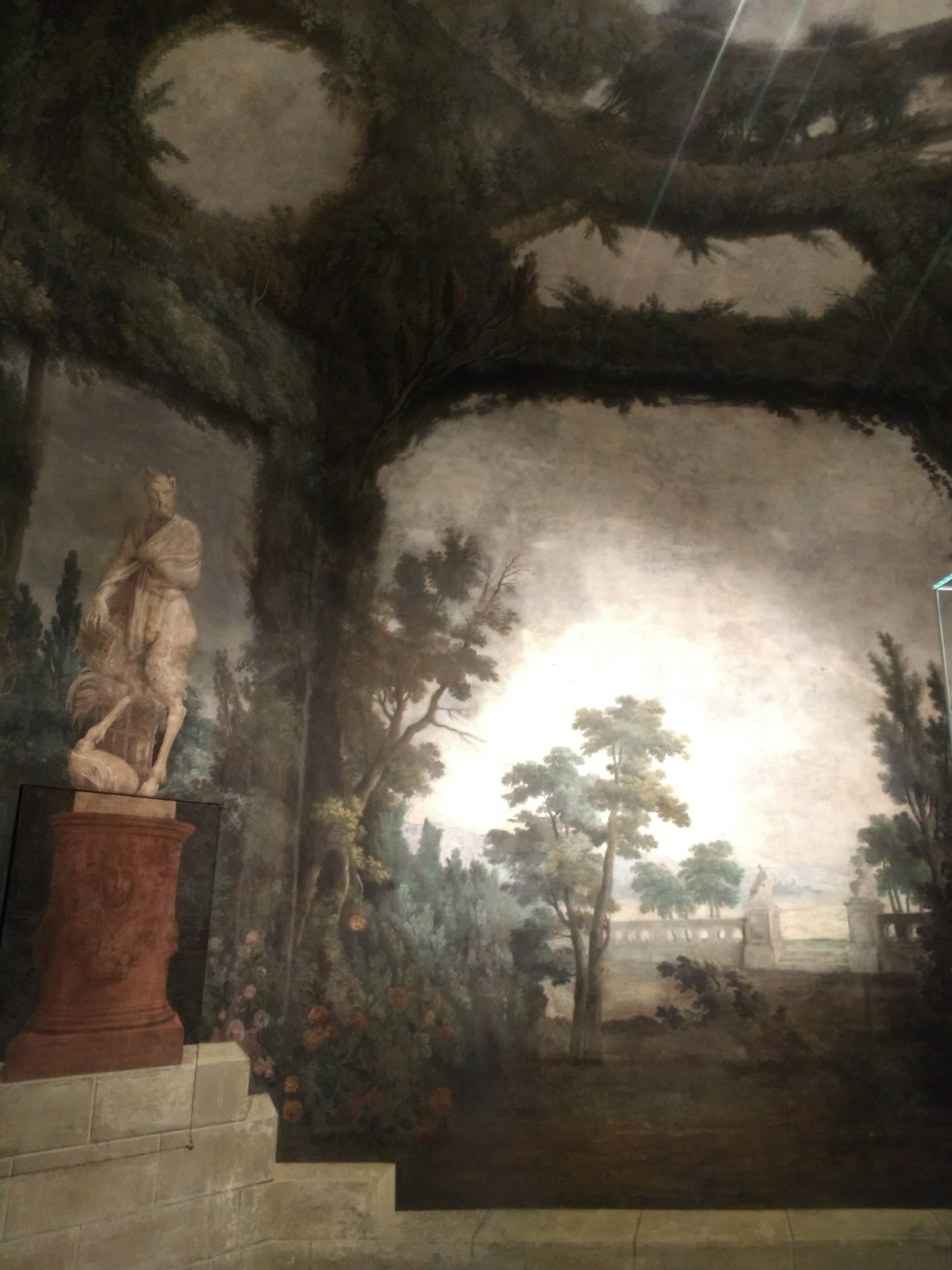
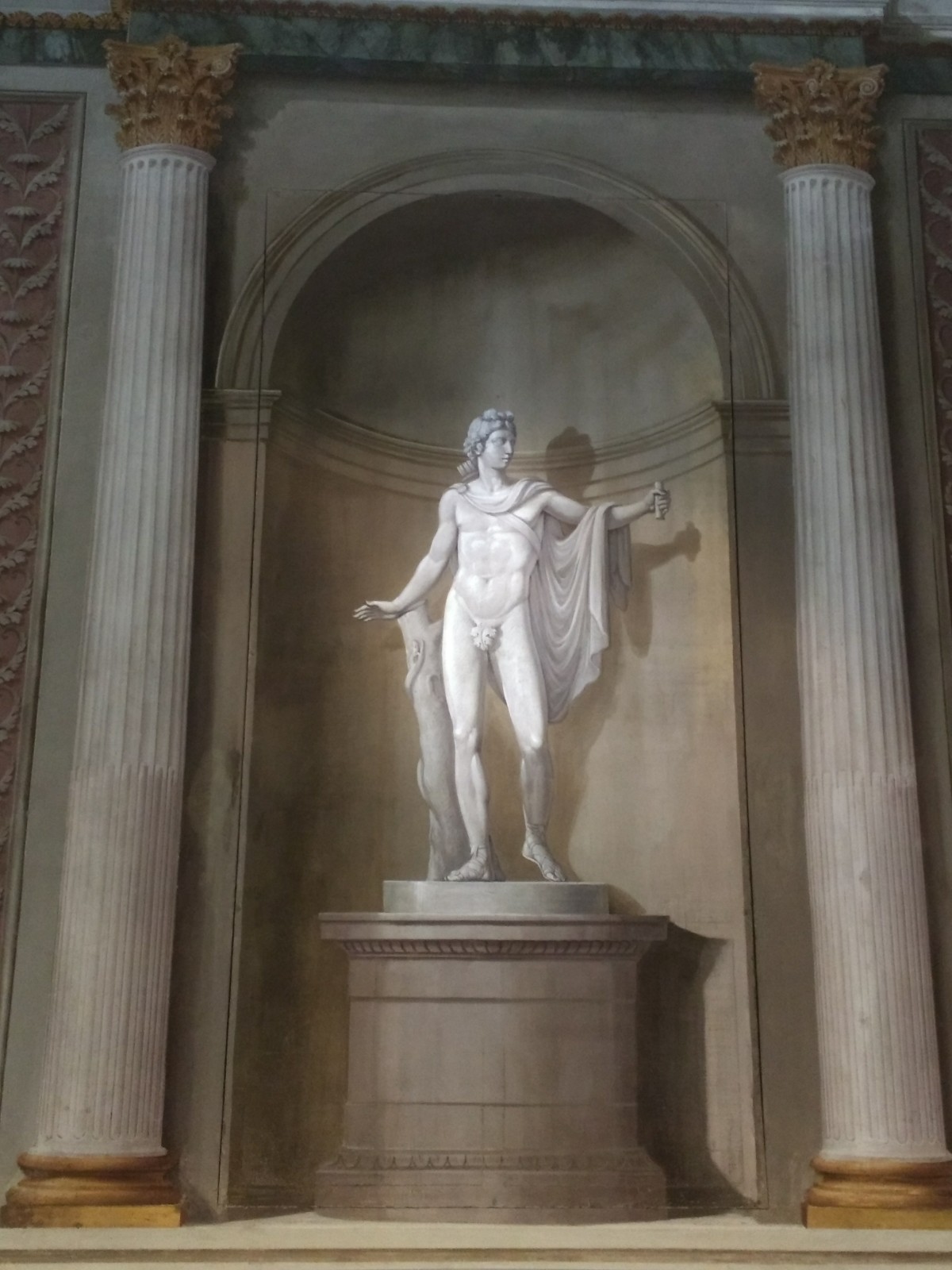
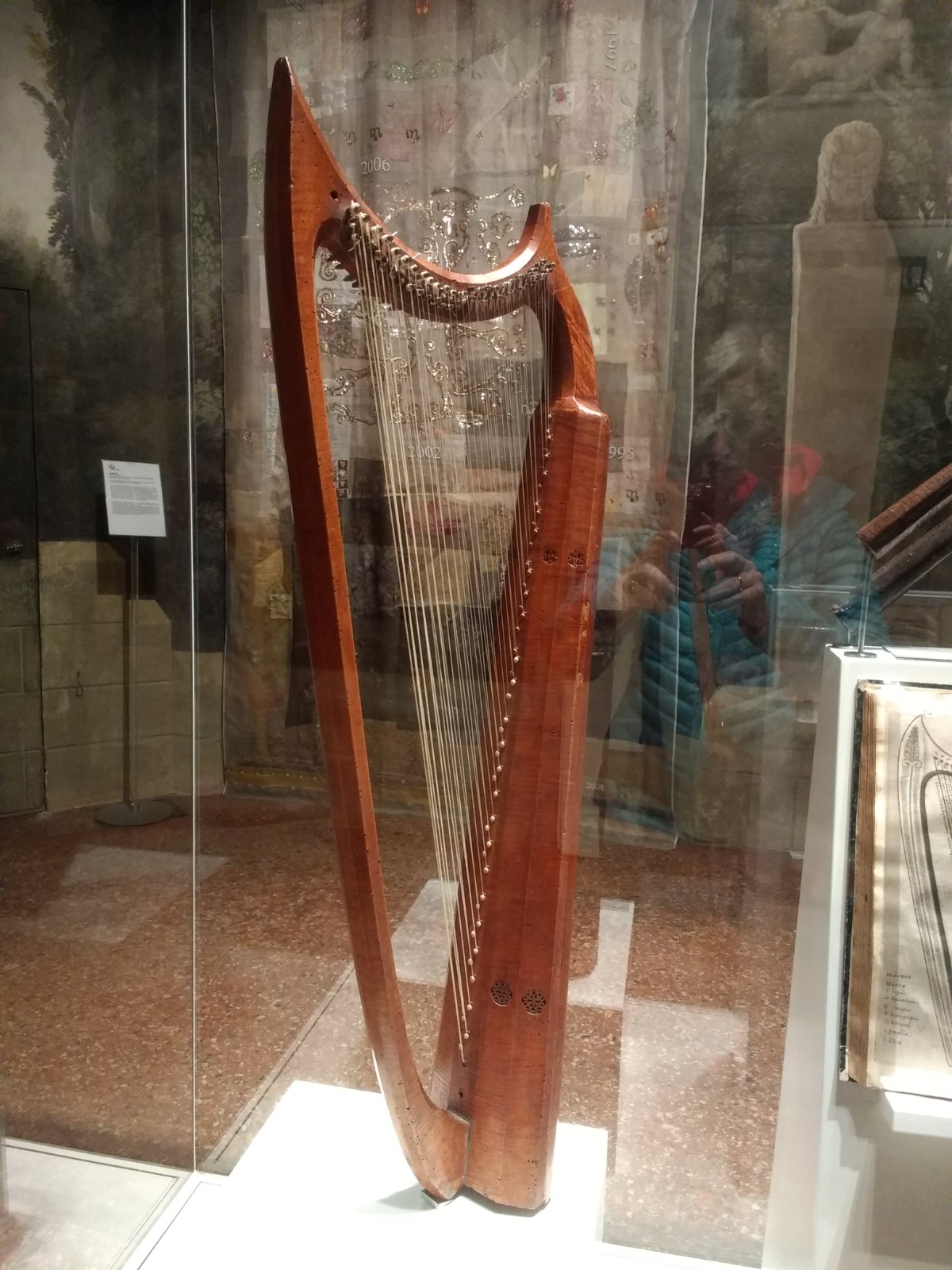
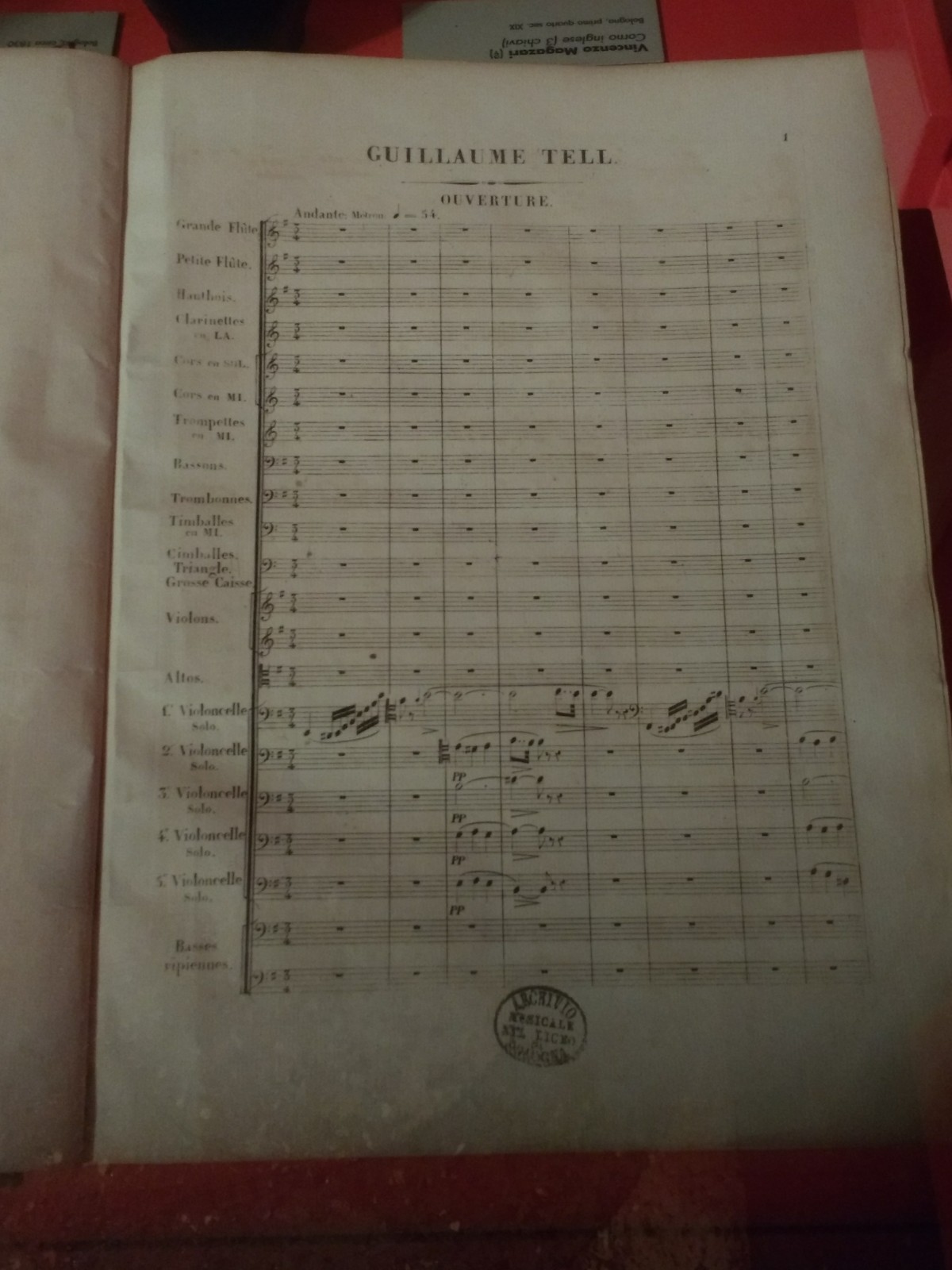
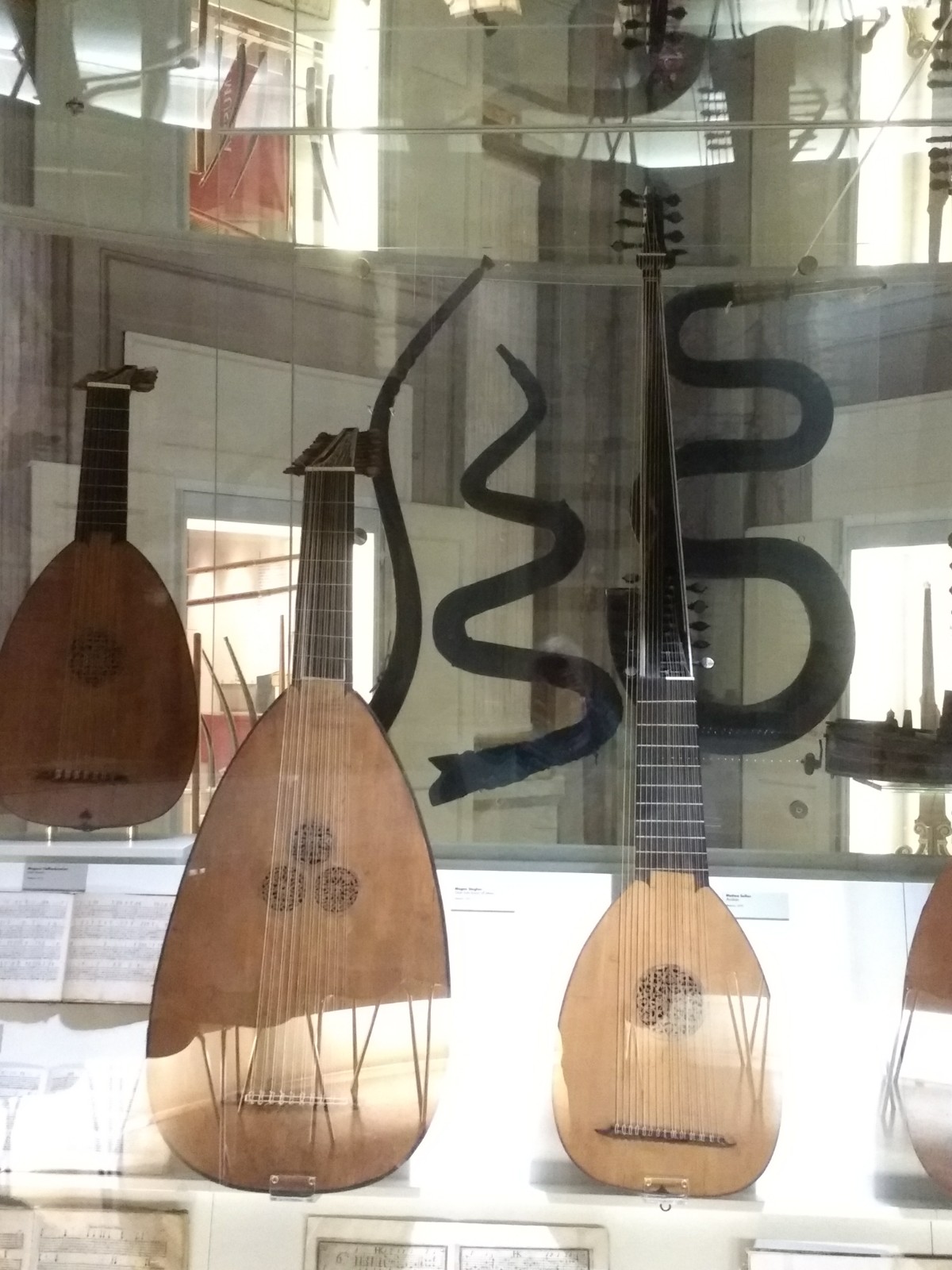
Our choice today was the Museo Della Musica in the the restored Palazzo Sanguinetti, featuring beautiful frescoes from the Napoleonic era.
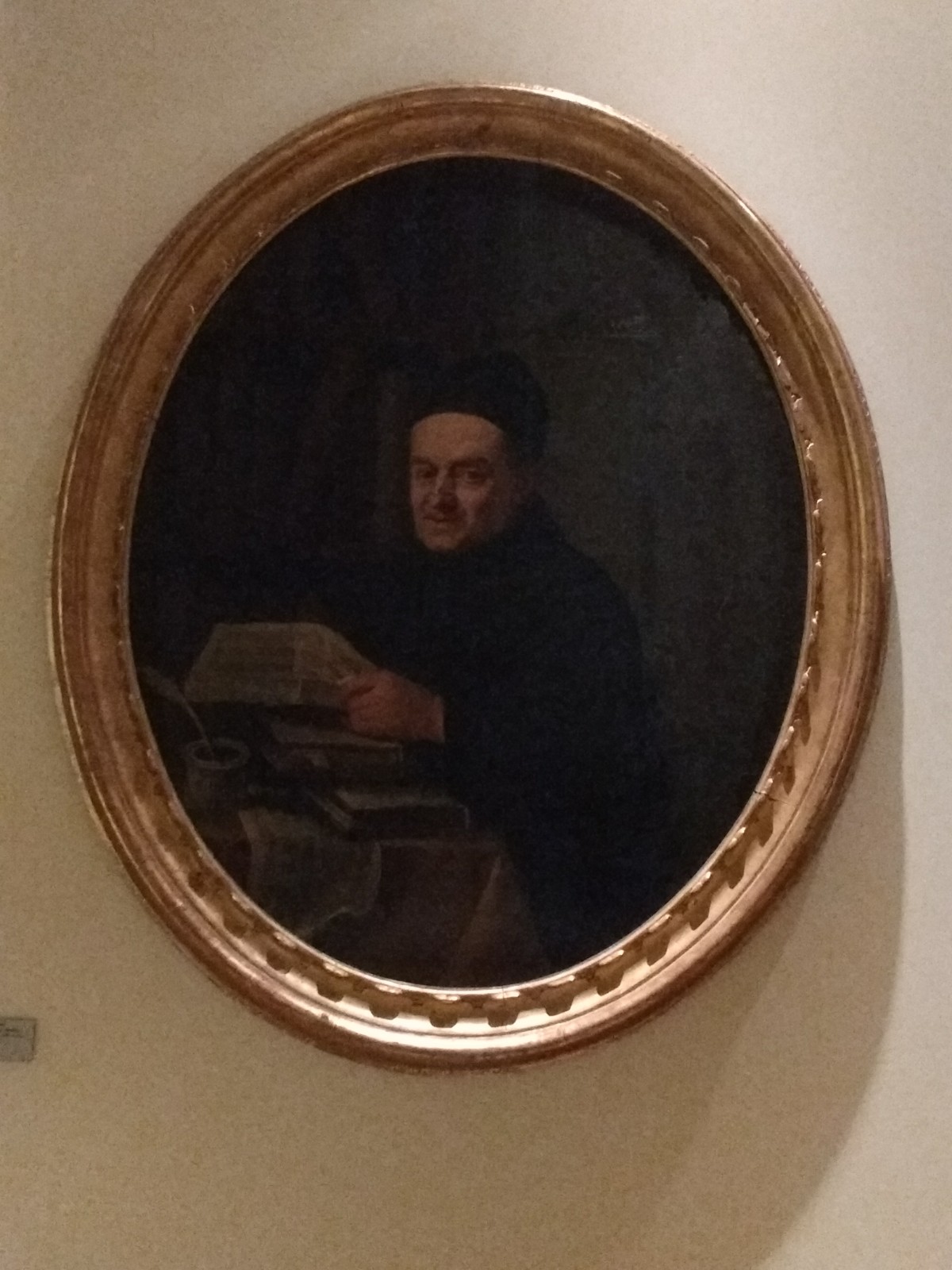
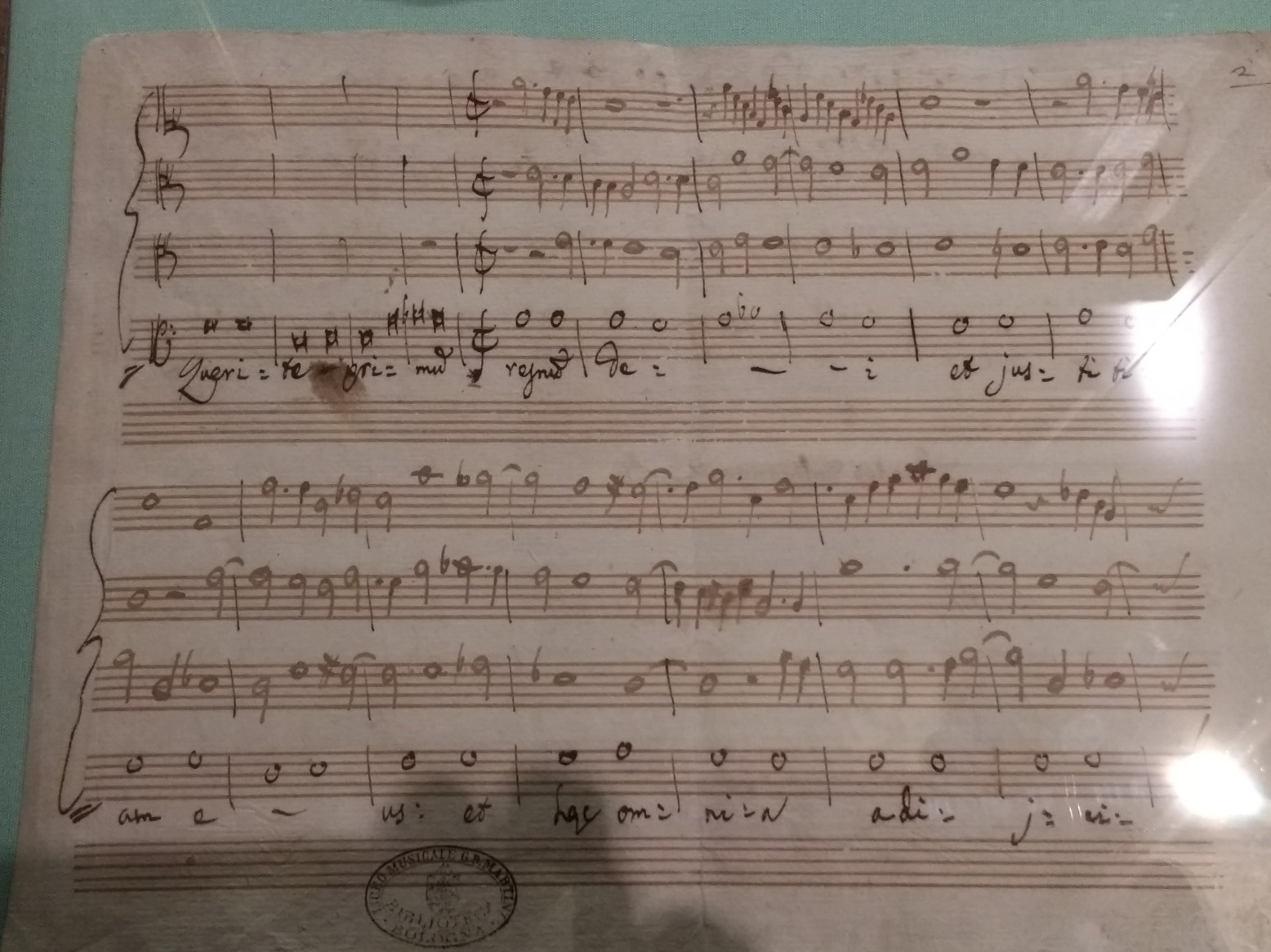
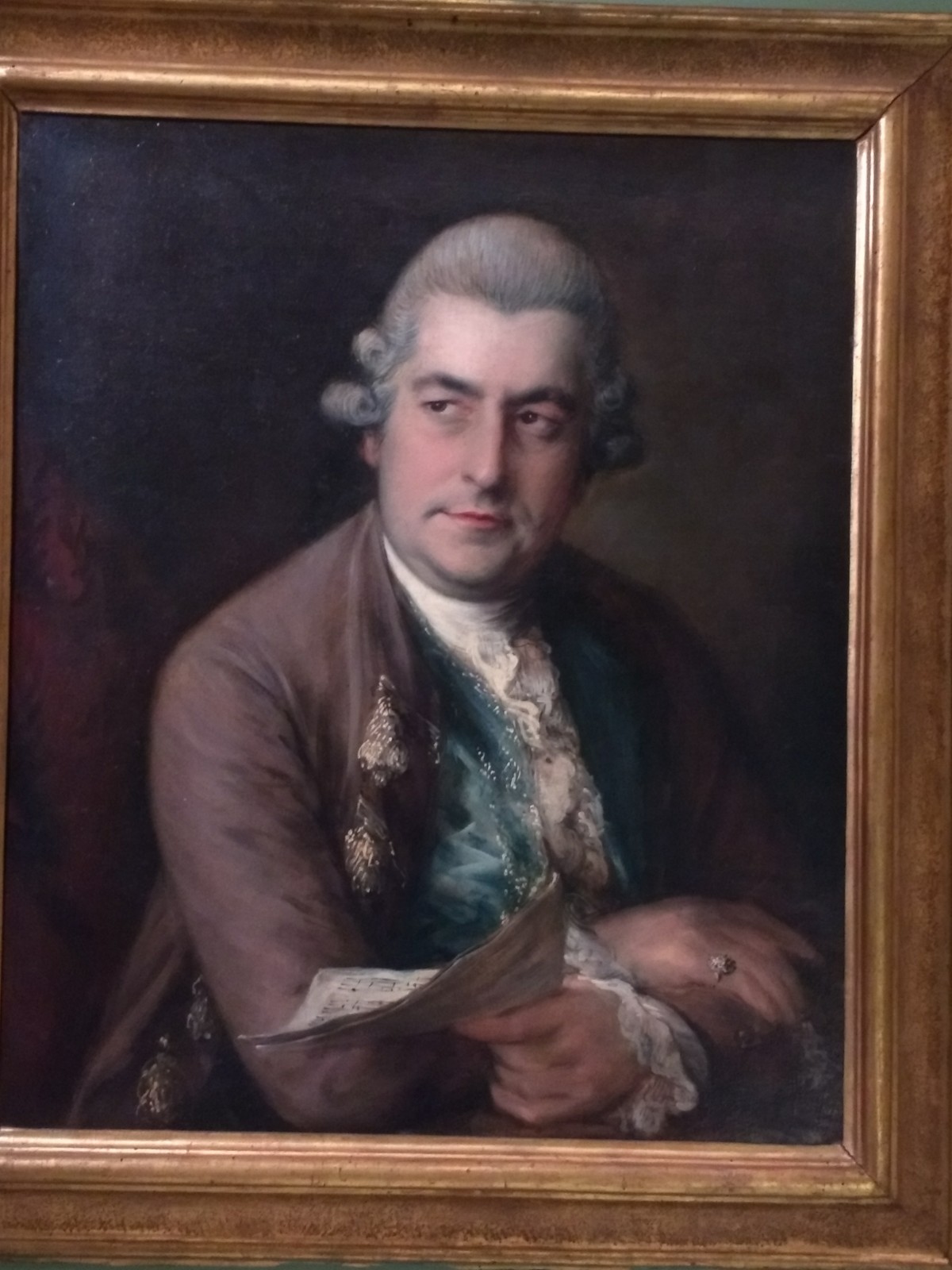
The core of the collection of musical instruments, scores, and paintings was gathered by a Franciscan friar named Giovanni Battista Martini (1706-1784) who was also teacher to Mozart and Johann Christian Bach, youngest son of Johann Sebastian Bach.
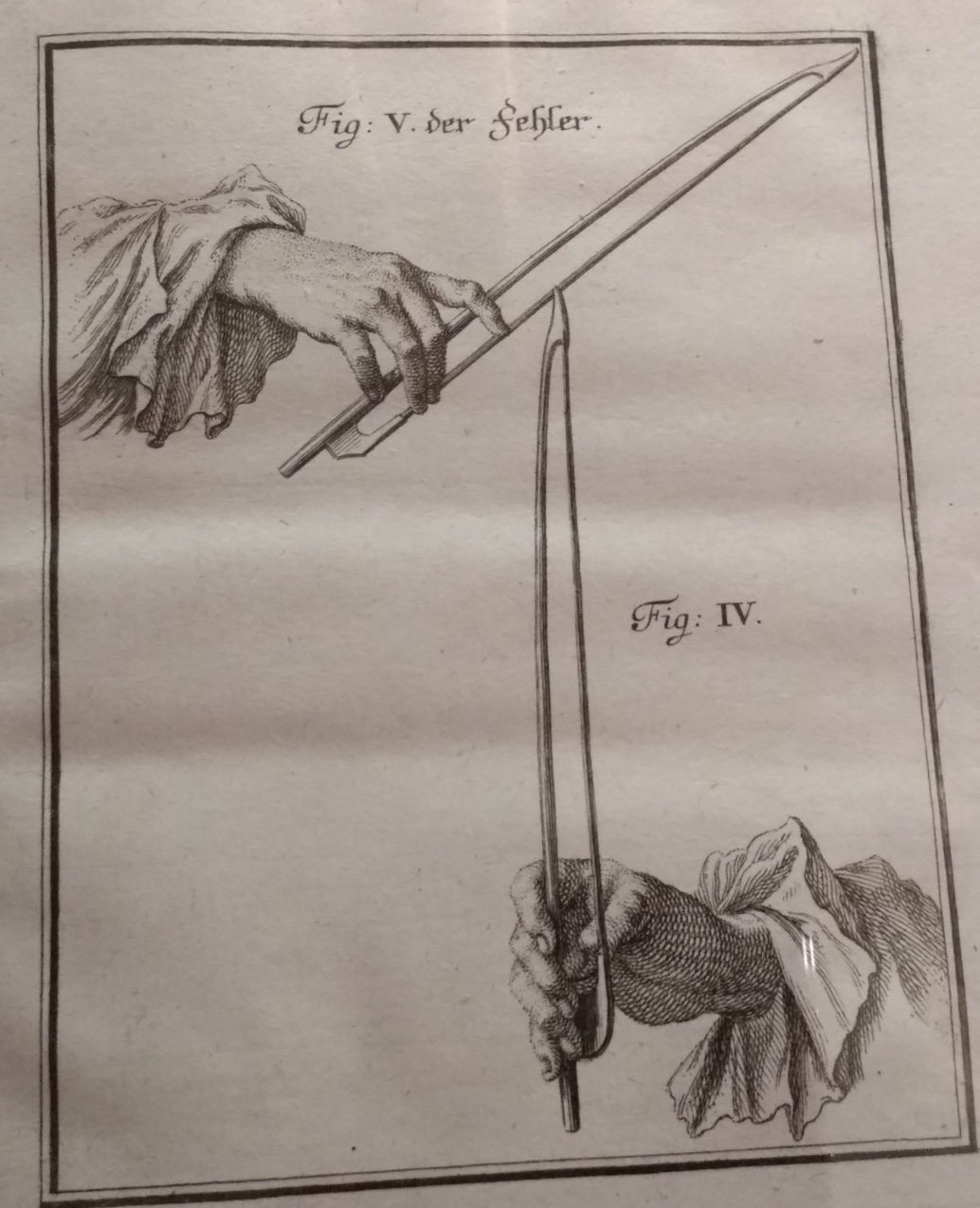
Giovanni Battista Martini Score by Mozart Johann Christian Bach by Gainsborough After leaving Italy, Bach moved to London in 1762, where he variously became known as ‘the London Bach’, ‘The English Bach’ and just ‘John Bach’.A chromatic harp It has two rows of strings, instead of pedalsFirst page of the William Tell Overture by RossiniDisplay of instruments From a practical book showing how to hold your bow. Love those shirt cuffs!
Last week, when I talked about the seeds blowing around like snowflakes, I didn’t think it would actually snow, but it has, not in Bologna itself, but in the surrounding area. One teacher has described the weather we are experiencing at the moment as ‘weird’, another says it’s going to improve, and will stay warm (personally I think that she’s just afraid that unless we get an optimistic weather forecast, we will all pack our bags and go home).
We are still enjoying our Italian lessons and glad that we booked for four weeks. This seems to be the average length of time that people stay for. Any shorter time and we might not make significant progress.
We are also glad we have our own apartment. We had the choice of staying with an Italian family and thought that this would be the way to maximise our learning as we could talk to the host family in Italian over dinner, but it seems here that if you stay with a family, you have to cook for yourself, which is not what I had envisaged at all.
Our fellow students are all very friendly and a good mix of ages, nationalities and backgrounds. After travelling on our own for over three months, we suddenly have a social life and other people to talk to (English is the preferred language here on social occasions) which is very pleasant.
Mark couldn’t have chosen a better weekend to rest his ankle, as it is pouring with rain now, and forecast to do the same all day tomorrow. It being a Saturday, I decided to get on with chores and on my way to the supermarket I dropped off the recycling, which started me thinking about the different ways household waste is managed in various parts of Italy.
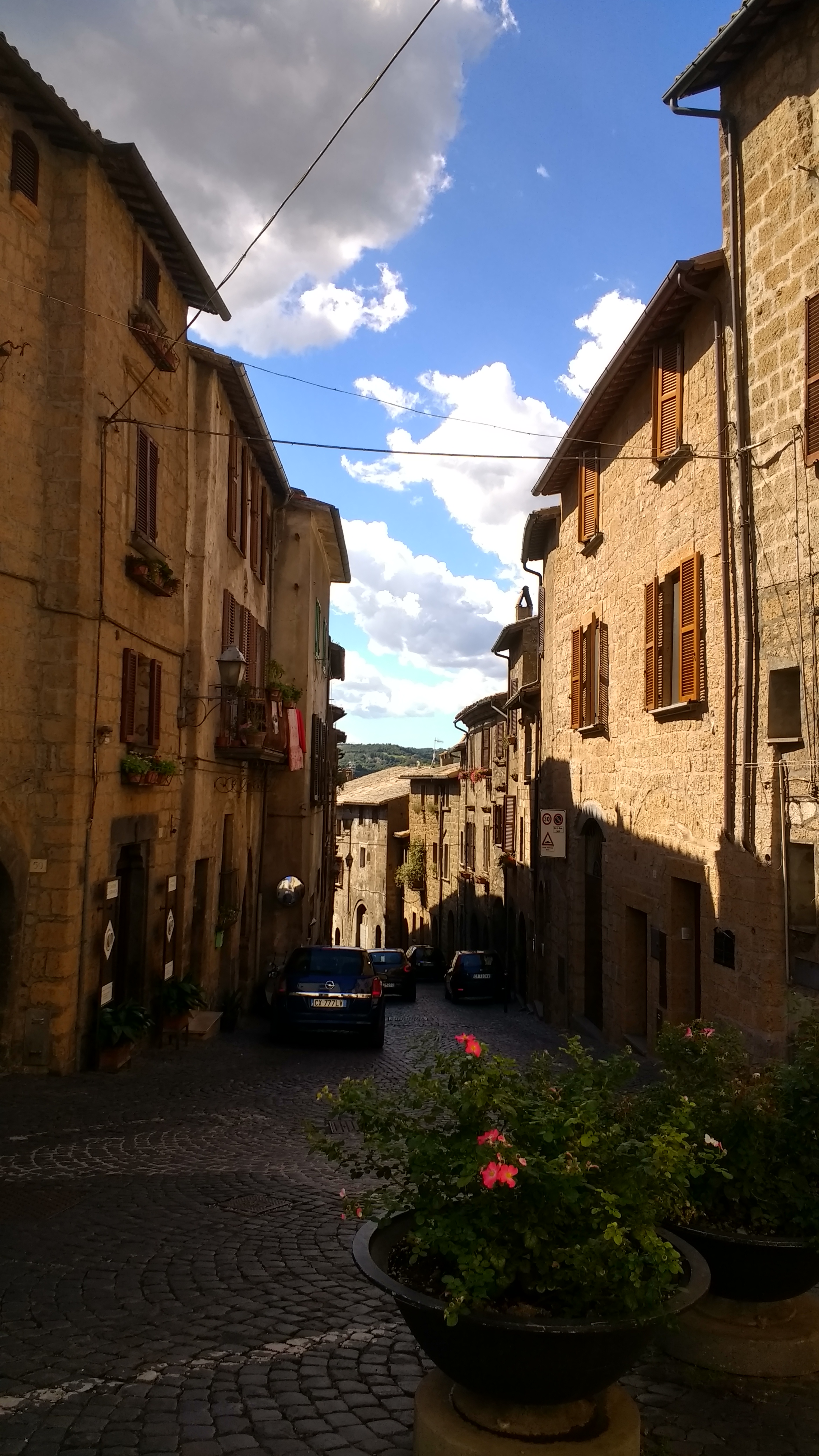
Our stay in Perugia two years ago was in the medieval core of the city. The streets being narrow, and doors opening directly onto them, there was no space for household bins, or communal recycling bins. Instead, each household had a collection of five small bins/bags (organic/glass/plastic and tins/card and paper/non-recyclable) and a twenty-minute time slot (eg 18.50 – 17.10) to take the organic rubbish, plus that day’s designated category of rubbish (for example: Monday- organic and glass) to a nearby collection point, where a man and a small van would be waiting.
The narrow streets of medieval Perugia
The disadvantage of this system was that you had to be at home in order to dispense with your waste. The last week of our stay in Perugia we had to make an extra effort to be around at our pre-ordained time on certain days so we could get rid of all our bags before the end of the holiday.
The chap collecting in our area was one of the sunniest, most cheerful characters I have ever met though. When he saw me coming down the street he would greet me with, ‘Buona Sera, Signora,’ and rush to take the bags from me. Elderly ladies, obviously listening out for the sound of the cart, would call out from their upstairs apartments. ‘Sei tu, Giuseppe?’ and he would call back, ‘Si, arrivo.’ (I’m coming) and with that he would go up to their residence, to save them from coming down.
We had read about the problems Rome was having with rubbish piling up in the streets before our holiday there last September. The situation had improved before our arrival in an area just outside the centre. Rubbish was supposed to be left in giant skips/containers at the side of road. These were collected, but not frequently enough and, as often as not, residents would have to leave carrier bags full of garbage/tins/bottles at the side of already overflowing receptacles, to be urinated on by passing dogs and disembowelled by any vermin. The result was a squalid, smelly mess.
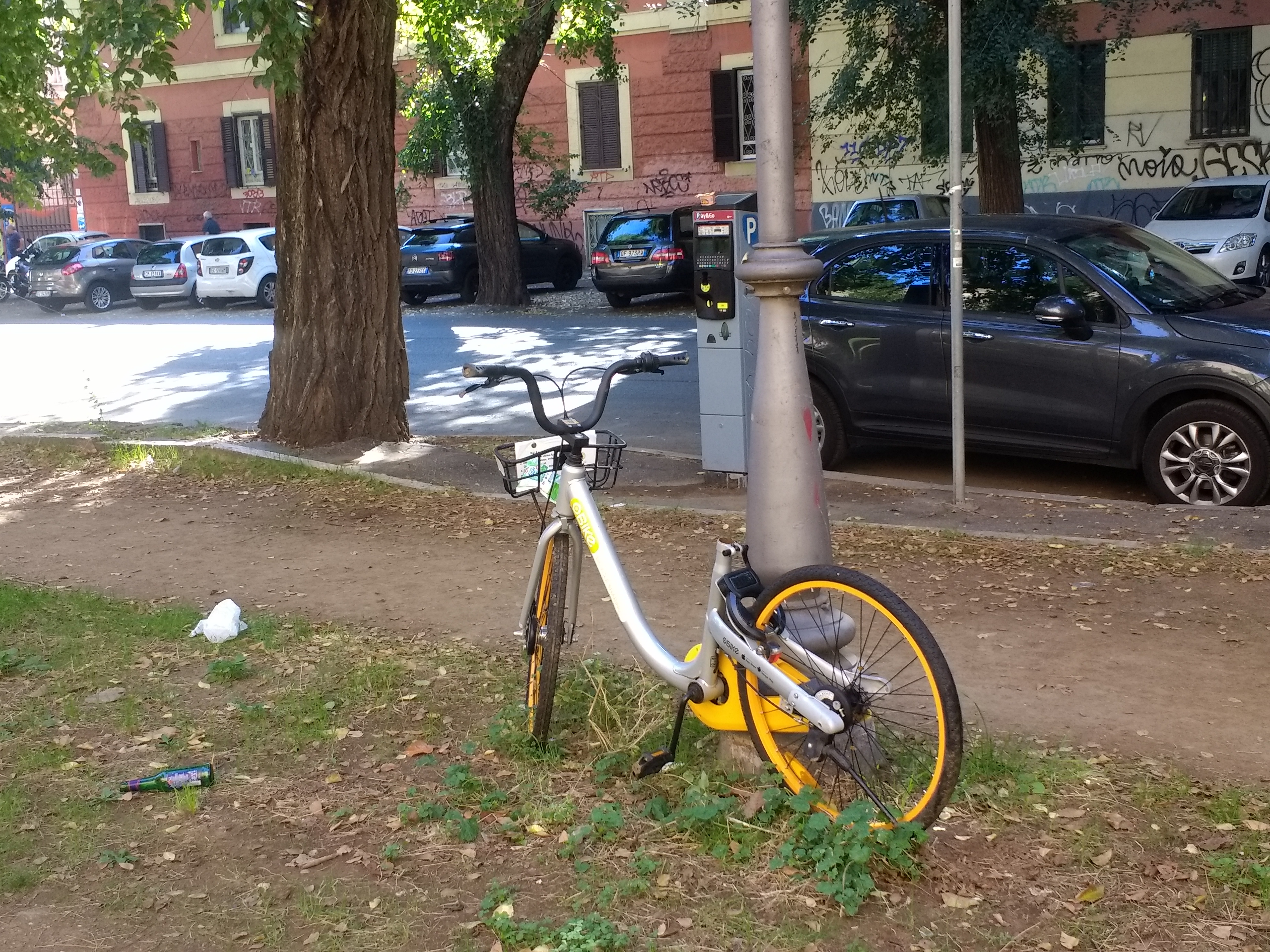
The bike-sharing scheme didn’t really work in Rome. Abandoned bikes, like this one, were everywhere, each with at least one part missing.
When we arrived in the centre of Palermo, my enquiries about recycling were met with, ‘Oh no, I don’t think there’s any of that.’ although we did see recycling bins outside the centre.
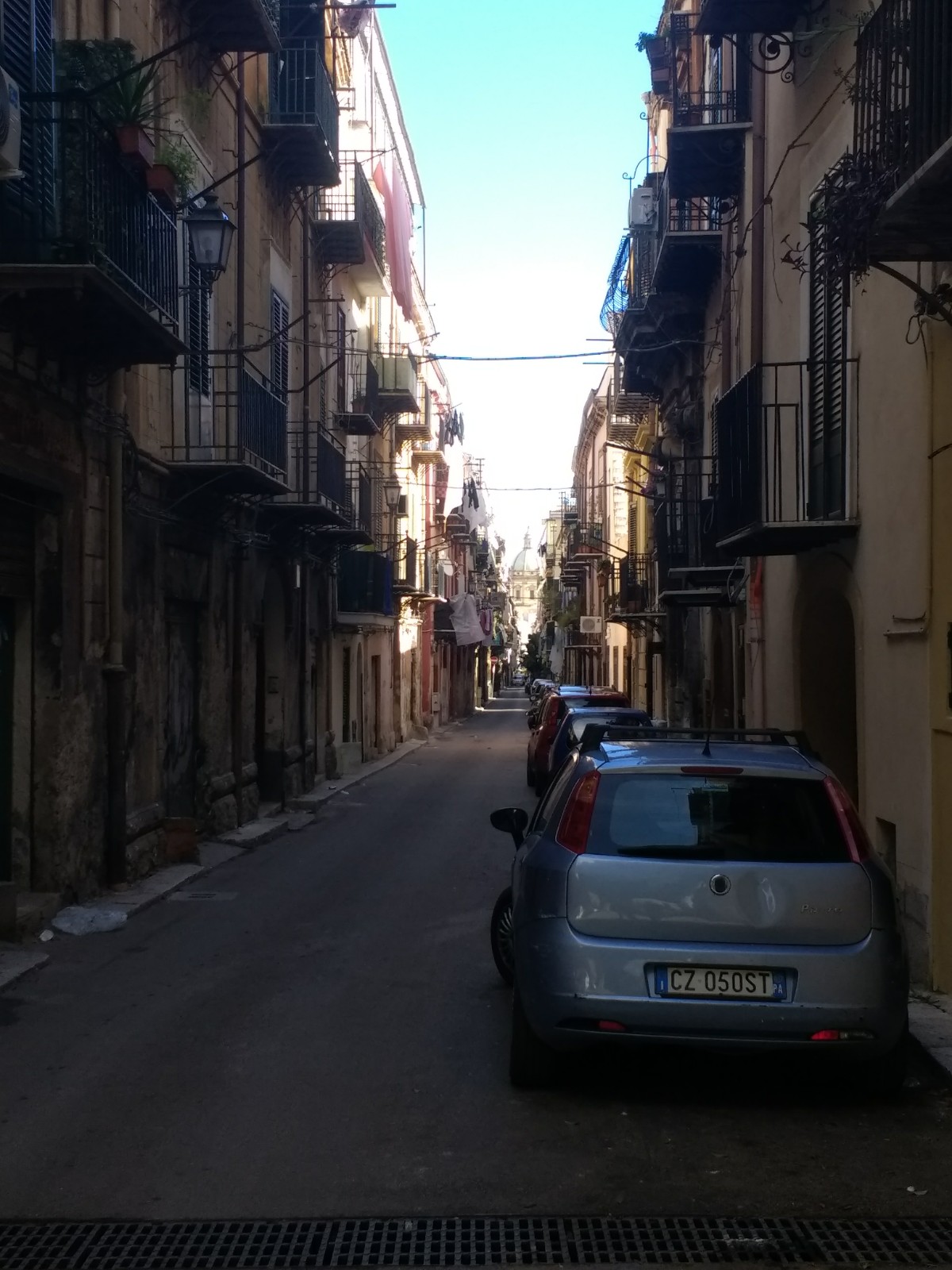
Typical backstreet, Palermo
The authorities in Naples appeared to be managing the situation. Our favourite containers for recycled items were metal bins in the street. A foot pedal (like the ones you press to operate the tap in restaurant conveniences here) allowed the lid to open without you getting your hands dirty. You placed your bag inside and it was dropped into a huge metal box below ground.
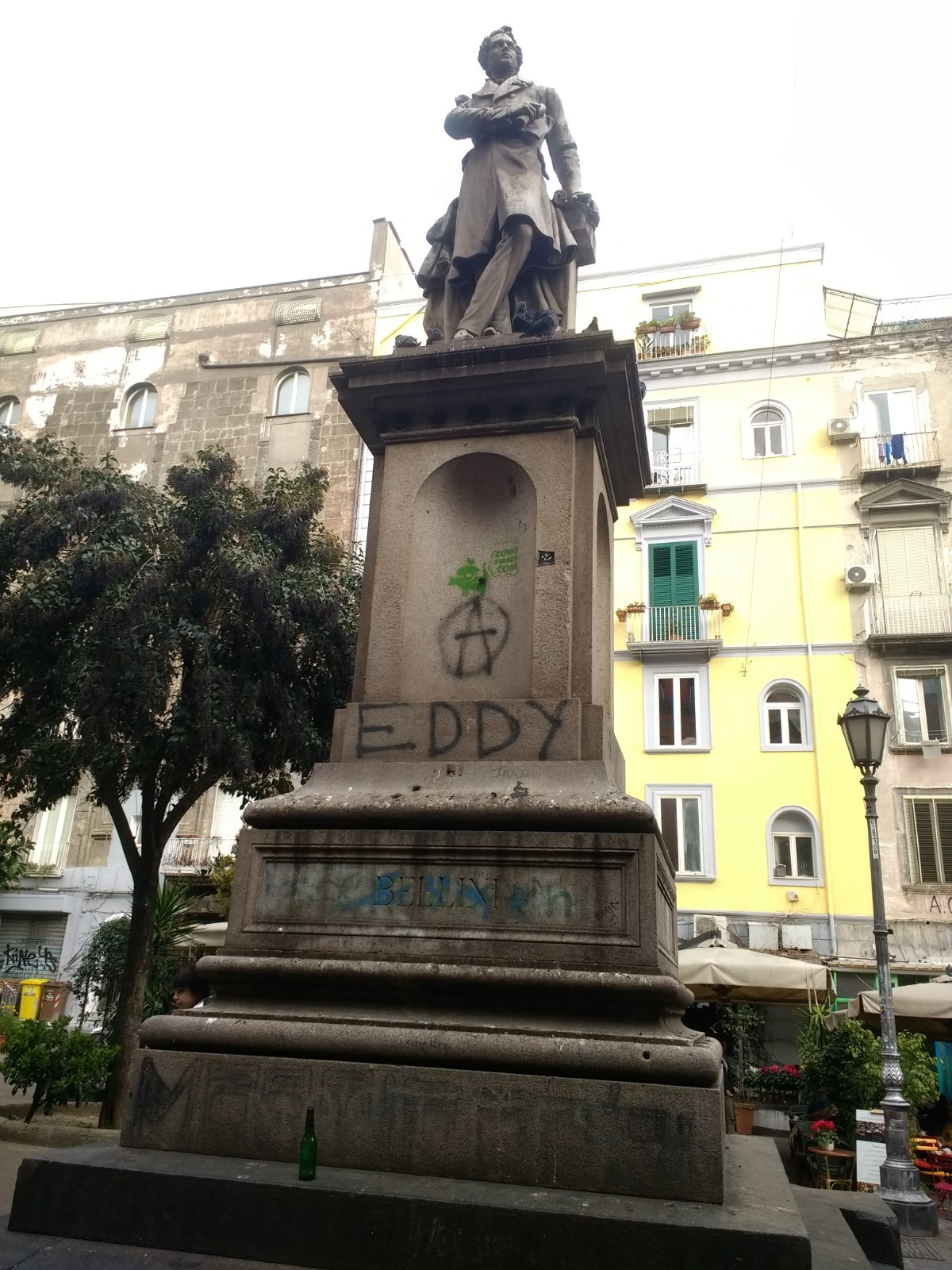
Graffiti is everywhere in Naples. Apparently the locals have learned to just not see it.
Skips for non-recyclables (the Italians call this rubbish ‘indifferent’ which I think is wonderful. I imagine all the non-recyclables saying, ‘I don’t care where I go, I’m indifferent.’) were emptied every night.
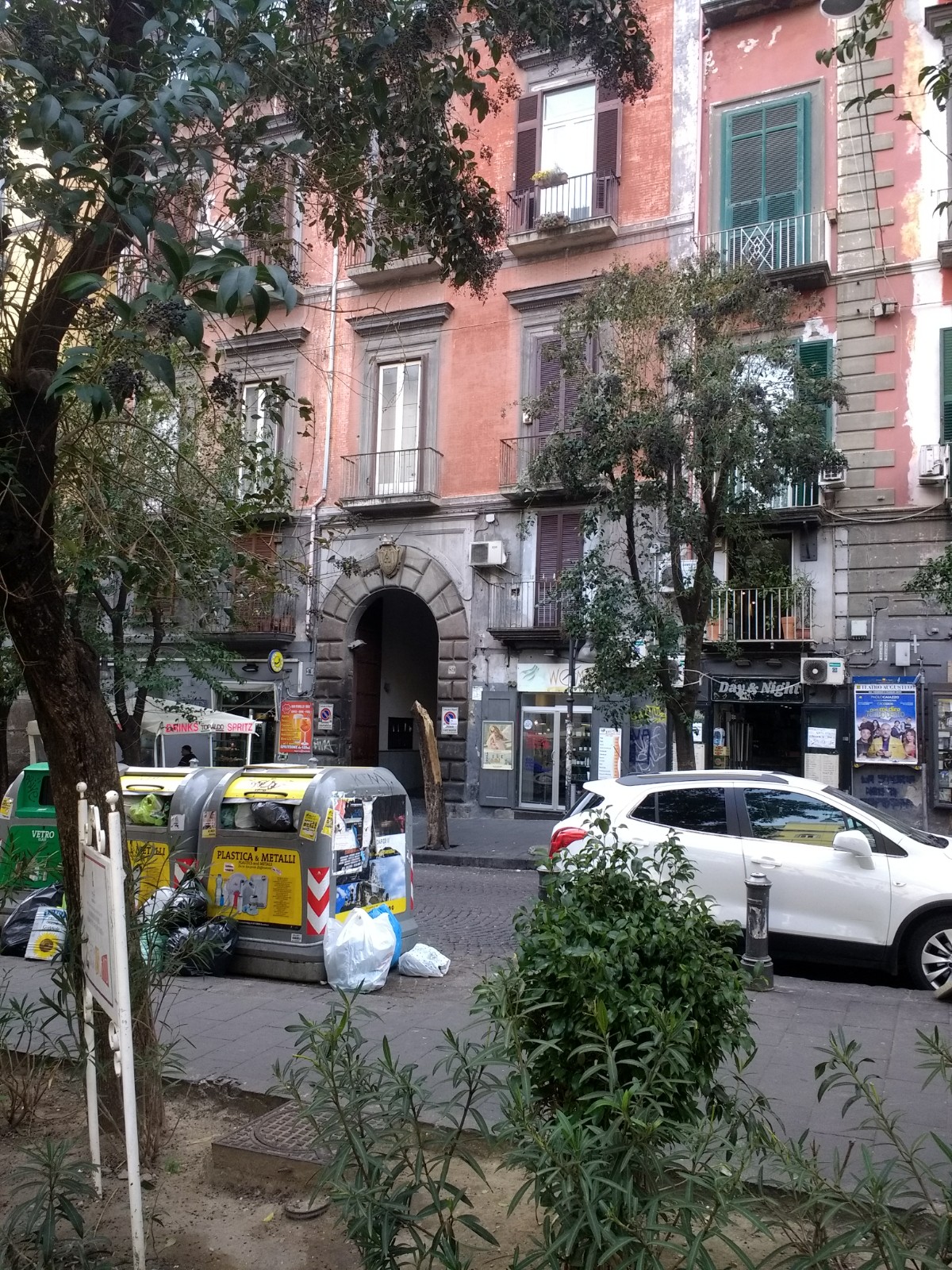
Naples street scene – this isn’t as bad as some bins in Rome.
Here in Bologna we again have skips in the road, for recyclables and organic waste, the only change being that tins here go with glass, and not plastics. The skips are, I am pleased to say, emptied frequently and no rubbish is piled up beside them.
Street scene, Bologna
All this makes me appreciate the way our rubbish was collected at home. One bin for garden waste (charge payable) one bin for non-recyclables and a third for mixed recyclables. The only grumble was that organic waste was not collected. We were supposed to buy a box with worms for that.

 Tortoise Travel