Poets at Bay

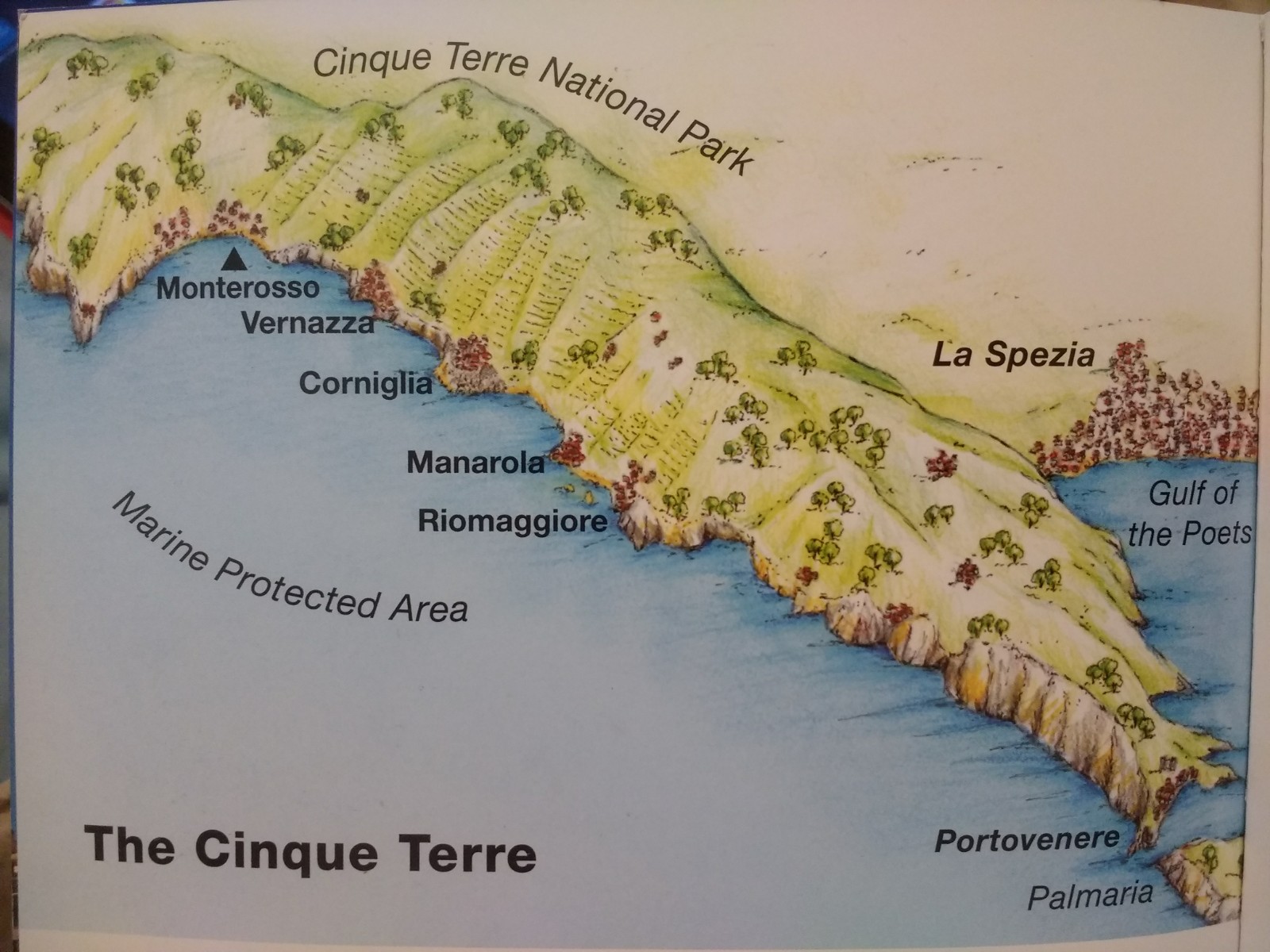
The beautiful coast in this part of the world has attracted writers and artists over the years including Dante, but perhaps more notably for Anglophiles, three of the English romantic poets, Lord Byron, Percy Bysshe Shelley and Mary Shelley. In their honour the bay between Lerici and Portovenere is known as the Gulf of Poets.

Shelley spent the last few months of his life with his wife, Mary, living in an isolated boat house in San Torenzo, near Lerici. Lord Byron, a close friend, had a house in Portovenere and used to swim across the bay to visit Shelley.
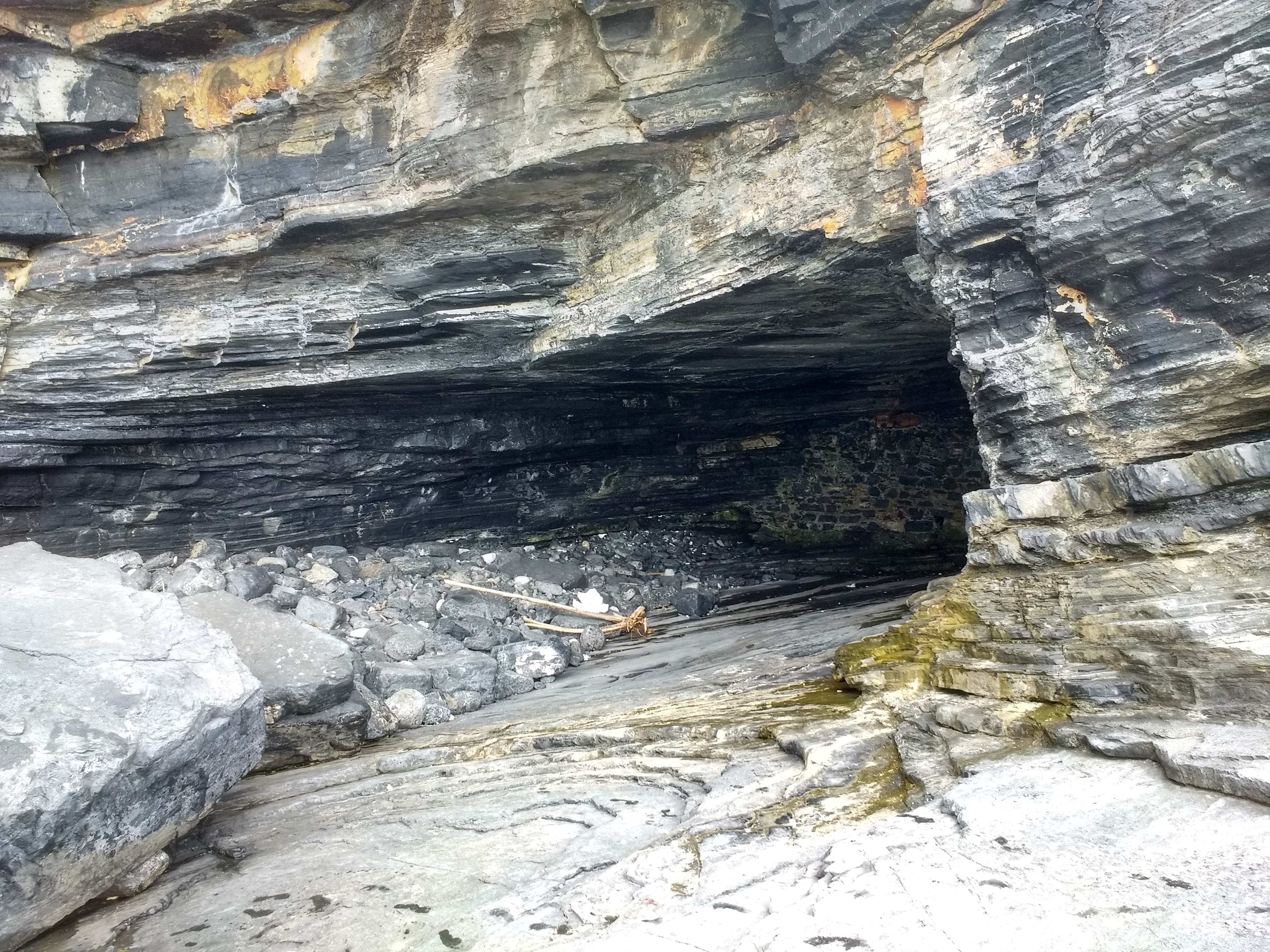
‘Byron’s Grotto’ in Portovenere where he supposedly went to gain inspiration for his verse.

Shelley drowned in 1822, aged 29, during a storm in the Bay of Spezia (otherwise known as the Gulf of Poets) while sailing from Livorno to Lerici.
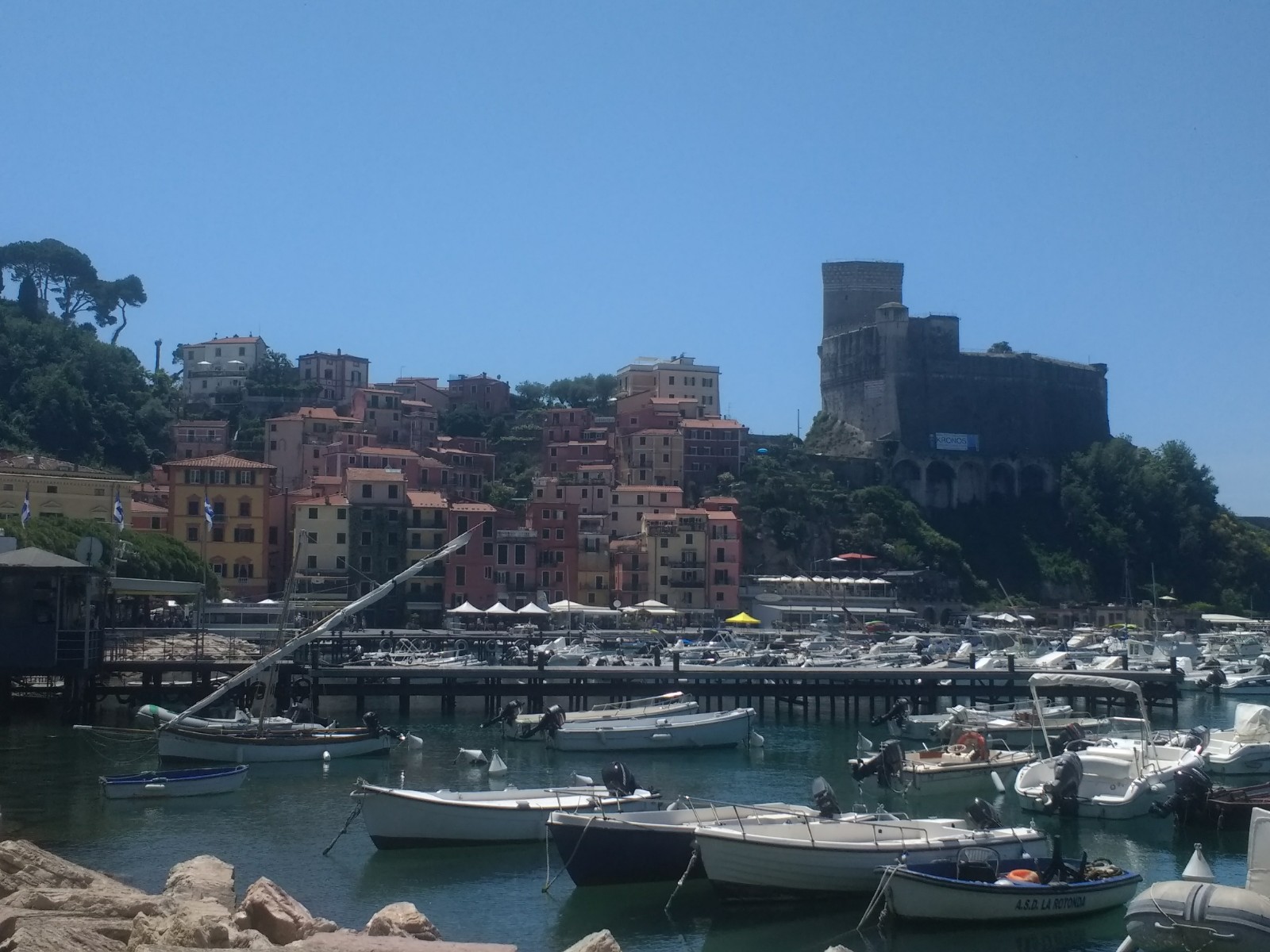
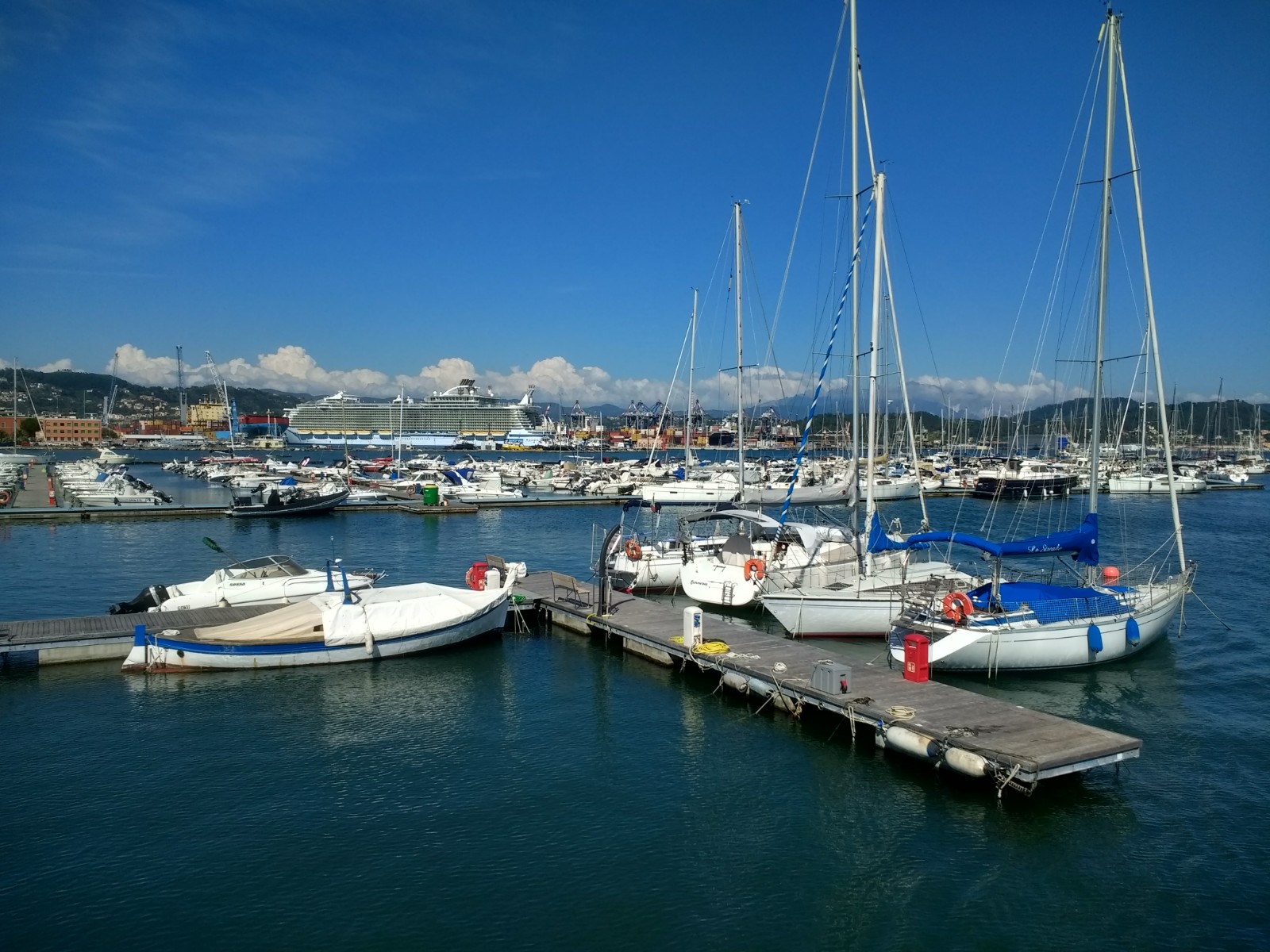
Lerici harbour today, with the impregnable-looking medieval castle in the background.

Lord Byron died a year later, aged 36, while in Greece fighting alongside the revolutionaries in the Greek War of Independence.

John Keats, associate of Shelley and Byron, died a year before Shelley at the age of 25, of consumption while living in Rome. Both Keats and Shelley are buried in the Protestant Cemetery in Rome.
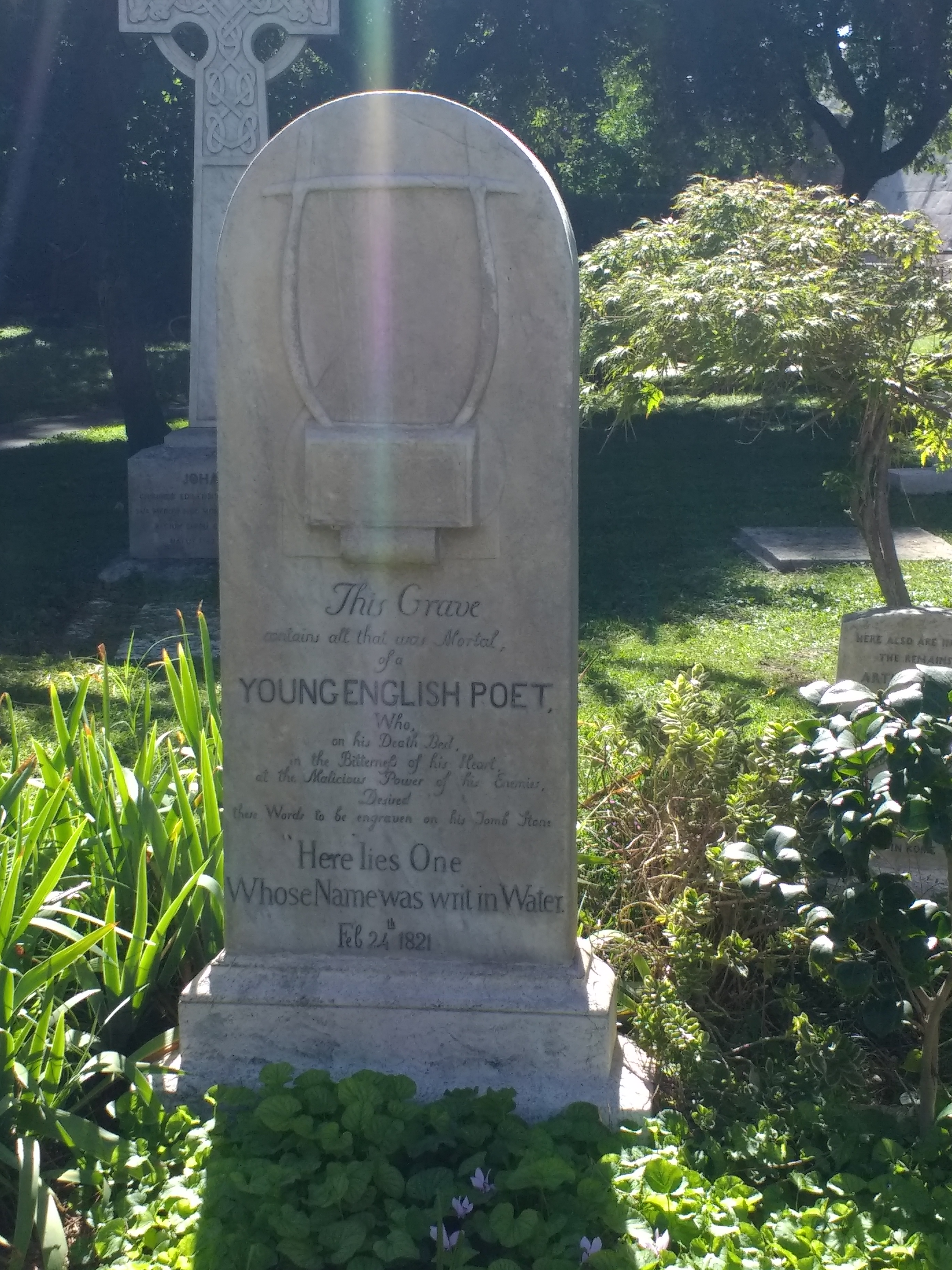
John Keats’ gravestone in Rome

I wonder does an early death make a poet more romantic? Sadly, Shelley was not to know fame in his lifetime.

Co-incidentally, Shelley was born in the next village to us in West Sussex, and used to come to Warnham, where we lived, to have lessons with his tutor.
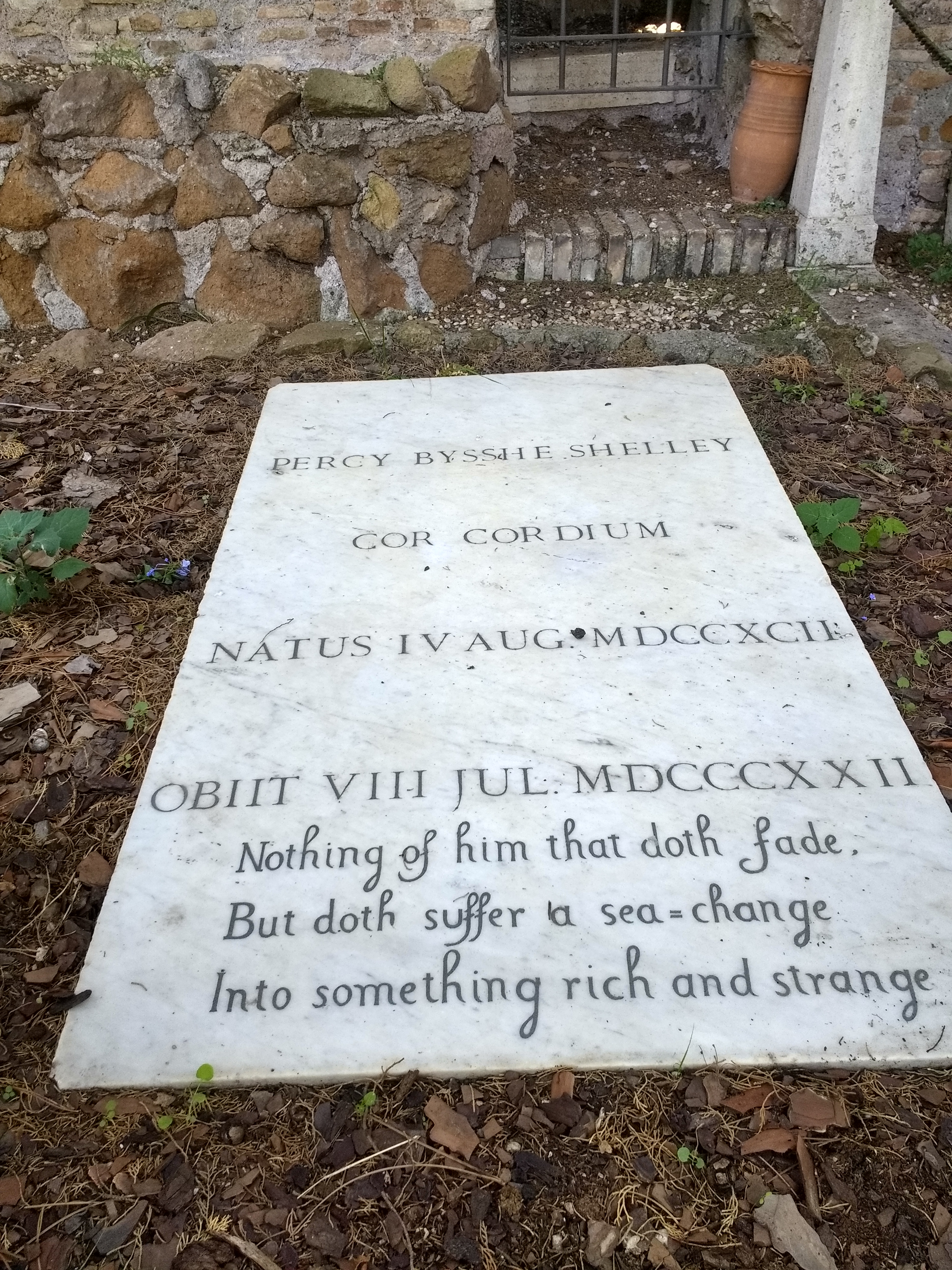
Shelley’s burial place

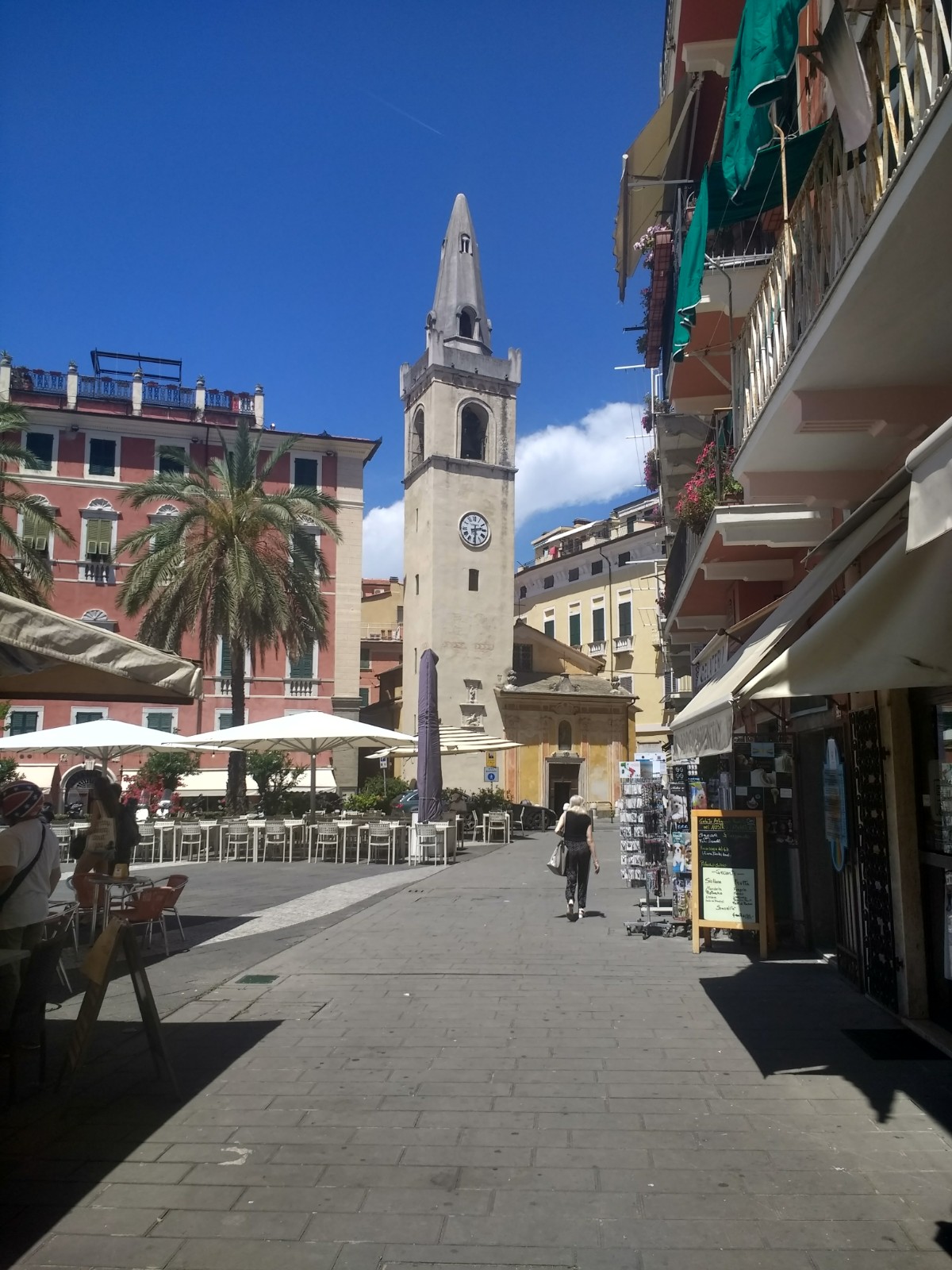
Today we hopped on the bus and visited Lerici. Delightfully quiet (I think all the tourists were in the Cinque Terre) we found it enchanting.
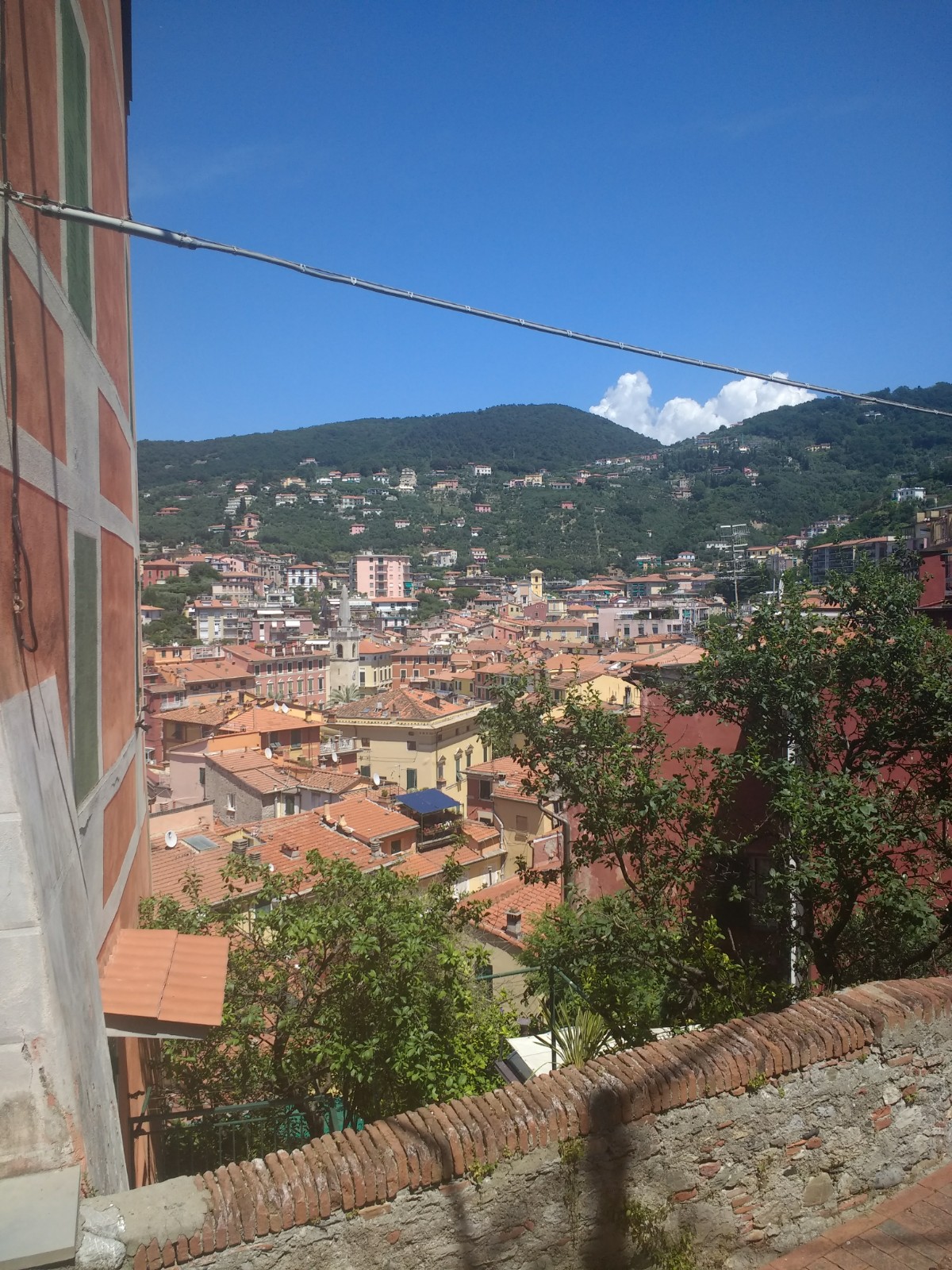
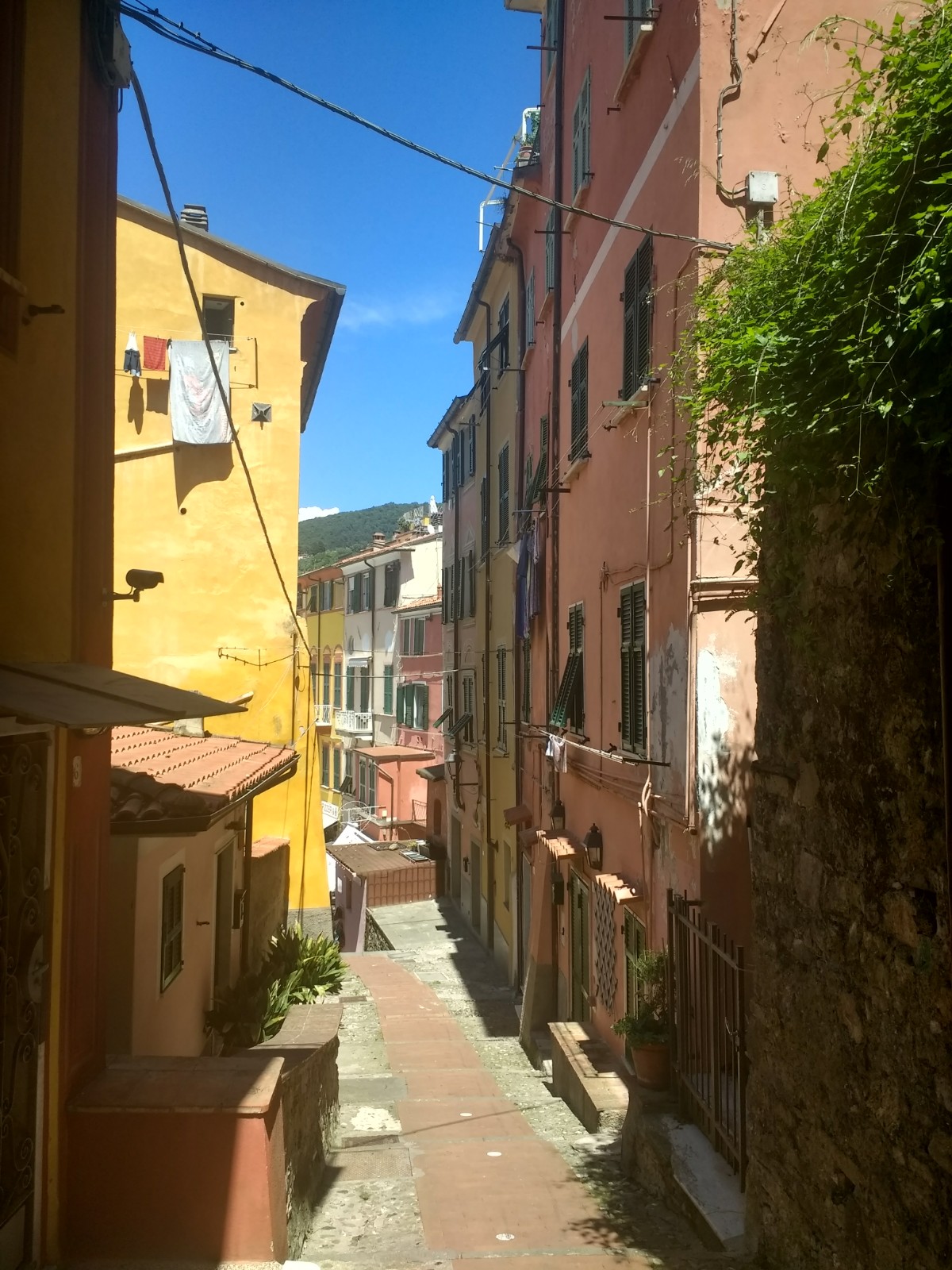
View of Lerici
Narrow street coming down from the castle
The main square and church
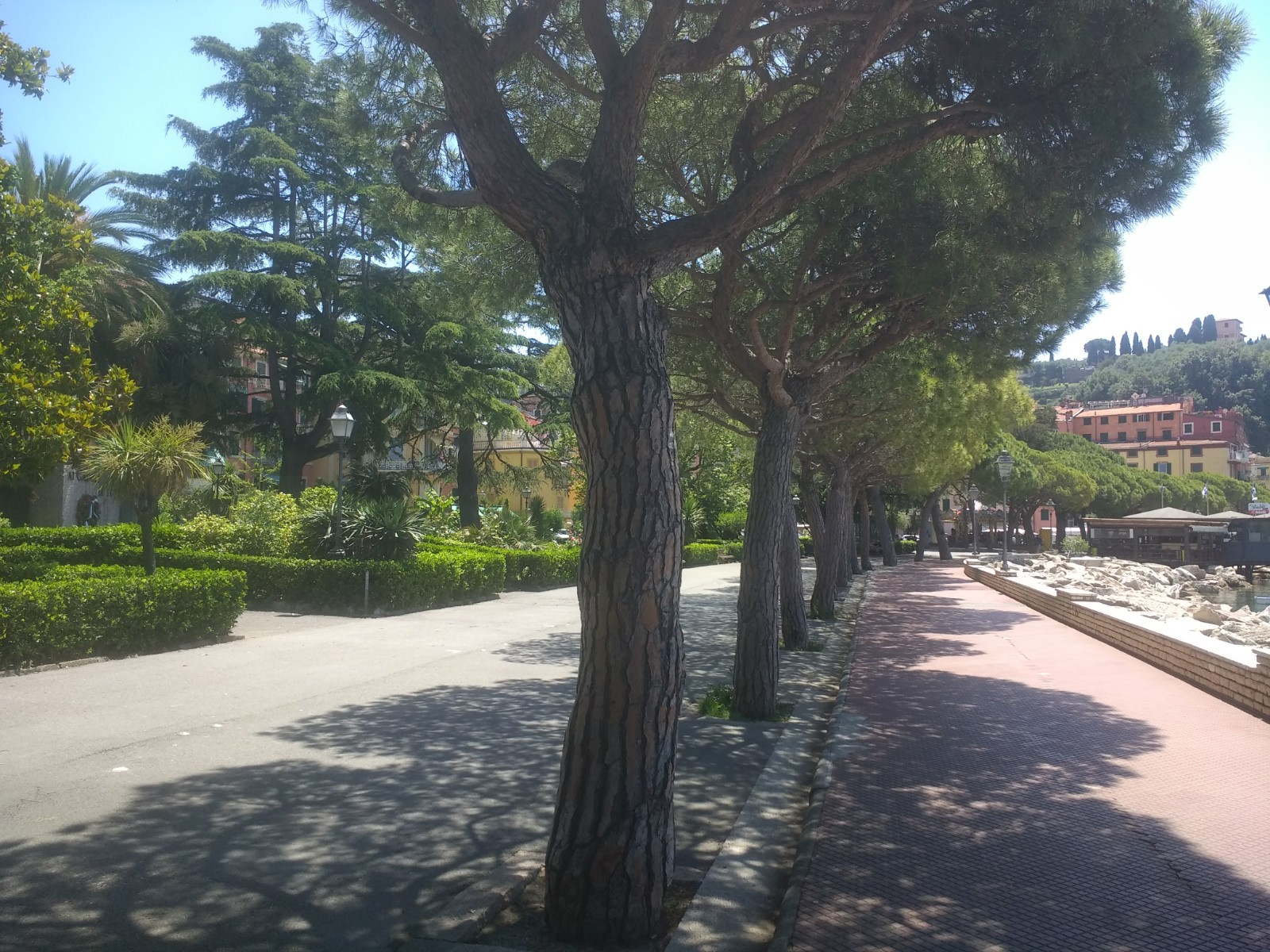
The Promenade
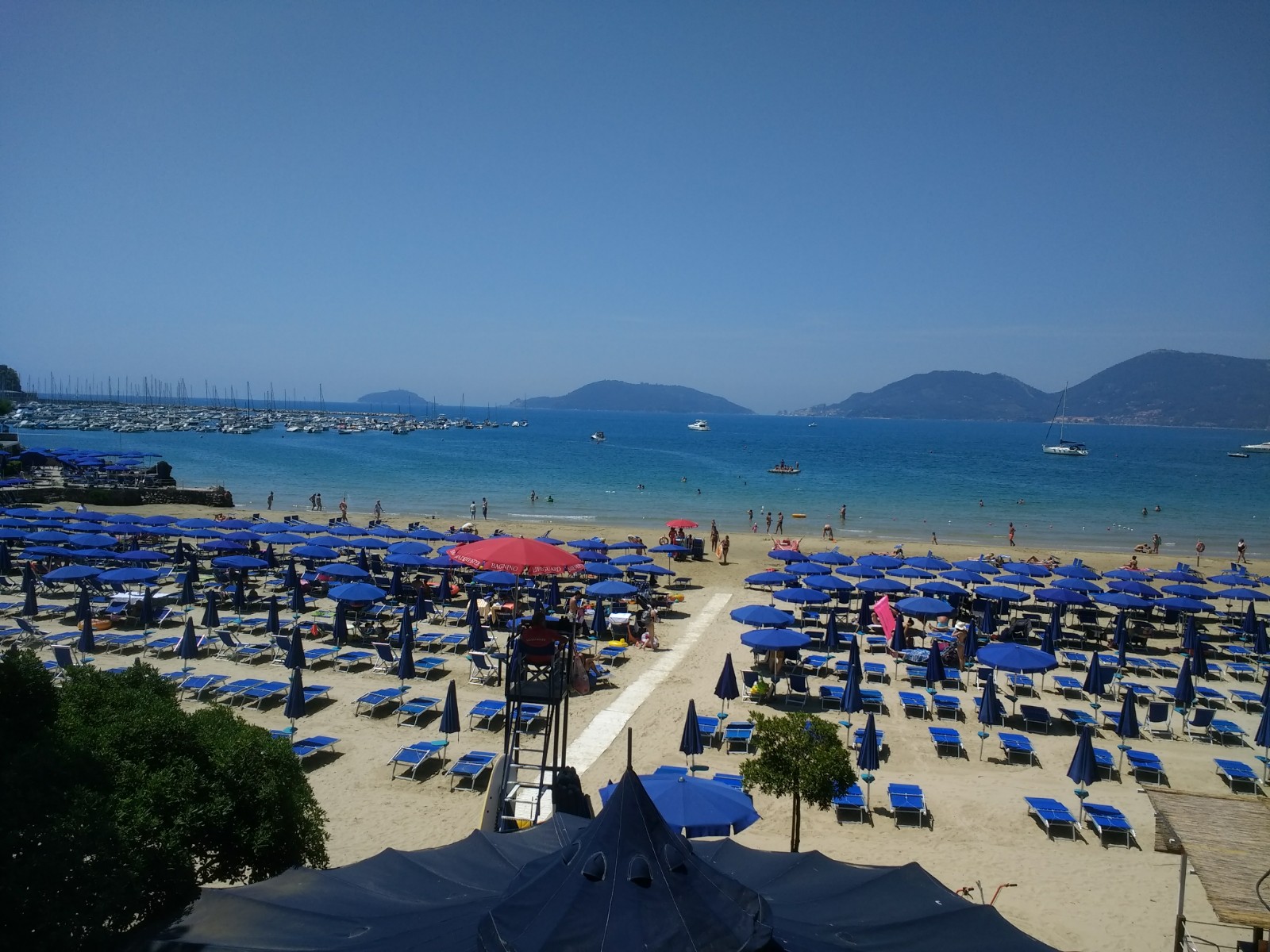
One of the quiet private beaches
The narrow public beaches, though, were full of Italians (the schools broke up here last week).
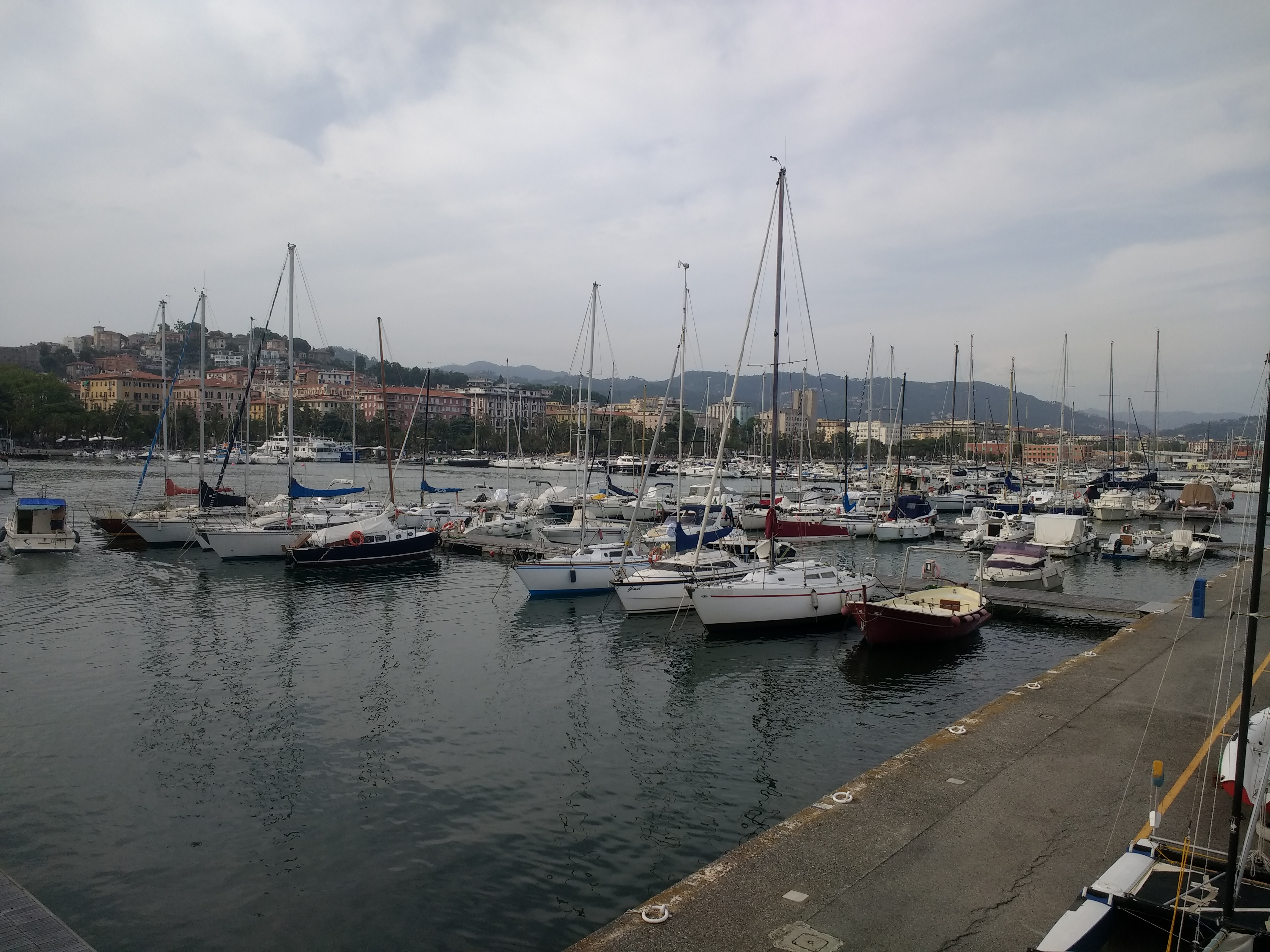
Harbour Views

Owing to a small flare-up of an old back problem, we decided to postpone our walk for a couple of days and instead wandered down to the harbour.

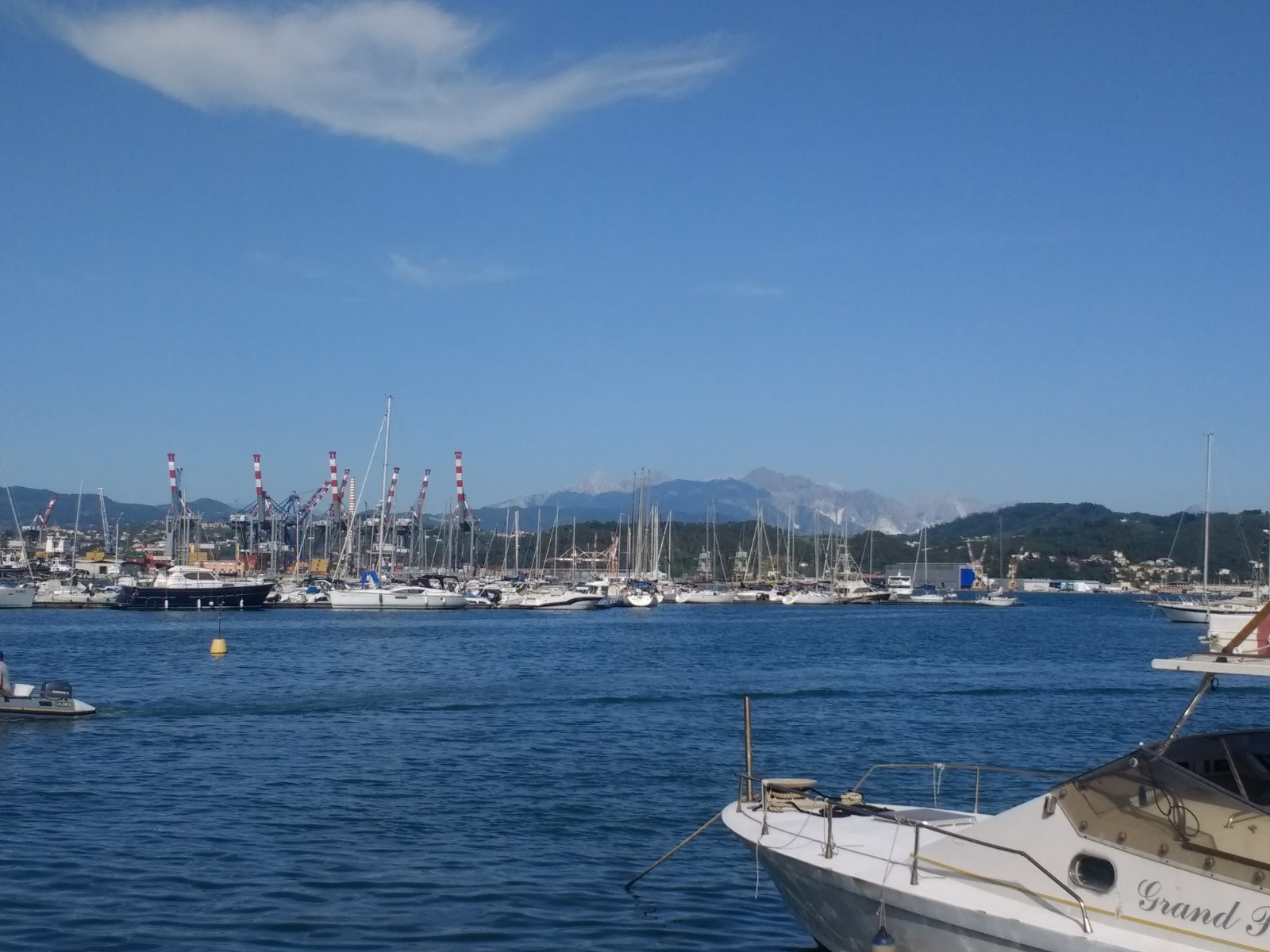
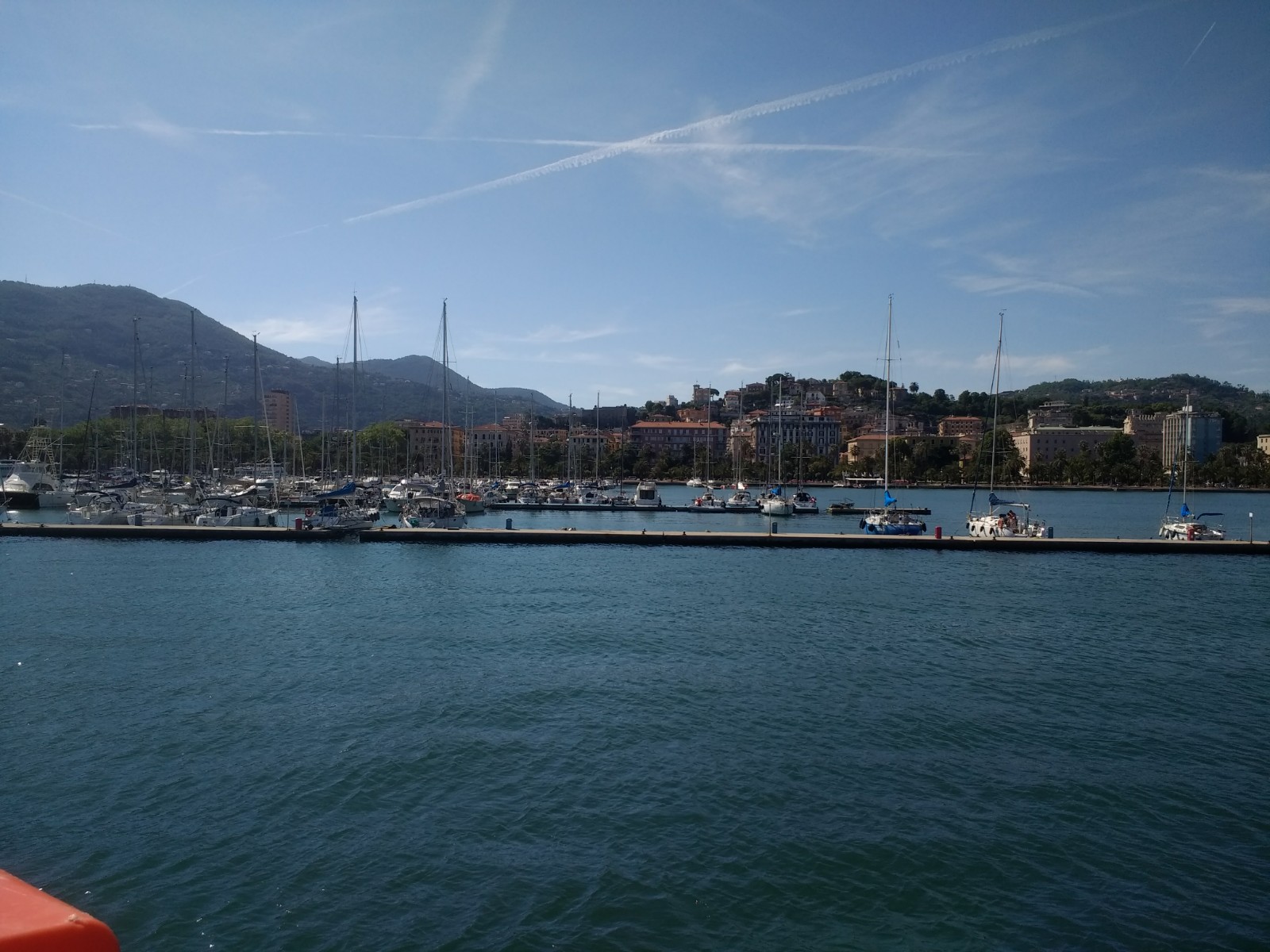
La Spezia harbour

La Spezia has a large port and naval base, space for not one, but two cruise ships as well as fishing boats, passenger ferries and numerous pleasure craft, large and small.

One cruise ship is in
La Spezia is framed by hills which is very attractive.
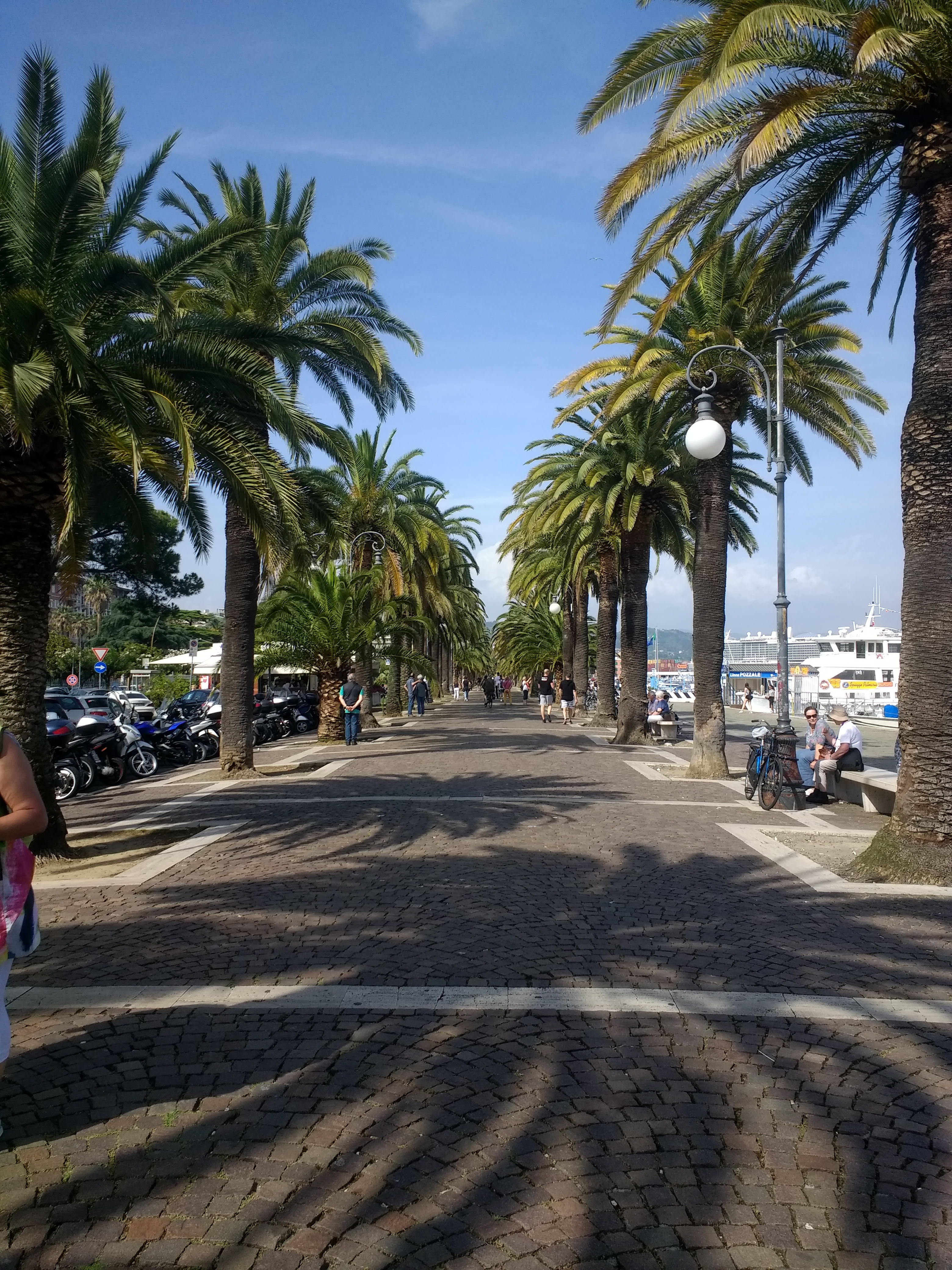
The palm-fringed promenade makes a shady spot to walk.

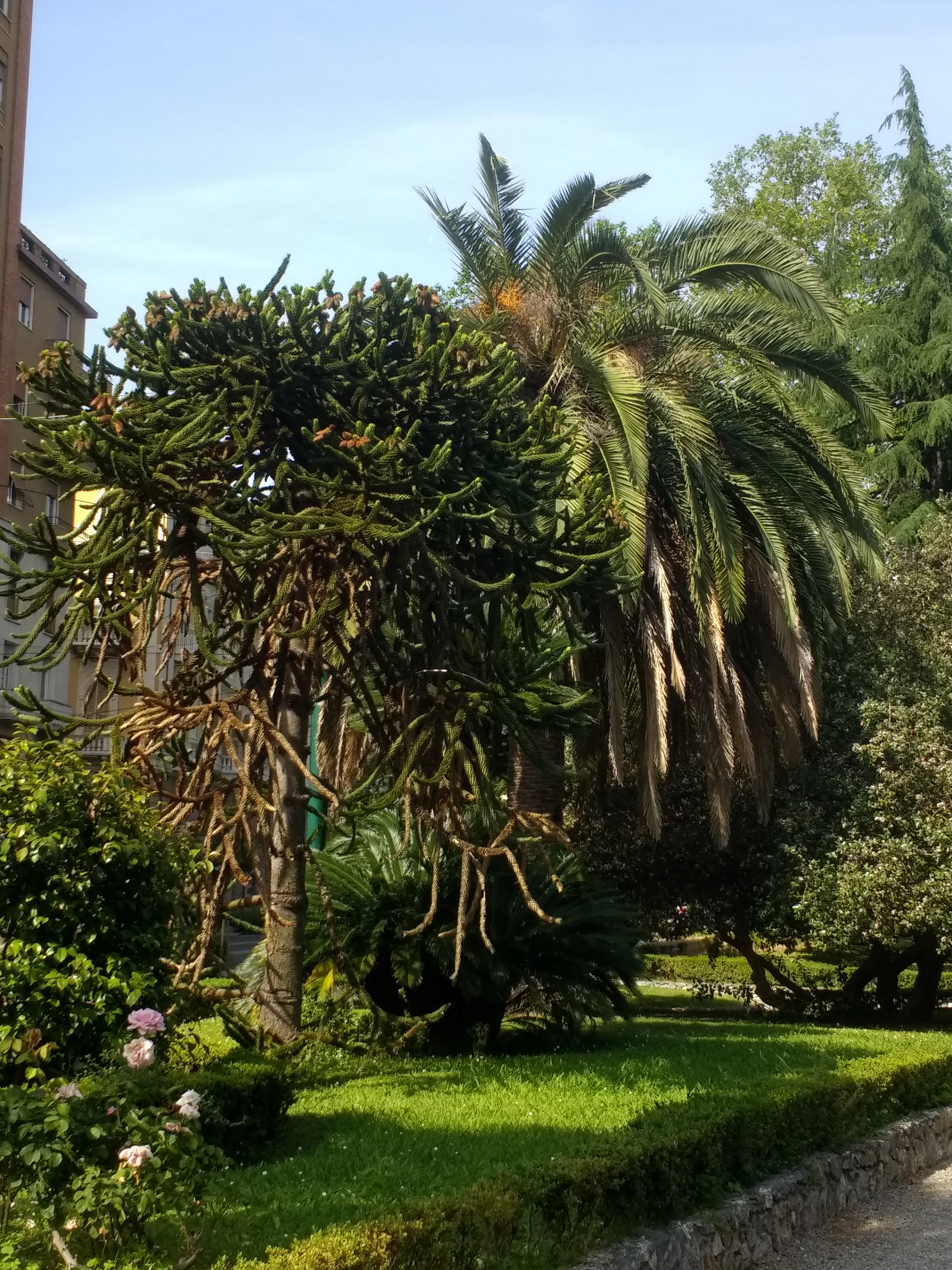
Bordering the promenade are the public gardens which were created when the city’s medieval walls were removed in the early 1800’s and greatly enlarged when the Naval Arsenal was built in the early 1860’s.

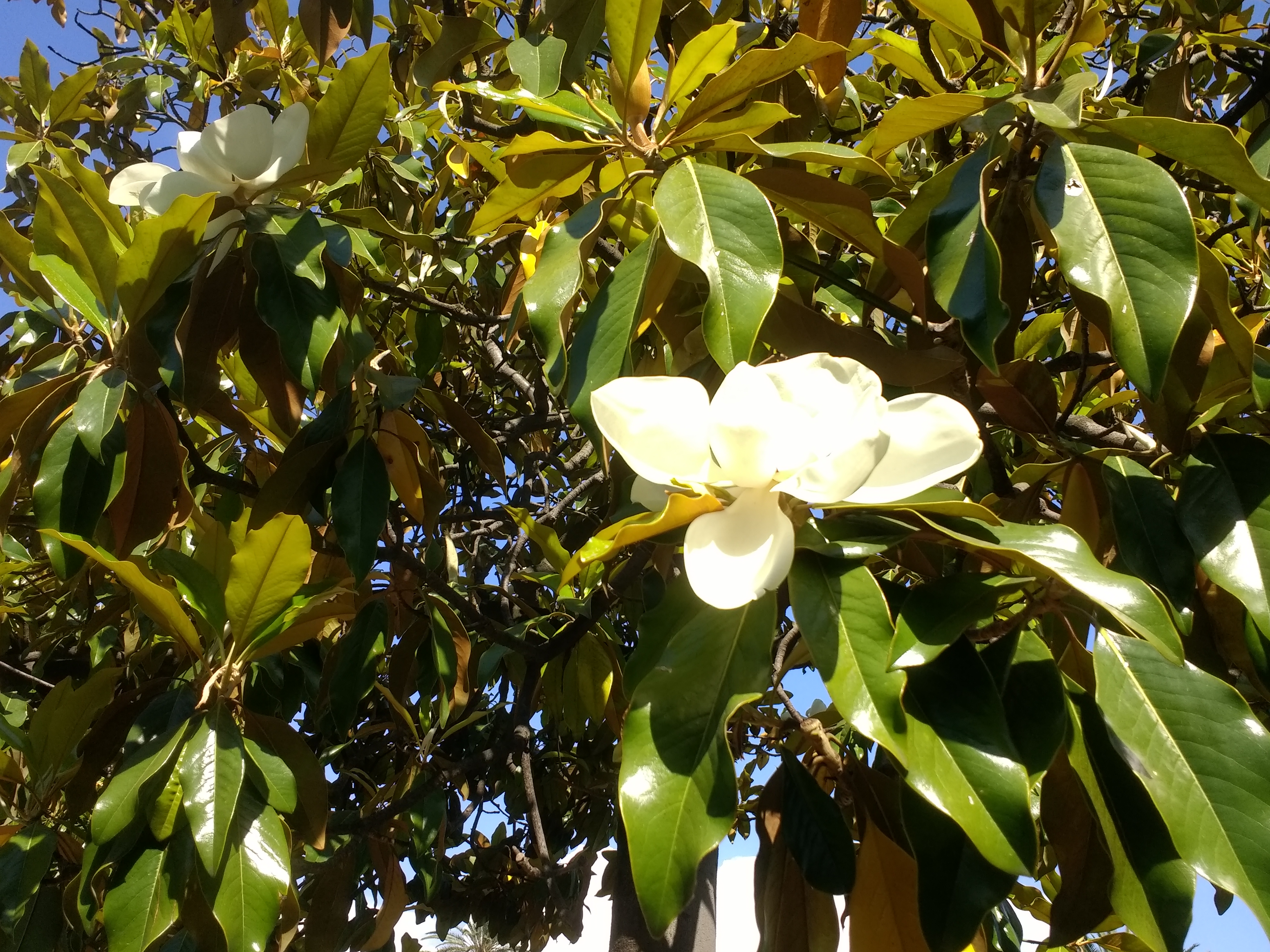
Exotic trees in the public gardens

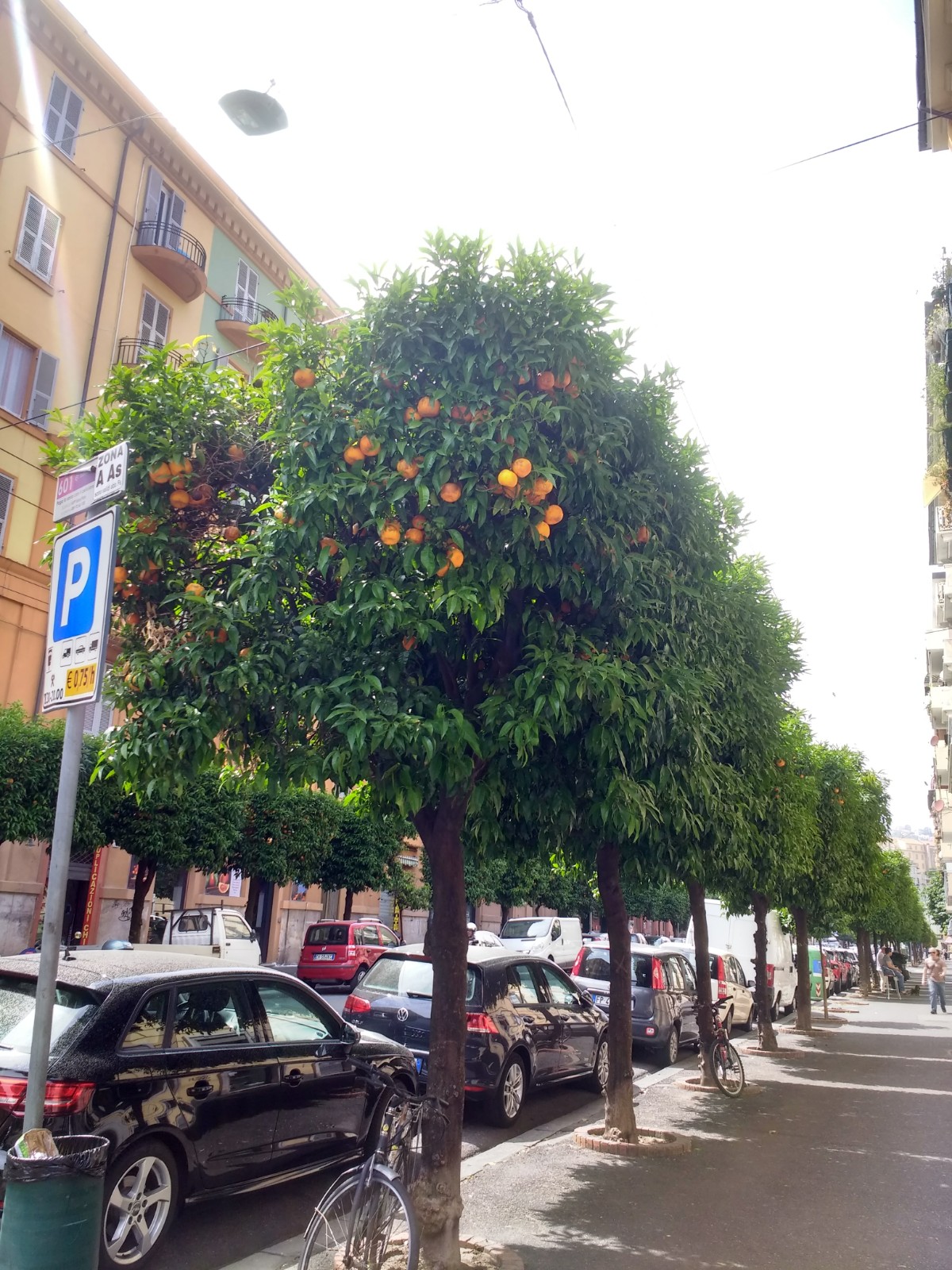
I’m really enjoying all the plants and trees in fruit and flower elsewhere in the town too.

We’ve been seeing orange trees all the way up Italy. I don’t think the fruit is ever picked (apparently they’re not very nice).
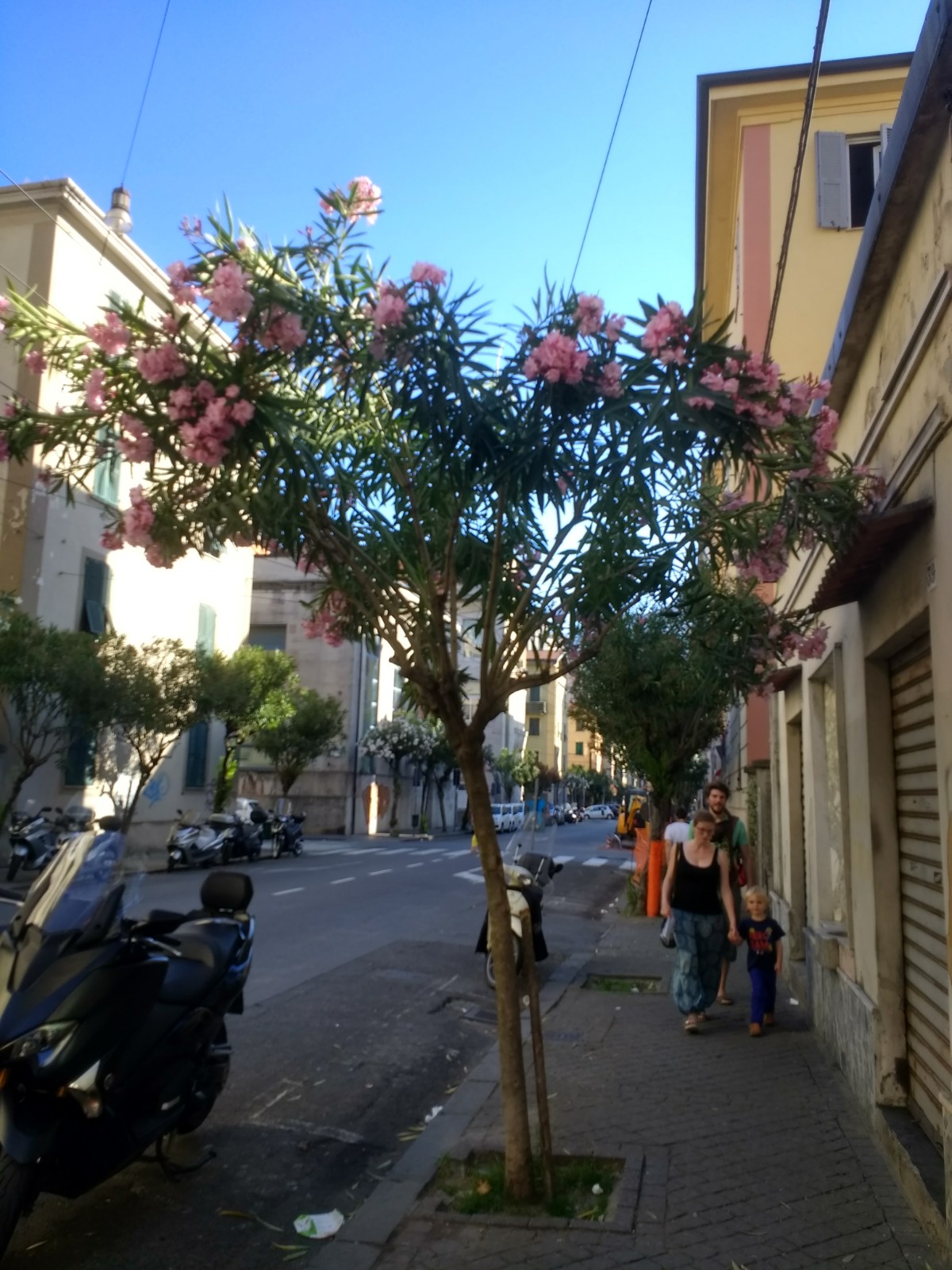
Some of the roads are lined with oleander trees which are just coming into full flower.
Chinese tulip tree
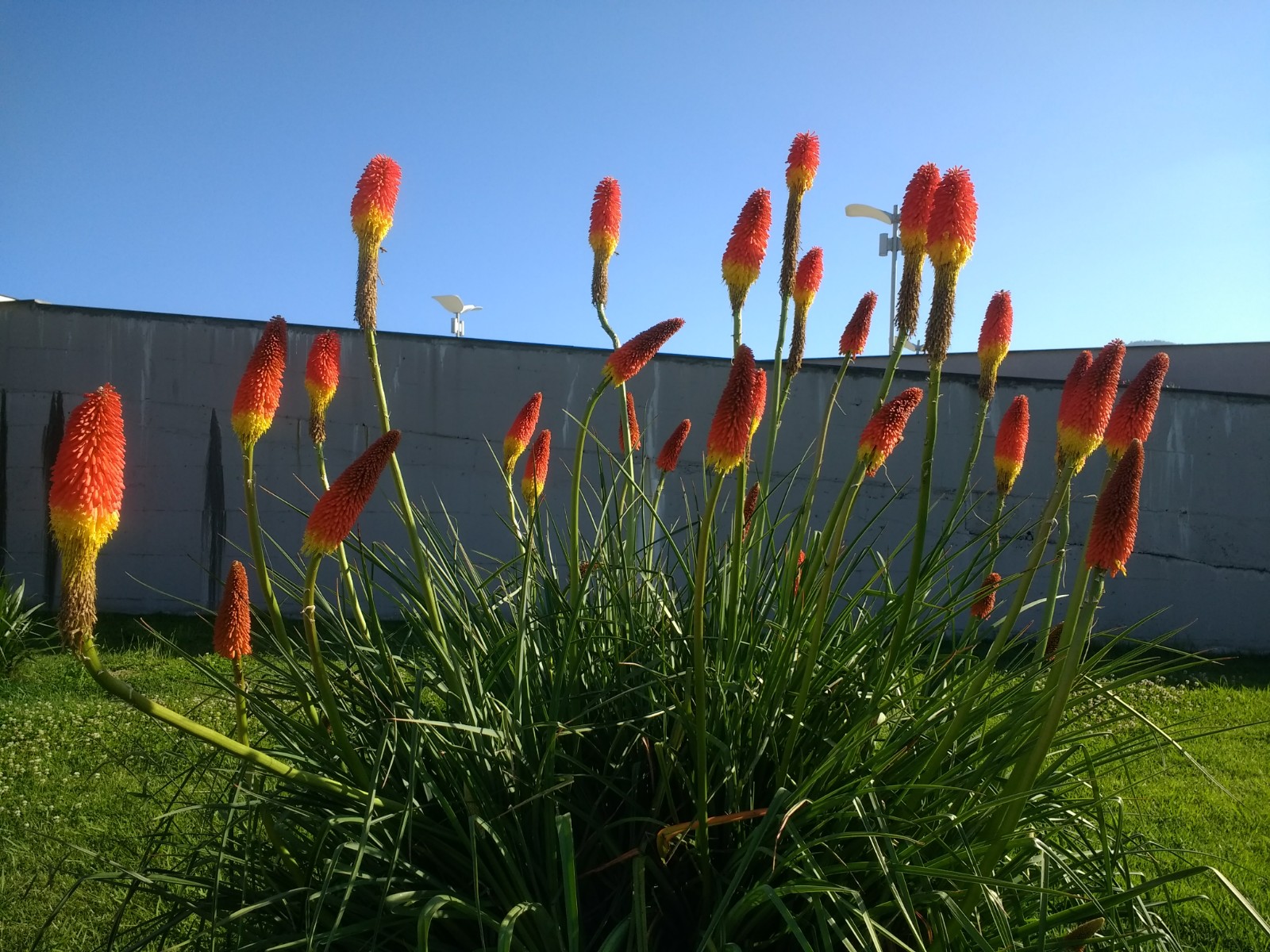
Red hot pokers
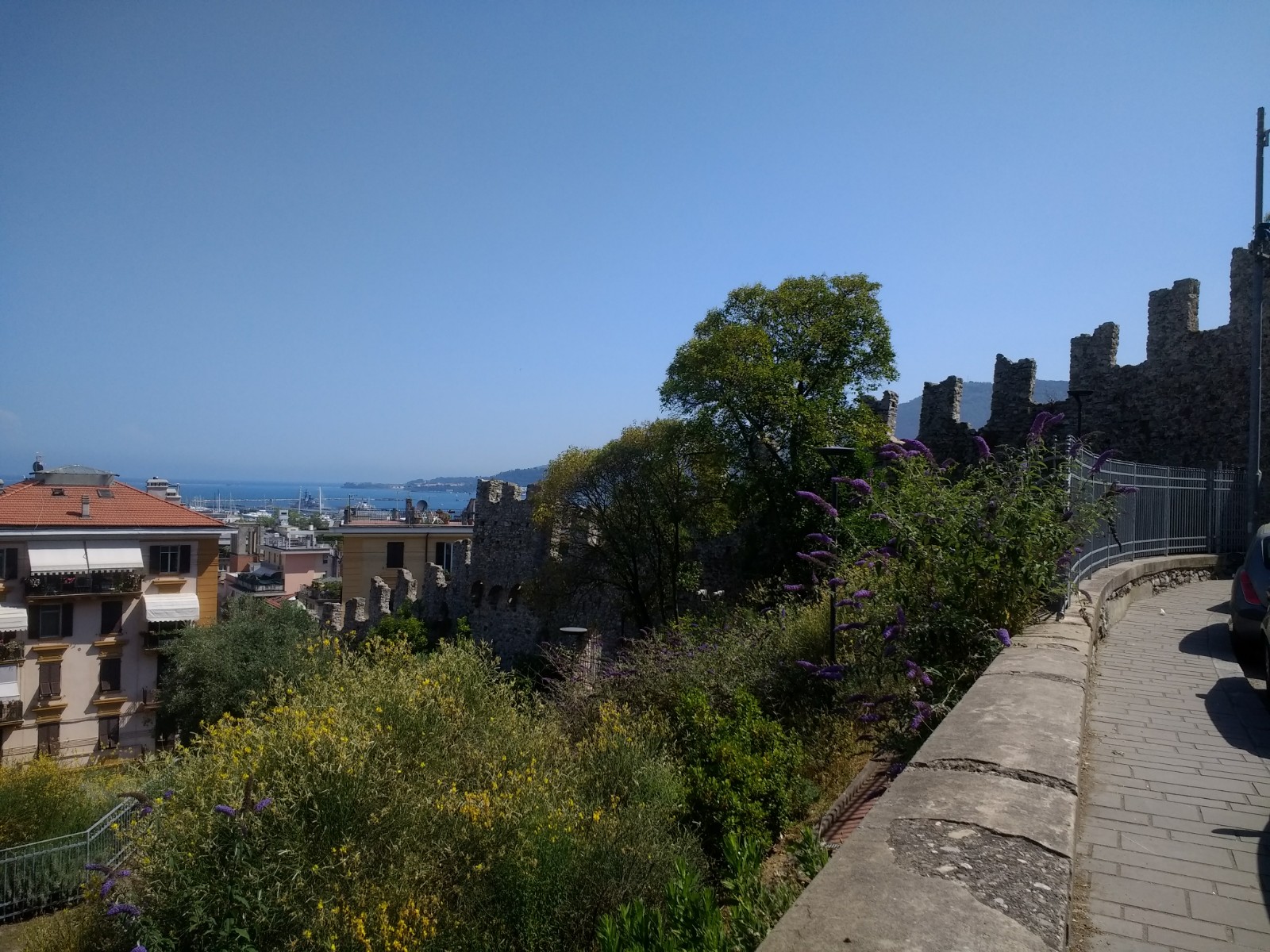
These are all that remain of La Spezia’s medieval walls

Arriving back at our apartment, all we had to do was climb ‘Mount Everest’ as I call stairs up to our floor. We’re on the fourth floor (no lift). That’s 91 steps. We are taking turns to put the rubbish out at night.

A Ramble to Riomaggiore

As the day was forecast to be our hottest so far yesterday, we decided to catch an early bus to the start of our walk, the village of Biassa. From there we aimed to walk to Col del Telegrafo, an ancient mountain pass, and then down to Riomaggiore, the most easterly of the Cinque Terre.

What we weren’t expecting was for our bus stop to have been taken out of action for the Friday market. However, after following a stall holder’s direction, and a run, we managed to catch the bus we wanted.

We followed trail markings out of Biassa

Once in Biassa, we followed some white and red trail markings, to a cacophony of barking dogs (one starts, then a second, and after a third, takes over) but when we reached a road, we realised we were on the wrong path, but the end point, Telegrafo, would be the same.

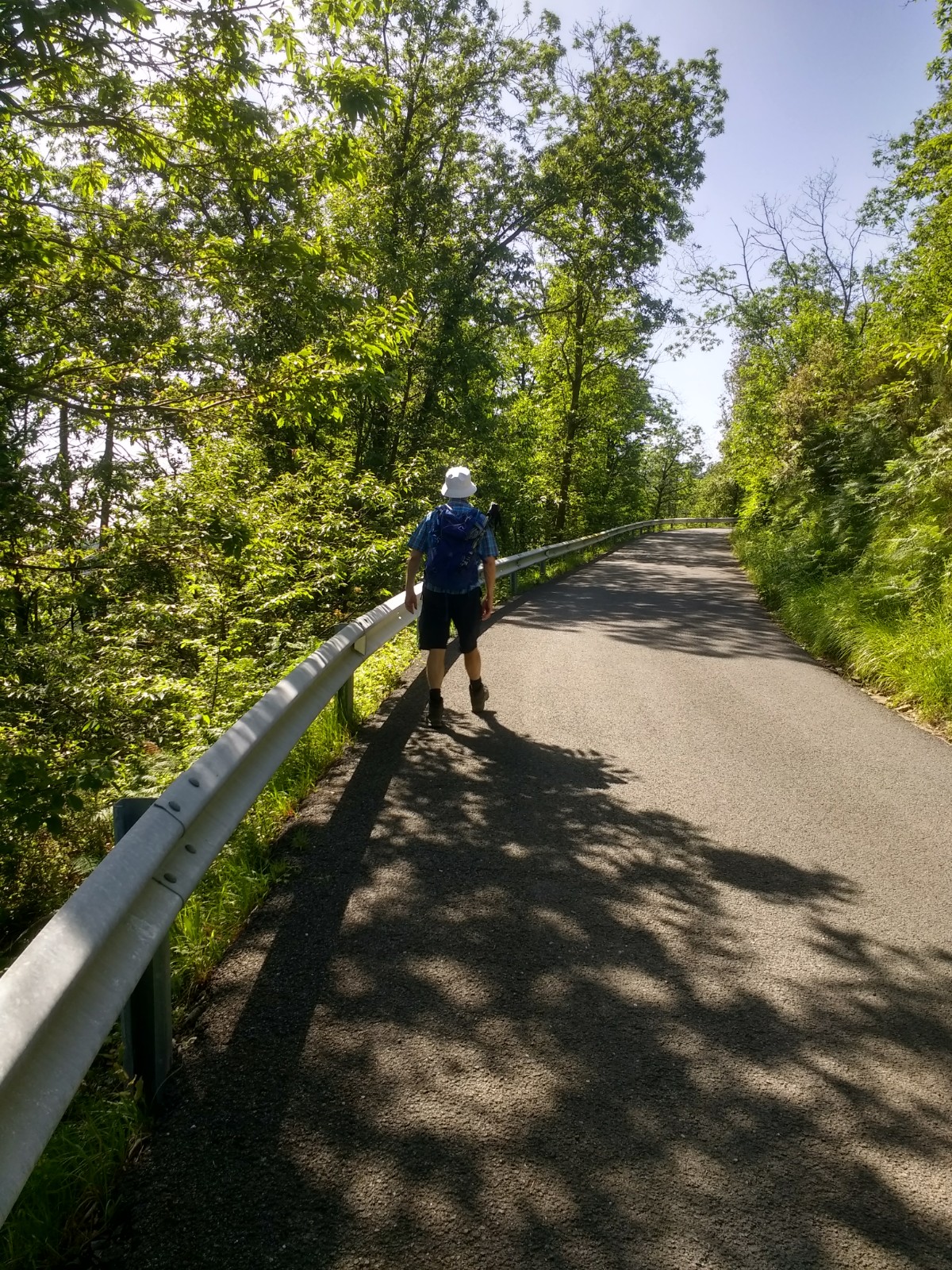
It was a long trudge along the tarmac.

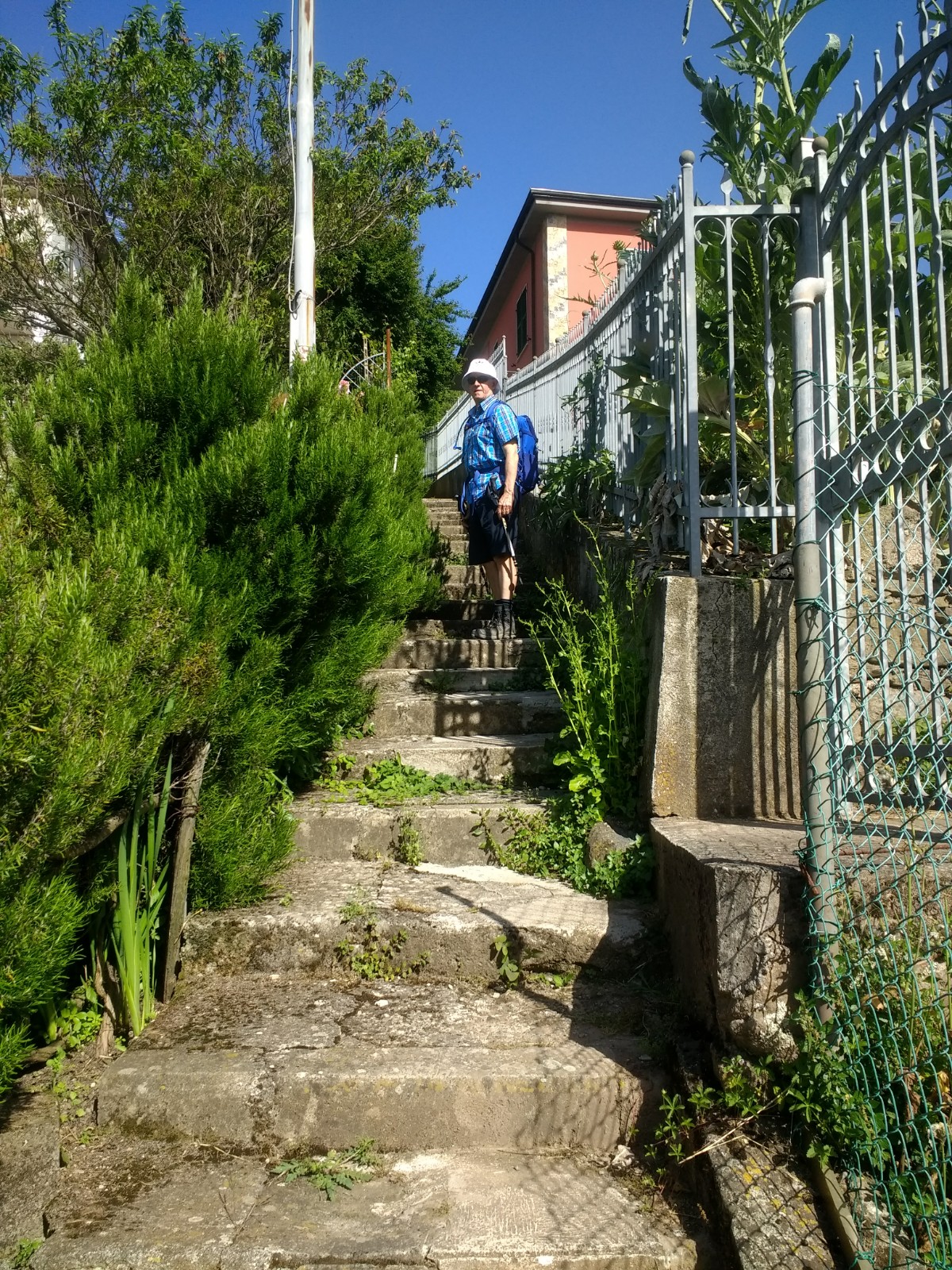
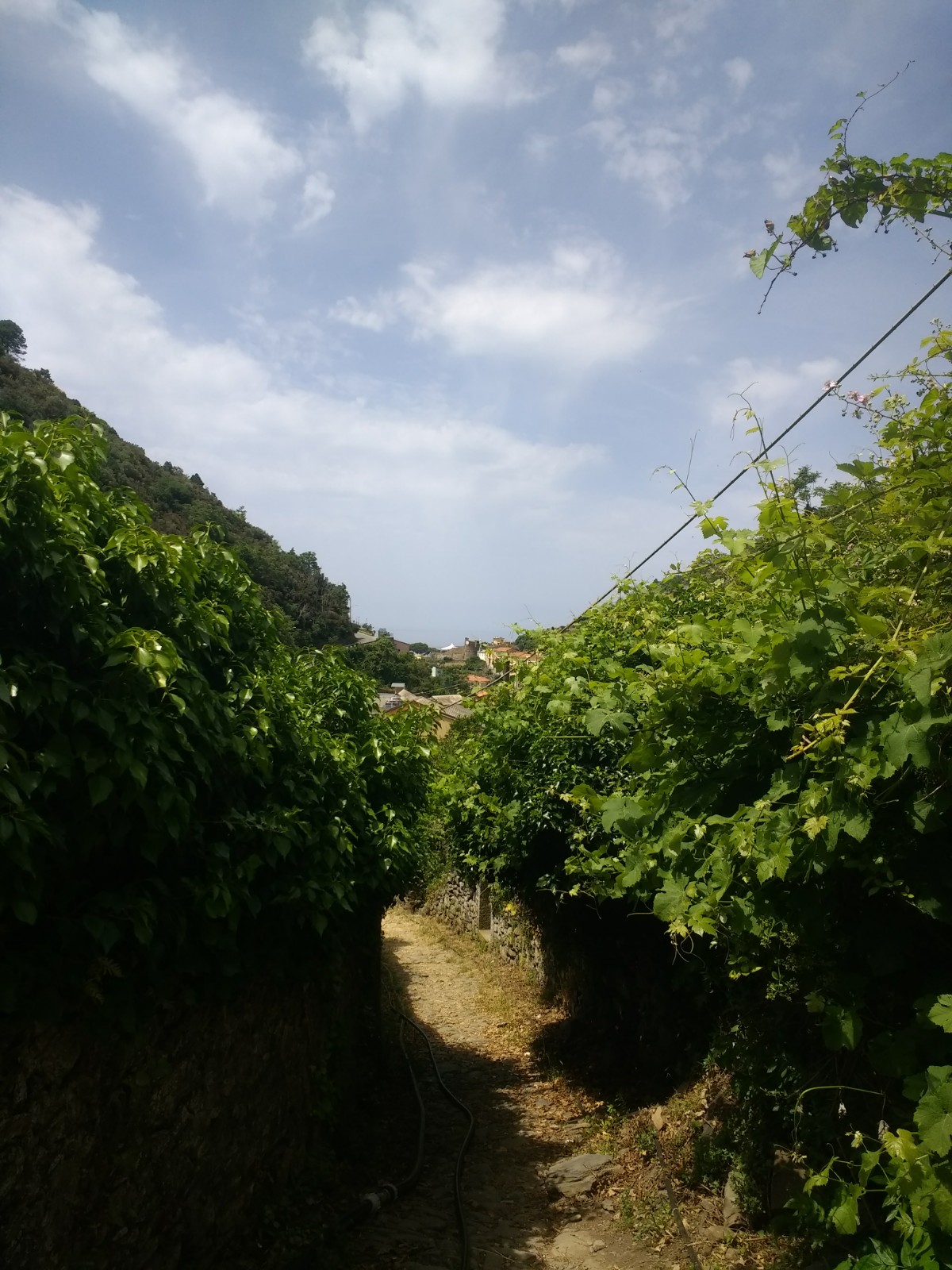
From Telegrafo the signs were good and the trail, an old mule track, took us along terraces of vineyards and down steep steps.

Between the vines.
Only a quarter of the old terraced plots are still cultivated as more and more young people are choosing not to work on the land.
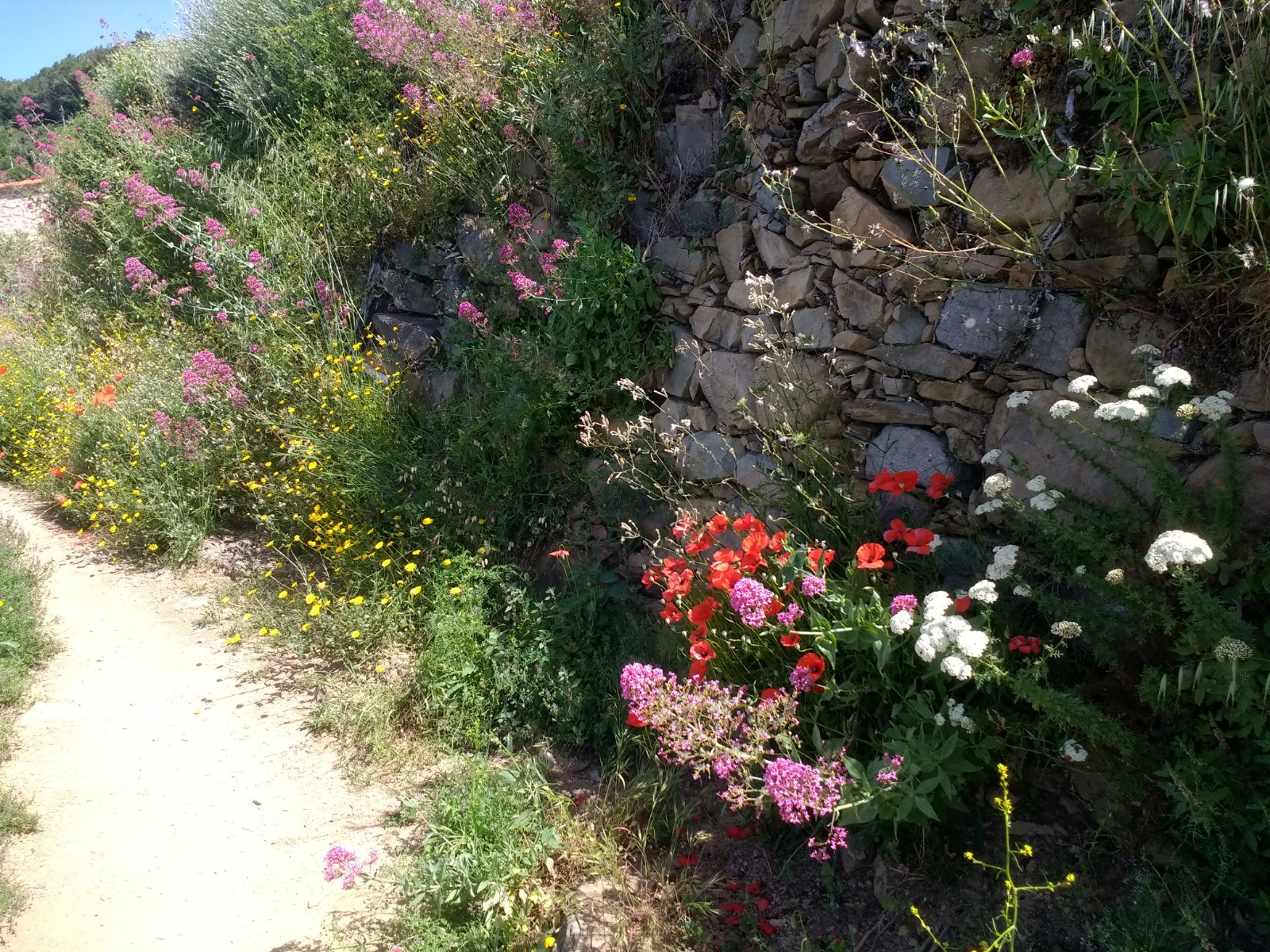
Dry stone walls border a lot of the terraces. They were a riot of colour.
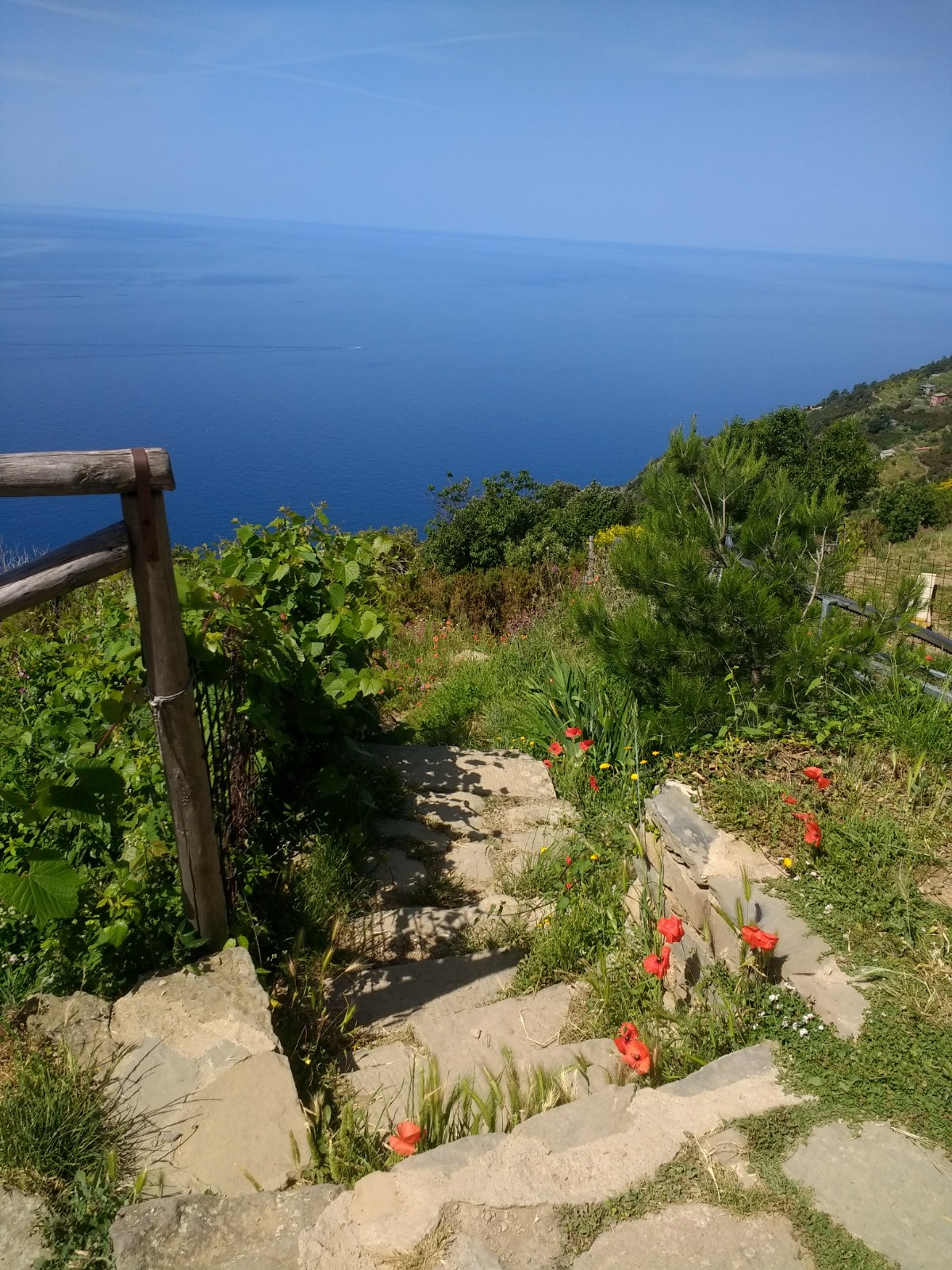
Steps down
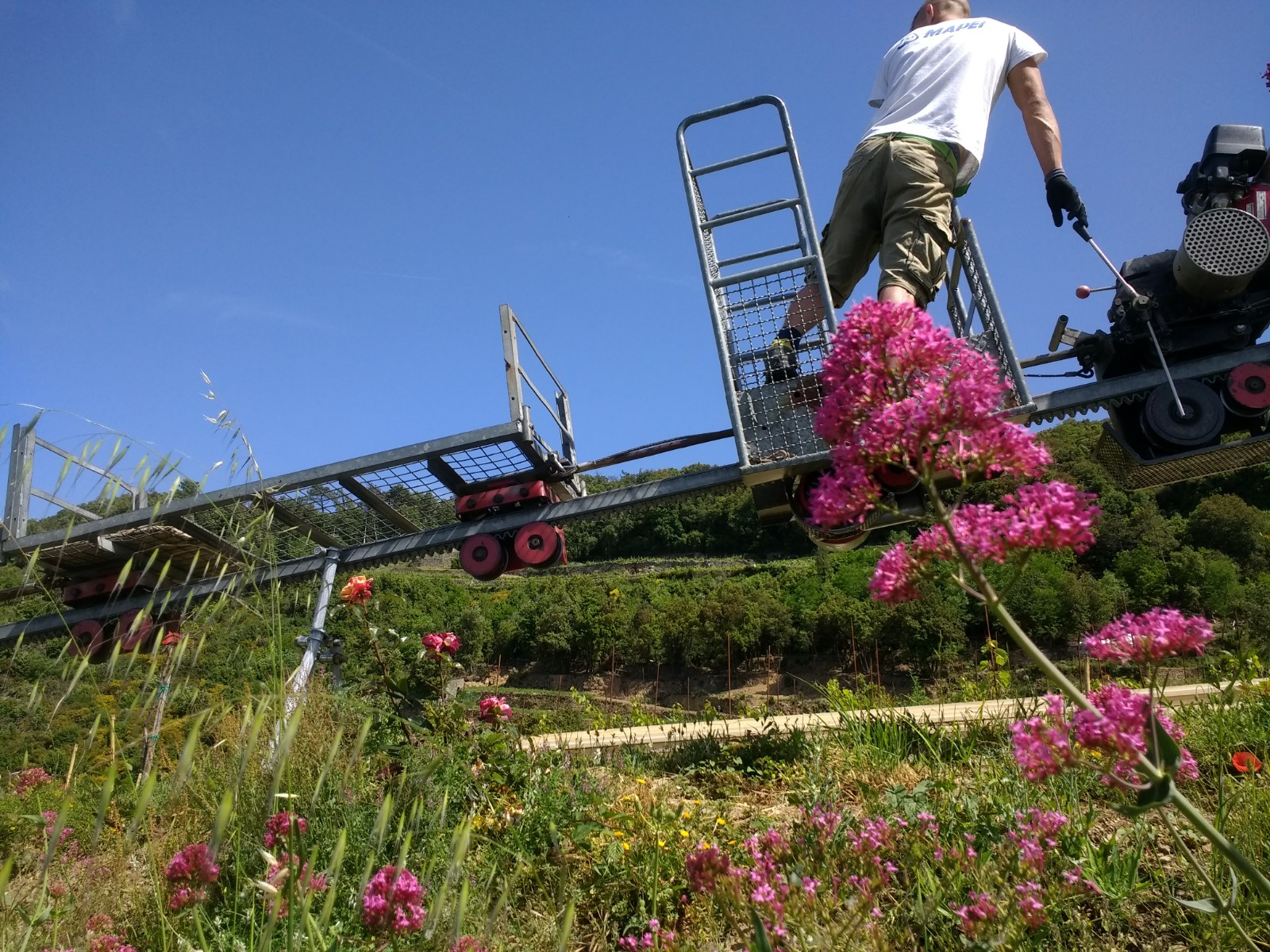
How to move heavy equipment up and down the slope.
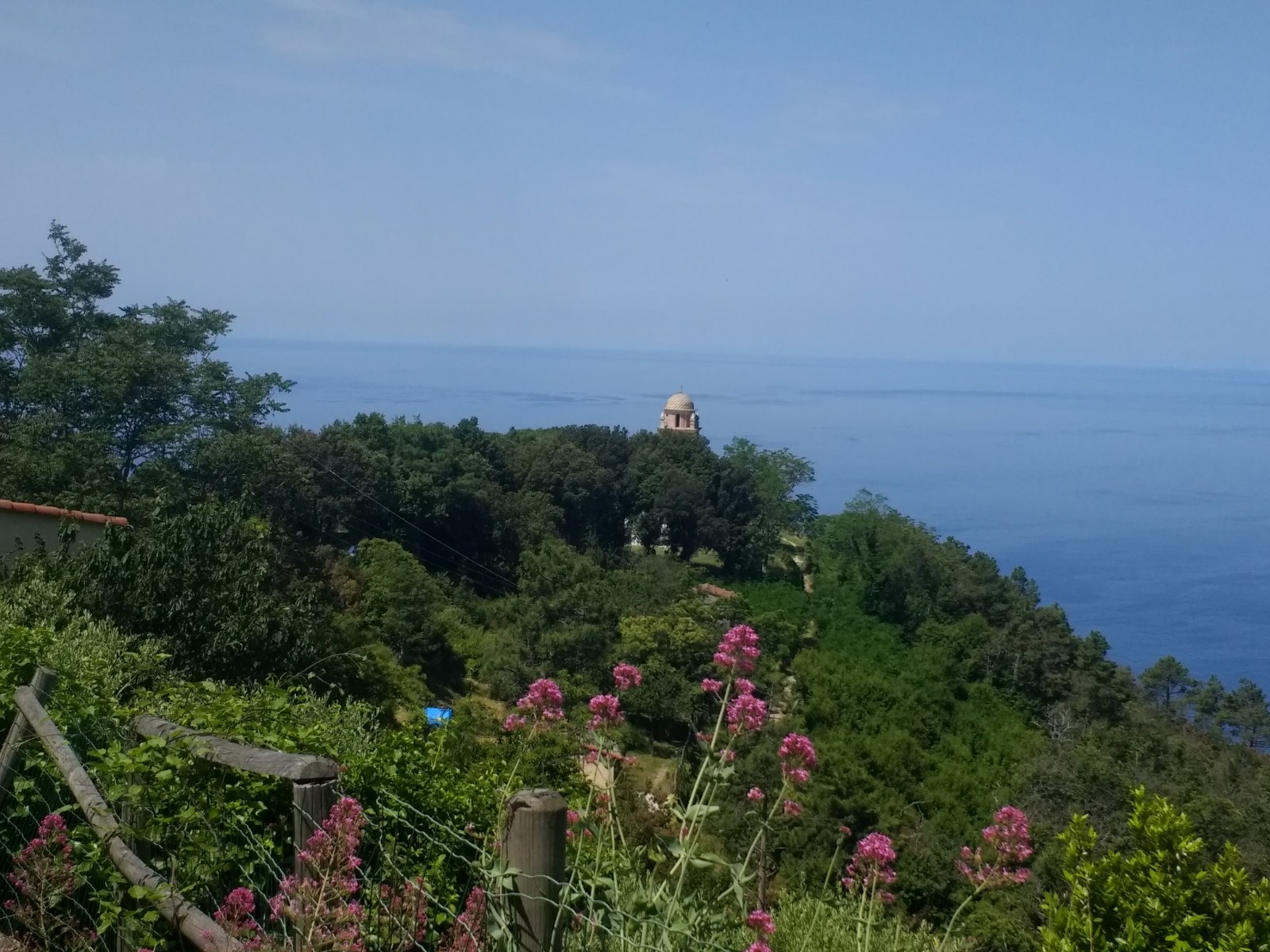
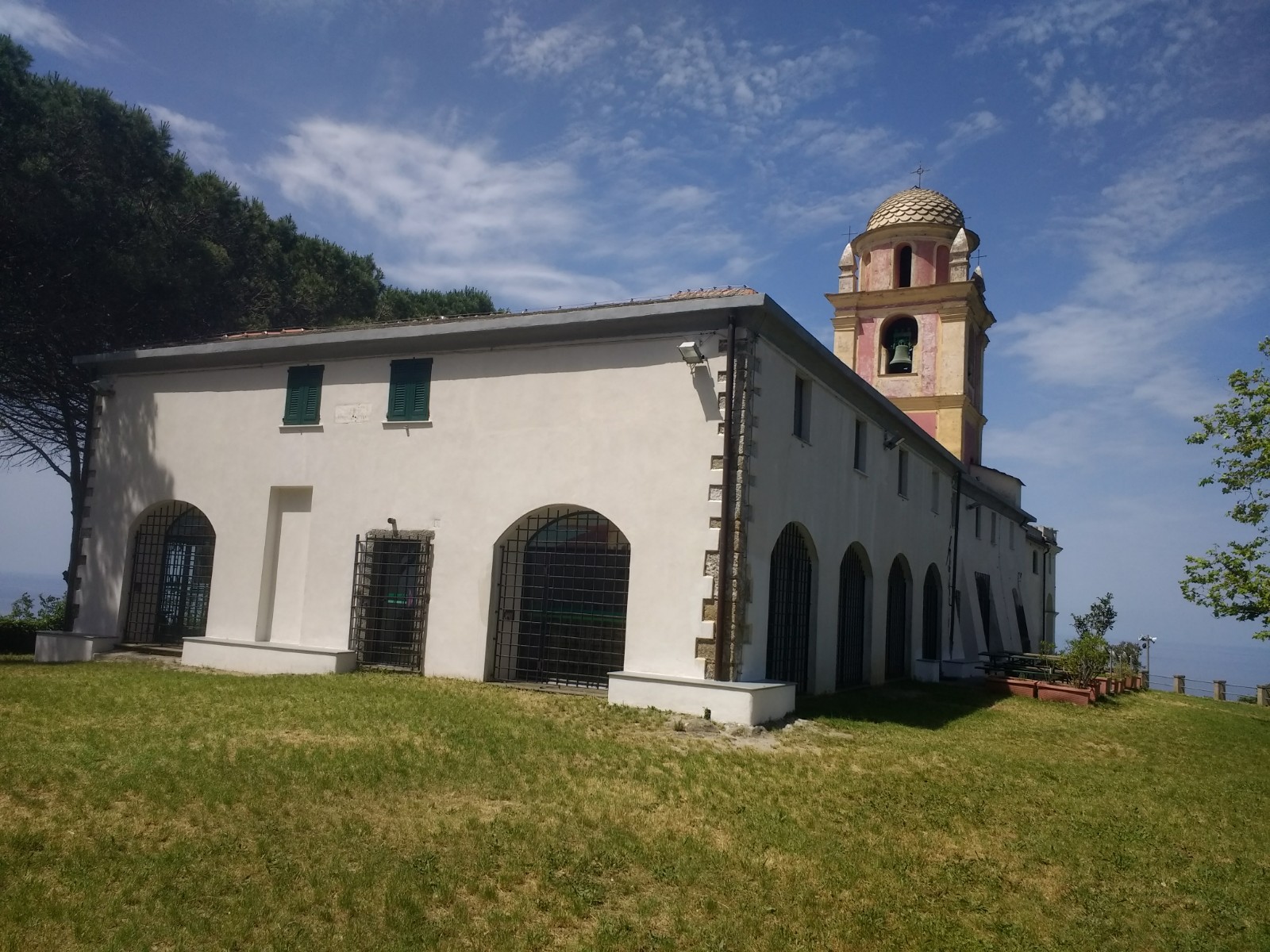
The Sanctuary of Montenero is in the distance
The sanctuary can only be reached by the path we were walking along.
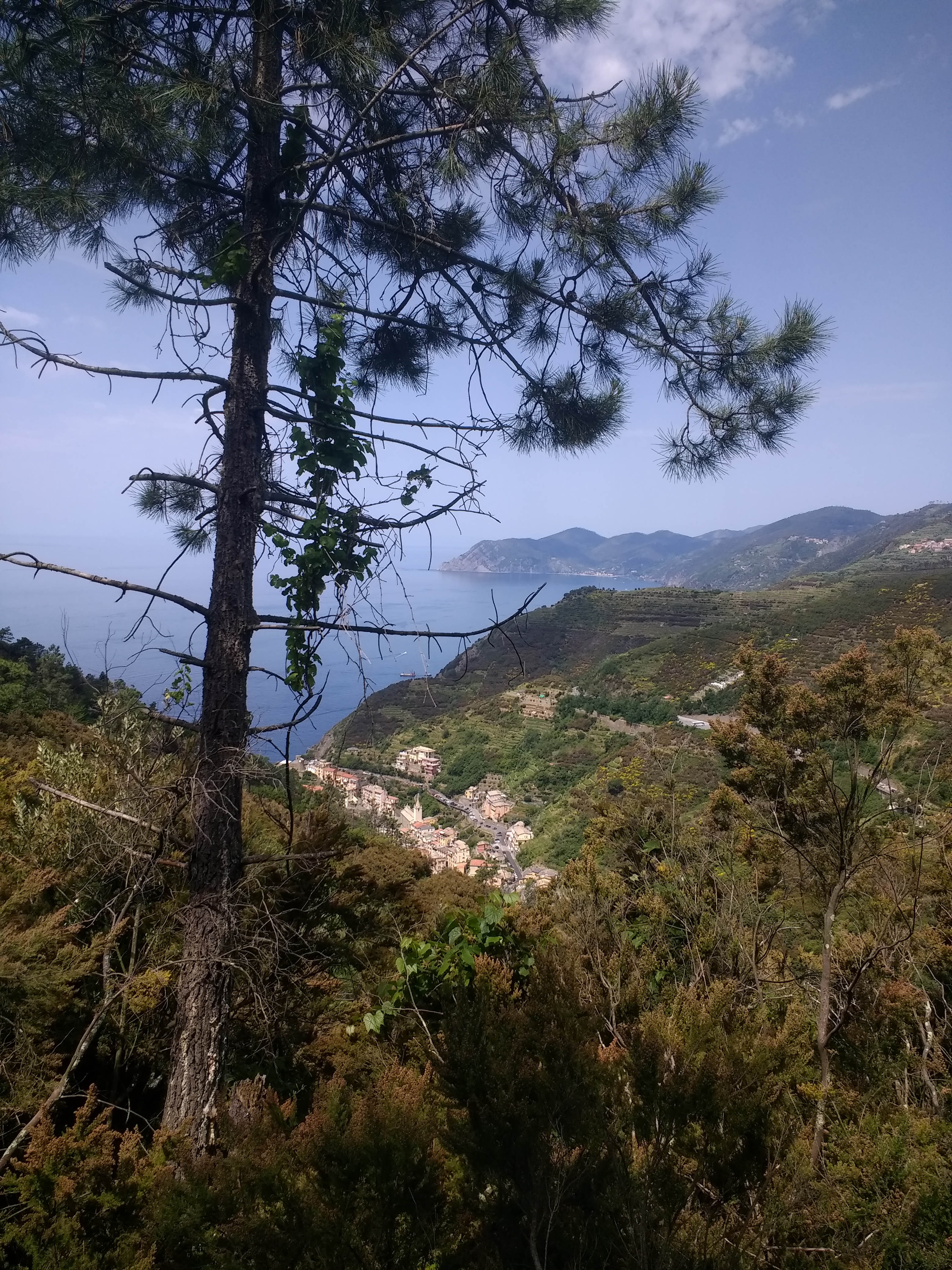
First sighting of Riomaggiore

Once we got to Riomaggiore, we continued our descent down the long, narrow street leading to the harbour. The name ‘Riomaggiore’ derives from the stream, Rivas Maior (biggest river) that flows under the road, but which was in view until the early twentieth century. The houses were connected by bridges and Riomaggiore thus became known as ‘Little Venice’.

Via Colombo below which a river runs
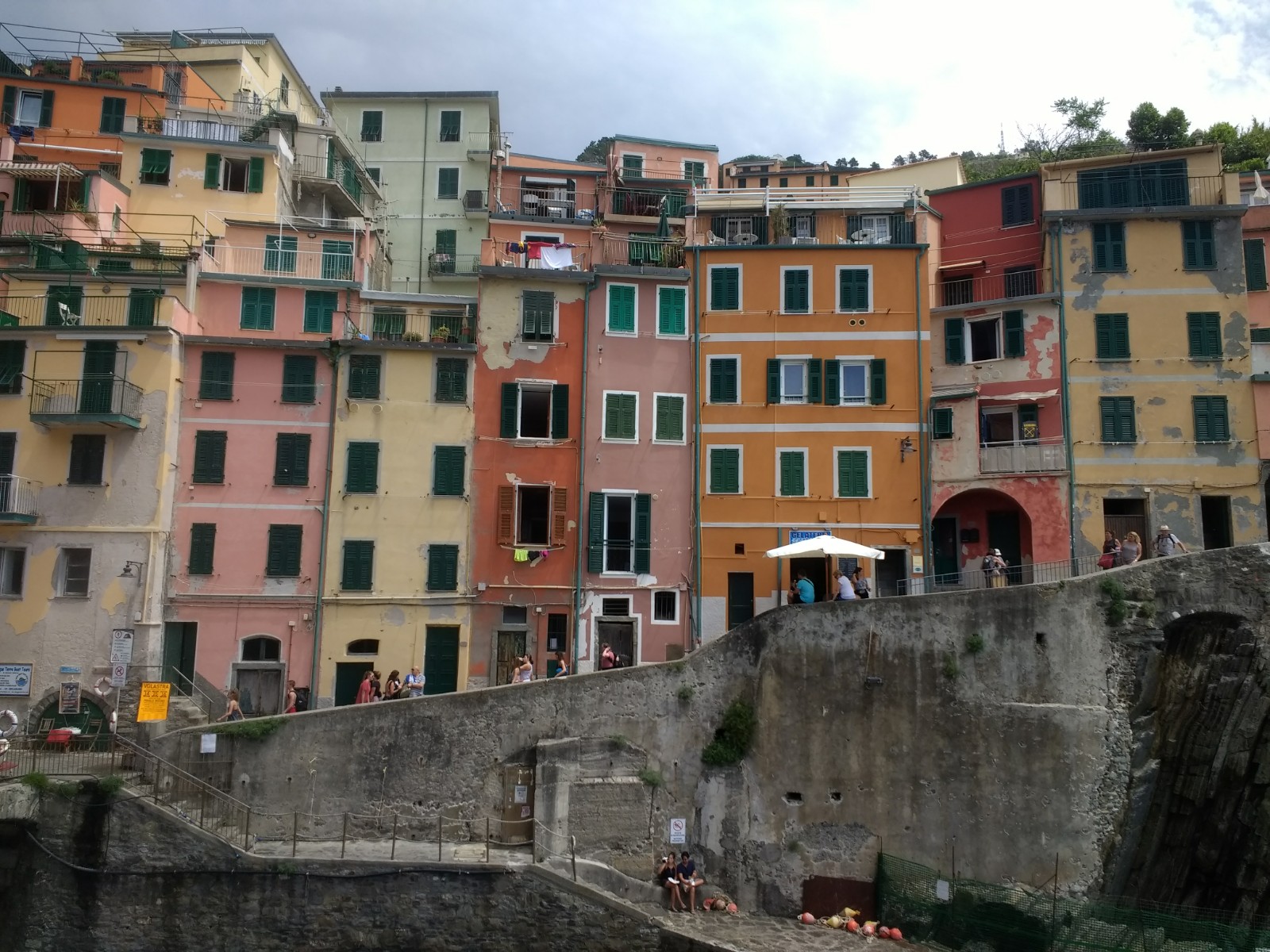
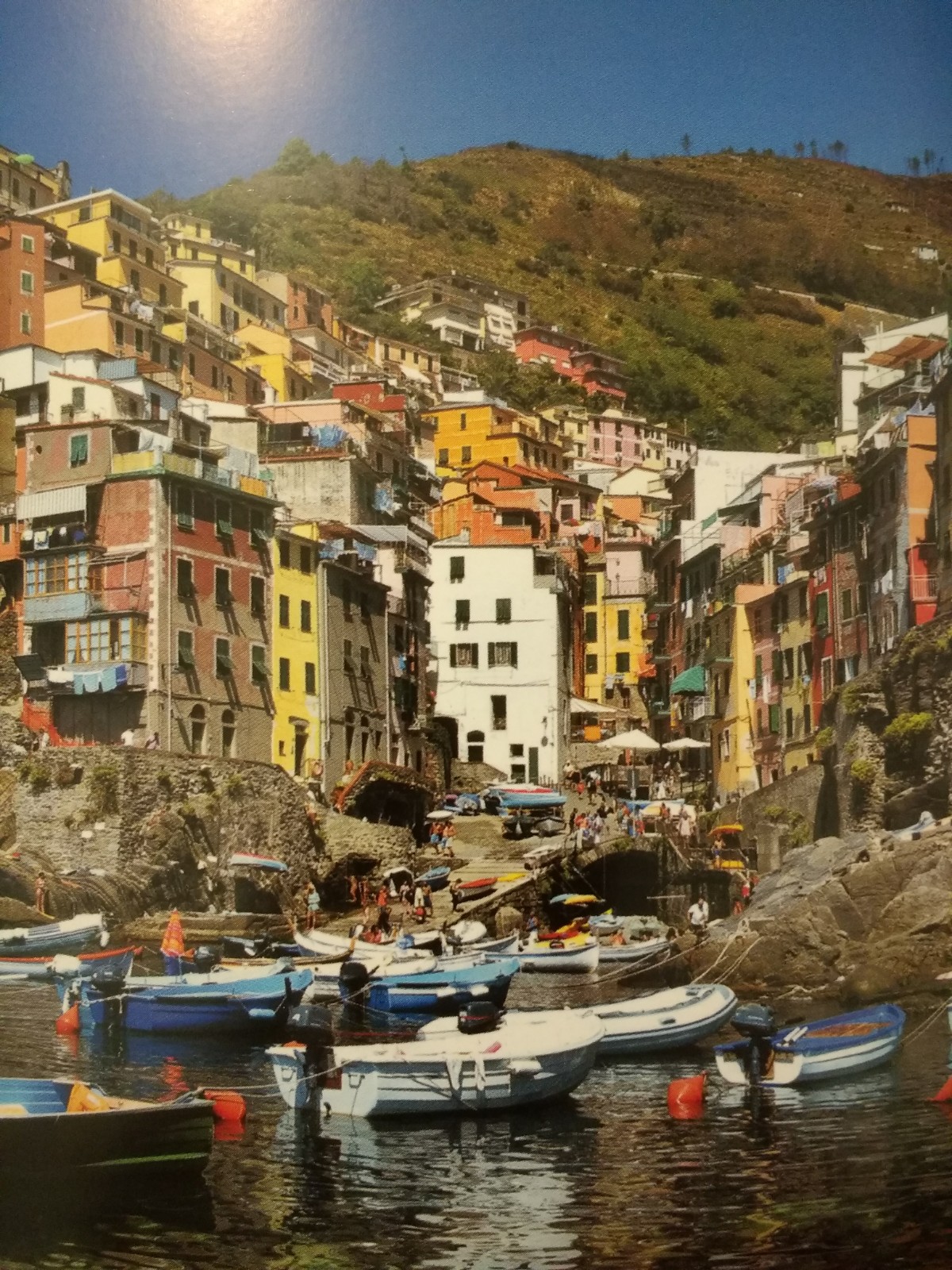
Row of houses at the waterfront. When you get close to them, you realise they’re actually rather shabby in appearance.
Photo: Christian Polloni

After a wonderful fish lunch at a harbour-side restaurant (me: spaghetti with anchovies, Mark: bream) we caught the train back to La Spezia.

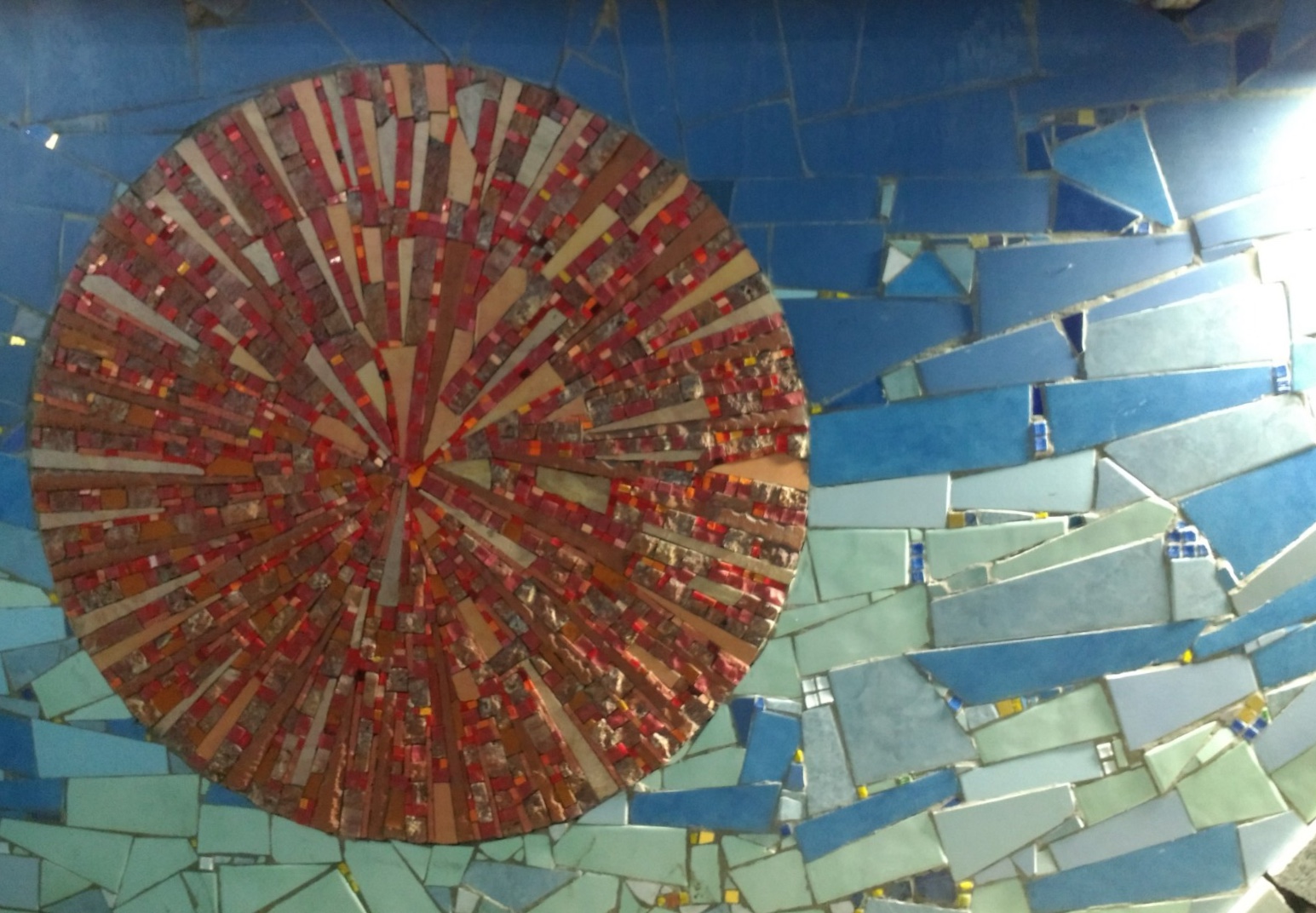
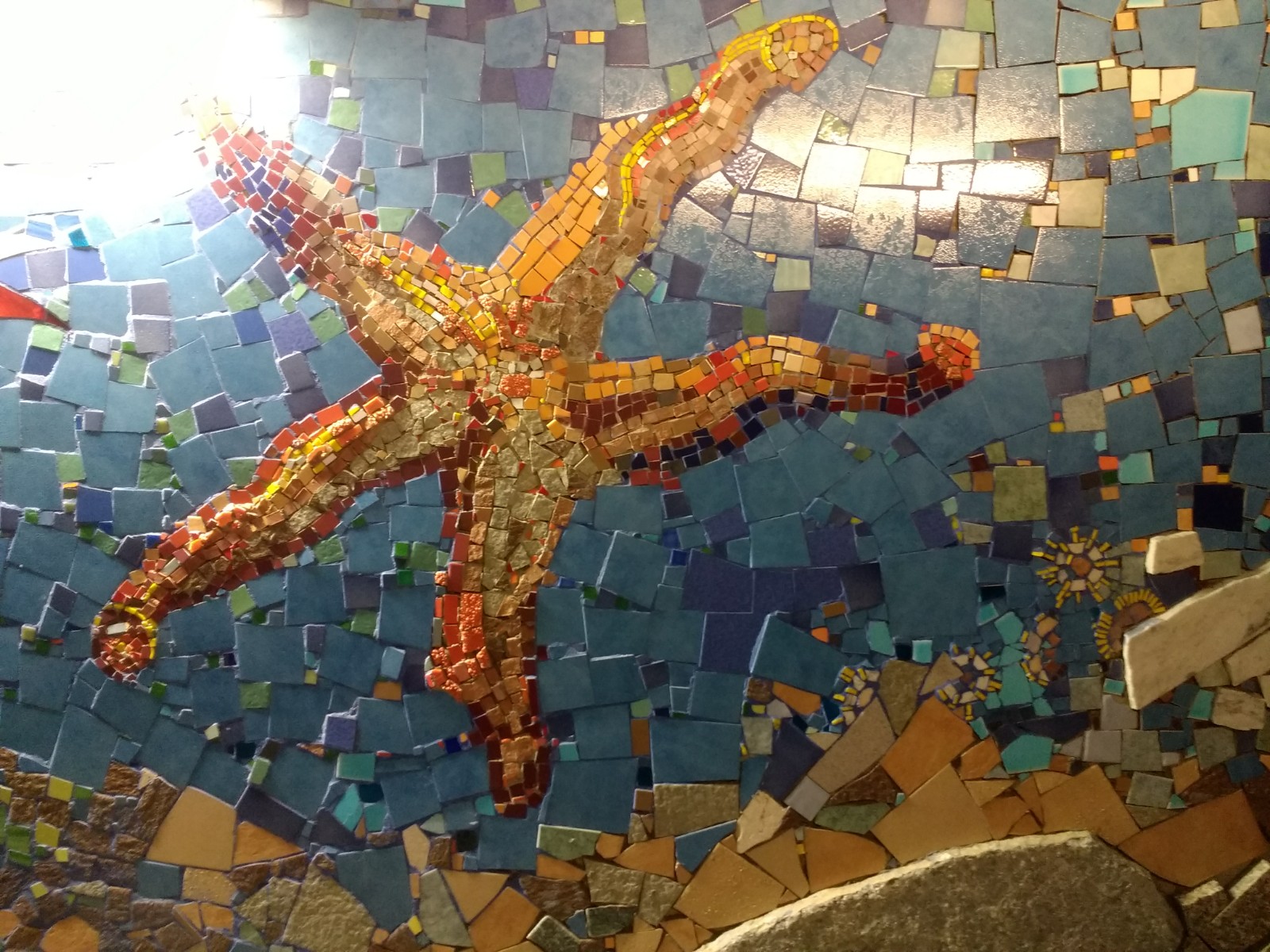
The walls of the tunnel, which connects the train station to the town, is decorated with a wonderful mosaic of sea life by Silvio Benedetto
More of the mosaic

The path to the next village, Manarola, has been named ‘Via dell’Amore’ for being the place that the young people from the two villages met up, but sadly has been closed since 2012 when a landslide caused injury to four tourists.

From the Mist to the Sun – A Walk to Portovenere

After listening to the early morning downpour yesterday, we wondered if the path we had planned to walk would have been washed away. May was very wet here, as it was in Bologna, and some of the paths between the villages of the Cinque Terre are closed. Our walk though, was not on the Cinque Terre coast and was in excellent condition.

We started the walk in Campiglia, a bus ride from La Spezia, and followed a well-marked trail to Portovenere (dubbed the ‘sixth terre’).

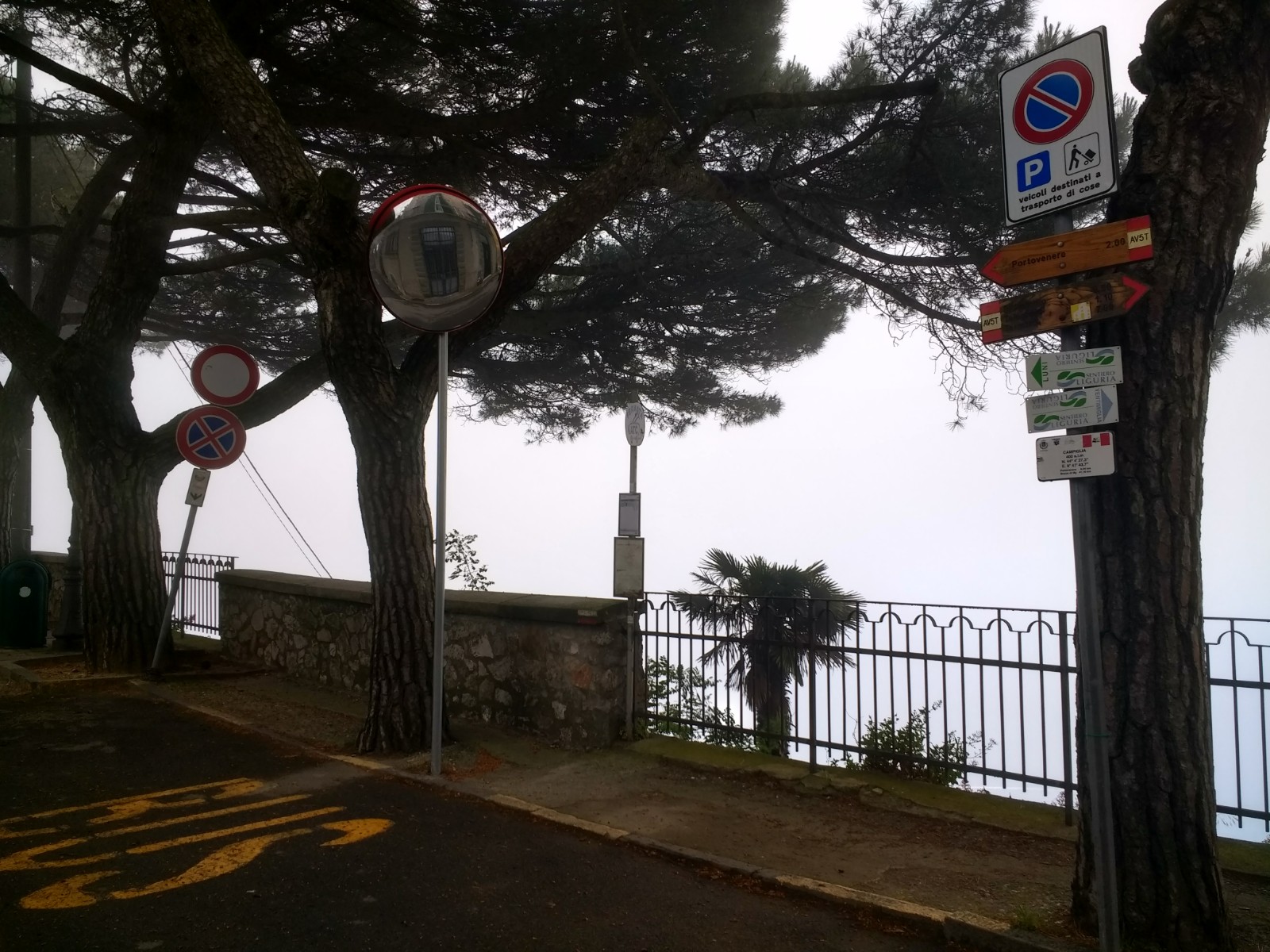
The start of our walk. There should be a view here, but all you can see is the low cloud.
Campiglia is 400 metres above sea level.

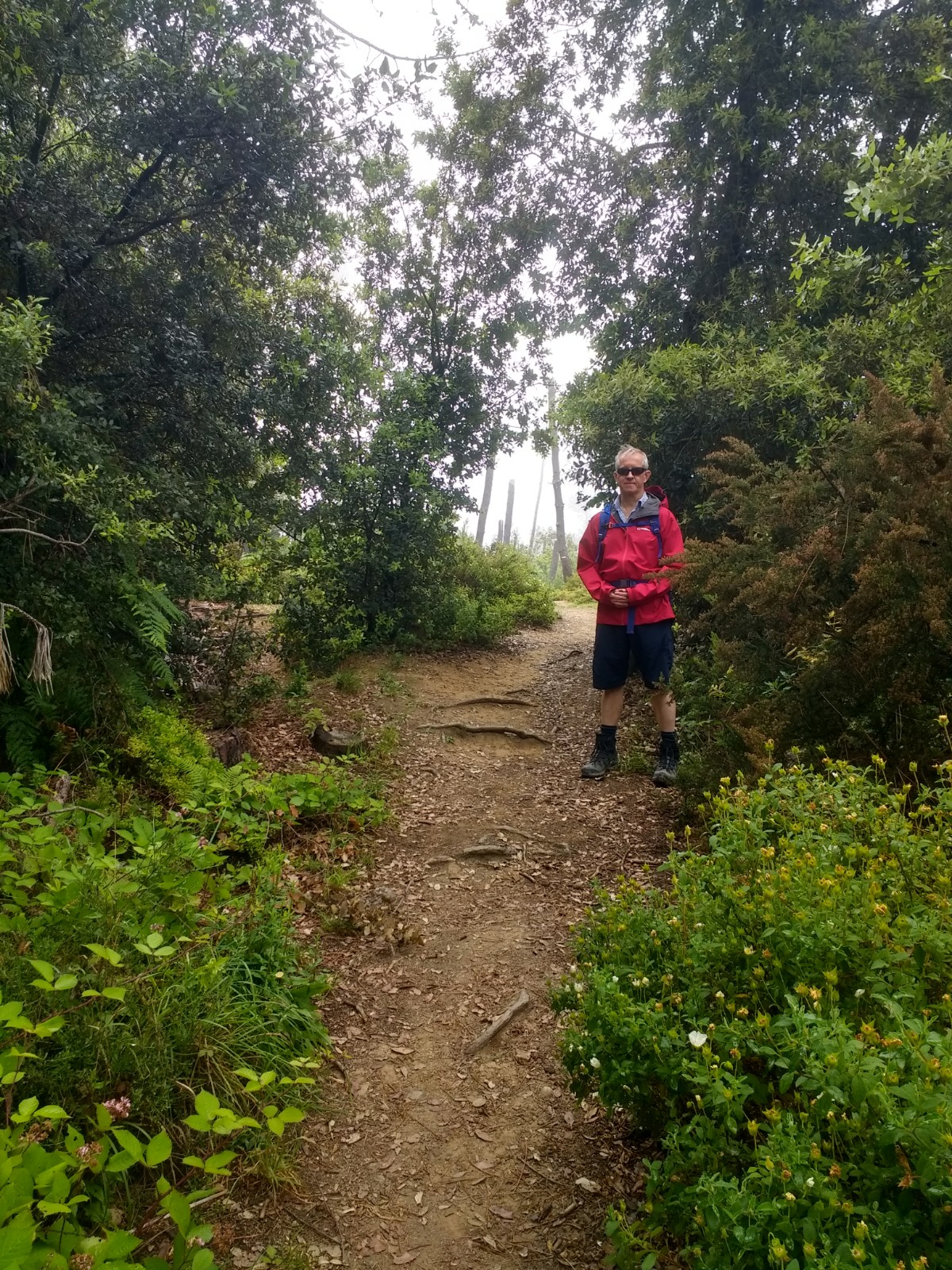
The cloud slowly cleared as we went.
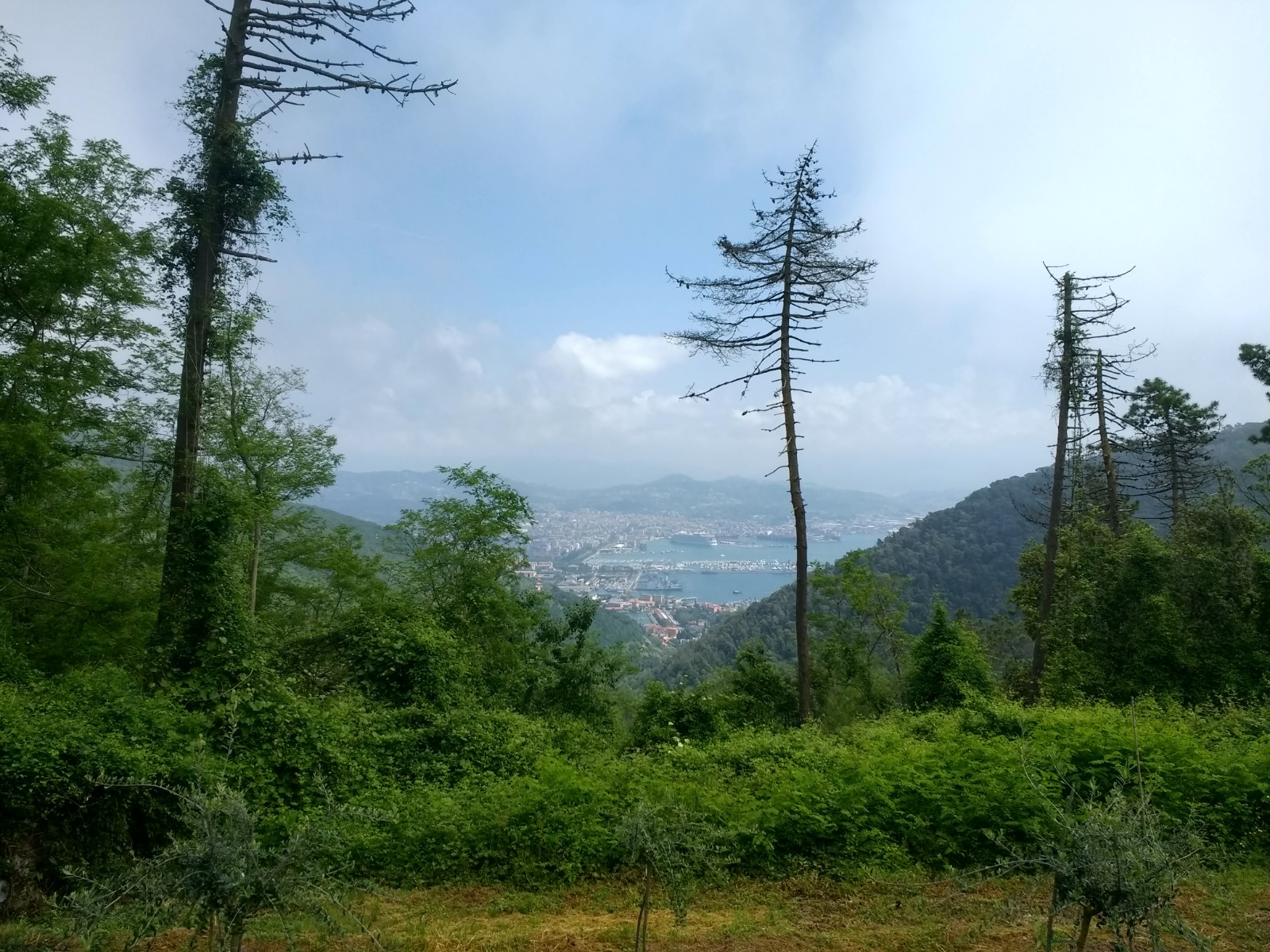
View of La Spezia through the mist.
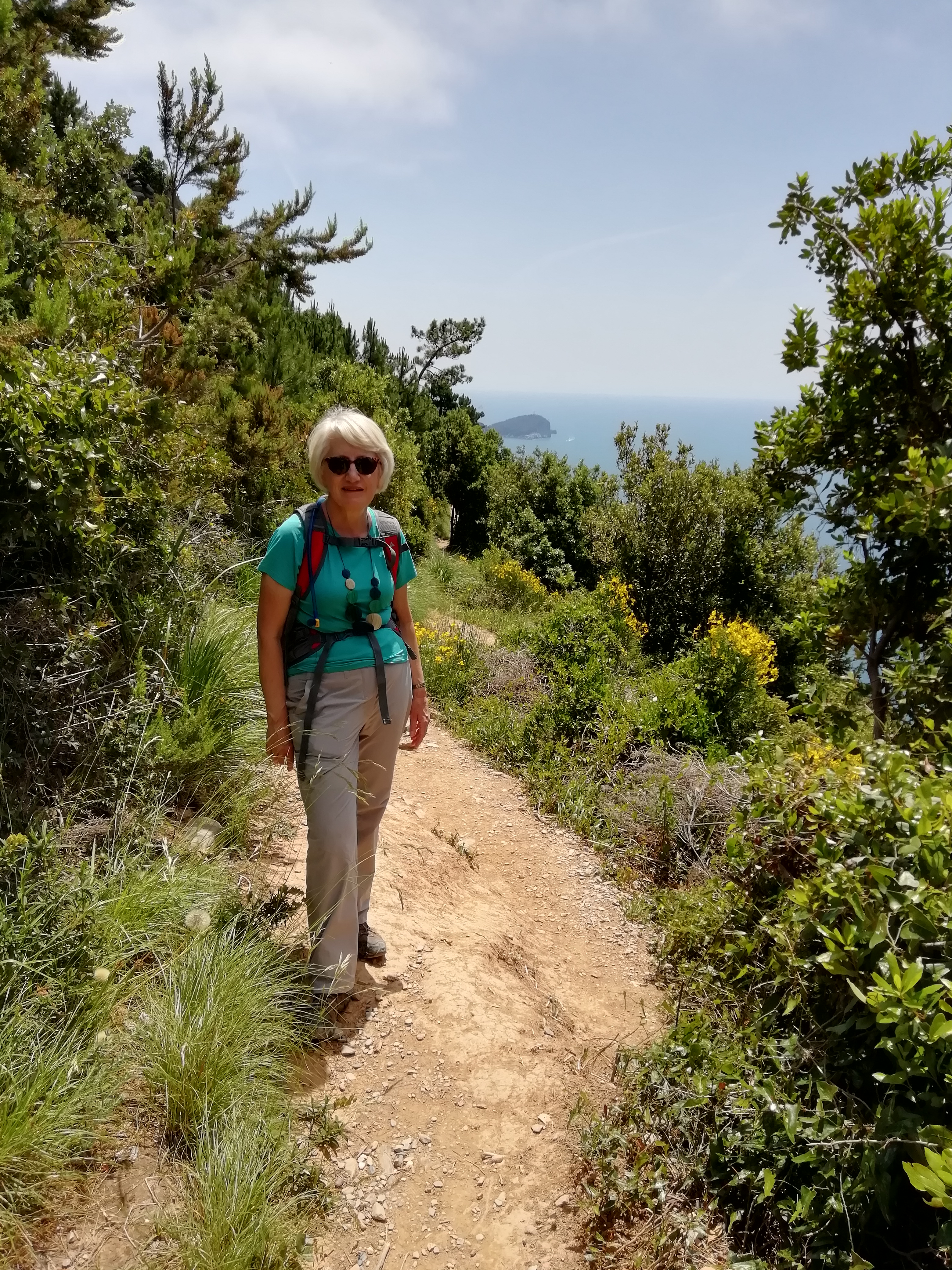
Finally, it’s clear and also warmer.
Going down. A lot of the path was very rocky.
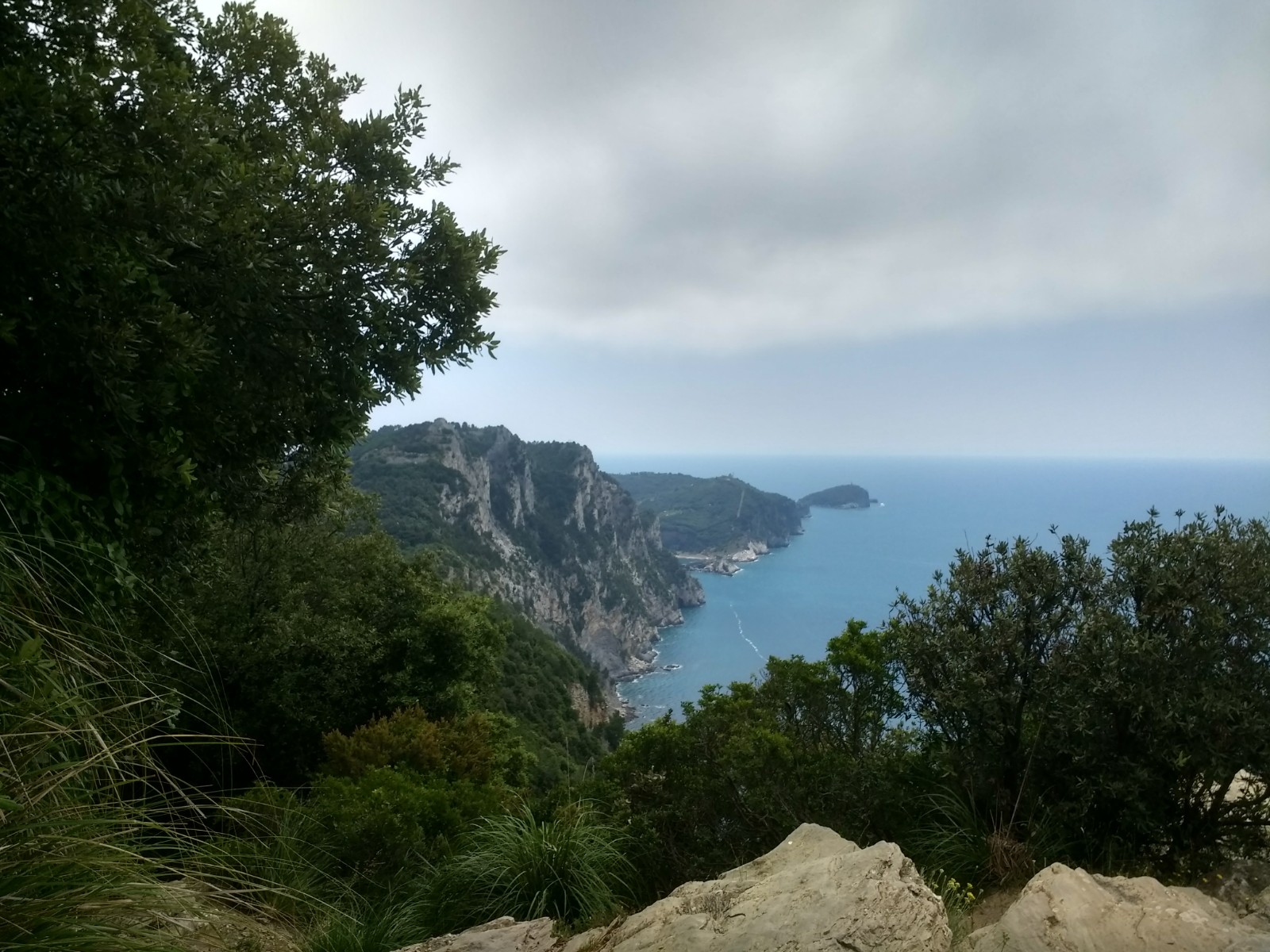
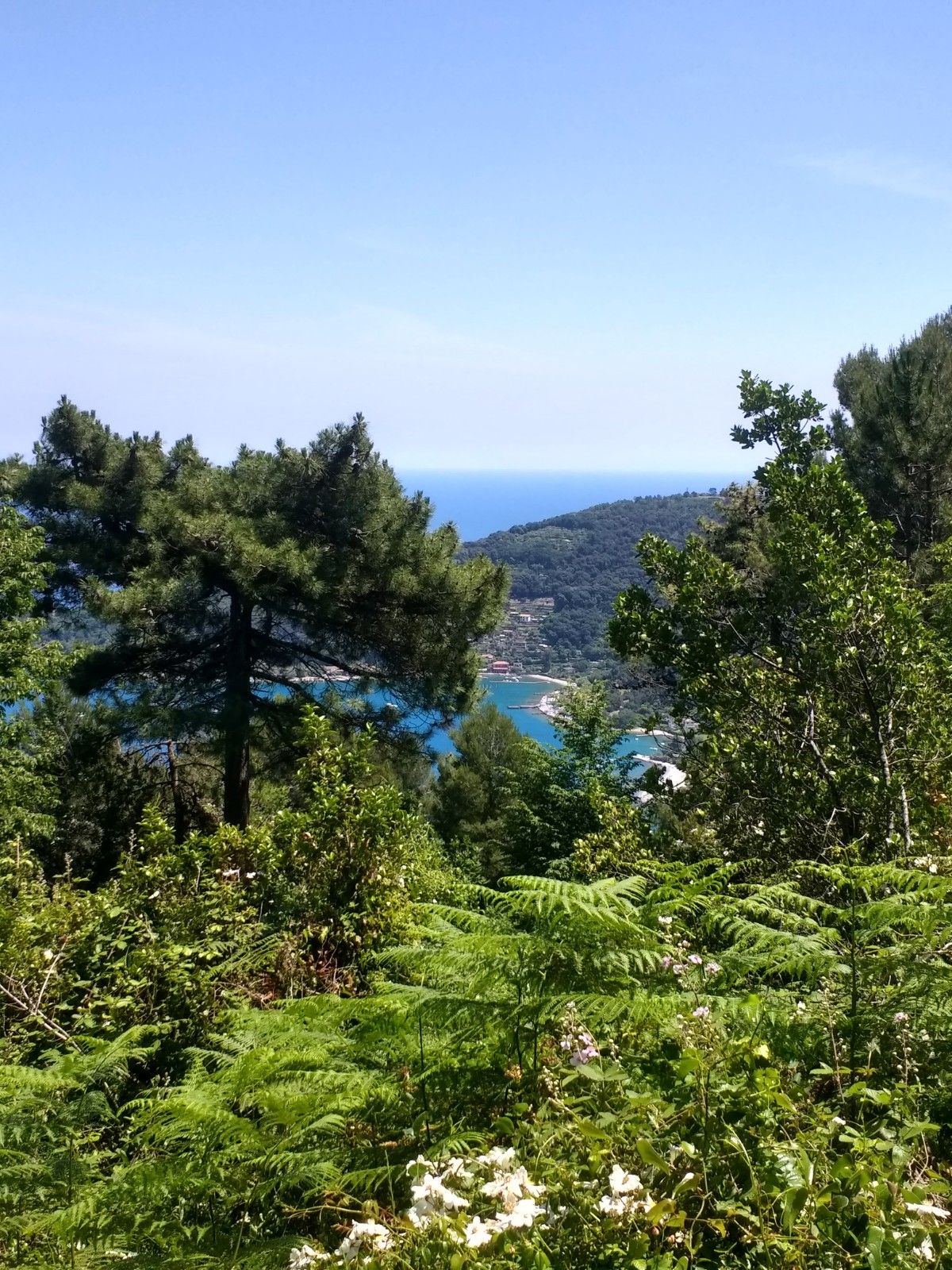
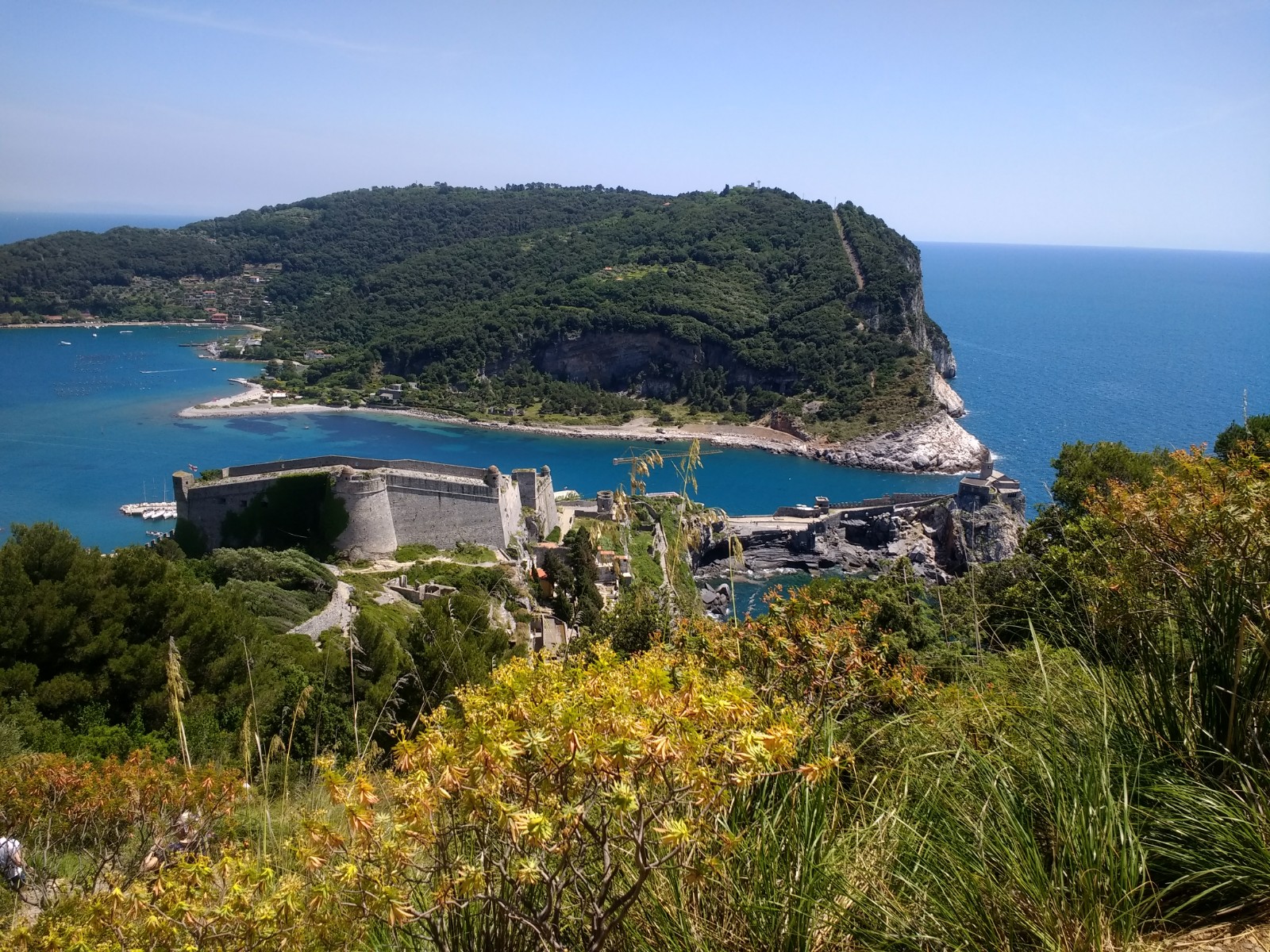
First glimpse of Portovenere
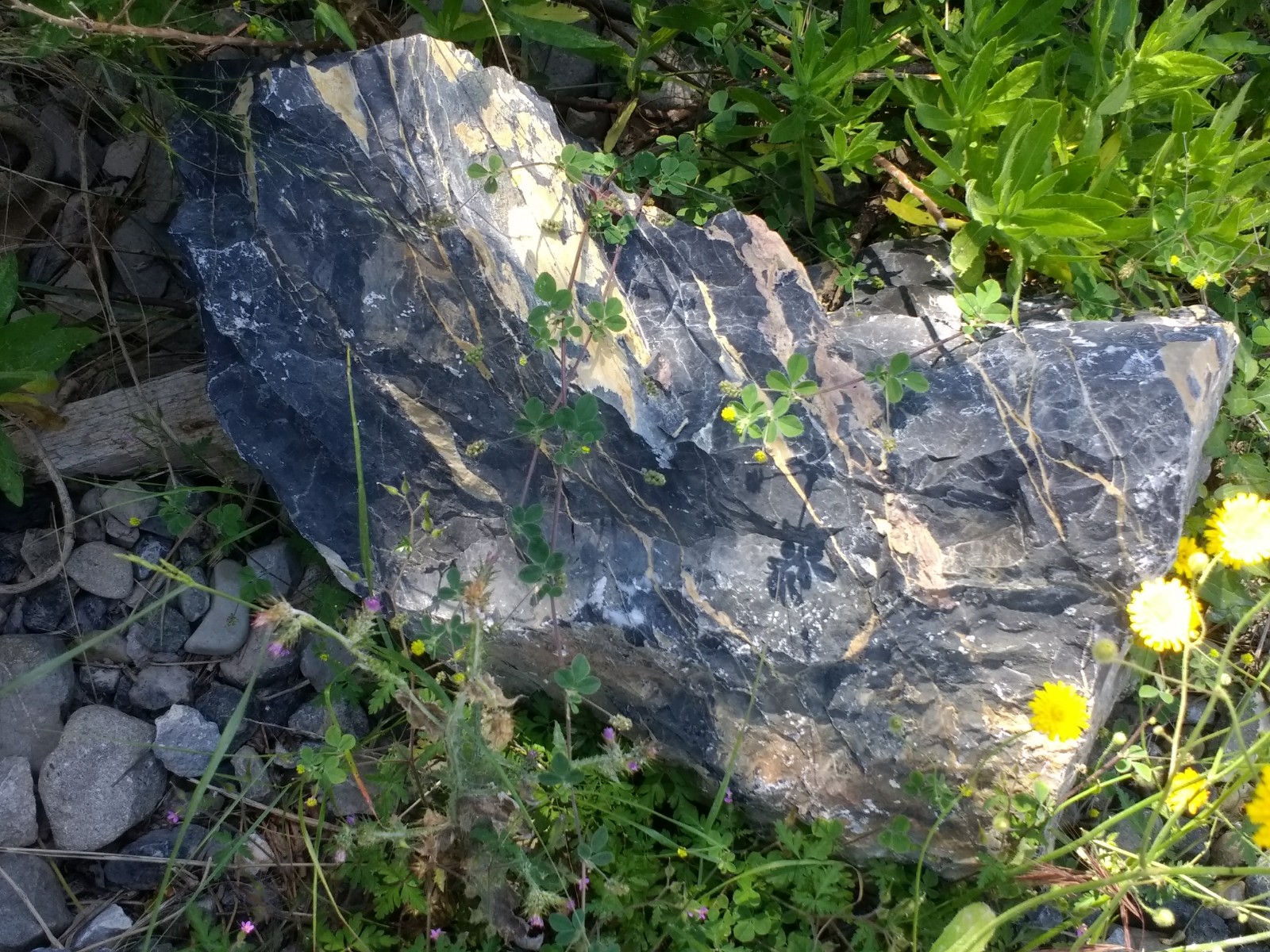
This is a valuable variety of black marble found in the area. The stone has been quarried here since Roman times.
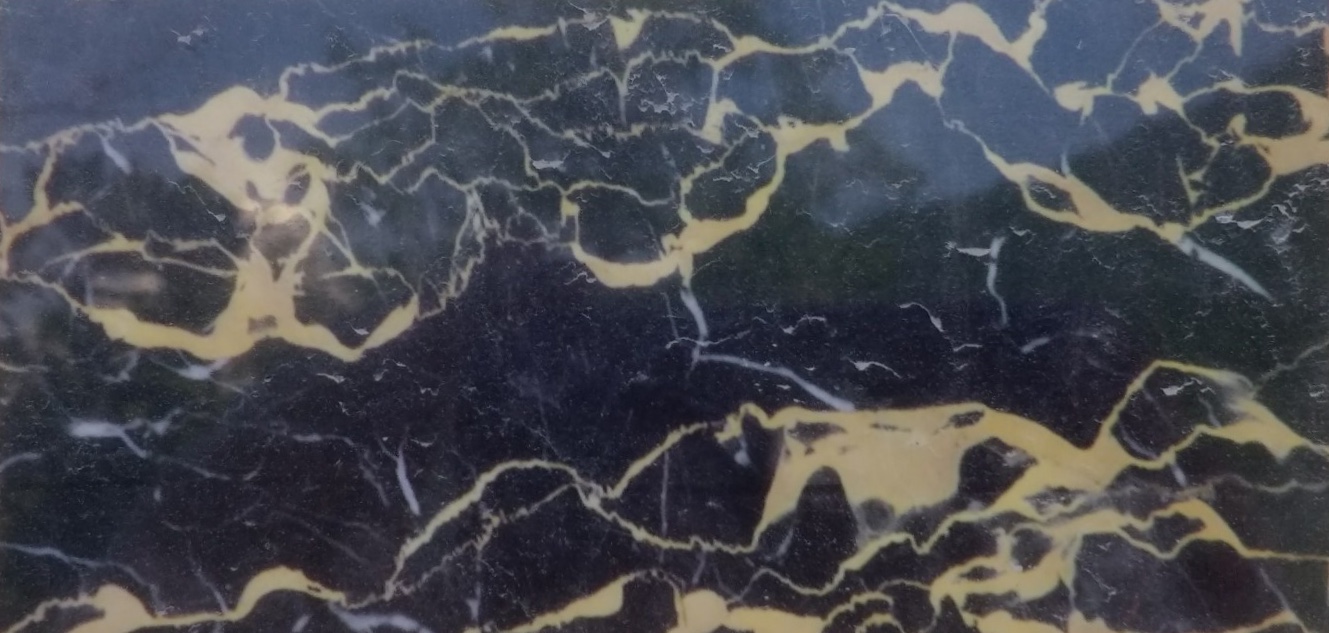
This is what the marble looks like when cut and polished.
Lush vegetation
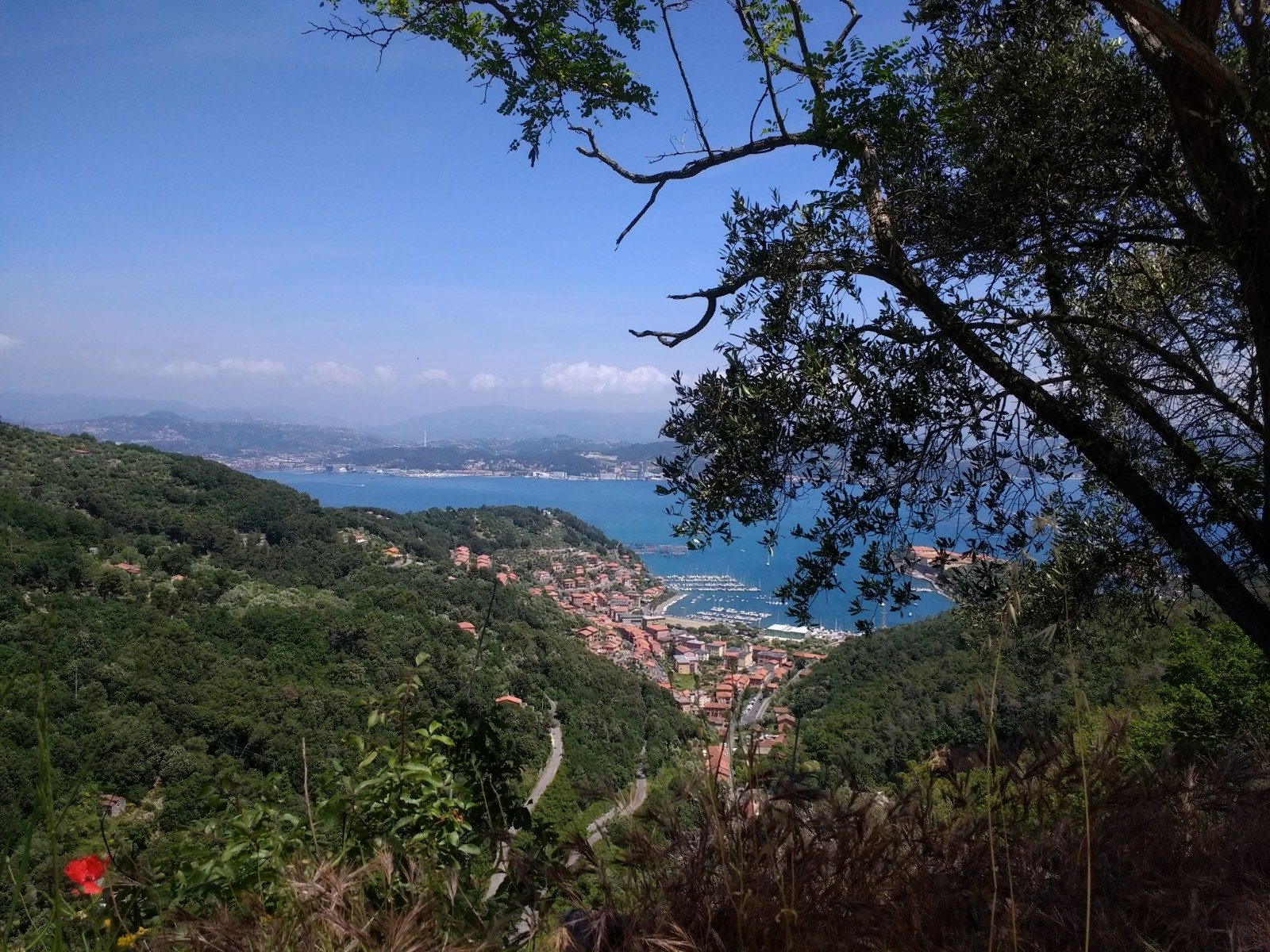
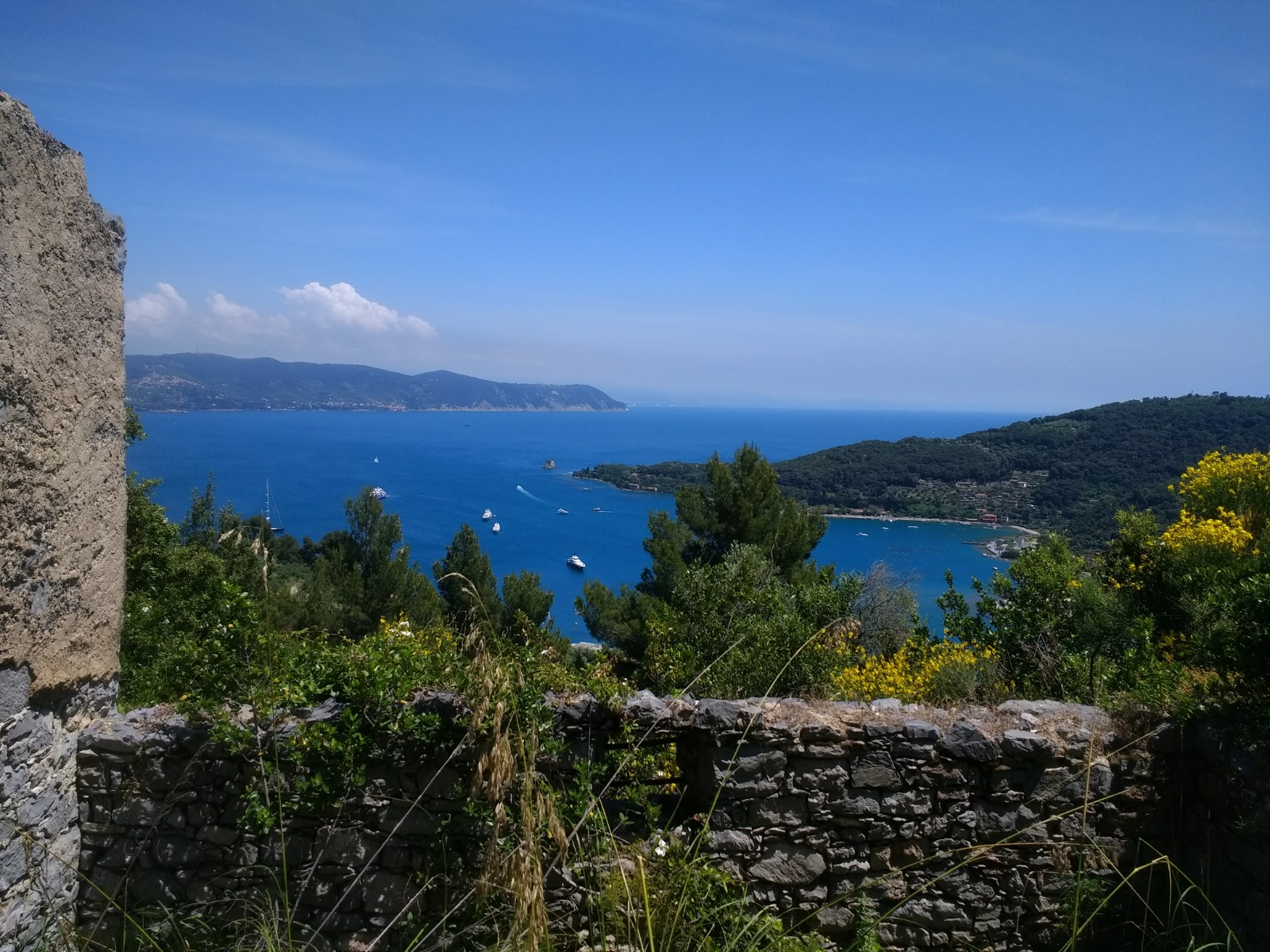
The bay was busy with boats.
The castle
We were too tired to go in though – that can wait to another day.
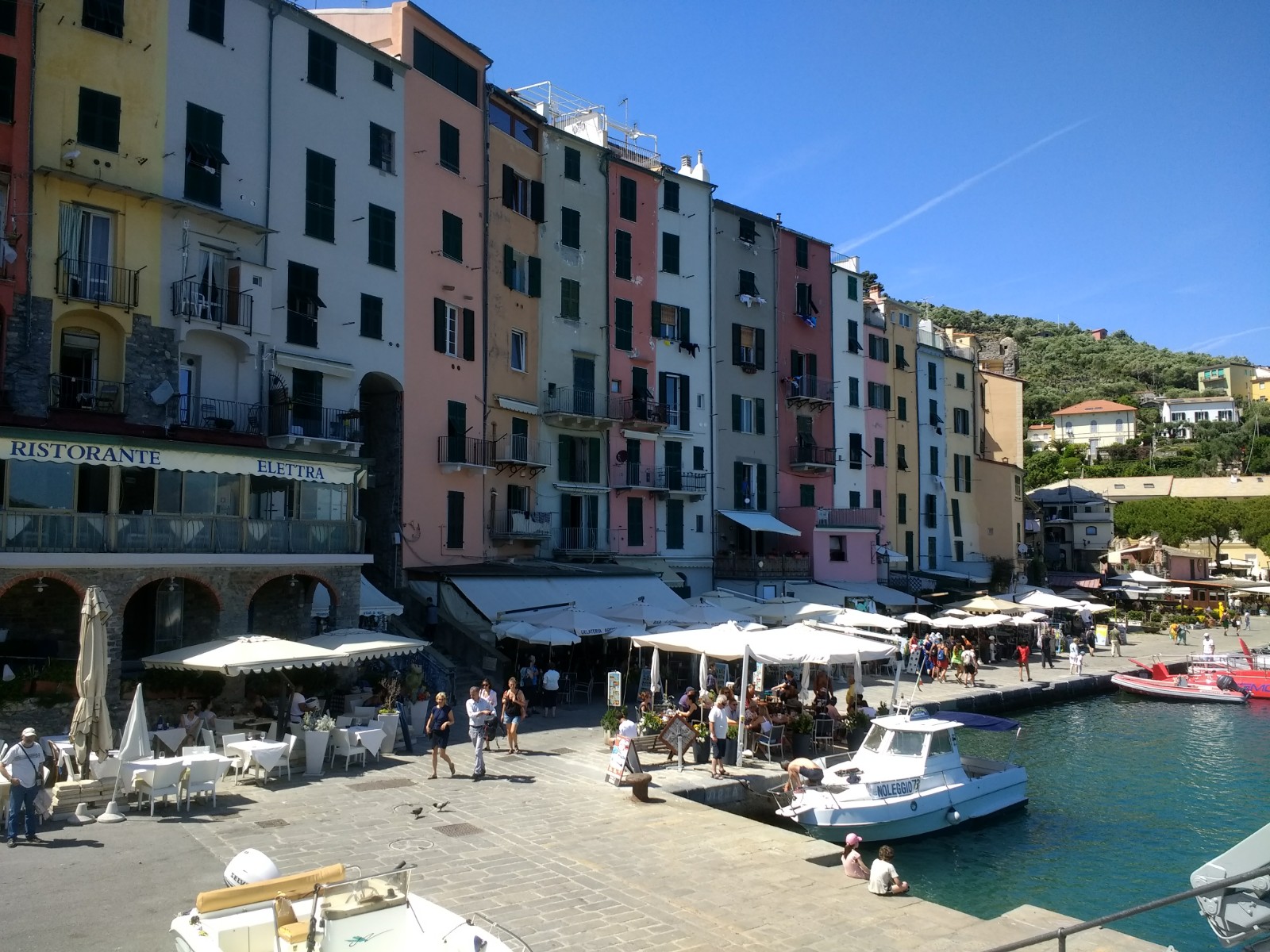
The iconic pastel-painted houses you also see in every picture of Cinque Terre
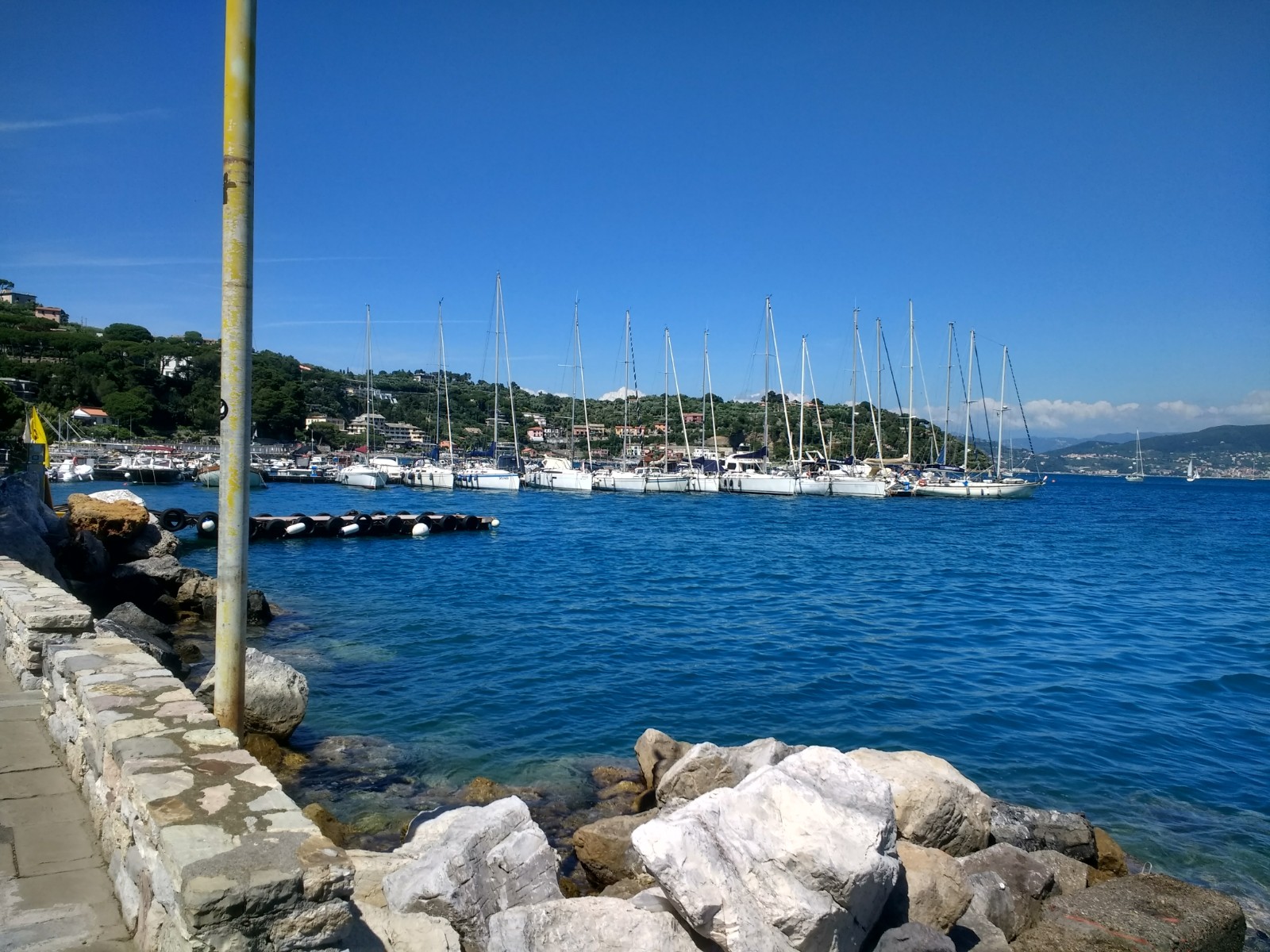
The yacht marina
La Spezia, from our ferry from Portovenere

It was a lovely walk, but a lot of rocks to scramble over. We are certainly going to exercise our leg muscles here!

Sleepy Little Imola Wakes Up

One advantage of buying a museum pass in each area we visit (our current ones for Bologna cost only €25 each for one year) is that, anxious to visit as many of the included sites as possible, we occasionally hit upon an under-publicised gem.

So it was on Saturday, when we ventured to Imola to visit Palazzo Tozzoni. Nothing much is written about Imola in the guide books, and less about its Palazzo. It will be a quick visit, we thought, particularly after arriving in Imola at 2pm, to find it all shut up, everyone resting. Our plan had been to arrive, find a pizzeria for a late lunch, then meander to the Palace for its 3pm opening (The Palazzo is only open for limited hours at the weekends) but we ended, instead, by grabbing a sandwich at a bar, the only place open. “Are you staying for the music festival this evening?” the owner asked.

Two weeks of informal concerts, appealing to a multitude of musical tastes, was coming to an end (the tourist office in Bologna had said nothing about it). We decided that if we could find enough to amuse ourselves until the evening, we would stay.

Palazzo Tozzoni was created from two ancient houses in the early eighteenth century, and remained in the same family for five centuries when the last heiress, Sofia Serristori Tozzoni, donated the building to the city of Imola on her death in 1978.

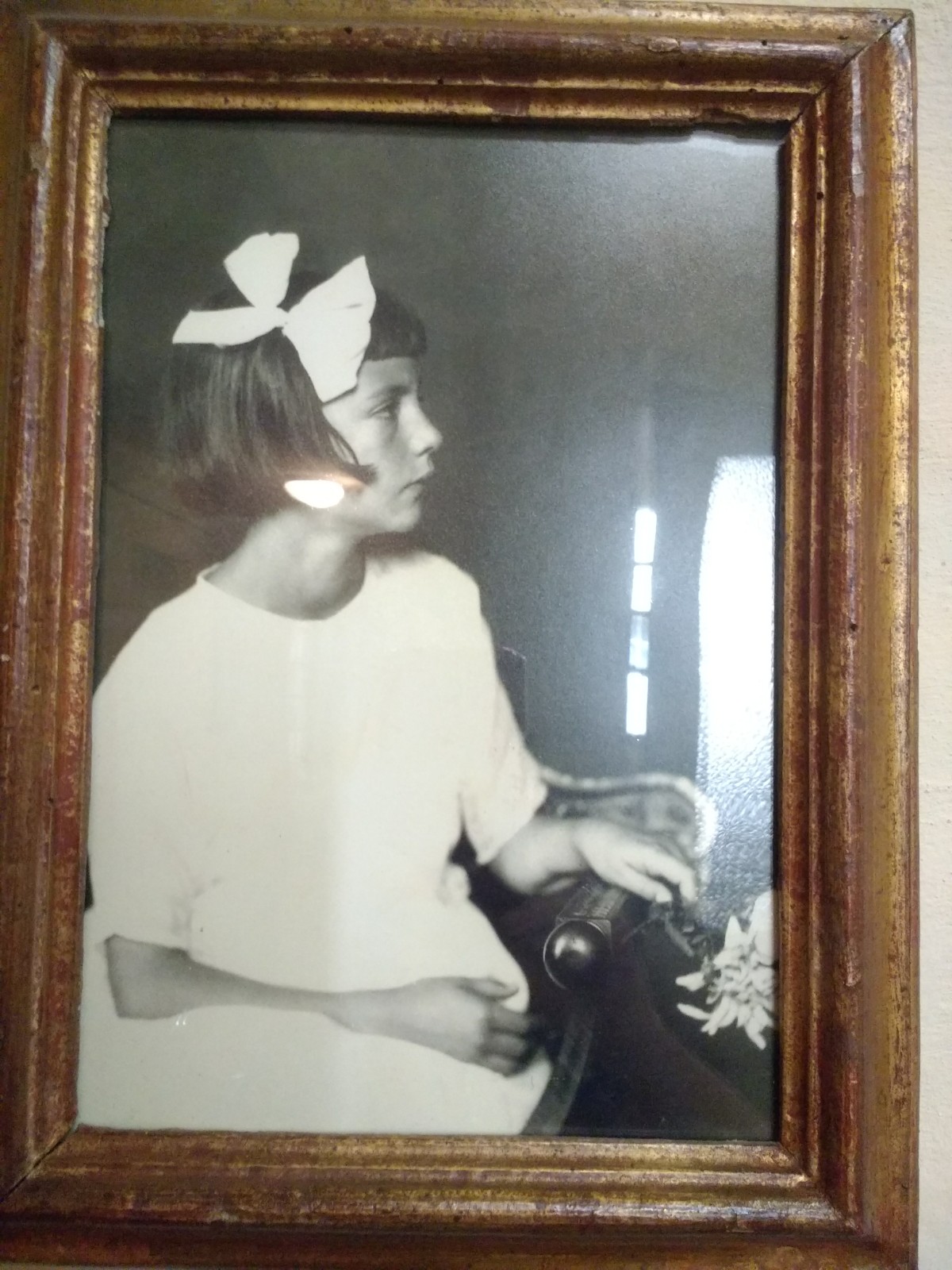
Sofia Serristori Tozzoni as a young girl

An audio guide led us through its many rooms, all with furnishings and decoration as it had been left.

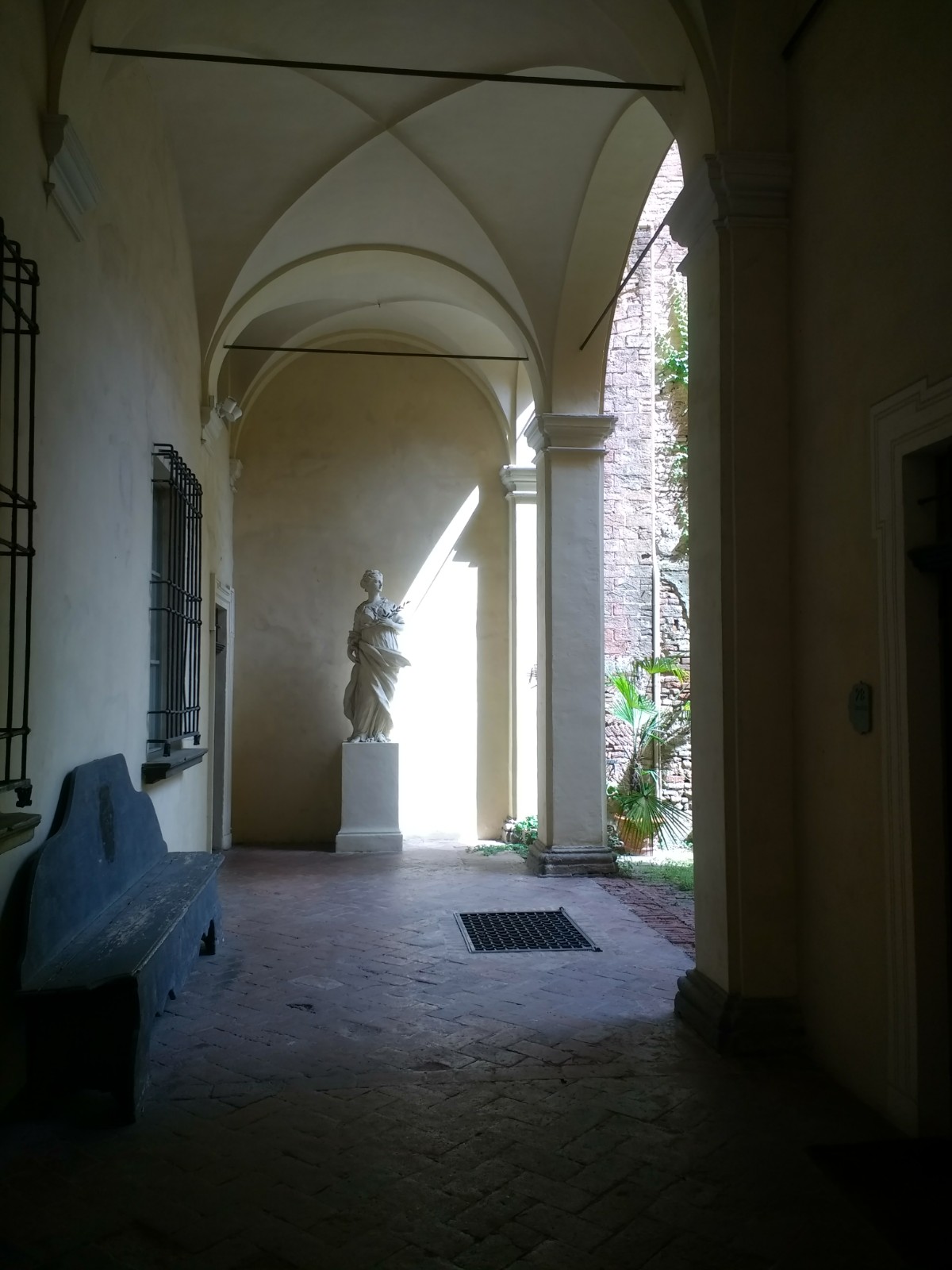
Inside the entrance to the Palazzo
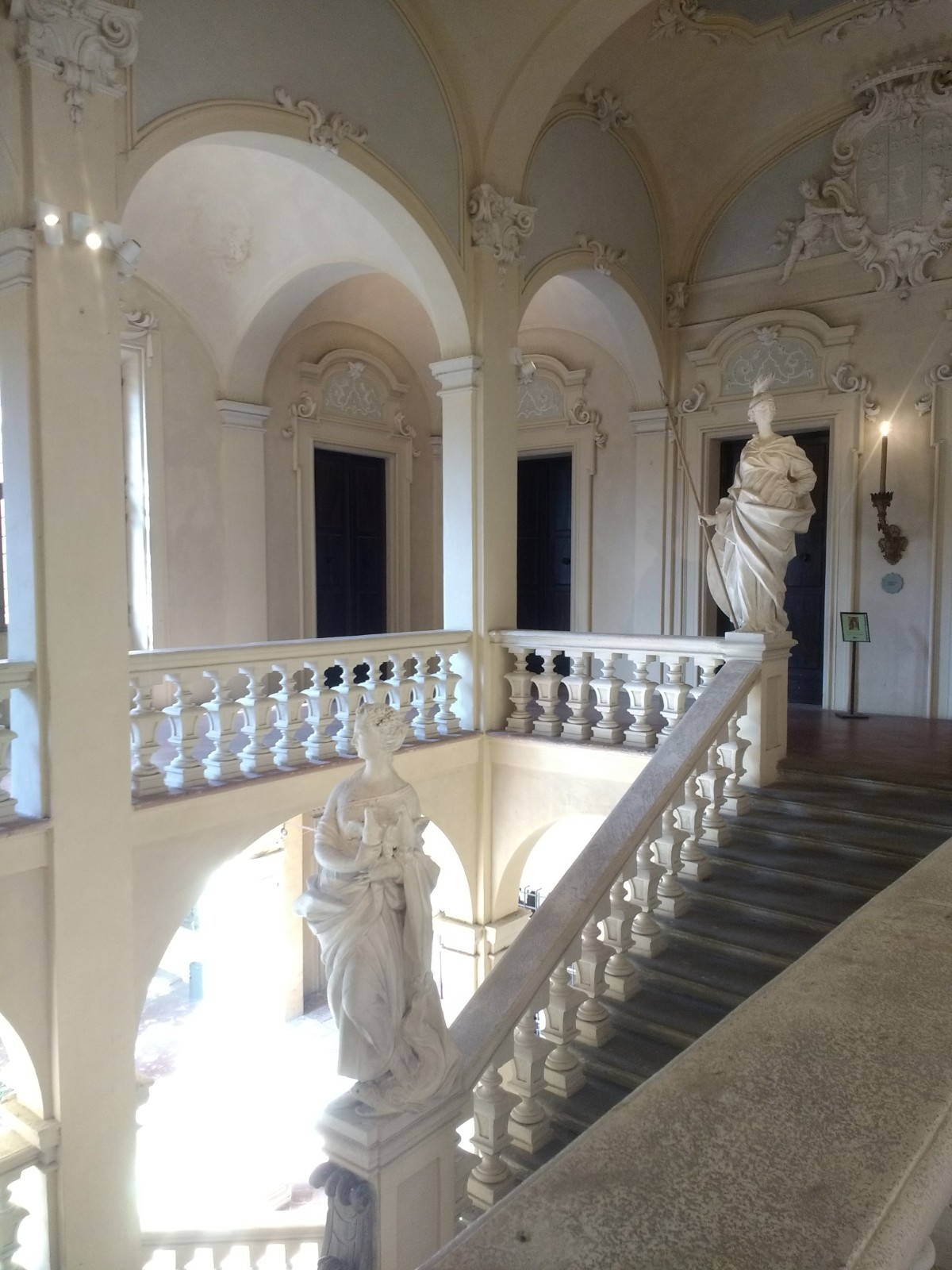
The eighteenth century staircase
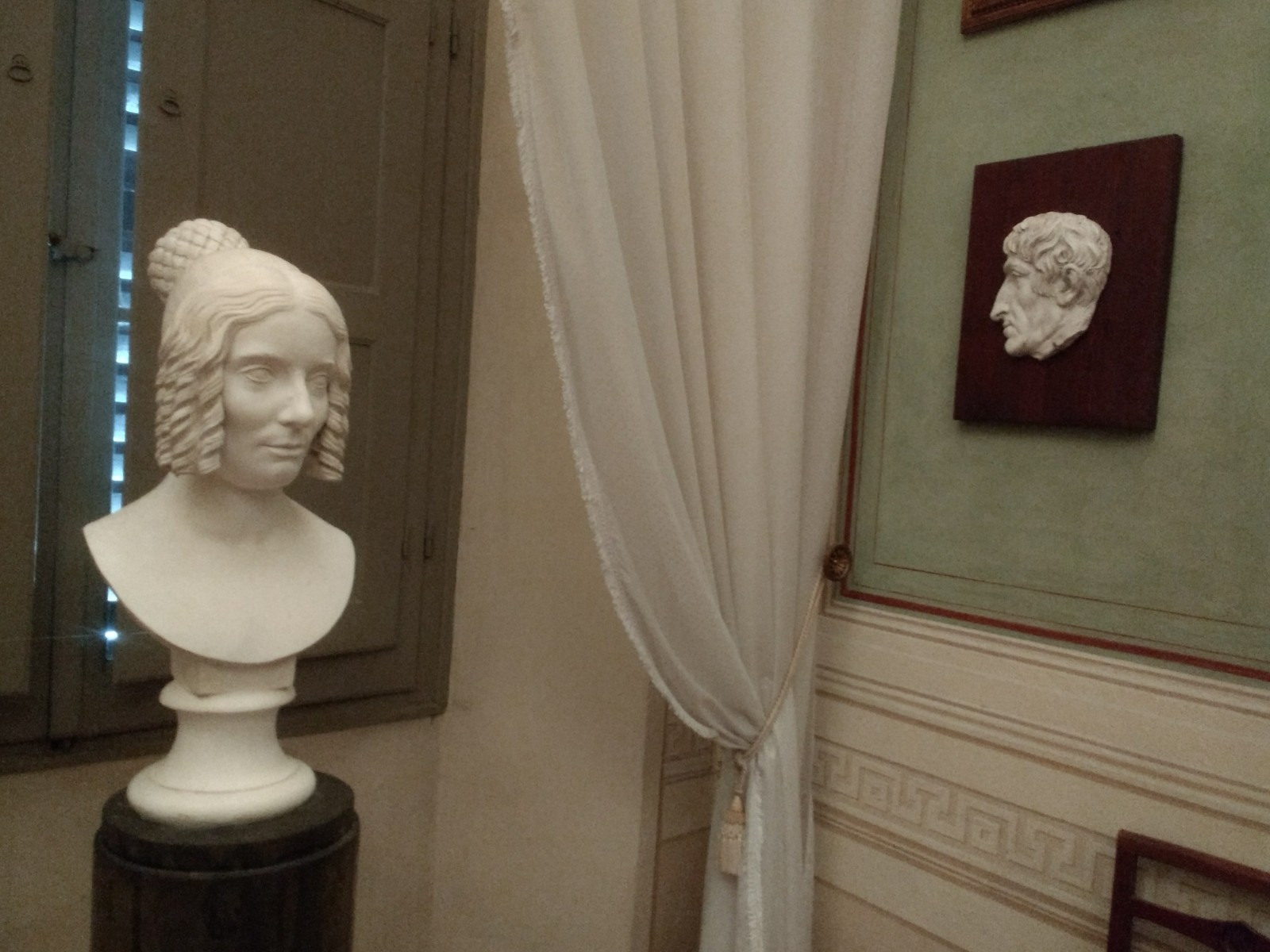
On the wall is Sofia’s grandfather, Giorgio Tozzoni. The bust is of his first wife, Orsola Bandini.

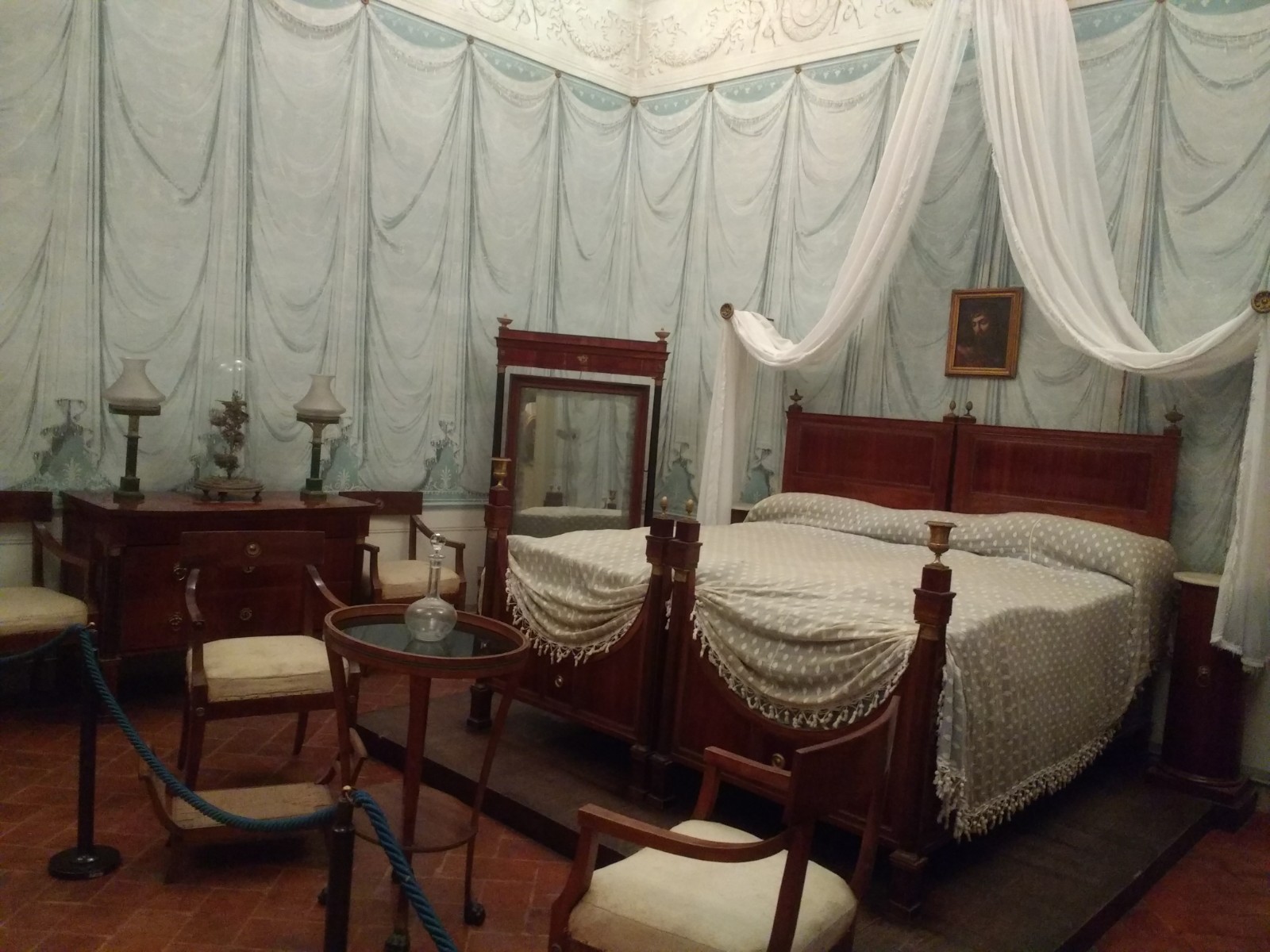
Giorgio’s and Orsola’s bedroom. The muslin drapes on the walls are painted.
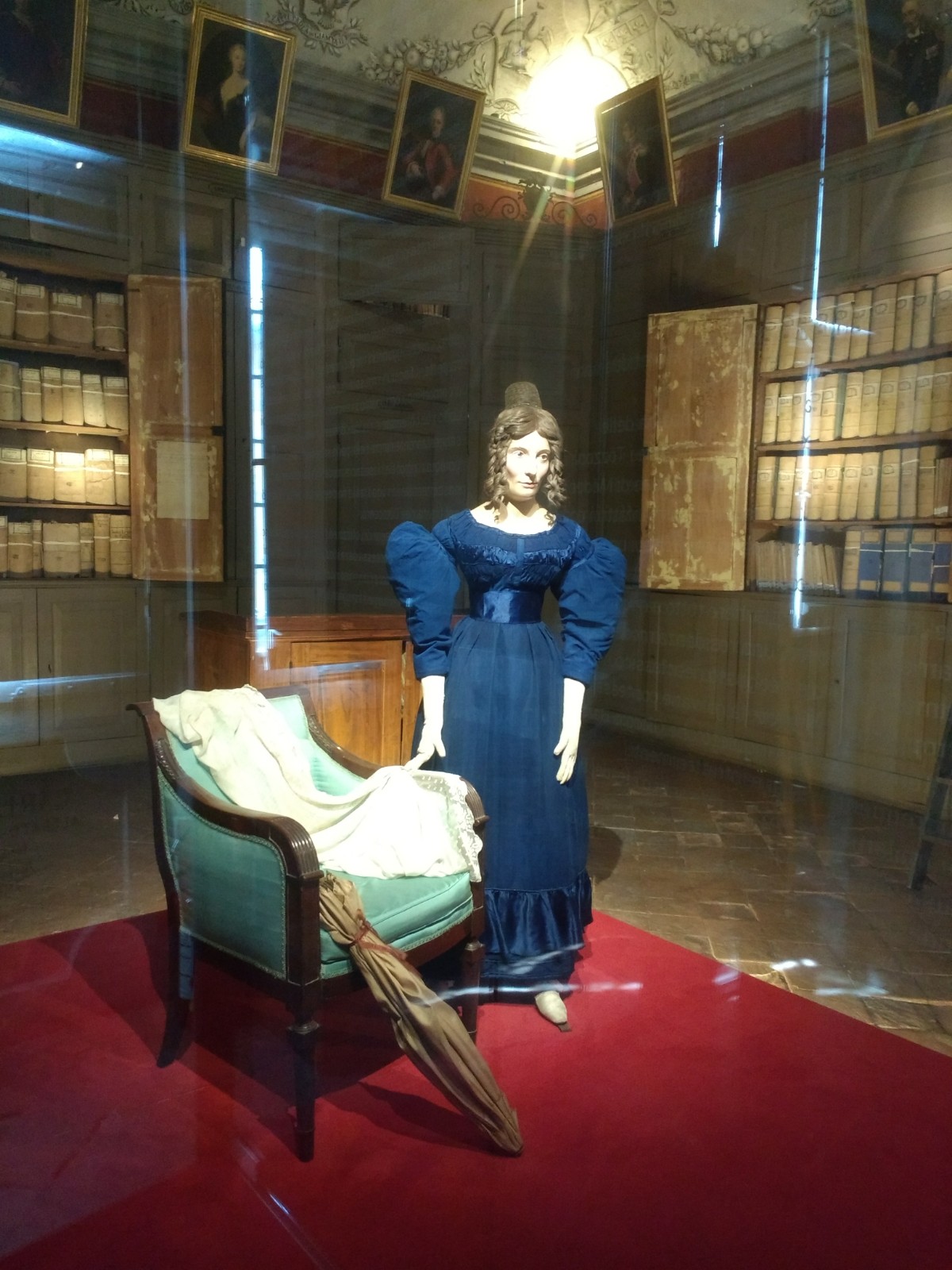
When Orsola died prematurely in 1837, Giorgio was inconsolable and had this mannequin made in her image (with Orsola’s real hair). Apparently the mannequin accompanied Giorgio to the dining-room, as well as the bedroom. When Giorgio married his second wife (Sofia’s great grandmother) the mannequin was consigned to a cupboard.
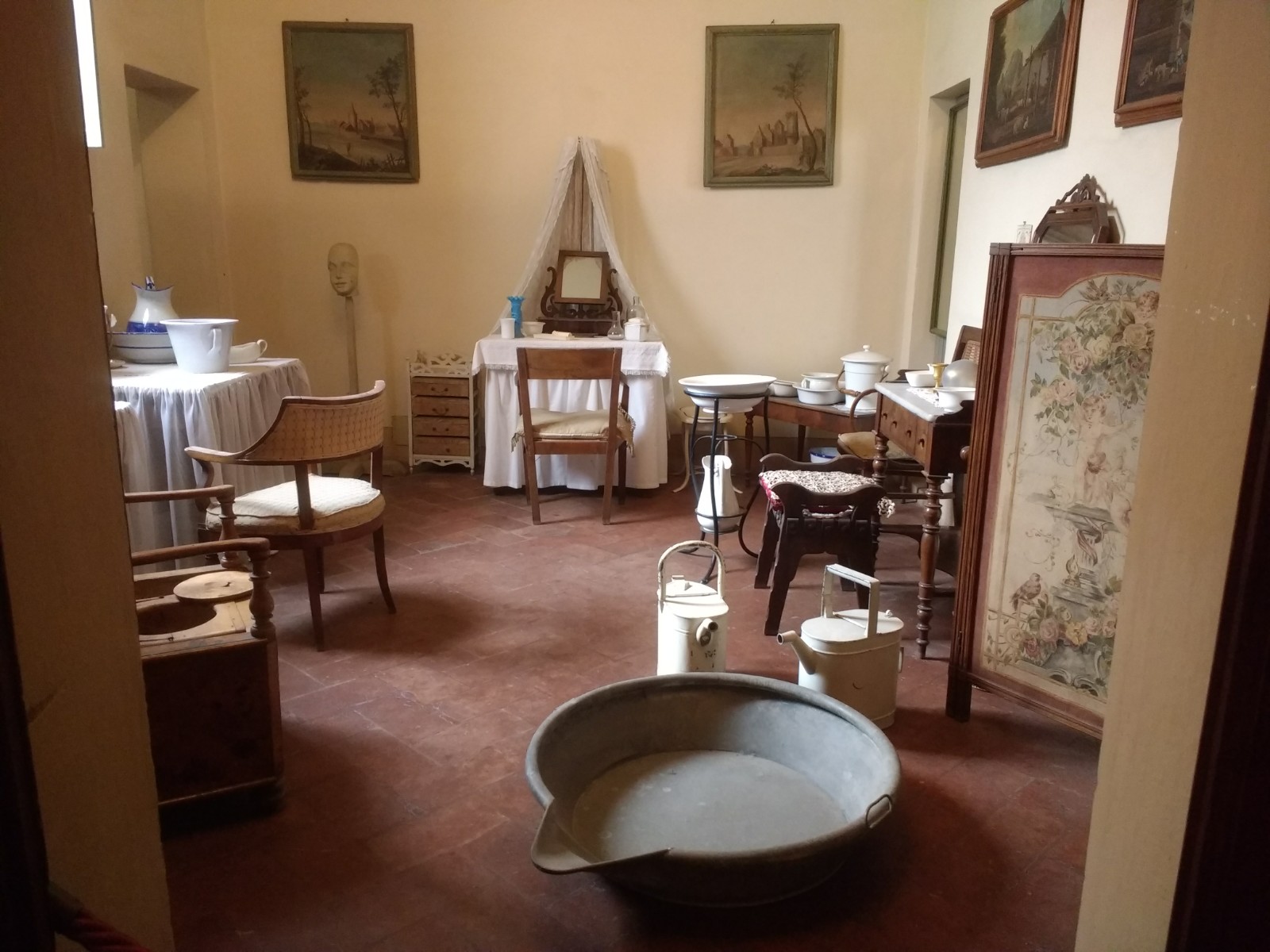
A bathroom
The tub in the foreground is for a ‘shower’. One would stand in the tub while water was poured from above.
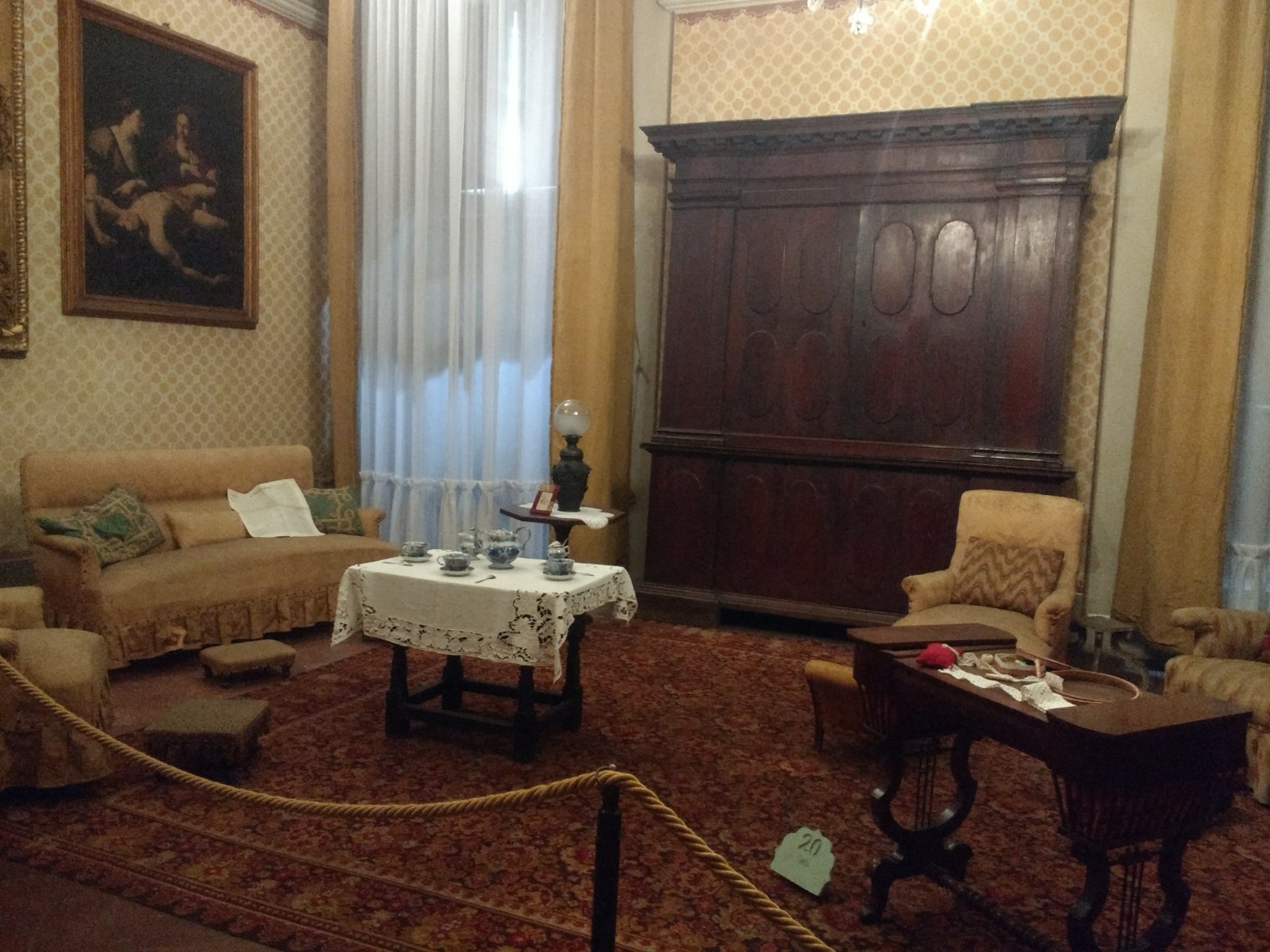
The yellow drawing room.
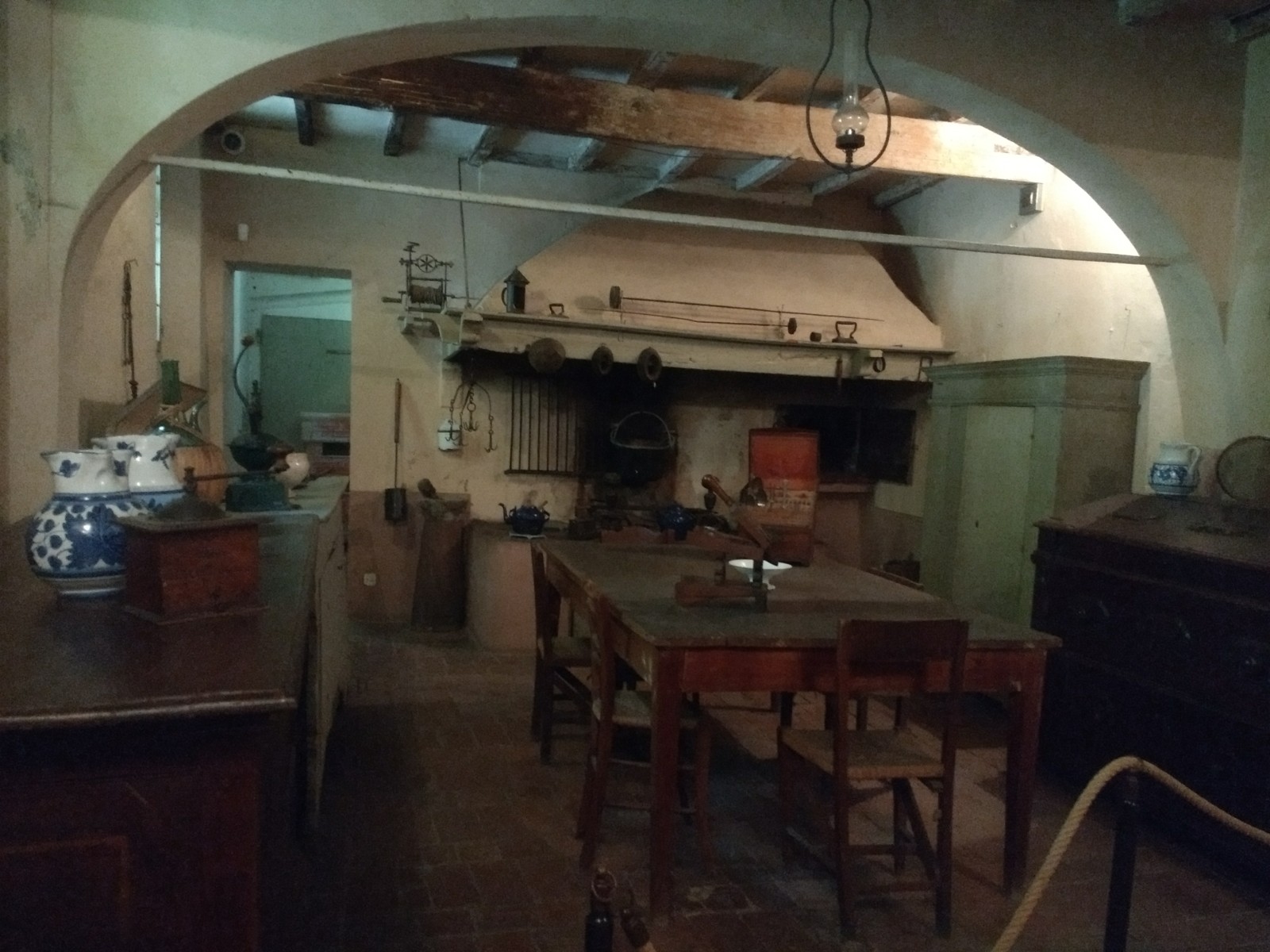
The kitchen
Slipper belonging to a former Pope.

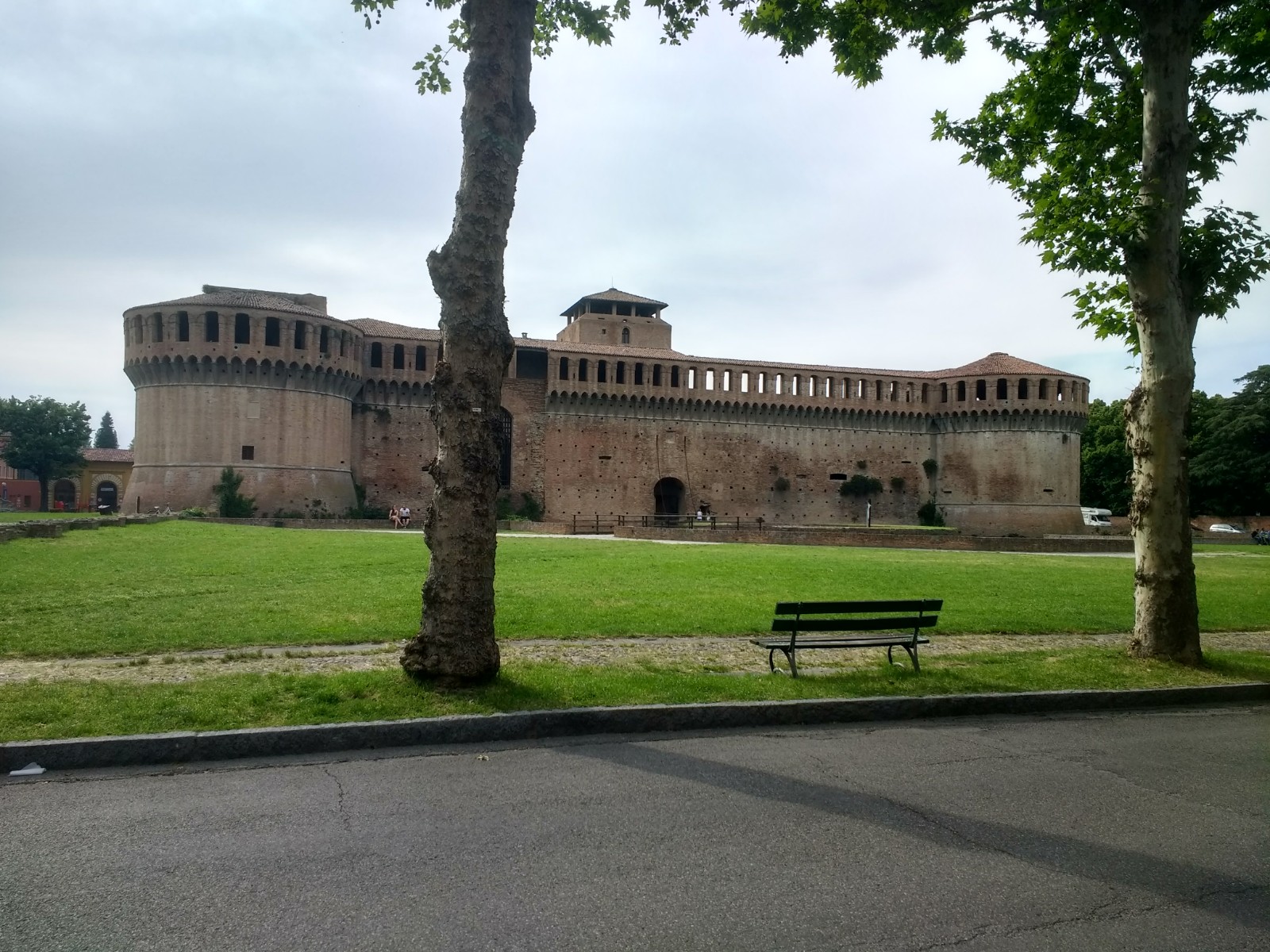
After the Palace, a quick drink and onto our second stop, La Rocca Sforzesca di Imola, a castle.

La Rocca Sforzesca
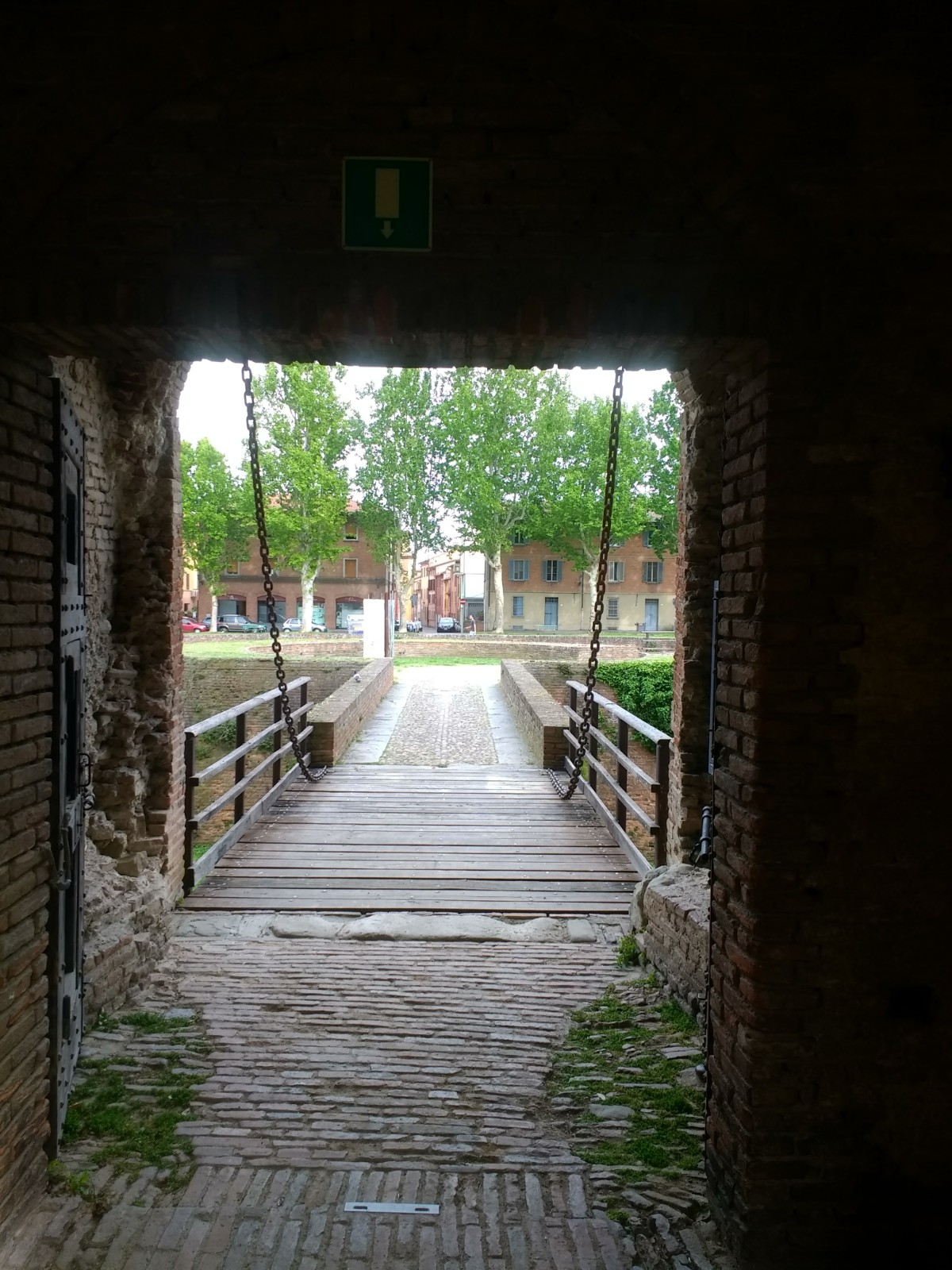
The drawbridge
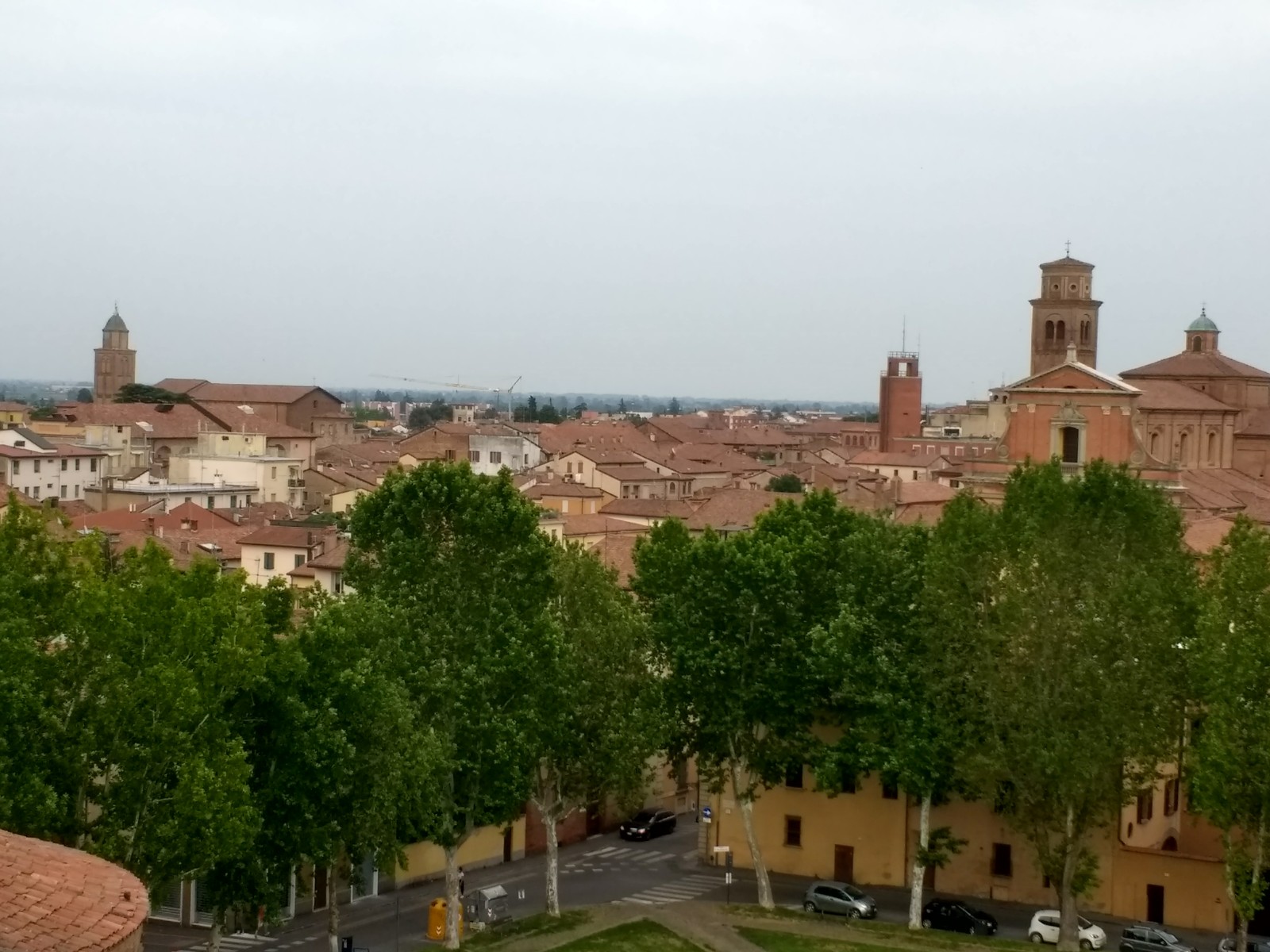
View of Imola from the castle

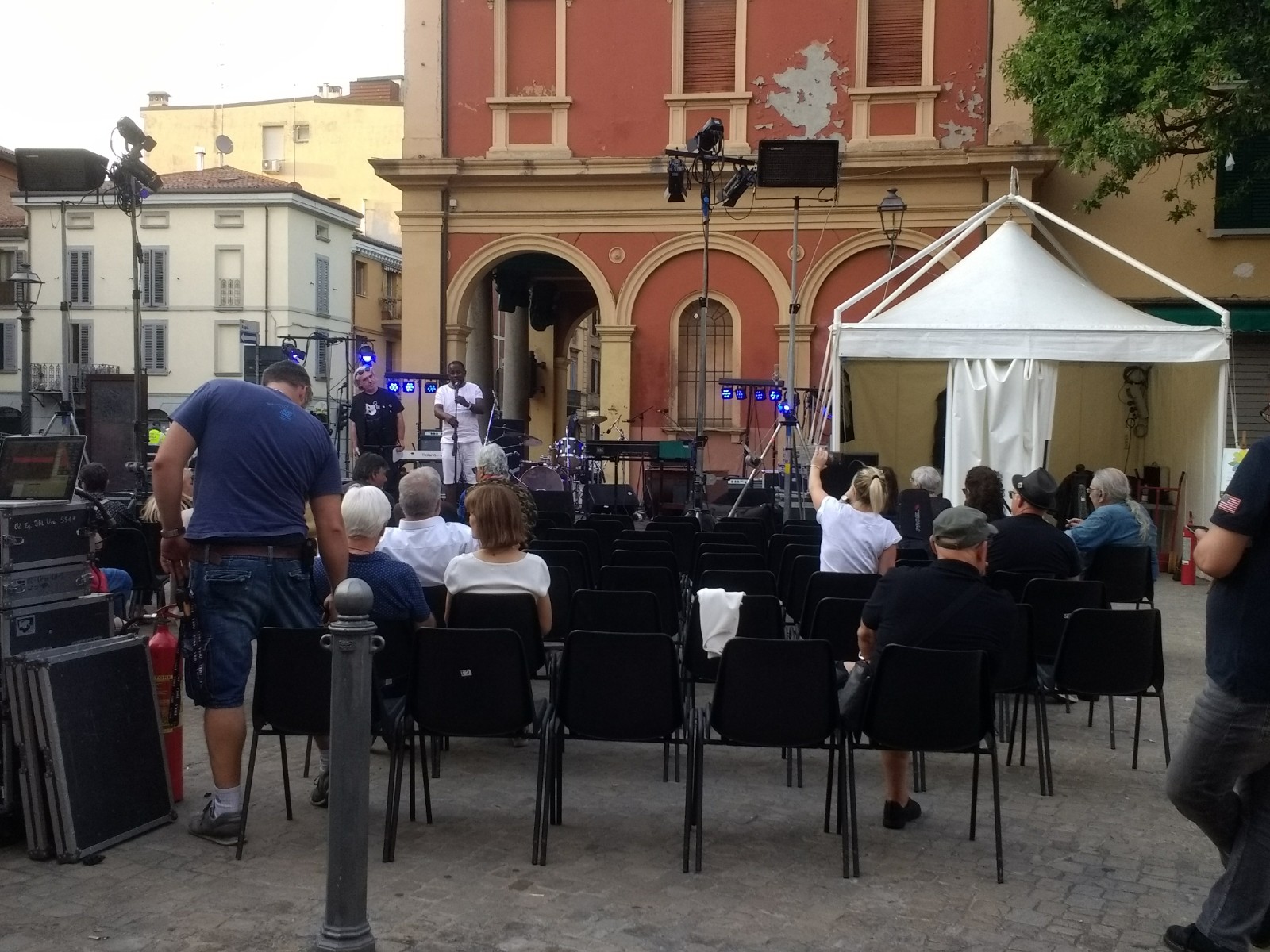
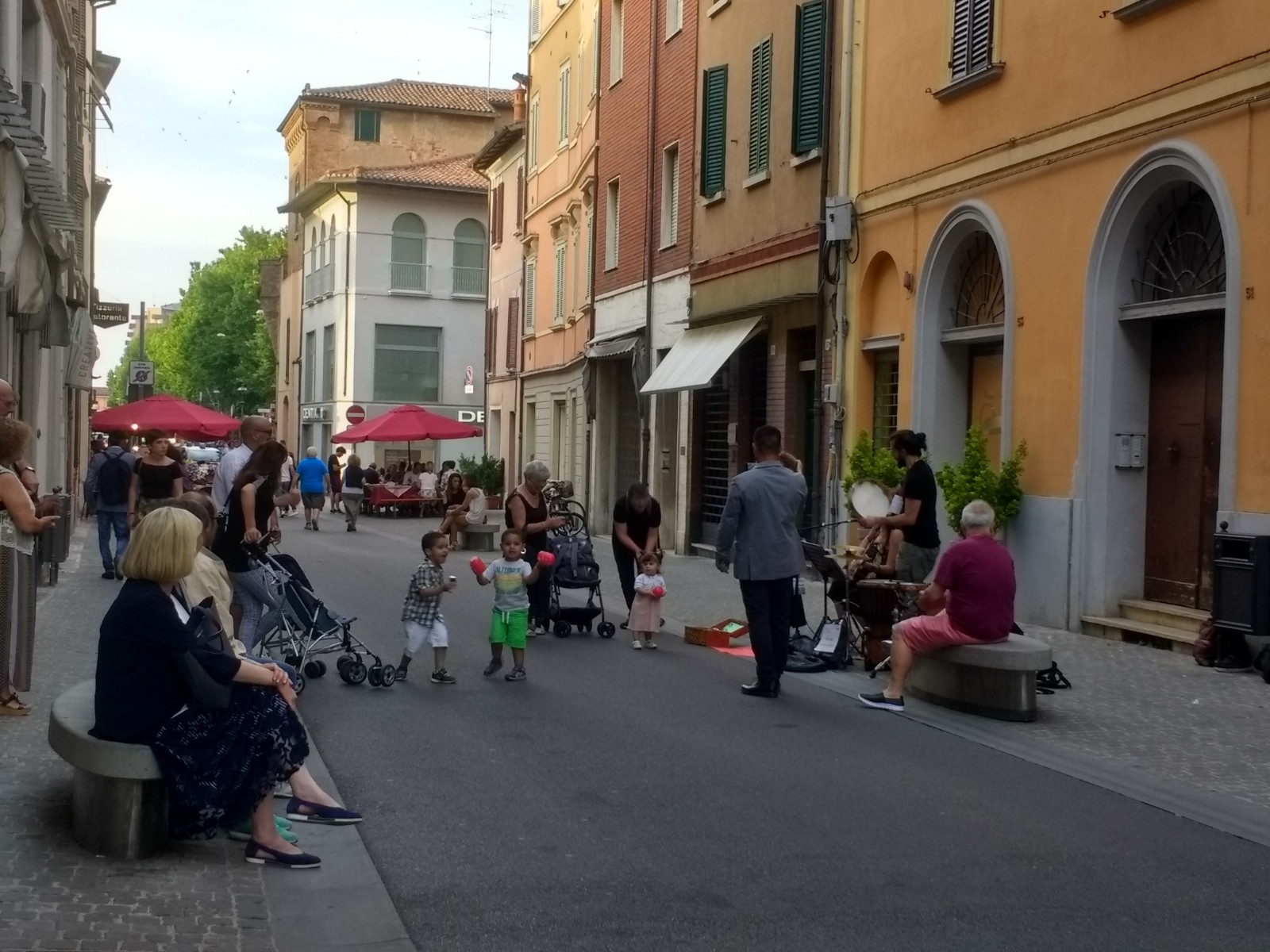
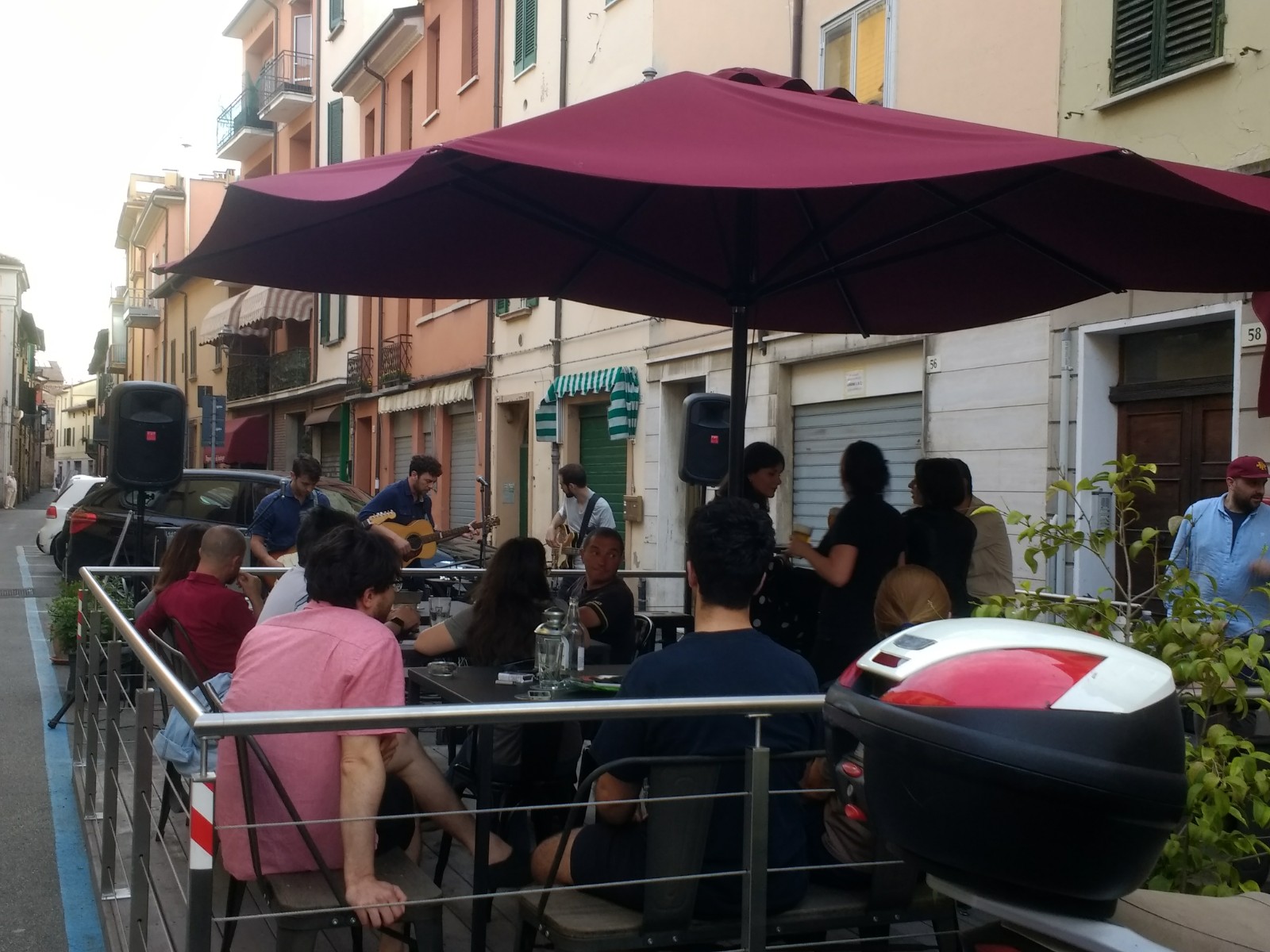
By the time we exited the castle, the local population was enjoying its evening stroll and stopping to listen to the many groups of musicians who had set up on the streets. Italian folk, didgeridoo, Afro beat, and blues were all on offer, but unfortunately rather drowned out by the over-amplified bass of the several rock groups (mostly our contemporaries in years).

We were able to enjoy our delayed pizza though, drinking in the atmosphere, before getting the train back to Bologna.

House of Carducci, National Poet

When visiting former residences in Italy, it is fairly common to find the decoration intact, but the furniture missing. It was a treat, therefore, to visit a house the other day, complete with furniture and original decoration dating back over one hundred years.

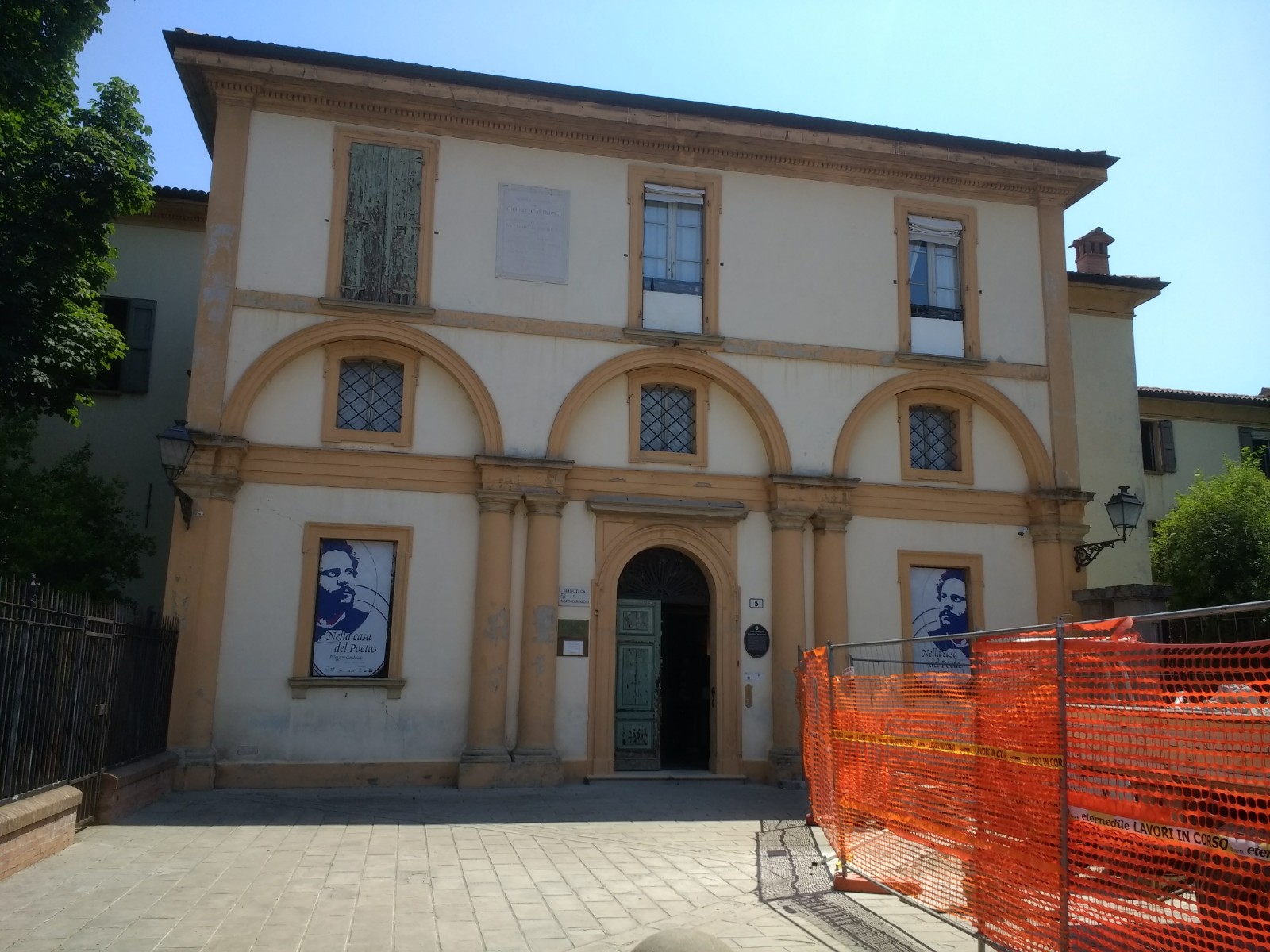
Casa Carducci

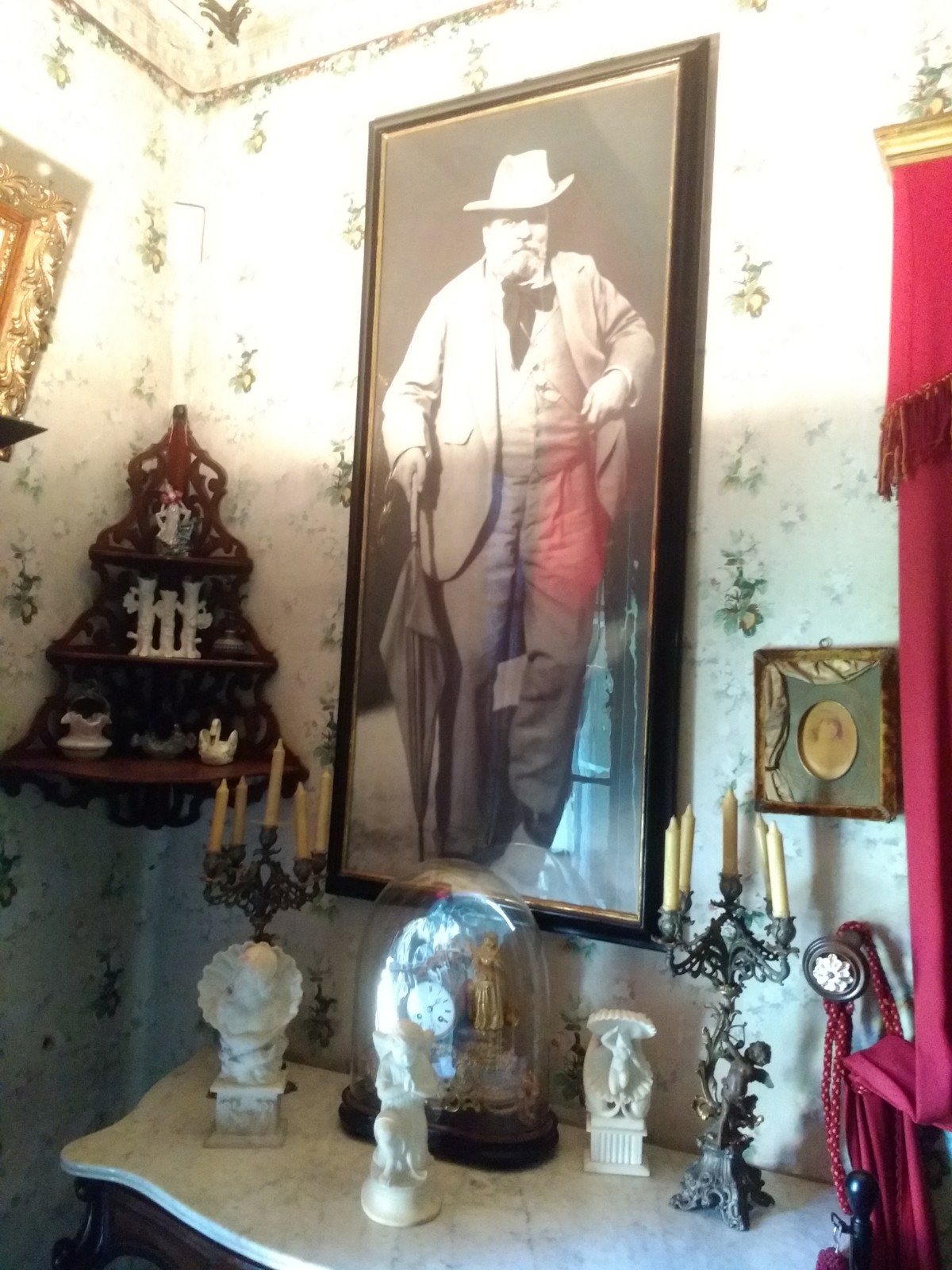
The house once belonged to Giosue Carducci (1835-1907) considered the official national poet of modern Italy. Born in Tuscany, he and his wife moved to Bologna in 1860 in order for him to take up a post teaching Italian Literature at the university, at the time of the Risorgimento (Italian re-unification) when Italy was still a monarchy.

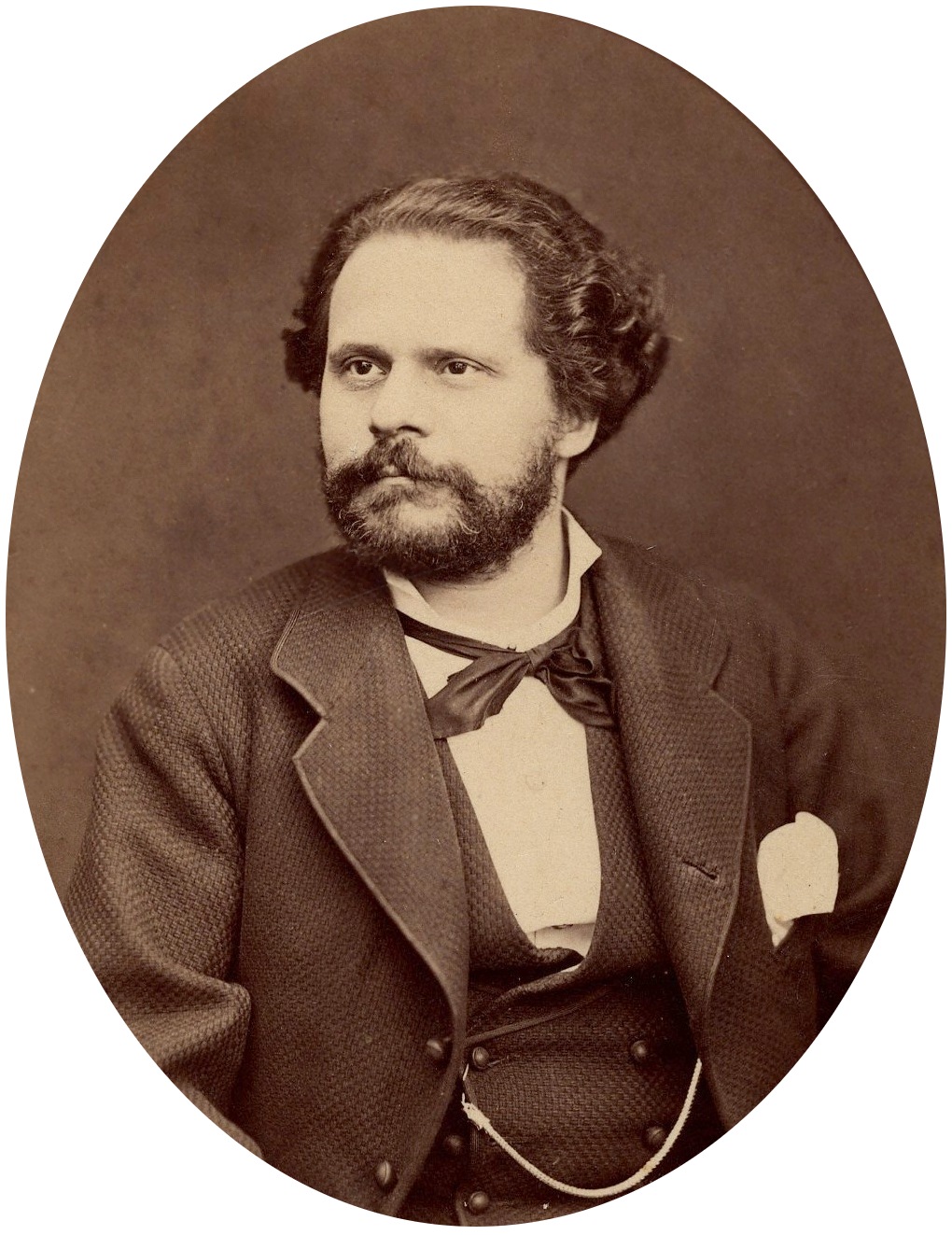
Carducci as a young man

After living in Bologna for thirty years, he sought larger accommodation for himself, his wife, four children and huge library of books, finding it on a piazza between two of the city gates.

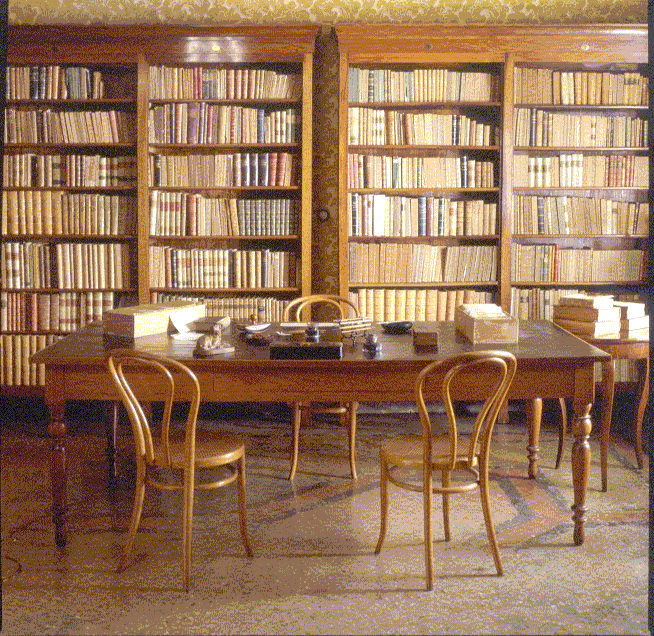
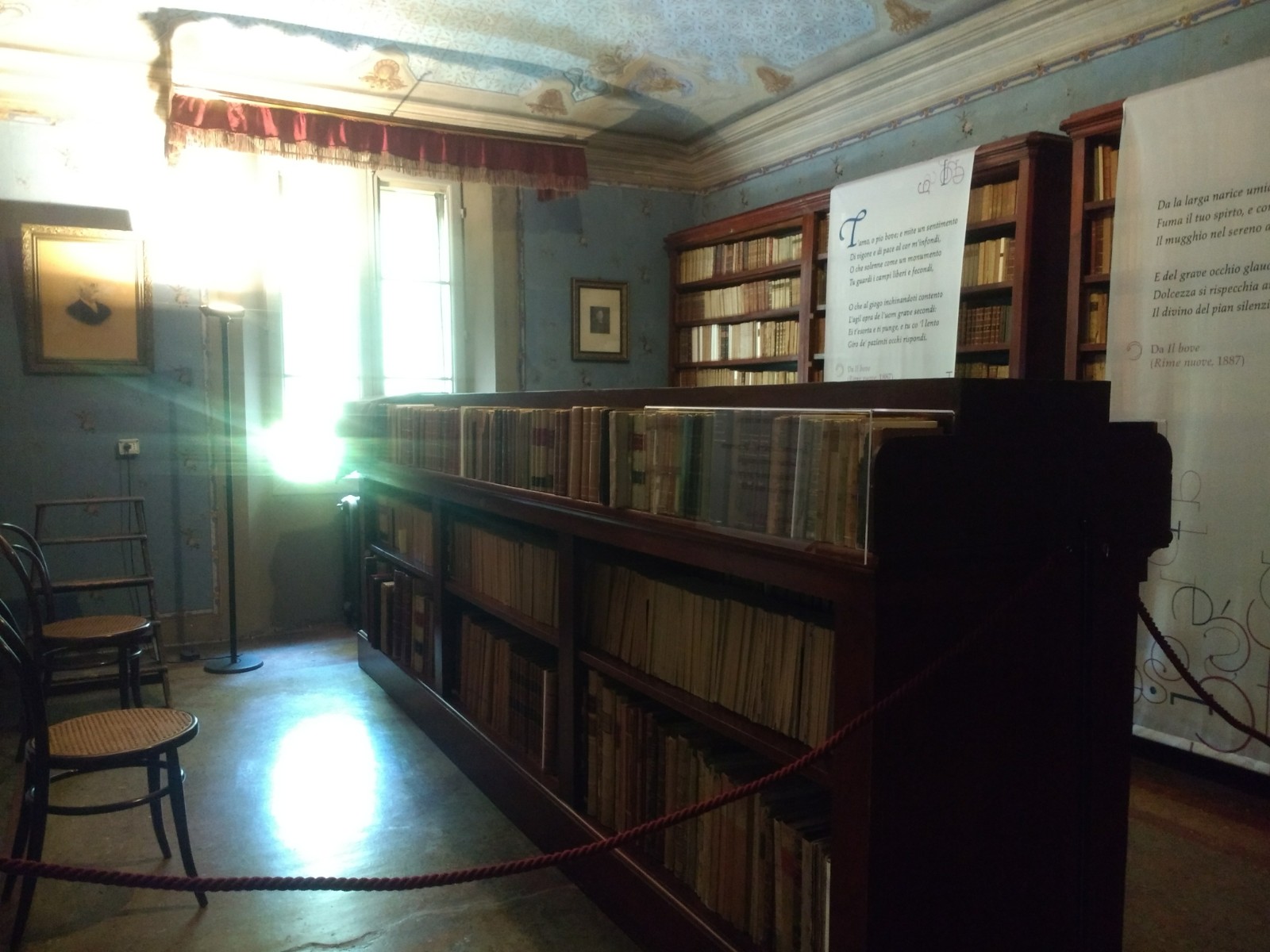
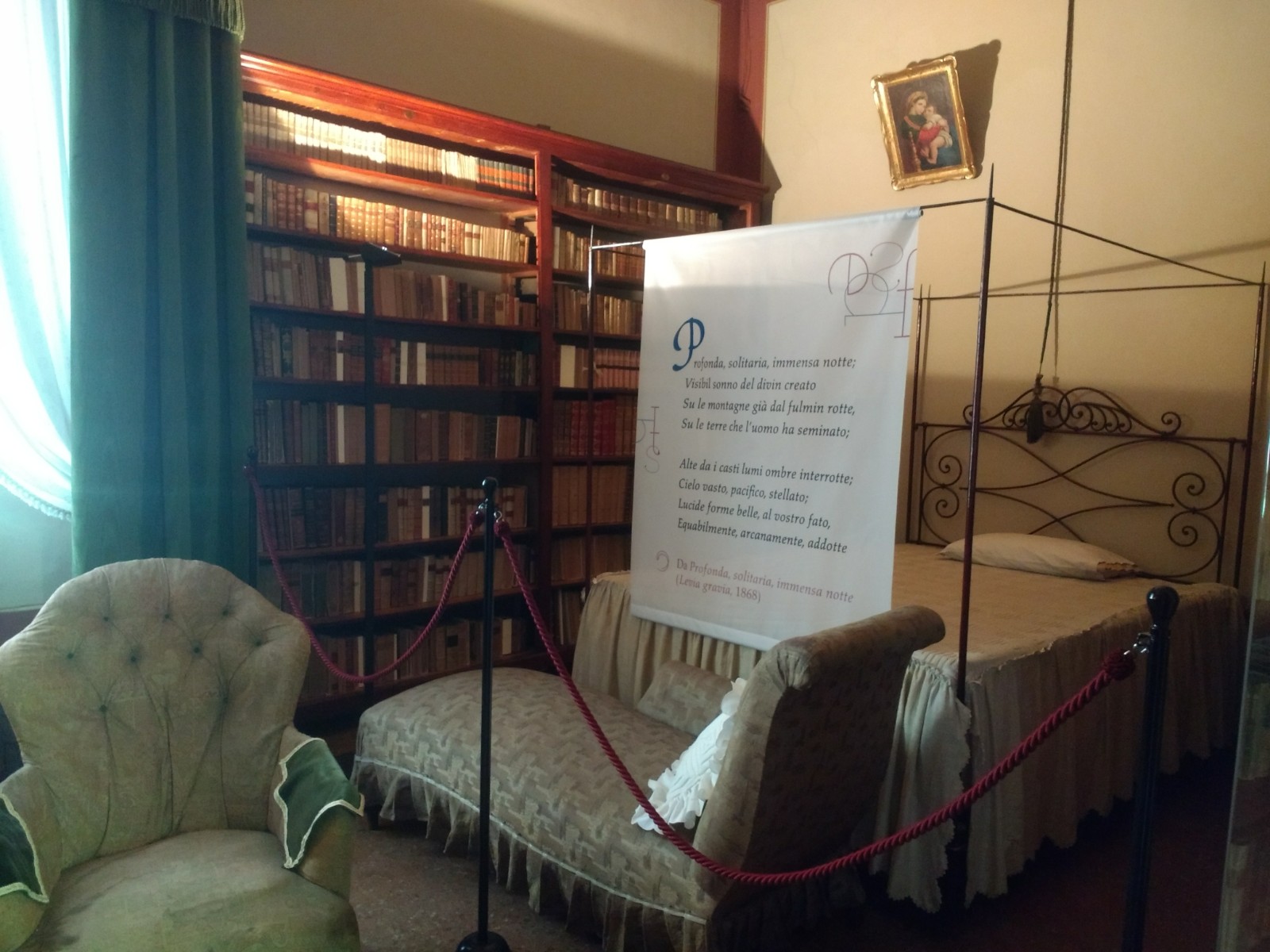
The Library
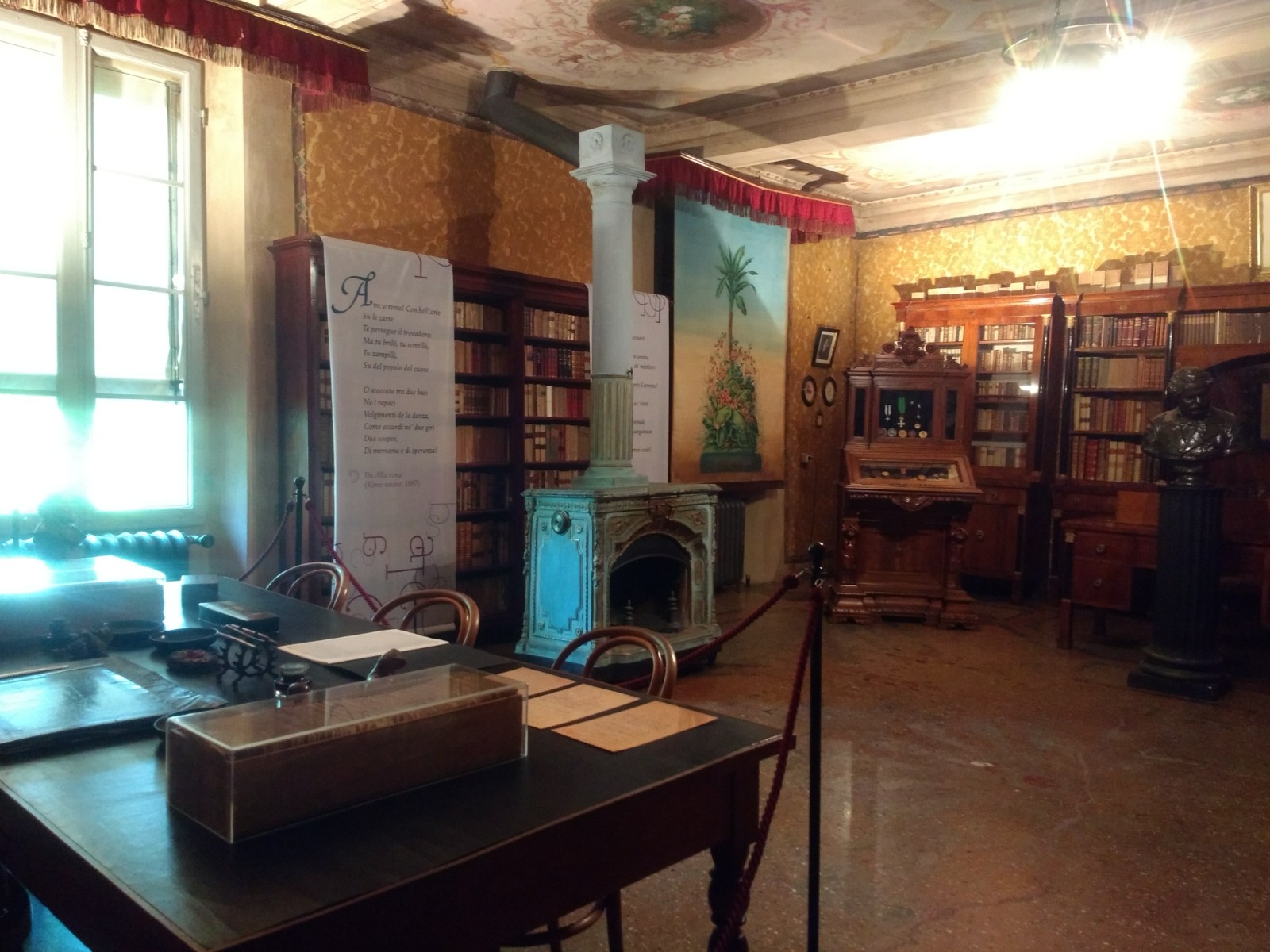
The poet’s writing table in the library.
Photo: Riccardo Viahov (BACN)
Every room was full of books.

A popular lecturer (in 43 years he never taught the same lesson twice) he was a severe critic of literature and society, as well as being a fierce atheist.

In 1906 Carducci was the first Italian to be awarded the Nobel prize for literature.

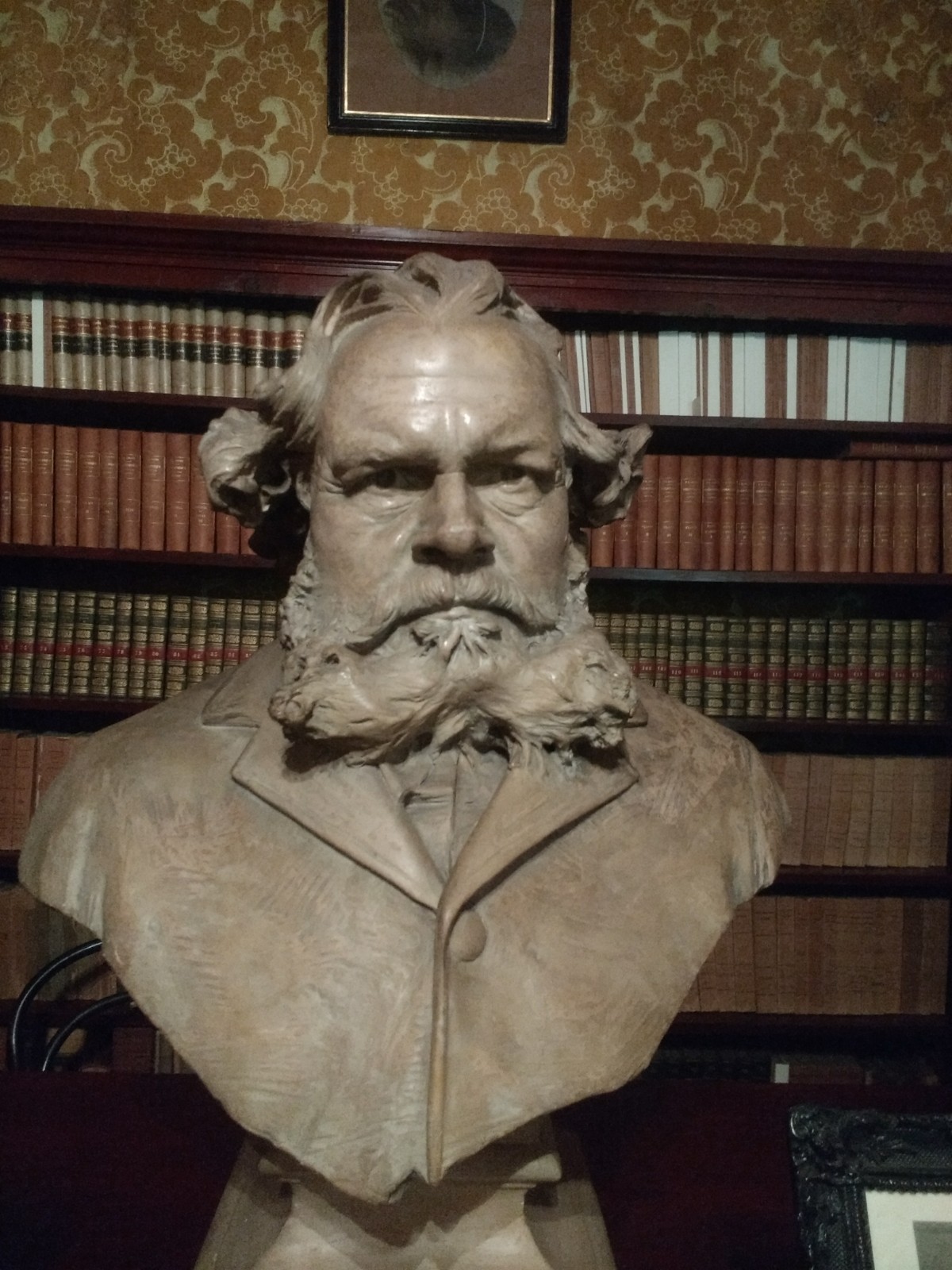
Bust of Carducci
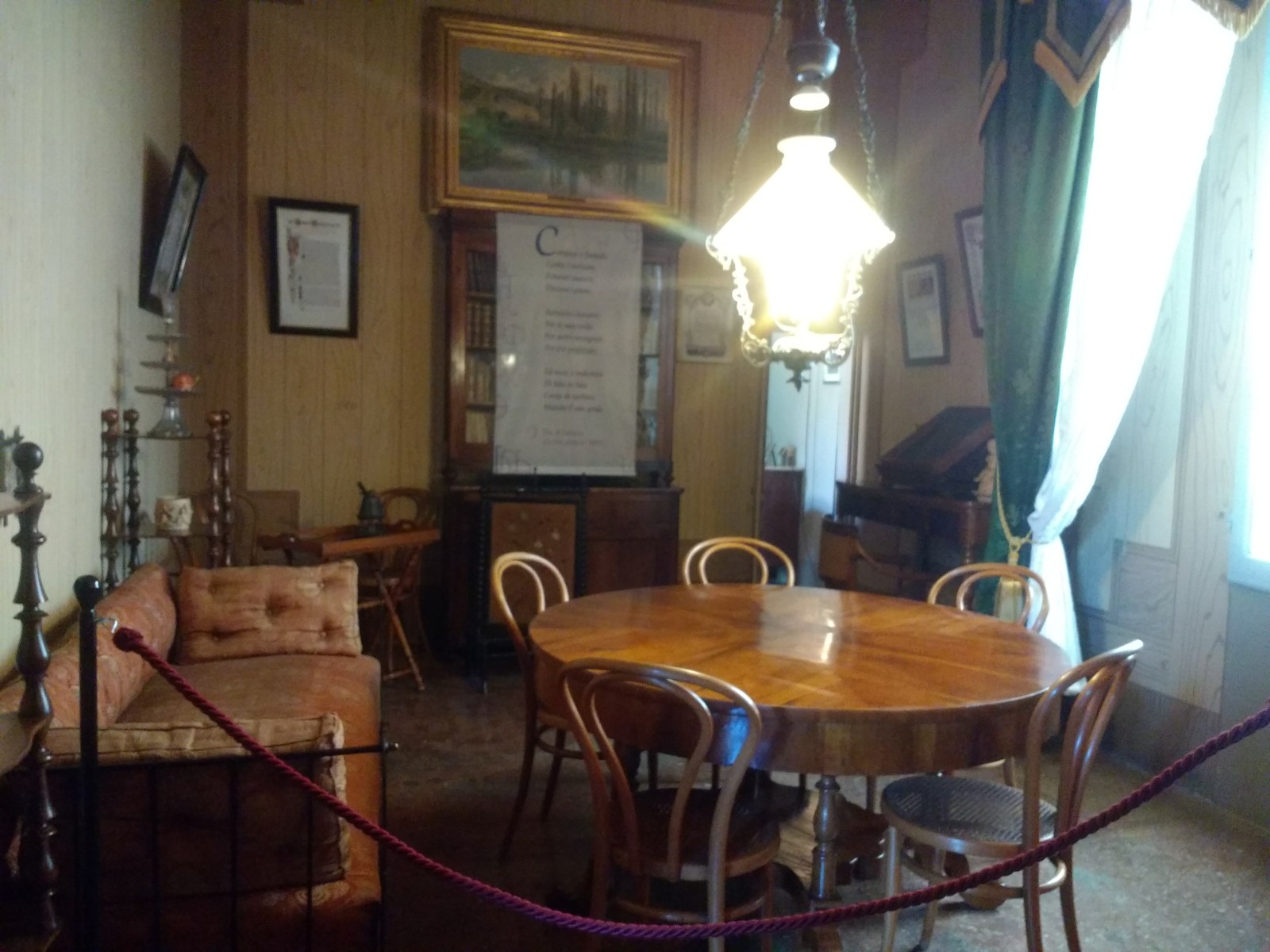
The Dining-Room
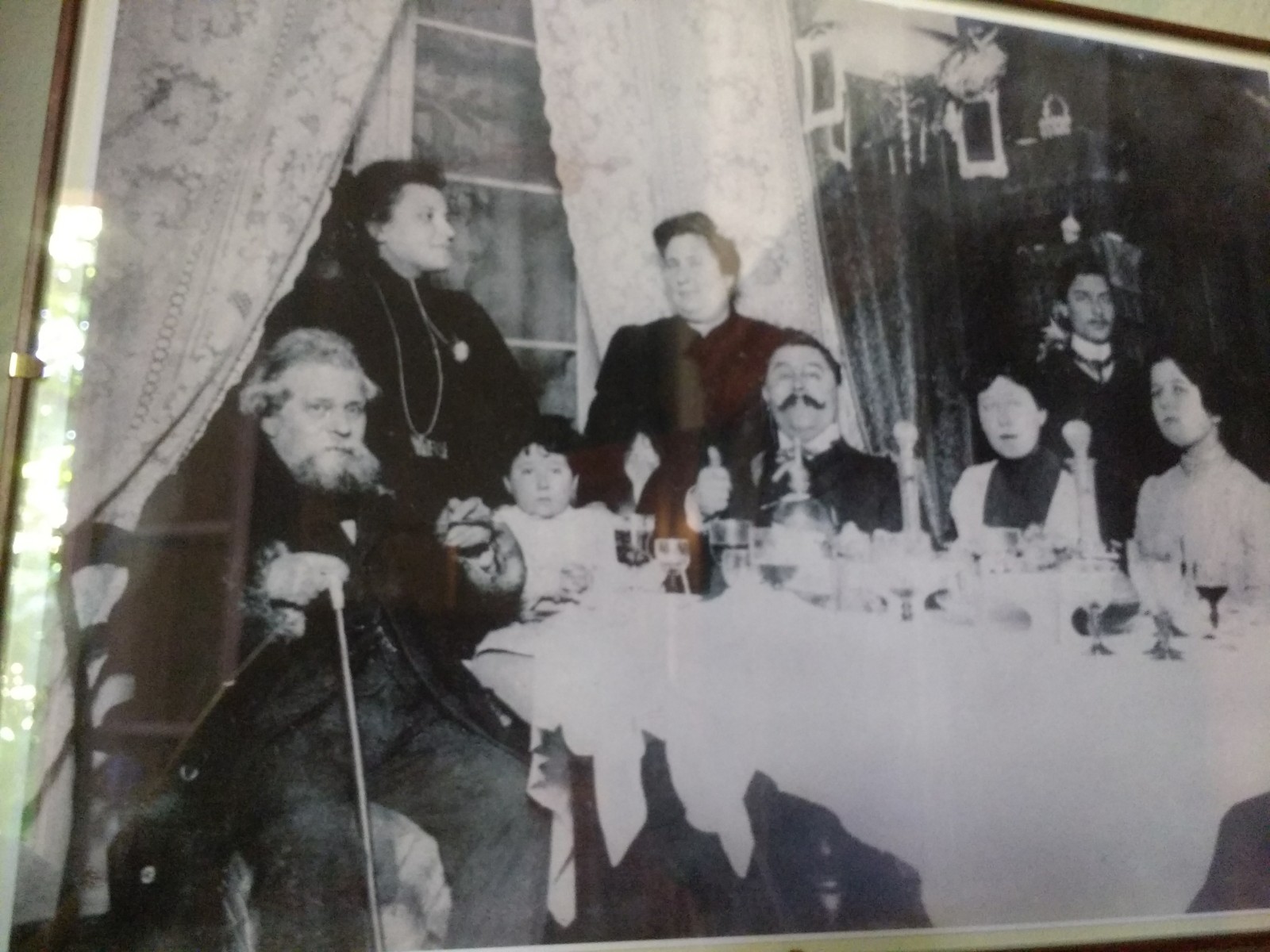
An image of the Carducci family round the table in the dining-room.
Carducci
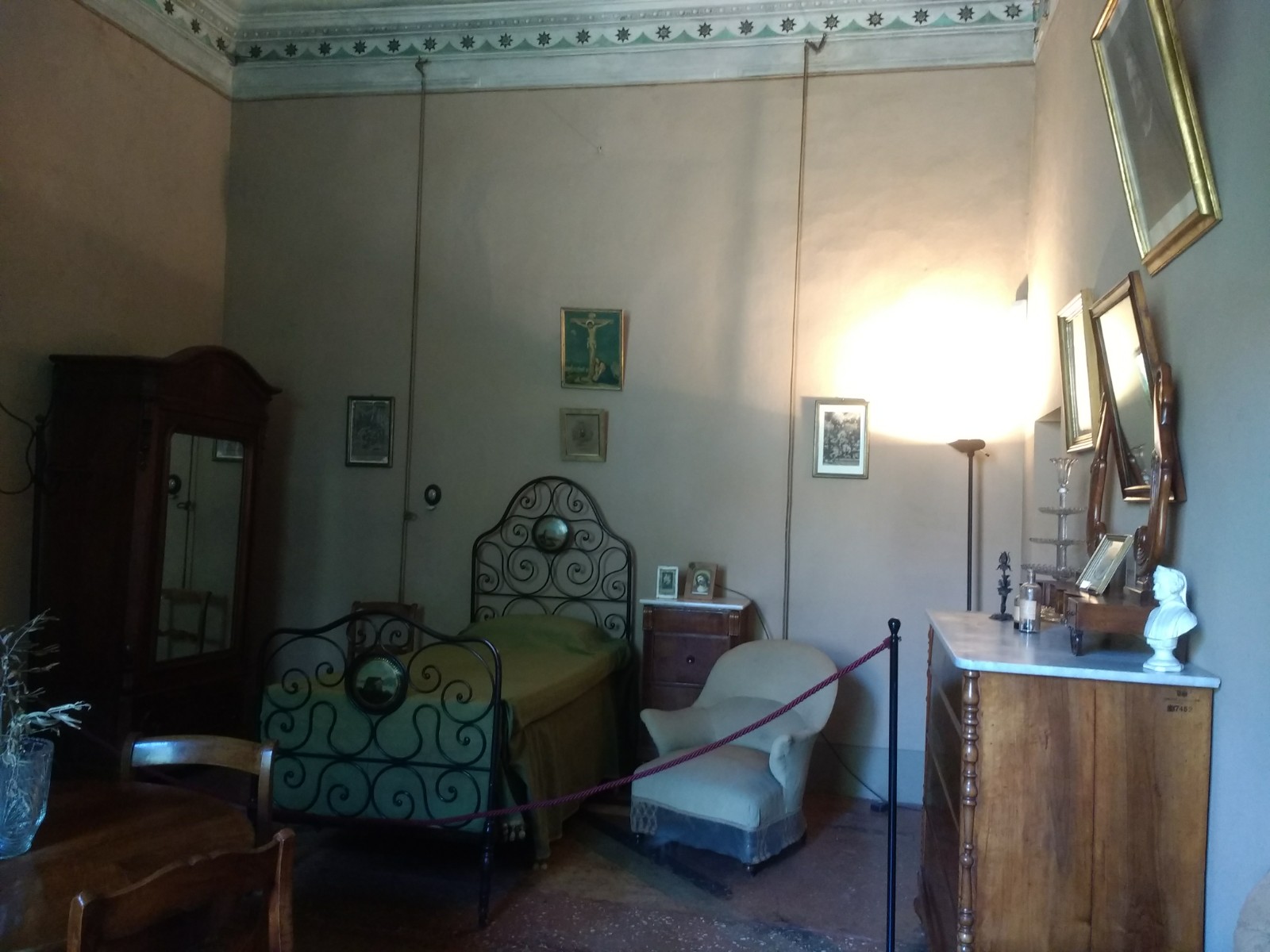
Carducci’s bedroom
The bedroom of Carducci’s wife
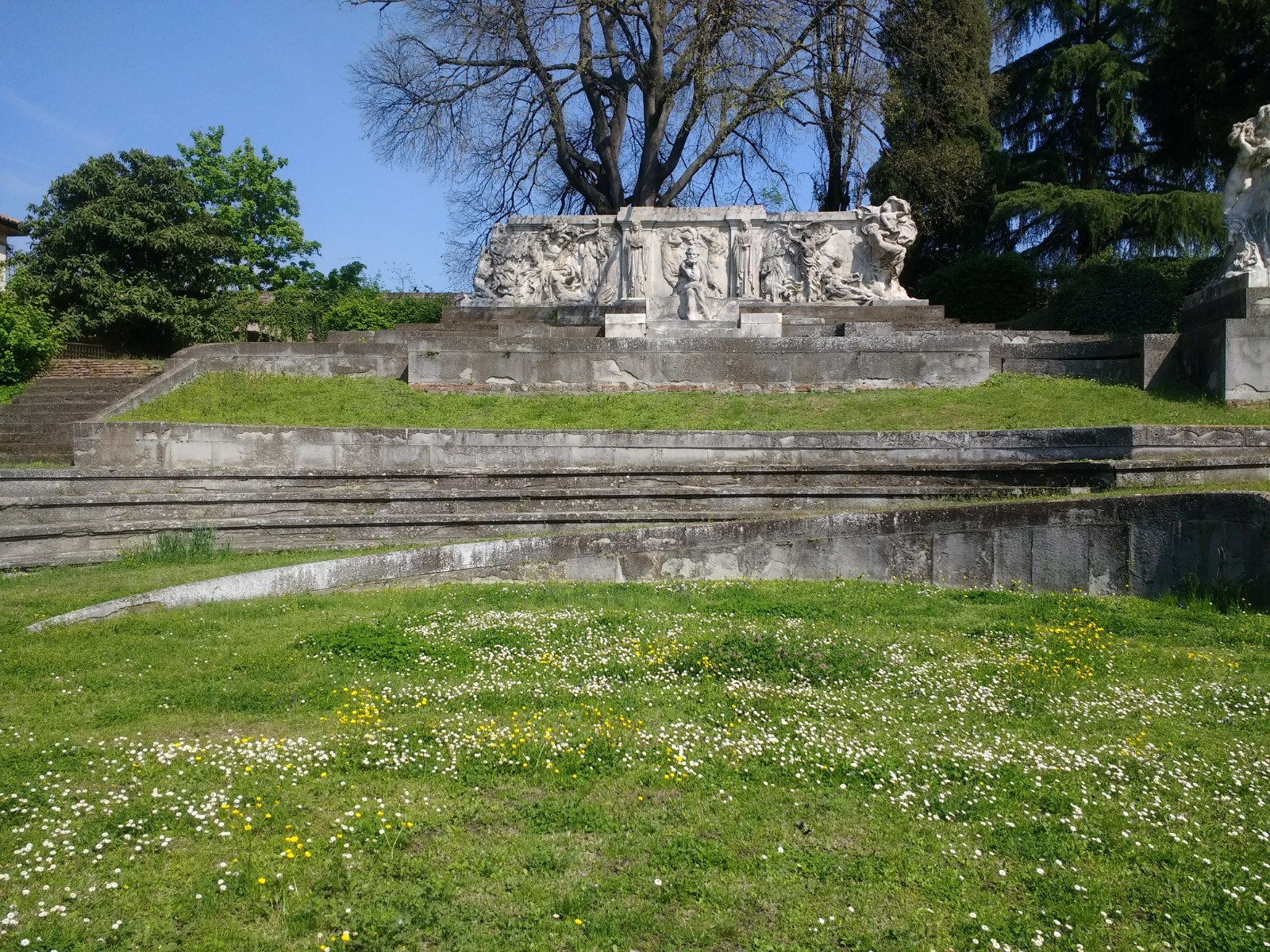
The imposing memorial to Giosue Carducci by the sculptor Leonardo Bistolfi.
The area is fenced off and this is as close to it as you can get.

The walls and carpets in the house show much sign of past water damage, but when we indicated this to the room volunteer (you are always accompanied in Italian museums for security reasons) he shrugged his shoulders and raised his eyes as if to say, ‘I know, but what can you do?’ so we can’t tell if the problem has been rectified, or is continuing.

At some point, work will need to be carried out on the original, peeling wallpaper if it is not going to deteriorate further.

The Ferrari Museum, Modena

Having visited Modena, a Mecca for car enthusiasts, a few weeks ago, but having omitted to mention even a single Ferrari motor car, we thought we’d better remedy the situation and today visited the Ferrari Museum (but not the factory as well. Come on, you can have too much of a good thing).

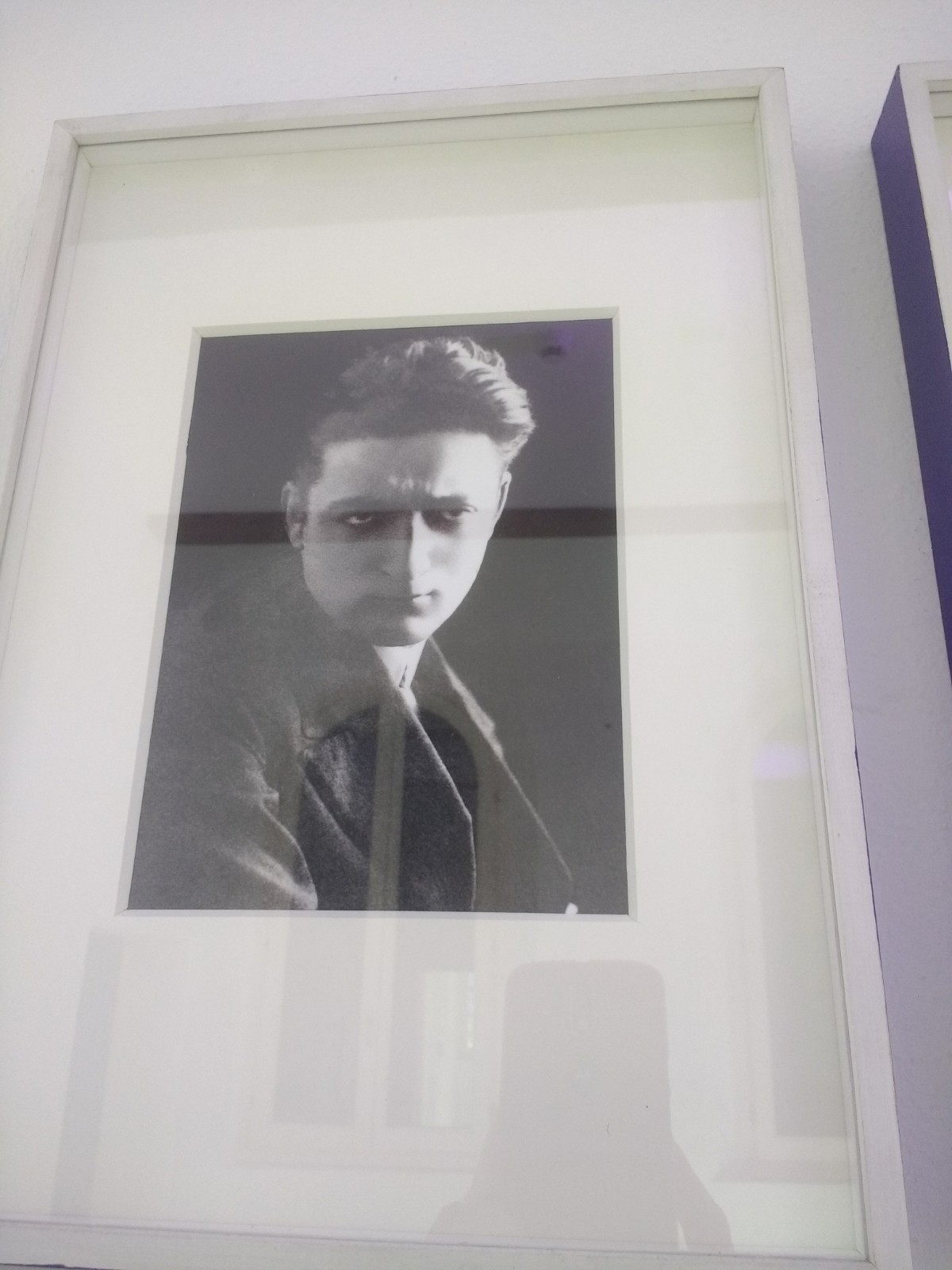
The Ferrari motor company is down to Enzo Ferrari, who was born in Modena in 1898.

Enzo Ferrari as a young man.

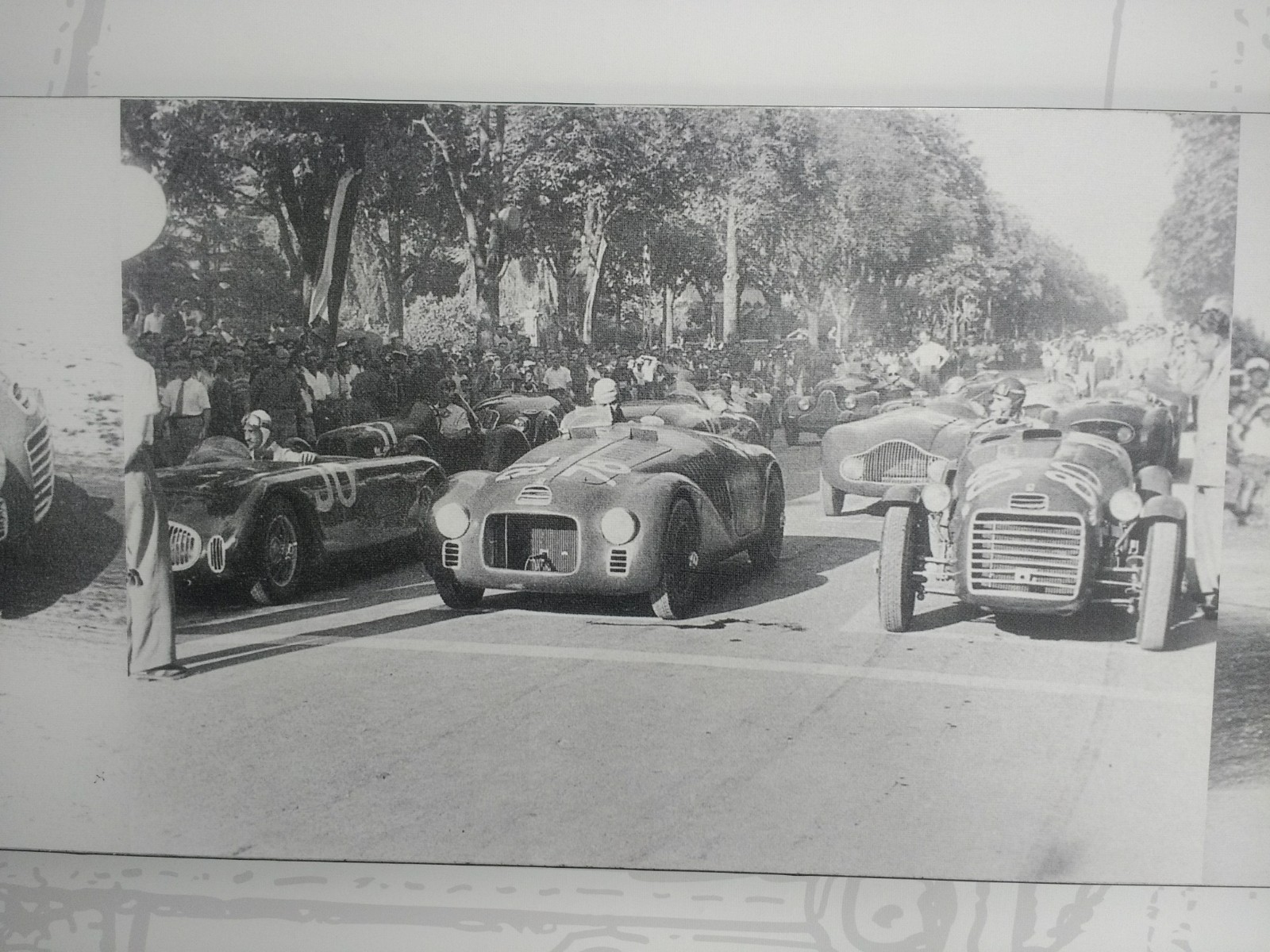
A successful racing driver, he started Scuderia Ferrari in 1929 (Scuderia Ferrari means ‘the stable of Ferrari’) to race Alfa Romeos.

An early line up for a race.

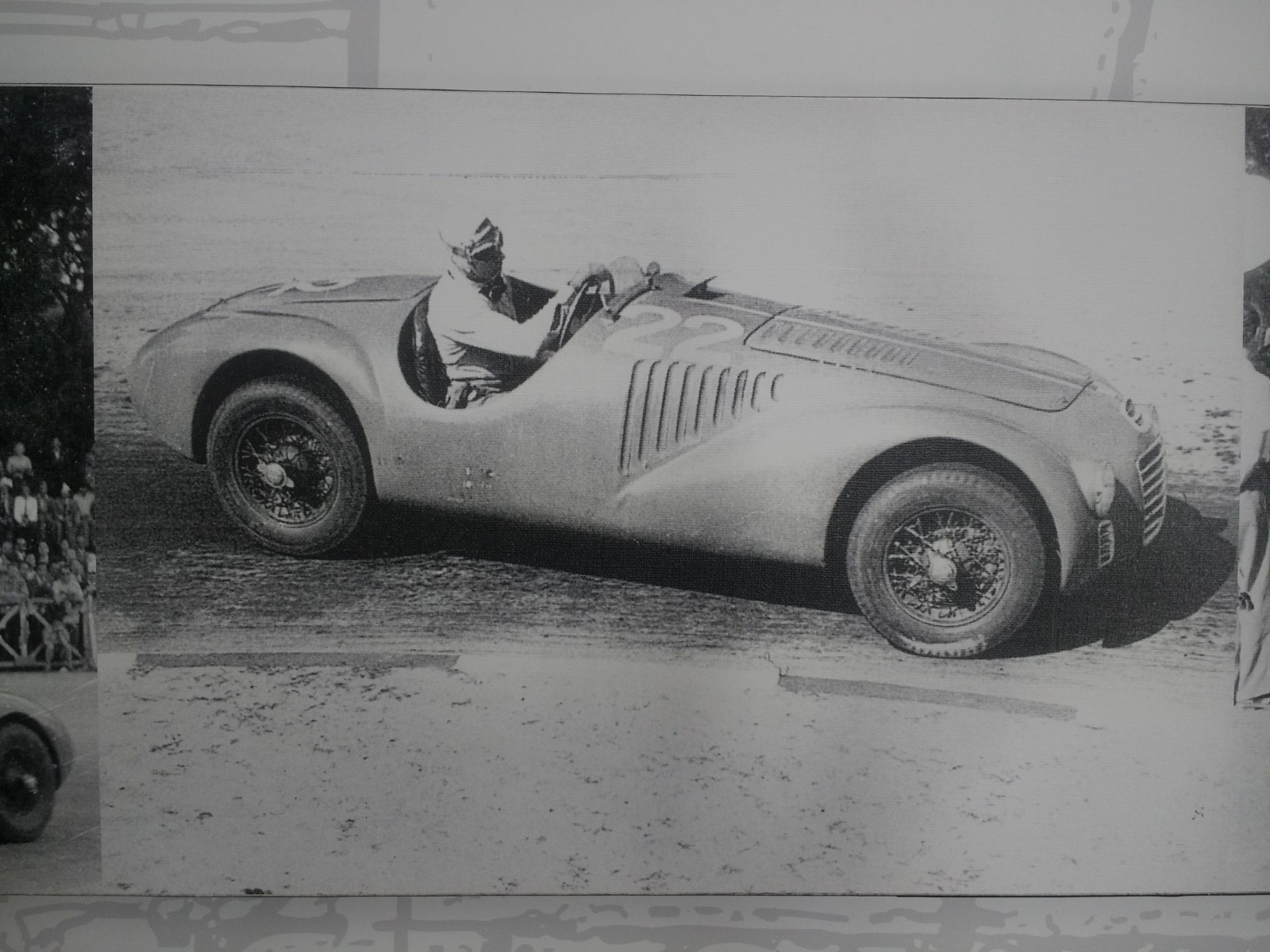
It wasn’t until 1947 that Ferrari started manufacturing cars in his own name, not in Modena, where all the work had been done up until this point, but down the road at Maranello.

The first Ferrari.

Only a few cars were sold each year to start with – three in 1947 and five in 1948. Sales figures exceeded 100 for the first time in 1957, and 1000 in 1971. In 2017 over 8000 Ferrari motor cars were sold.

Enzo Ferrari died in 1988, aged 90, having never flown in an aeroplane, never having been to Rome and never having set foot in a lift.

Now, lots of pictures. Hope you like them (especially Mick).
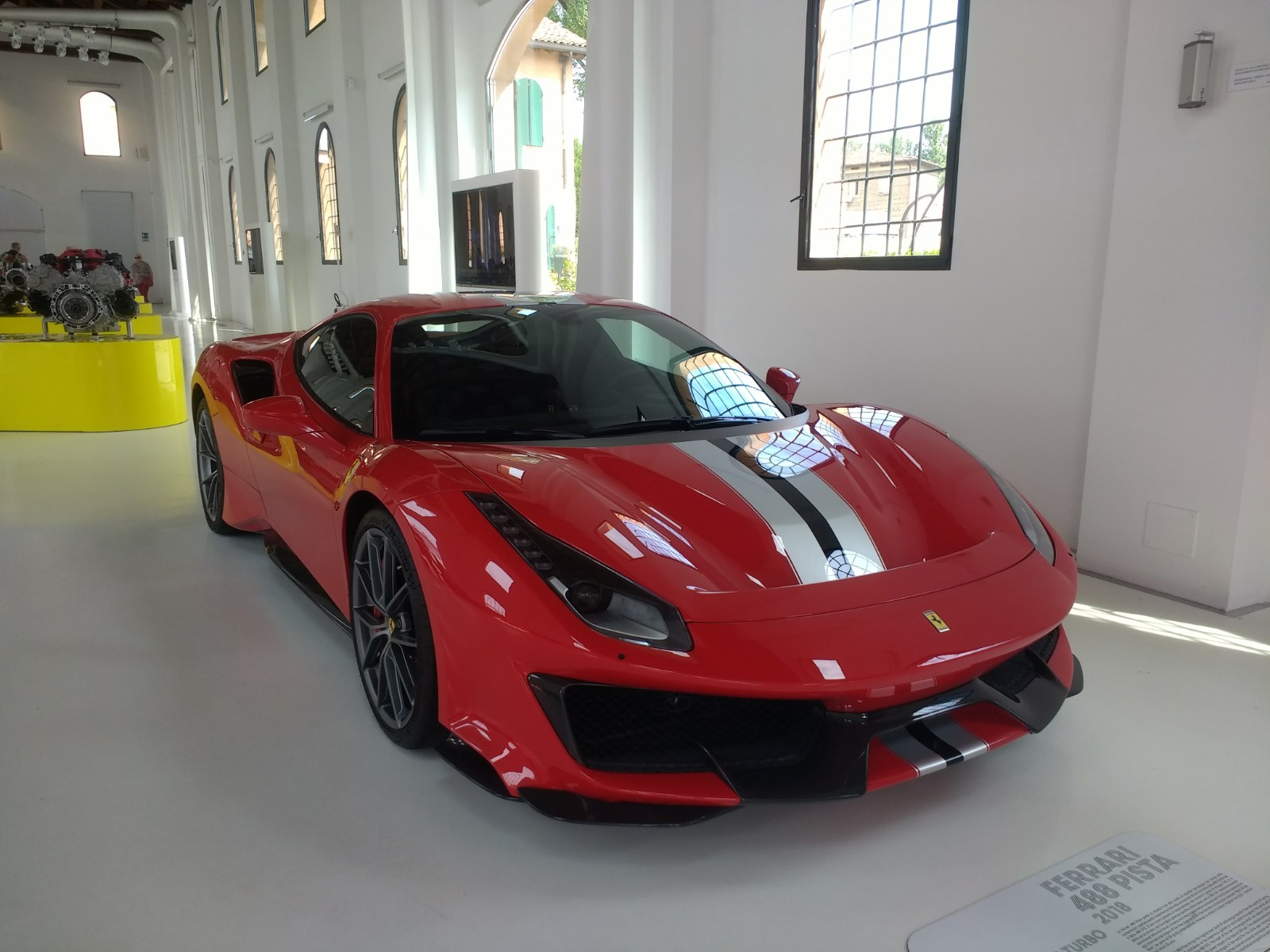
Ferrari 488 Pista
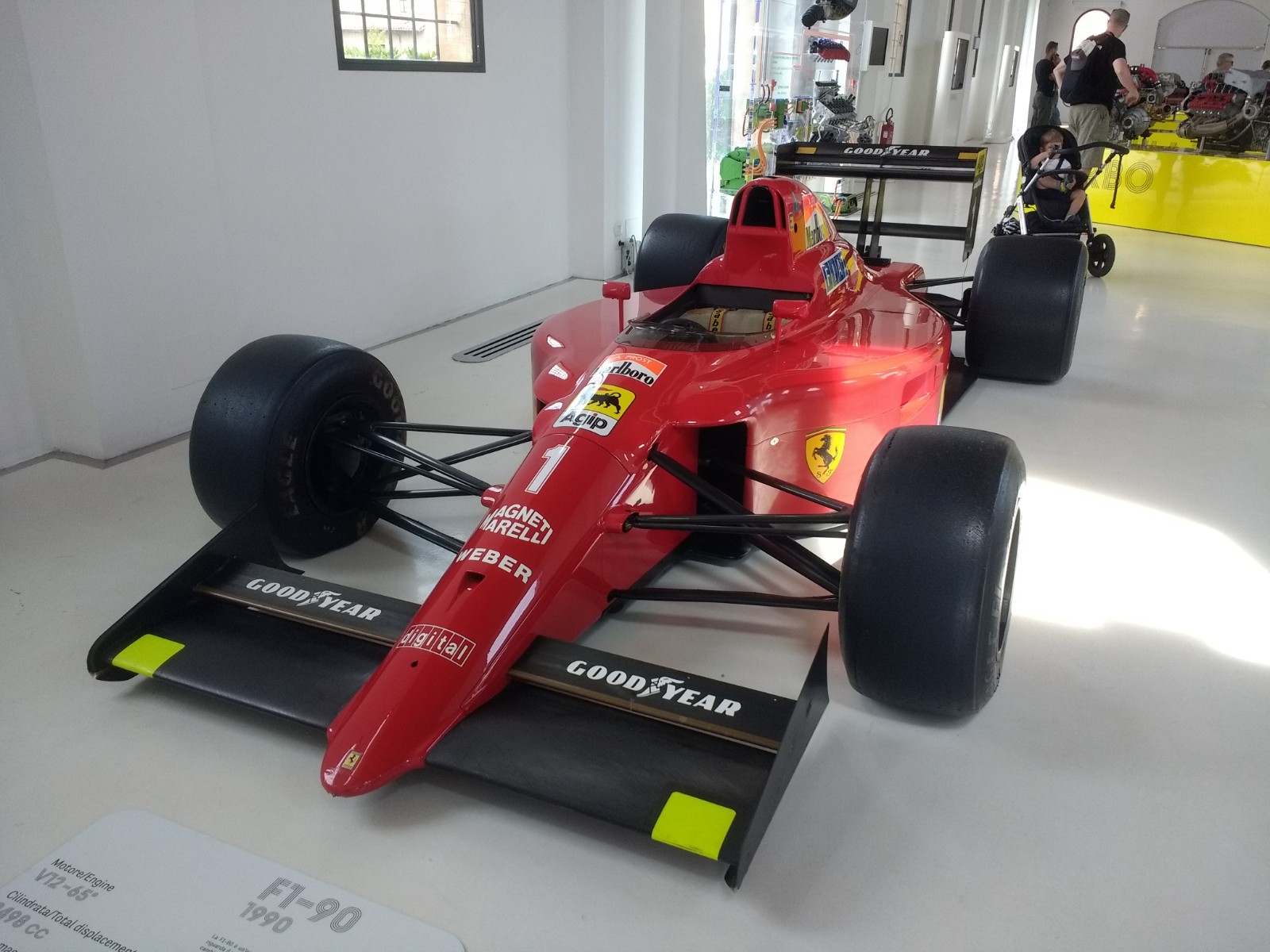
F1-90 1990
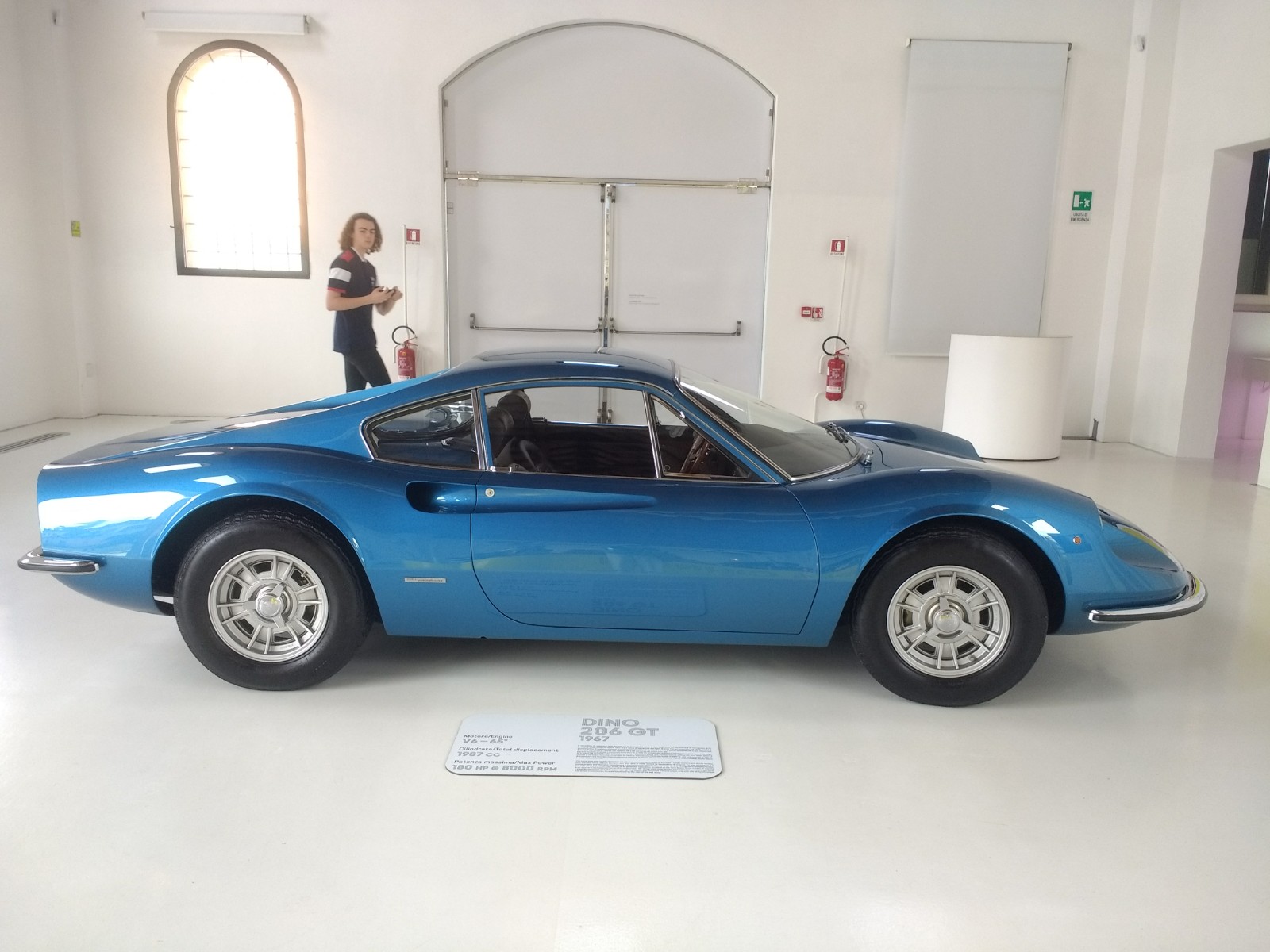
Dino 206 GT
Enzo Ferrari named this car after one of his sons who died from muscular distrophy aged 24.
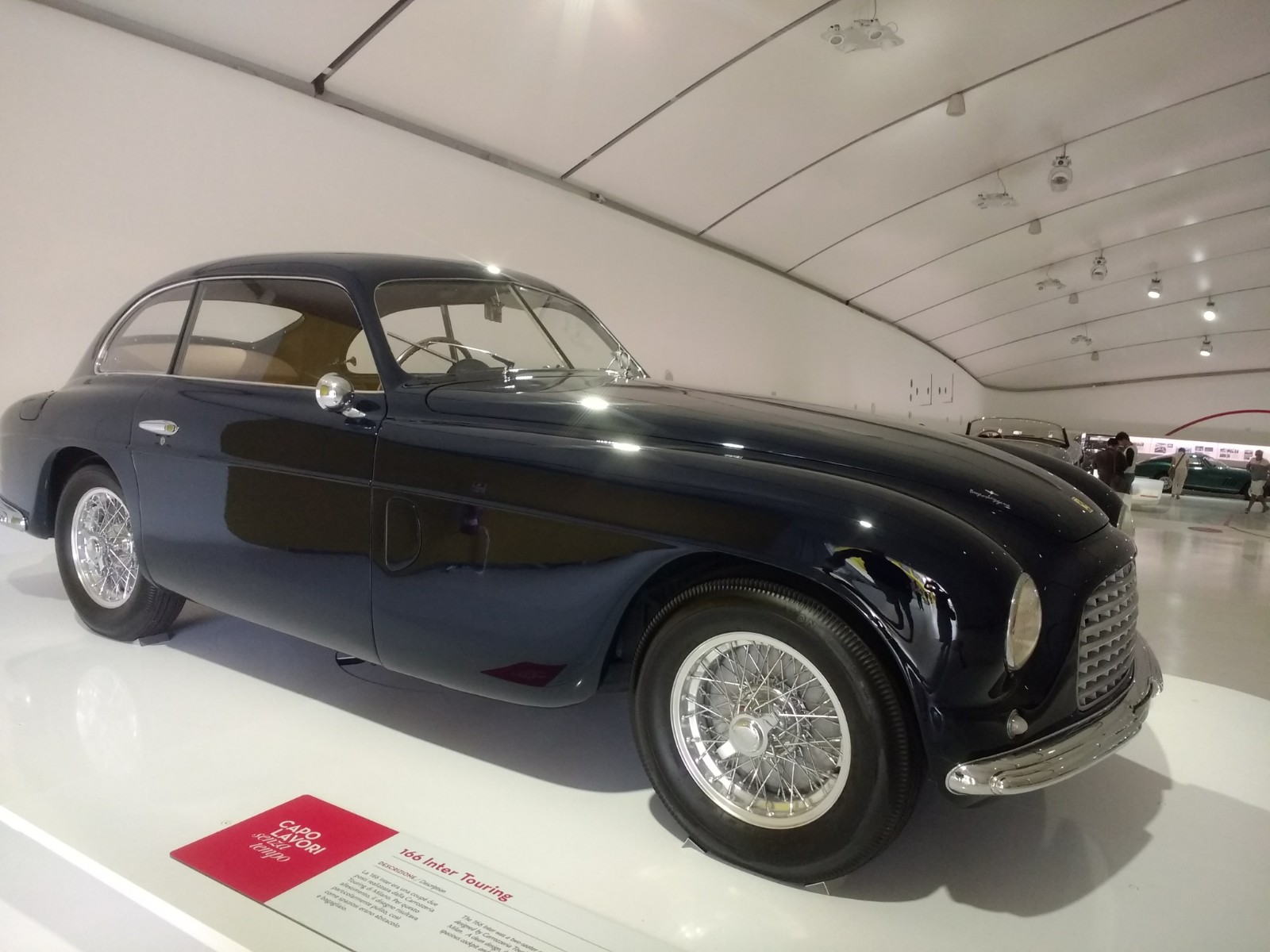
166 Inter Touring
One of these won the Mille Milglia in 1948.
The Mille Miglia was only run eleven times after the Second World War. Ferrari entered ten of those years and won the race eight times.
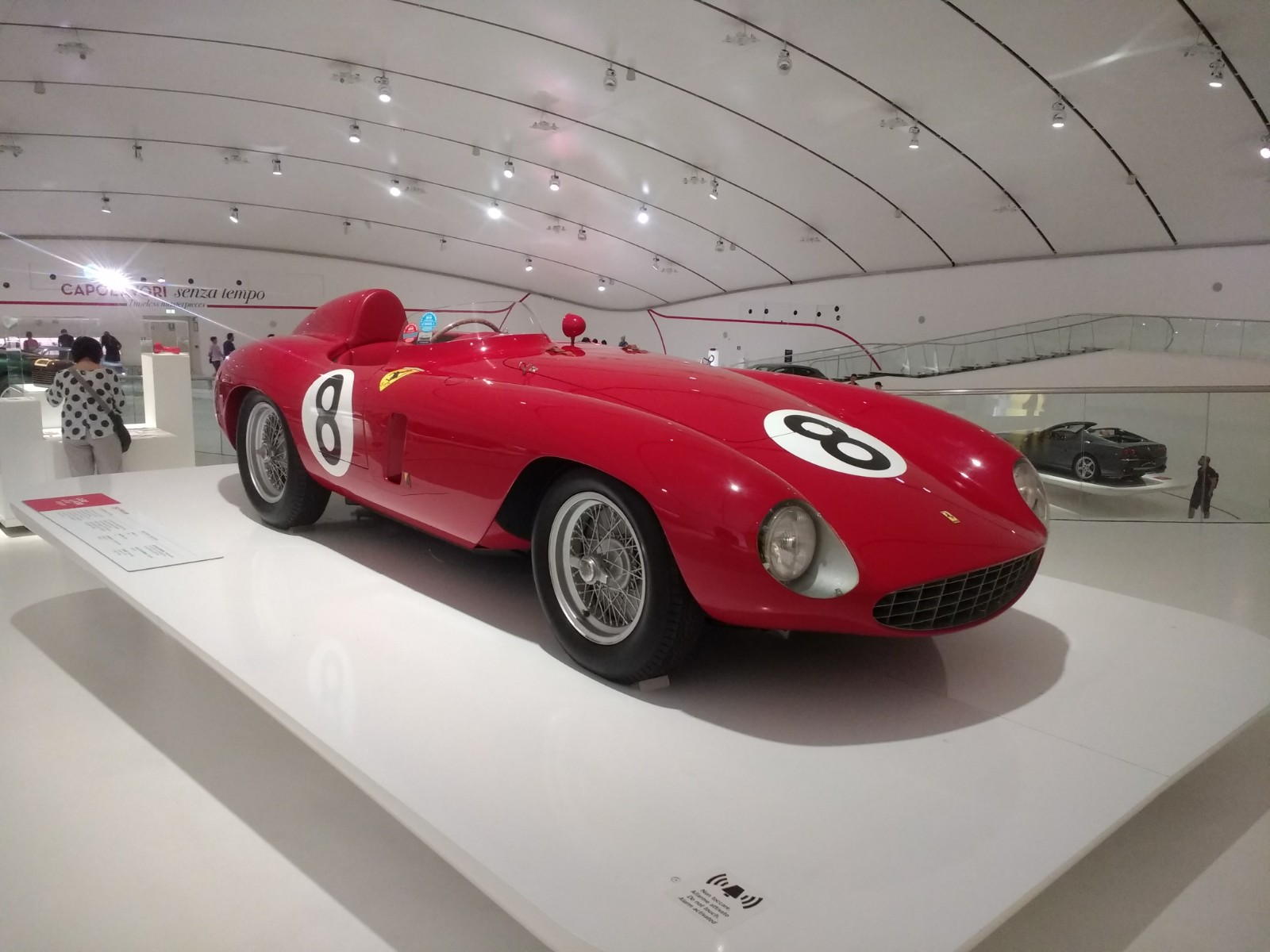
750 Monza
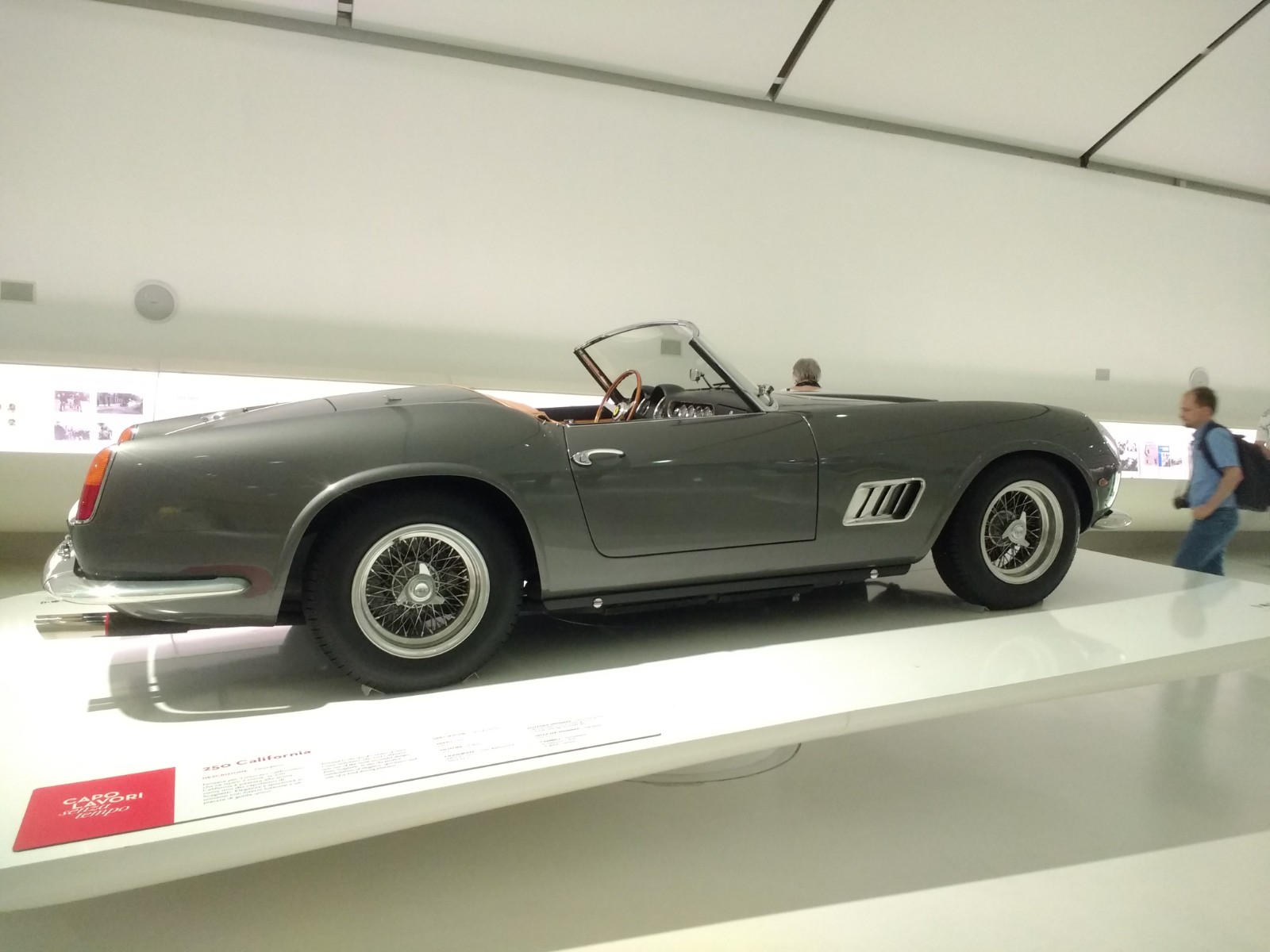
250 California (Mark’s favourite, but he’d really prefer it in Ferrari red).
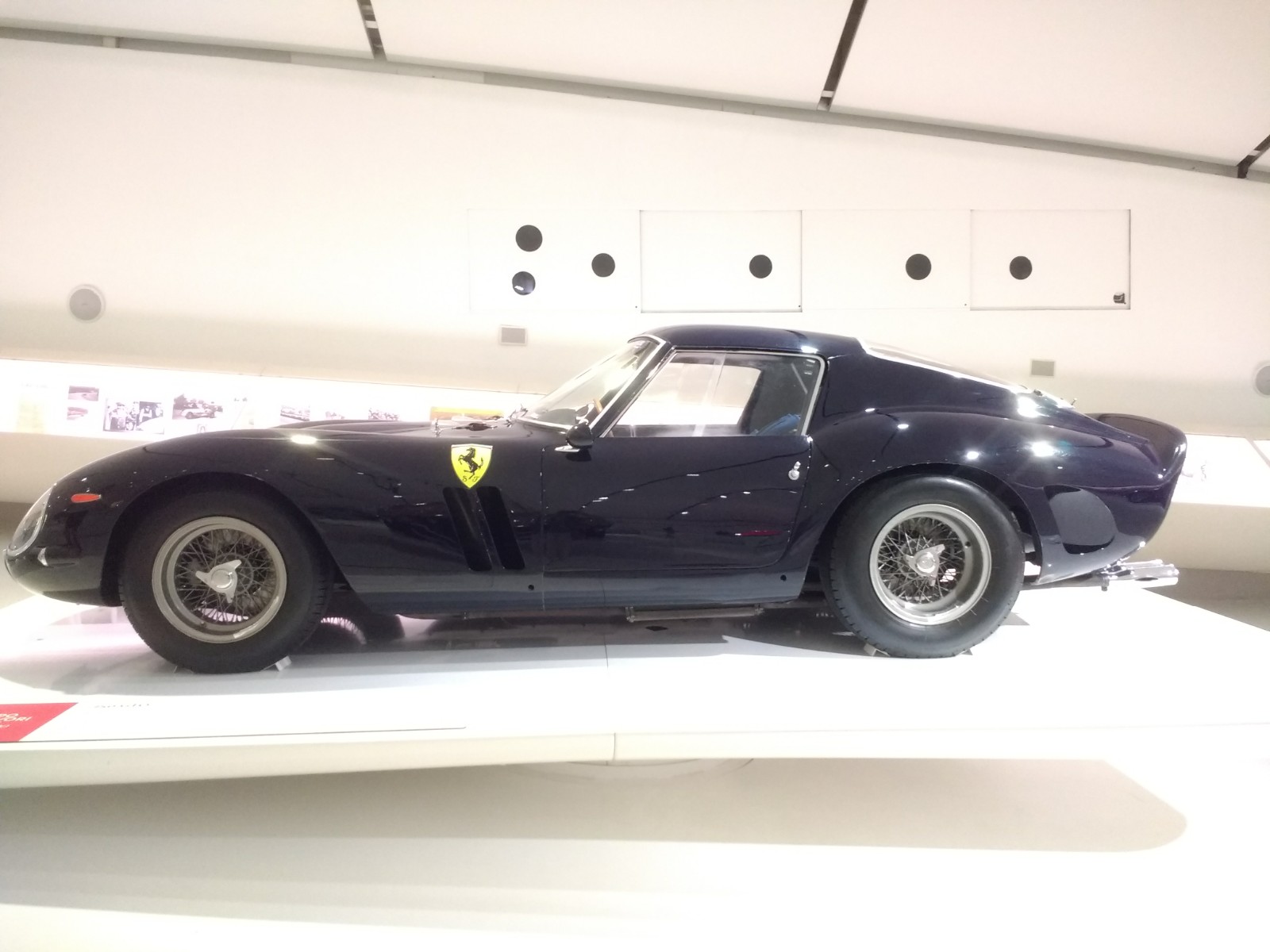
250 GTO
A car like this was recently valued at £45 million.
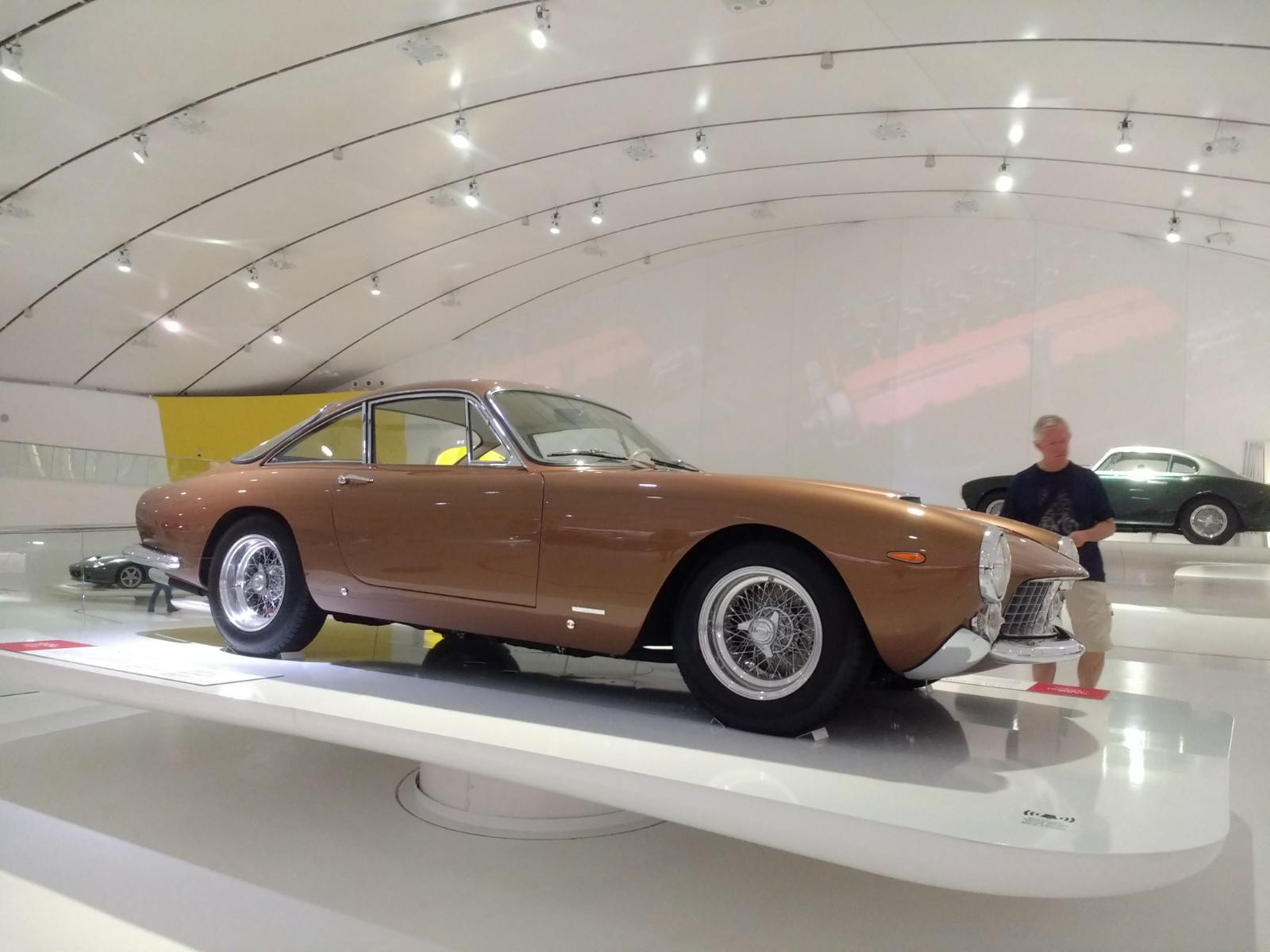
250 GTBerlinette Lasso
This was one of my favourite models.
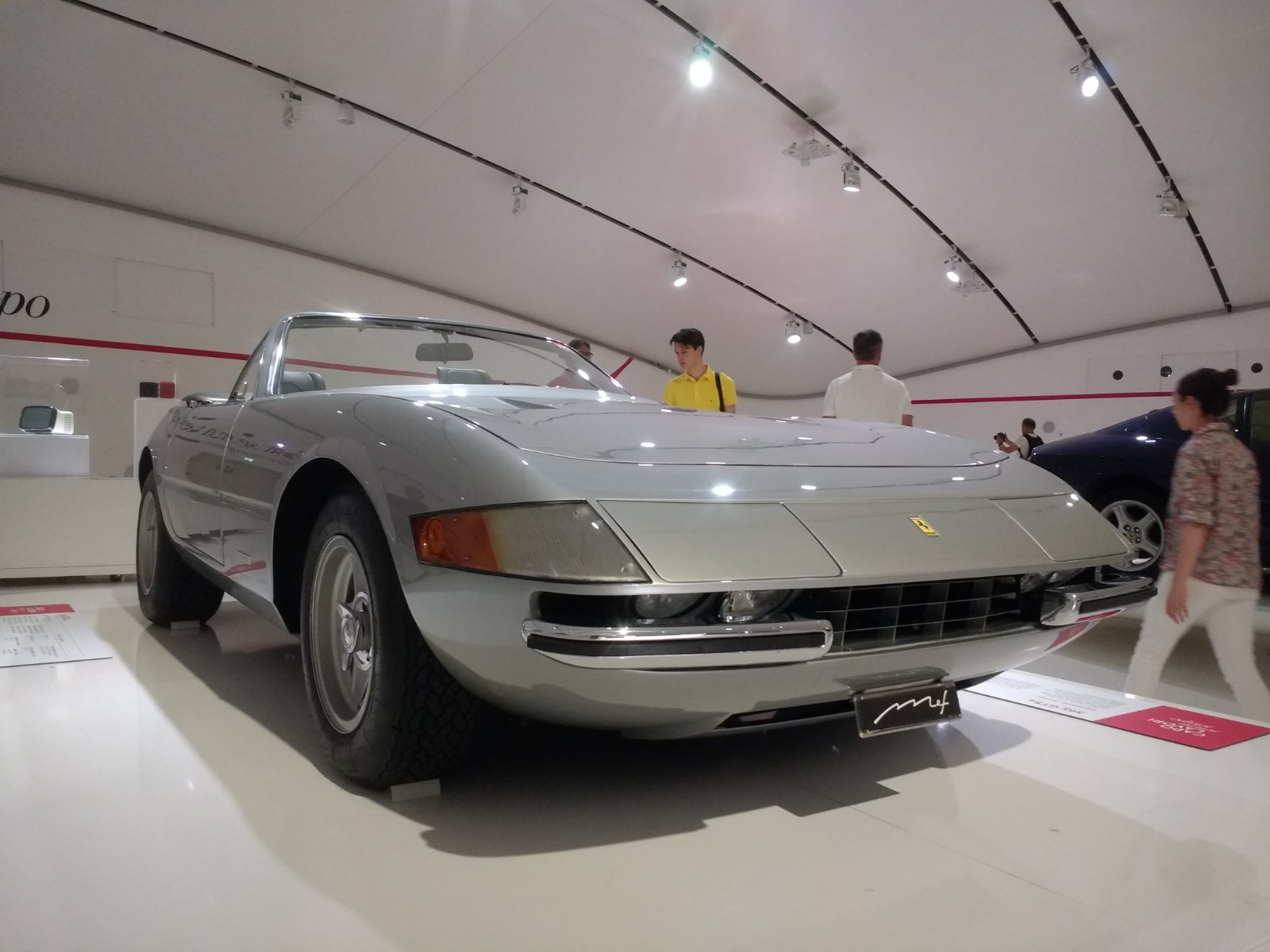
365 GTS4
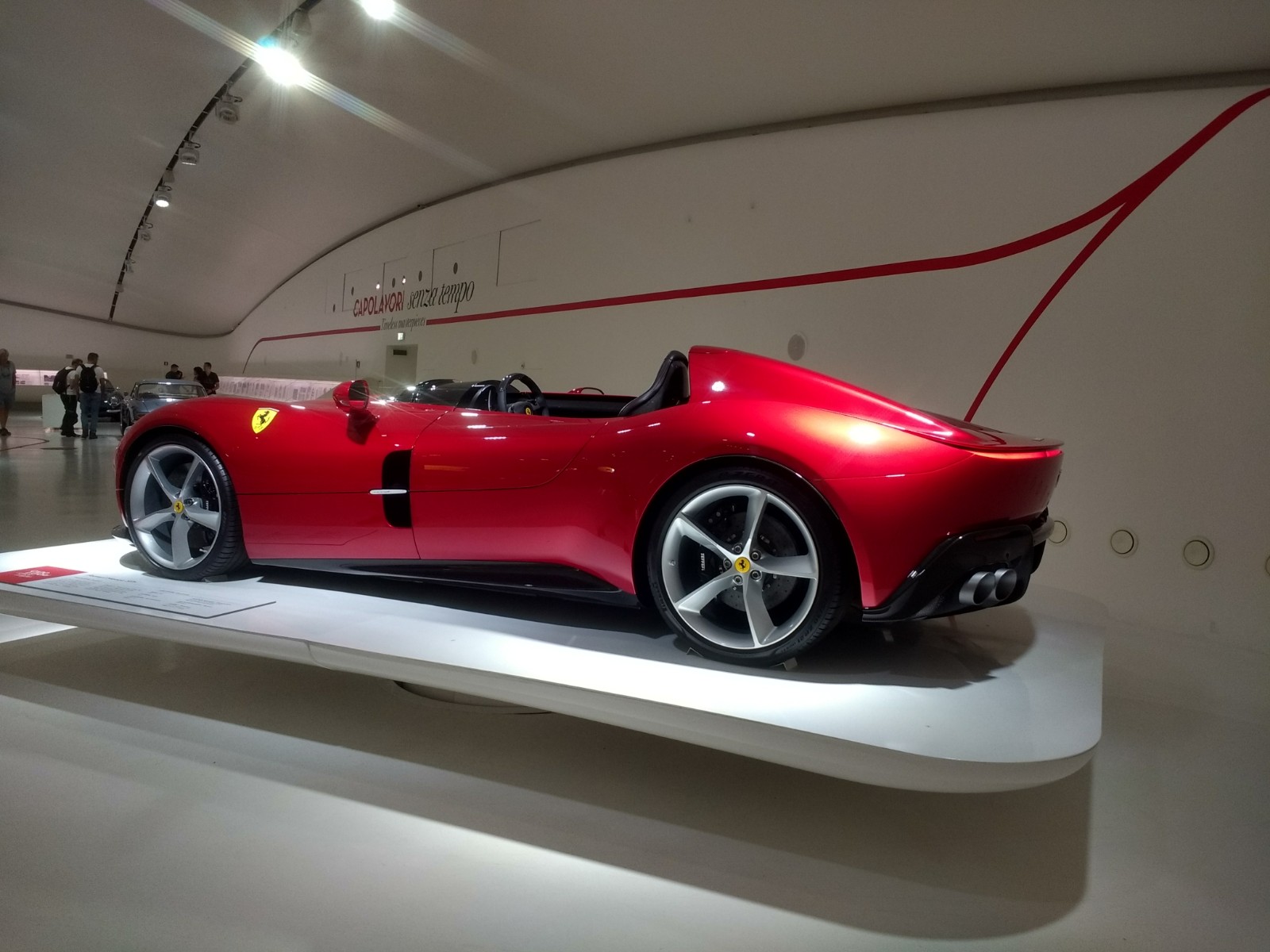
Ferrari Monza SP1
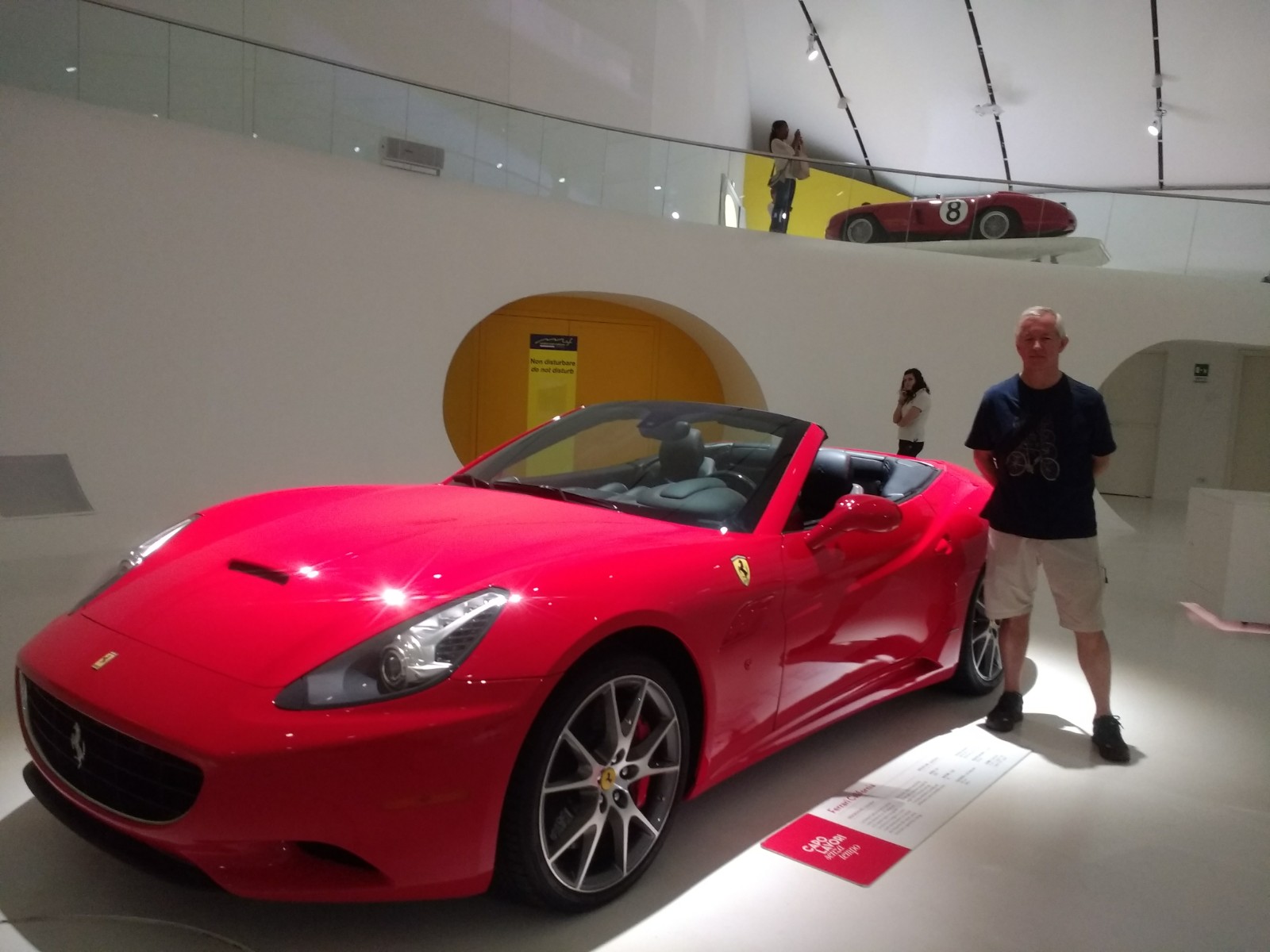
Ferrari California
This was Mark’s other favourite car.

Thanks to Mark who patiently explained the inner workings of a lot of the cars, and helped me with the words.

Market Day in Faenza

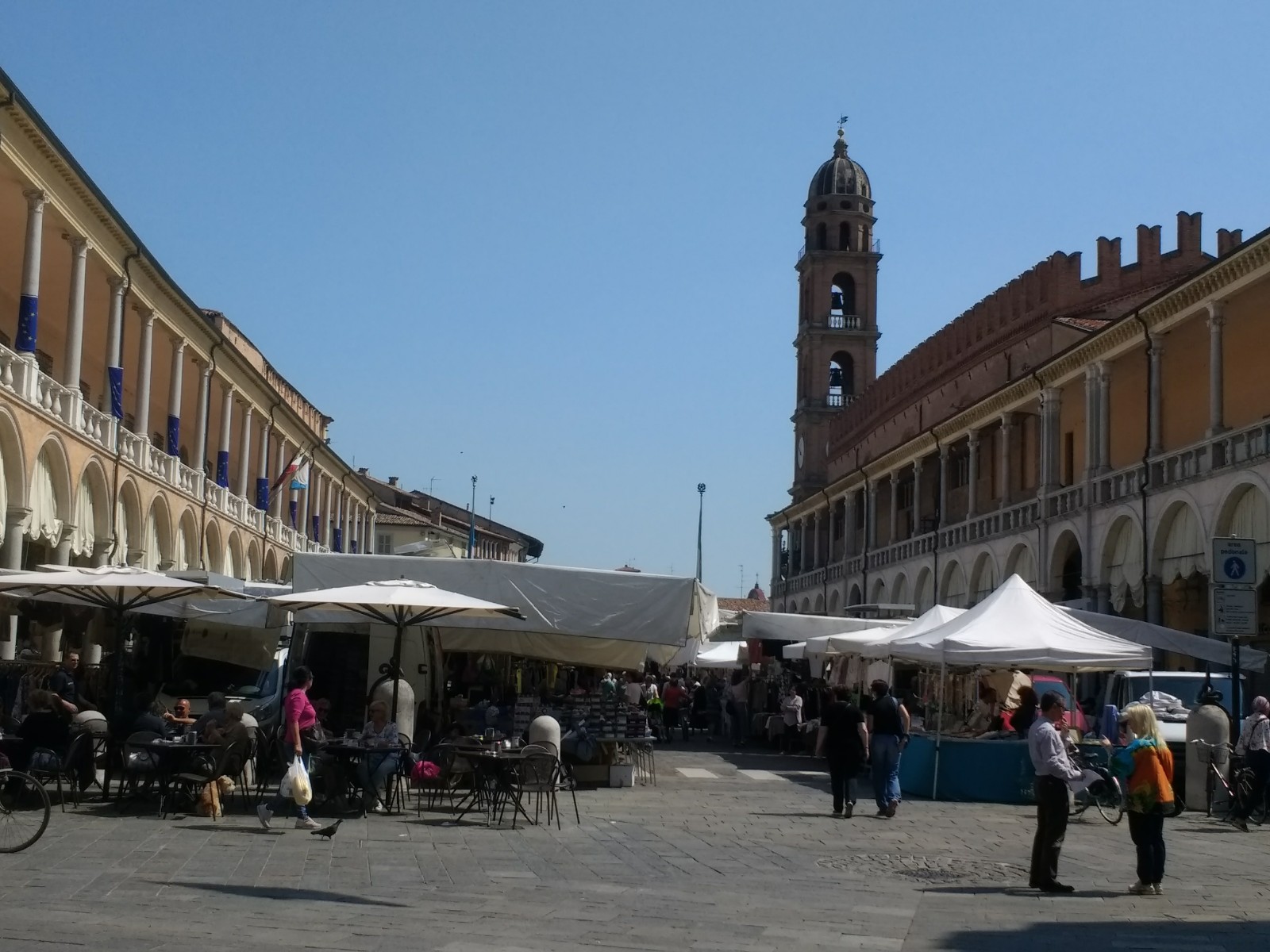
Faenza without a market might have seemed too quiet, but in the sunshine yesterday, and with banners for the upcoming Palio blowing in the breeze, it was a great place to visit.

The market in the centre of Faenza.
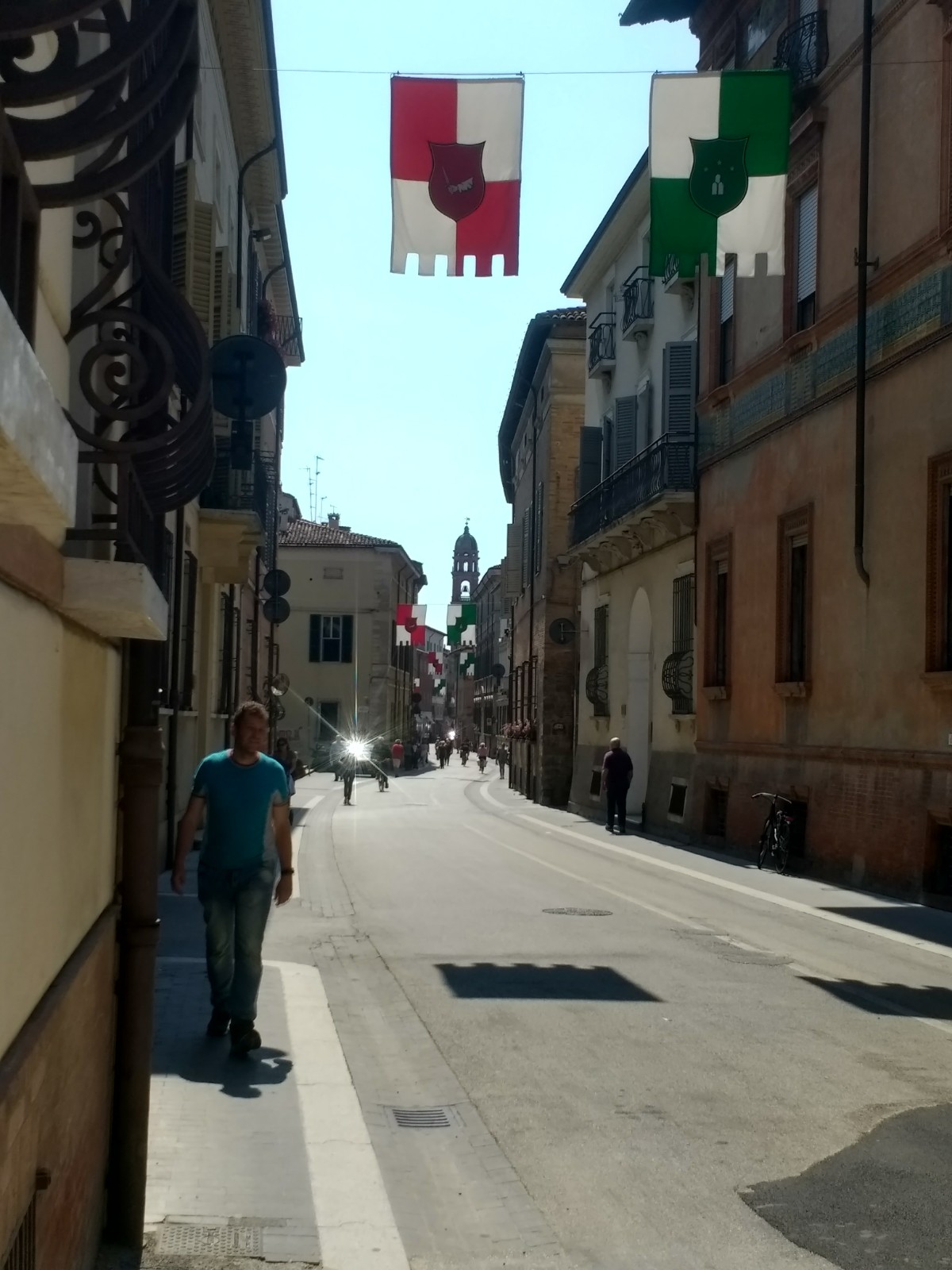
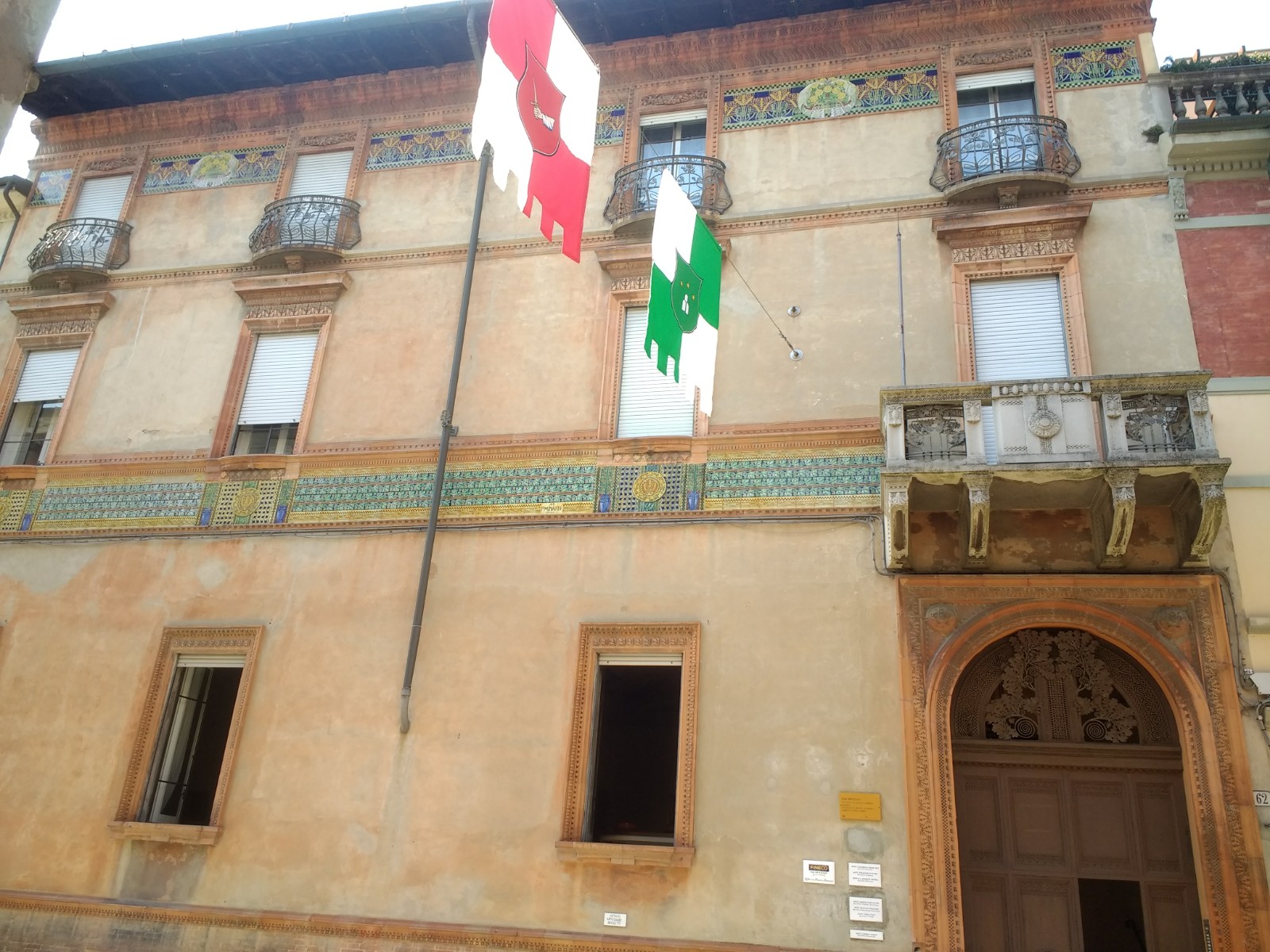
Flags for two of the five city districts that will compete to win the ‘palio’ or standard.

Many towns and villages in Italy have a Palio, a tradition which started in medieval times. The most famous Palio is that which takes place in Siena. Ten horses and their riders, each representing one of the districts in the city, race three times, bareback, round the central piazza. Jockeys are often thrown off their mounts as they negotiate the sharp, steep (the sides of the piazza are cantilevered) turns. Horses sometimes continue the race without their riders, and can win the Palio, a banner of painted silk, for their district, without their human.

Piazza del Campo in Siena, the race track for the Palio.

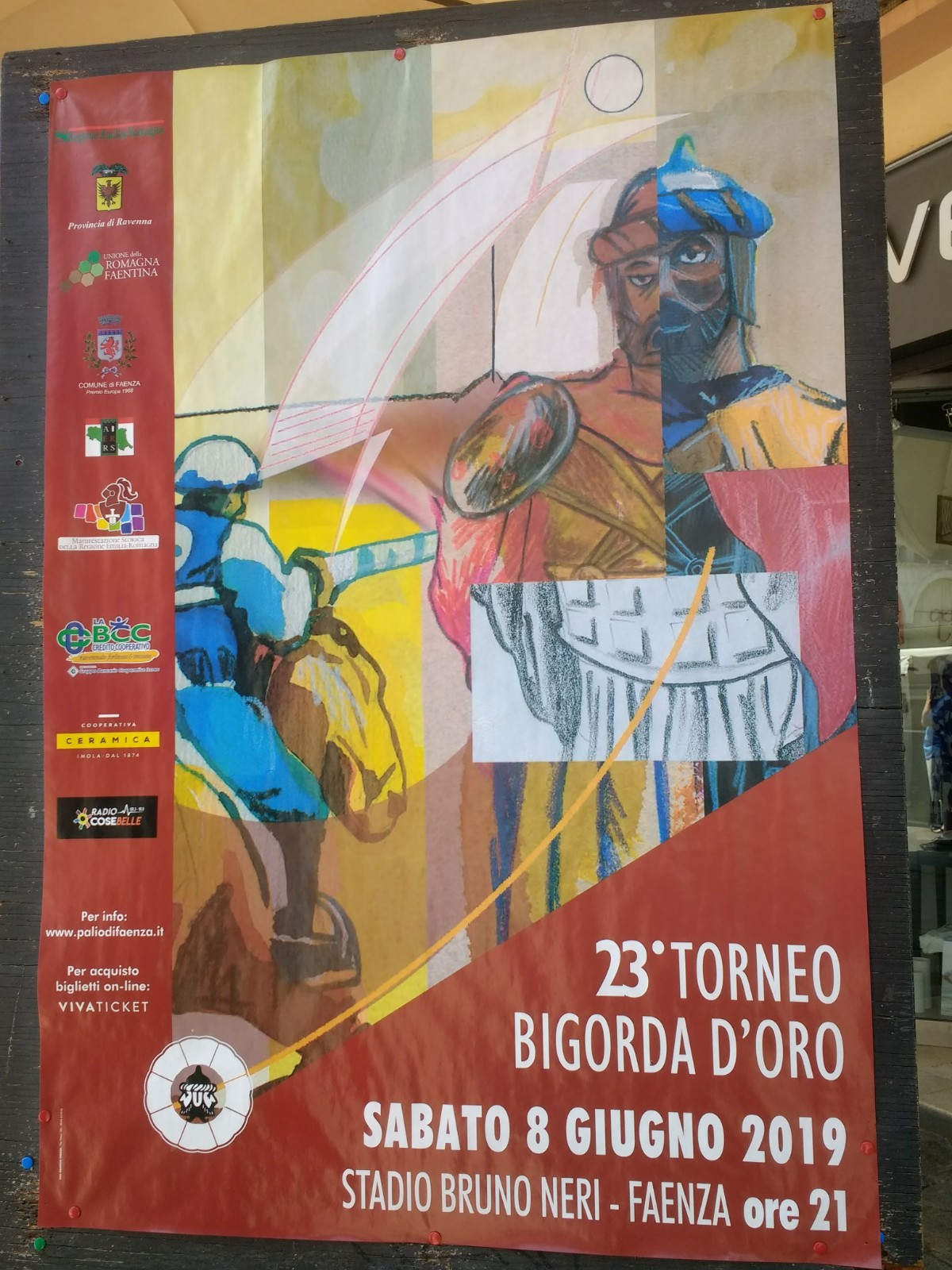
The Palio in Faenza is possibly a little less frenetic, and hopefully, less dangerous. Rather than being won in a race, the Palio is achieved by winning a jousting match (played in medieval dress). If you’re around, the date is 23 June this year.
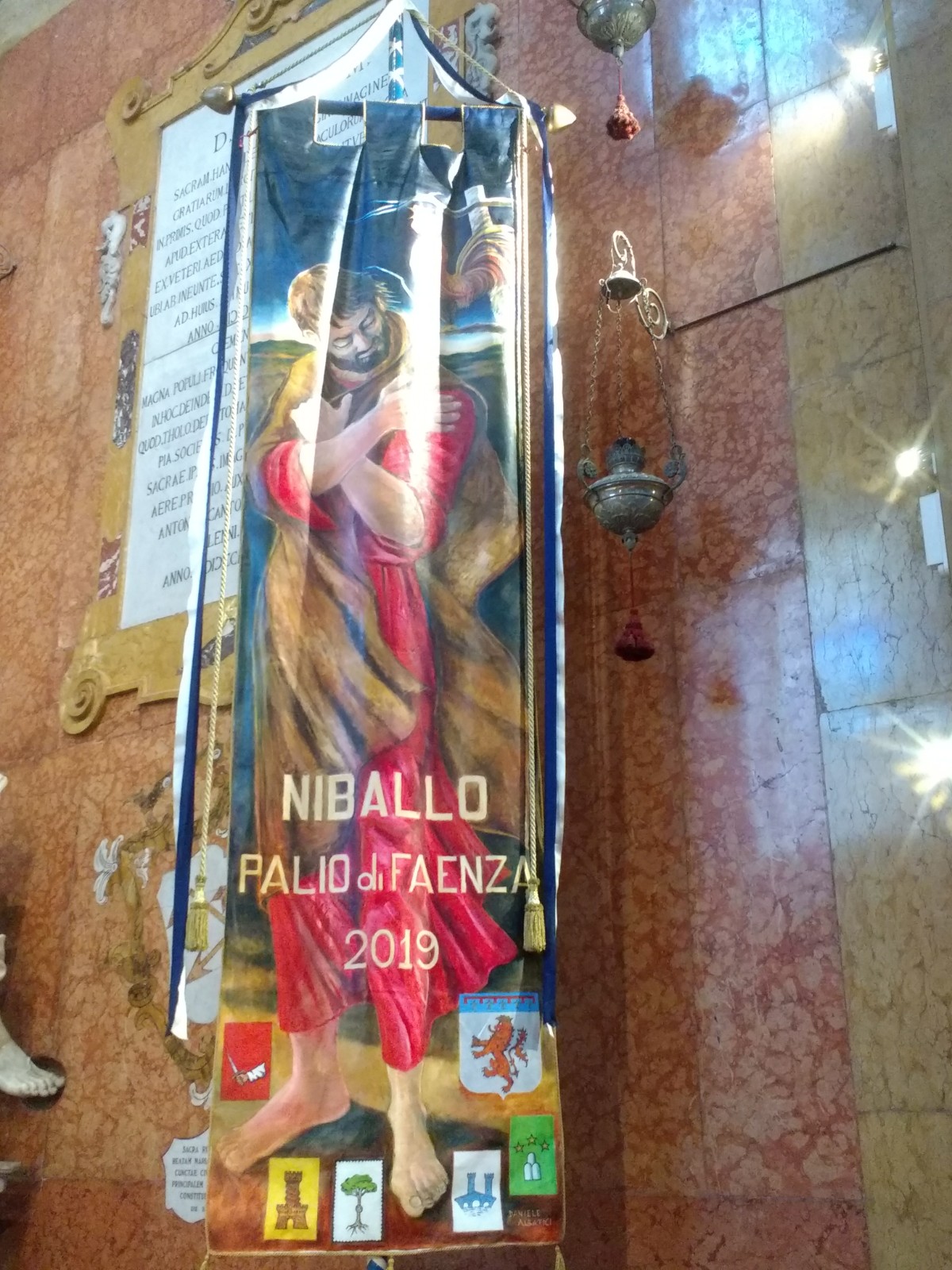
The church, it seems, supports the Palio. This banner was snapped inside the Cathedral.
This Palio, held two weeks before the main event, is for the younger residents of the city.
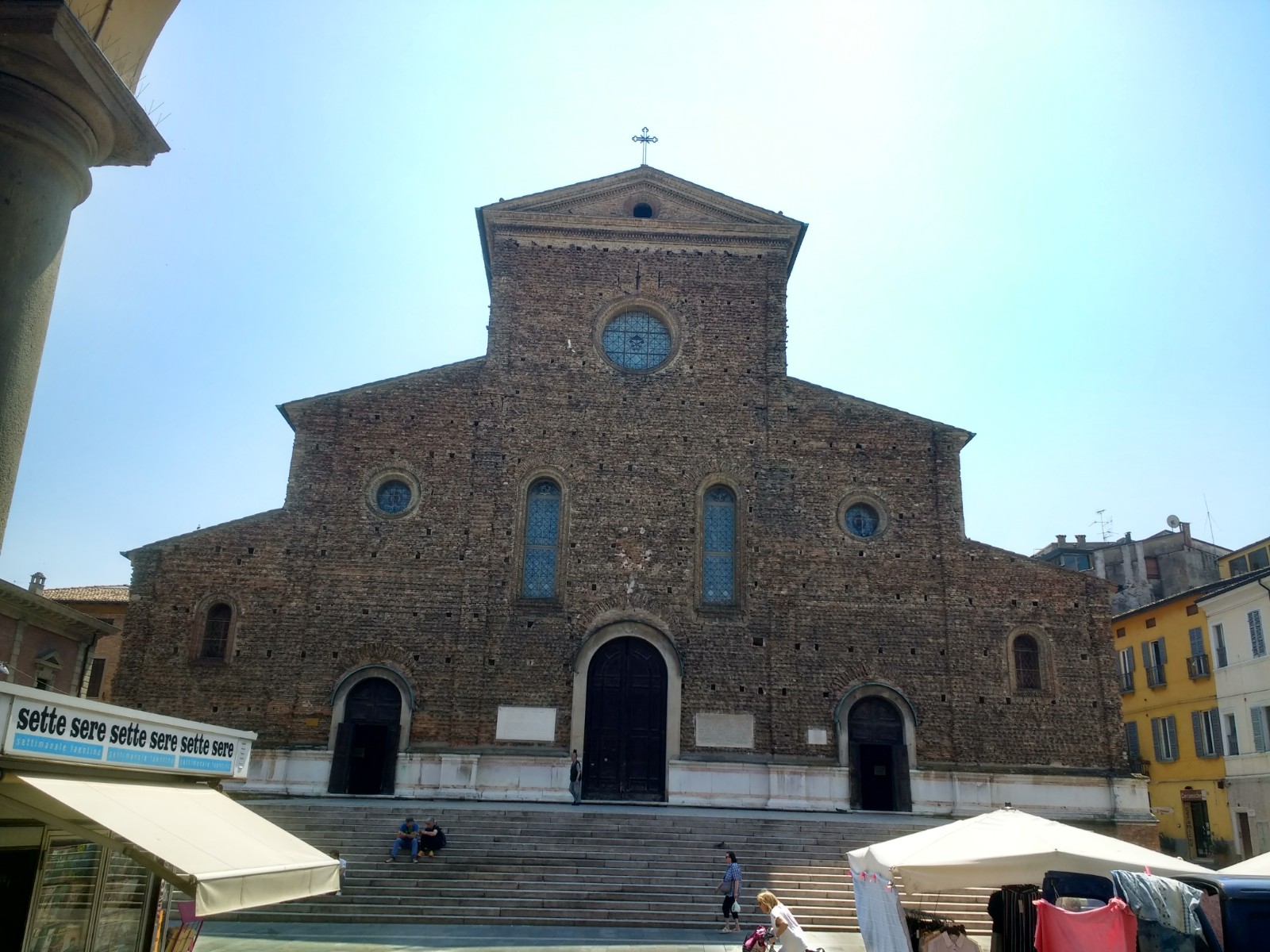
Faenza Cathedral

If pots are your thing, you should visit the Ceramics Museum in Faenza. Be warned, however, the museum seems to adhere to the philosophy that more is better, and one can easily tire of seeing case after case of very similar exhibits. I would have loved a list of perhaps twenty of the most important pieces, and just concentrated on them, philistine that I am.

These are the bits I found most interesting:

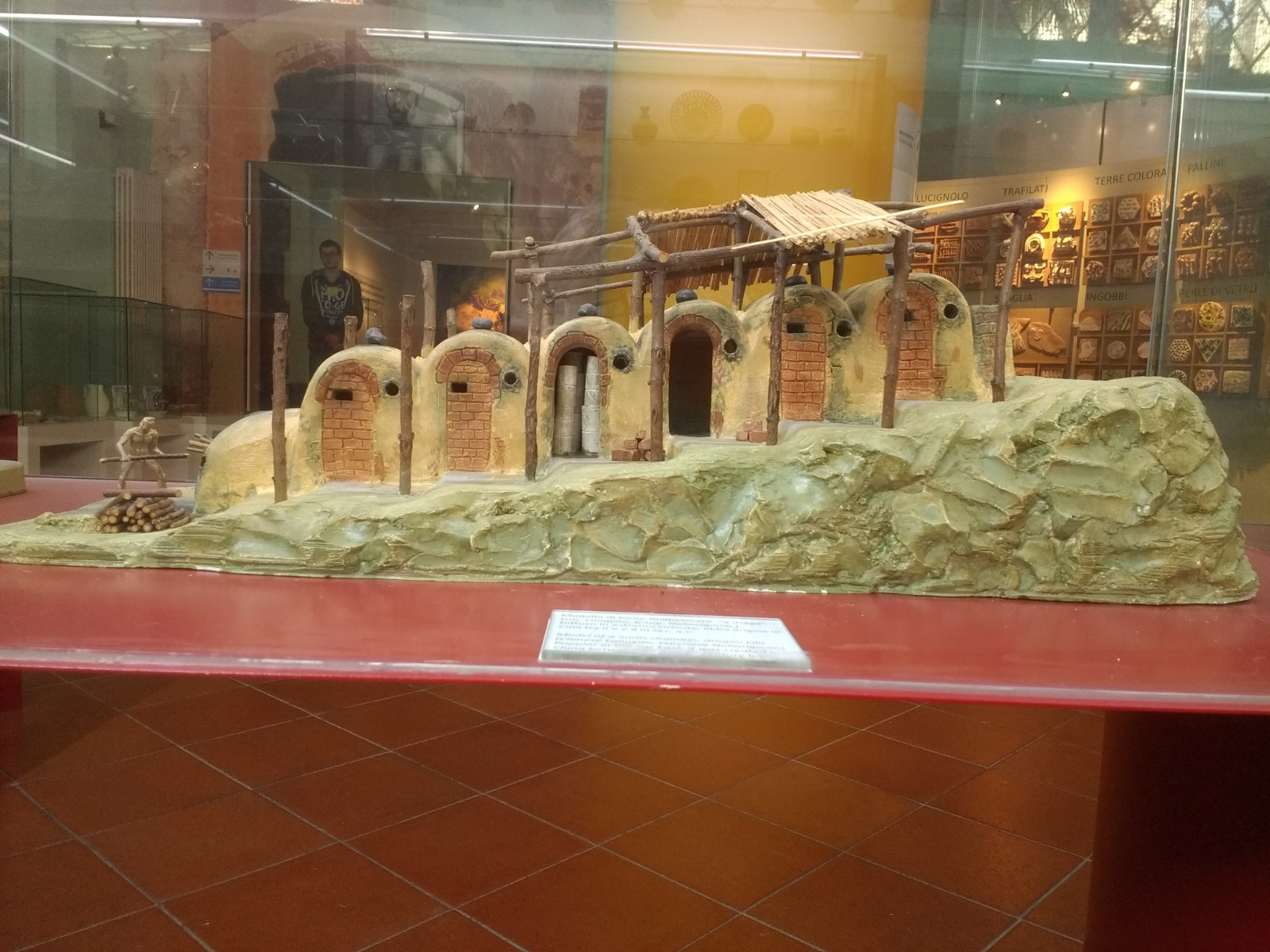
The Chinese have produced pots on a large scale for a long time. This is a multi-chamber ‘dragon kiln’, created between the fifth and third centuries BC.

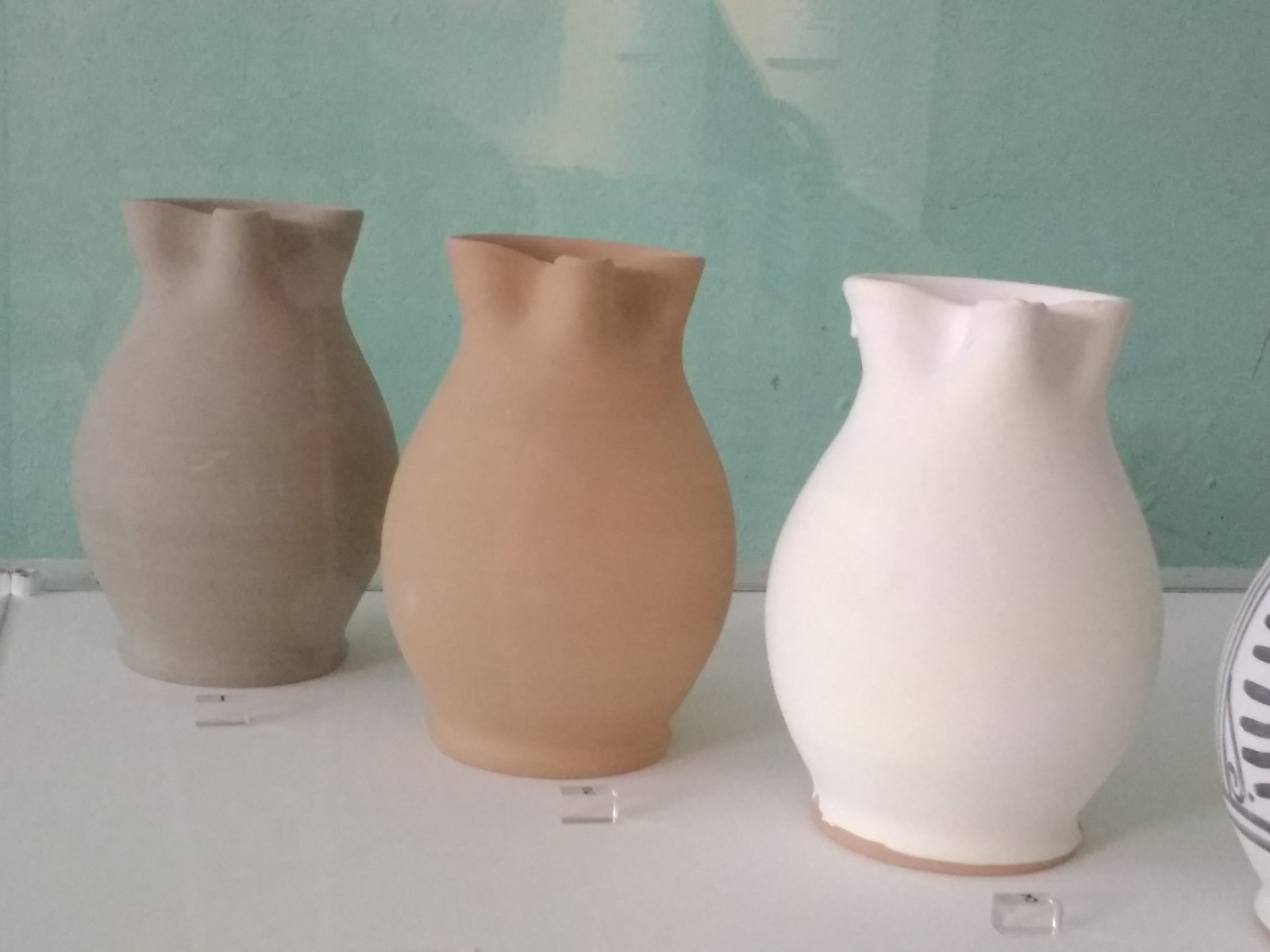
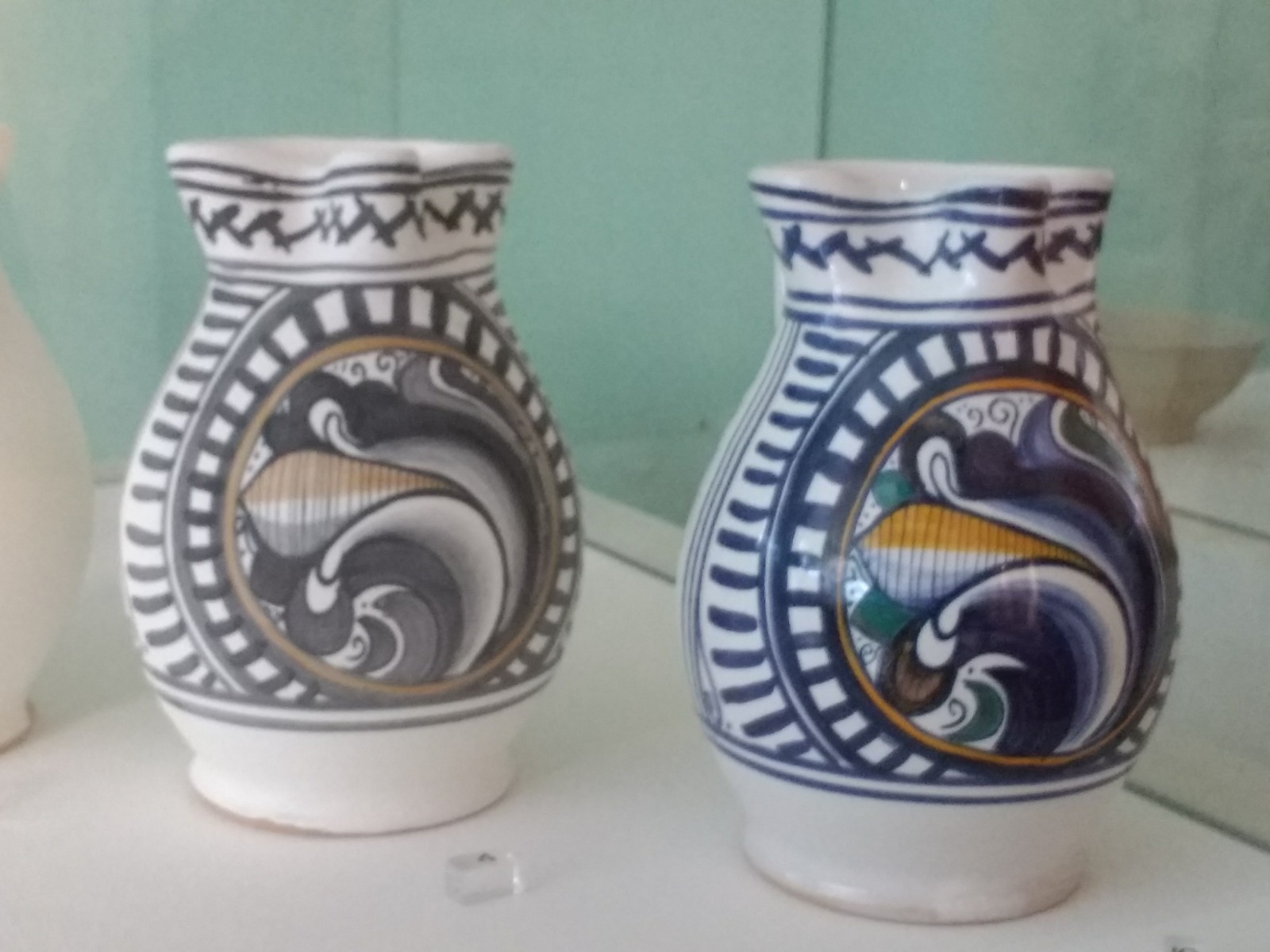
Majolica, or tin-glazed pottery, was perfected in Italy. These pots show the different stages of production. From the left, pot 1. The pot is formed of clay. 2. The pot has its first firing. 3. A glaze is applied.
4. Decoration is applied without the glaze being fired first. Apparently, the unfired glaze absorbs the colours, rather like a fresco, making mistakes impossible to undo. 5. The pot is fired for a second time. Sometimes a second glaze is applied after the second firing. In the case of lustre ware a third firing is required.
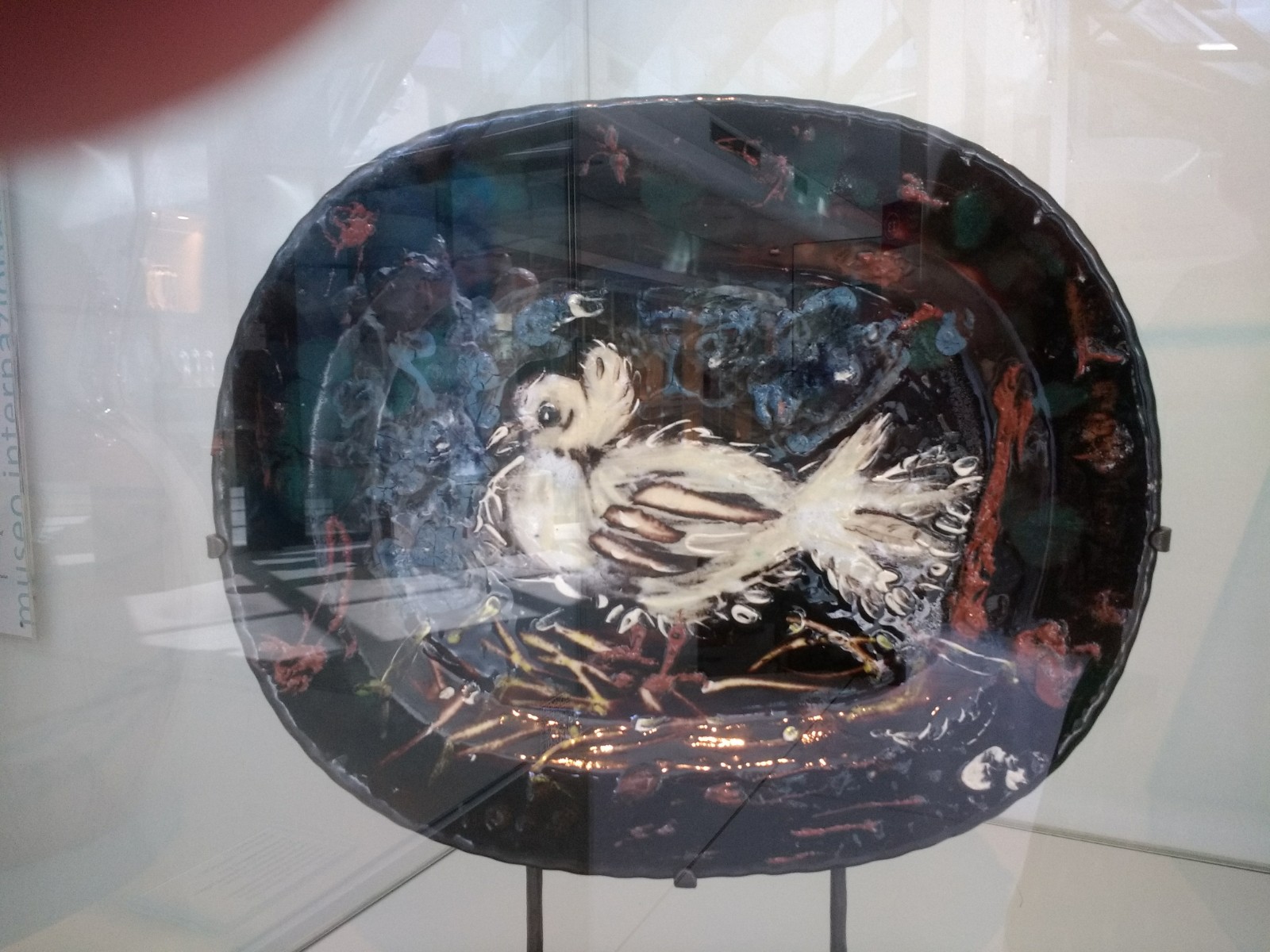
After the Second World War, in which the Museum of Ceramics in Faenza suffered much damage, Picasso, who produced ceramics as well as paintings, sent the ‘Dove of Peace’ to the museum.
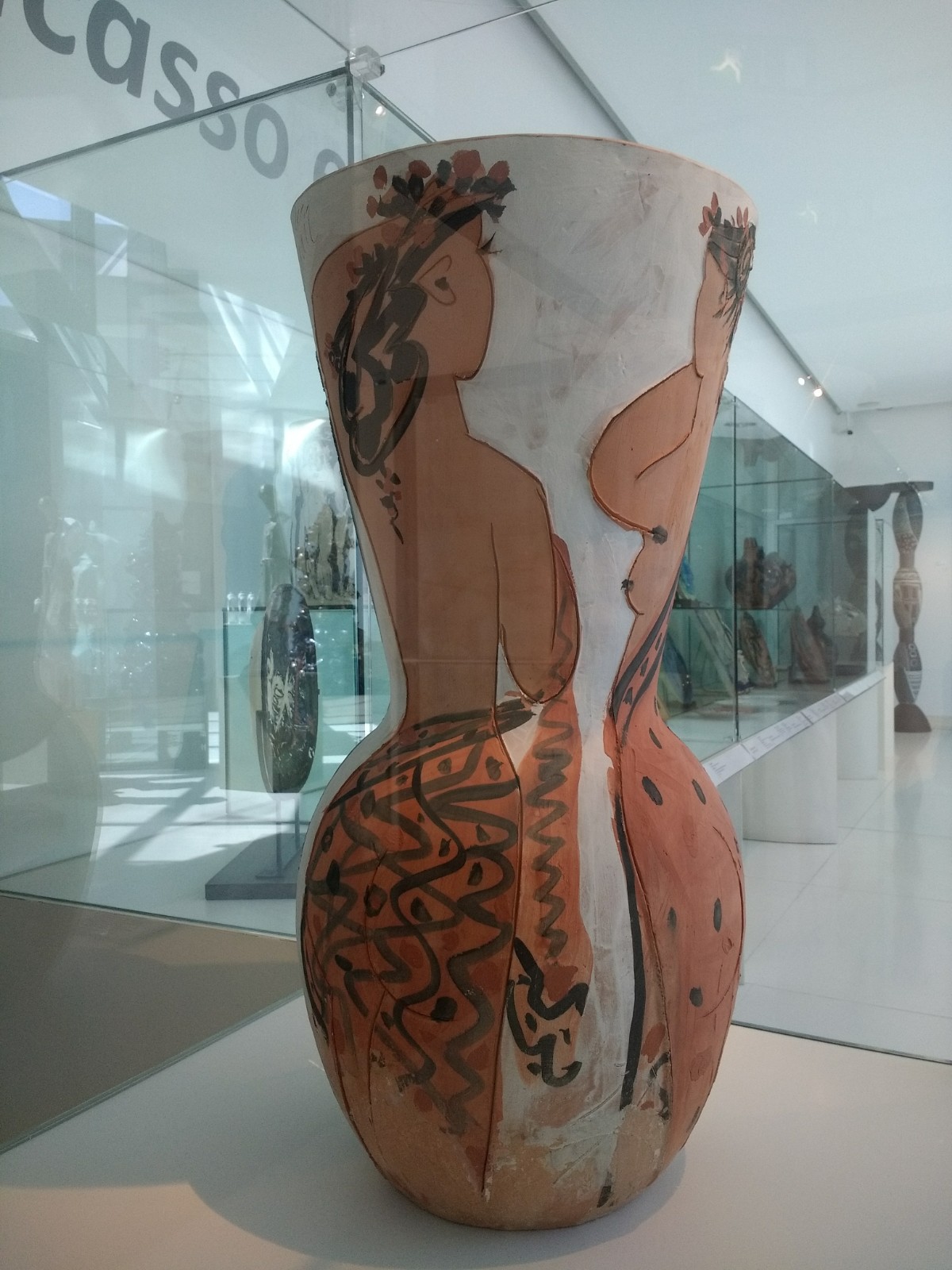
Another piece, ‘The Four Seasons’ , which Picasso gifted to the museum. I love the way Picasso used the shape of the vase to make the women’s bodies 3D.

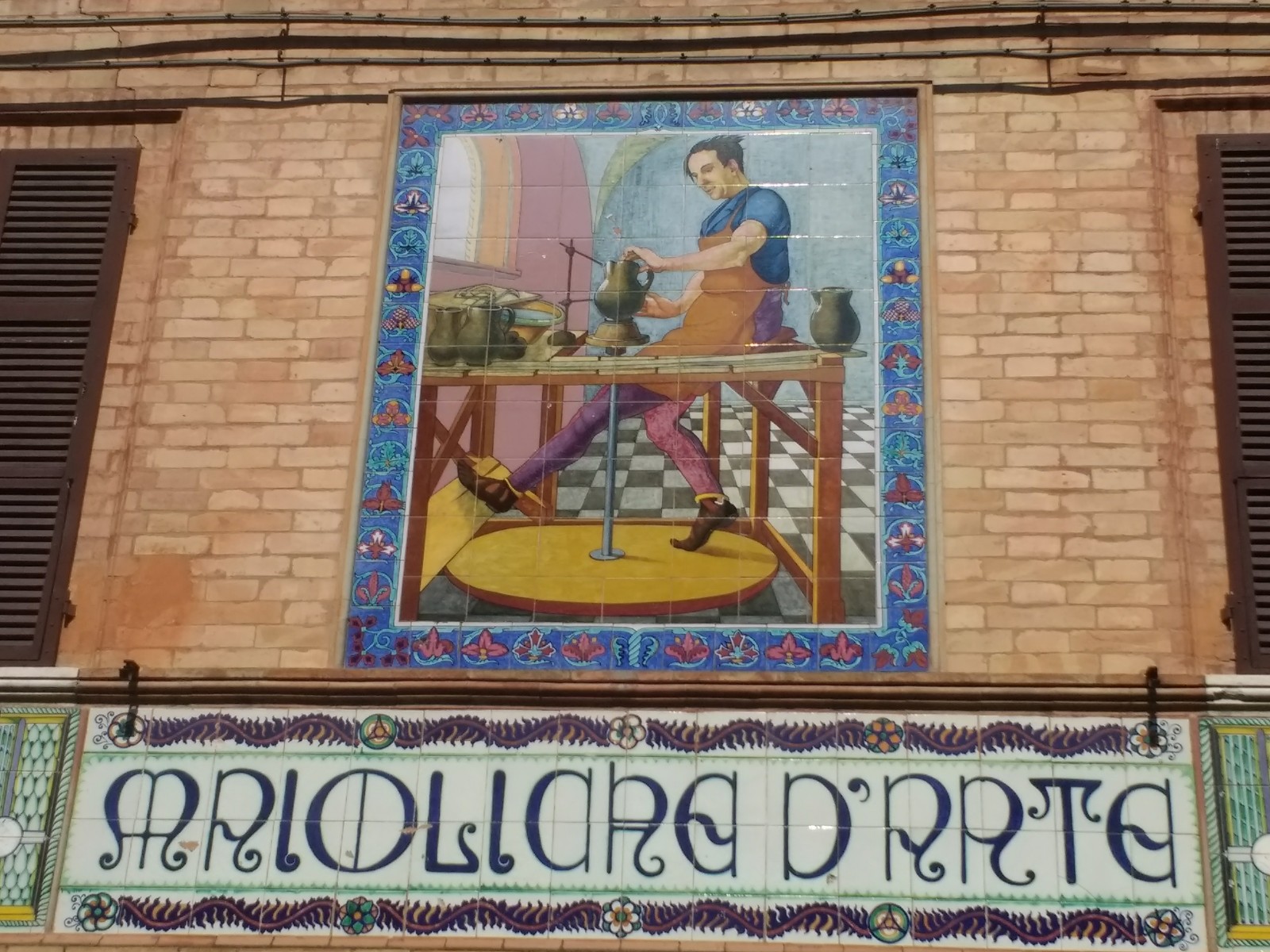
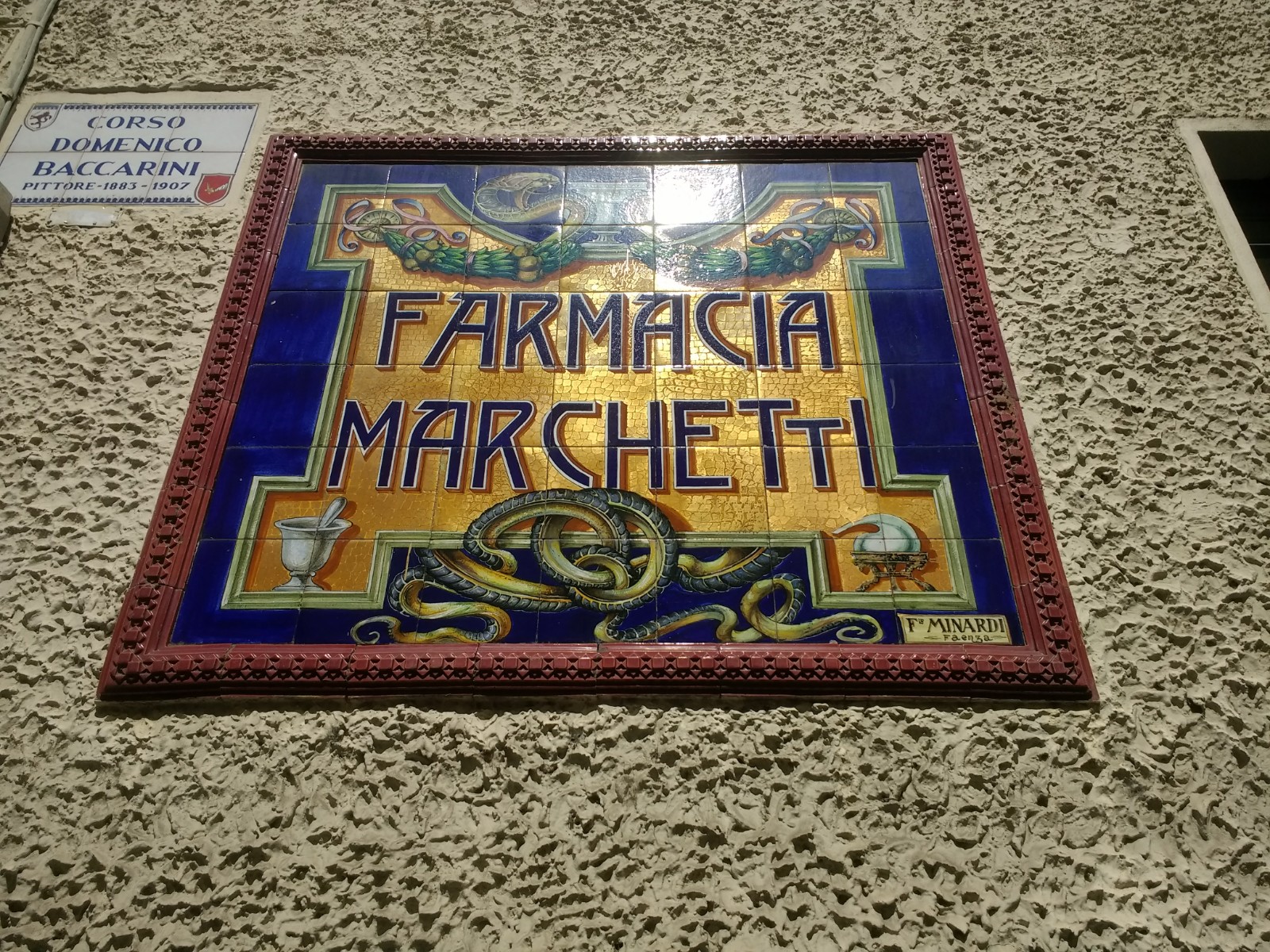
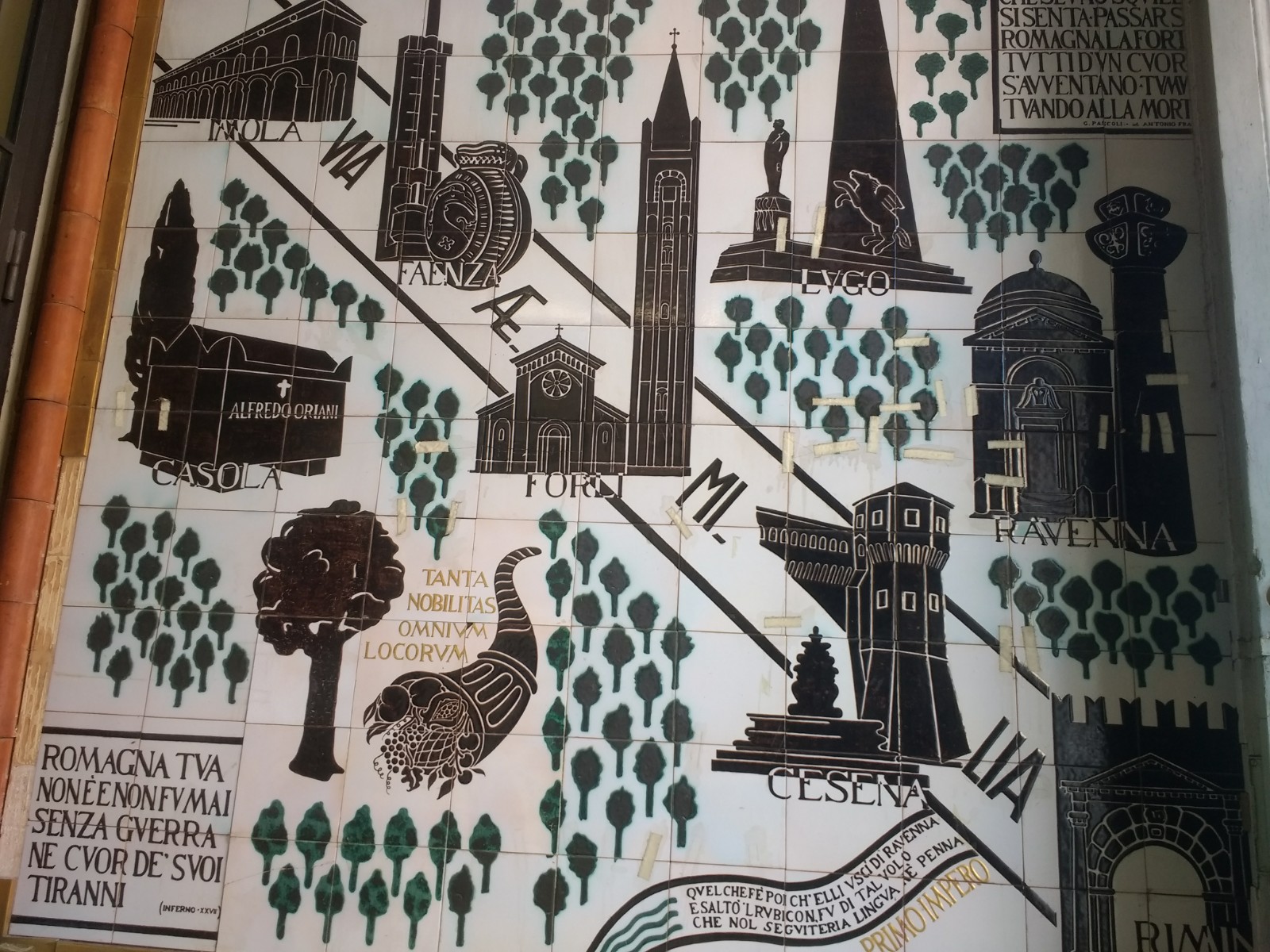
Many street signs and decorations in Faenza have been painted on tiles made in the local area.

The Madonna of San Luca Returns Home

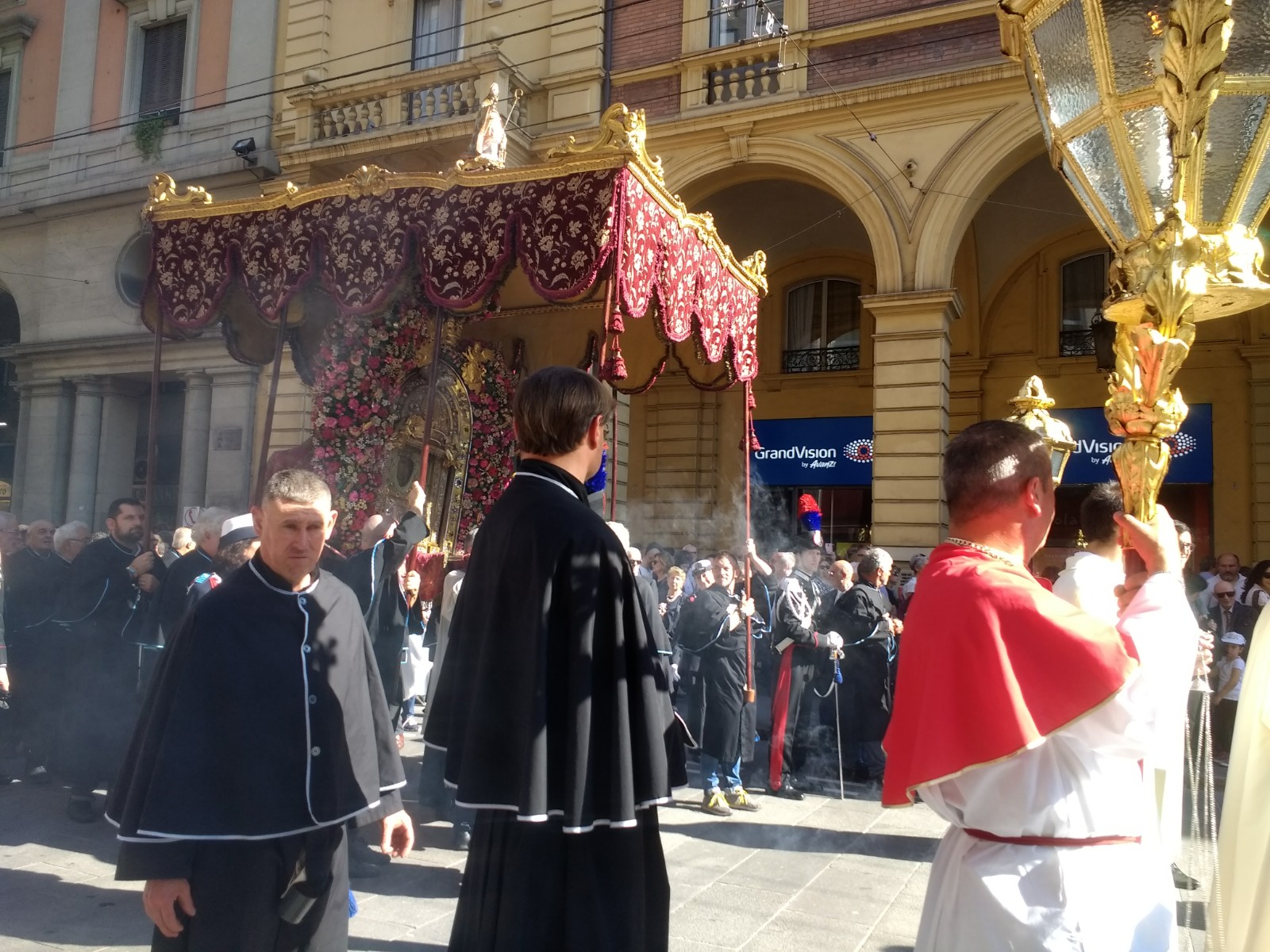
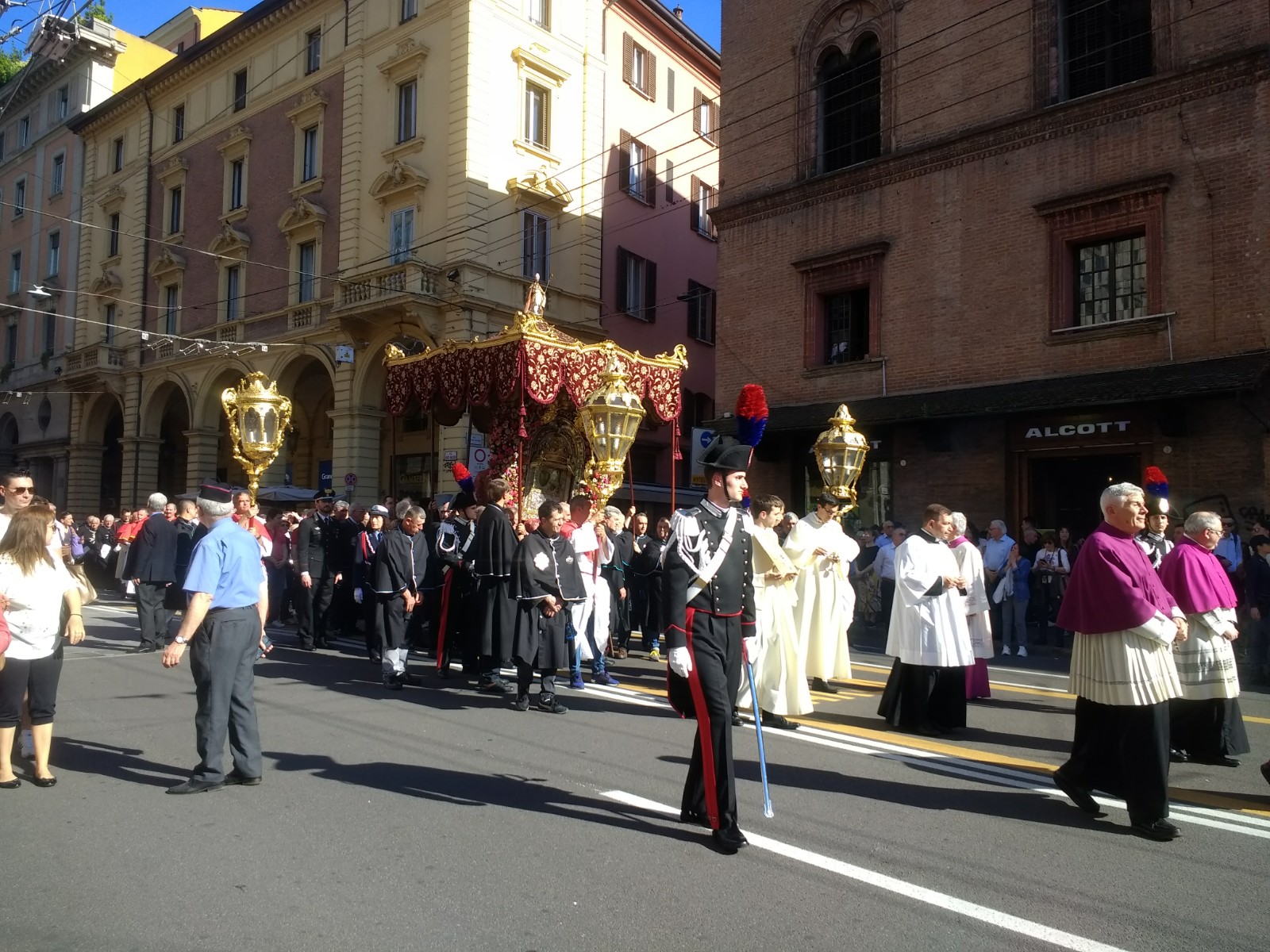
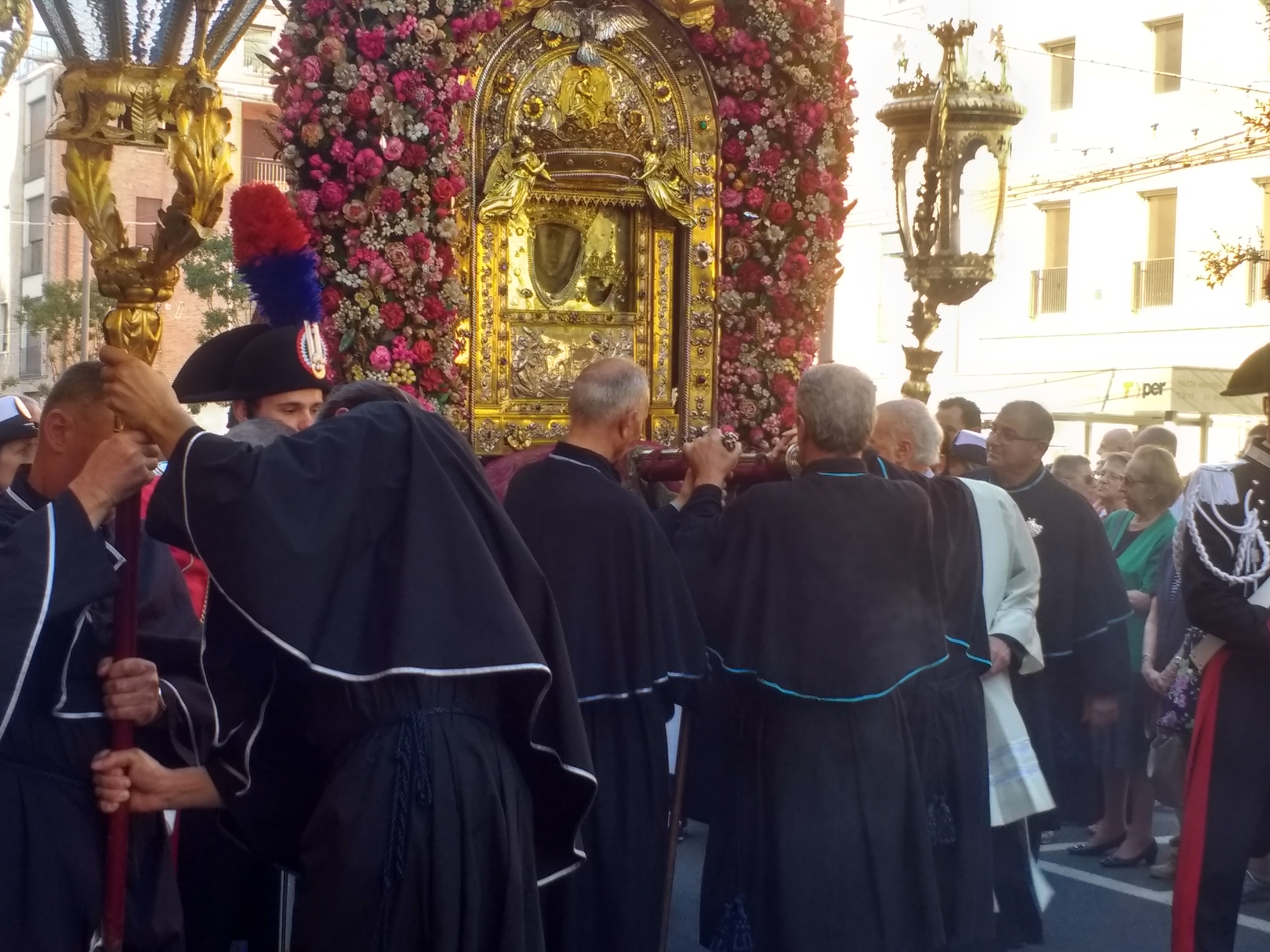
A grand possession accompanied a much-treasured icon of the Virgin Mary, reputedly painted by St Luke, from Bologna back to the Sanctuary of San Luca, four kilometres away, yesterday.

The Madonna was carried beneath a canopy.
There was a frequent change of bearer.
Melodic singing of titles and epithets for the Virgin accompanied her on her journey.

The icon, it is said, was brought to San Luca from Constantinople in the twelfth century and became associated with minor miracles.

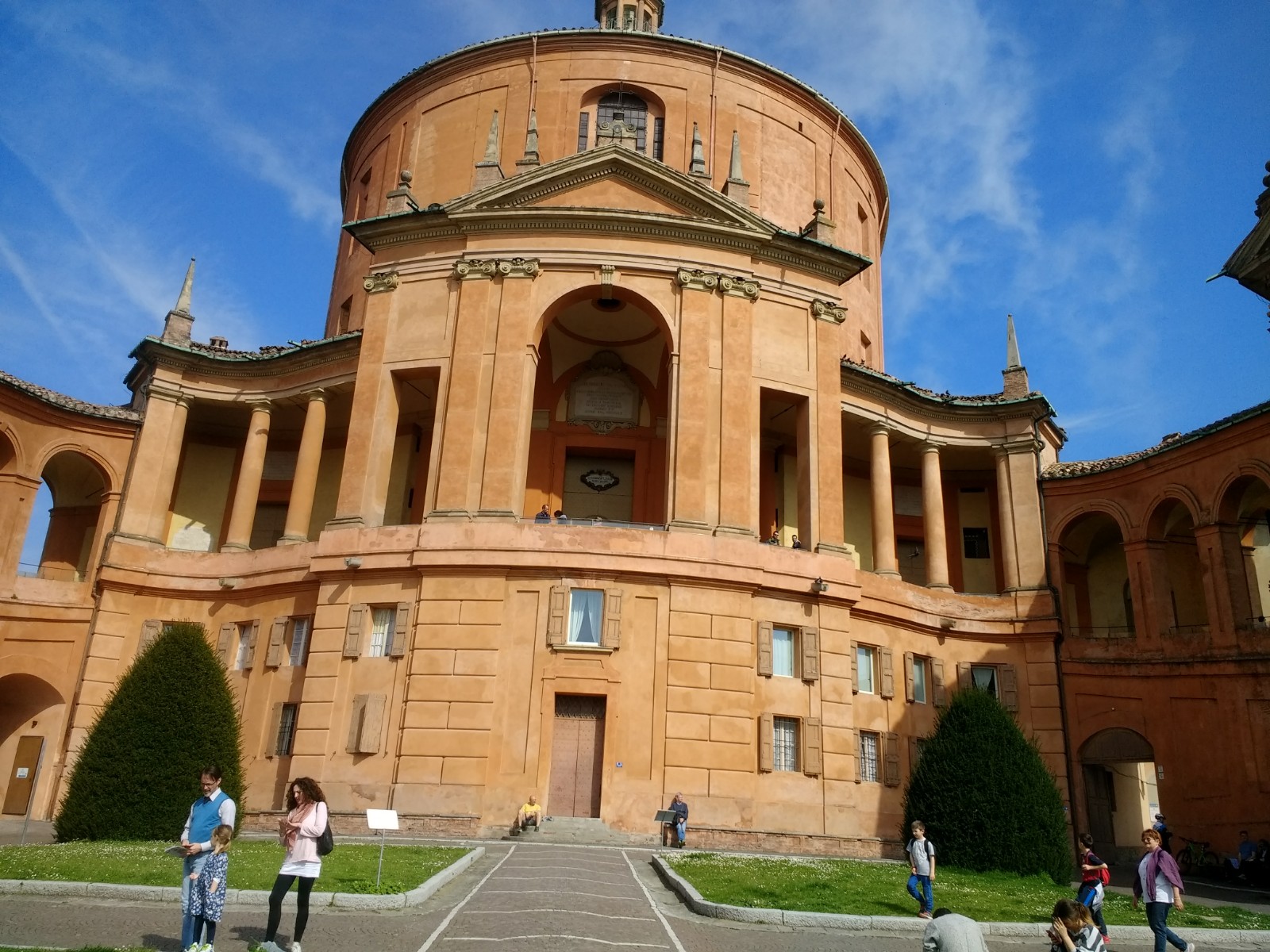
The Sanctuary of San Luca today

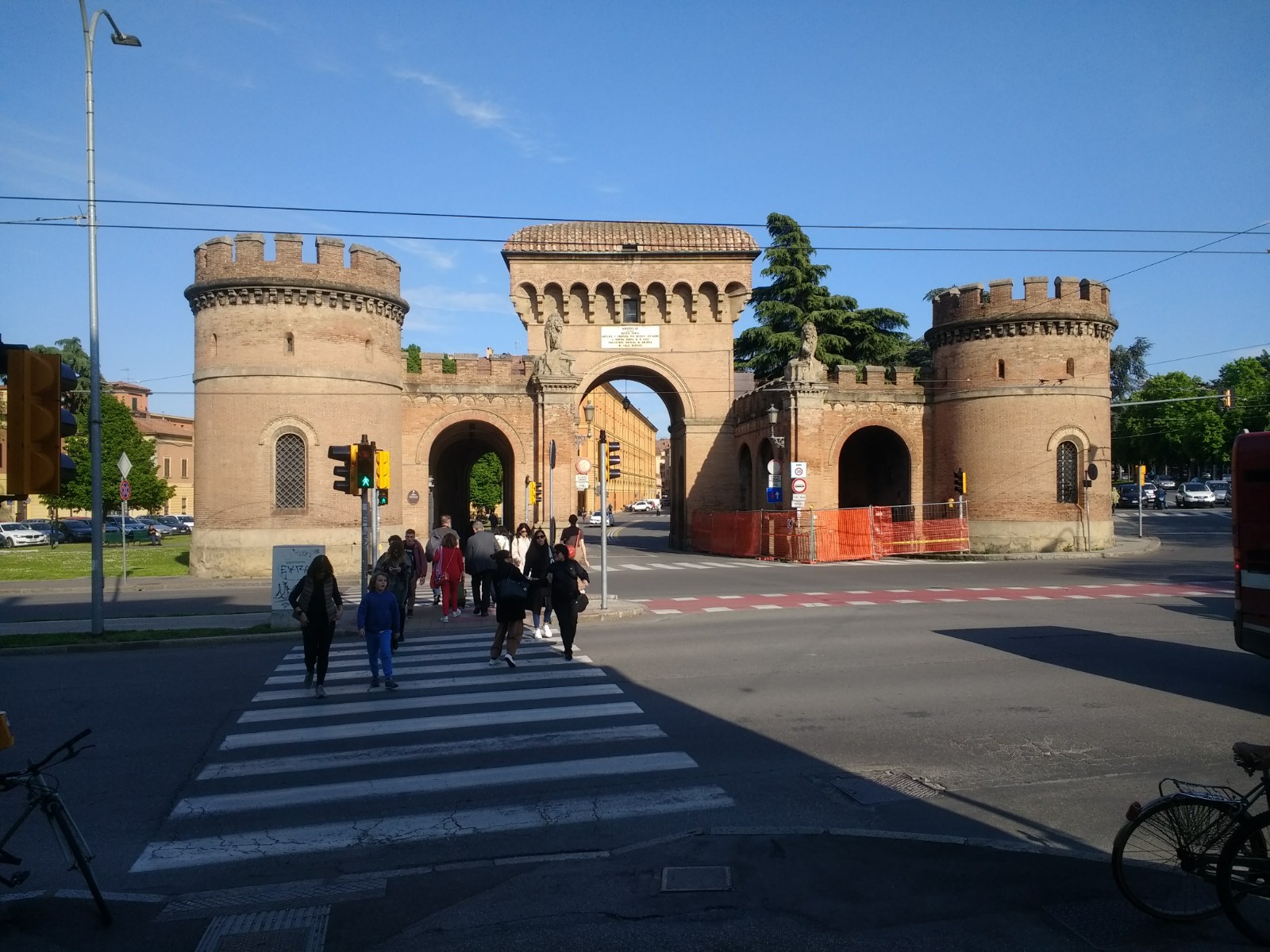
Roll on a couple of centuries to 1433 when local harvests were threatened by three months of continuous rain. The Bolognese, wishing to pray to the Virgin, carried the icon towards the city. On reaching Porta Saragozza, one of the city gates, the rains stopped, and the crops were saved.

Porta Saragozza

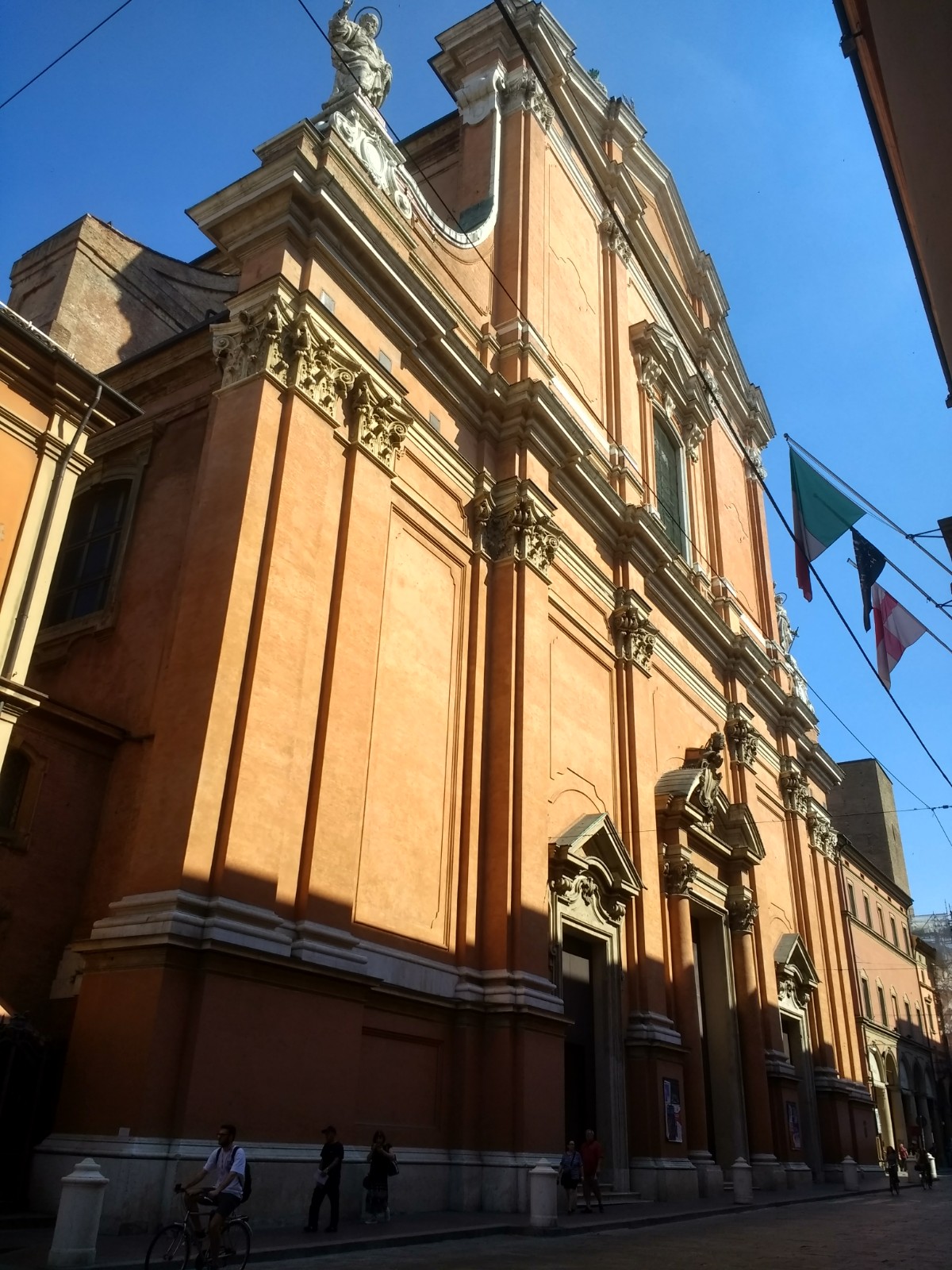
In memory of the miracle, the icon has been brought down (the Sanctuary is 300 metres above the city) from the Sanctuary of San Luca to reside in the Cathedral of San Pietro for a week every year since 1433.

The Cathedral of San Pietro
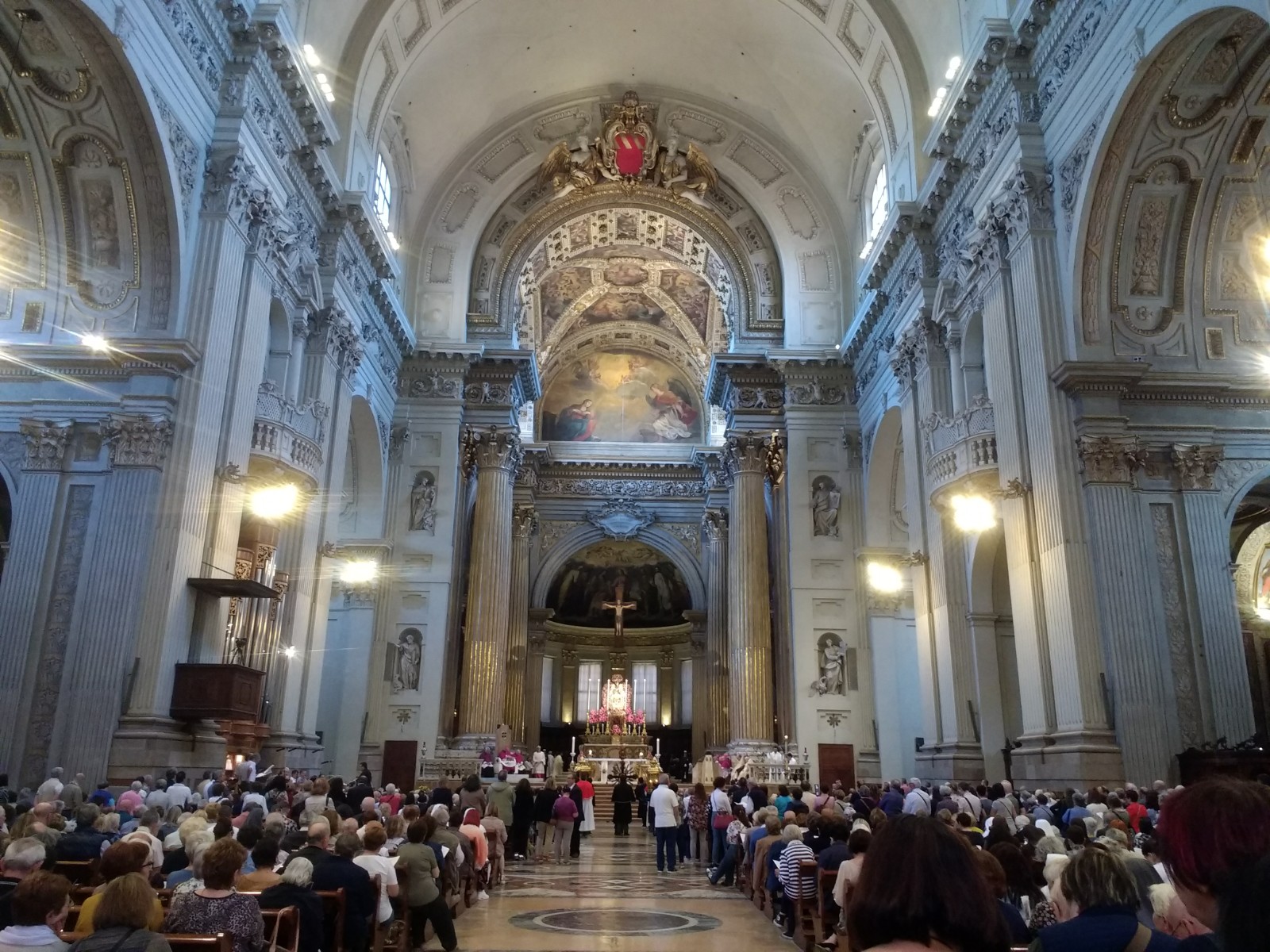
Inside San Pietro yesterday. The icon is still in its place above the altar at this time.

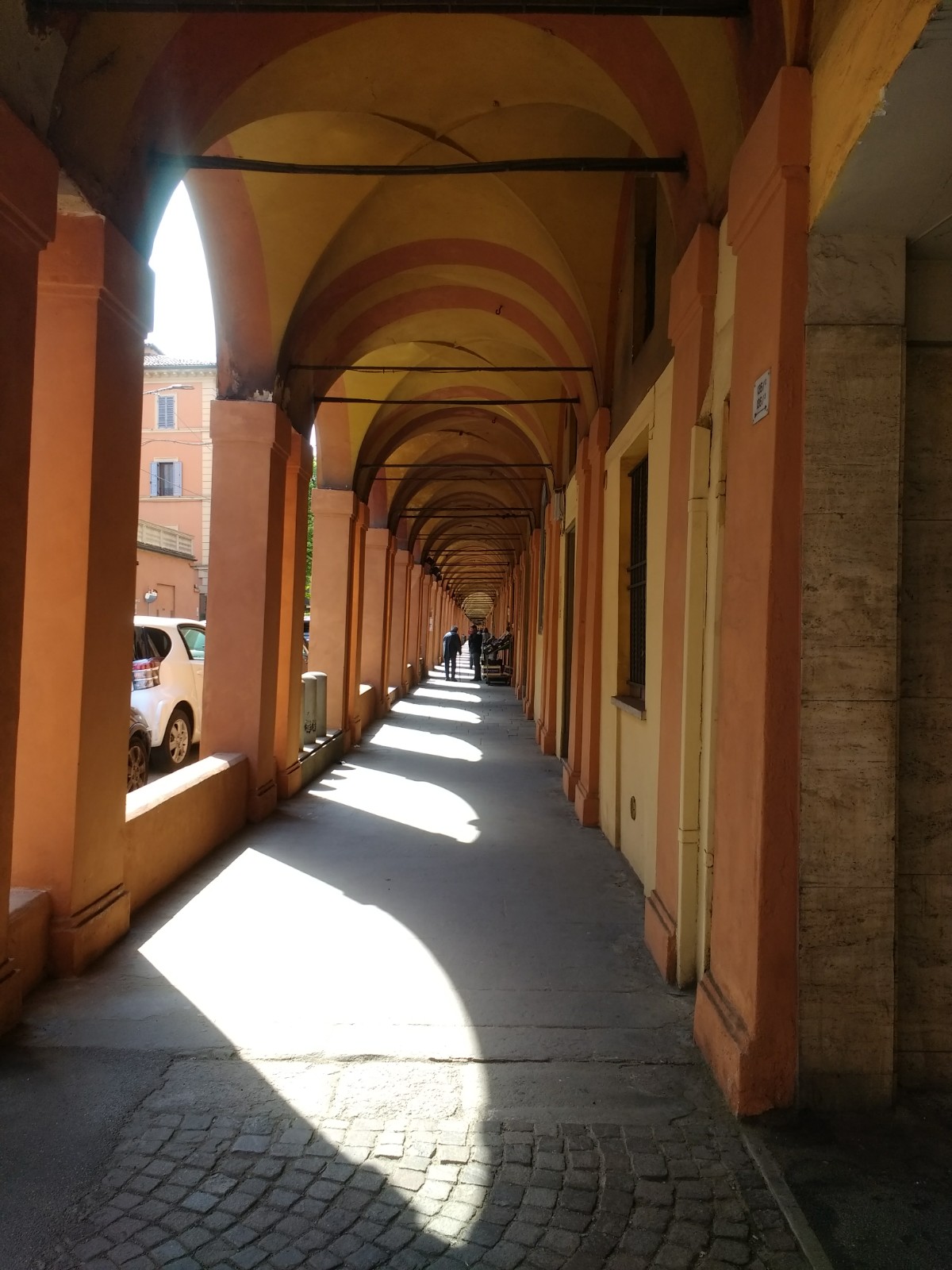
Construction of a roofed arcade with over 666 arches, stretching from Porta Saragozza to the Sanctuary, was begun in 1674. Pilgrims making the journey on foot are promised absolution for past sins.

The porticoes to San Luca are the longest stretch of covered arches in the world.
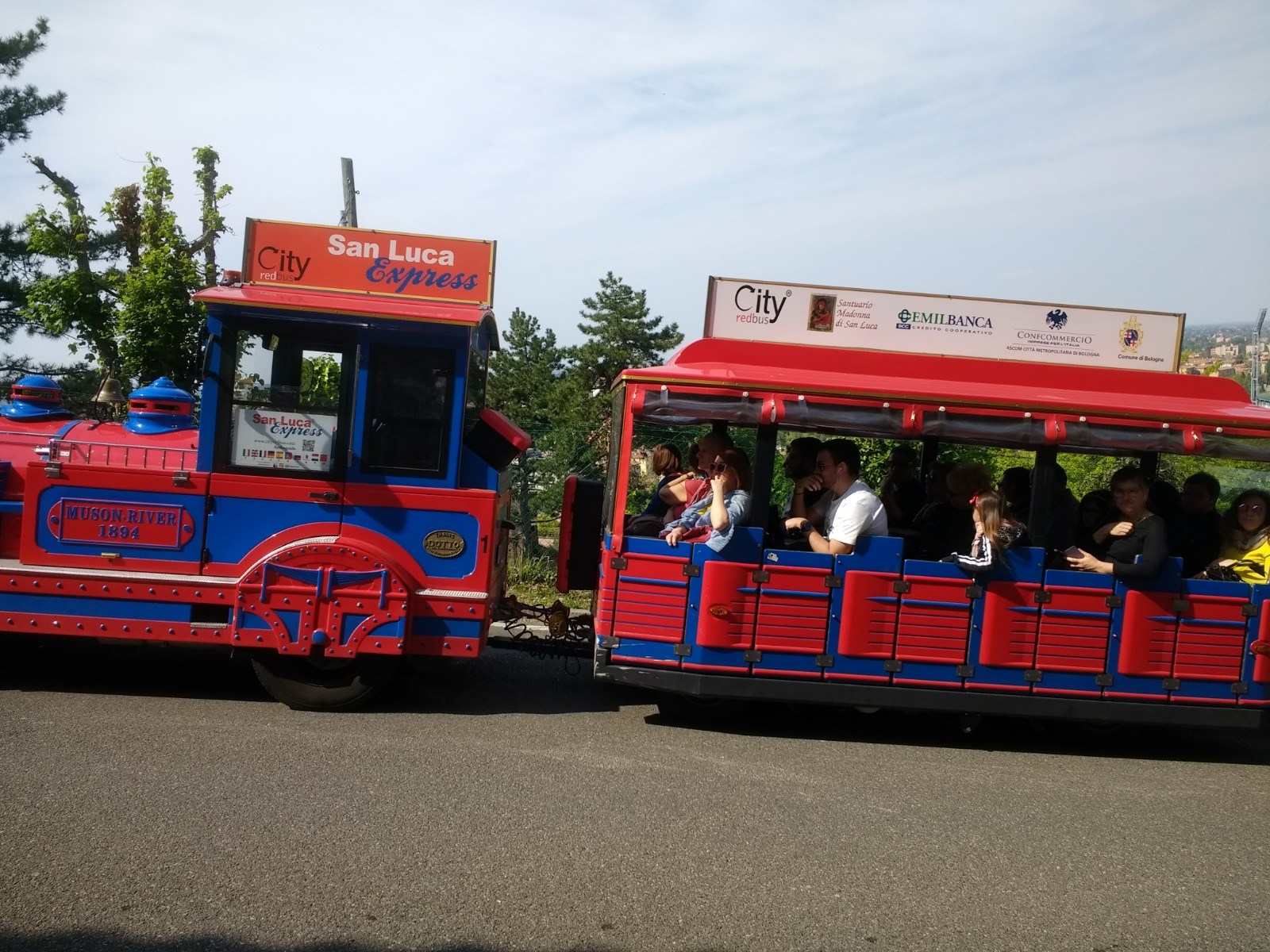
One can choose to take the ‘train’ instead. Sized more for children, it is usually full of adults.

Once again the icon of the Virgin seems to have done its magic. At the beginning of the week the weather was cool and damp, but now the skies are blue and it has turned very warm (30 degrees c). Two weeks ago we were putting the heating on, but we now have the air conditioning running.

A Walk in the Sun

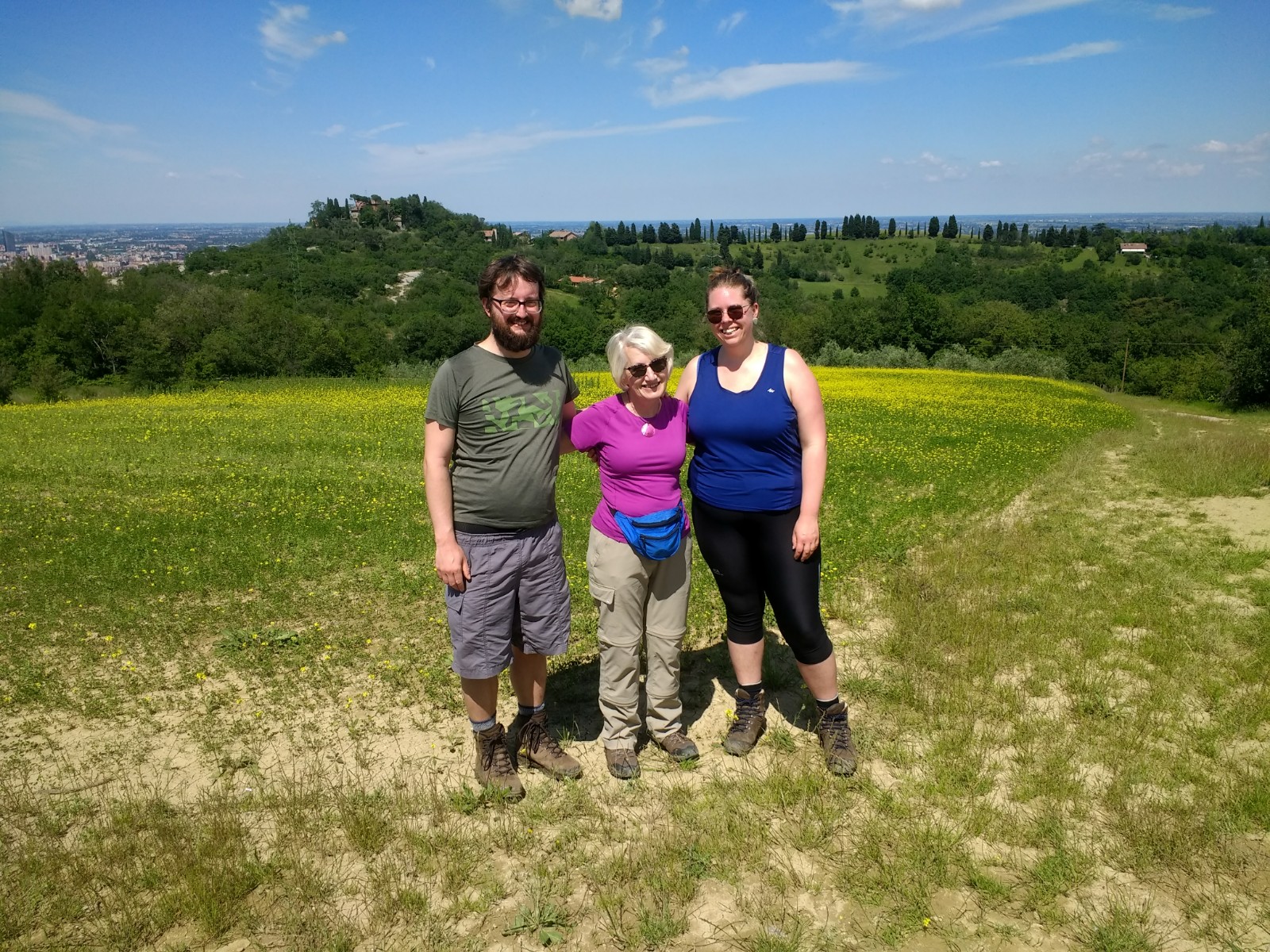
Summer has arrived in at last Bologna and the the weather for the last couple of days of Guy and Laura’s visit has been lovely. Sadly, yesterday was their last day but we made the most of it and had a super walk in the hills beyond the city.

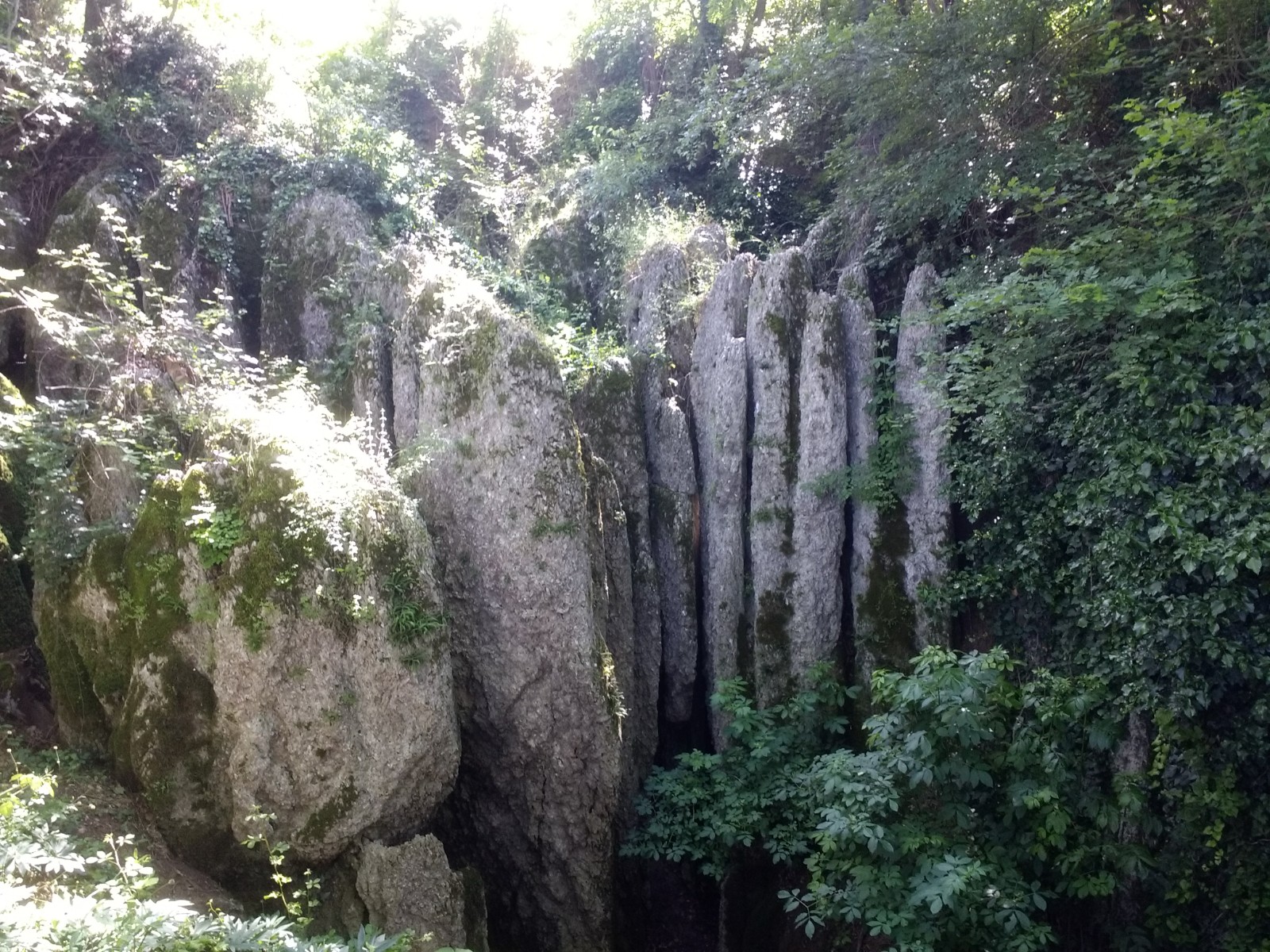
Rocks showing ‘finger erosion’.

The flat seems very empty without them, so we are going to try to keep busy over the next few days. We have about eight days left in Bologna and then move onto to La Spezia where we hope to do a lot of walking along the Cinque Terre coastline.