The house move to Shrewsbury is still going through (we’ve got our fingers and toes crossed) and we’re hoping to exchange next week, then complete the last week of November.
Since there is nothing more we can do on the house front, we decided to take off again and have chosen a trip to Bangkok over a return to our travels in Italy. It’s not that we don’t still love all things Italian, but a complete change of scene plus summer temperatures beckoned.
Booking was a last minute scramble as we needed to make sure the solicitor had everything she needed. In summary, booked on Sunday (last Sunday) flew out on Tuesday with an overnight stop in Oman, and arrived in Bangkok on Wednesday.
We’re in a tiny, but perfectly formed, Airbnb apartment in a residential area near the centre of the city. We’ve just about got over our jet lag and have had a great couple of days. More about that to come.
We spent last weekend in Shrewsbury to see if we liked the area as much as we did a few years ago (the answer’s ‘yes’) and to visit a couple of houses we’d viewed on the internet.
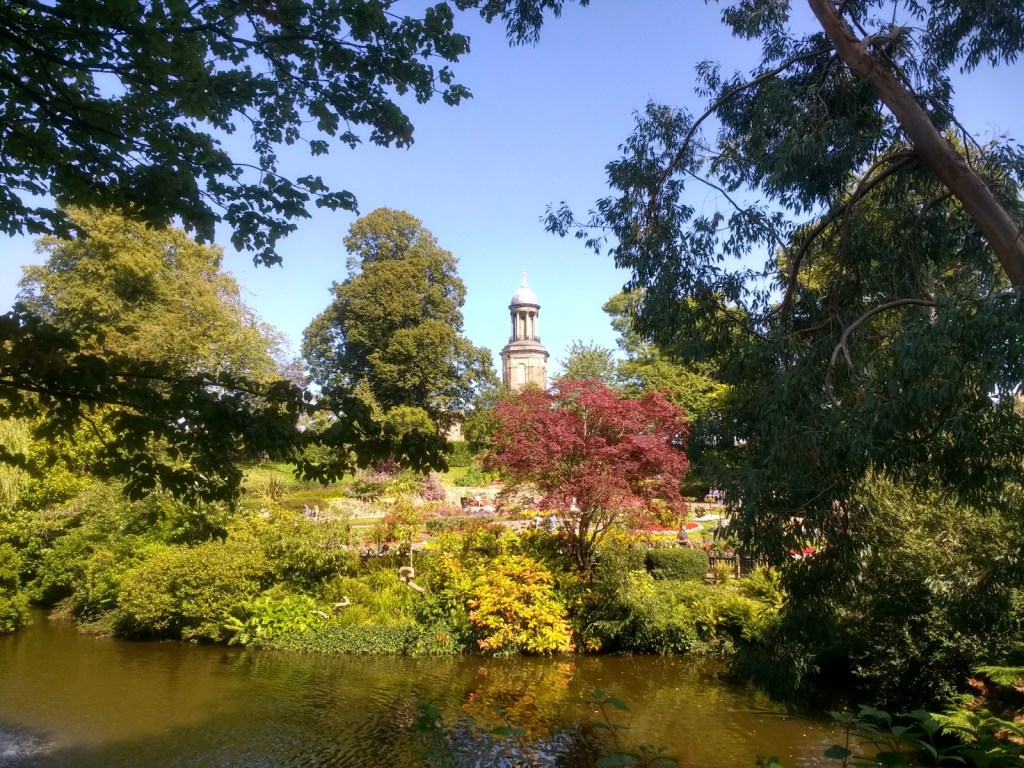
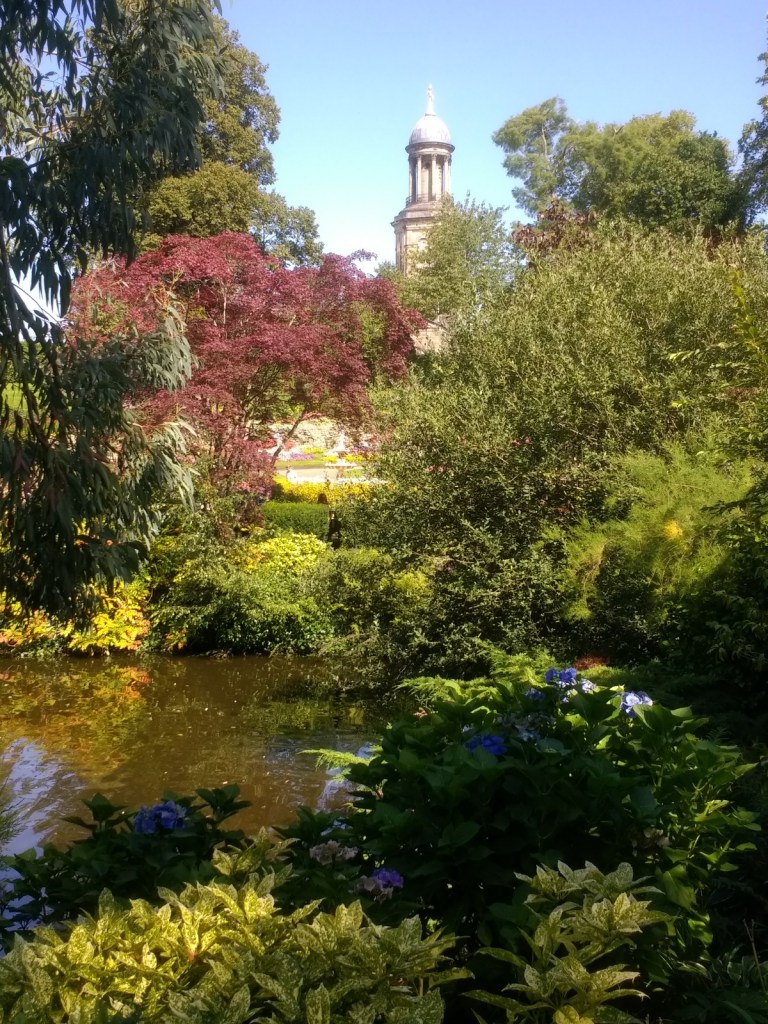
View of The Dingle, a sunken garden in the middle of Quarry Park in Shrewsbury. The garden was designed by Percy Thrower, when he was in charge of the municipal gardens there.
One of the houses seemed just about perfect for us and, after a second view, we put in an offer, which has been accepted. It’s early days yet, but we are very excited and I can’t wait to start unpacking all those boxes we put into storage over seven months ago.
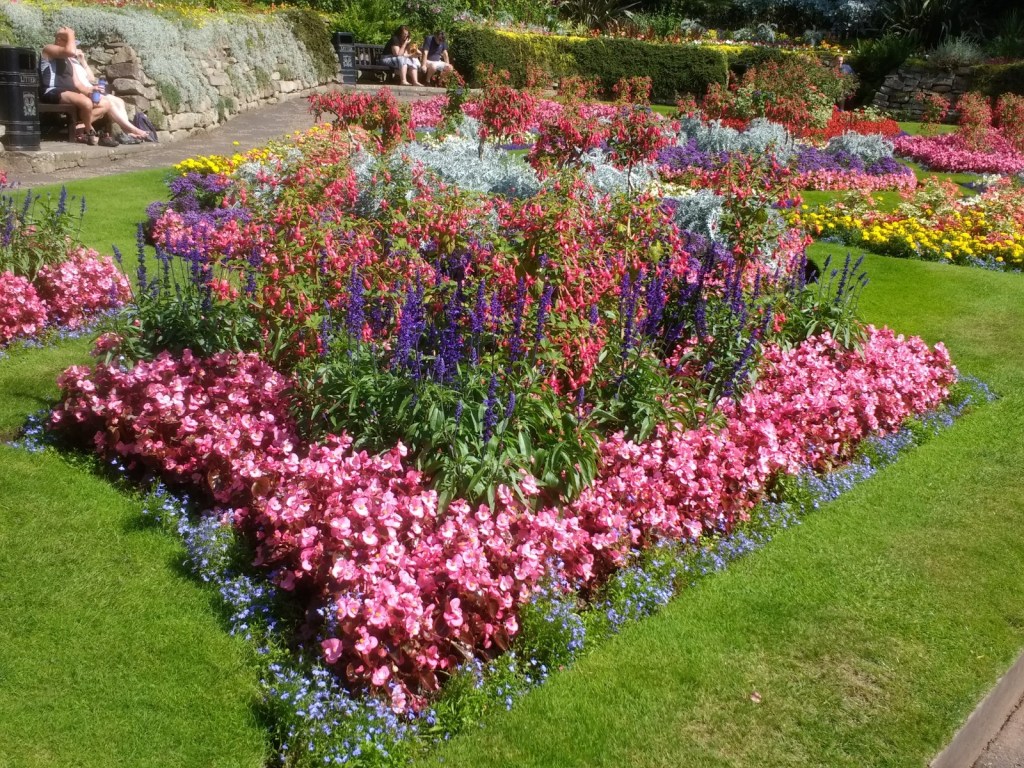
Flowers in the Dingle
We are going to be nomads for the next five weeks moving from here to a friend’s annexe, and then to house-sit for some other friends while they are away. By then we should have a completion date, or, if we’re really lucky, even move in (our vendors have very helpfully said they are happy to go into rented accommodation to speed things up).
More of the Dingle
Keep your fingers crossed for us!
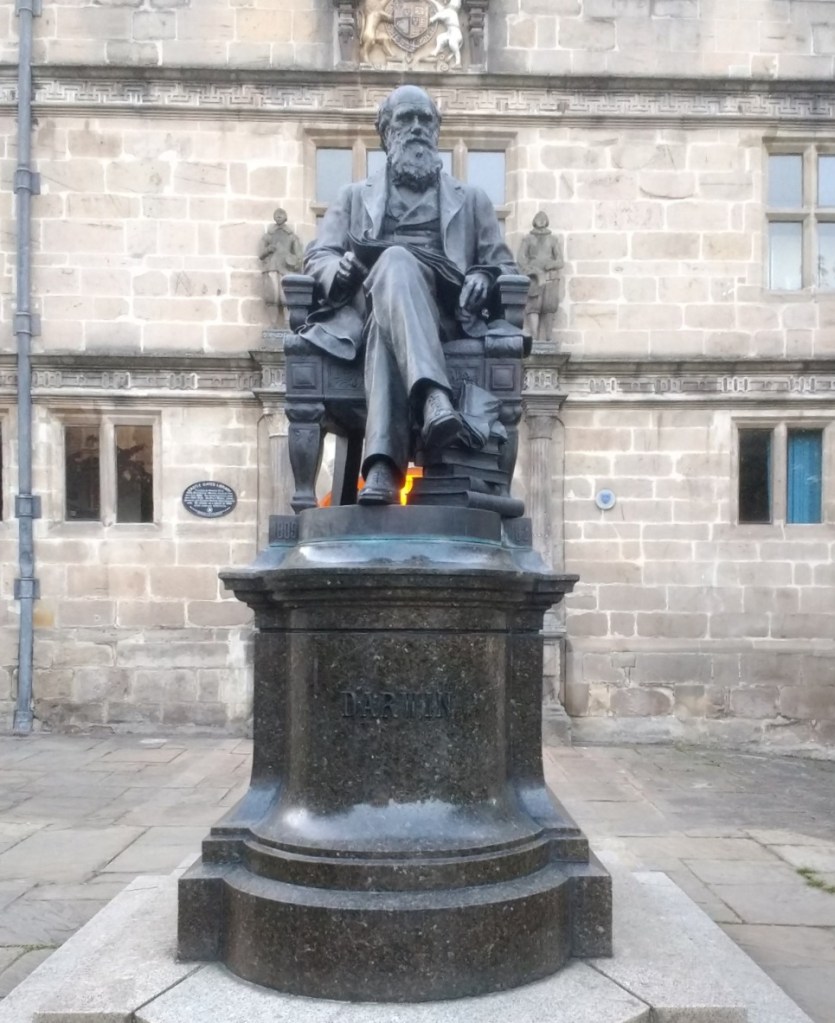
Charles Darwin, who conducted his earthworm experiments while staying at Leith Hill Place (his wife’s family lived there) was born in Shrewsbury. I was busy again in the kitchens at LHP on Bank Holiday Monday. I still have a lot more hours to do before I qualify for a volunteer’s card next year!
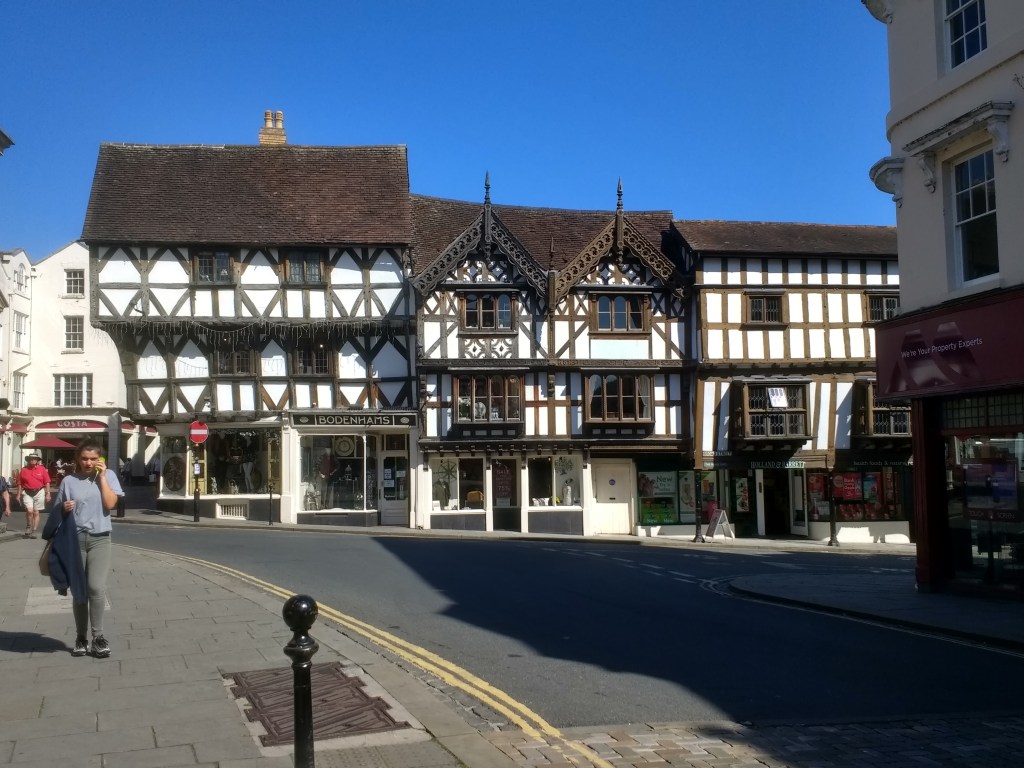
Ludlow is about an hour’s drive south of Shrewsbury. We’re looking forward to exploring the local area using our free bus passes – I will soon be able to apply for mine. Our elder son, Guy, is very jealous!
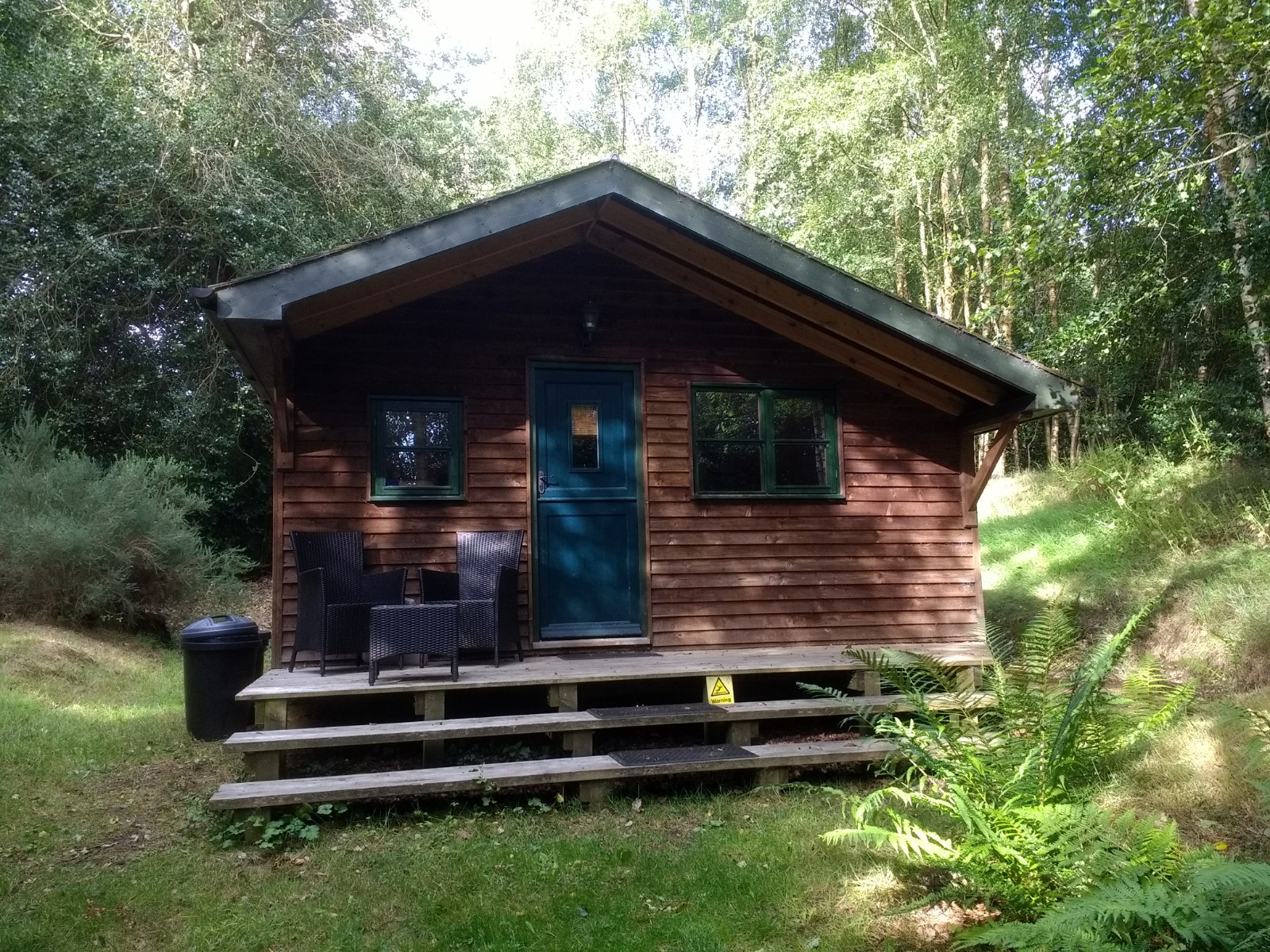
After a long day of travelling on Monday, we are back. Back in the UK that is which is as close to ‘home’ as it is goes at the moment. Where we are is a wooden chalet, or ‘shed’ as our younger son calls it, in the depths of the Surrey countryside near Shere, itself not far from Guildford.
Our ‘shed’. (It’s bigger inside than it looks).
First impressions? In the absence of a dazzling blue sky you become excited when a patch of blue appears in a break between the clouds. It feels chilly too (at 21 degrees, it is over 10 degrees cooler than we are used to) and I have rummaged around in our ‘winter’ suitcase for some warmer clothes to wear.
It is wonderful to have the chance to see all the people we’ve missed though, and as chance would have it, the site of our ‘shed’ and its contained sofa bed is proving convenient for Alasdair, currently working on a film close by.
We’re not sure what’s in store for us next. We had planned to spend September in Milan, and we may still do so, but our thoughts have been turning to buying a new home in the UK (we’ll miss the sun, but this feels like home).
I will continue to blog, and keep a record of some of the things we do, but will not post as frequently.
Today we had a walk on Leith Hill, one of our favourite haunts.
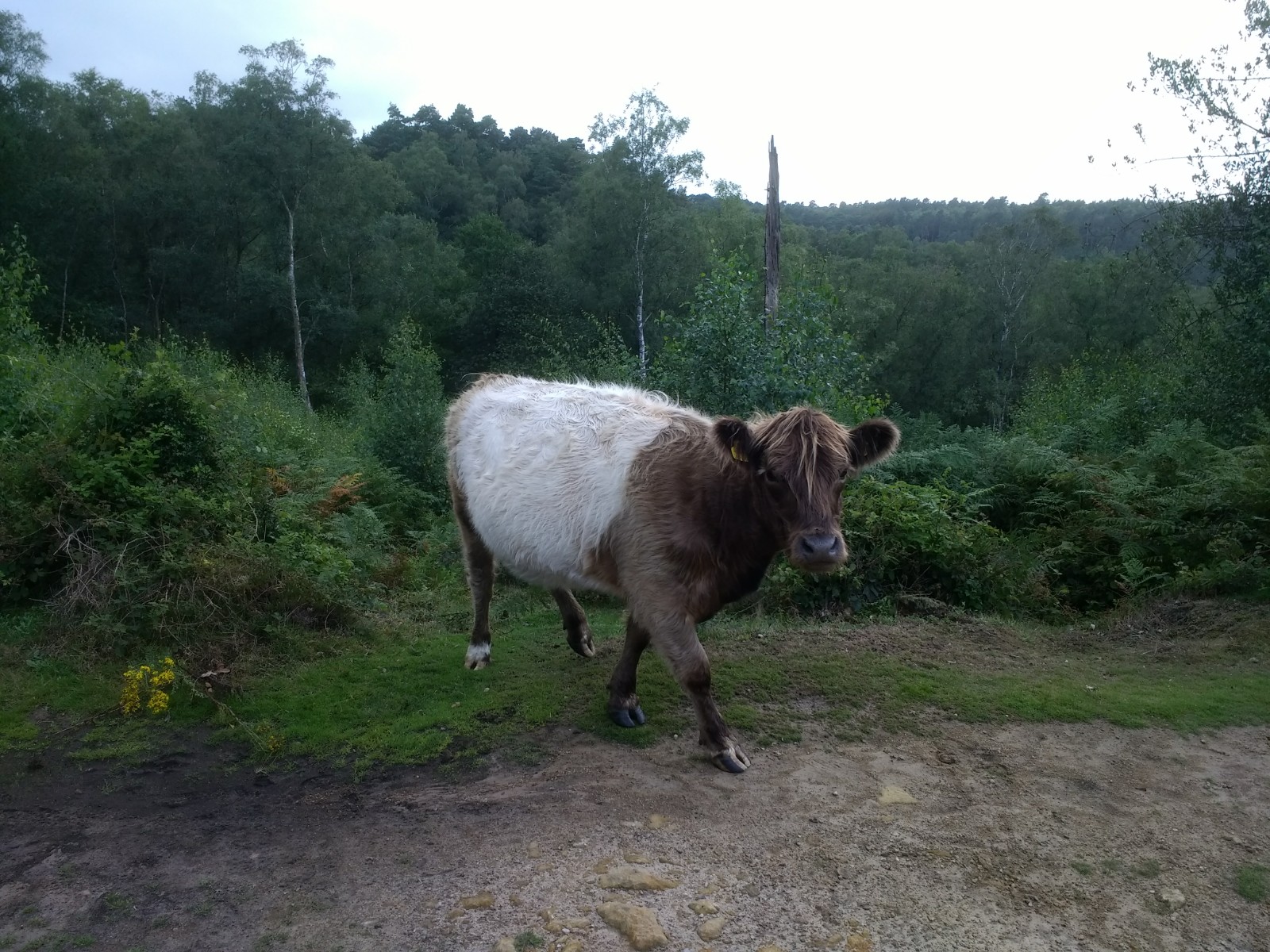
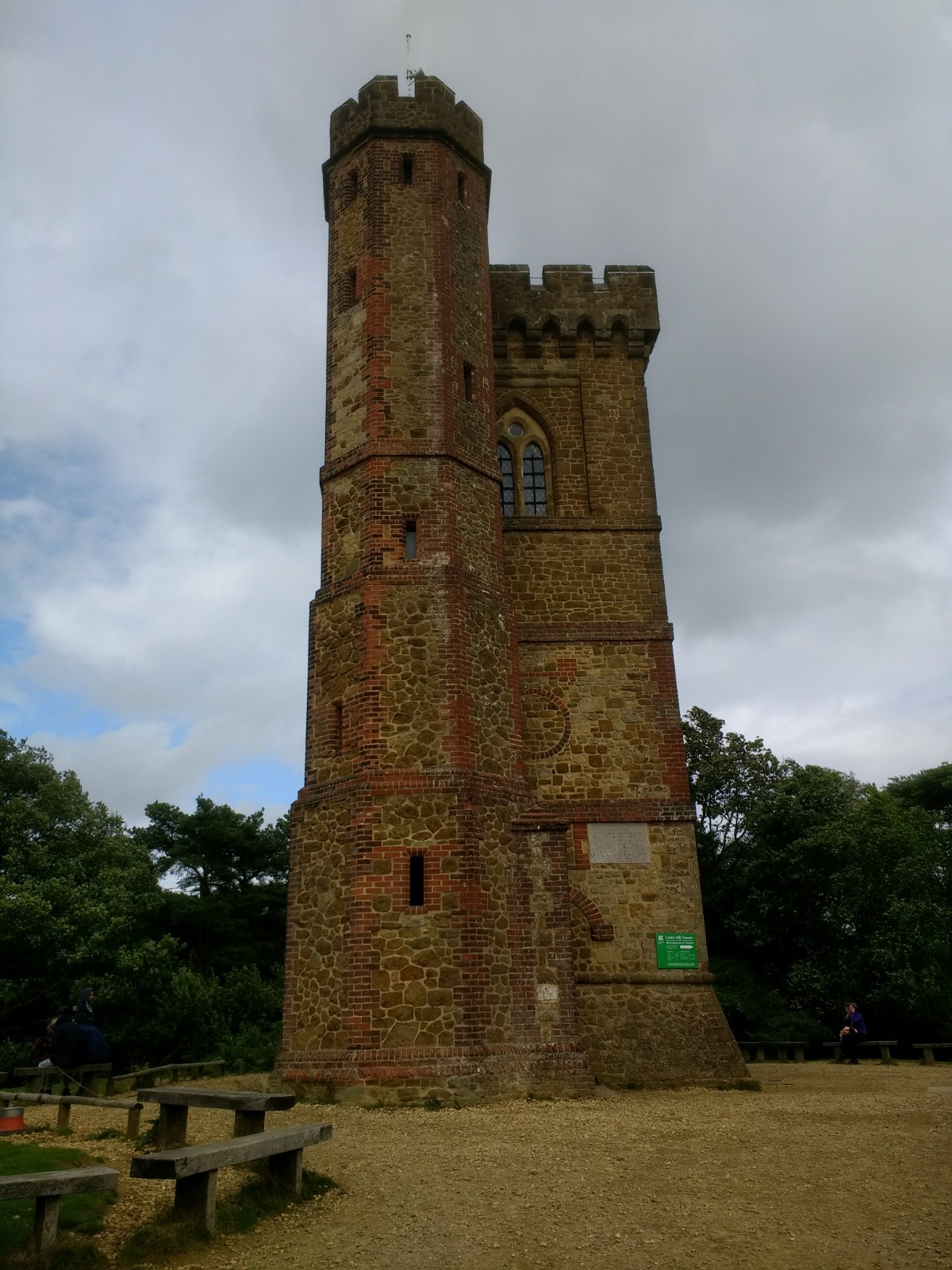
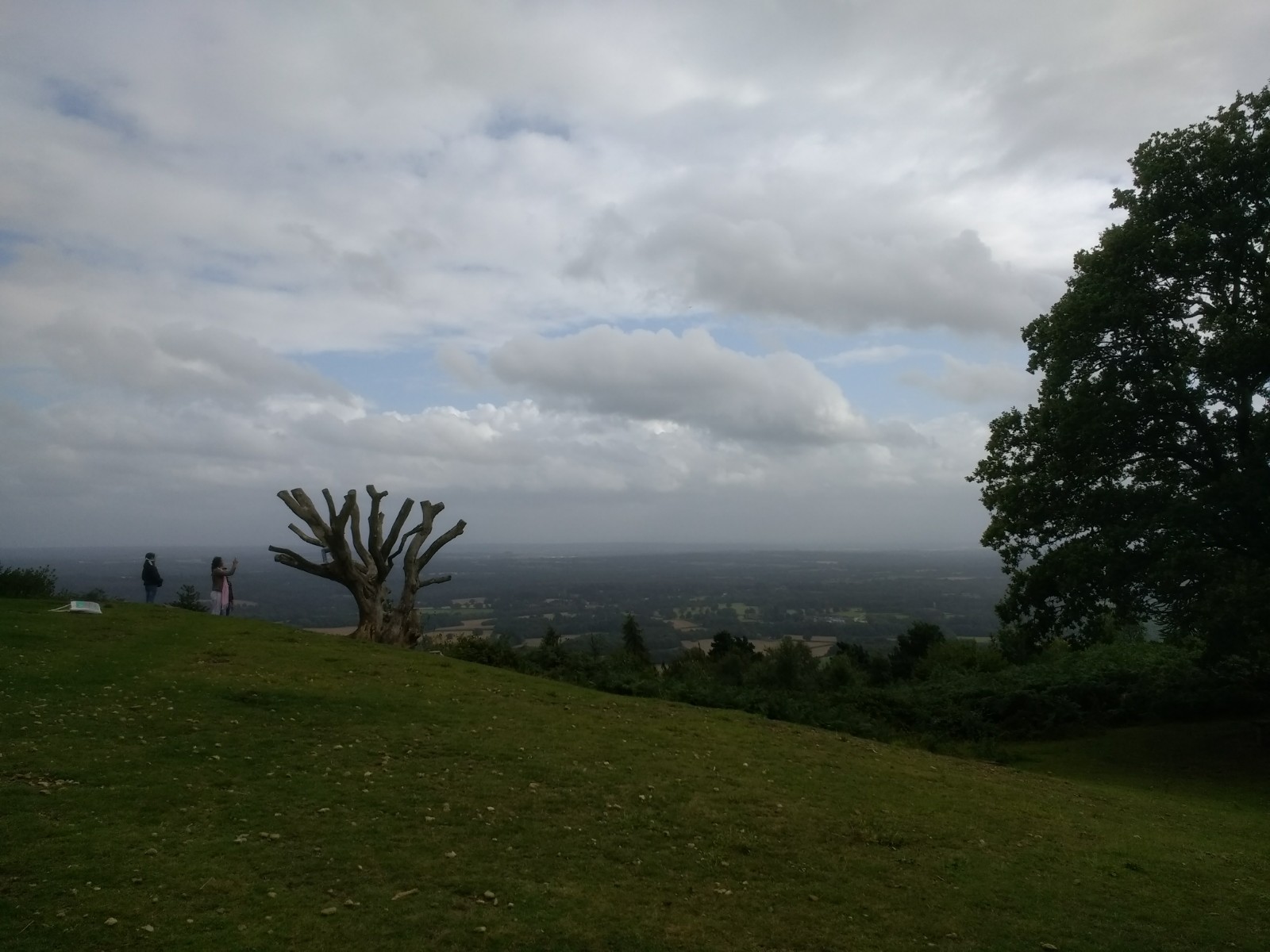
In the summer we love to see the Belted Galloways which graze here The tower at the top of Leith Hill, built as a folly by one of the owners of Leith Hill Place, where I used to volunteer. This photo shows I’ve been coming to Leith Hill for a long time. It is dated ‘Spring 1958’ when I had just turned 4.This is the highest point in the south-east of England, but the view was not the best today.
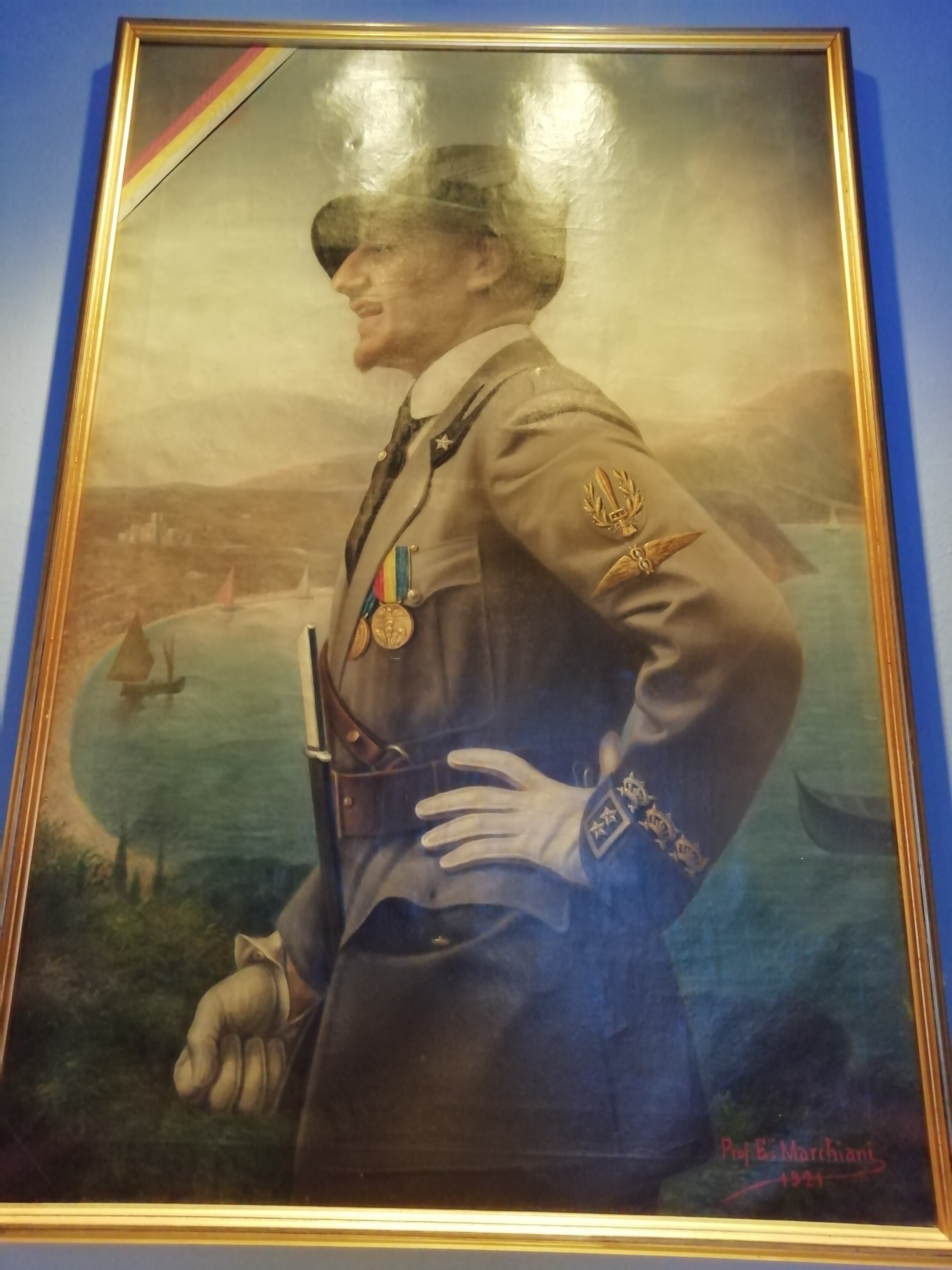
Once inside the Priory, former home of Gabriele d’Annunzio, it was clear why our tour group consisted of only four people.
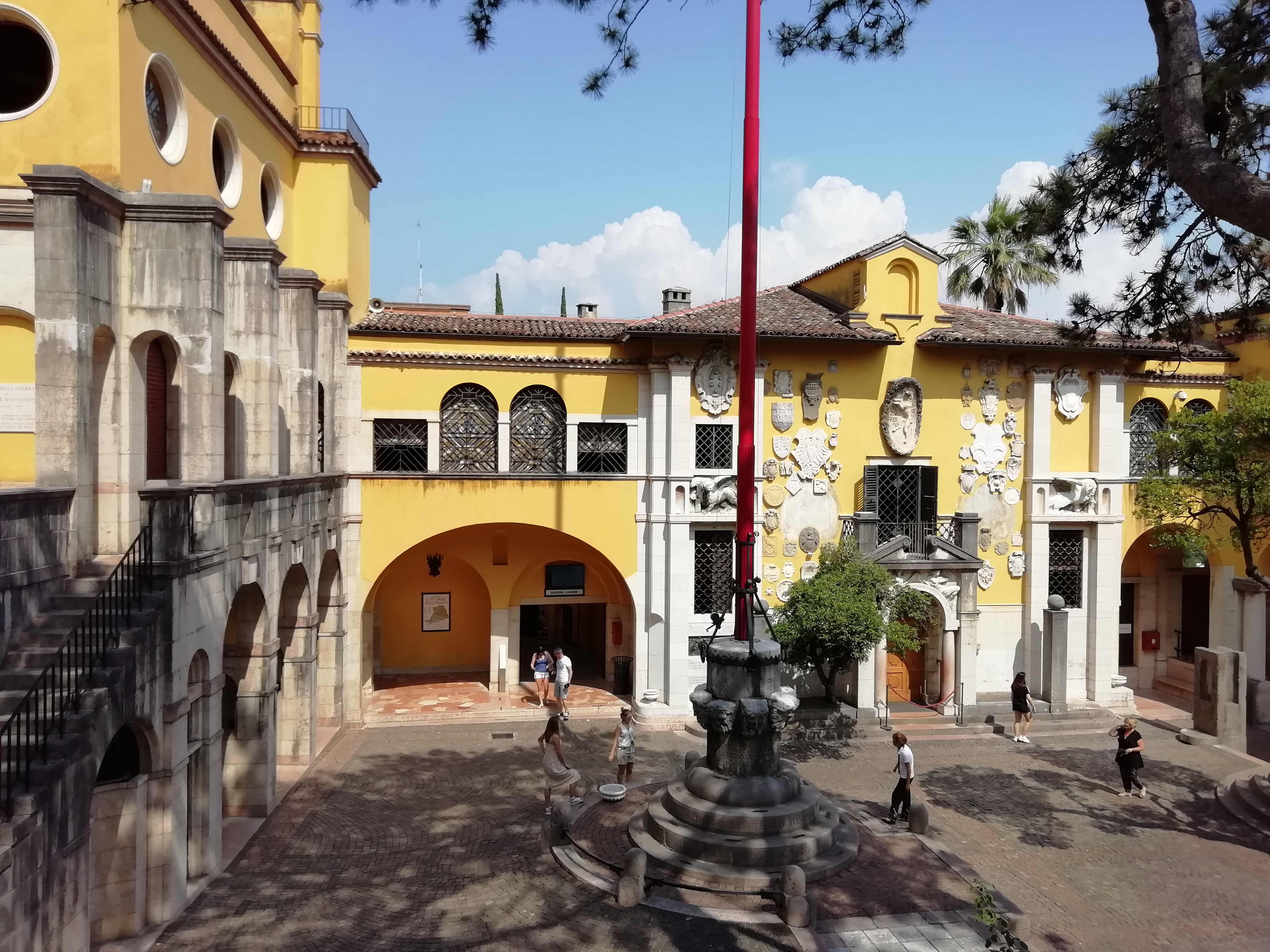
The Priory, part of Il Vittoriale Degli Italiani (The Victorious of the Italians)
The dark interior, crammed full with all manner of memorabilia (including the mangled steering wheel of the boat used by Henry Segrave when, in 1930, he broke the water speed record over Lake Windermere) more furniture and cushions than you could ever need, and 33,000 books, afforded only the narrowest of passages. The taking of photographs is not allowed in the first rooms as, although on his death d’Annunzio left the entire house and contents to the Italian people, his descendants hold the copyrights.
D’Annunzio, war hero
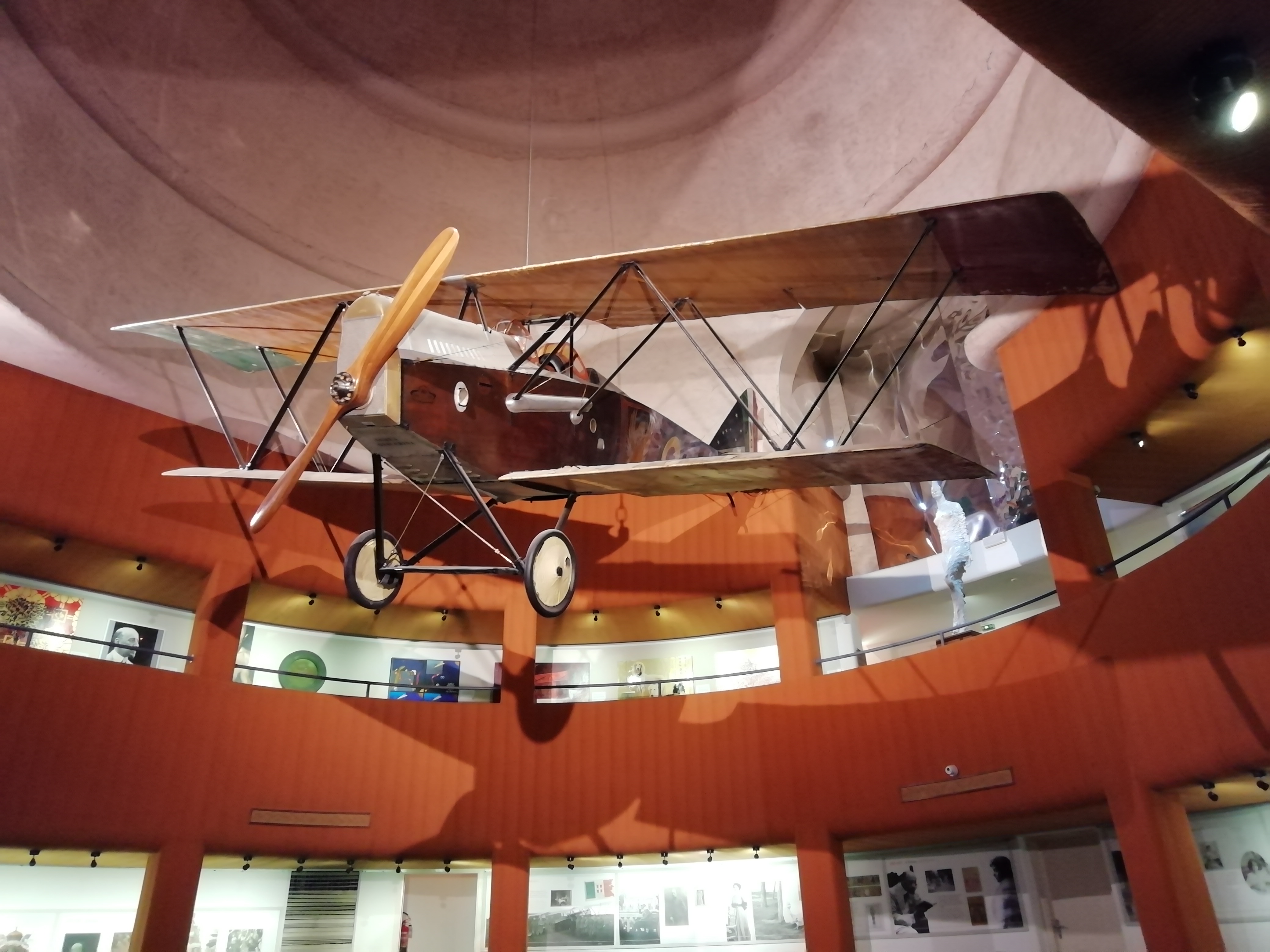
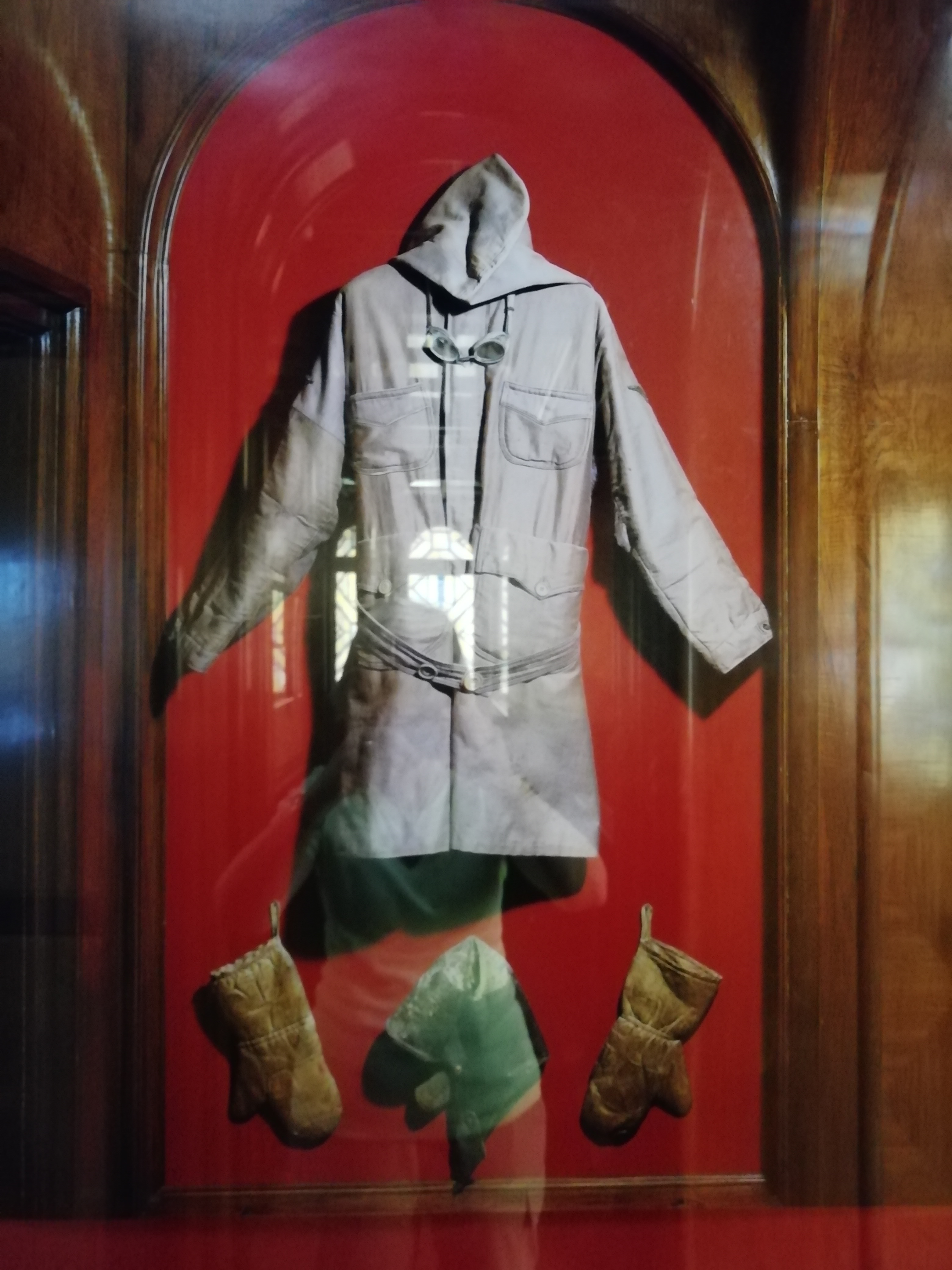
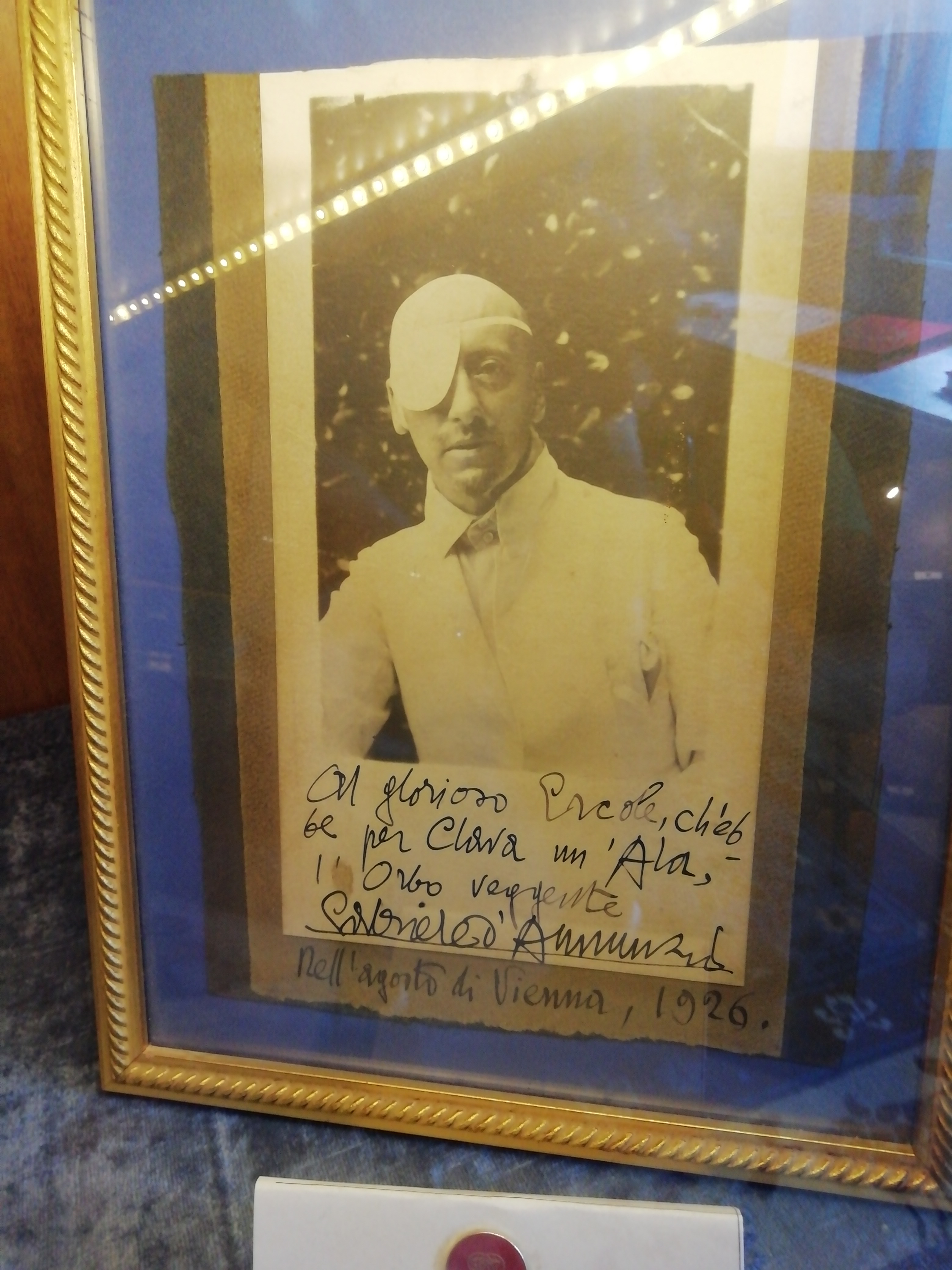
Born in 1863, d’Annunzio first became known as a poet and writer, but during the First World War he also made a name for himself as a war hero, particularly for an episode in 1918 when he flew over Austria dropping 11,000 propaganda leaflets declaring an Italian victory.
The plane d’Annunzio used for his flight over ViennaClothing worn by d’Annunzio during the flight
It was after the war that d’Annunzio acted on his political instincts. Disagreeing with the way a portion of land that had hitherto belonged to Austria was parcelled up between the allies, d’Annunzio took the town of Fiume, now known as Rijeka, and part of Croatia, for Italy. When the Italian government opposed this move, d’Annunzio declared himself as dictator of an independent state and ruled for a year, only finally surrendering in December 1920 after bombardment by the Italian navy.
After Fiume, d’Annunzio looked for a new residence in which to bury and commemorate his shipwrecked comrades. In Gardone Riviera on Lake Garda, d’Annunzio found a villa, confiscated fromHenry Thode, a German art critic. The house was purchased and restoration work was carried out helped by a large donation from Mussolini on condition that d’Annunzio stayed away politics.
D’annunzio lost his right eye at the beginning of the war
D’Annunzio is seen as the inventor of Italian Fascism and employed many techniques in his rule of Fiume which Mussolini later copied. However, Mussolini still viewed d’Annunzio as a threat, rather than a comrade.
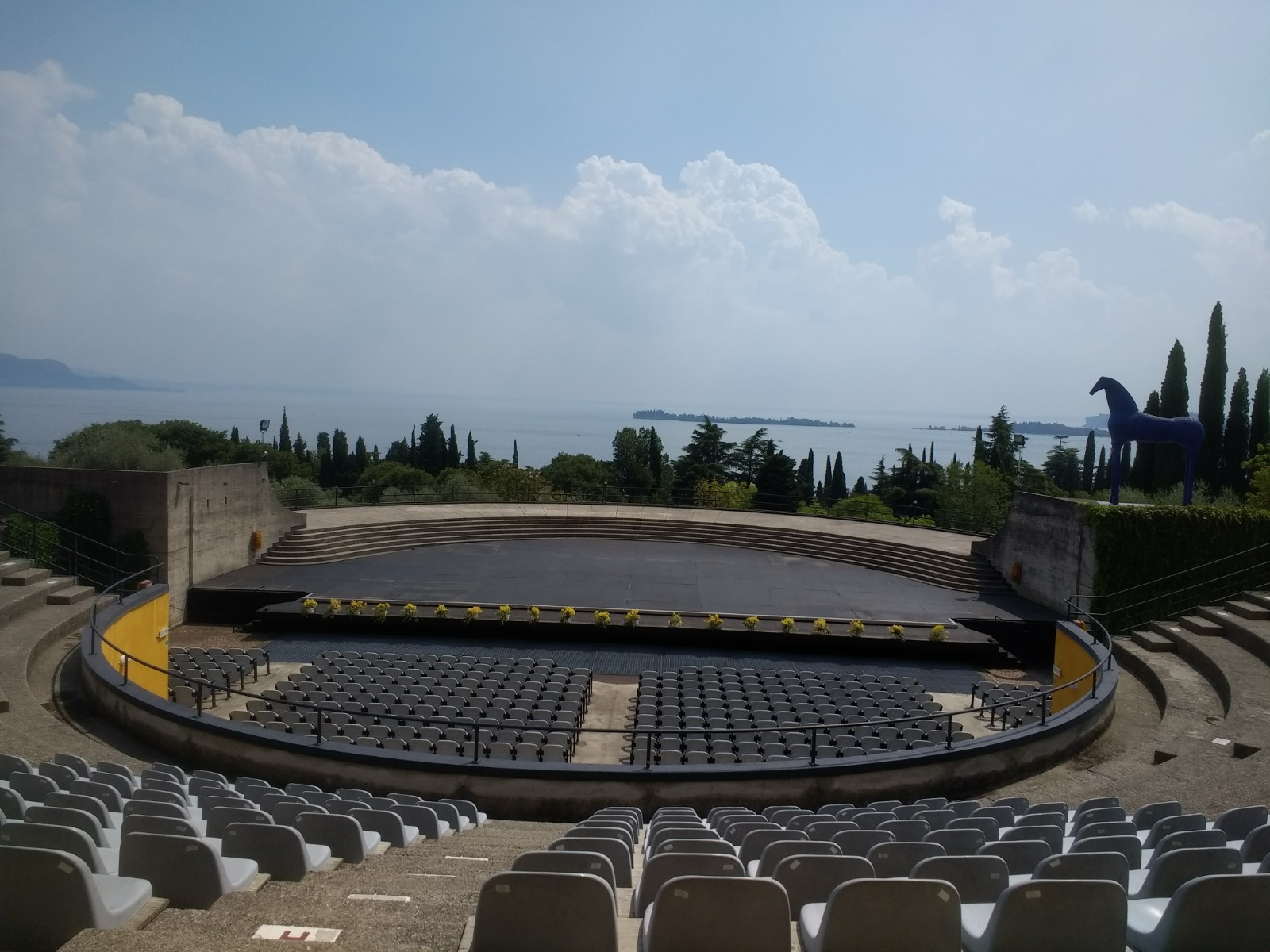
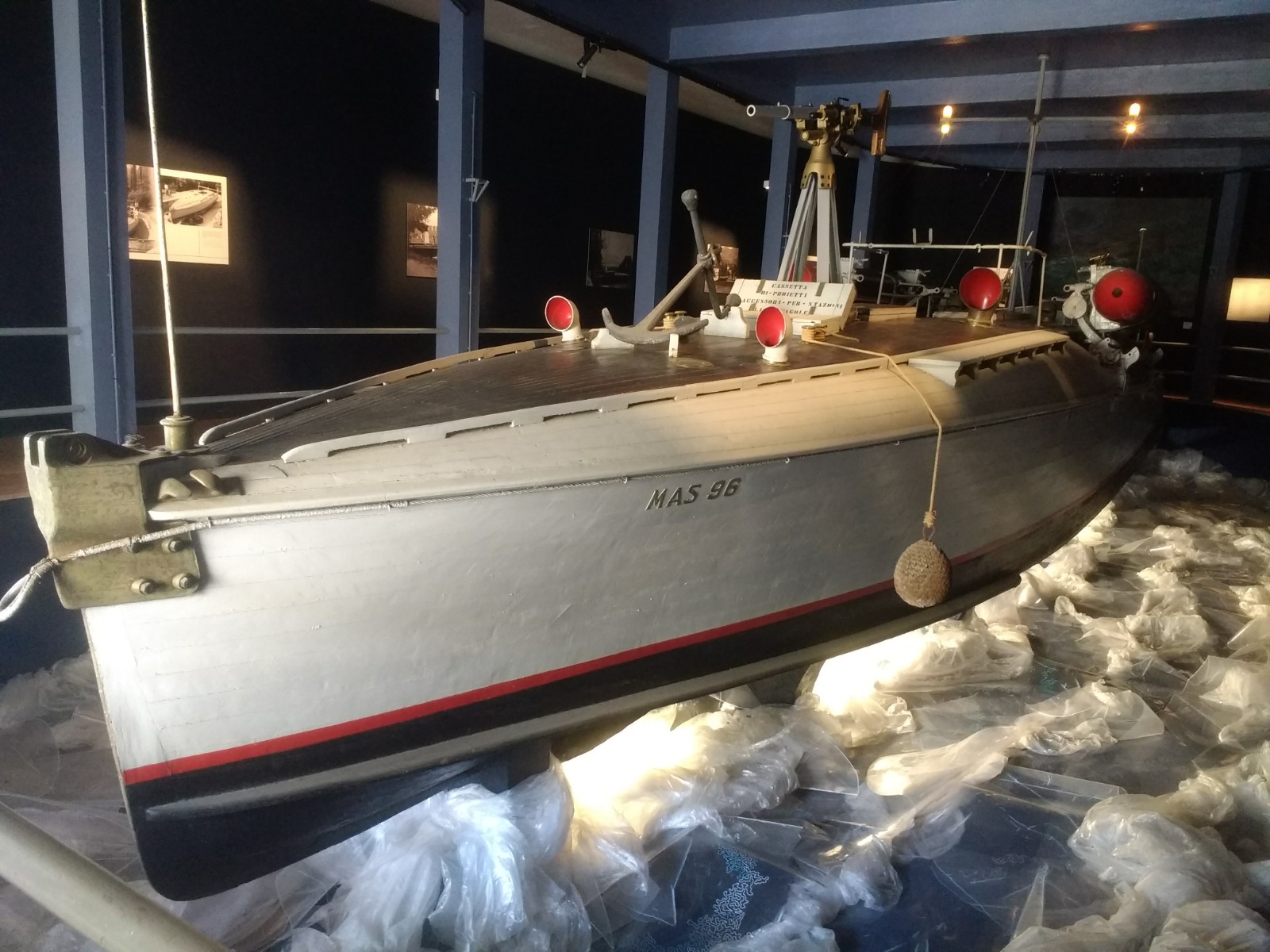
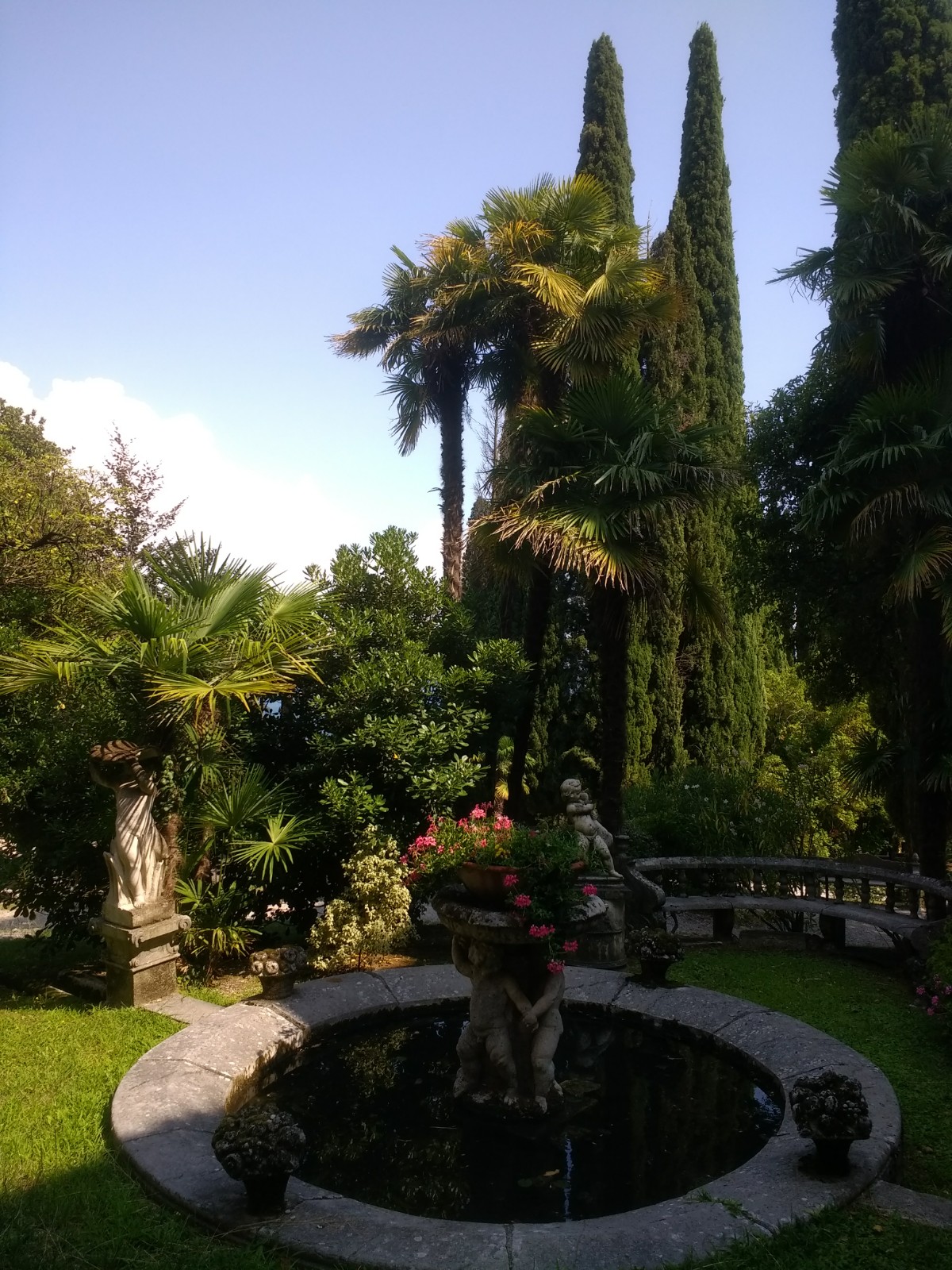
An amphitheatre was added to the property in 1931The boat that d’Annunzio used on the lakeSome of the Priory gardens
The cause of an accident in 1922 in which d’Annunzio ‘fell out of a window’, and was seriously injured, is unknown. In any case Mussolini, it seems, did not wish to take advice from d’Annunzio and took no heed of him in the 1930’s when the former dictator of Fiume warned against forming a pact with Hitler.
When D’Annunzio died at the Priory in 1938, a few days before his 75th birthday, he was given a state funeral by Mussolini.
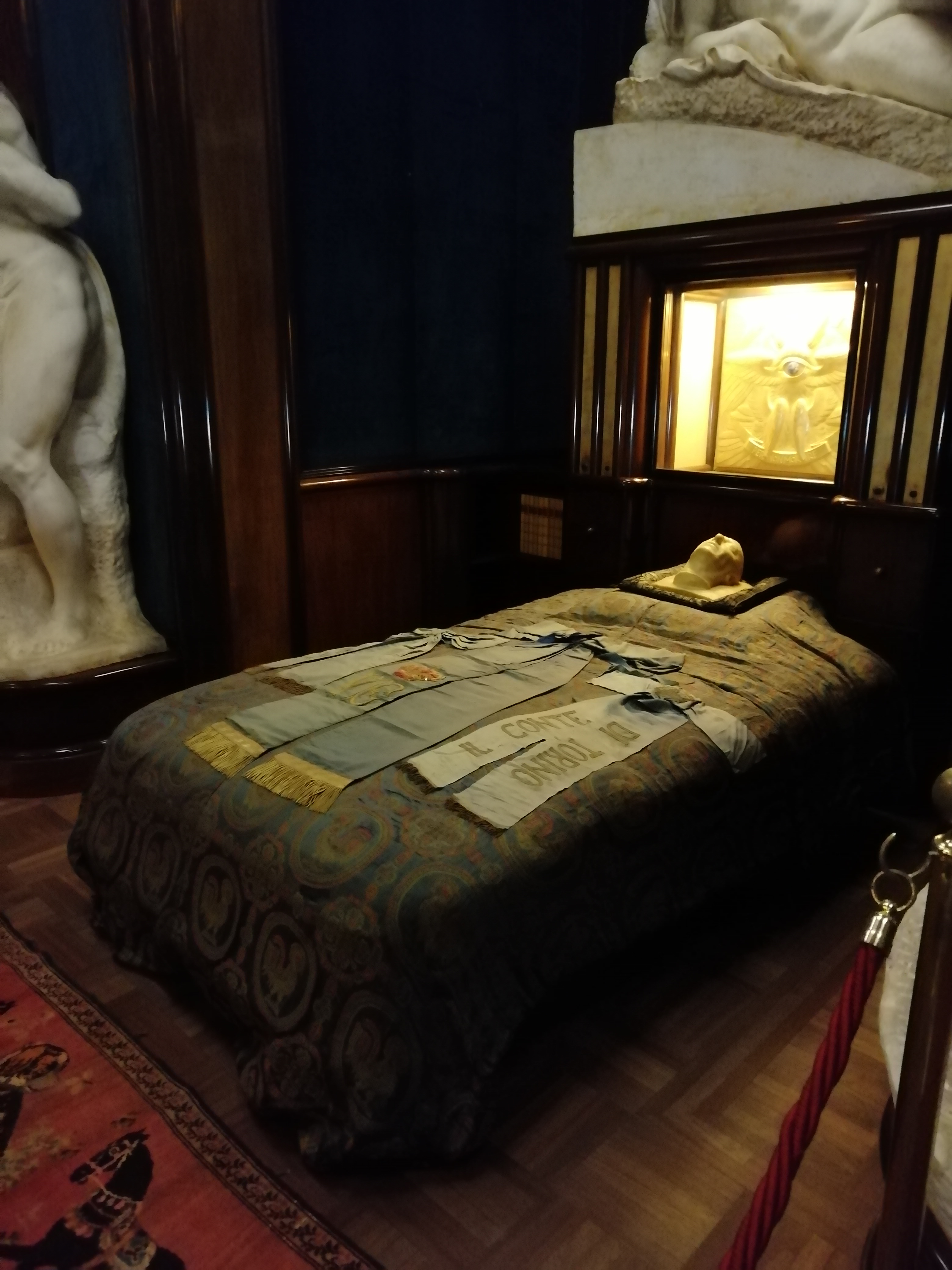
D’Annunzio’s last resting place. The blue ribbon was sent by Vittorio Emmanuel III who had given d’Annunzio the title ‘Prince of Montenevoso’ in 1924
We loved Verona, but, as the hot and humid conditions continued, we decided to limit ourselves to one or two sites, promising ourselves a return trip, at a cooler time, another year.
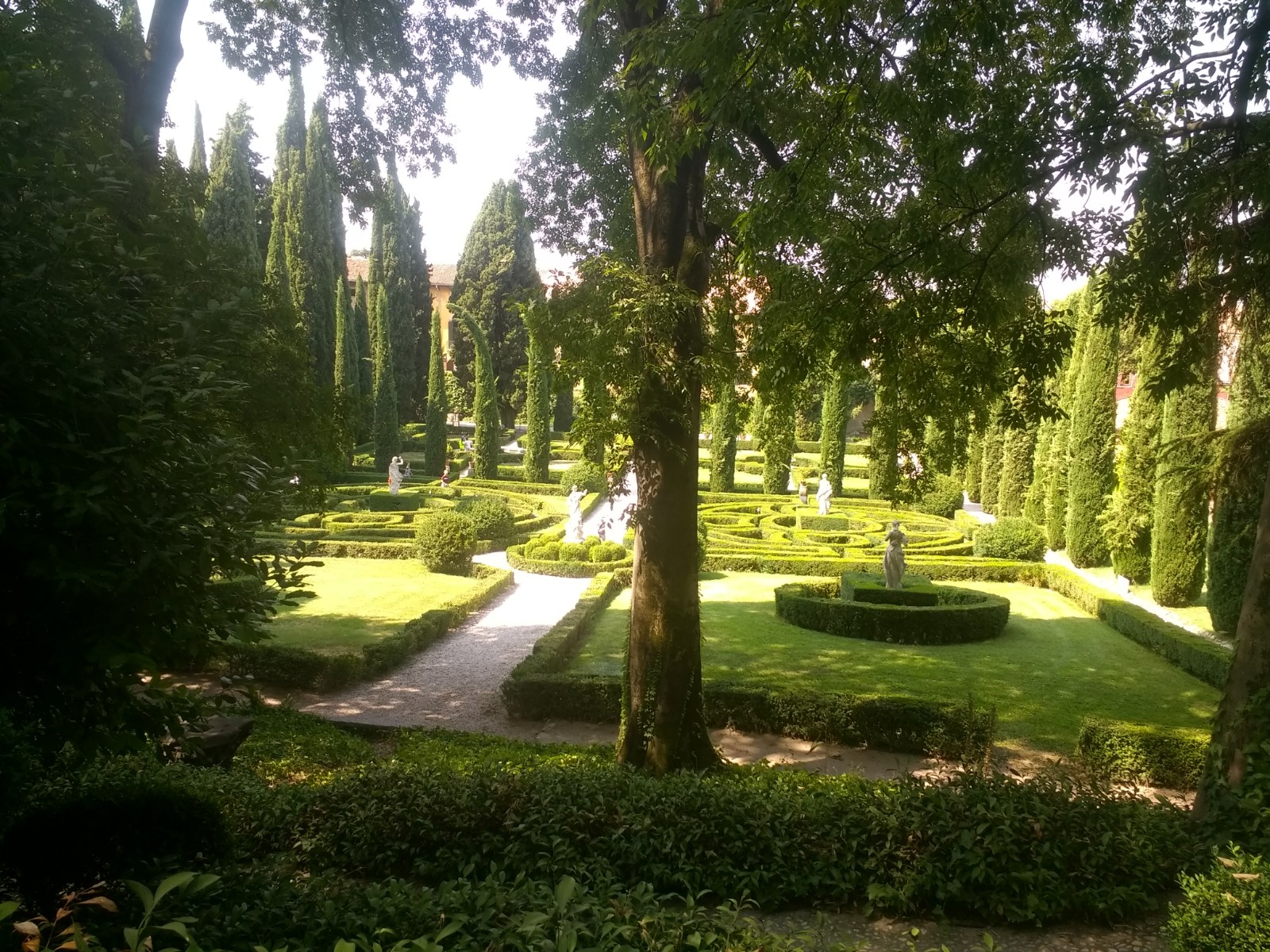
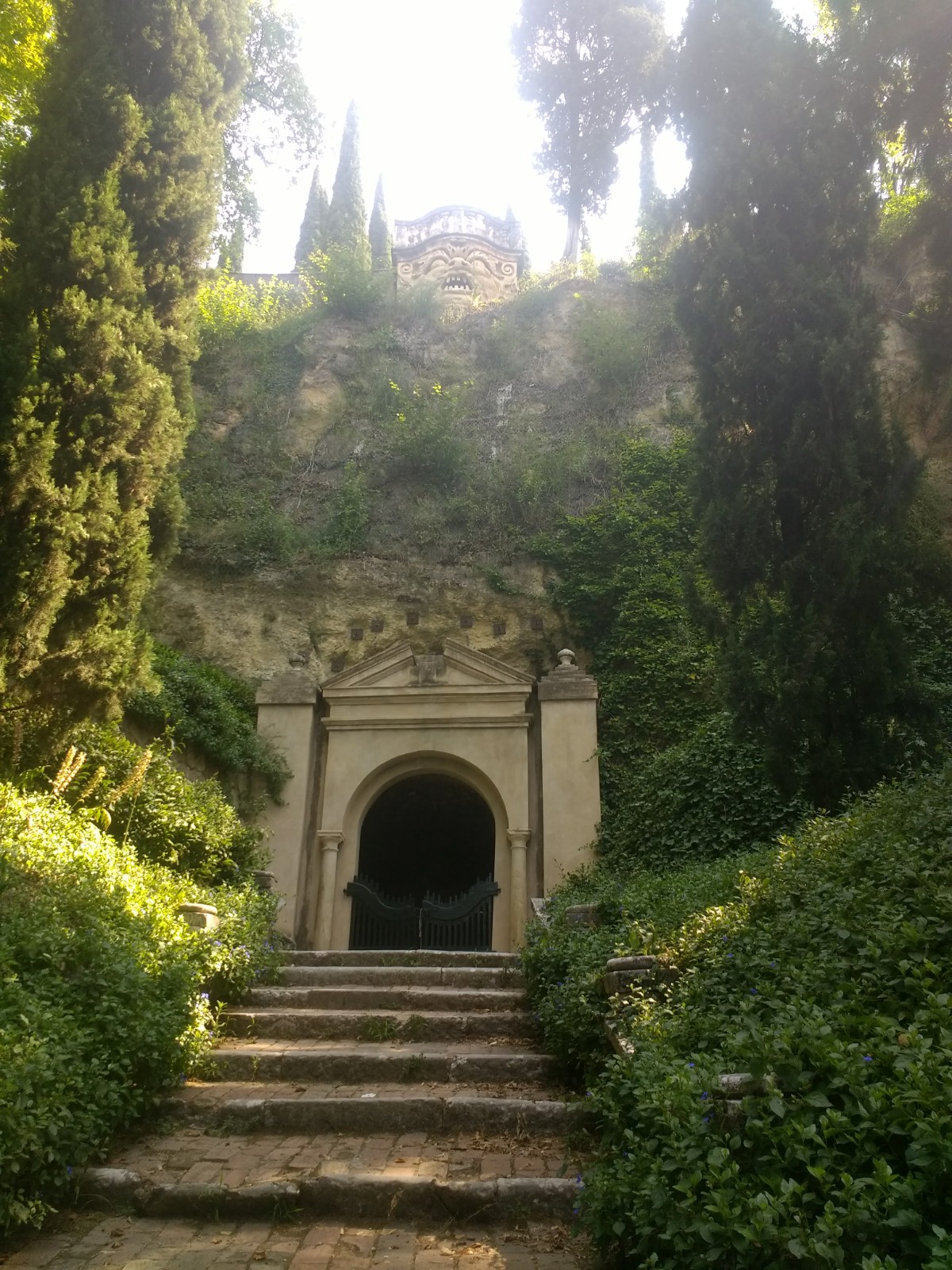
If it hadn’t been for a tip from our Airbnb host, we would have missed the wonderful Palazzo Giusti and its garden.
Giardino Giusti
Verona’s main source of wealth in the Middle Ages was wool, and the land where the garden now stands was bought by the Giusti family in 1406 as space to set out huge vats to dye their yarn. Later on in the fifteenth century, a Palazzo was added and the area that had been used for industry replaced by a formal garden with box hedges, cypress trees, fountains and grottoes.
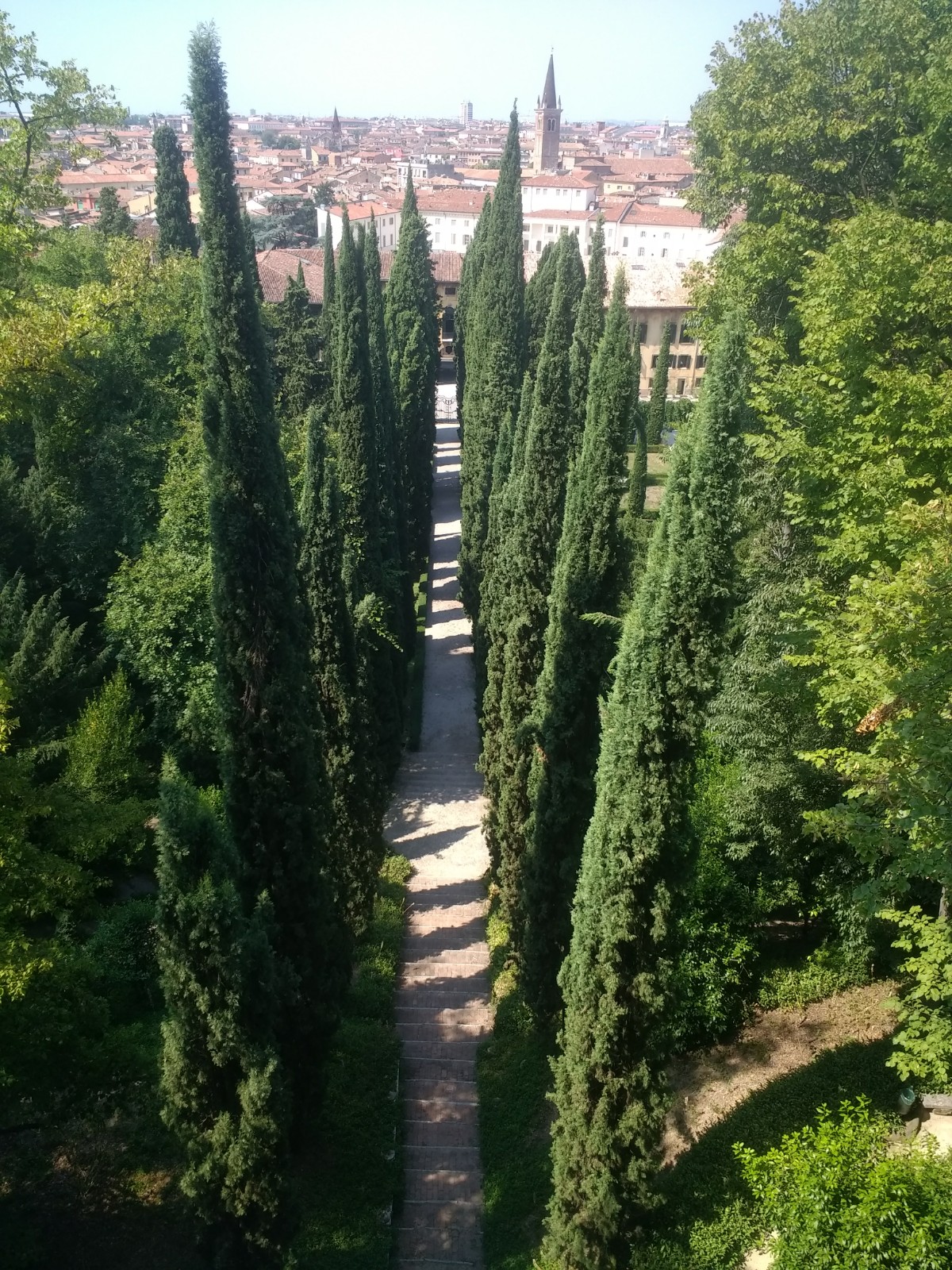
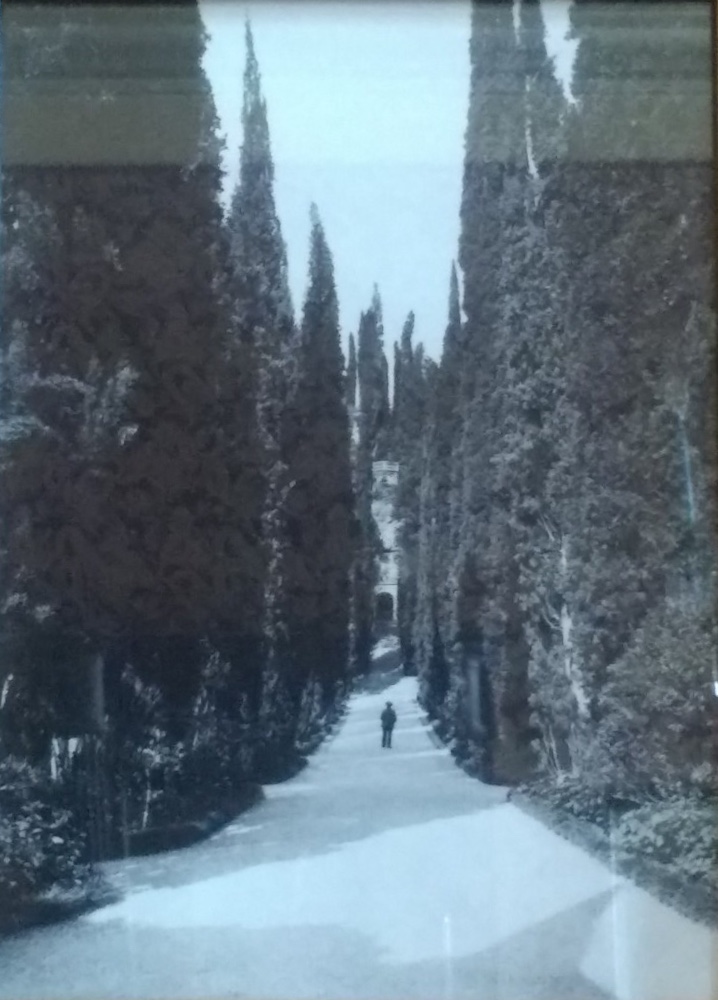
The tallest of the cypress trees is over 600 years old. Admired by Goethe, it is known as the ‘Cipresso di Goethe’.This old photo gives you better idea of scale.
The garden grew in fame and was a popular stopping-off point by those undertaking a ‘grand tour’. Apart from Goethe, famous visitors to the garden included Mozart, Ruskin and Tsar Alexander I.
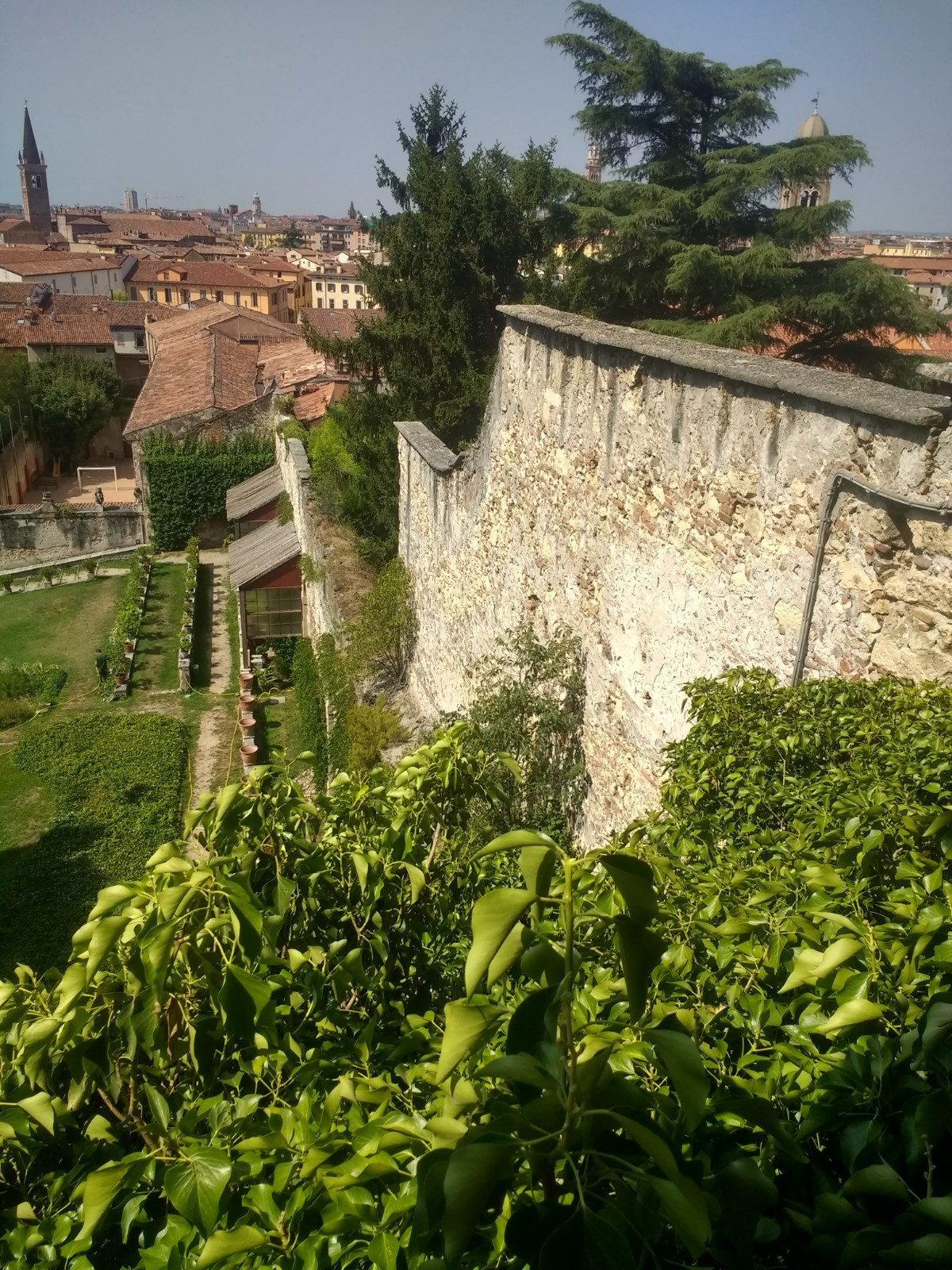
City wall, dating back to the twelfth century
The garden went through a period of neglect, but has now been almost totally restored. Today it looks fairly immaculate (apart from the lawn, which Mark always notices the state of).
Flames and smoke were designed to pour out of the mouth of the grotesque at the top of the rock face, causing consternation among visitors.
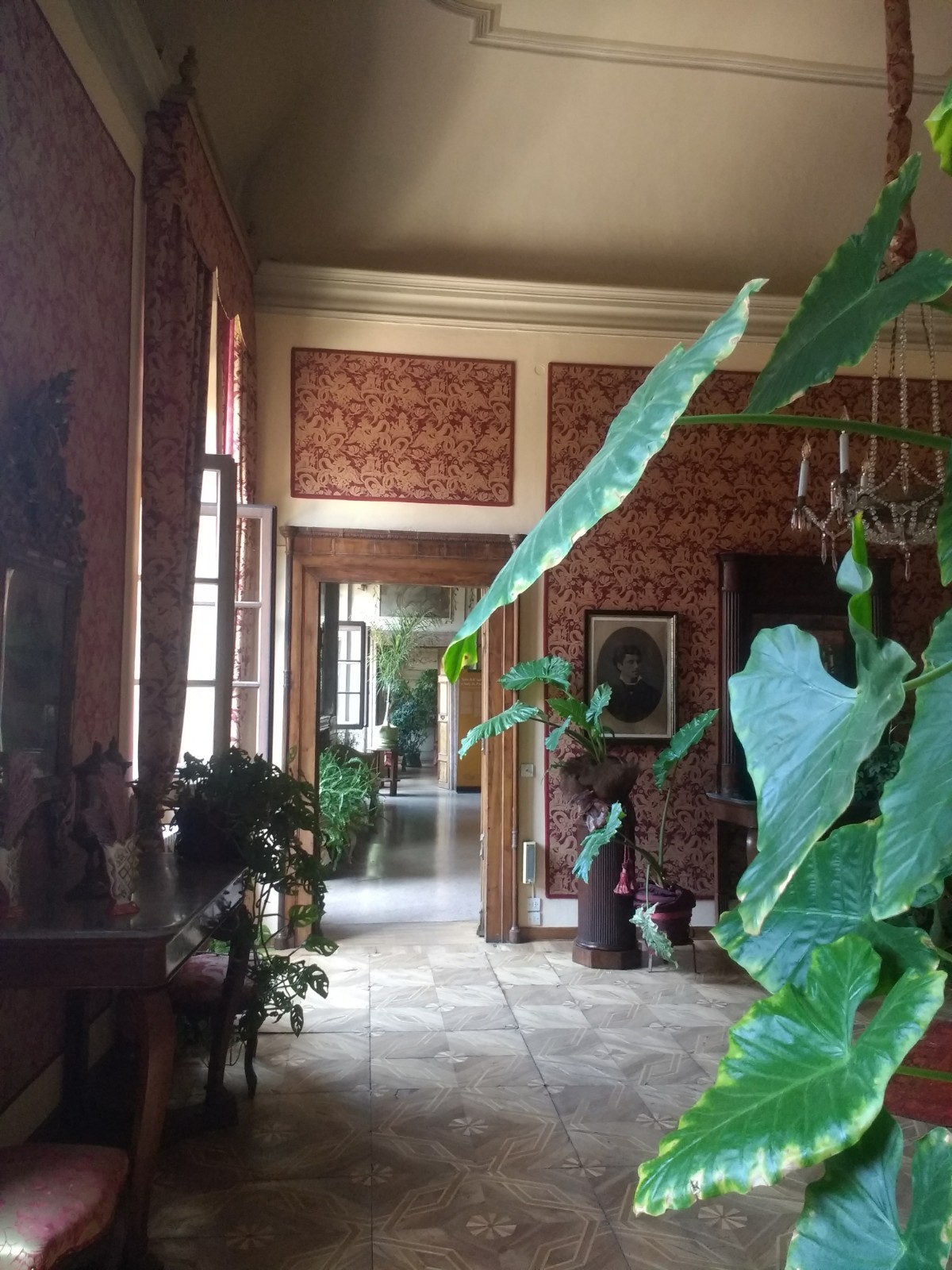
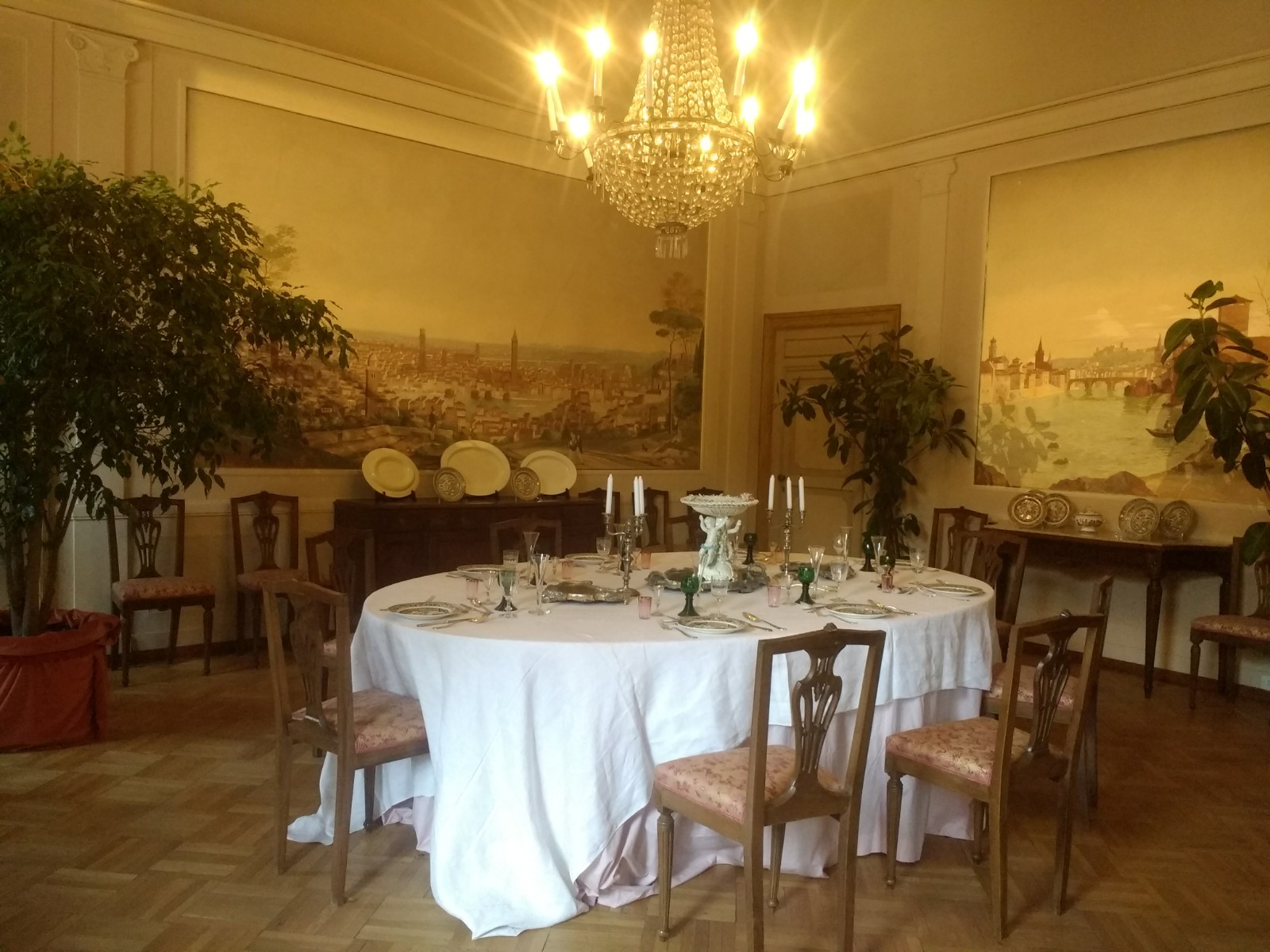
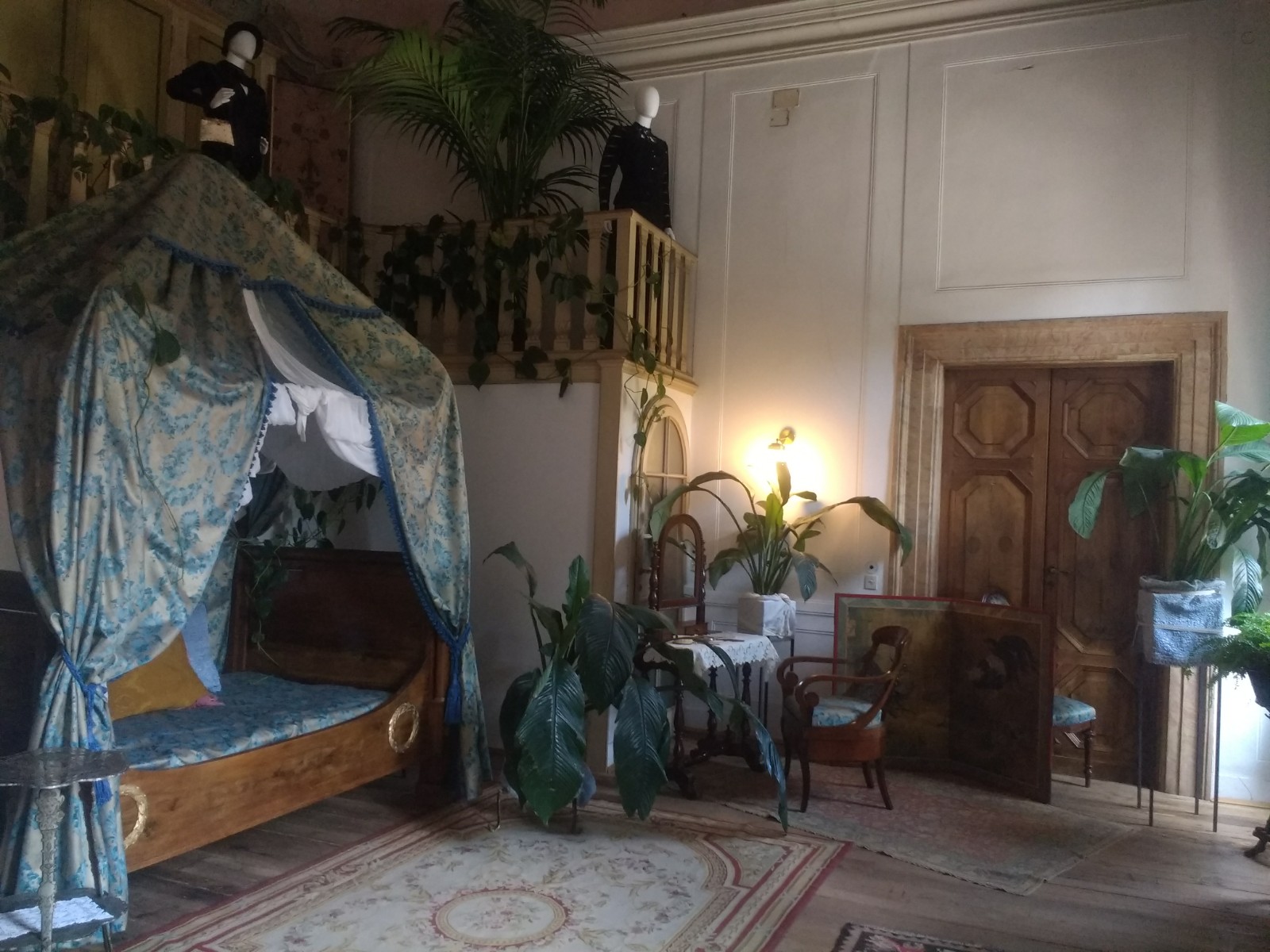
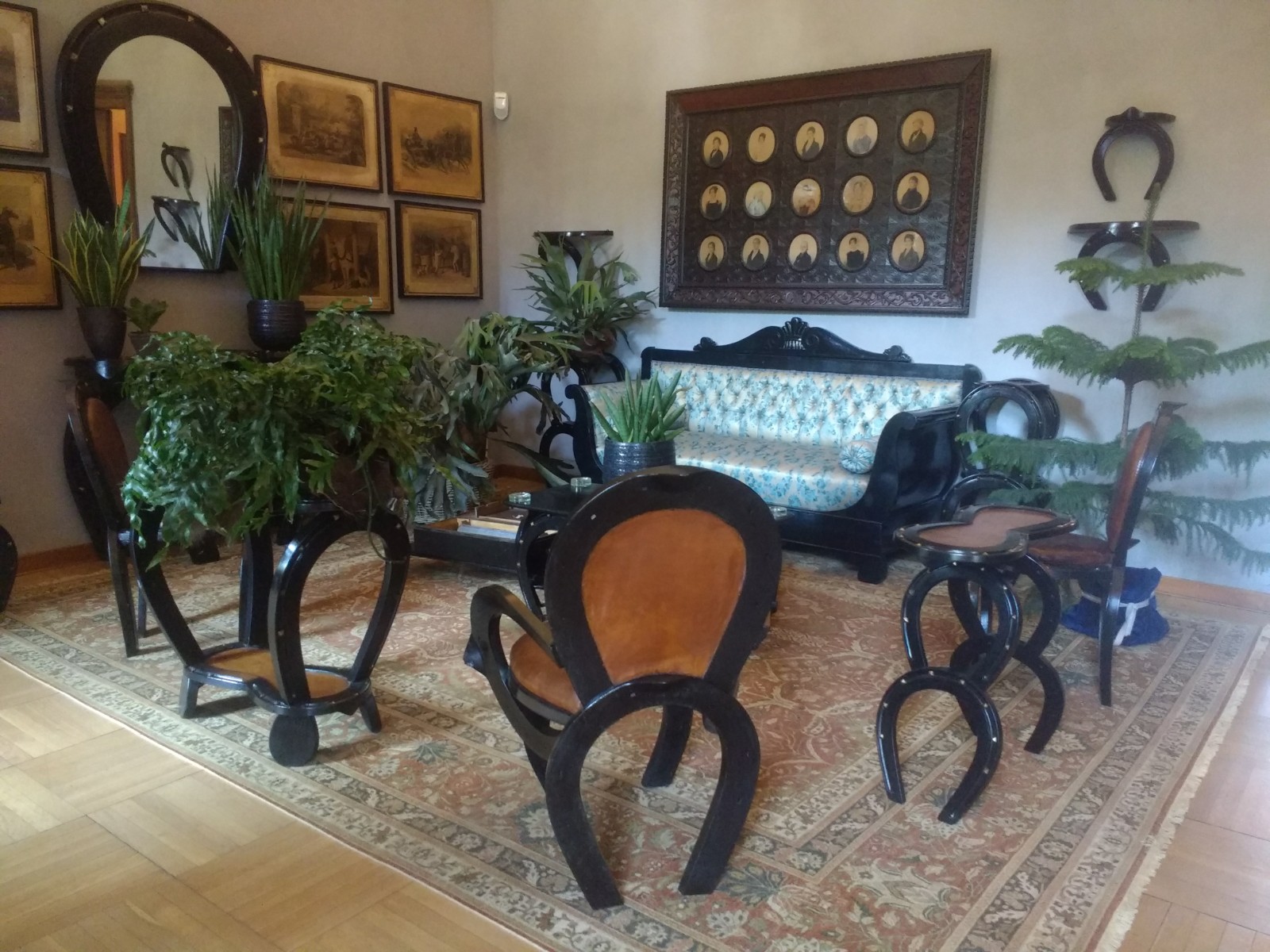
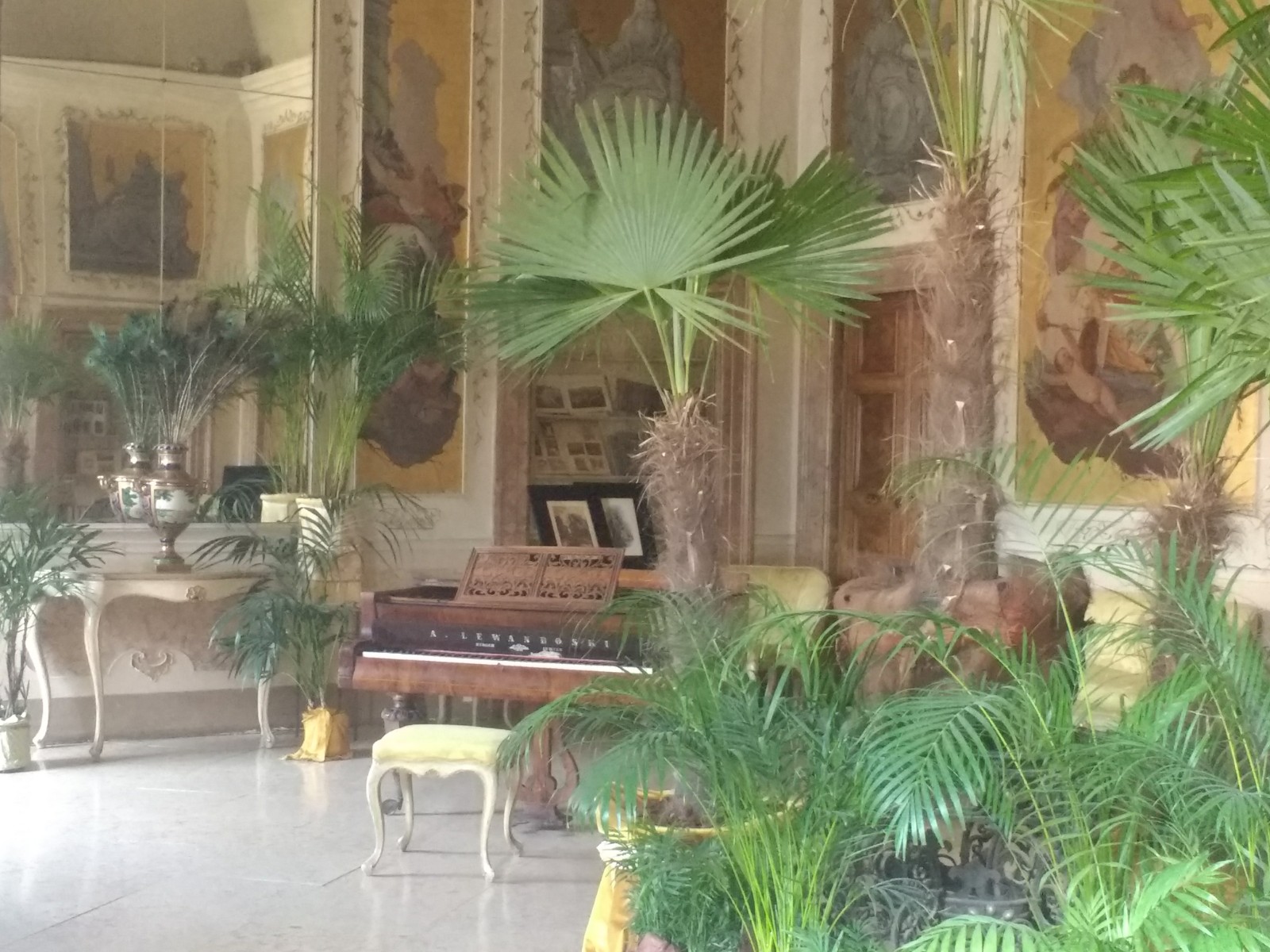
The Palazzo, with decorations from the eighteenth century, was also open for visits.
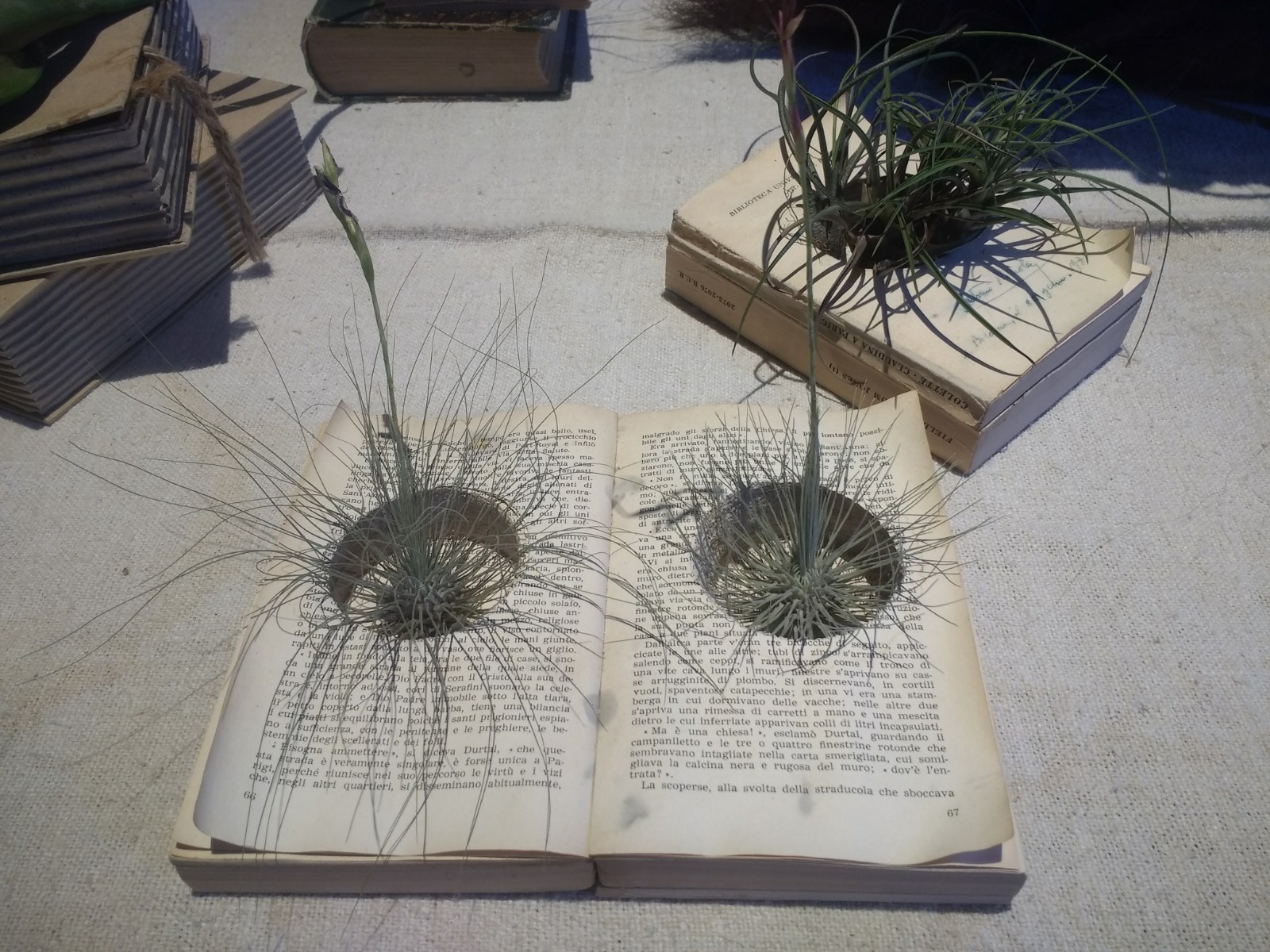
The rooms were full of plants, which really brought the place to life. Dining roomBedroomCurious furniture made from horseshoe shapesAnother odd idea – a waste of some old books in my viewPiano room
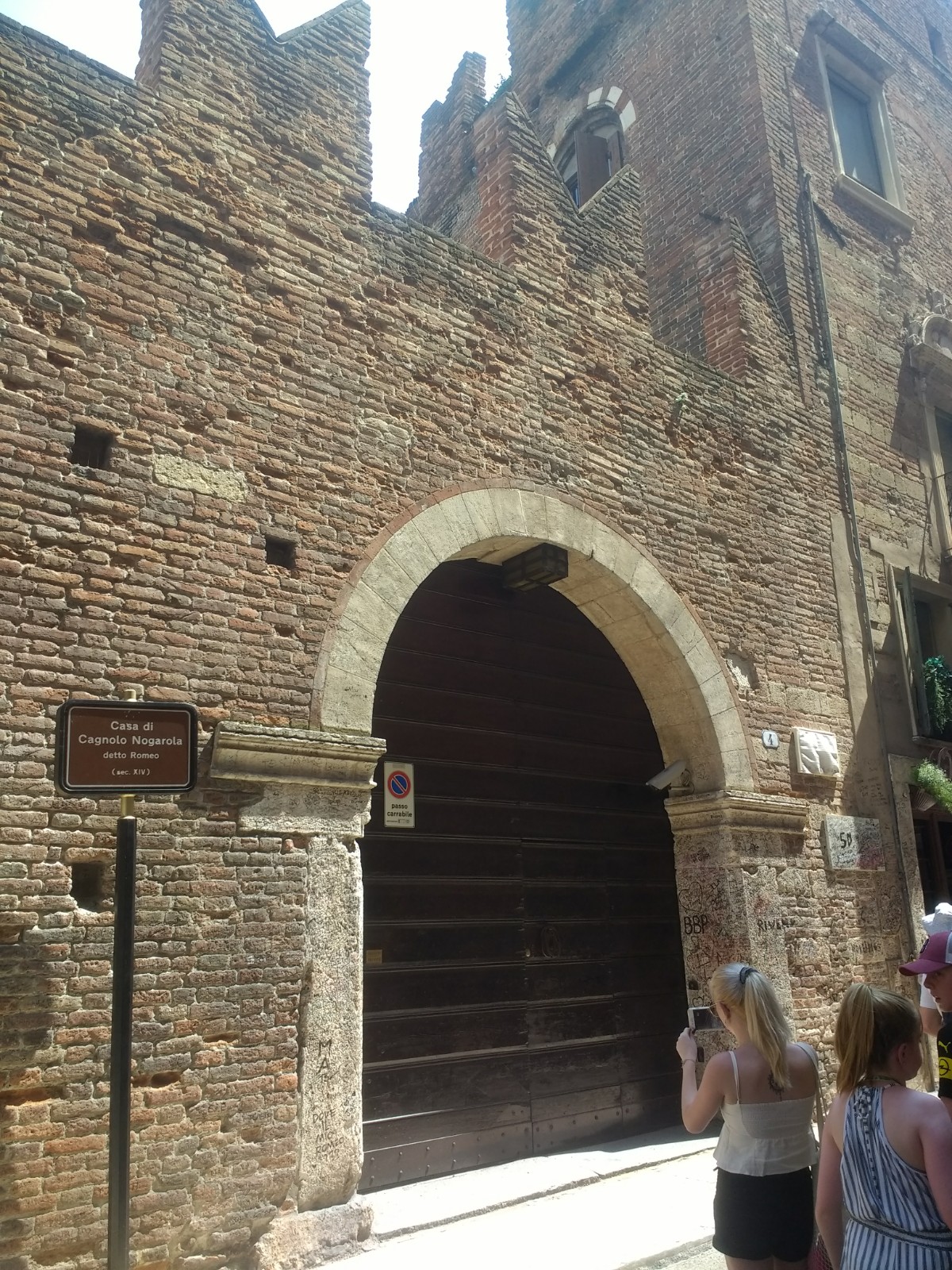
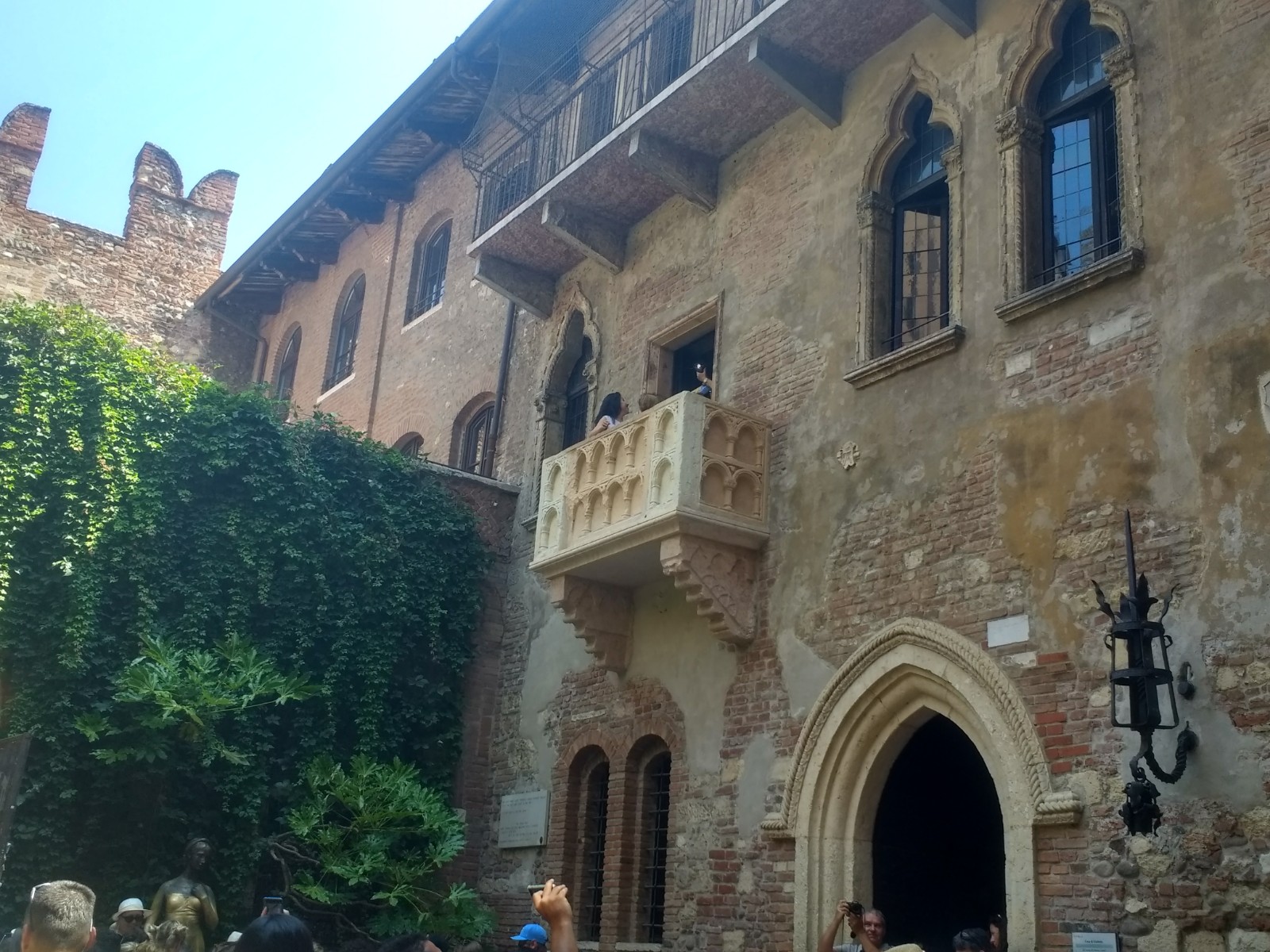
We couldn’t leave Verona without paying a visit to the houses of Romeo and Juliet (along with hundreds of others).
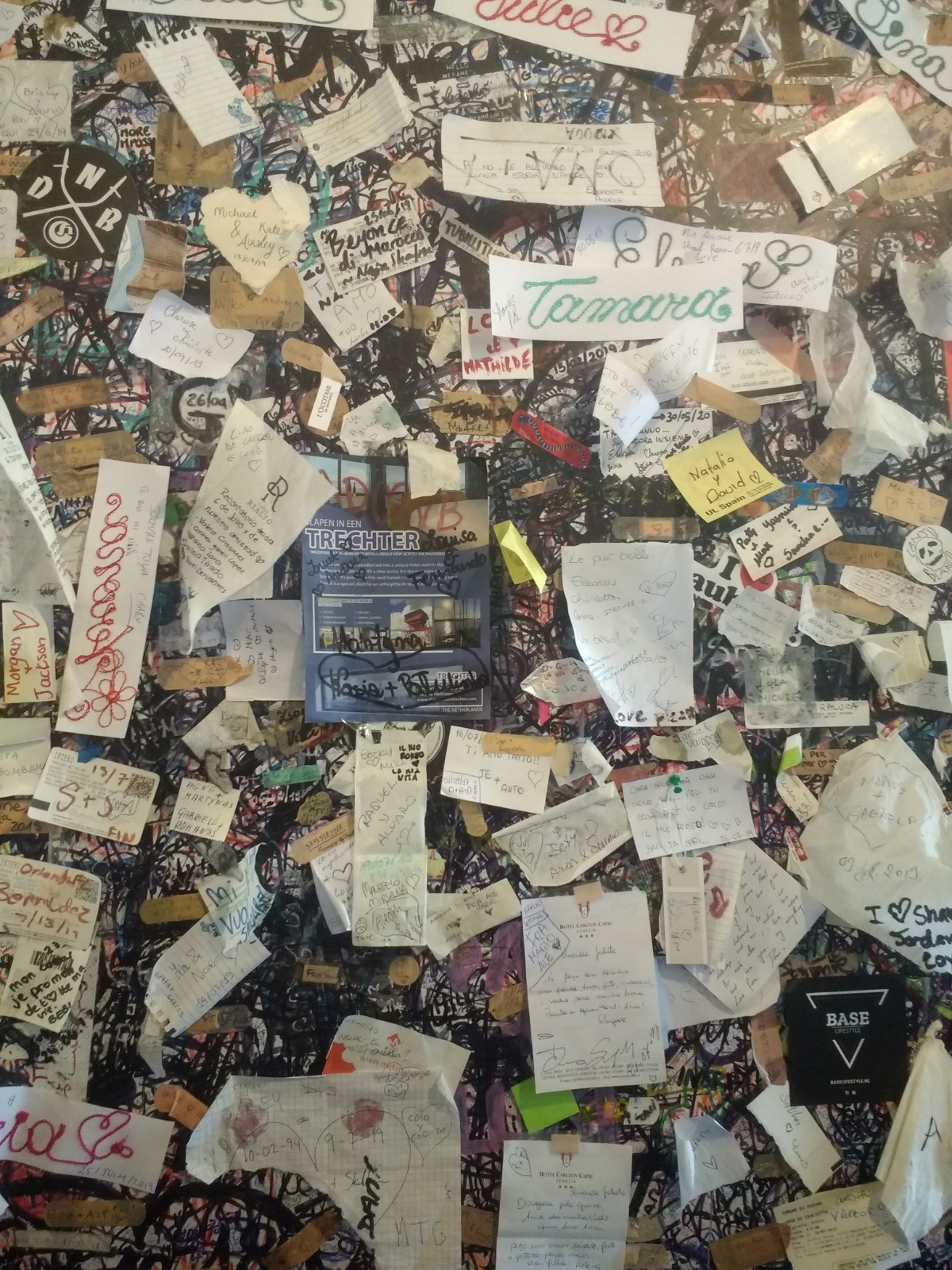
Romeo’s houseJuliet’s balcony You can pay extra to stand on it (we declined to)Love notes left at Juliet’s house – a lot appeared to have been stuck there with sticking plasters
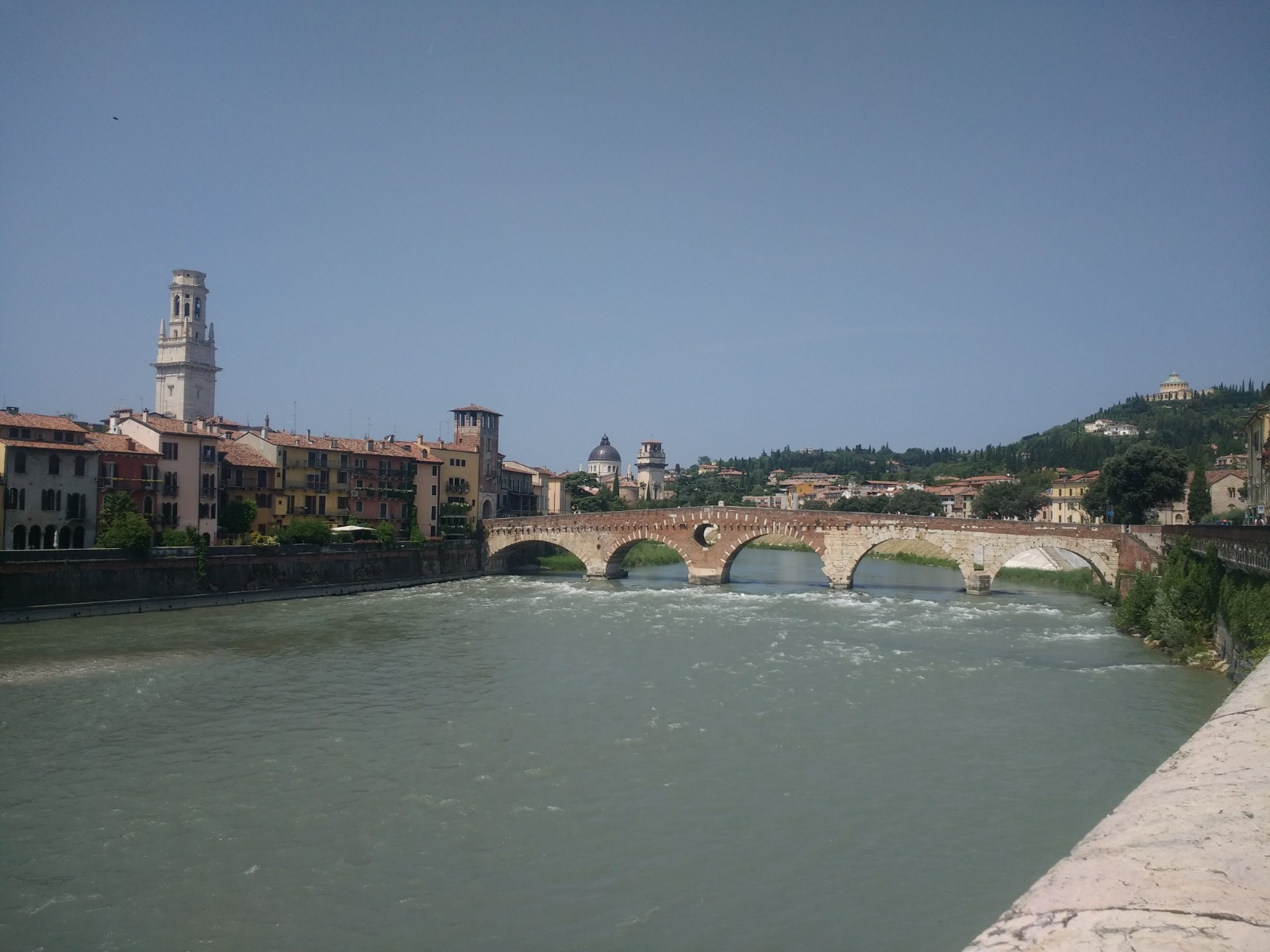
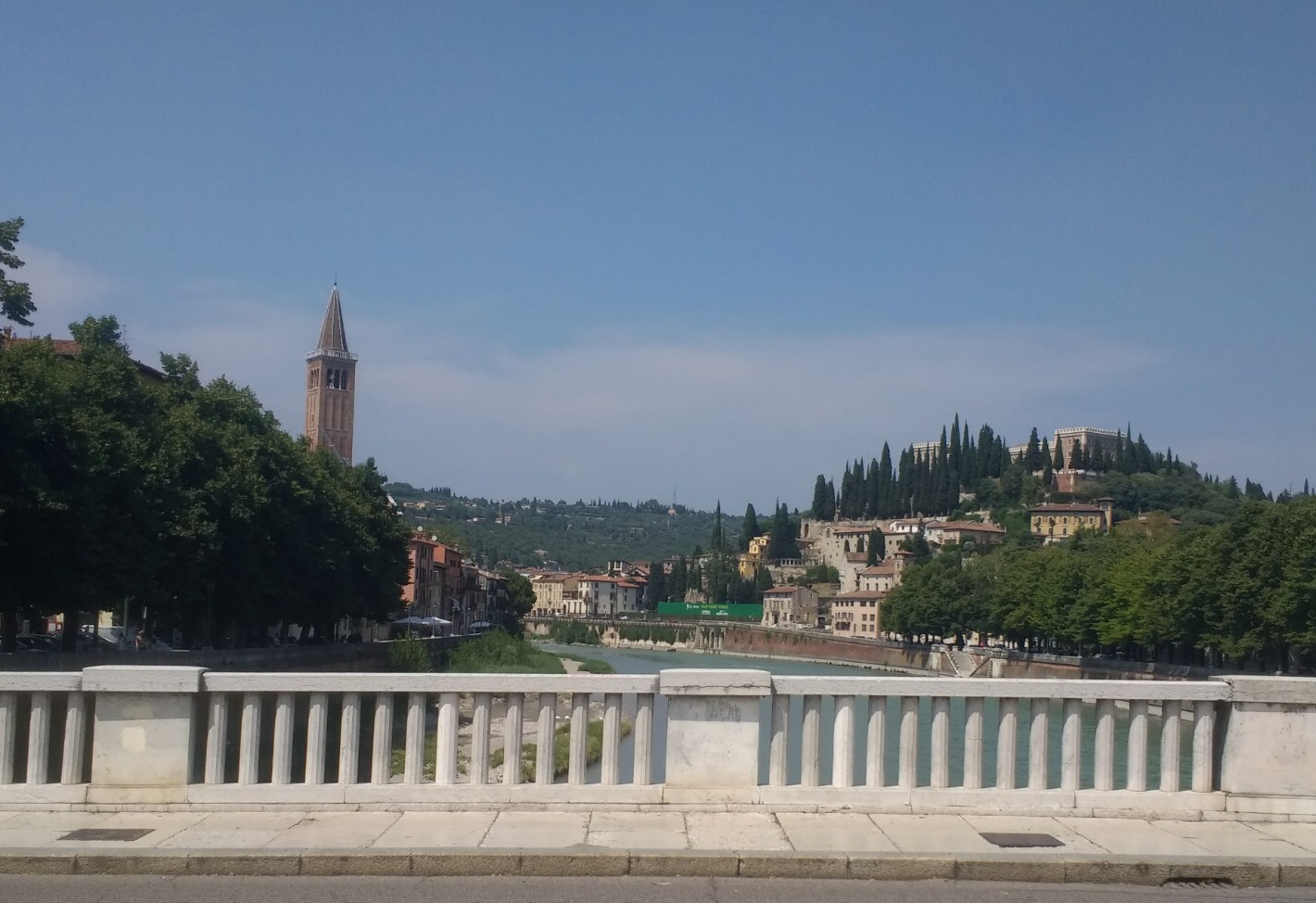
And a final glimpse of Verona …
Ponte Pietra First finished in 100BC, it was re-built after being destroyed in the second world war
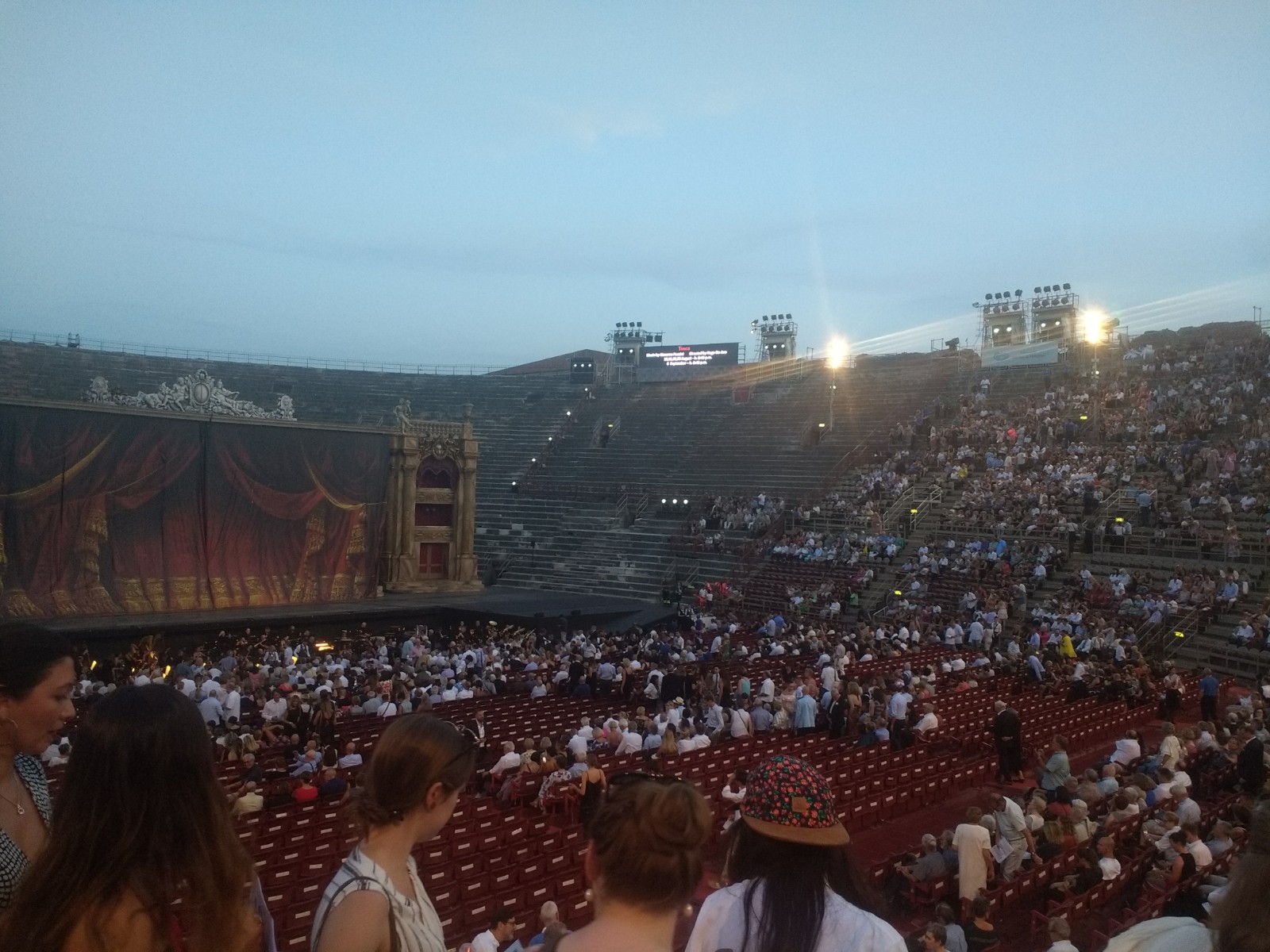
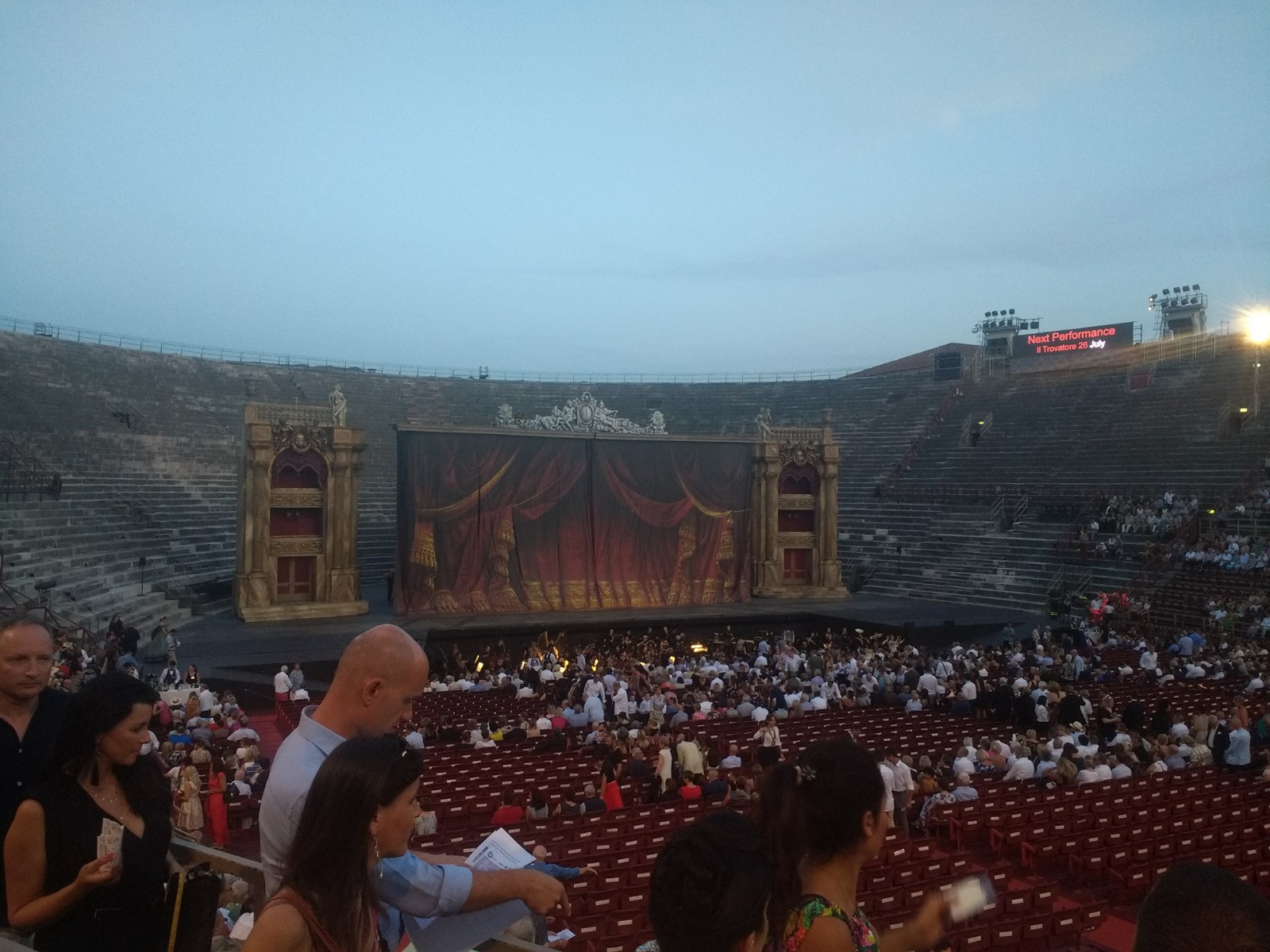
The space inside the Roman Arena is huge. In ancient times the Arena could accommodate 30,000 people and did, with people coming from far and wide. Today, due to the size of the stage, and also safety considerations, the seating has been reduced to take half that number.
Inside the arena
The seats on the floor of the Arena are the most expensive and carry a dress code, but possibly due to the temperature, or living in more relaxed times, there were only a couple of men in black tie, most of the rest simply opting for smart trousers and long-sleeved shirts. A number of ladies were in long dresses, however formally, or informally, their partners were dressed.
The cheapest seats are the stone steps, which are the top rows of the Arena. These are un-numbered, and so people are warned to arrive early to select a good spot (the seats on the top row, apparently, as these have a stone back you can lean up against). The steps are of course hard and uncomfortable, but you can bring a cushion, or hire one for €3.
The seats in between the stalls and the stone steps are where we were sitting. We could reserve our seats at the time of booking, and we were delighted with our view, but be warned, the seats are not padded so a cushion is still a good idea.
The excitement is growing. Sorry, no pictures of the actual performance as they were not allowed.
Officially, you are not permitted to bring food or drink into the Arena, but the security staff were allowing people to enter with a 500ml bottle of water each. This is not a problem due to the number of vendors passing through the auditorium during each interval shouting their wares, ‘Ice-cream, white wine, red wine, beer, water …’. (Think of Victorian flower sellers on the streets of London).
The stage is massive. Behind the curtains in the picture is a two-storey country house, with stairs that people could go up and down, and there was still enough space in front for a carriage pulled by two horses to enter one side, and exit the other. In some scenes we think there must have been at least eighty people on stage – quite a spectacle.
On our entry we were each handed a tiny candle (think of birthday cake candles). I think the idea is that everyone lights them at the start of the performance, and the effect is magical (I’ve seen pictures) but this didn’t happen when we were there, possibly because it was still too light, or perhaps it was that it was still too oppressively hot.
And the singing? I enjoyed it, but I think I’m more of a Gilbert and Sullivan fan myself although Mark was very impressed.
It’s unseasonably hot here, just as it is in the UK, but luckily, most apartments are air-conditioned, unlike most houses back home.
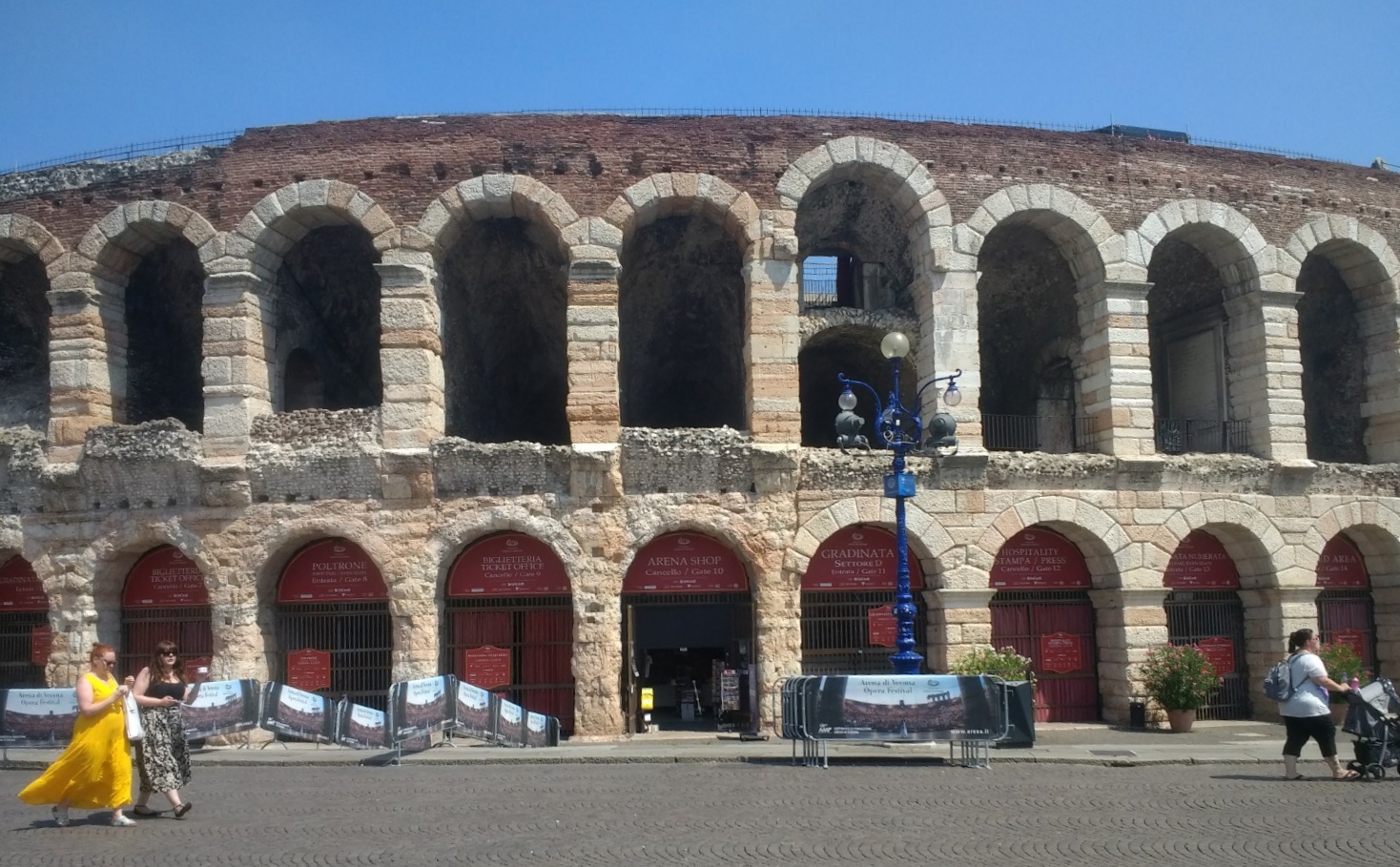
We have come to Verona, just for one night, as we have tickets for the opera (as you do). It is 4pm and 37 degrees (but feels like 41 according to weather.com *) so we are currently resting in our Airbnb accommodation with the ac on full blast. The opera (La Traviata) takes place in the Roman Arena, dating from AD 30.
The Roman Arena, where we will be tonight.
Thankfully, proceedings do not start until 9pm, after sunset, but the temperature is still forecast to be 31c.
View of Verona
As we are sitting in the cheap seats we are not expected to dress up – at least I hope not, Mark only has his shorts.
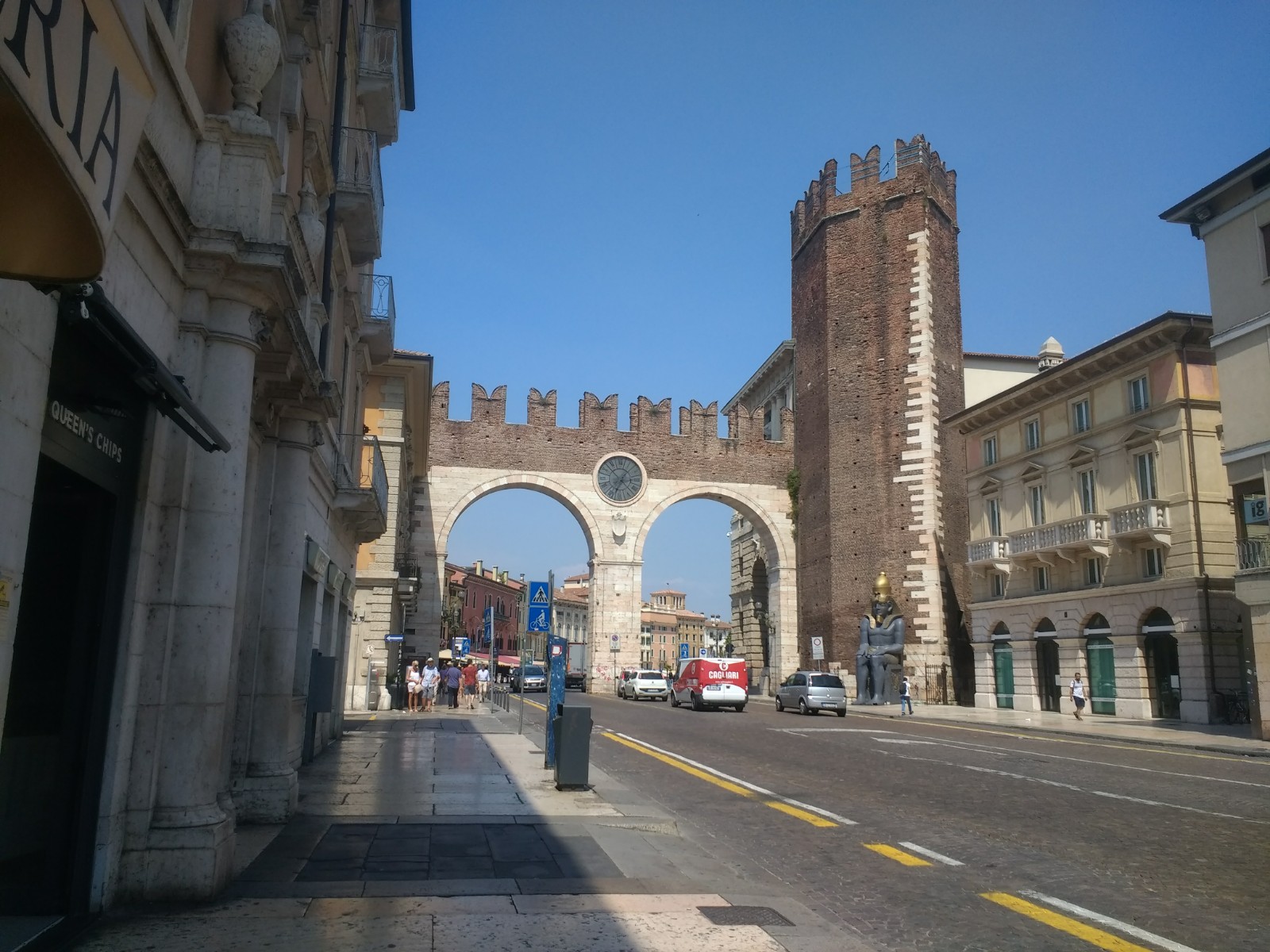
The only other photo I took of Verona on our way from the station. We are doing the tourist bit tomorrow, if we have the energy.
*Mark has just said that the temperature is the same in Dubai (where have spent several summers, thanks to Mark’s work) at the moment, but feels like 46. Ouch, not that you’d be watching opera outside.
It has turned very hot (33 degrees today) and when we drove to the supermarket this morning (we hand the car back tomorrow and wanted to stock up before we do) the streets were very quiet.
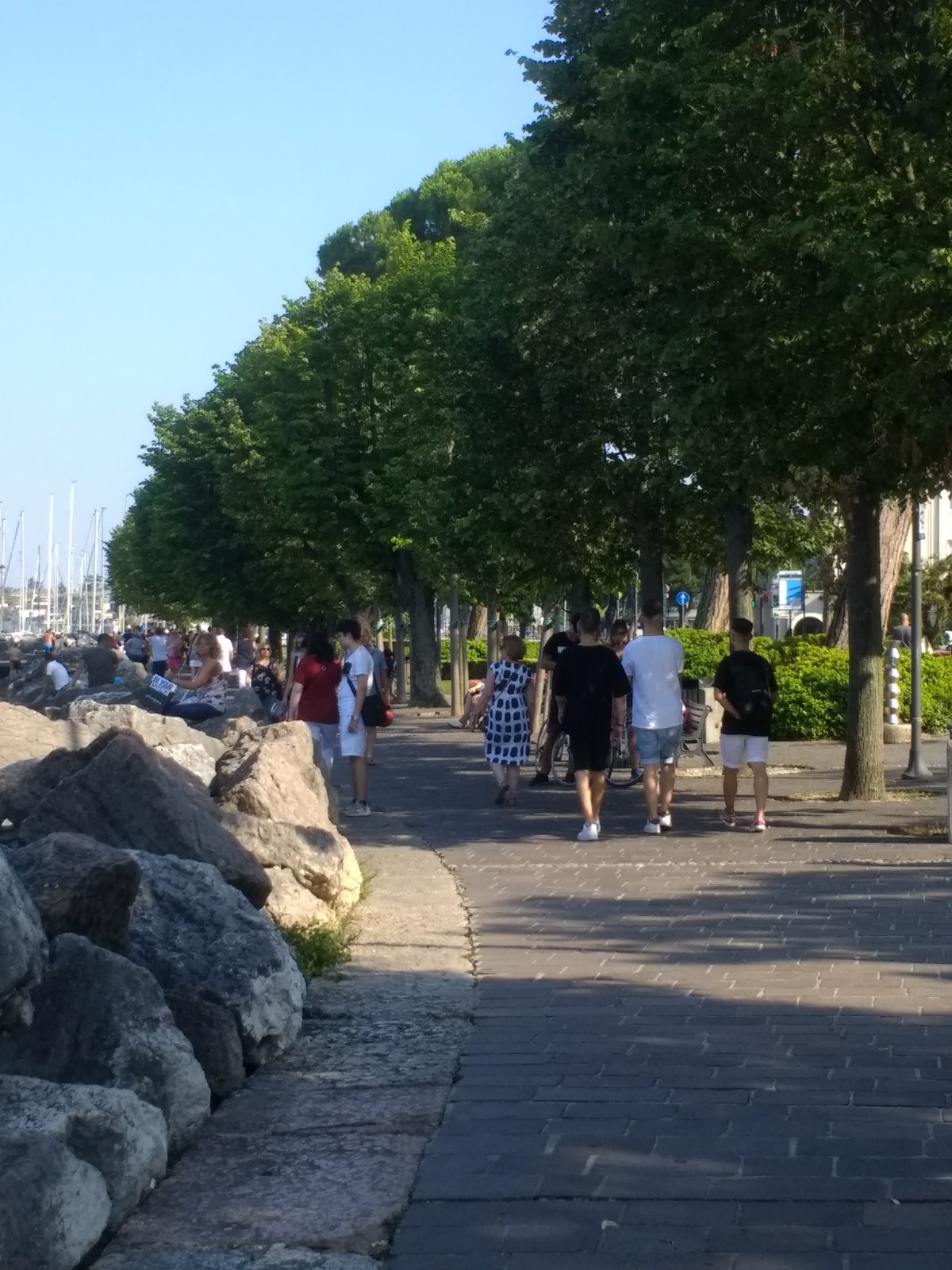
After lunch, we had a good rest (very Italian) and then headed out late afternoon for a walk along the promenade in Desenzano.
The Italians go in for a stroll, or passeggiata, around this time, winter and summer. They may include an aperitif on the way, or maybe an ice-cream. We chose the latter (it was huge and delicious so it may have to be a late supper).
We noticed a number of hen parties with the girls in shorts, as befitting the weather, and the bride-to-be also sporting a veil Desenzano may be the hen capital of Italy for all we know, rather like Prague used to be for the English, and Temple Bar in Dublin for the Irish.
Hoping to arrive in the cable car queue for the top of Monte Baldo before the crowds, we left the apartment at 8.30 am. Not early enough we realised as we stood in the line for nearly two hours (I wondered if it was going to match our wait to see David in Florence, but it didn’t).
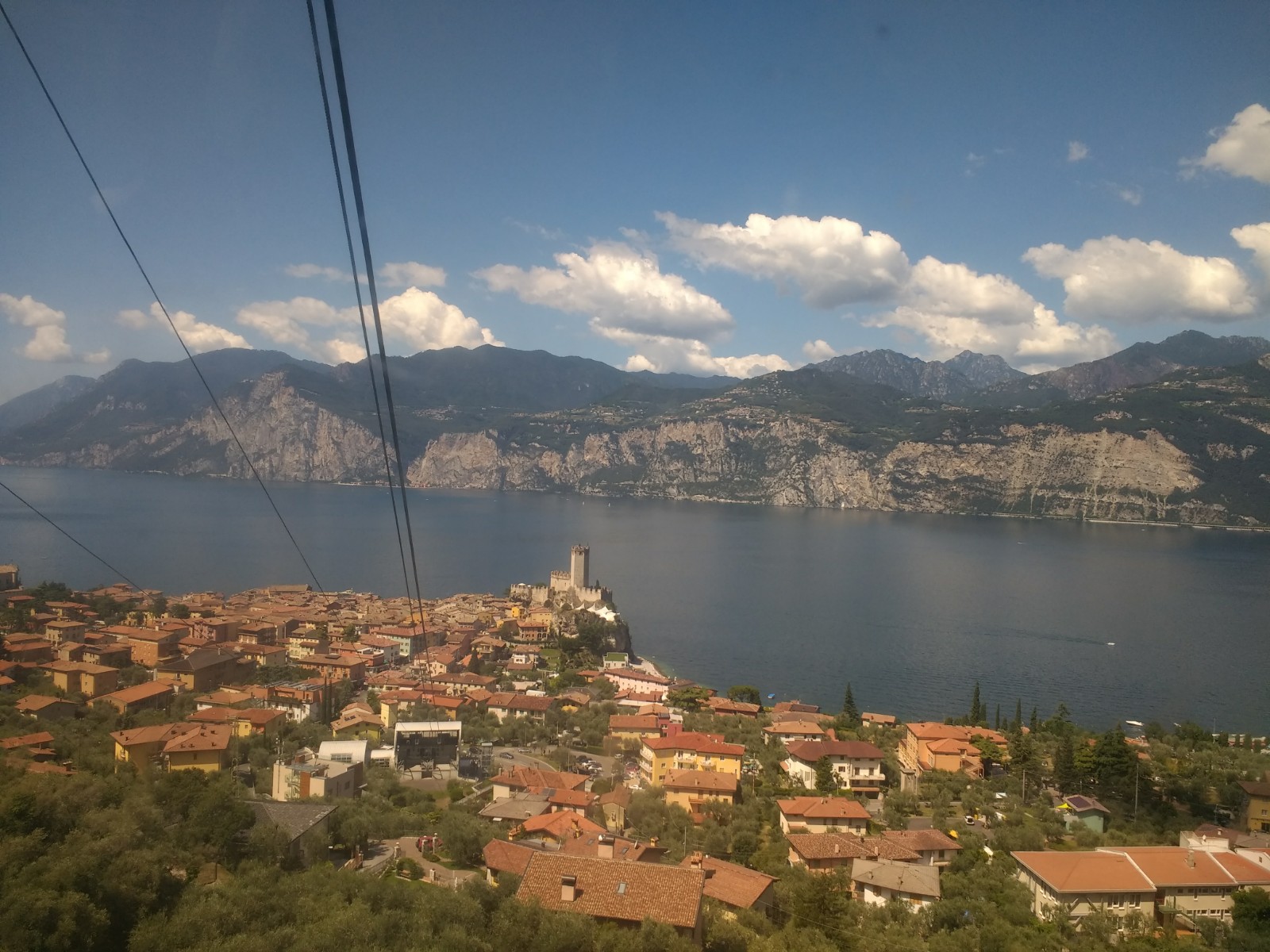
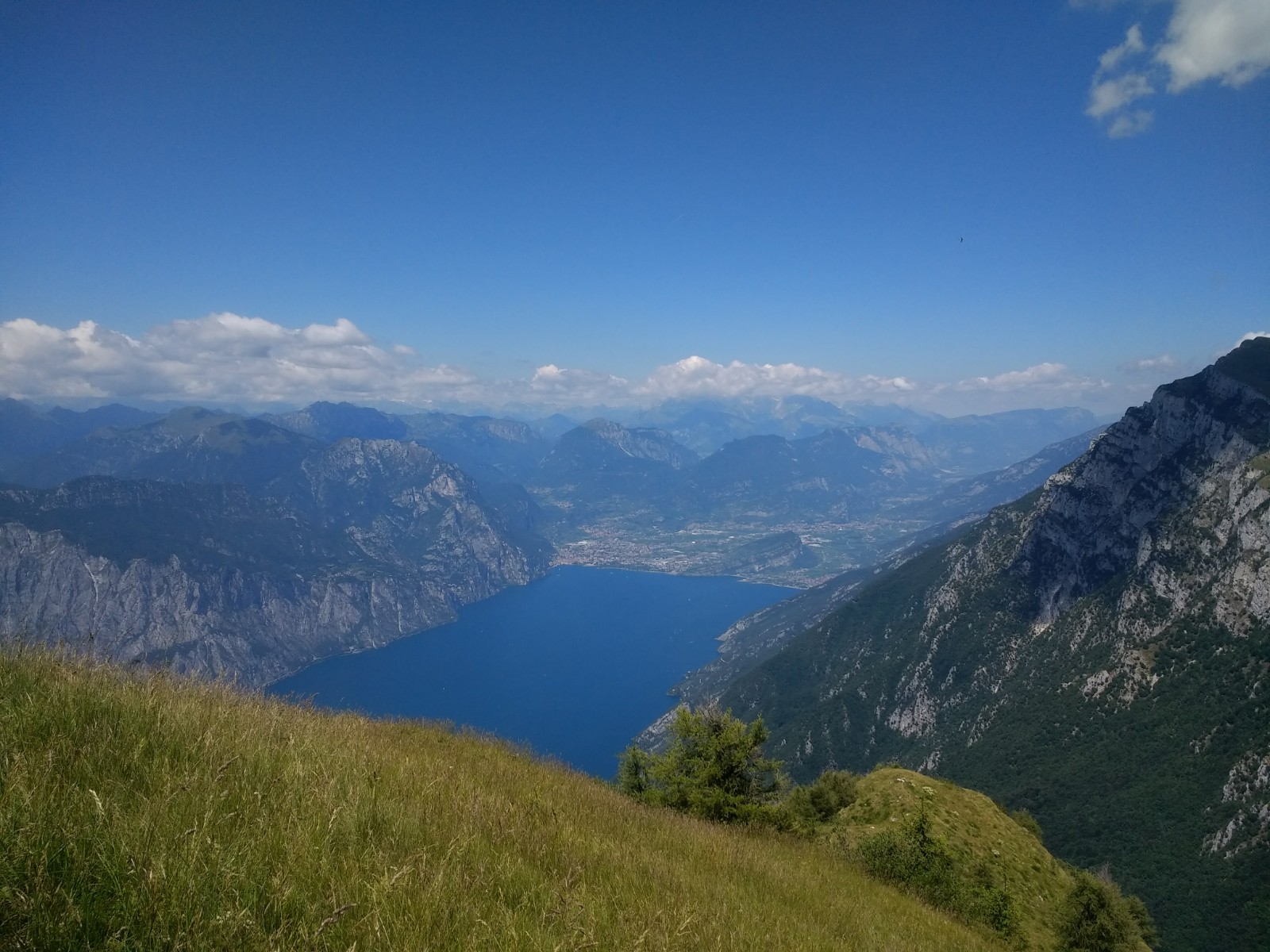
Monte Baldo looms over Malcesine, on the eastern shore of Lake Garda.
The wait was worth it though. The second cable car revolved 360 degrees on the way up which meant that everyone could enjoy the spectacular views of the lake below.
MalcesineLooking towards Riva at the northern end of the lake
After a picnic enjoying the vista of mountain peaks, we took our time over a cappuccino at the restaurant and even enjoyed sitting in the sun! (It has been too hot to do that since we were in Bologna).
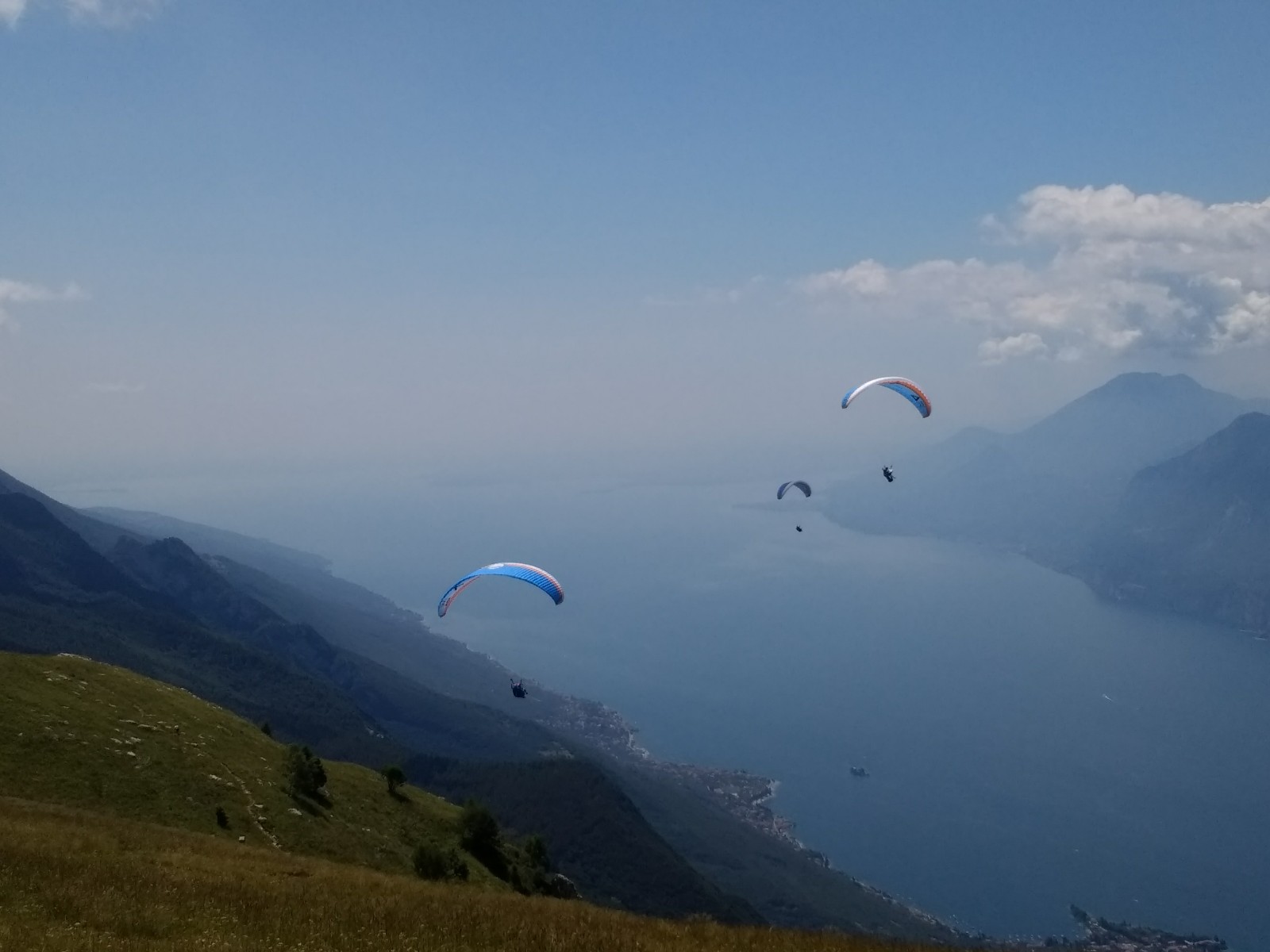
Paragliders There are two people attached to each glider – an instructor and a novice.
We enjoyed watching the paragliders take off and ascend, and then took a short walk and were surprised to see alpacas out for a stroll as well. It seems you can rent them for just 8 euros which doesn’t seem bad. Mark wants to know what the alpacas’ cut is.
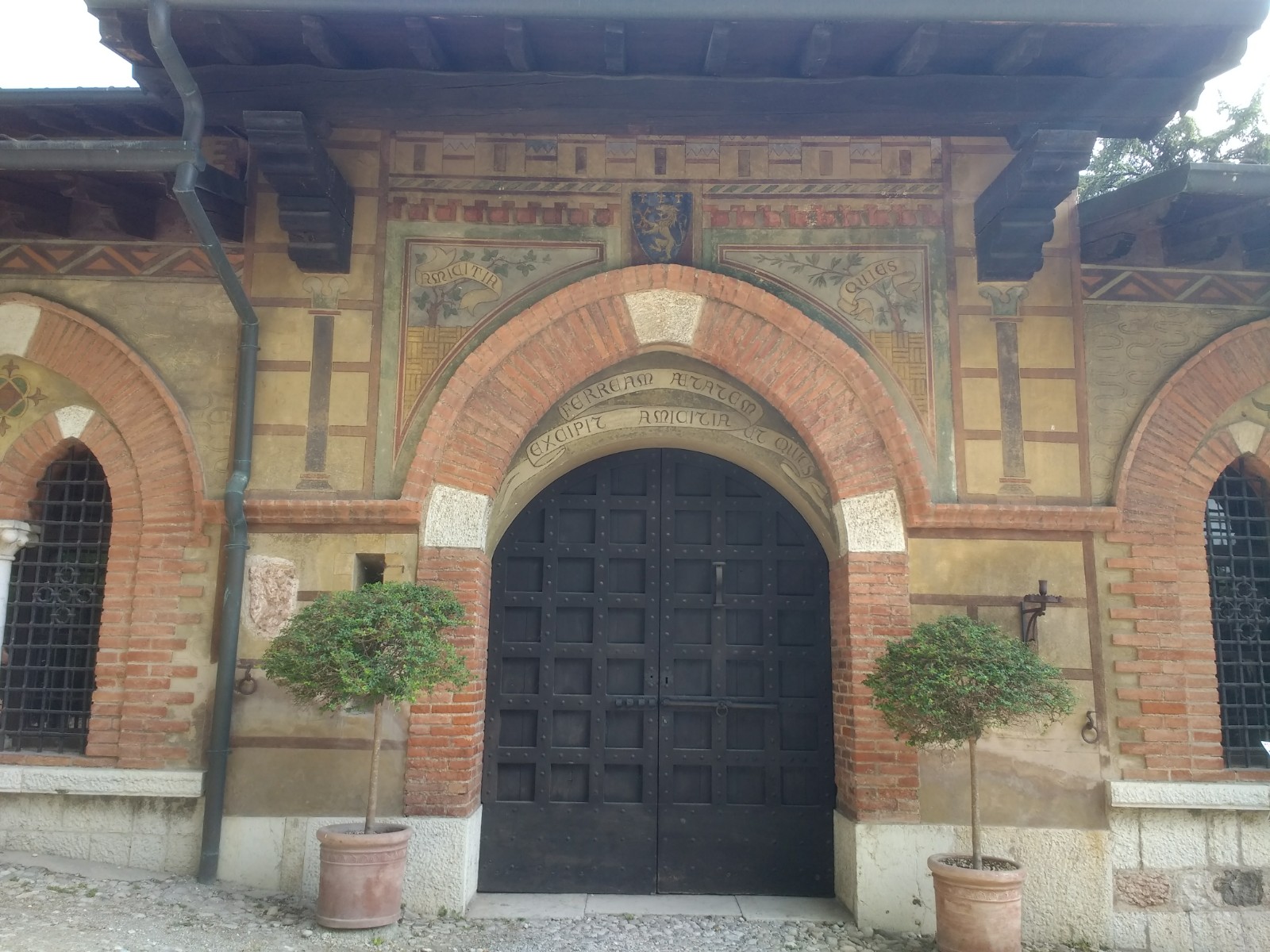
I love visiting old furnished houses that have a past to be discovered and am delighted when a guided tour is offered providing insights into the lives of the occupants. I was delighted, therefore, to discover an historic house open to the public, in Lonato, a small town which can be reached from Desenzano by bus.
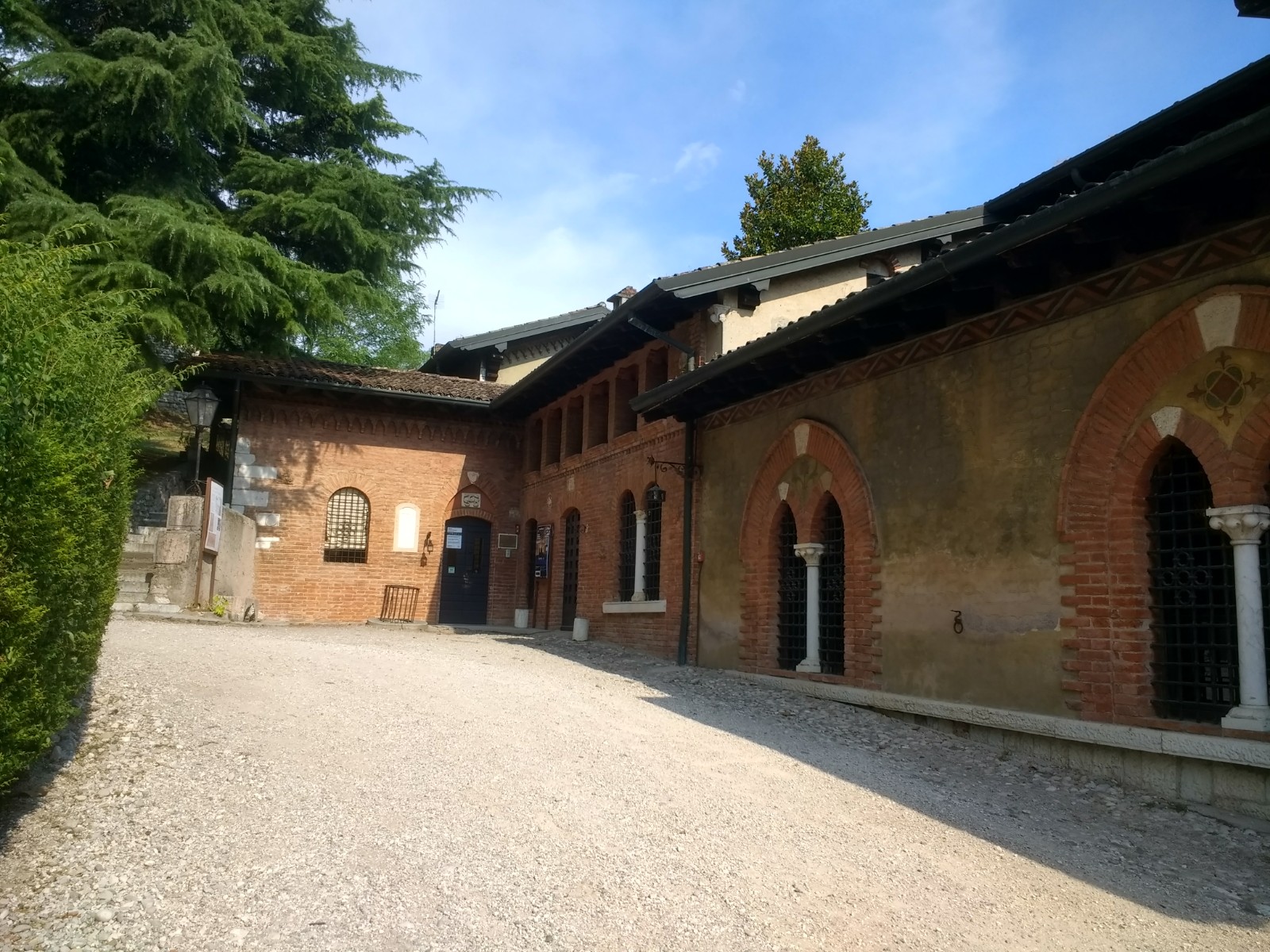
Casa Museo di Ugo da Como
The house, occupied by Ugo da Como, a politician, from 1906, is indeed a gem, and, in my view, well worth a visit. The good news was that a guide was available to take us round (you cannot visit on your own).
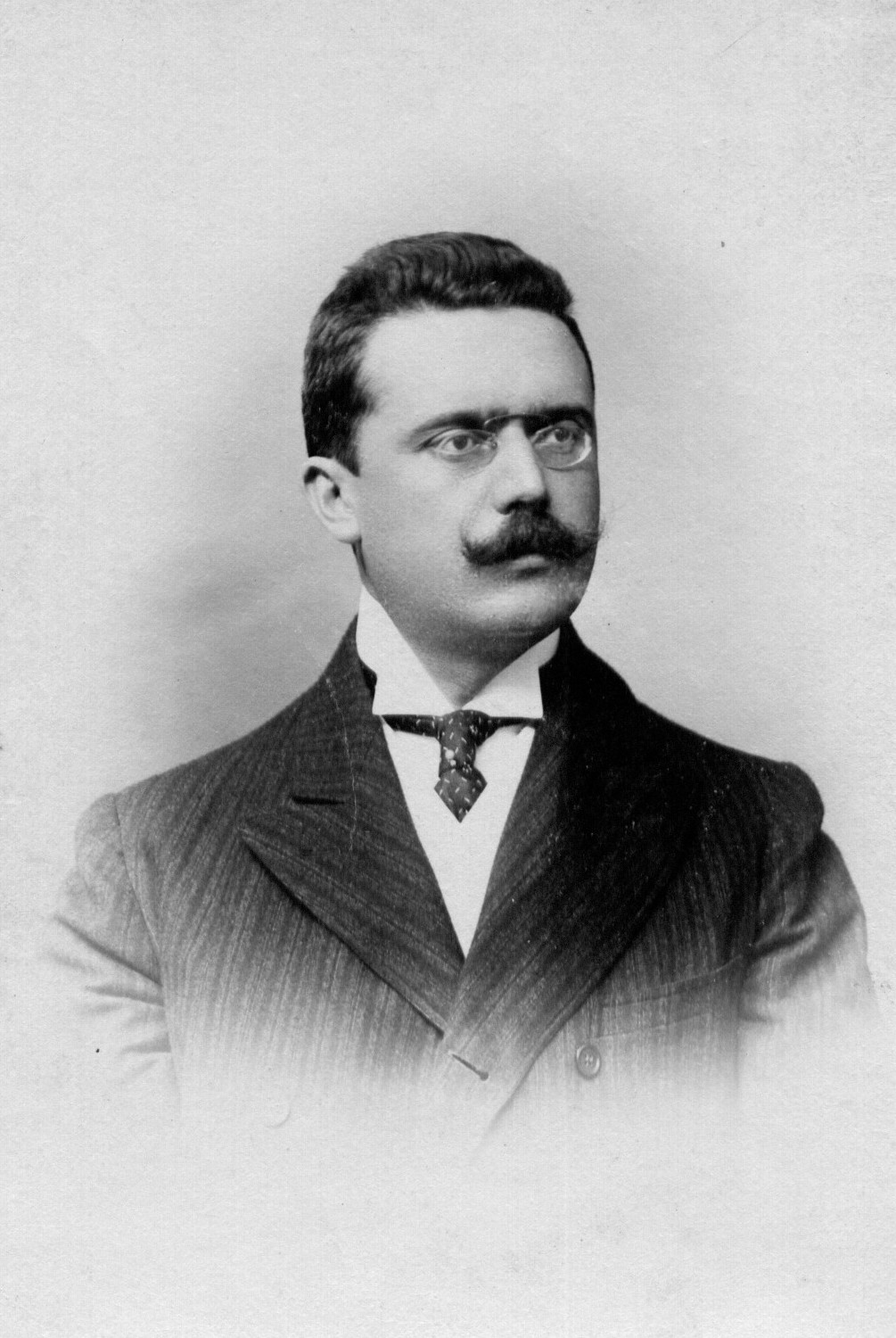
Ugo da Como (1869-1941) Photo: Wikipedia
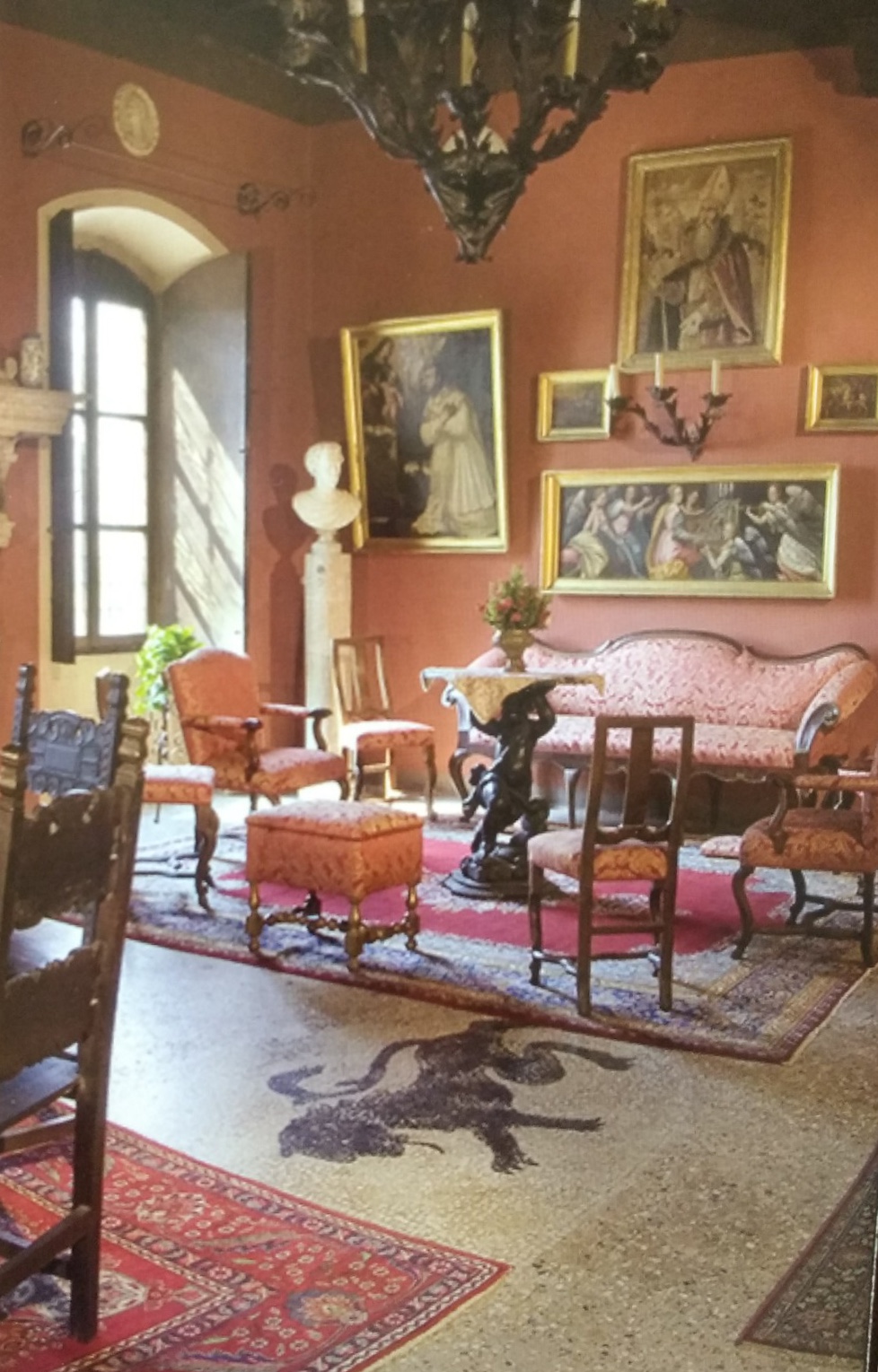
However, the bad news was that she only had half an hour to spare and had no commentary at all, despite speaking good English. The procedure was that she would lead us into a room, announce the name of the room and allow us time to read the relevant paragraph in our written guide (could not be taken away). We would then be led into the next room and so on.
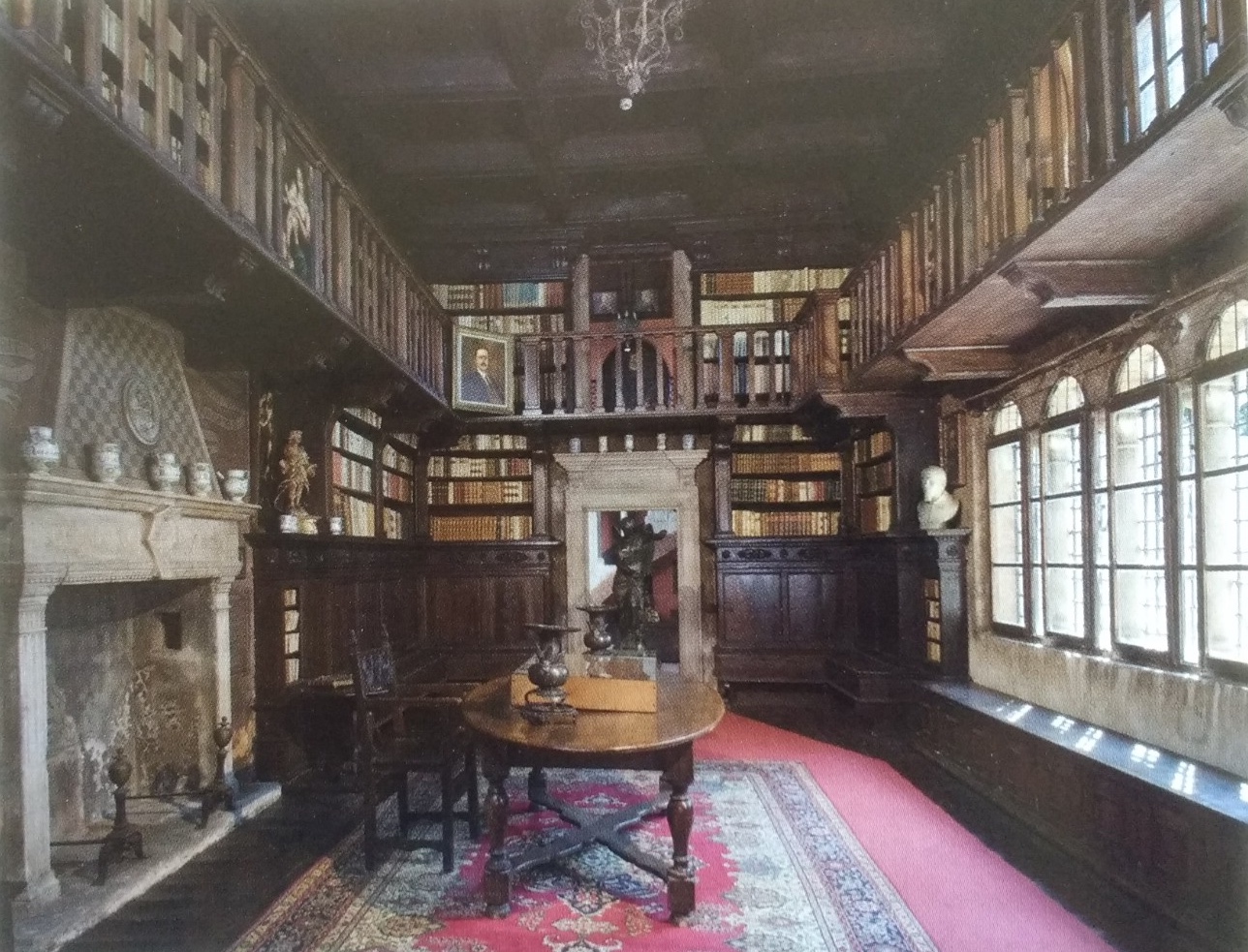
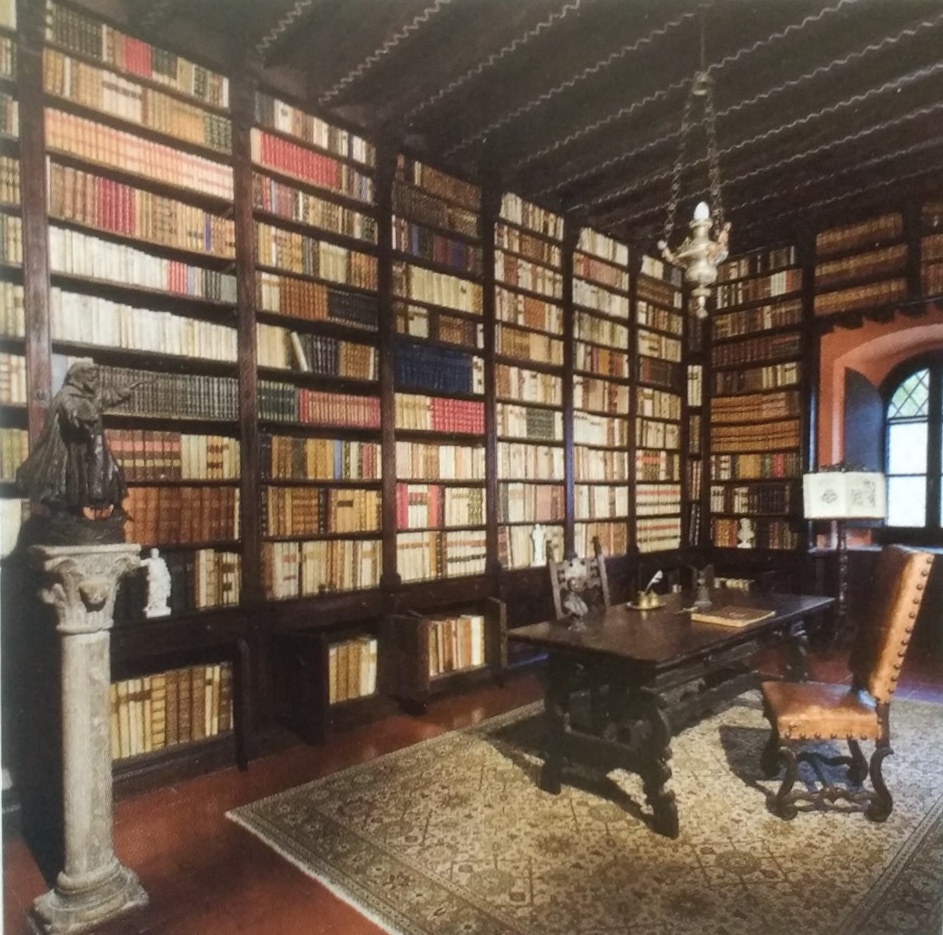
Furthermore, no photos were allowed, not even without a flash. The interior shots in this post have been copied from tourist literature.
Ugo da Como trained as a lawyer and then entered politics. He bought the fifth century dwelling, that had been the home of a Venetian podestà (high-ranking official) and had it completely restored. He lived there with his wife until his death in 1941, leaving the house to the Foundation he had created, for the benefit of future generations.
A fairly left-wing politician, Da Como was concerned about the poor and oppressed, and was the creator and advocate of the first pension law for the ‘maimed and disabled of war’ a law that was considered one of the best in Europe.
The library is the most important part of the house, and containing over 50,000 books dating from the twelfth century, it is considered to be one of the most important collections of books in Northern Italy.
The only item that was pointed out to us in the whole of the house was a tiny volume cited ‘the smallest book in the world’. (I am afraid that the Guinness Book of Records do not agree). It is a printed copy of a letter written by Galileo.



 Tortoise Travel