Our host threw up her hands in horror when we said we were planning to visit Jim Thompson’s house on our first day. It was too commercialised, she thought, and recommended the home of M. R. Kukrit, a former prime minister of Thailand, instead. We have actually been to both houses before, but are keen to make return visits. I have the added incentive of writing about them in my blog.
Jim Thompson, an American born in 1906, initially practised as an architect and only found himself in Thailand when sent as part of the liberating force just before the Japanese surrender at the end of the Second World War.
He returned to Thailand after the war as part of a consortium to purchase and restore the Oriental Hotel in Bangkok. After a falling out with the other investors, he switched his attention to the ailing Thai silk industry and bought a plot of land in the centre of Bangkok, specifically to make use of the Muslim weavers living across the klong (canal).
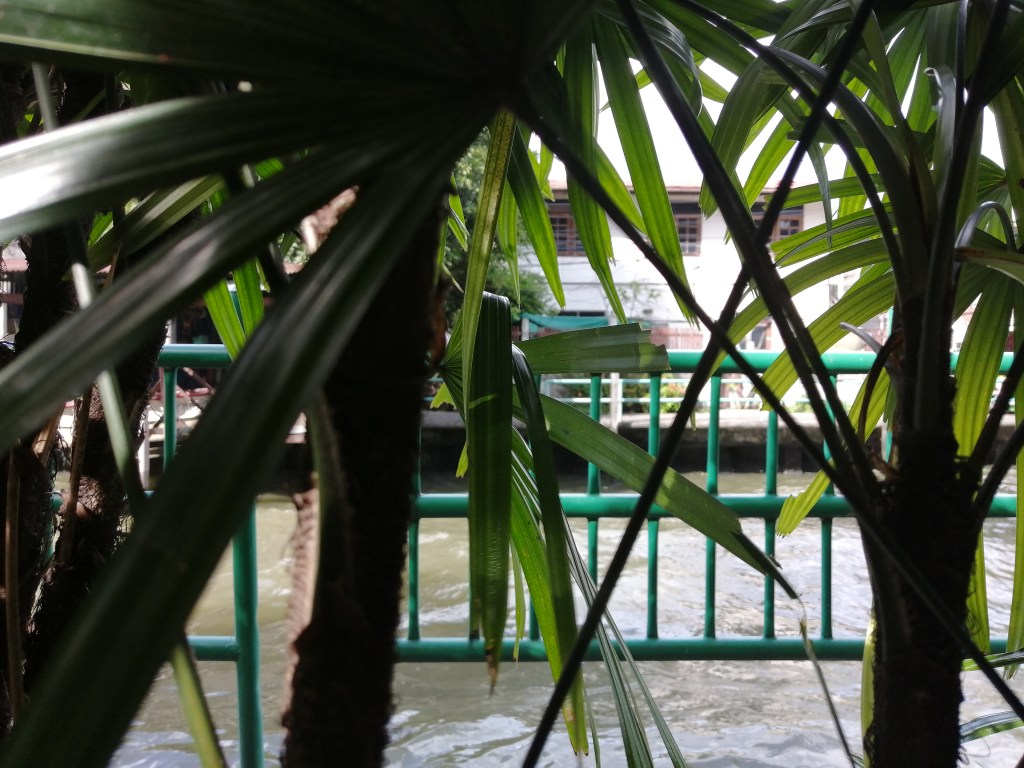
Thompson encouraged the weavers (mostly women) to work from home and allegedly raised thousands of the poorest out of poverty. All the silk used in the film of ‘The King and I’ came from Jim Thompson’s business, and this helped save the silk industry in Thailand from extinction.
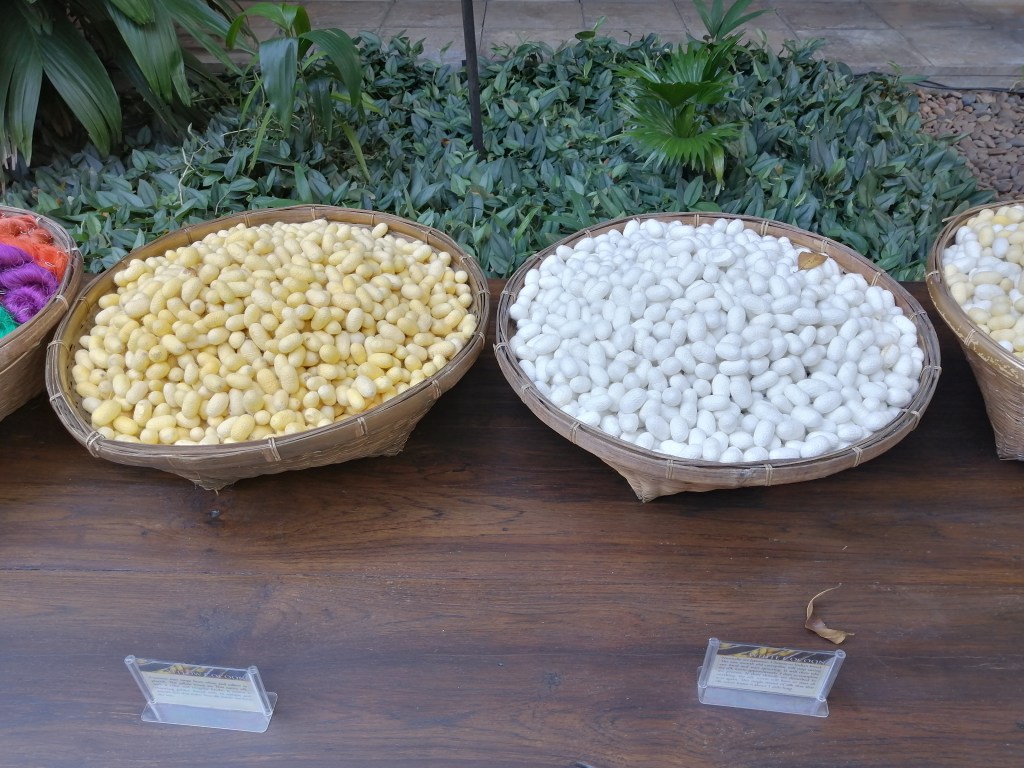
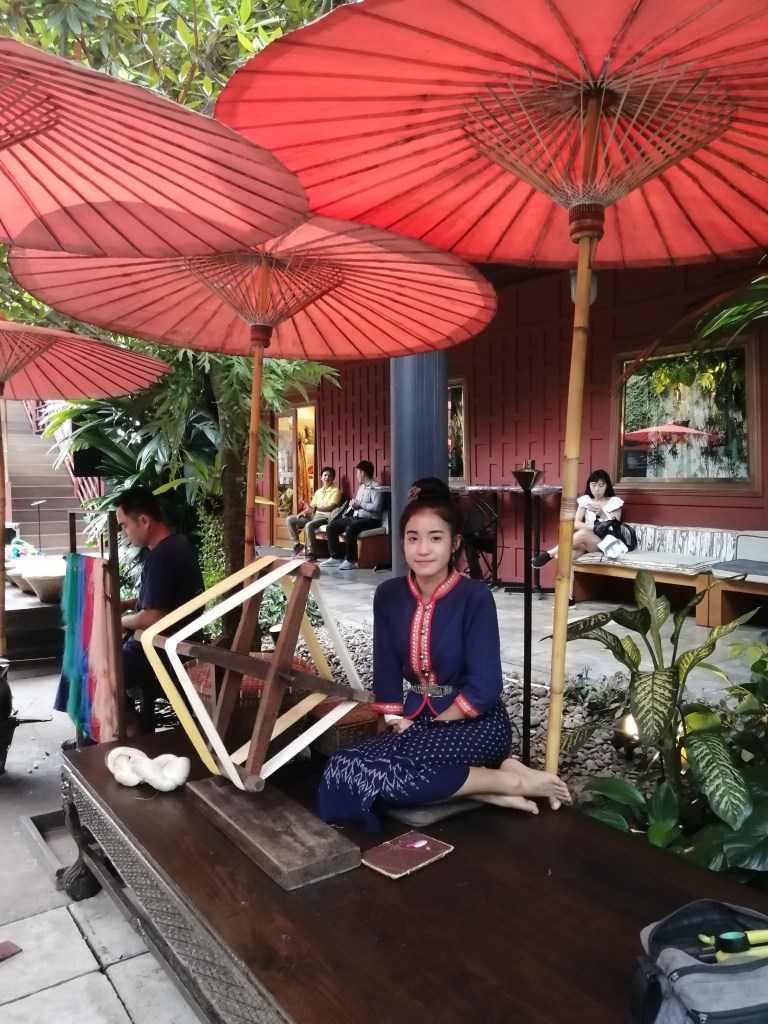
Jim was also keen to have a place to live and, after clearing the land, brought six traditional buildings from other locations in Thailand, some from the old capital, Ayudhya, and erected them to make a house for himself. Each building was raised one storey above ground, a traditional and practical measure to avoid flood water entering the house during the rainy season. The walls were designed to slope inwards, a feature used to increase the strength of the building. Thompson broke with tradition in two respects though, one by building a staircase inside the house, as opposed to on the exterior, and also lighting the traditionally furnished and decorated interiors with chandeliers. While looking incongruous, they are Thai, and were brought from 18th and 19th century Bangkok palaces.

Thompson further followed local custom by moving into the house on a day deemed to be auspicious in the spring of 1959. To house the spirits that had been disturbed by the demolition of the old buildings, a spirit house was erected in the garden. Offerings of food and flowers are placed at the entrance to the spirit house.
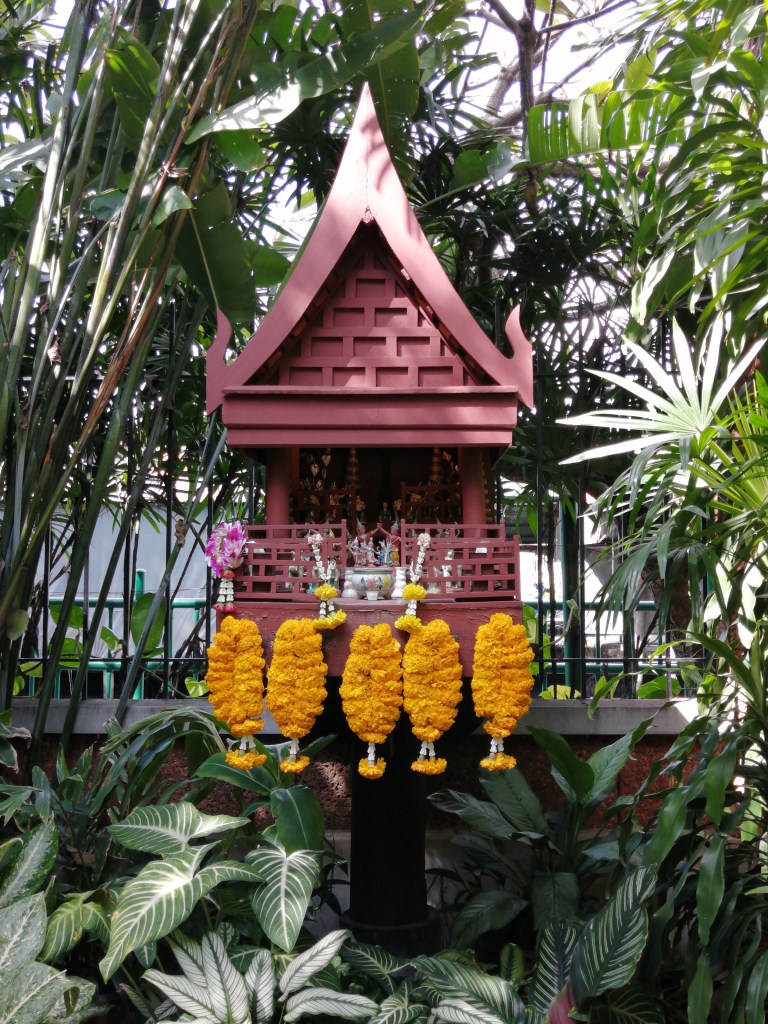
This must be placed so that the shadow of the new building does not fall on it.
Jim Thompson then set about arranging his large collection of furniture and ceramics inside the house. So much interest was shown in the dwelling and its contents that Thompson opened up to the public, donating proceeds to Thai charities and the preservation of Thai culture.
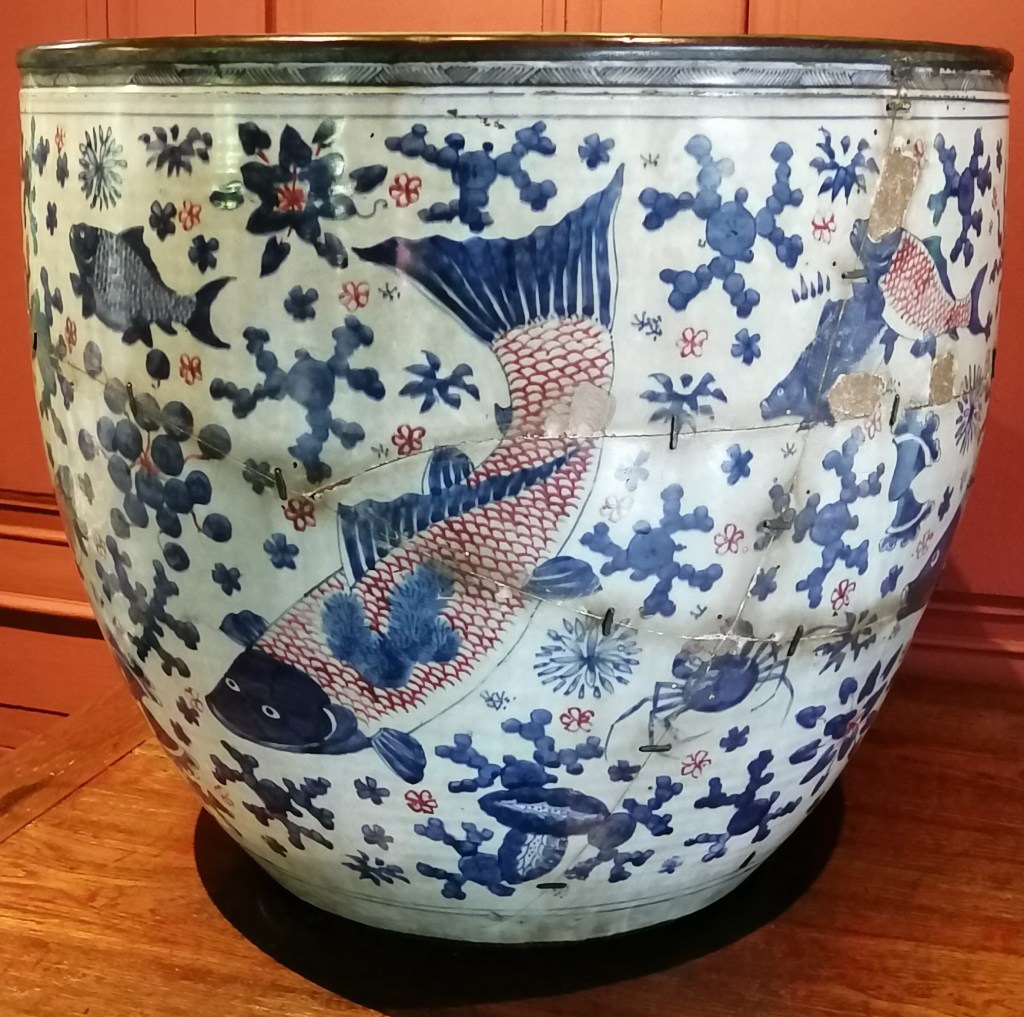
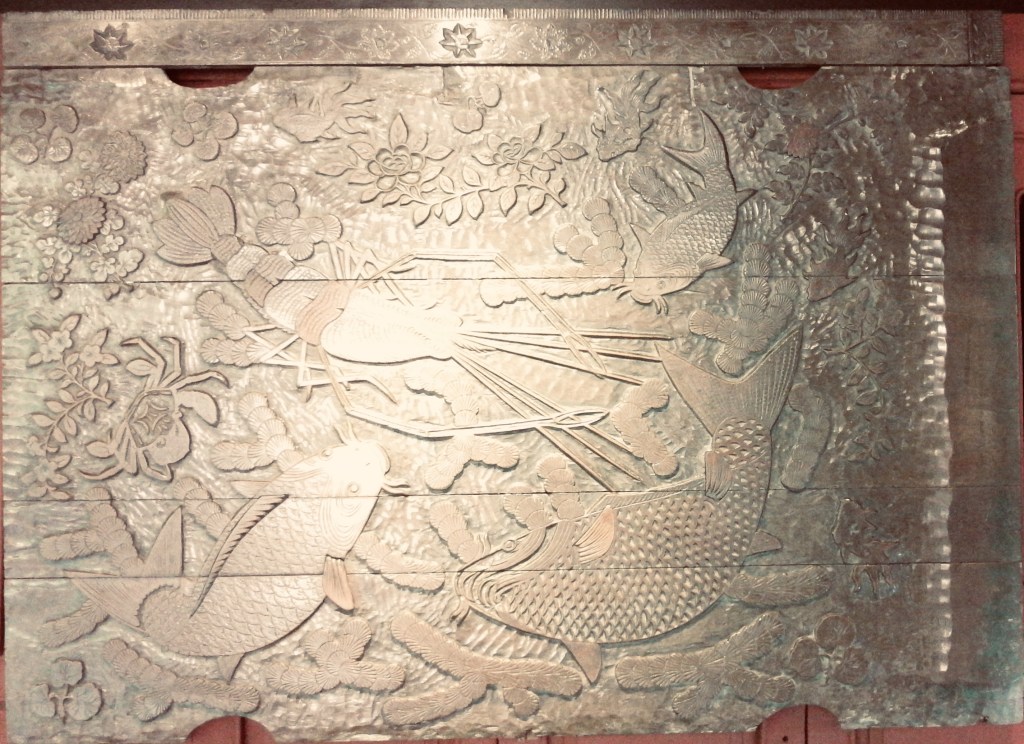
While out for a walk in the Cameron Highlands, Malaysia, in 1967, Jim Thompson disappeared. One of the largest land searches in S. E. Asia followed, but no trace of Thompson has ever been found and to this day his disappearance remains a mystery. (When our guide related this story, one of our tour group suggested the disappearance might be due to ‘a tiger’. Our guide understood him to say, ‘a Thai girl’, a mistake which she, in particular, found very amusing).
After Thompson’s disappearance, the silk manufacturing business was moved to purpose-built factories in Korat, 250 miles north-east of Bangkok.
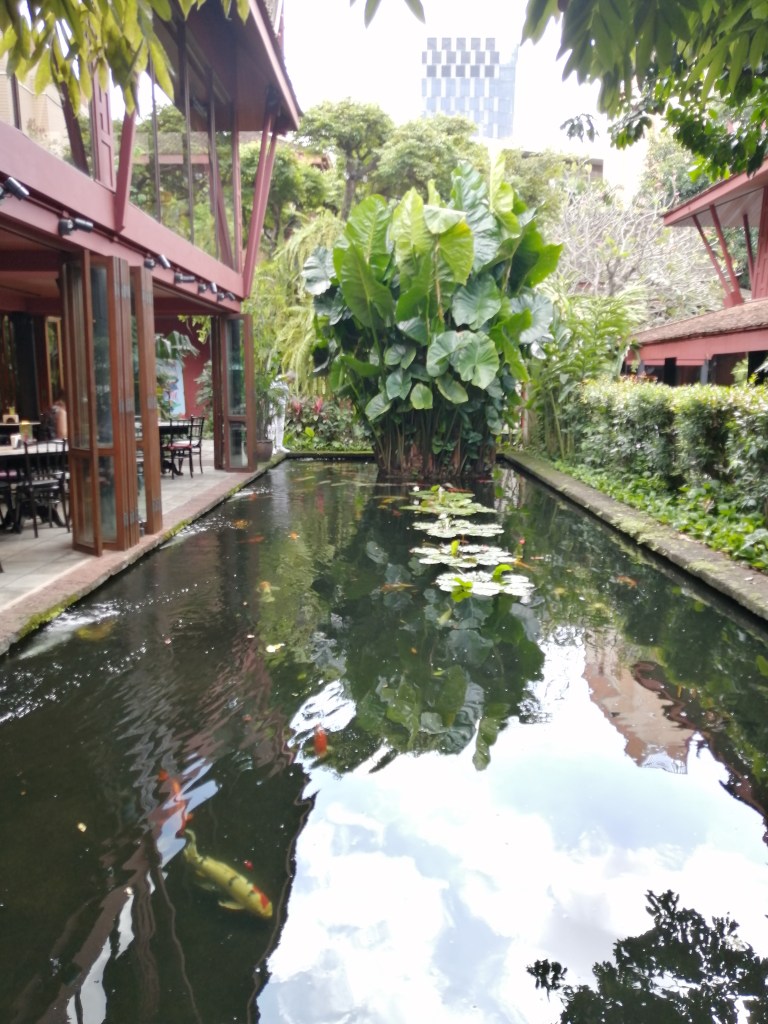
Surrounding the house, or houses, is a wonderfully luxuriant jungly garden. A shop sells the beautiful, but highly priced, items from his factory. The house can be visited only with a guided tour and no inside photos are allowed.

 Tortoise Travel