Once inside the Priory, former home of Gabriele d’Annunzio, it was clear why our tour group consisted of only four people.
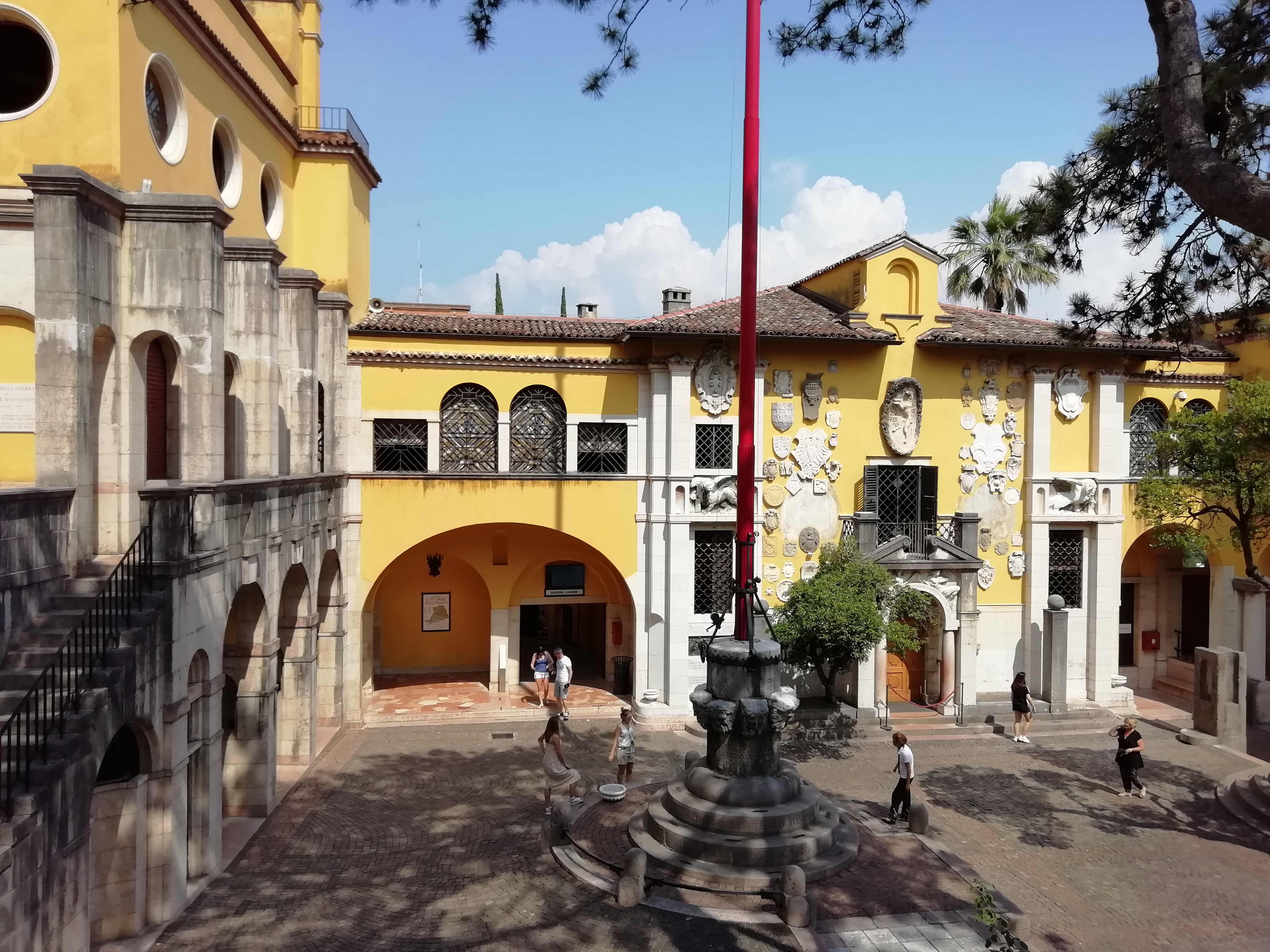
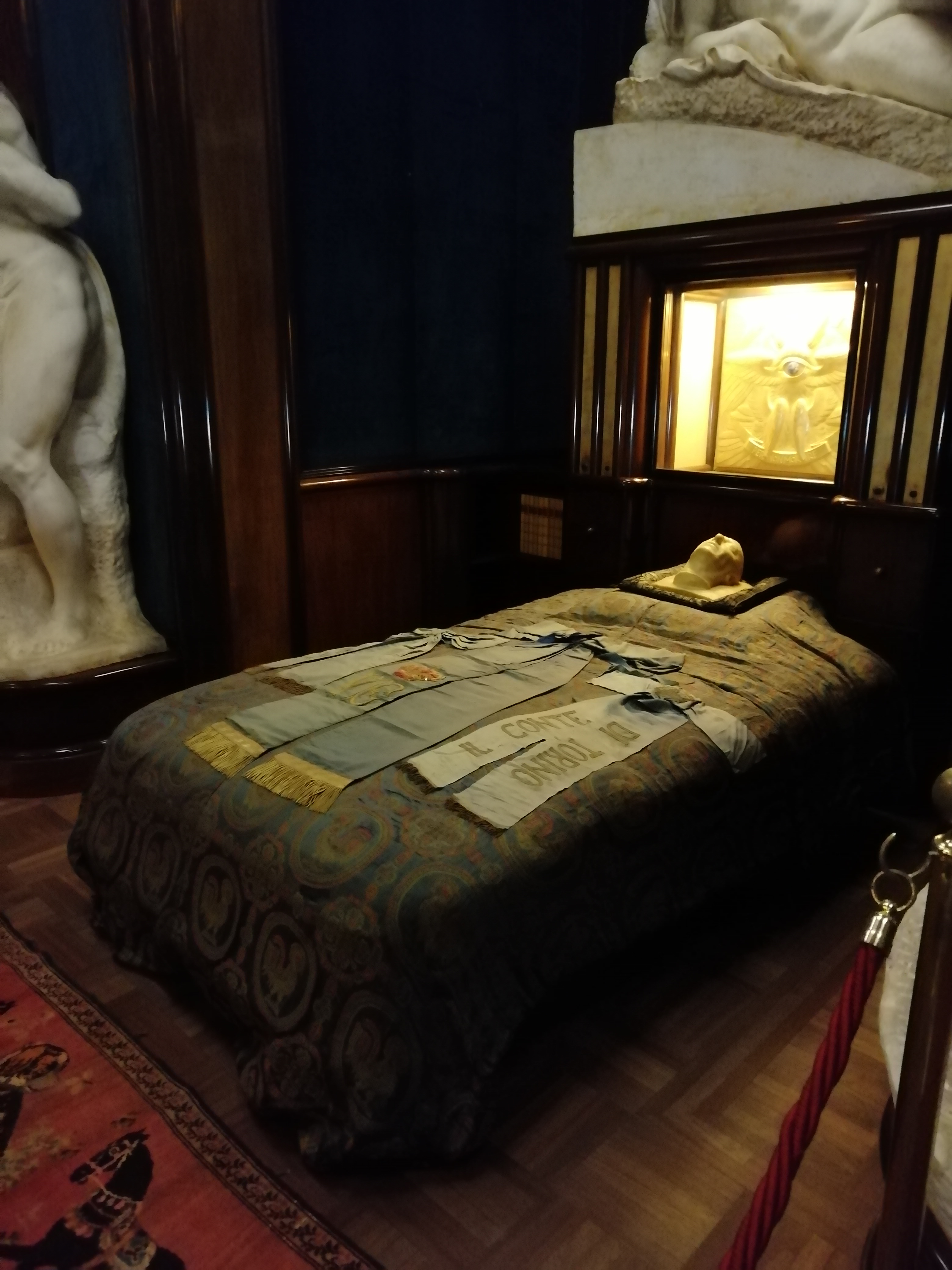
The dark interior, crammed full with all manner of memorabilia (including the mangled steering wheel of the boat used by Henry Segrave when, in 1930, he broke the water speed record over Lake Windermere) more furniture and cushions than you could ever need, and 33,000 books, afforded only the narrowest of passages. The taking of photographs is not allowed in the first rooms as, although on his death d’Annunzio left the entire house and contents to the Italian people, his descendants hold the copyrights.
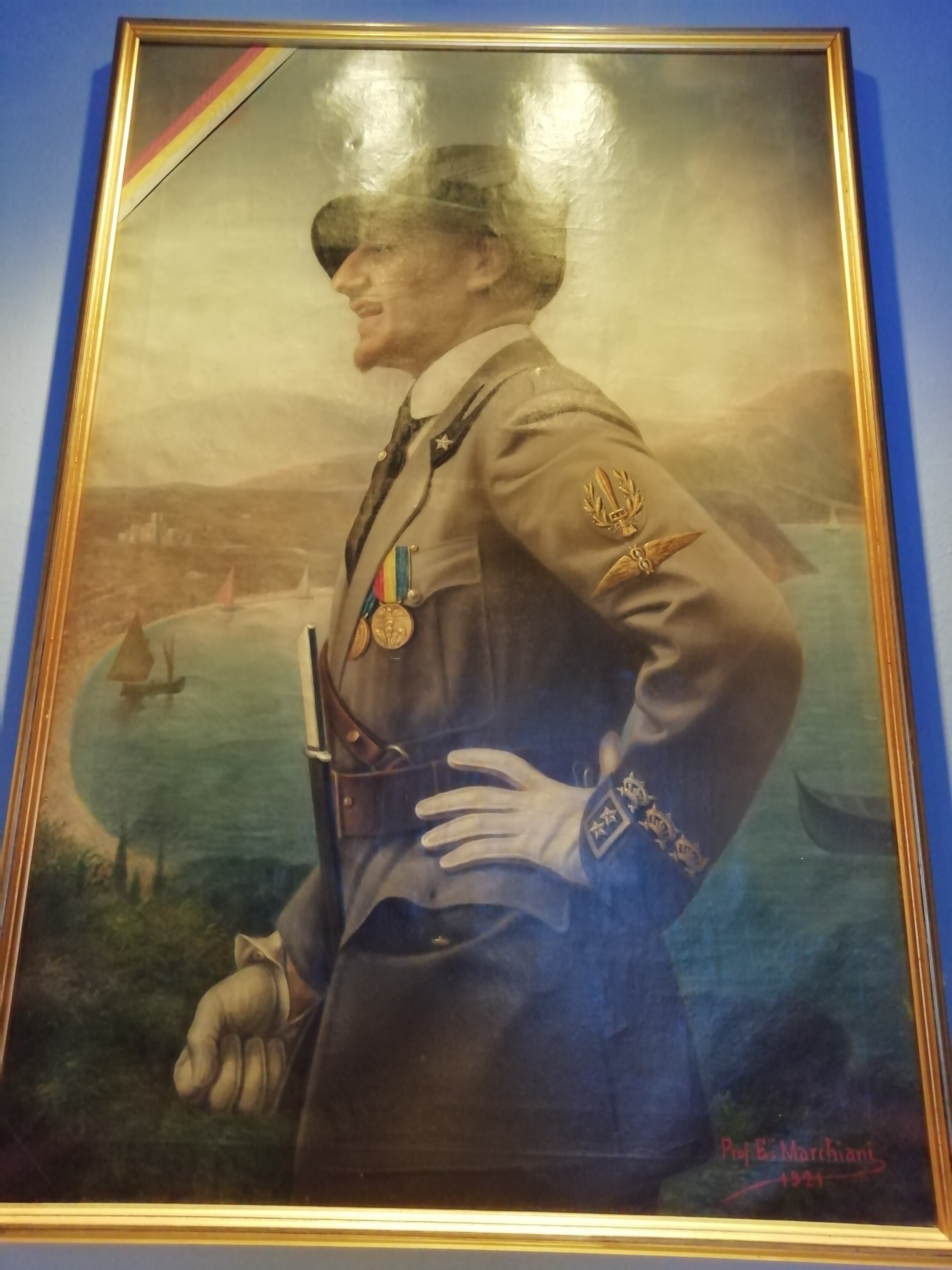
Born in 1863, d’Annunzio first became known as a poet and writer, but during the First World War he also made a name for himself as a war hero, particularly for an episode in 1918 when he flew over Austria dropping 11,000 propaganda leaflets declaring an Italian victory.
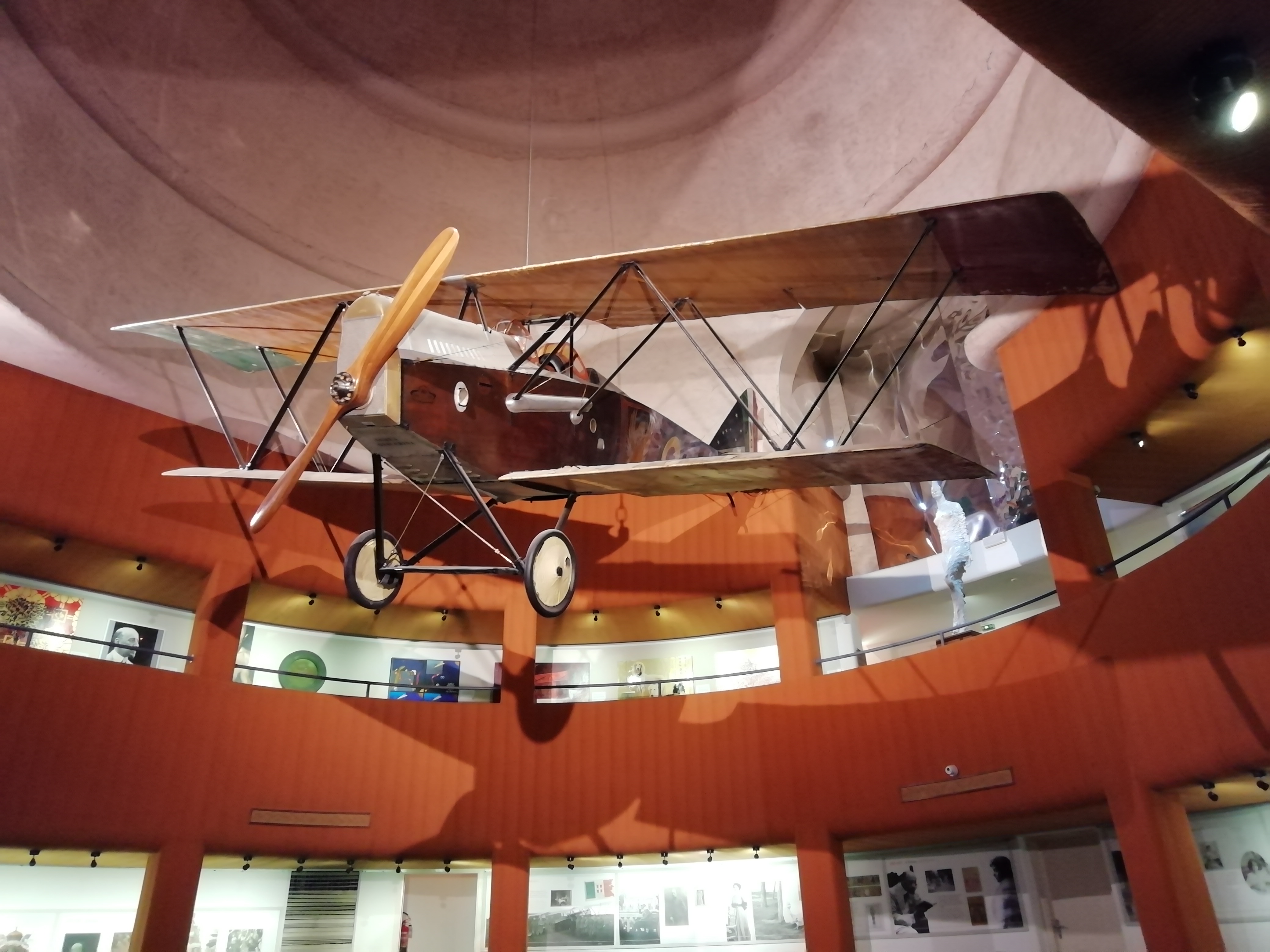
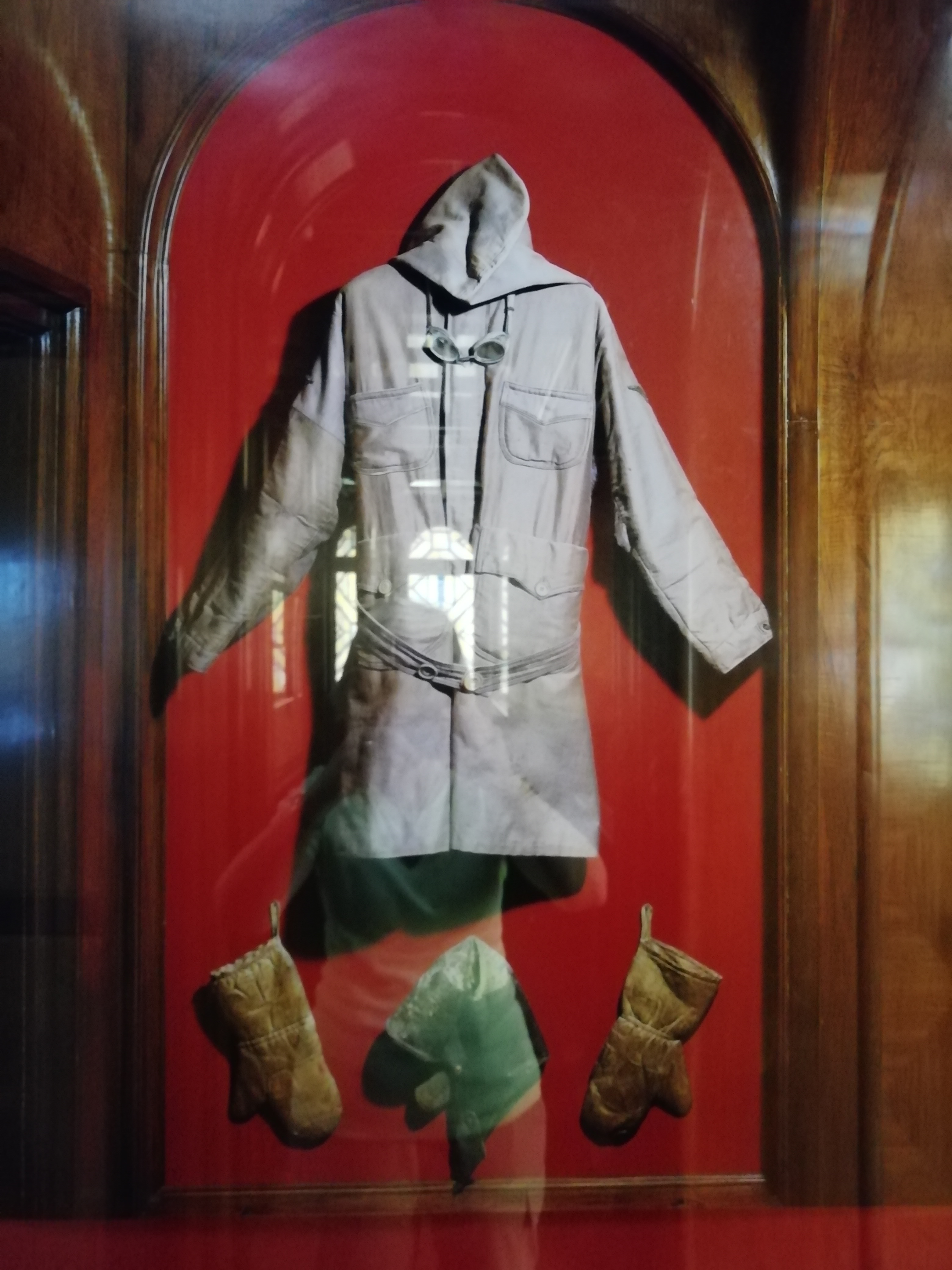
It was after the war that d’Annunzio acted on his political instincts. Disagreeing with the way a portion of land that had hitherto belonged to Austria was parcelled up between the allies, d’Annunzio took the town of Fiume, now known as Rijeka, and part of Croatia, for Italy. When the Italian government opposed this move, d’Annunzio declared himself as dictator of an independent state and ruled for a year, only finally surrendering in December 1920 after bombardment by the Italian navy.
After Fiume, d’Annunzio looked for a new residence in which to bury and commemorate his shipwrecked comrades. In Gardone Riviera on Lake Garda, d’Annunzio found a villa, confiscated fromHenry Thode, a German art critic. The house was purchased and restoration work was carried out helped by a large donation from Mussolini on condition that d’Annunzio stayed away politics.
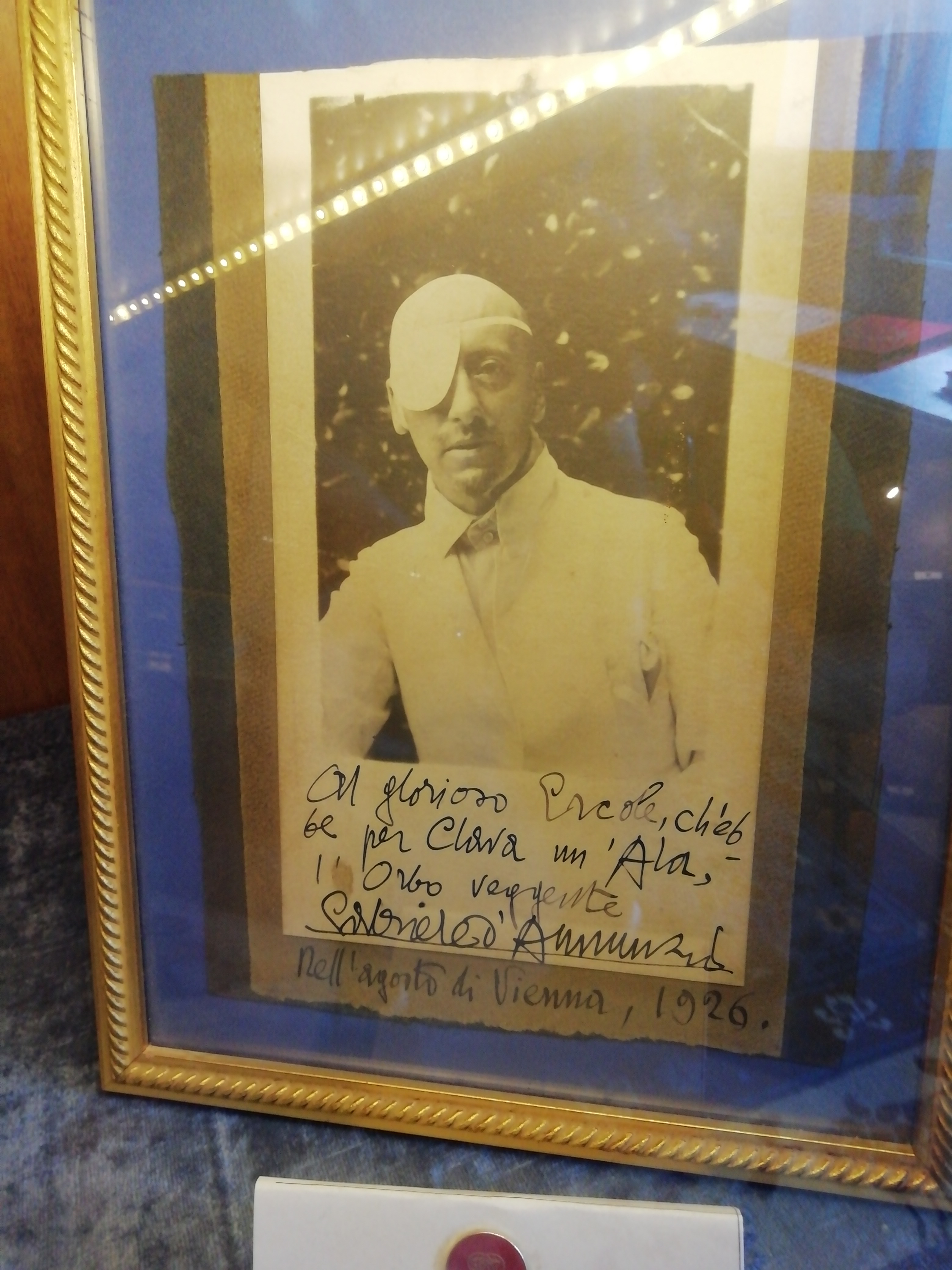
D’Annunzio is seen as the inventor of Italian Fascism and employed many techniques in his rule of Fiume which Mussolini later copied. However, Mussolini still viewed d’Annunzio as a threat, rather than a comrade.
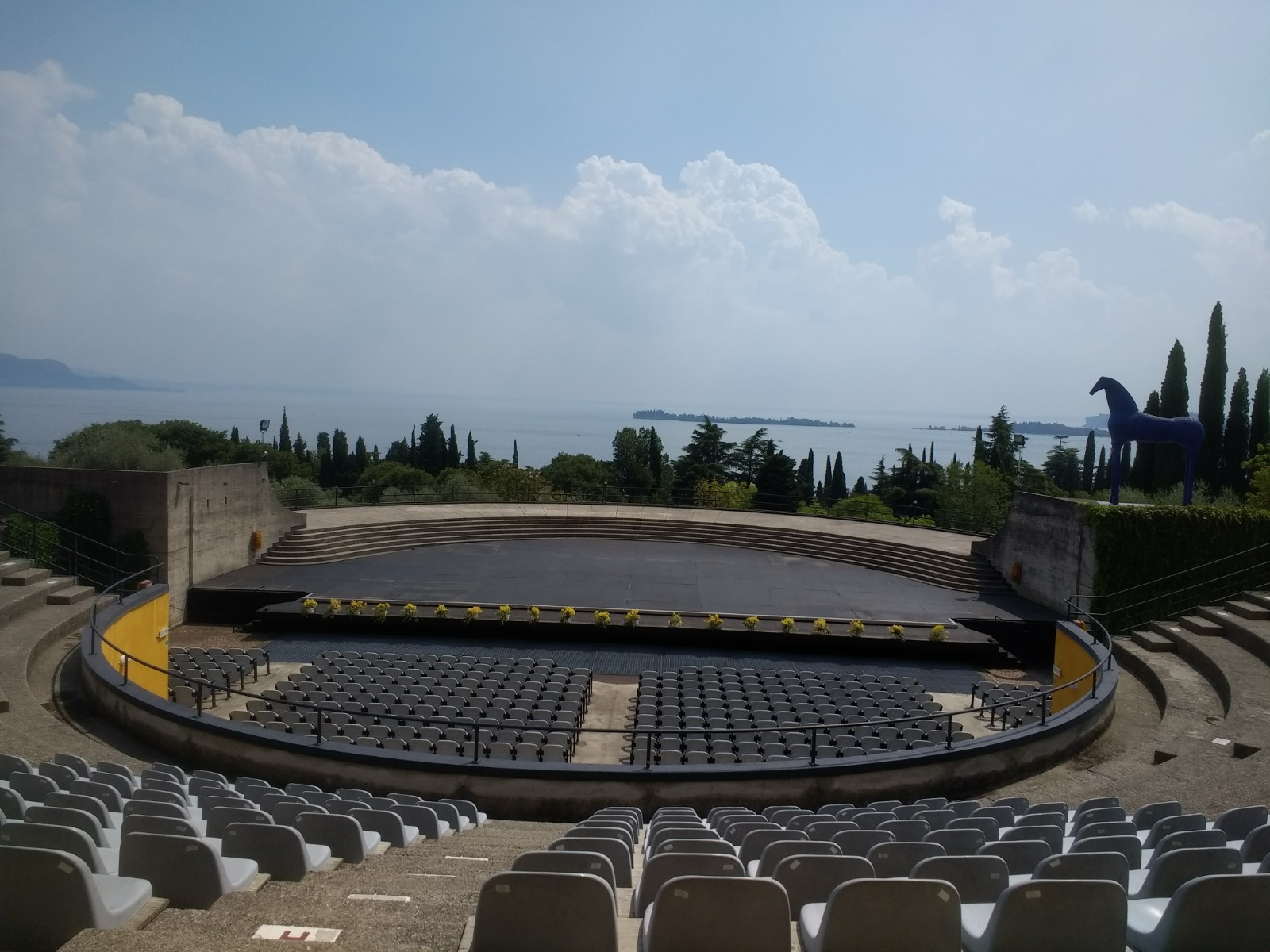
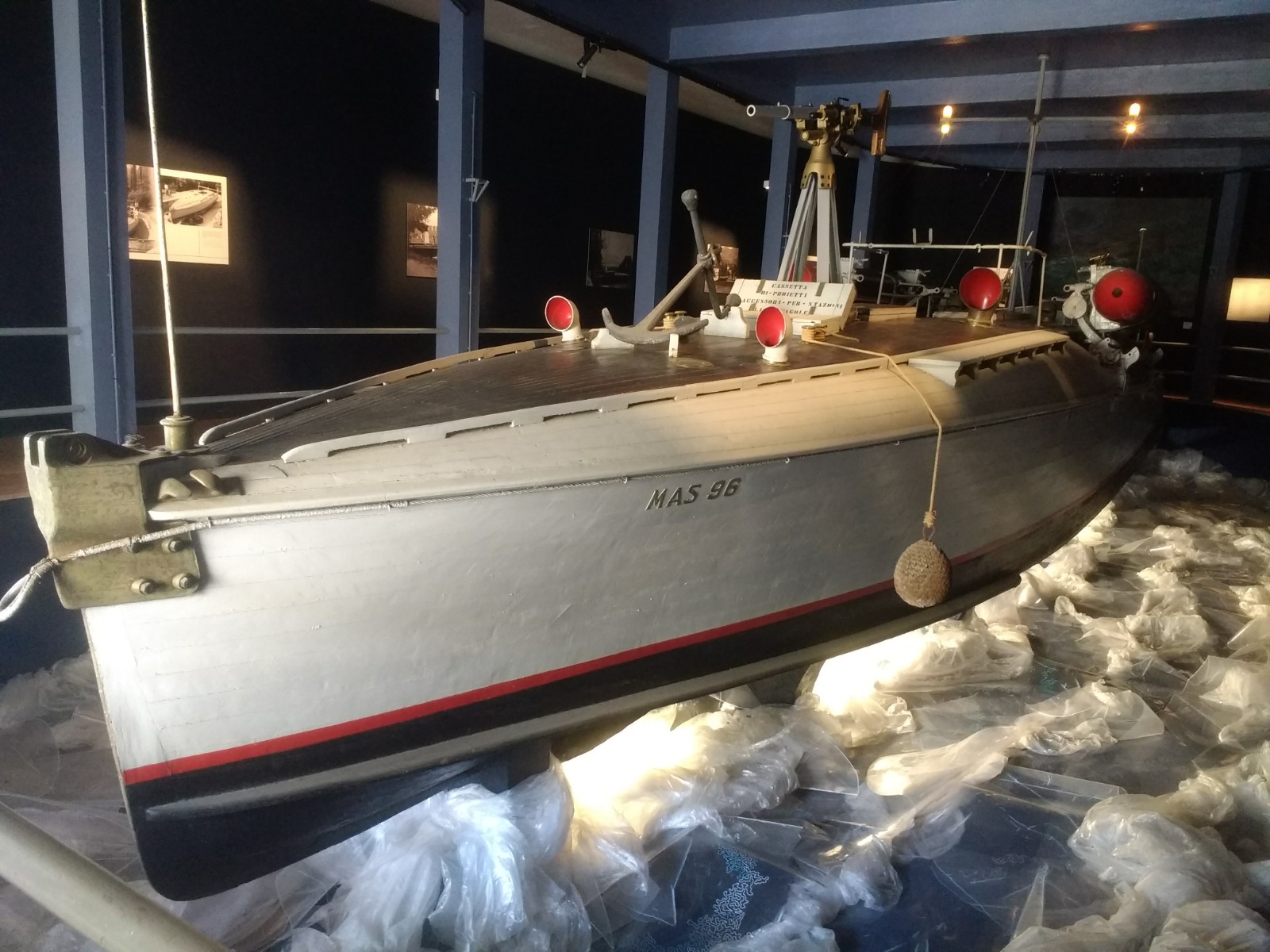
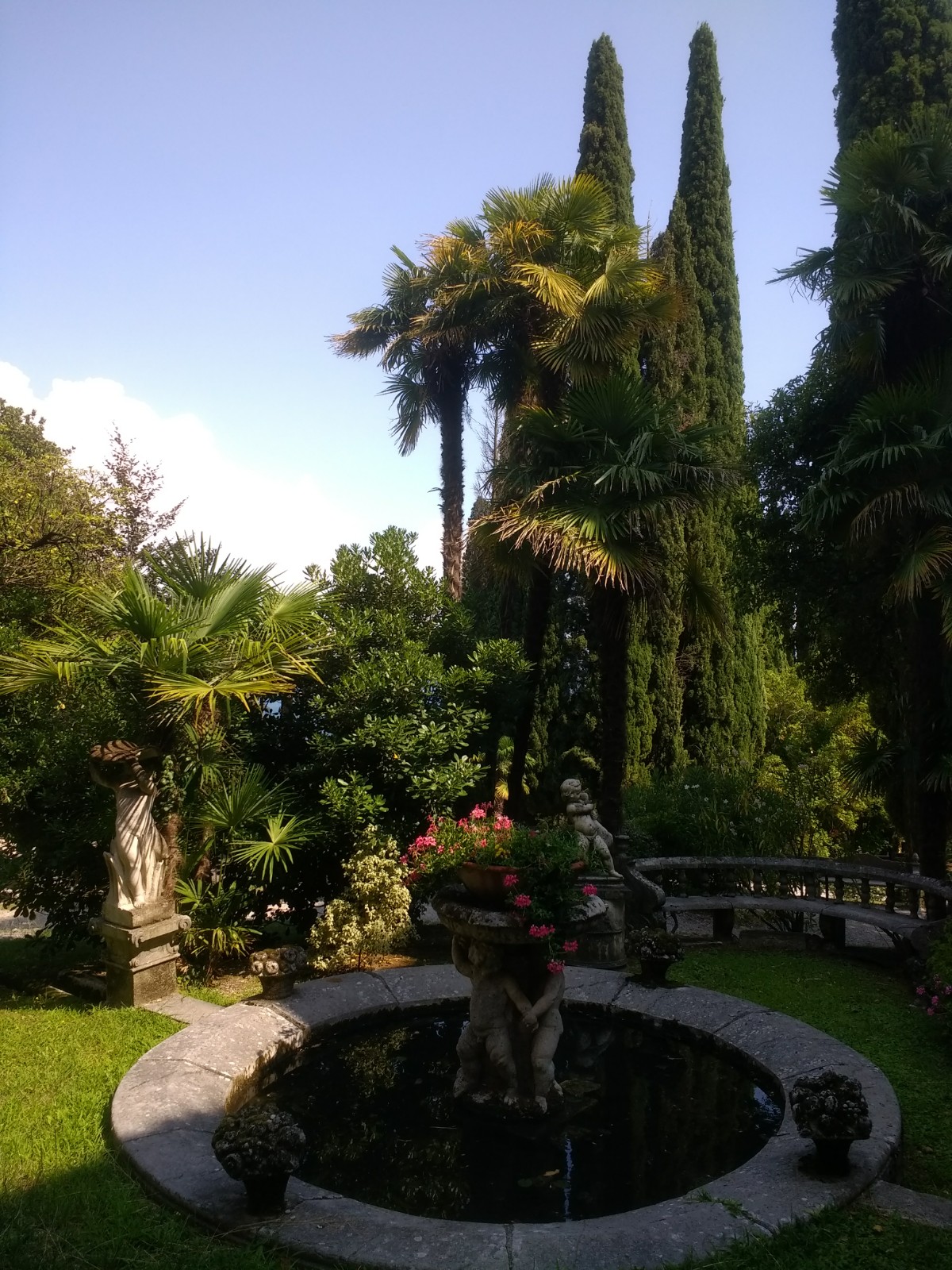
The cause of an accident in 1922 in which d’Annunzio ‘fell out of a window’, and was seriously injured, is unknown. In any case Mussolini, it seems, did not wish to take advice from d’Annunzio and took no heed of him in the 1930’s when the former dictator of Fiume warned against forming a pact with Hitler.
When D’Annunzio died at the Priory in 1938, a few days before his 75th birthday, he was given a state funeral by Mussolini.

 Tortoise Travel