I love visiting old furnished houses that have a past to be discovered and am delighted when a guided tour is offered providing insights into the lives of the occupants. I was delighted, therefore, to discover an historic house open to the public, in Lonato, a small town which can be reached from Desenzano by bus.
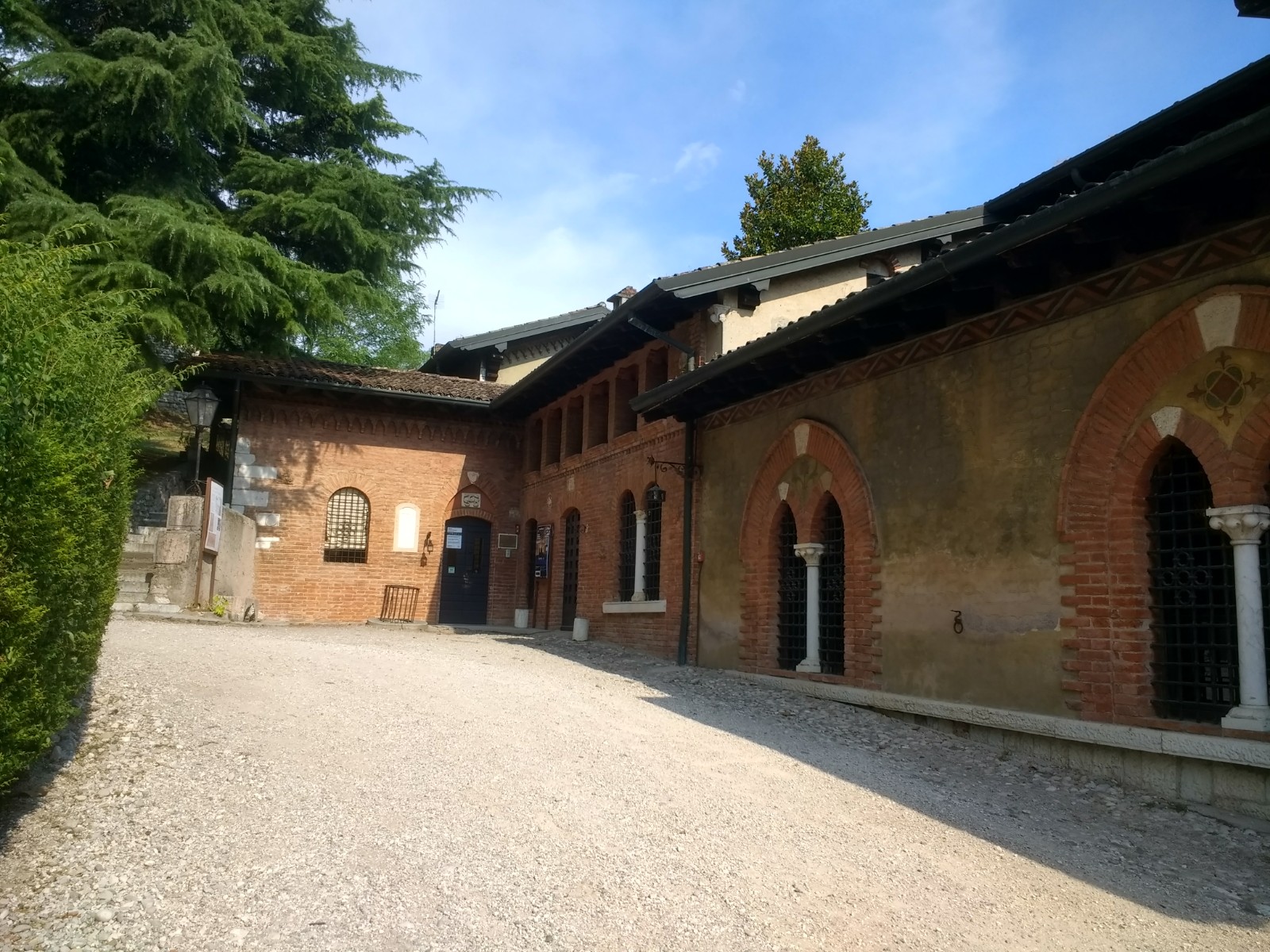
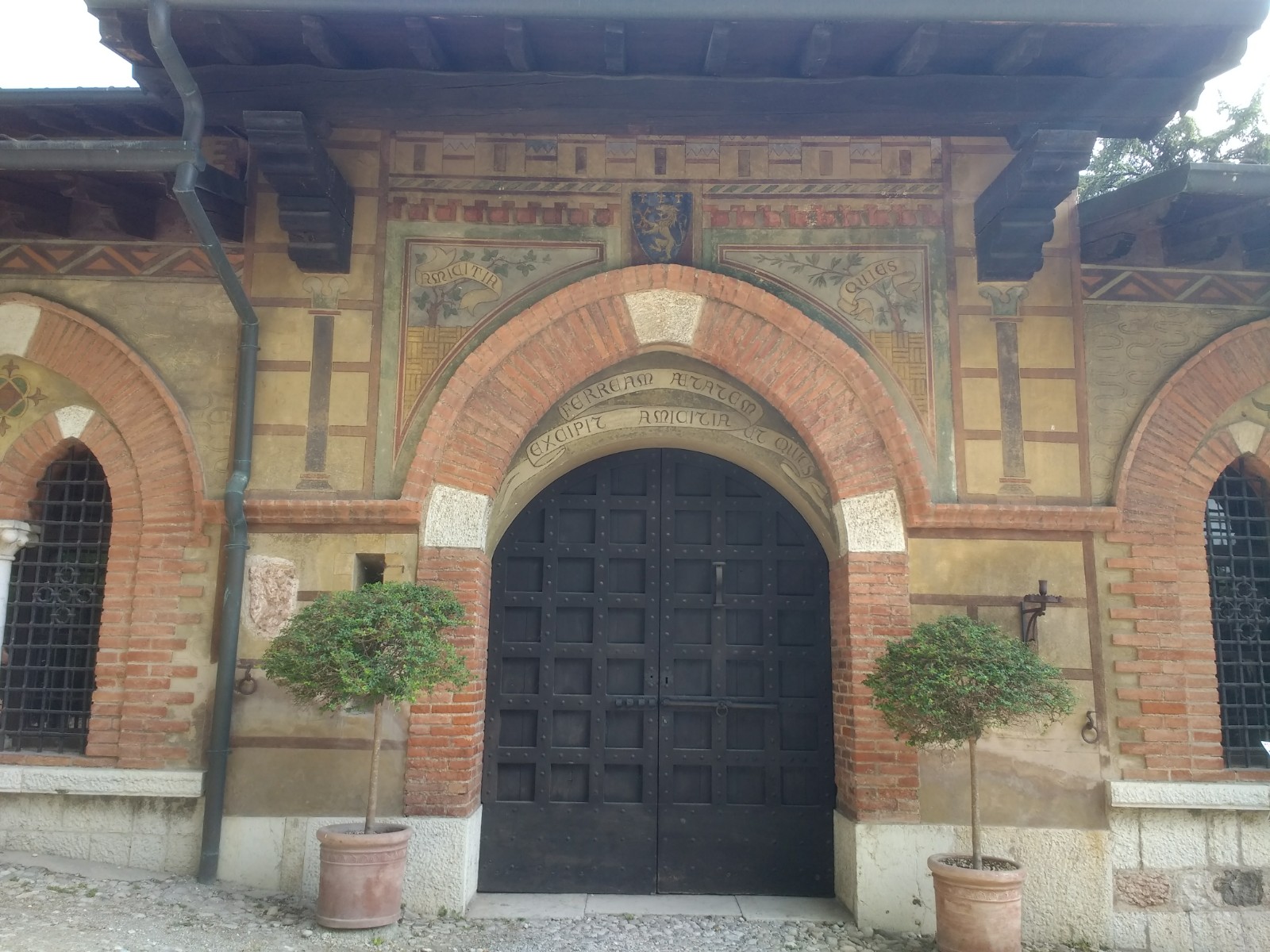
The house, occupied by Ugo da Como, a politician, from 1906, is indeed a gem, and, in my view, well worth a visit. The good news was that a guide was available to take us round (you cannot visit on your own).

However, the bad news was that she only had half an hour to spare and had no commentary at all, despite speaking good English. The procedure was that she would lead us into a room, announce the name of the room and allow us time to read the relevant paragraph in our written guide (could not be taken away). We would then be led into the next room and so on.
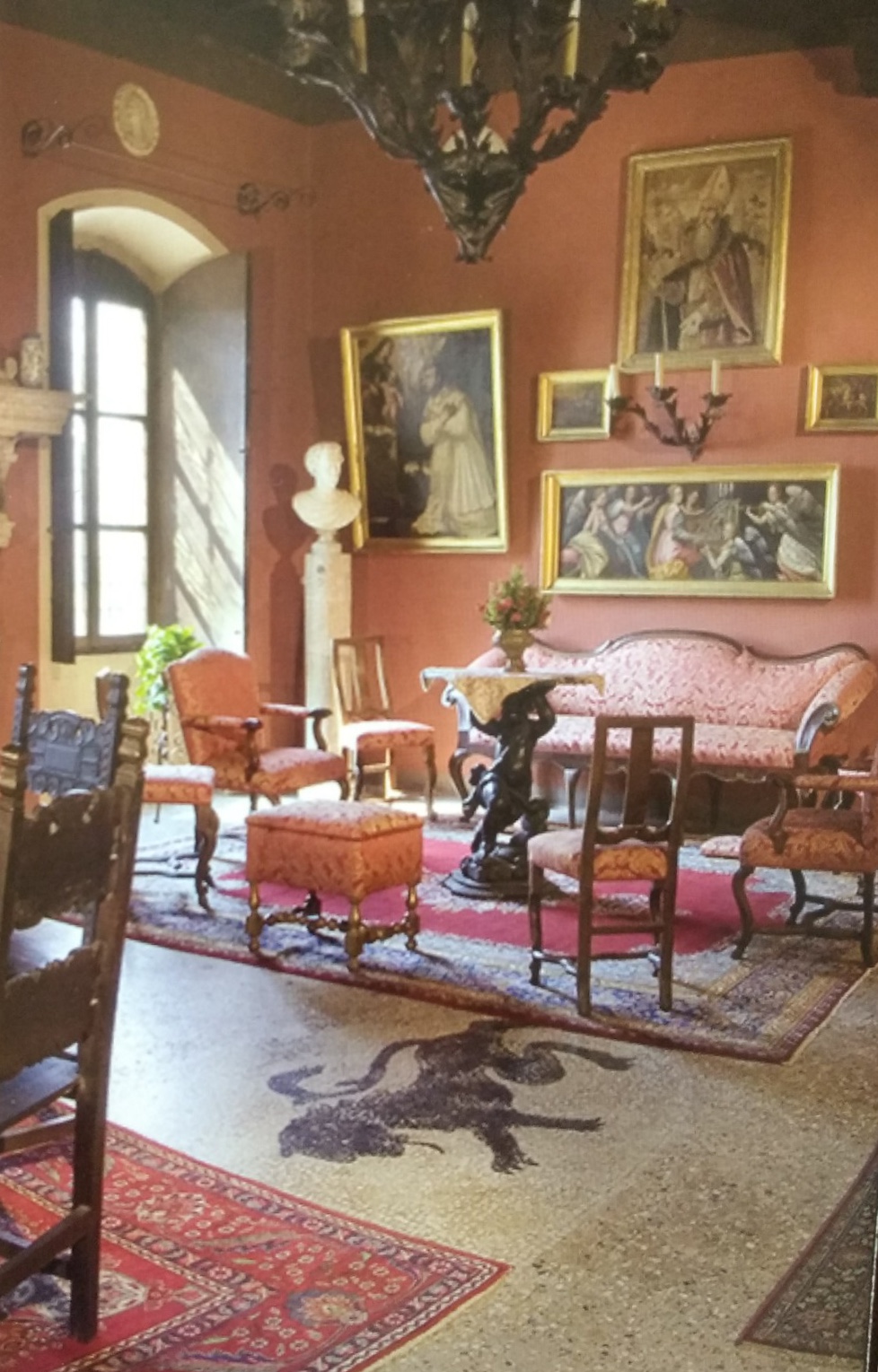
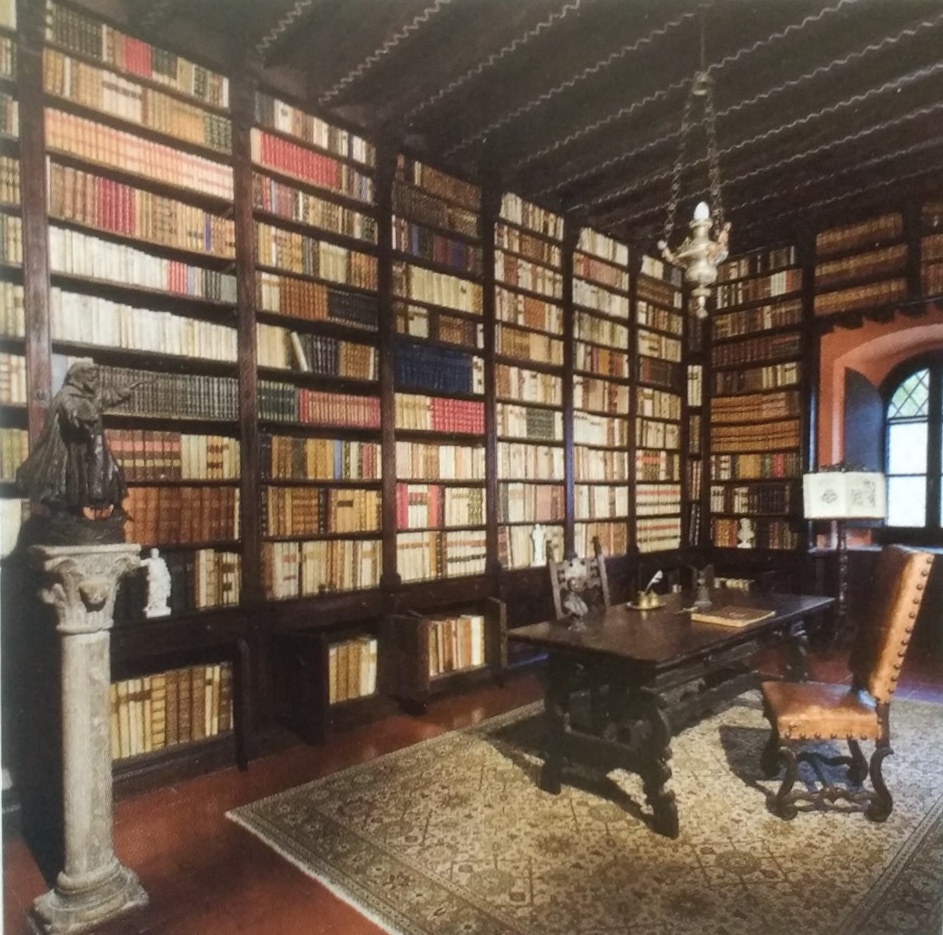
Furthermore, no photos were allowed, not even without a flash. The interior shots in this post have been copied from tourist literature.
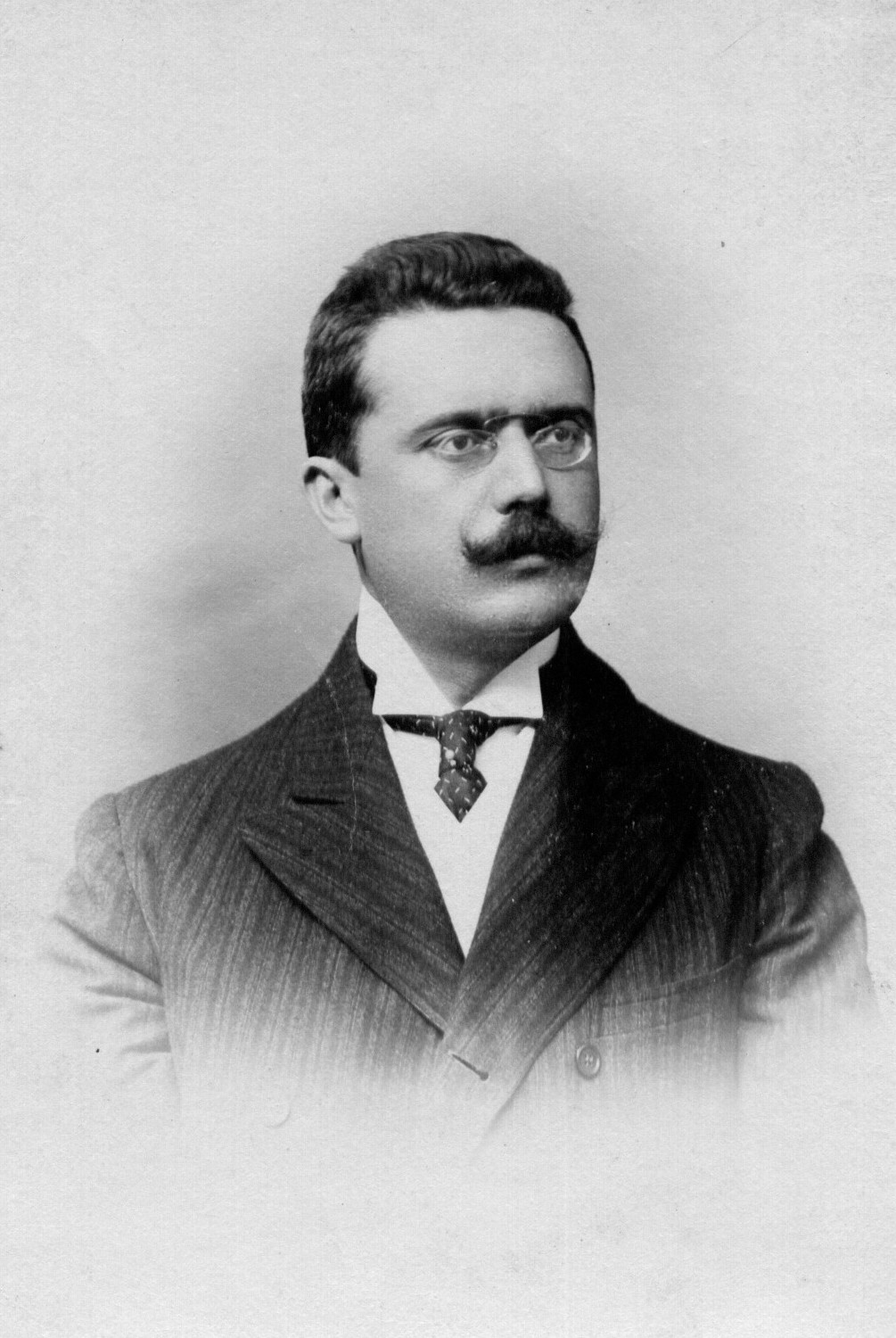
Ugo da Como trained as a lawyer and then entered politics. He bought the fifth century dwelling, that had been the home of a Venetian podestà (high-ranking official) and had it completely restored. He lived there with his wife until his death in 1941, leaving the house to the Foundation he had created, for the benefit of future generations.
A fairly left-wing politician, Da Como was concerned about the poor and oppressed, and was the creator and advocate of the first pension law for the ‘maimed and disabled of war’ a law that was considered one of the best in Europe.
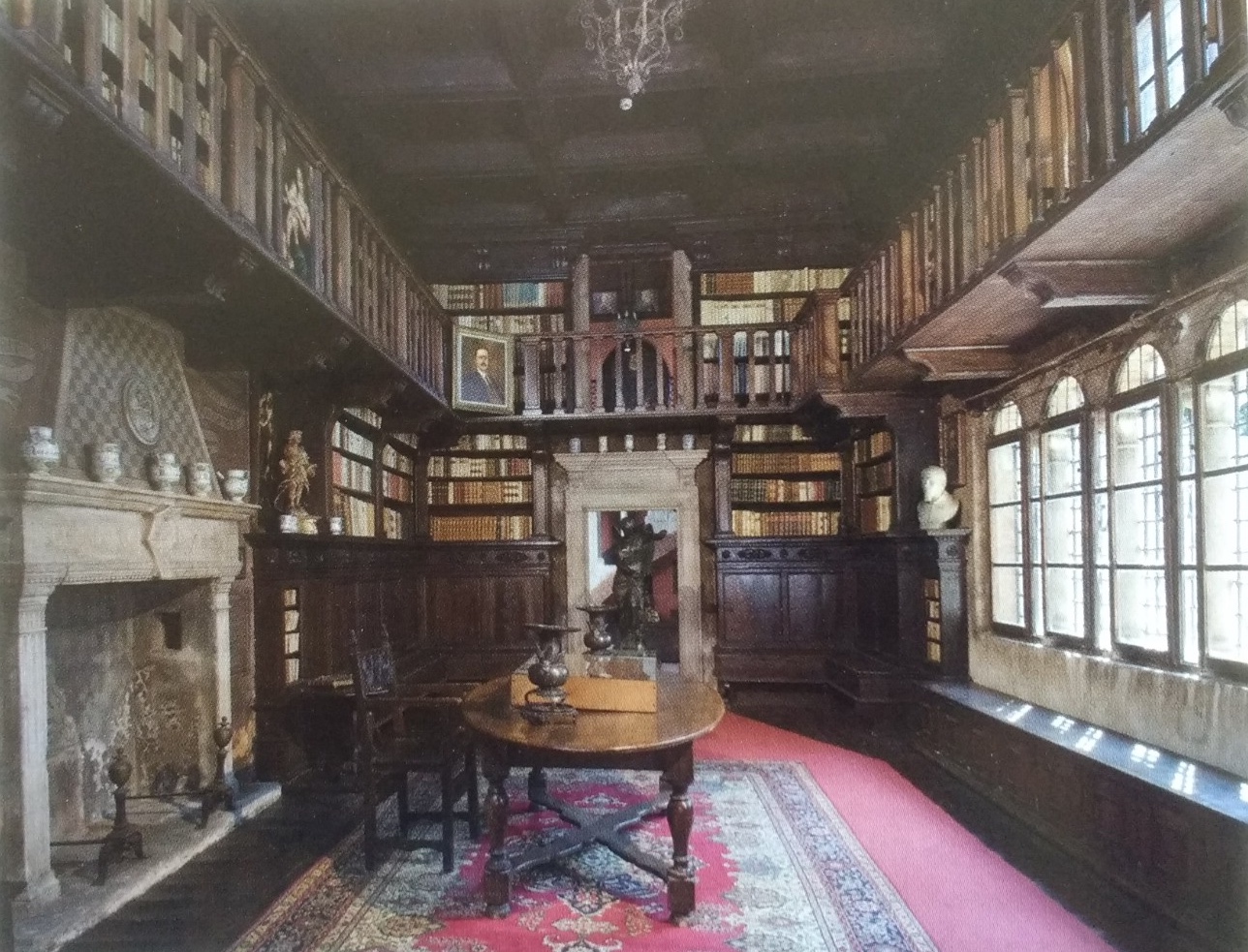
The library is the most important part of the house, and containing over 50,000 books dating from the twelfth century, it is considered to be one of the most important collections of books in Northern Italy.
The only item that was pointed out to us in the whole of the house was a tiny volume cited ‘the smallest book in the world’. (I am afraid that the Guinness Book of Records do not agree). It is a printed copy of a letter written by Galileo.

 Tortoise Travel