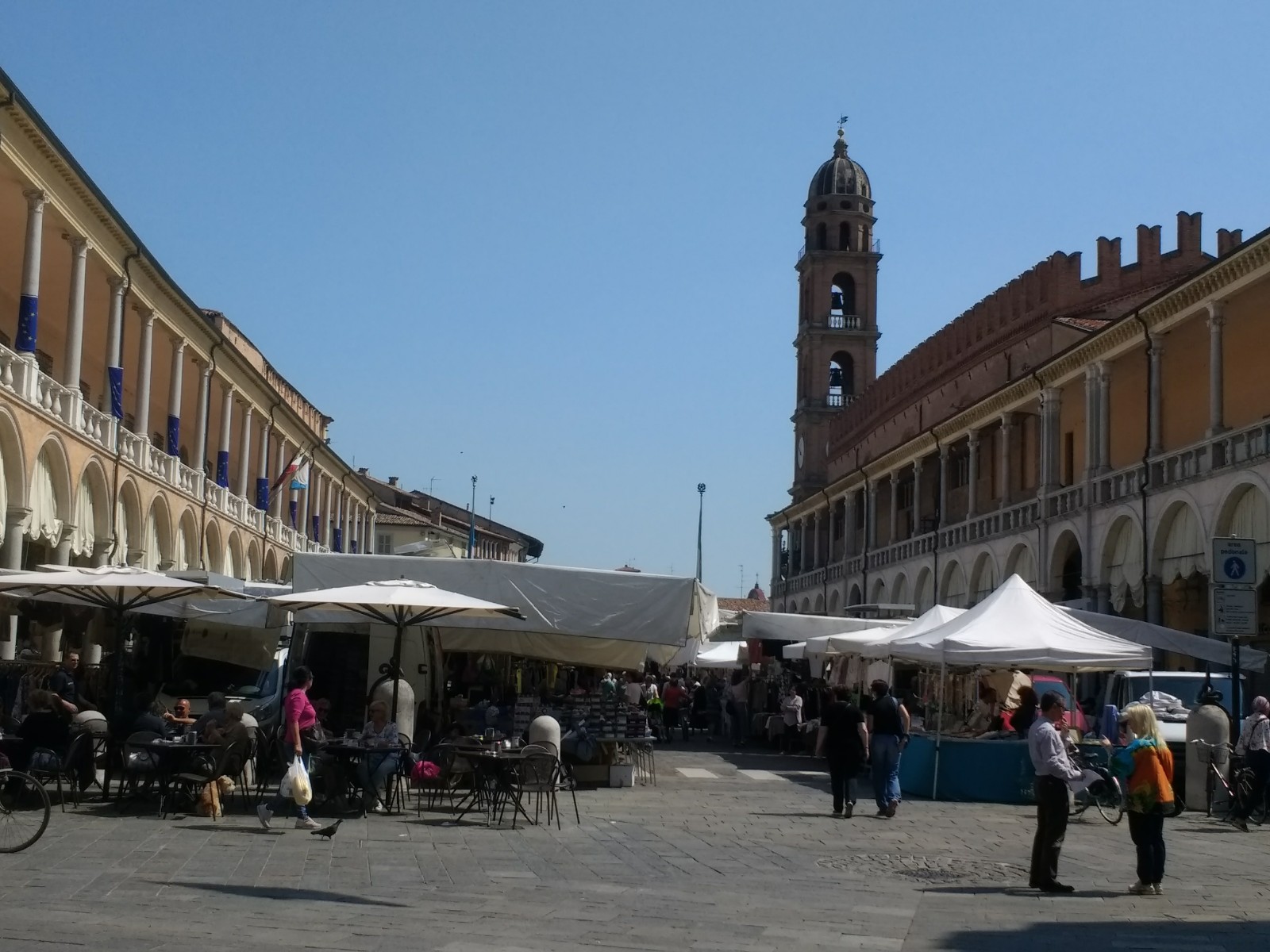
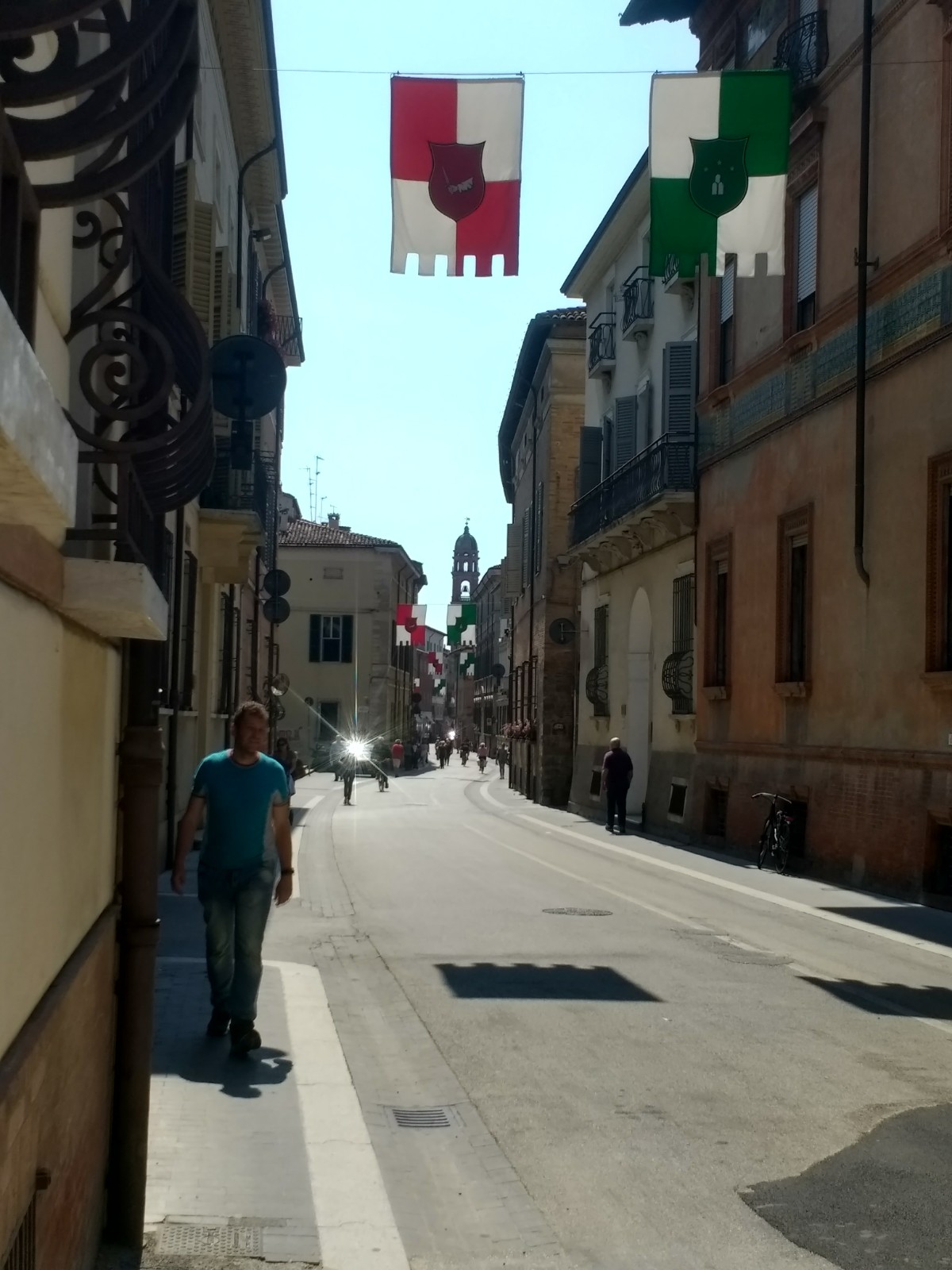
Faenza without a market might have seemed too quiet, but in the sunshine yesterday, and with banners for the upcoming Palio blowing in the breeze, it was a great place to visit.
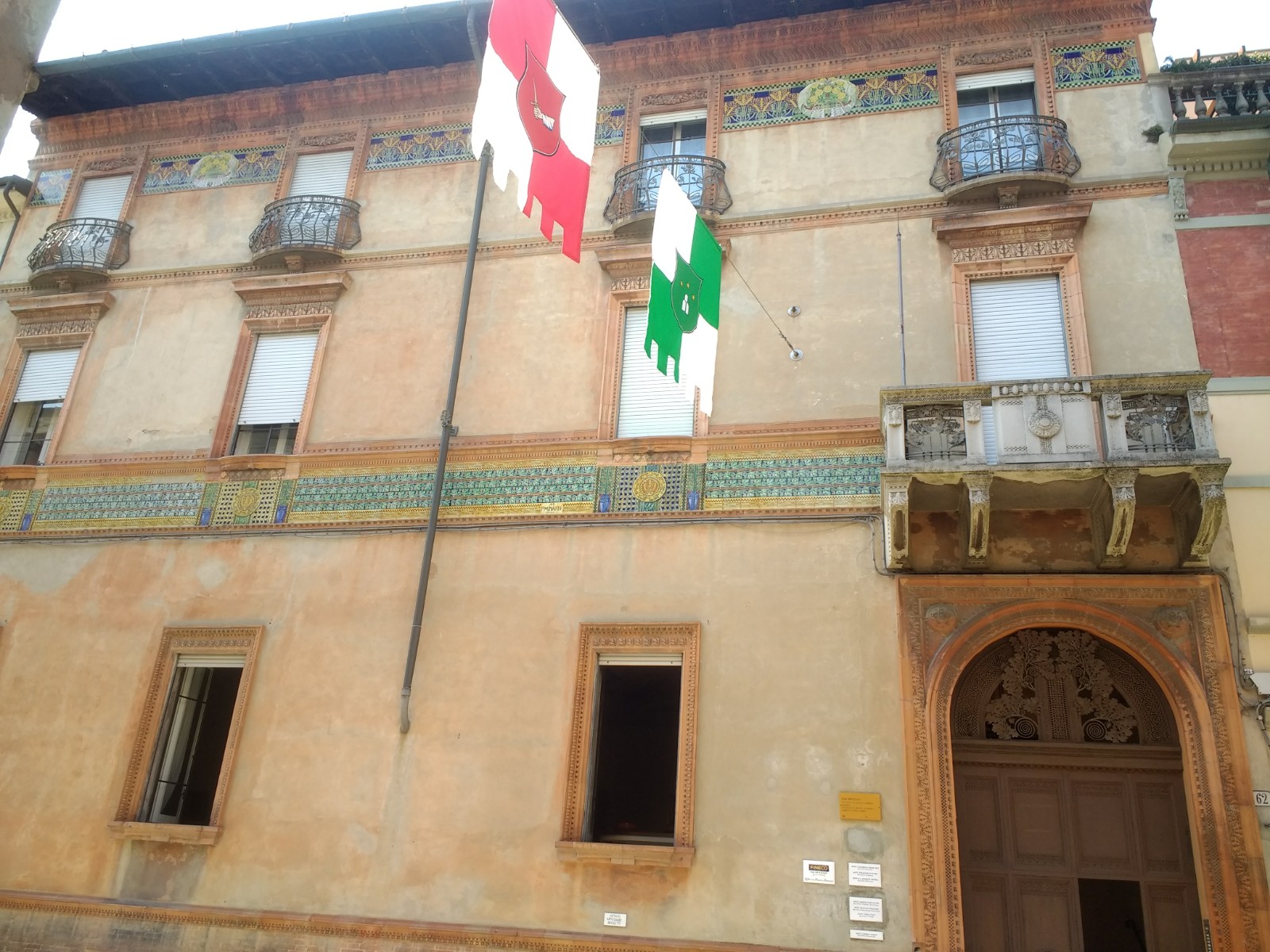
The market in the centre of Faenza. Flags for two of the five city districts that will compete to win the ‘palio’ or standard.
Many towns and villages in Italy have a Palio, a tradition which started in medieval times. The most famous Palio is that which takes place in Siena. Ten horses and their riders, each representing one of the districts in the city, race three times, bareback, round the central piazza. Jockeys are often thrown off their mounts as they negotiate the sharp, steep (the sides of the piazza are cantilevered) turns. Horses sometimes continue the race without their riders, and can win the Palio, a banner of painted silk, for their district, without their human.
Piazza del Campo in Siena, the race track for the Palio.
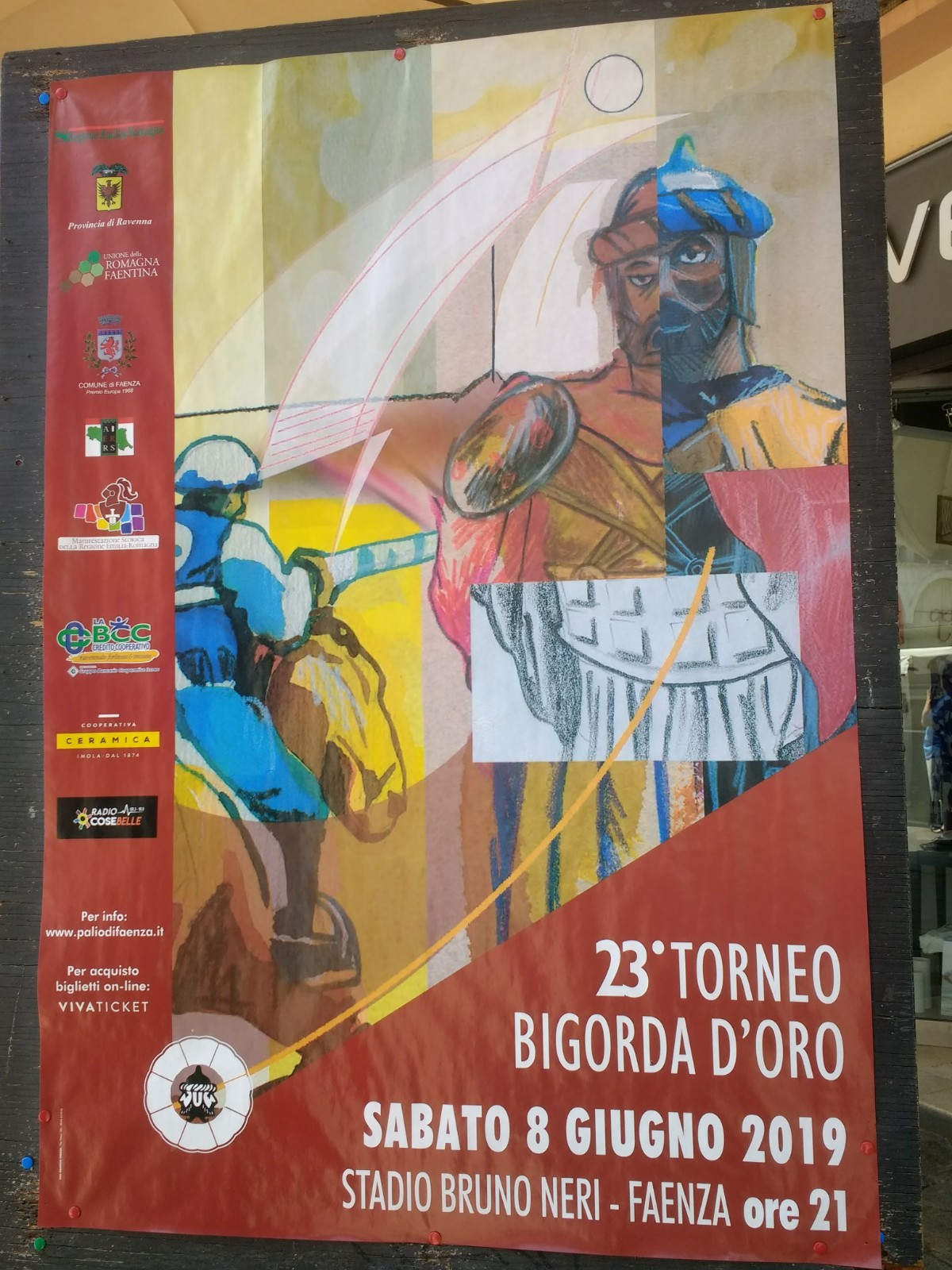
The Palio in Faenza is possibly a little less frenetic, and hopefully, less dangerous. Rather than being won in a race, the Palio is achieved by winning a jousting match (played in medieval dress). If you’re around, the date is 23 June this year.
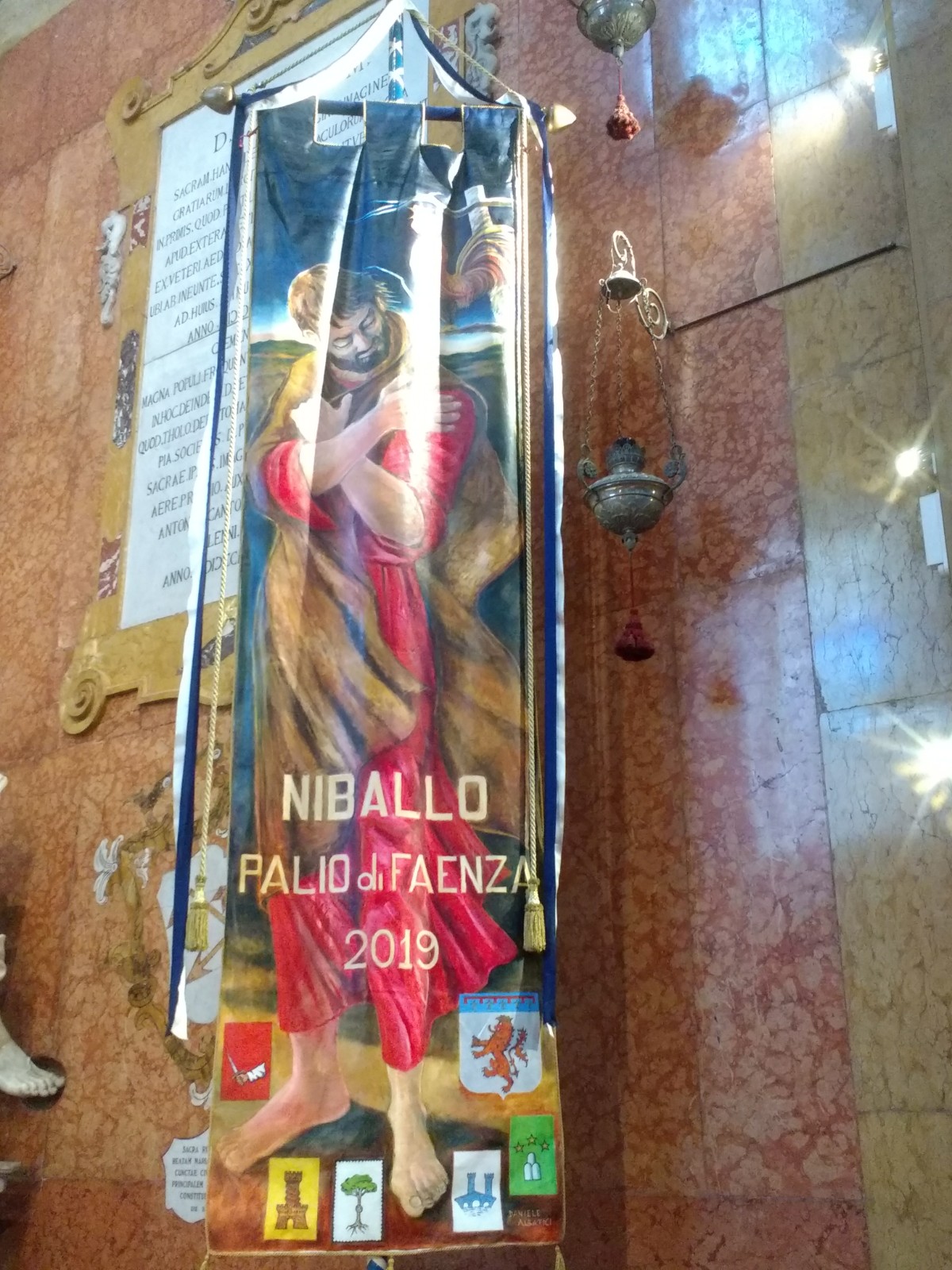
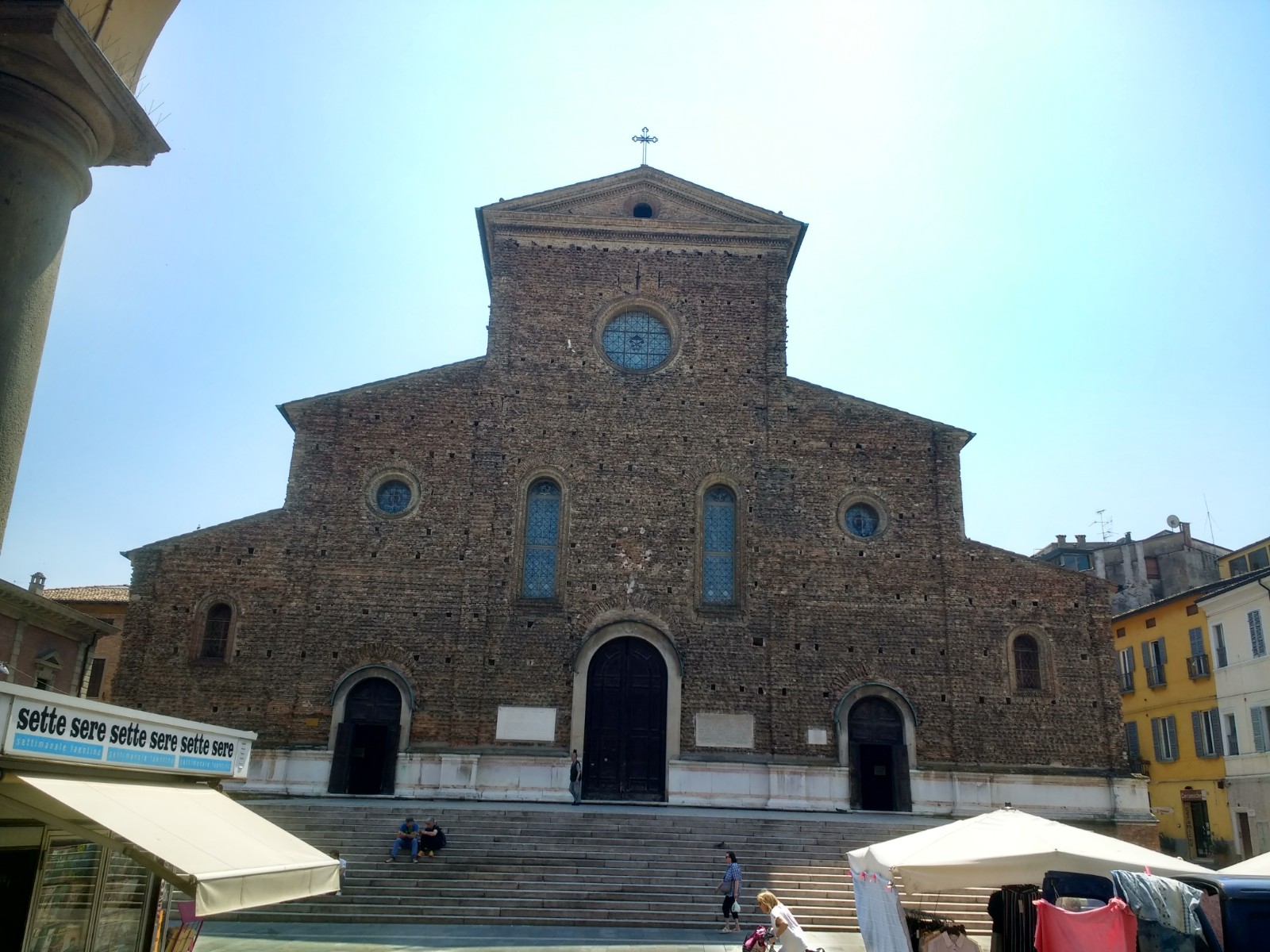
The church, it seems, supports the Palio. This banner was snapped inside the Cathedral.This Palio, held two weeks before the main event, is for the younger residents of the city. Faenza Cathedral
If pots are your thing, you should visit the Ceramics Museum in Faenza. Be warned, however, the museum seems to adhere to the philosophy that more is better, and one can easily tire of seeing case after case of very similar exhibits. I would have loved a list of perhaps twenty of the most important pieces, and just concentrated on them, philistine that I am.
These are the bits I found most interesting:
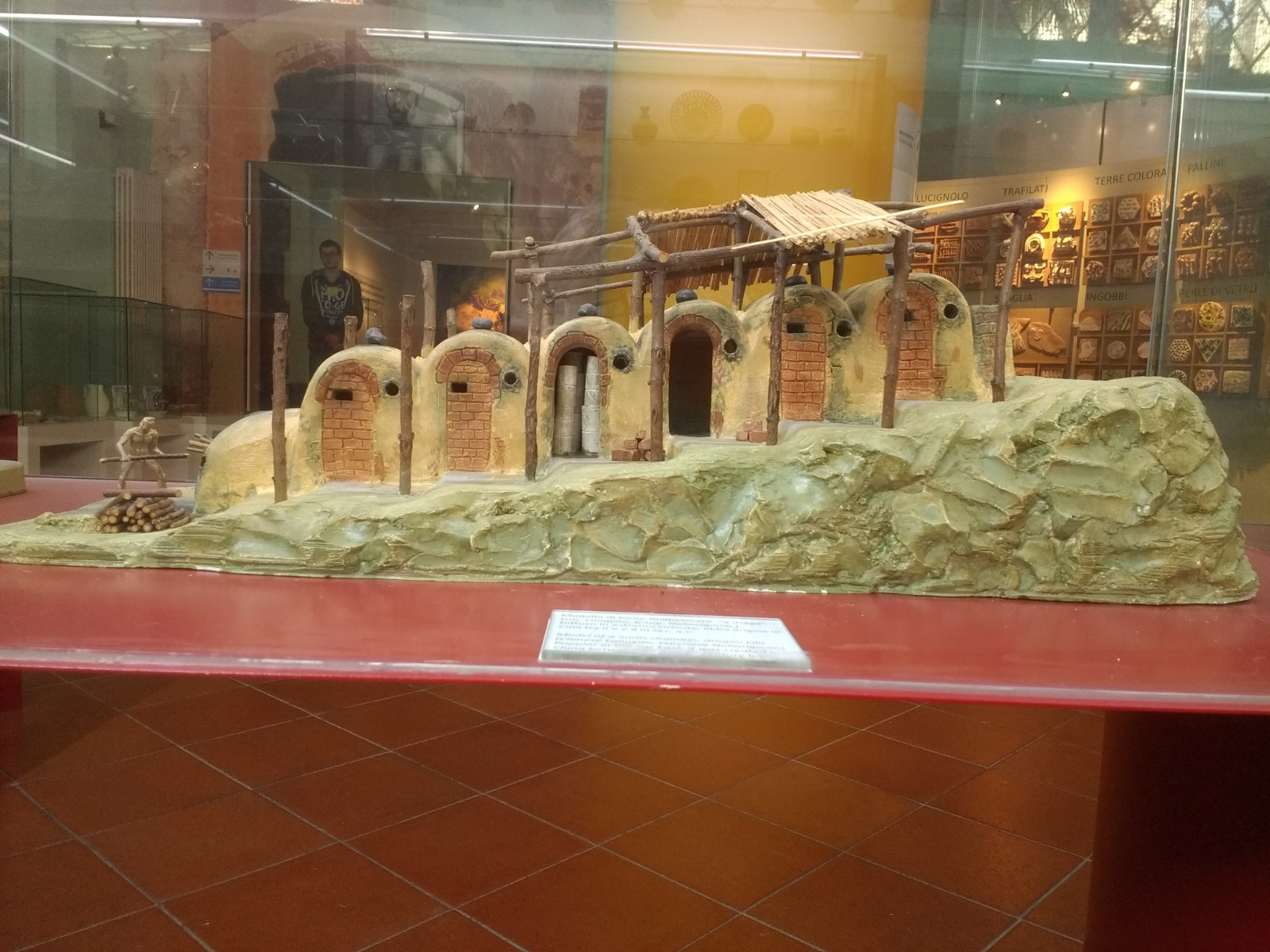
The Chinese have produced pots on a large scale for a long time. This is a multi-chamber ‘dragon kiln’, created between the fifth and third centuries BC.
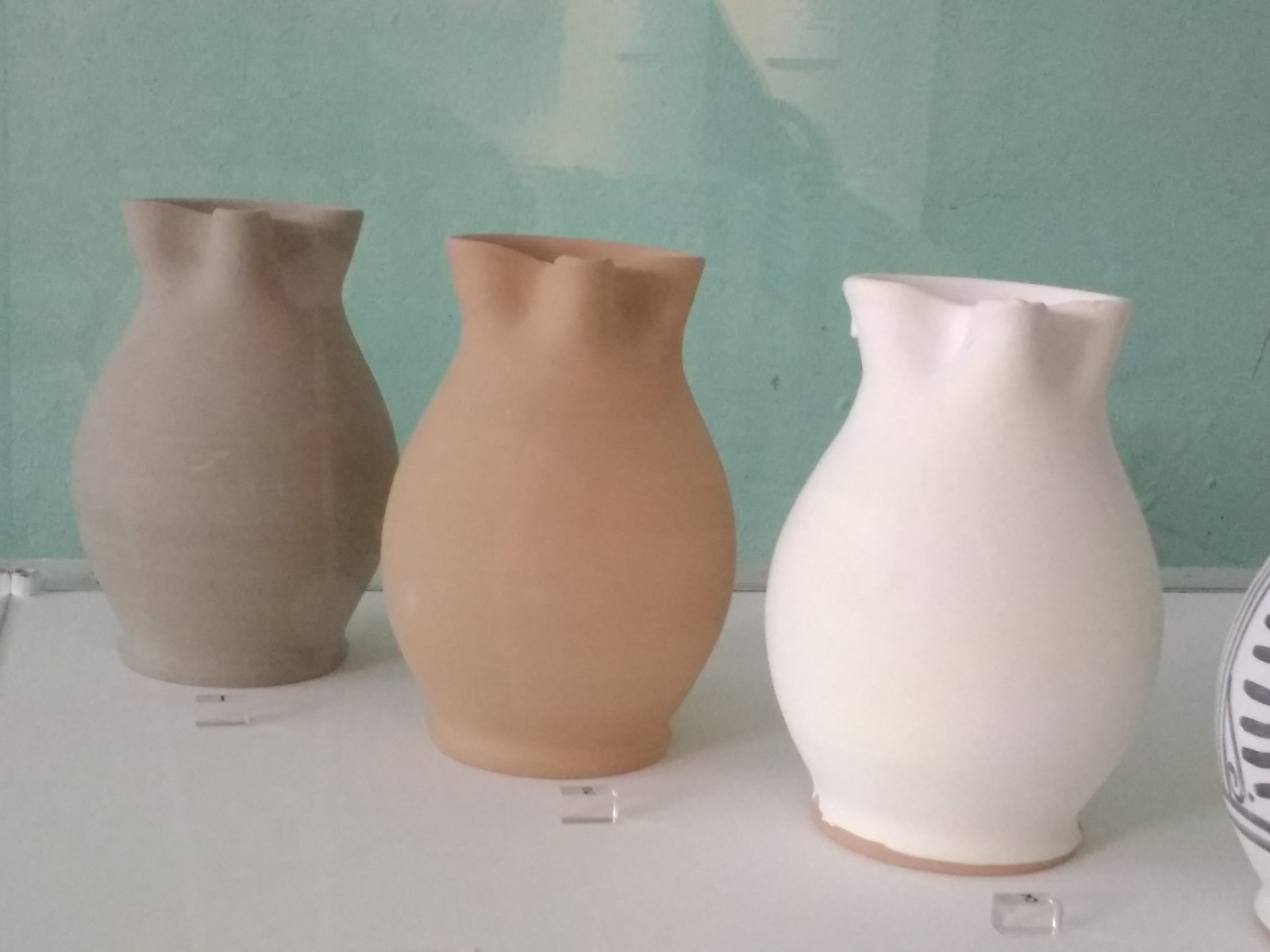
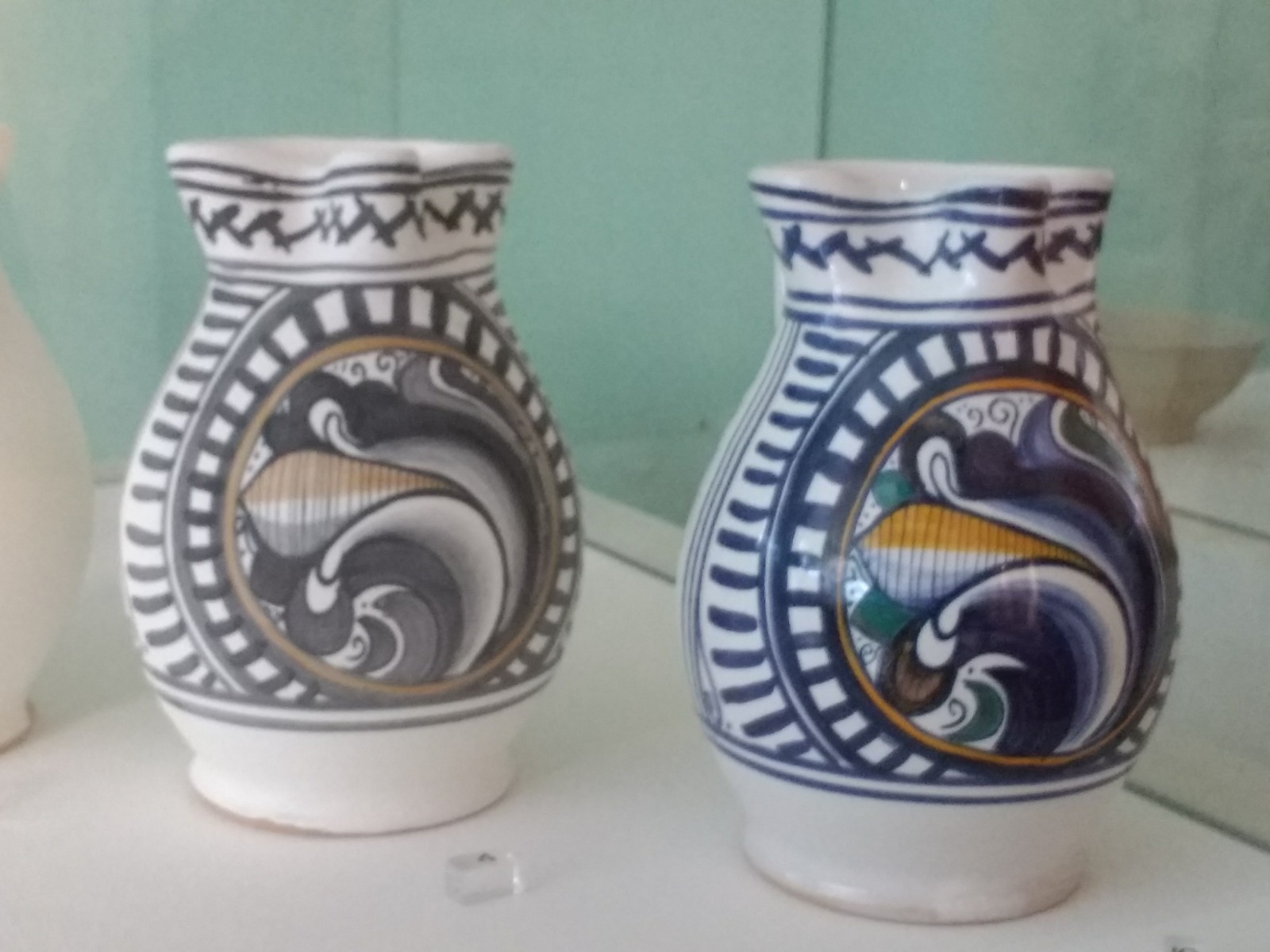
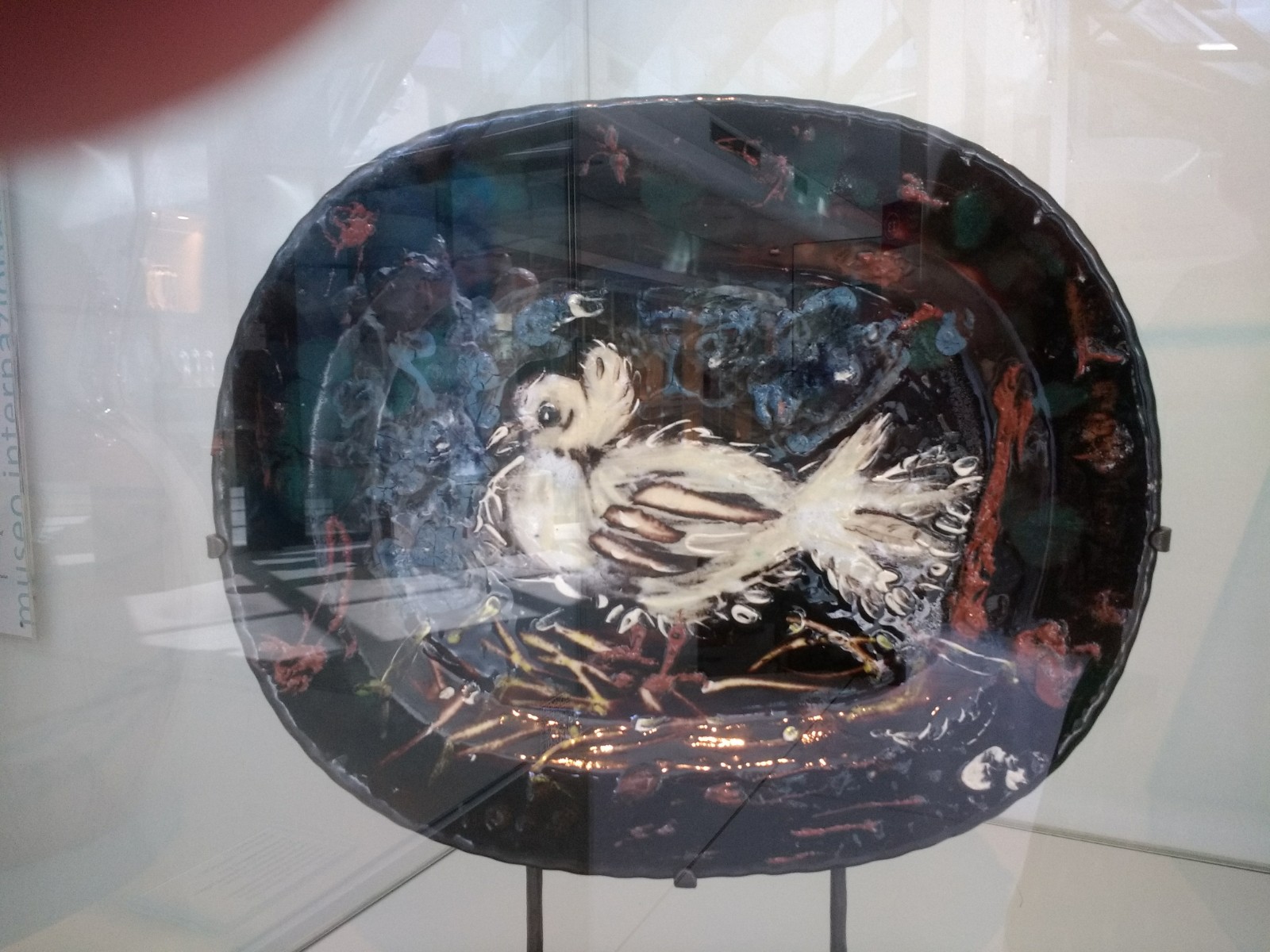
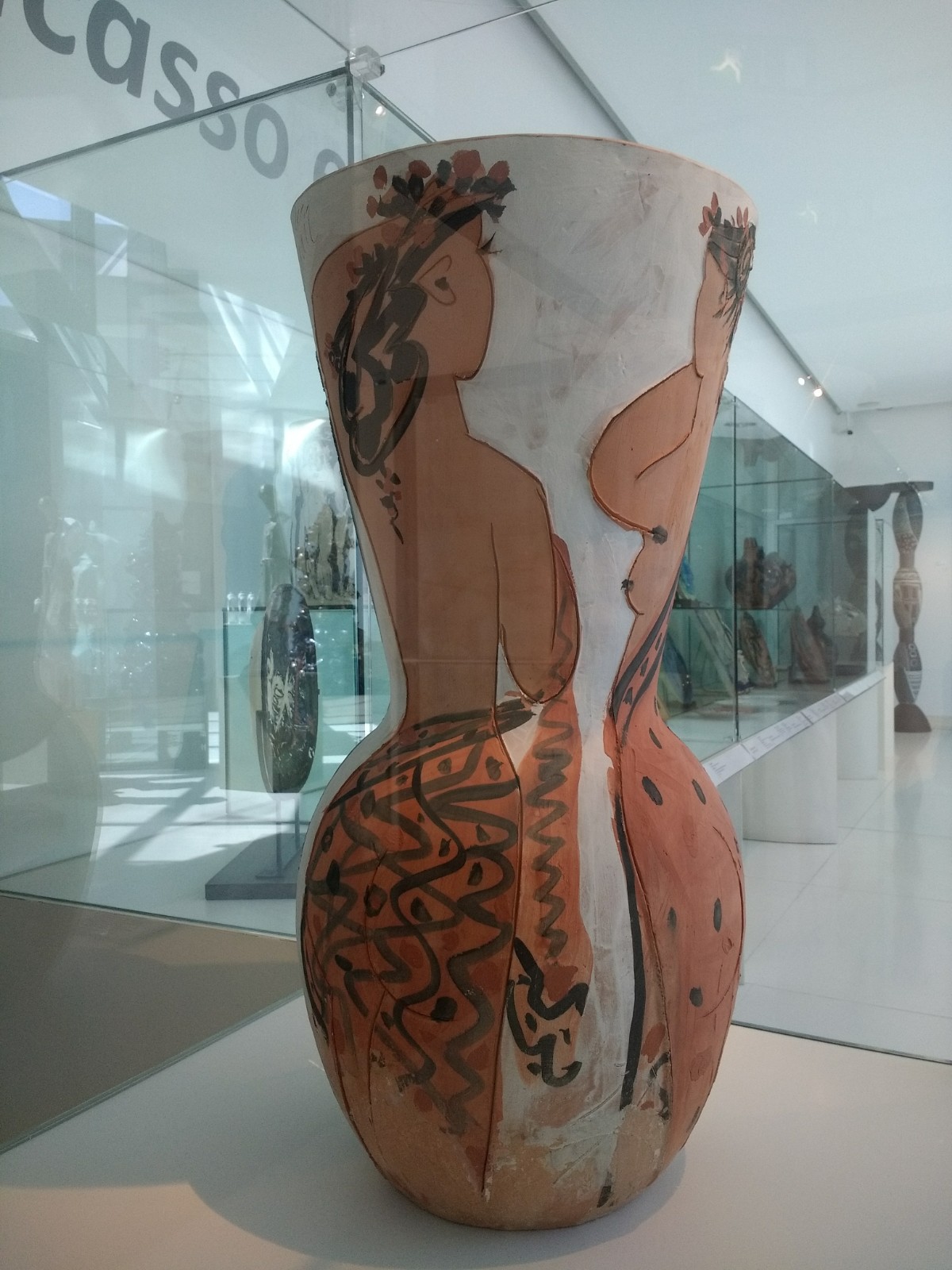
Majolica, or tin-glazed pottery, was perfected in Italy. These pots show the different stages of production. From the left, pot 1. The pot is formed of clay. 2. The pot has its first firing. 3. A glaze is applied.4. Decoration is applied without the glaze being fired first. Apparently, the unfired glaze absorbs the colours, rather like a fresco, making mistakes impossible to undo. 5. The pot is fired for a second time. Sometimes a second glaze is applied after the second firing. In the case of lustre ware a third firing is required.After the Second World War, in which the Museum of Ceramics in Faenza suffered much damage, Picasso, who produced ceramics as well as paintings, sent the ‘Dove of Peace’ to the museum.Another piece, ‘The Four Seasons’ , which Picasso gifted to the museum. I love the way Picasso used the shape of the vase to make the women’s bodies 3D.
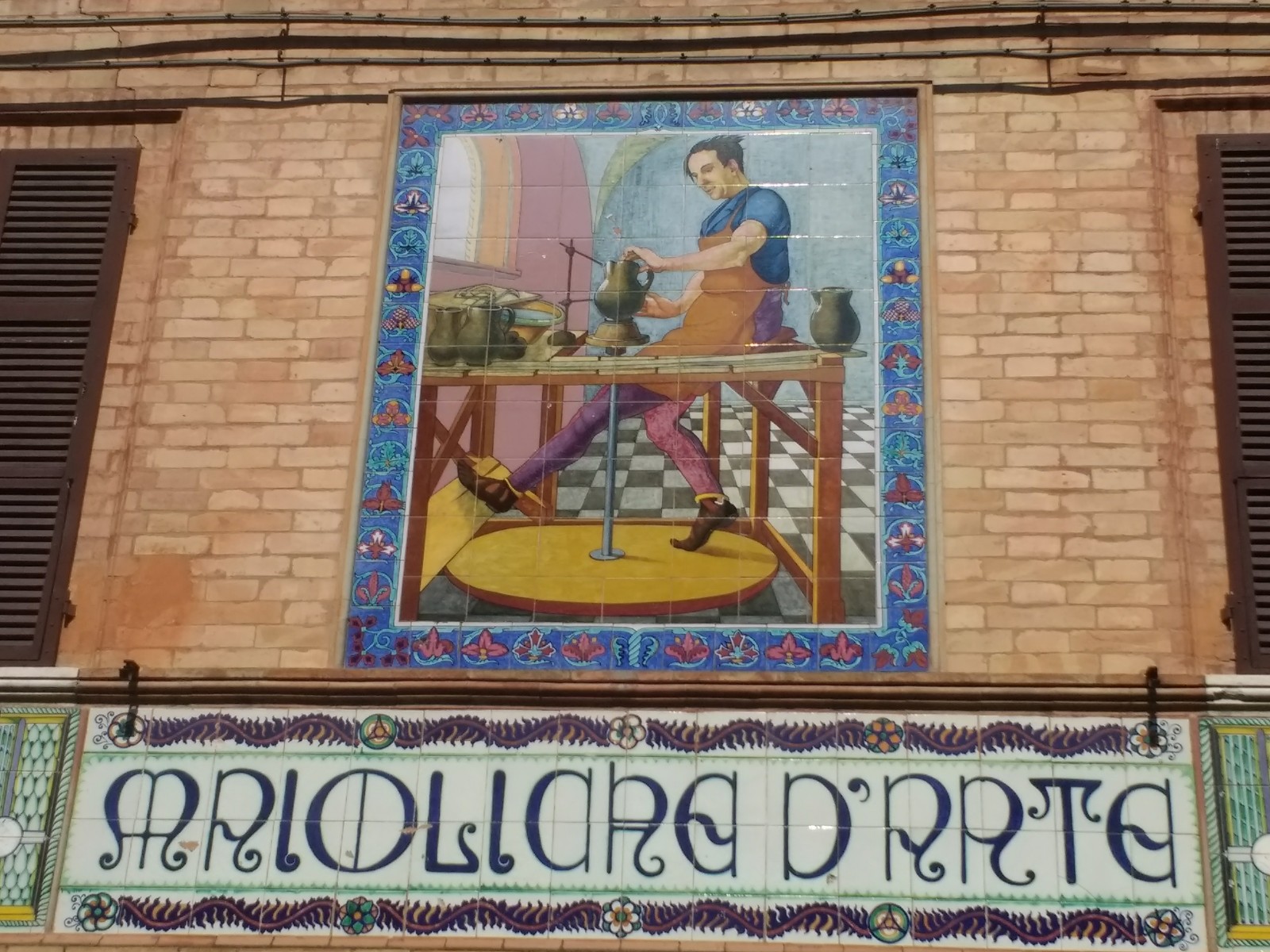
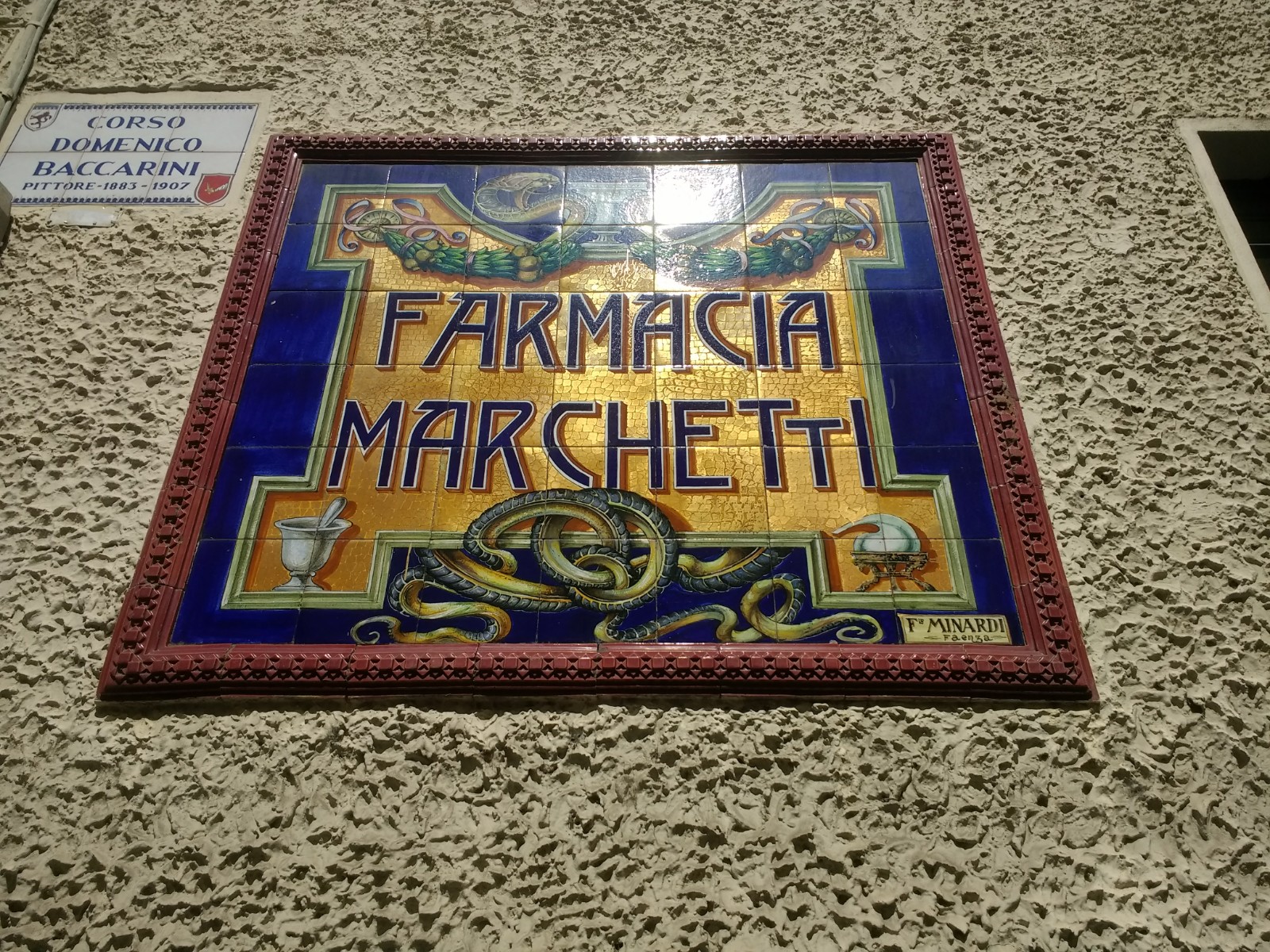
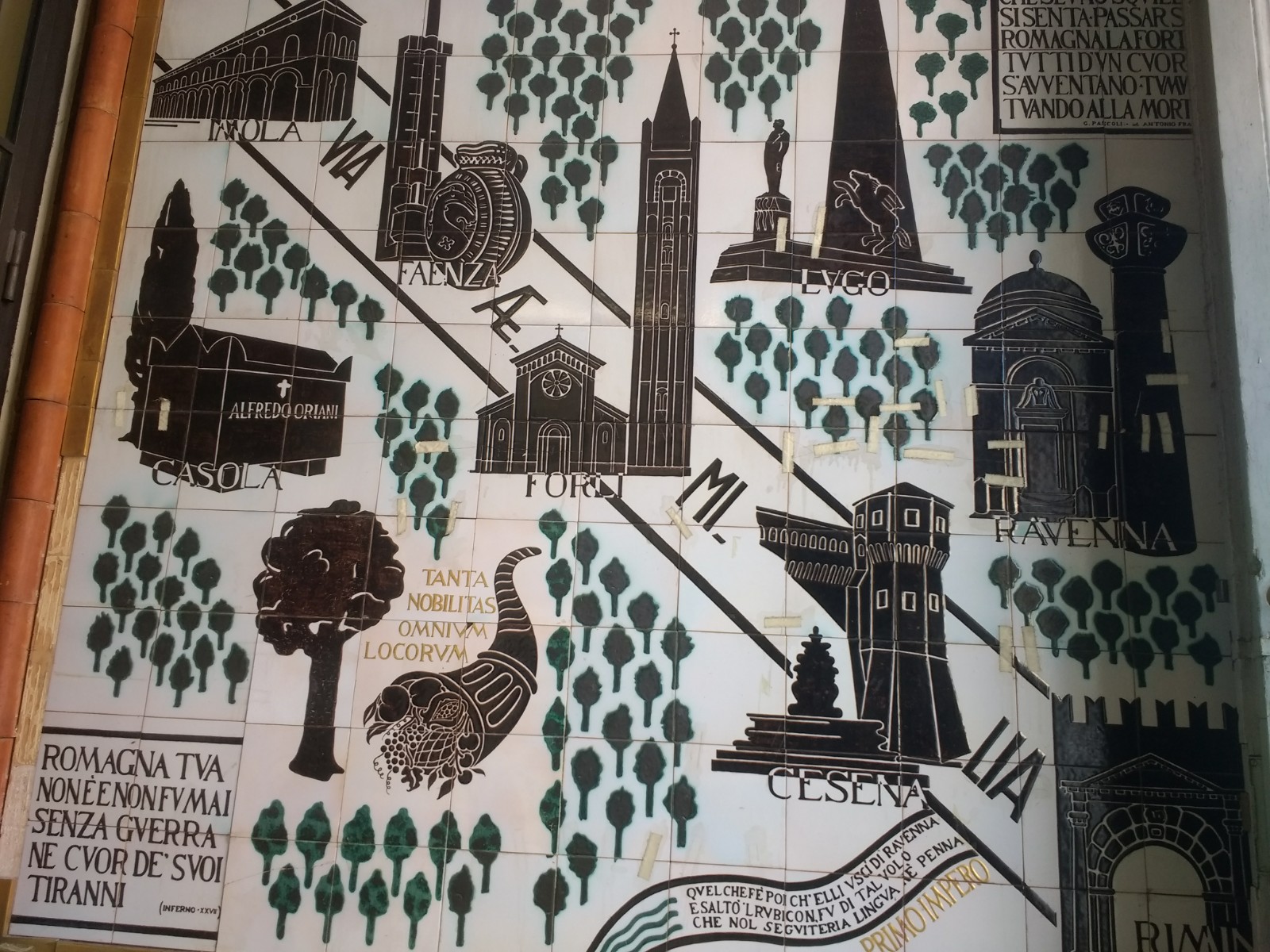
Many street signs and decorations in Faenza have been painted on tiles made in the local area.
My husband, Mark, and I have just sold our house and are taking a year out to have an adventure before we settle down to retirement. We decided on a journey through Italy as it has the perfect combination of good weather, interesting history, great wine and wonderful ice-cream! As we will be starting our journey in January, we are beginning in the very south of the country.
View all posts by tortoisesontour


 Tortoise Travel