Mark couldn’t have chosen a better weekend to rest his ankle, as it is pouring with rain now, and forecast to do the same all day tomorrow. It being a Saturday, I decided to get on with chores and on my way to the supermarket I dropped off the recycling, which started me thinking about the different ways household waste is managed in various parts of Italy.
Our stay in Perugia two years ago was in the medieval core of the city. The streets being narrow, and doors opening directly onto them, there was no space for household bins, or communal recycling bins. Instead, each household had a collection of five small bins/bags (organic/glass/plastic and tins/card and paper/non-recyclable) and a twenty-minute time slot (eg 18.50 – 17.10) to take the organic rubbish, plus that day’s designated category of rubbish (for example: Monday- organic and glass) to a nearby collection point, where a man and a small van would be waiting.
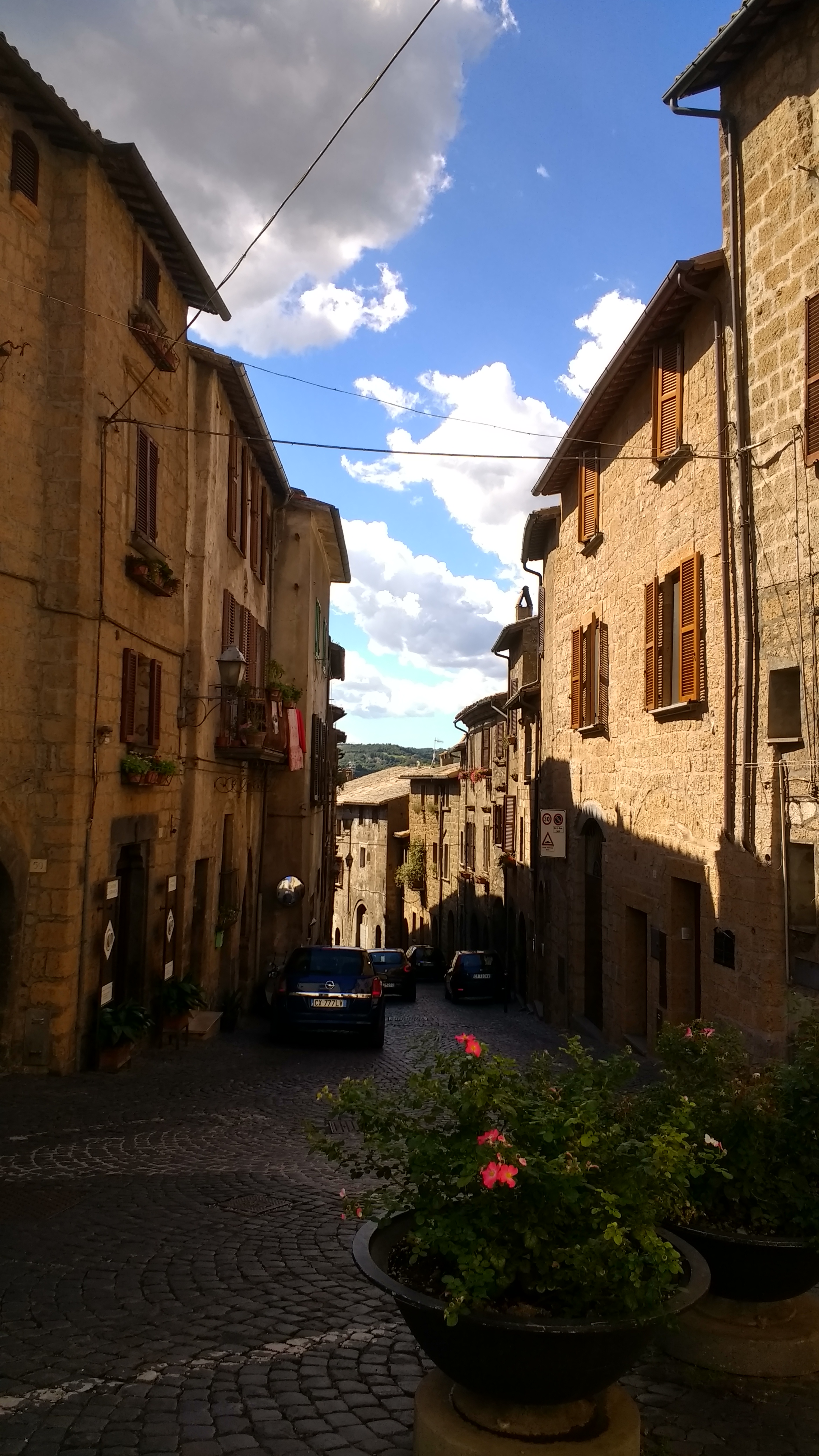
The disadvantage of this system was that you had to be at home in order to dispense with your waste. The last week of our stay in Perugia we had to make an extra effort to be around at our pre-ordained time on certain days so we could get rid of all our bags before the end of the holiday.
The chap collecting in our area was one of the sunniest, most cheerful characters I have ever met though. When he saw me coming down the street he would greet me with, ‘Buona Sera, Signora,’ and rush to take the bags from me. Elderly ladies, obviously listening out for the sound of the cart, would call out from their upstairs apartments. ‘Sei tu, Giuseppe?’ and he would call back, ‘Si, arrivo.’ (I’m coming) and with that he would go up to their residence, to save them from coming down.
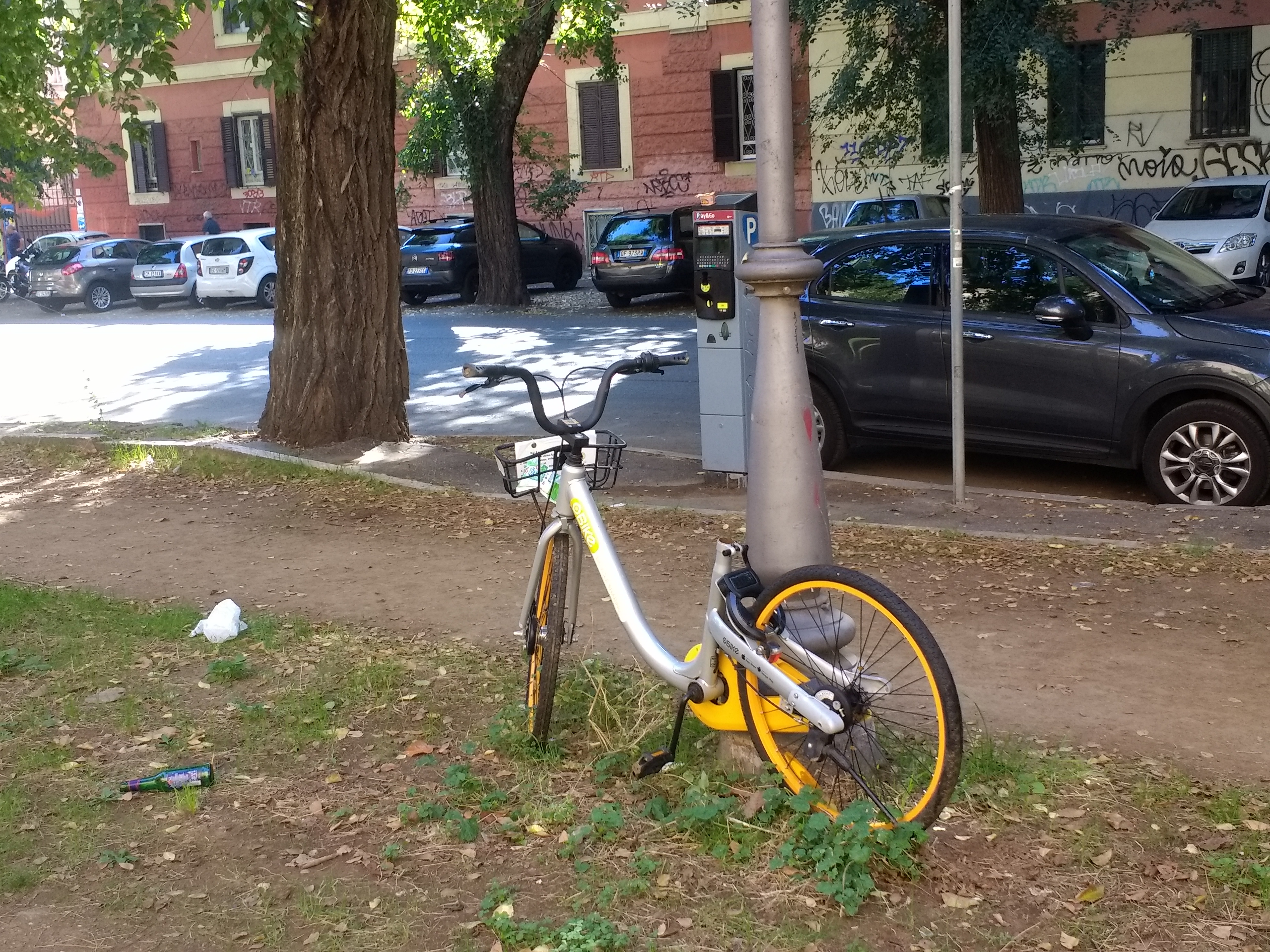
We had read about the problems Rome was having with rubbish piling up in the streets before our holiday there last September. The situation had improved before our arrival in an area just outside the centre. Rubbish was supposed to be left in giant skips/containers at the side of road. These were collected, but not frequently enough and, as often as not, residents would have to leave carrier bags full of garbage/tins/bottles at the side of already overflowing receptacles, to be urinated on by passing dogs and disembowelled by any vermin. The result was a squalid, smelly mess.
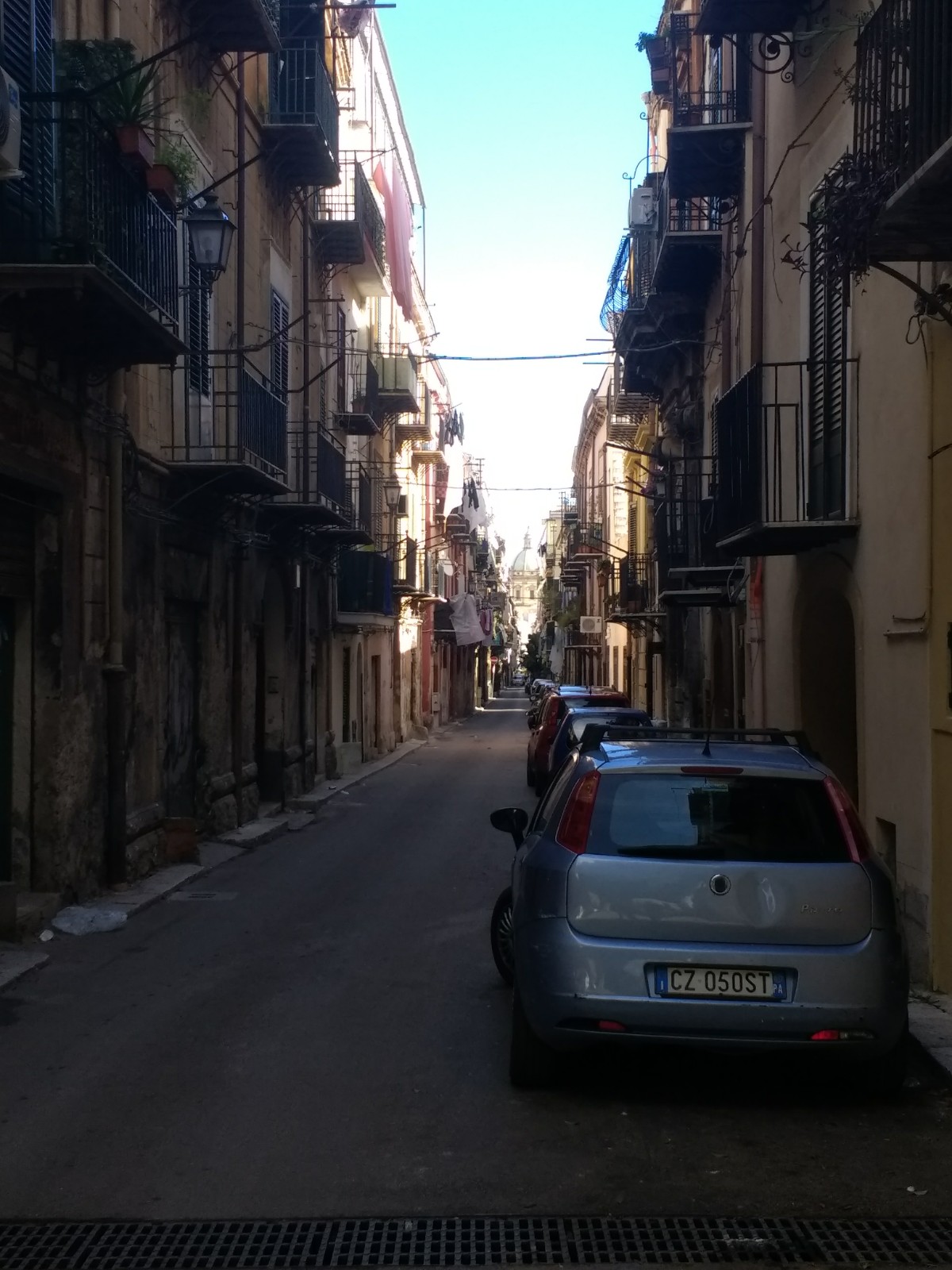
When we arrived in the centre of Palermo, my enquiries about recycling were met with, ‘Oh no, I don’t think there’s any of that.’ although we did see recycling bins outside the centre.
The authorities in Naples appeared to be managing the situation. Our favourite containers for recycled items were metal bins in the street. A foot pedal (like the ones you press to operate the tap in restaurant conveniences here) allowed the lid to open without you getting your hands dirty. You placed your bag inside and it was dropped into a huge metal box below ground.
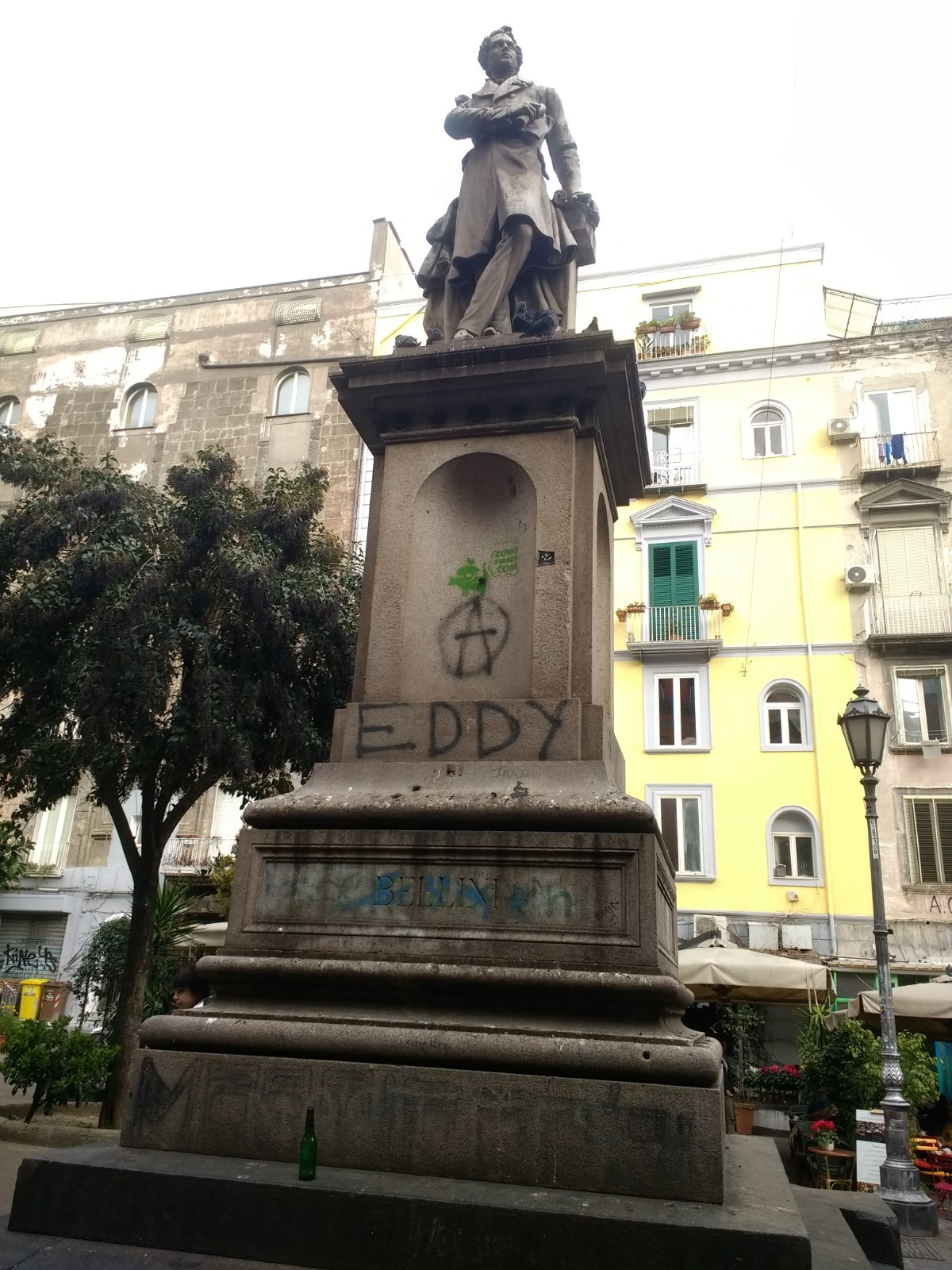
Skips for non-recyclables (the Italians call this rubbish ‘indifferent’ which I think is wonderful. I imagine all the non-recyclables saying, ‘I don’t care where I go, I’m indifferent.’) were emptied every night.
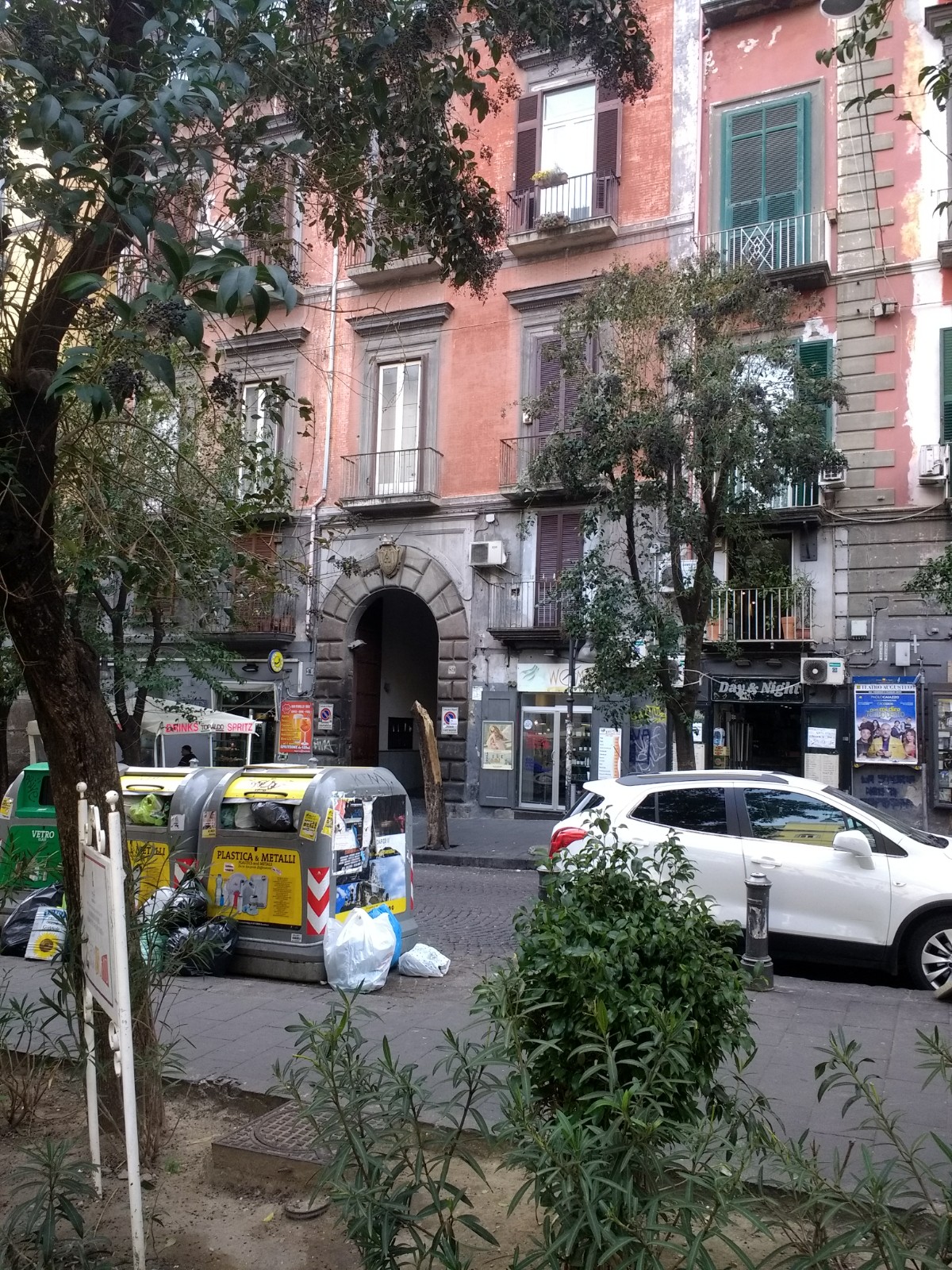
Here in Bologna we again have skips in the road, for recyclables and organic waste, the only change being that tins here go with glass, and not plastics. The skips are, I am pleased to say, emptied frequently and no rubbish is piled up beside them.
All this makes me appreciate the way our rubbish was collected at home. One bin for garden waste (charge payable) one bin for non-recyclables and a third for mixed recyclables. The only grumble was that organic waste was not collected. We were supposed to buy a box with worms for that.

 Tortoise Travel