This is a tale of two men, unrelated, but both brothers in the Monastery of San Marco in Florence.
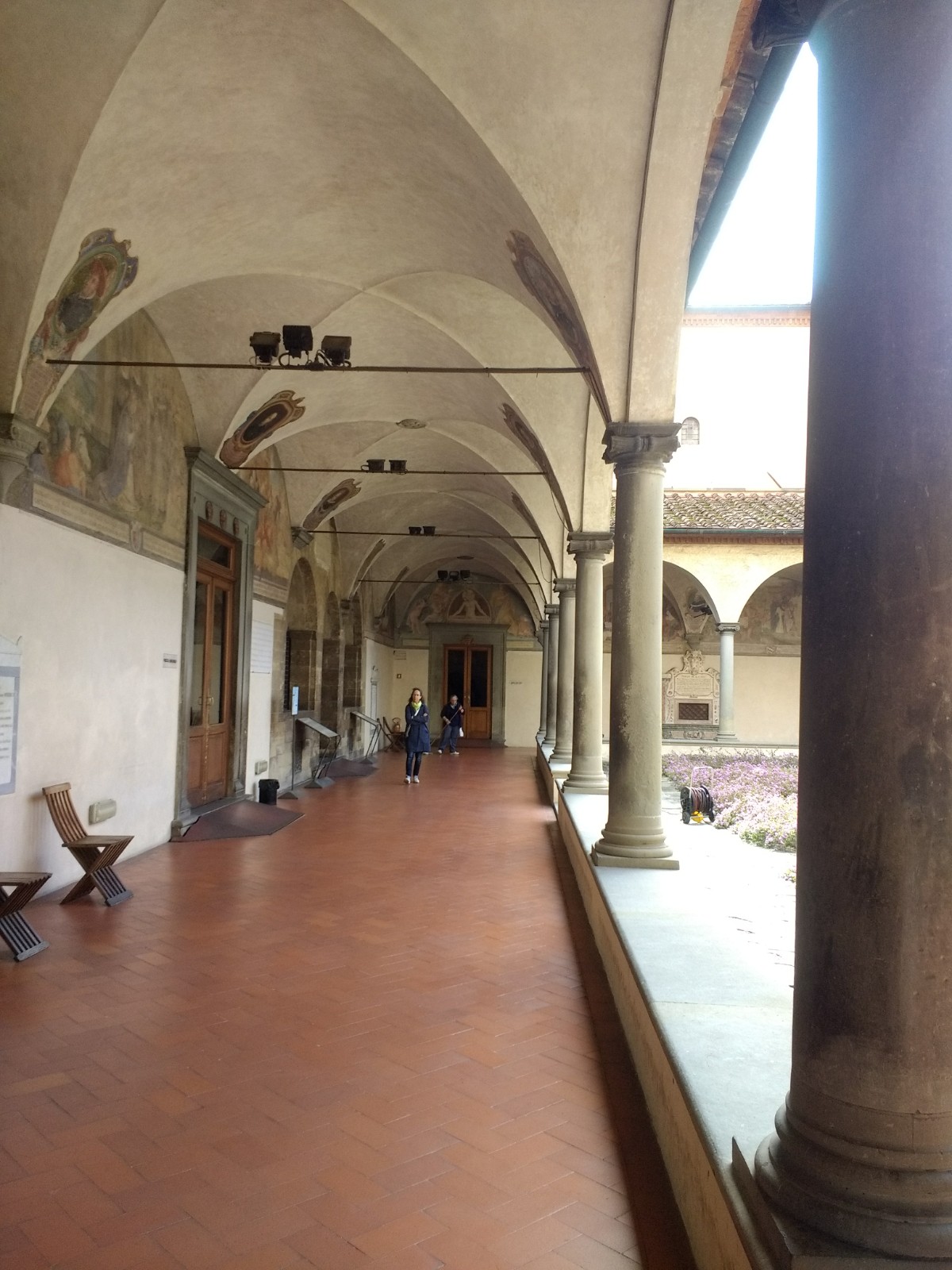
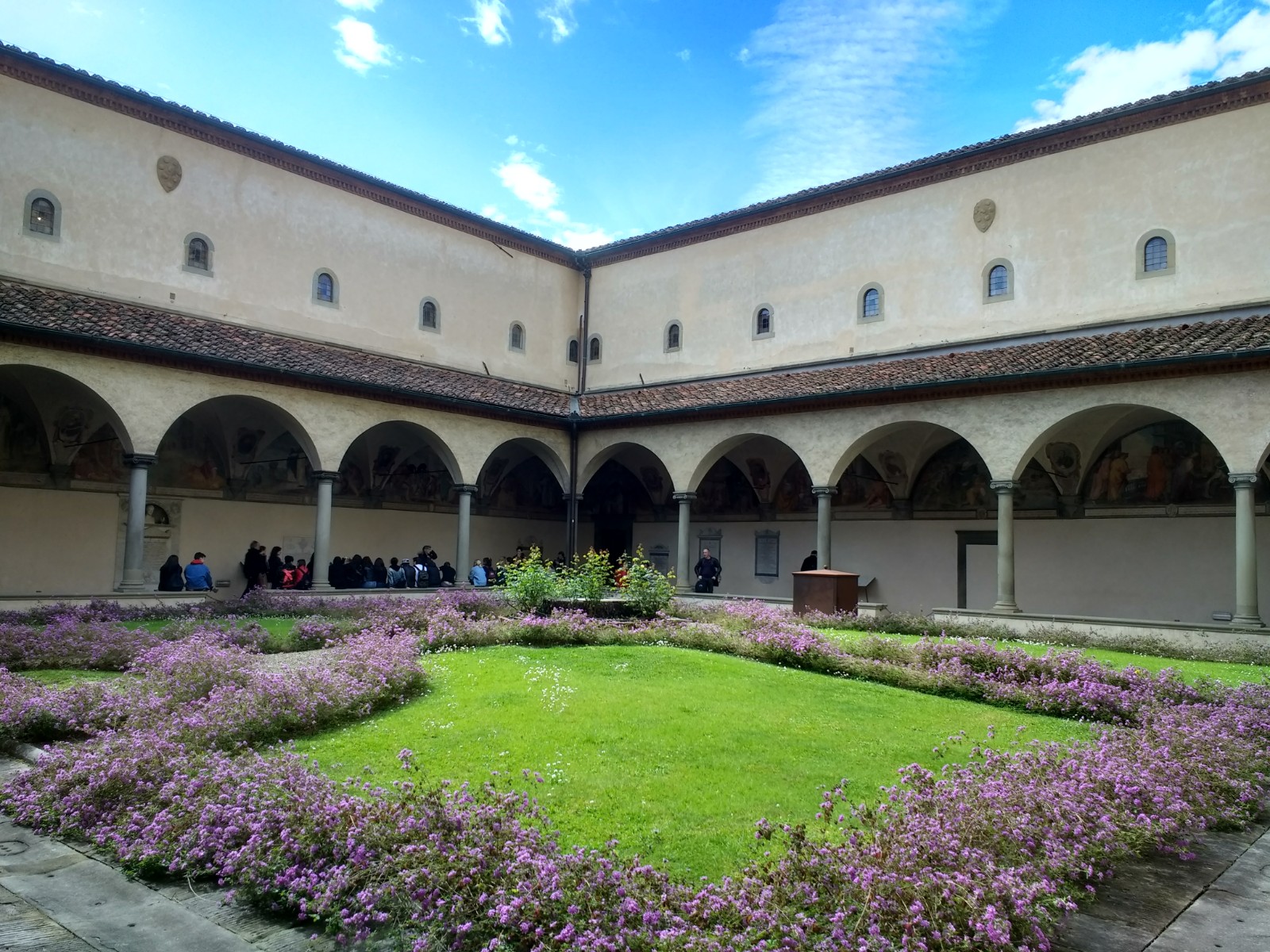
The Dominican Monastery of San Marco was established in 1439 by Cosimo I, founder of the Medici dynasty. Fra Angelico, the first brother in this story, was a gentle, modest man who came to fame through his religious painting.
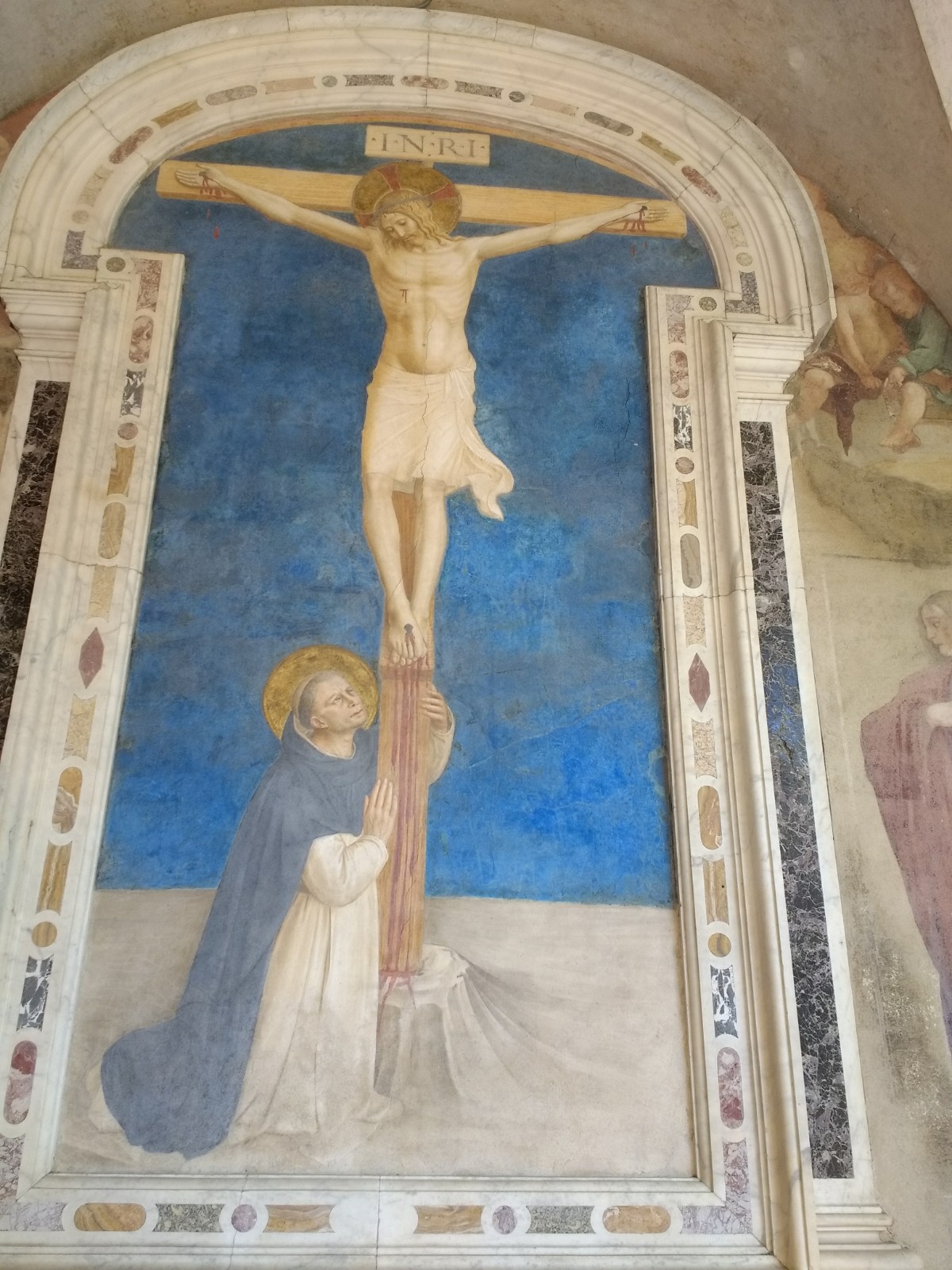
by Fra Angelico
Painting was like praying for Fra Angelico. He painted to commune with God and to help others with their prayers. He decorated the walls of his own monastery, as well as taking commissions for churches.
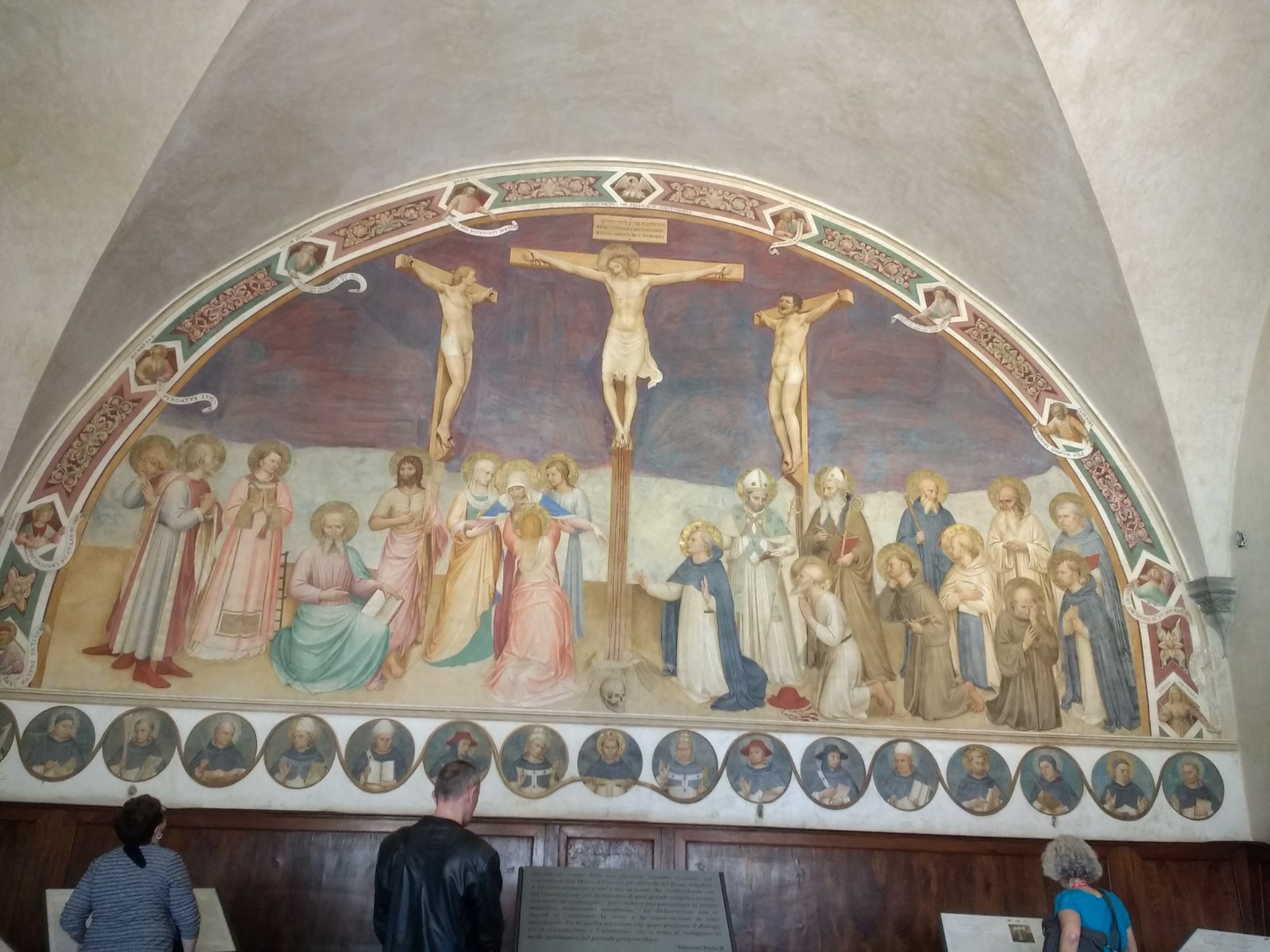
Fra Angelico is credited with taking inspiration from other Renaissance painters, and including realism (people in natural poses) and perspective, in his work.
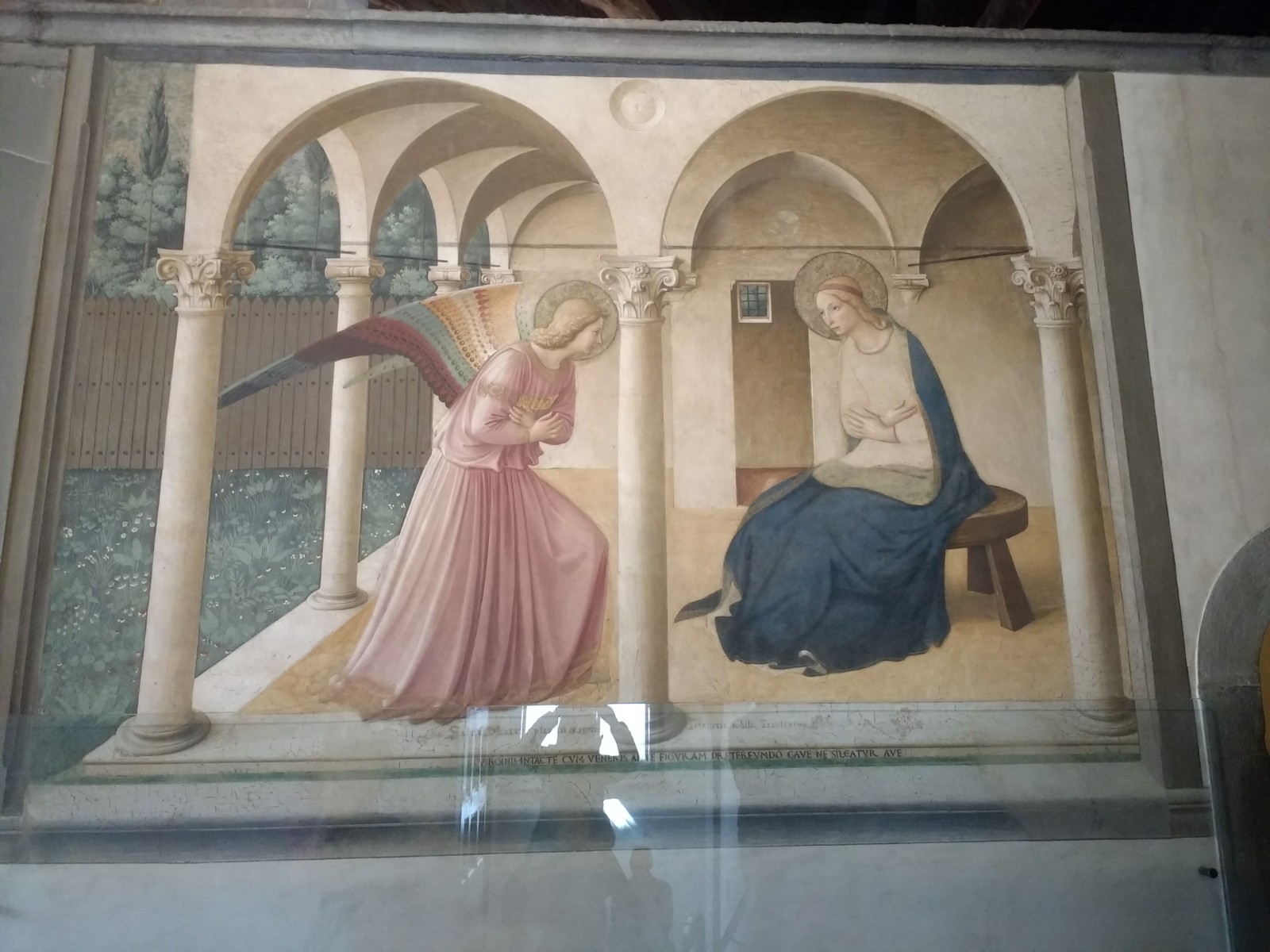
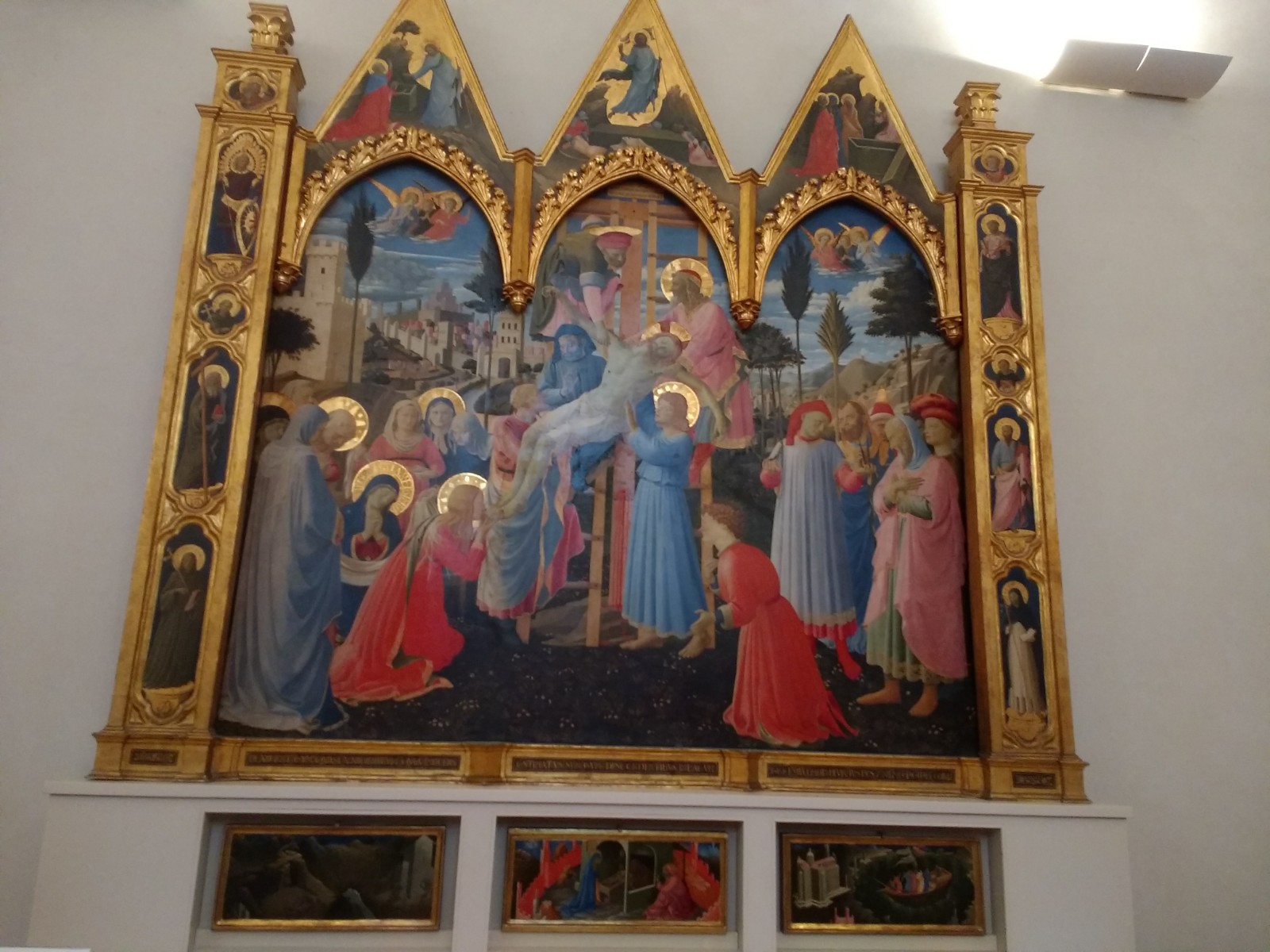
Fra Angelico became Prior of the monastery, and was also invited to take up the role of archbishop, but turned it down in order to stay with his brother monks.
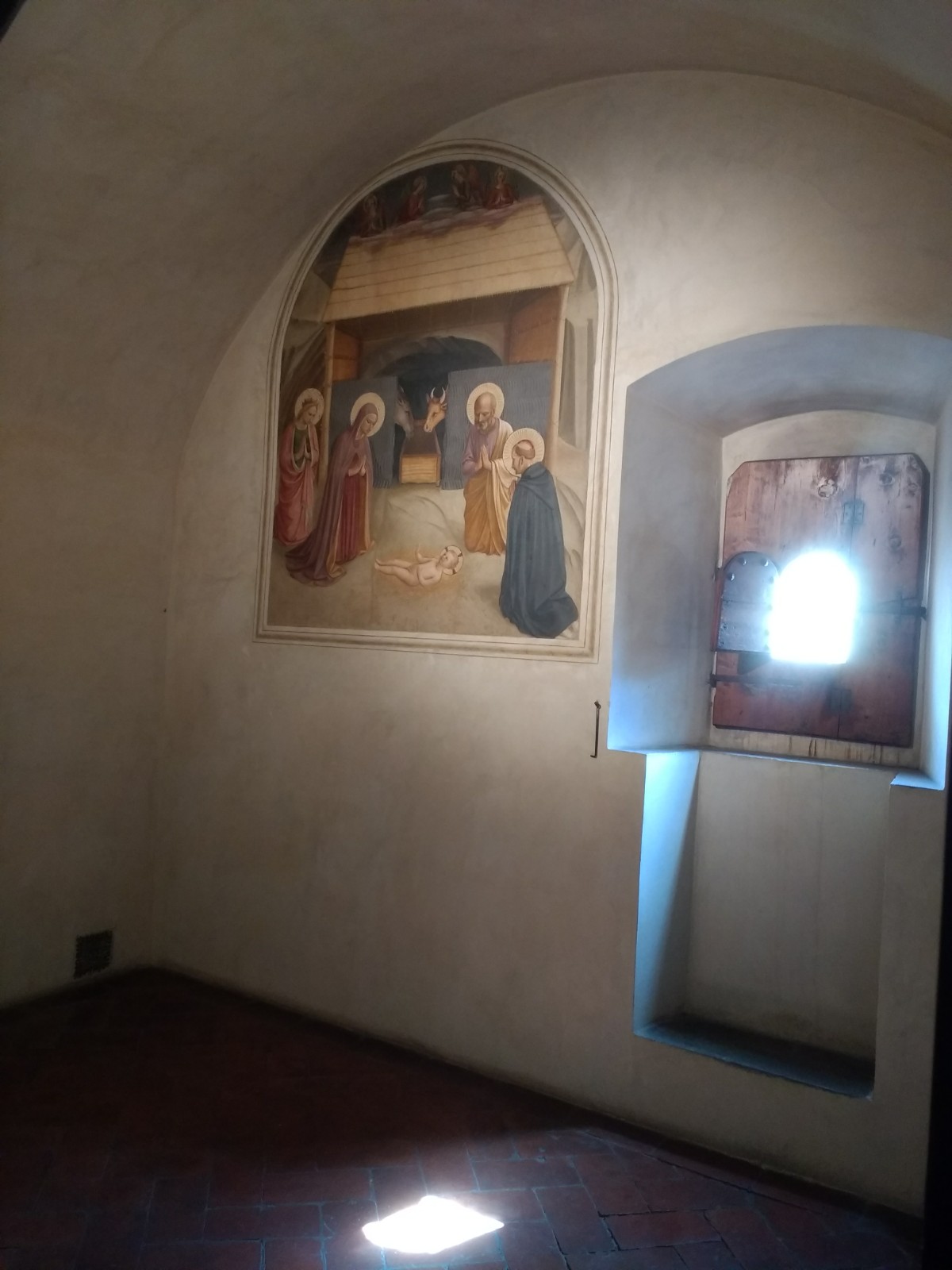
Fra Angelico died in 1455, about the time of birth of the second brother in this tale, Girolamo Savonarola.
Savonarola started on the path for academia, but on hearing a sermon on repentance, decided to give up the worldly life, and joined the same order of monks where Fra Angelico had served, and died, San Marco.
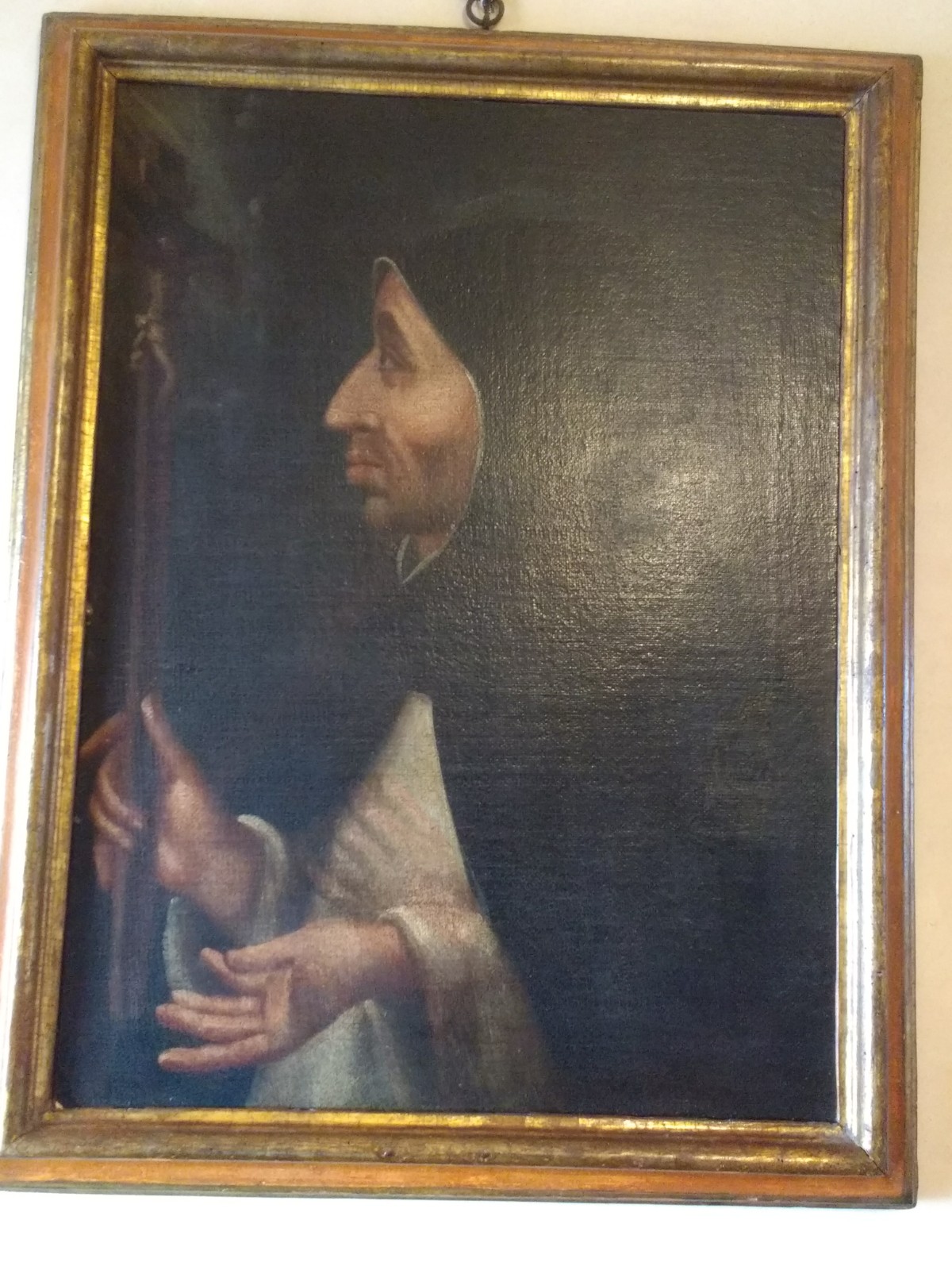
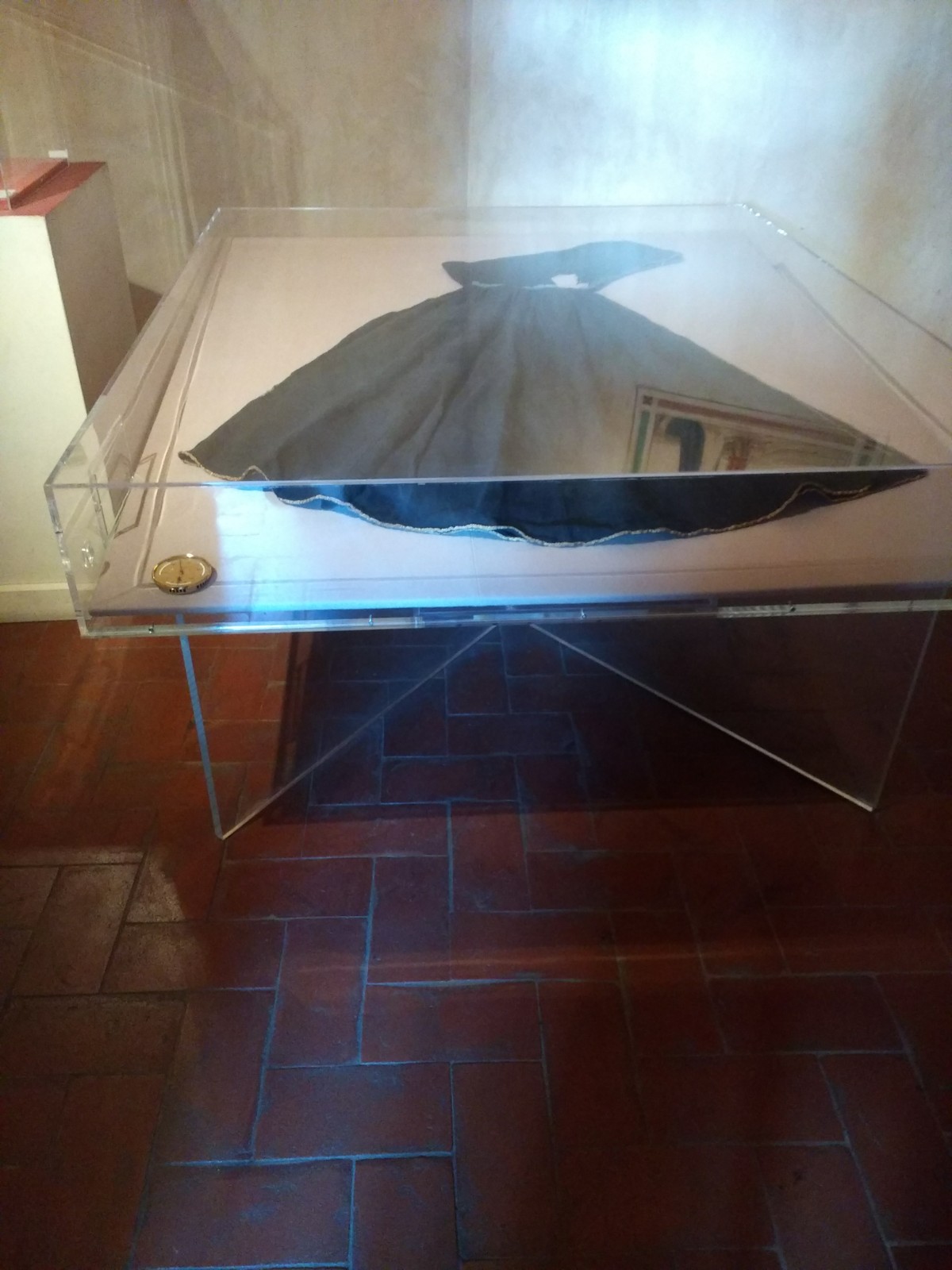
Savonarola was an austere monk who fought against the excesses of the age and rallied for a return to a simple, more puritanical way of life.
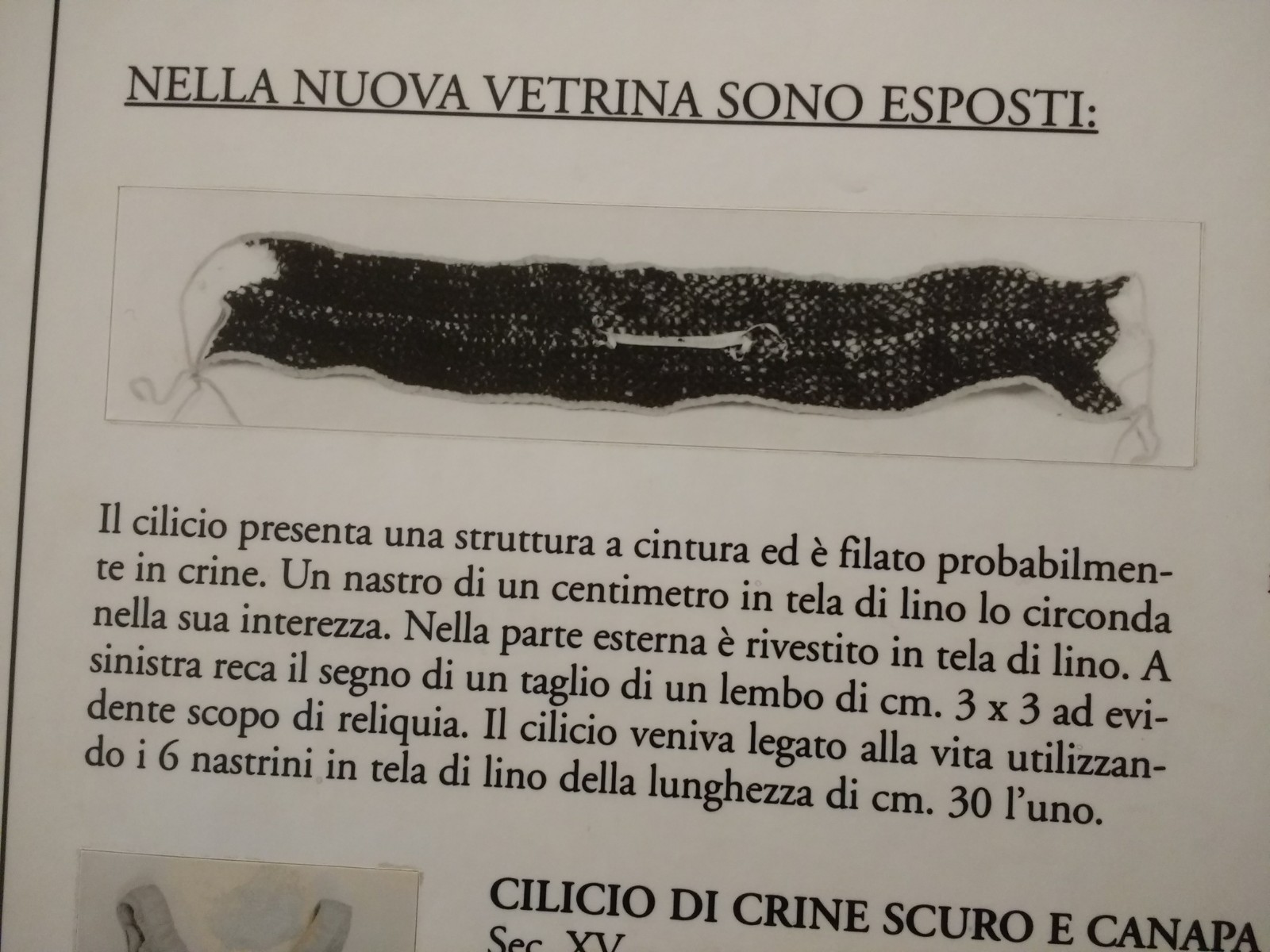
As time went on, Savonarola’s influence grew, taking control of the monastery in the 1480’s, and ten years later, as the banks were failing, and the Medici dynasty was falling apart, of the city of Florence.
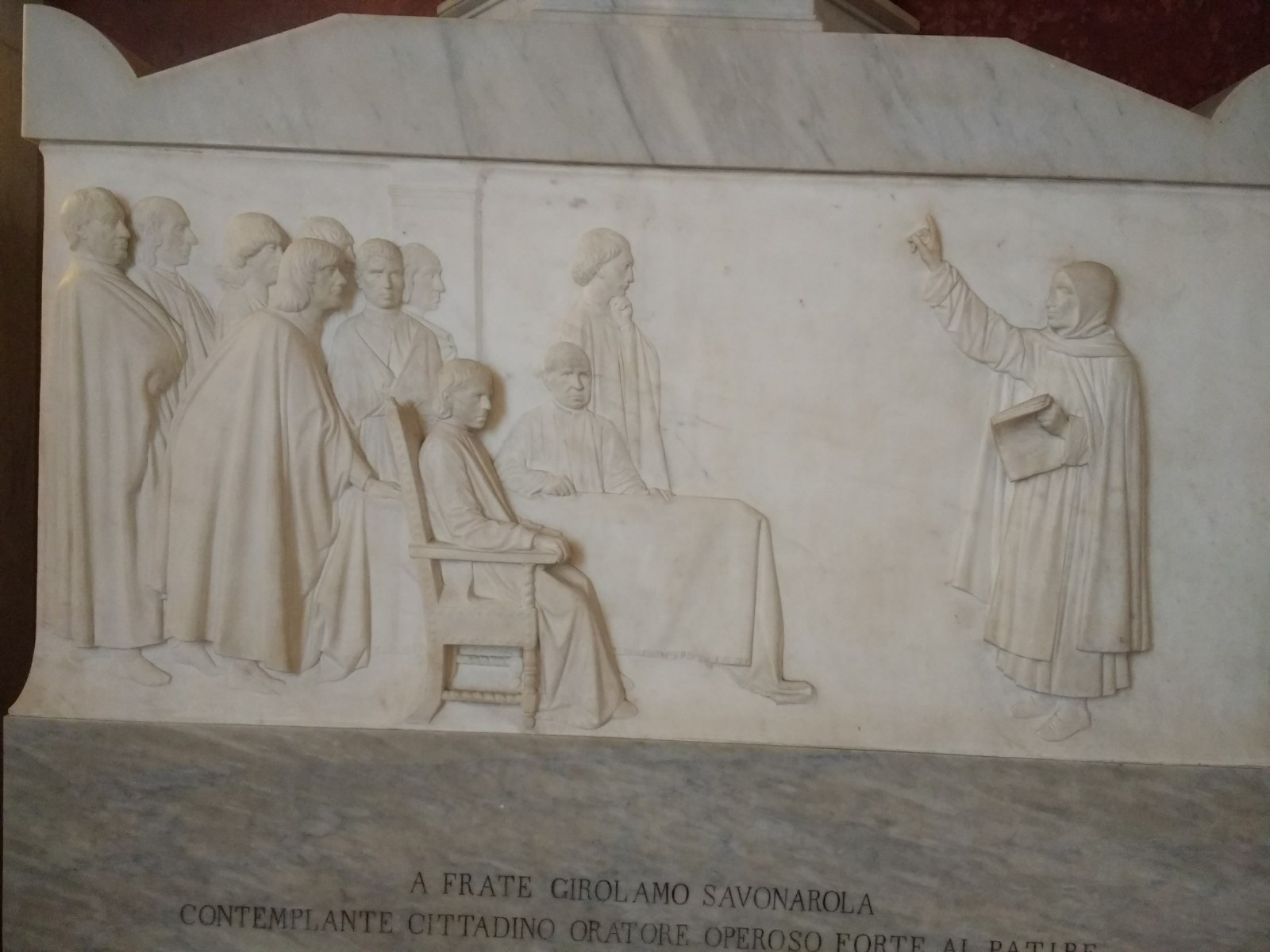
At first, Savonarola was a very popular figure, cutting taxes, reducing street crime and transferring power from the Medicis to the citizens. Later, not content with merely making sermons against the corrupt church and the excesses of life, he drove his followers to carry out acts of theft and vandalism.
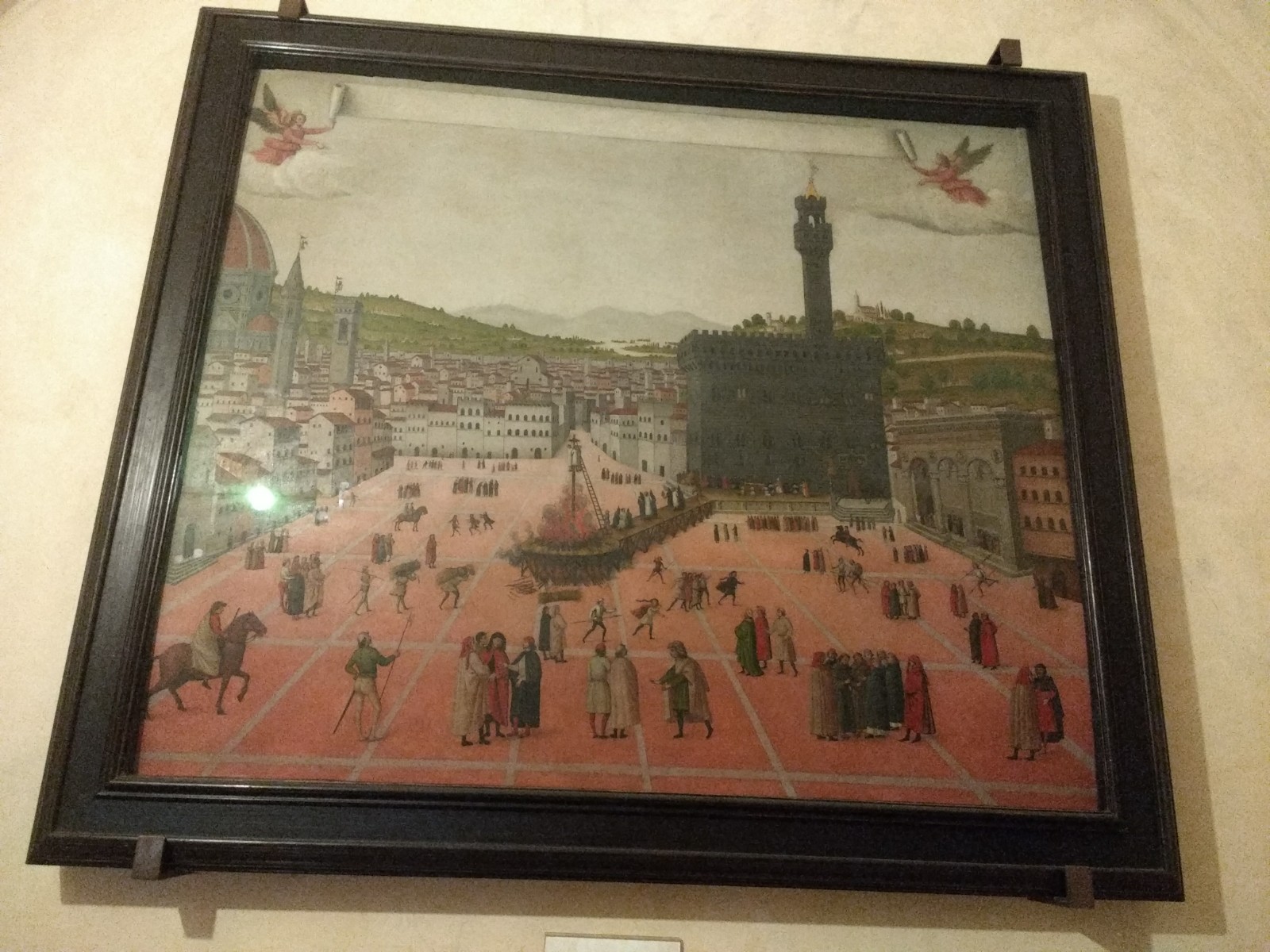
In 1497 his followers lit a huge bonfire in front of Palazzo Vecchio, the Palace of the Medicis before their exile, and anything considered sinful was thrown onto it, including dice, cards, wigs, musical instruments, books and paintings.
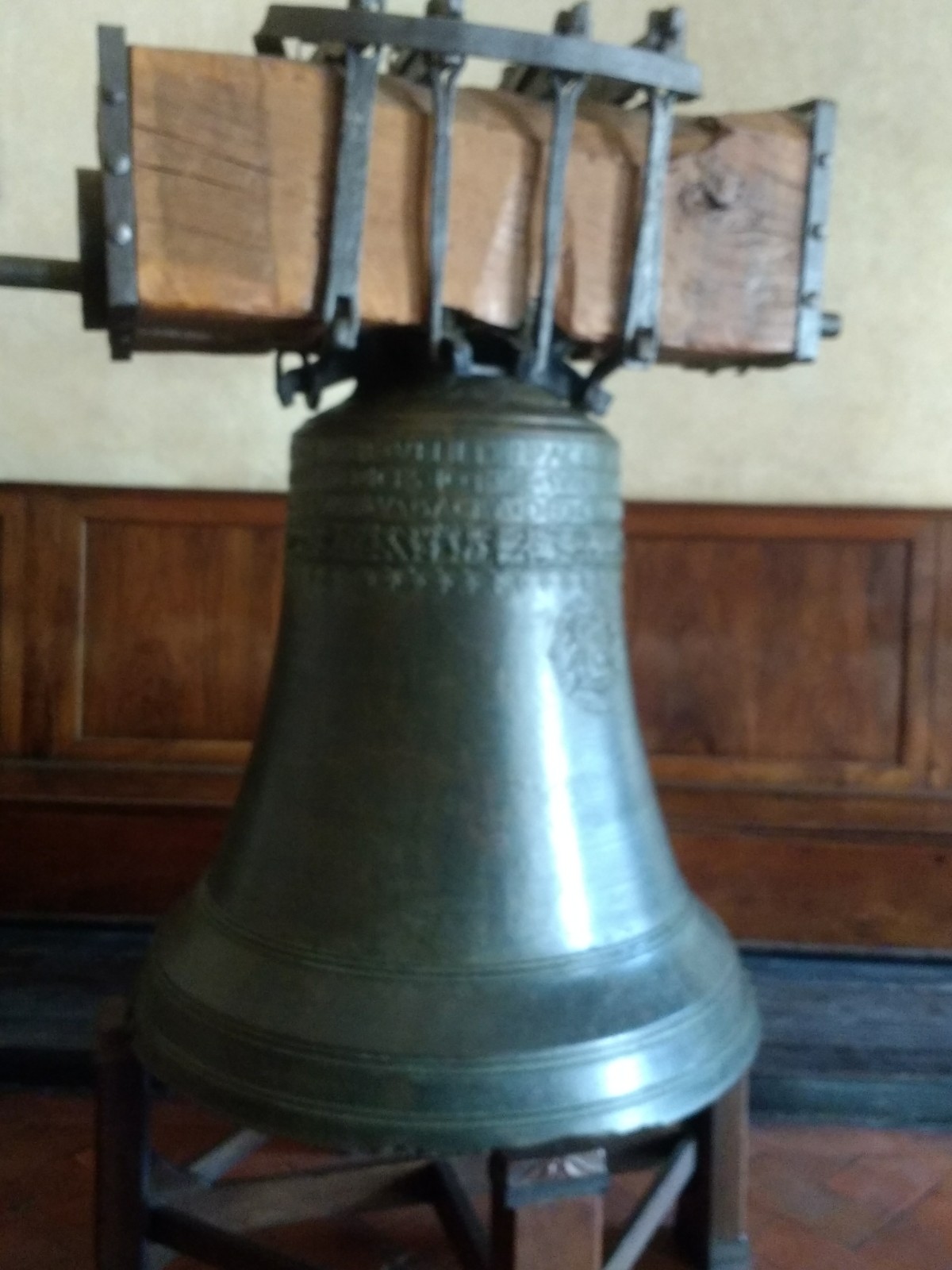
However, people grew tired of their frugal life-style. The tide of popularity turned against Savonarola and in 1497, a mob entered the San Marco monastery, where he had taken refuge, captured Savonarola, tortured and tried him.
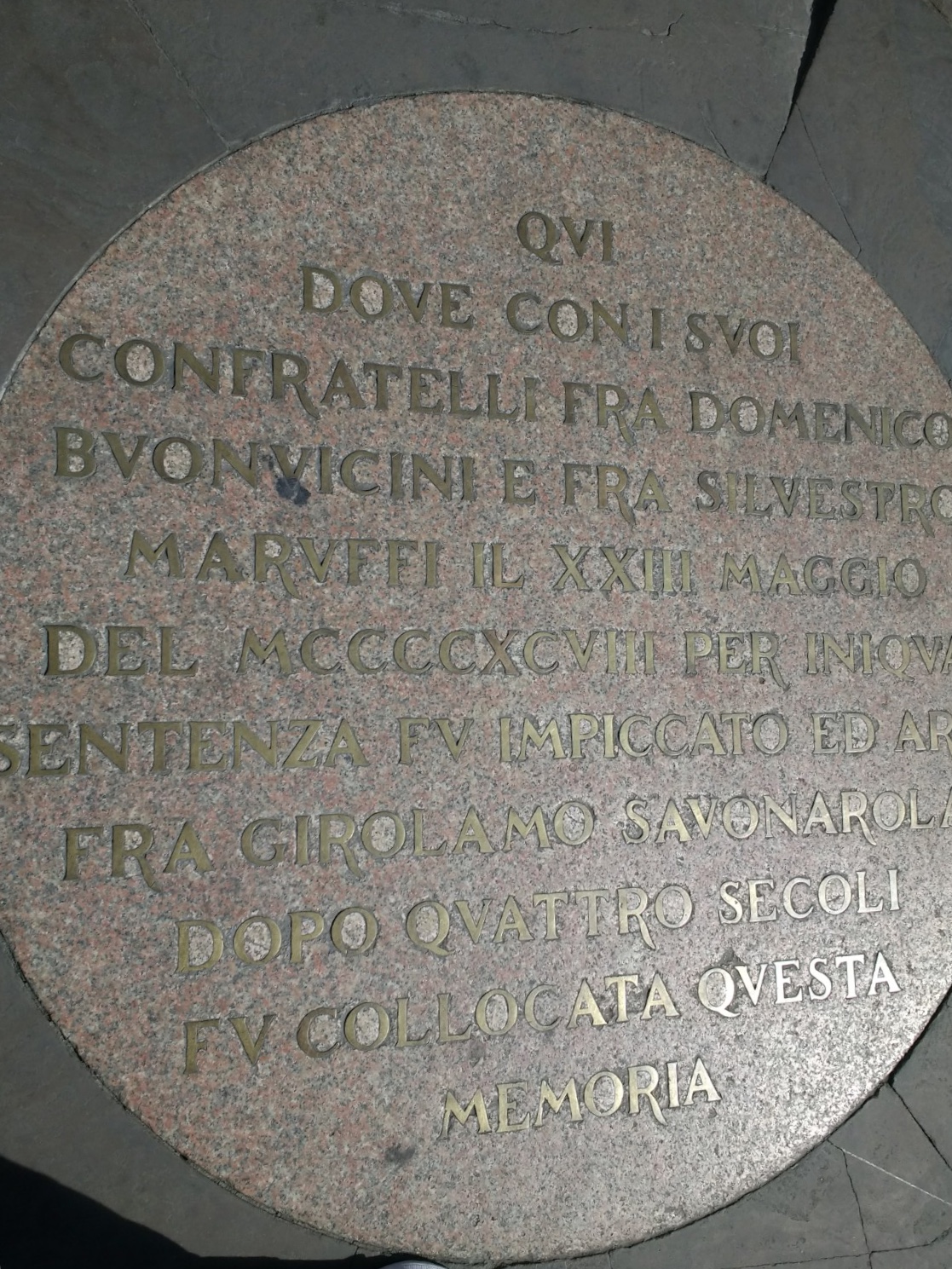
In a twist of irony, Savonarola was first hung, and then burnt on a huge bonfire outside Palazzo Vecchio, where his devotees had previously built fires to burn the trappings of more extravagant lives.

 Tortoise Travel