The sunshine yesterday made a gentle amble round the centre following Rick Steves’ Renaissance walk very pleasant.
We started at the dome of the Cathedral, or Duomo.
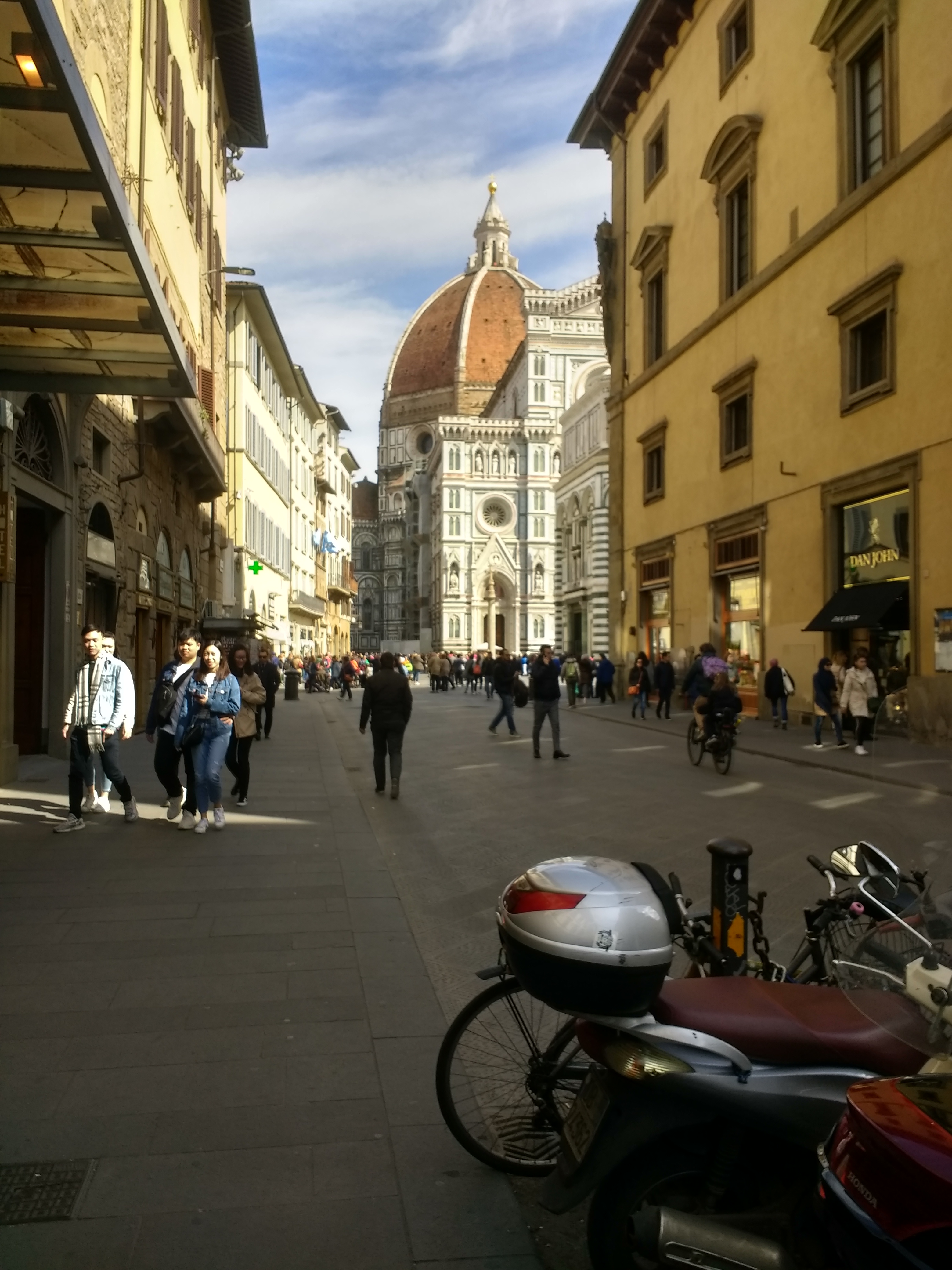
However, more on that tomorrow as we have a timed slot to climb up inside the dome, and then 72 hours to visit the campanile, baptistry, crypt and Museum (All for €18 each seems not bad value).
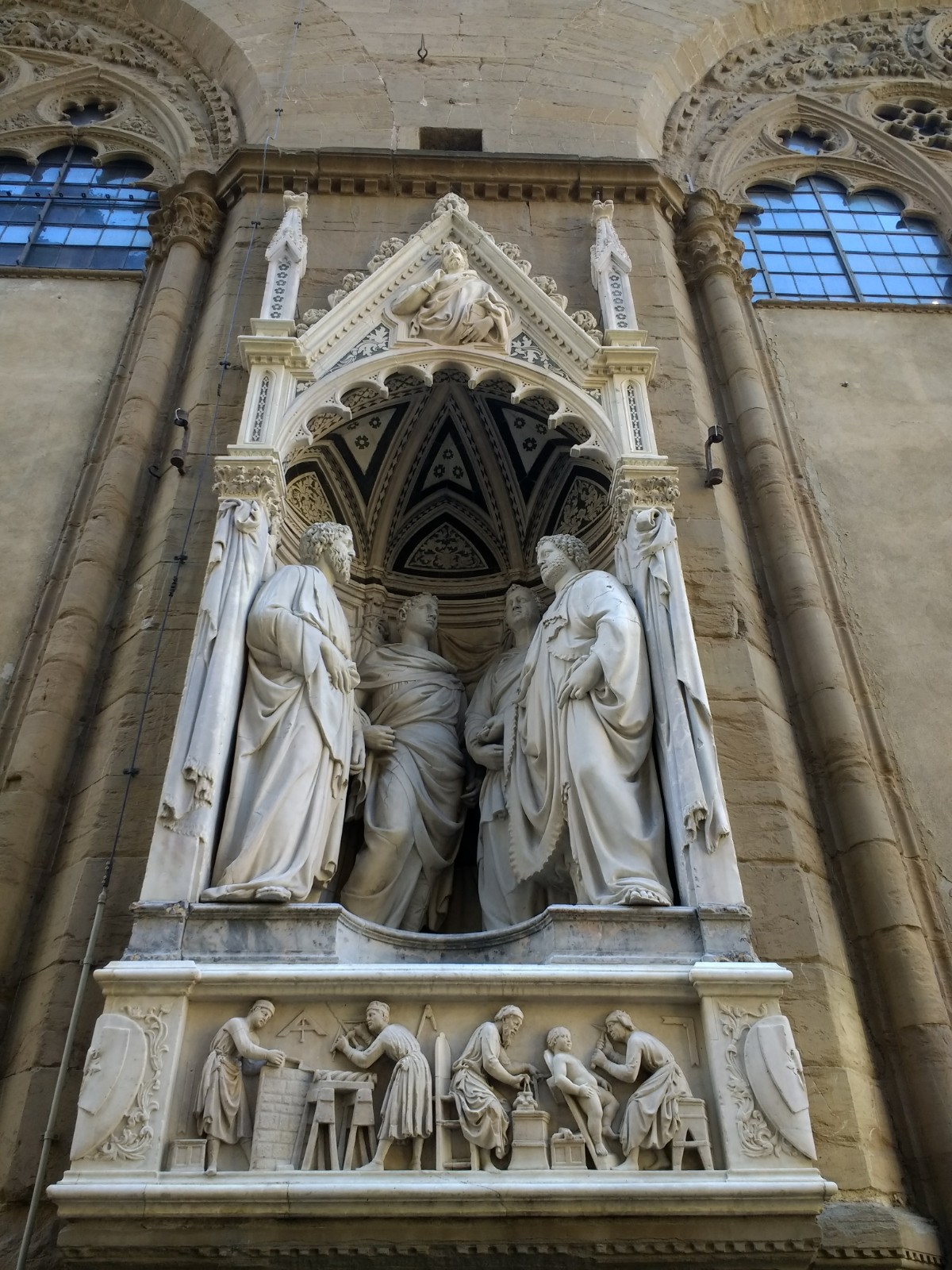
Next stop was Orsanmichele church, initially built as a granary and grain shop, but converted to a church in the fourteenth century.
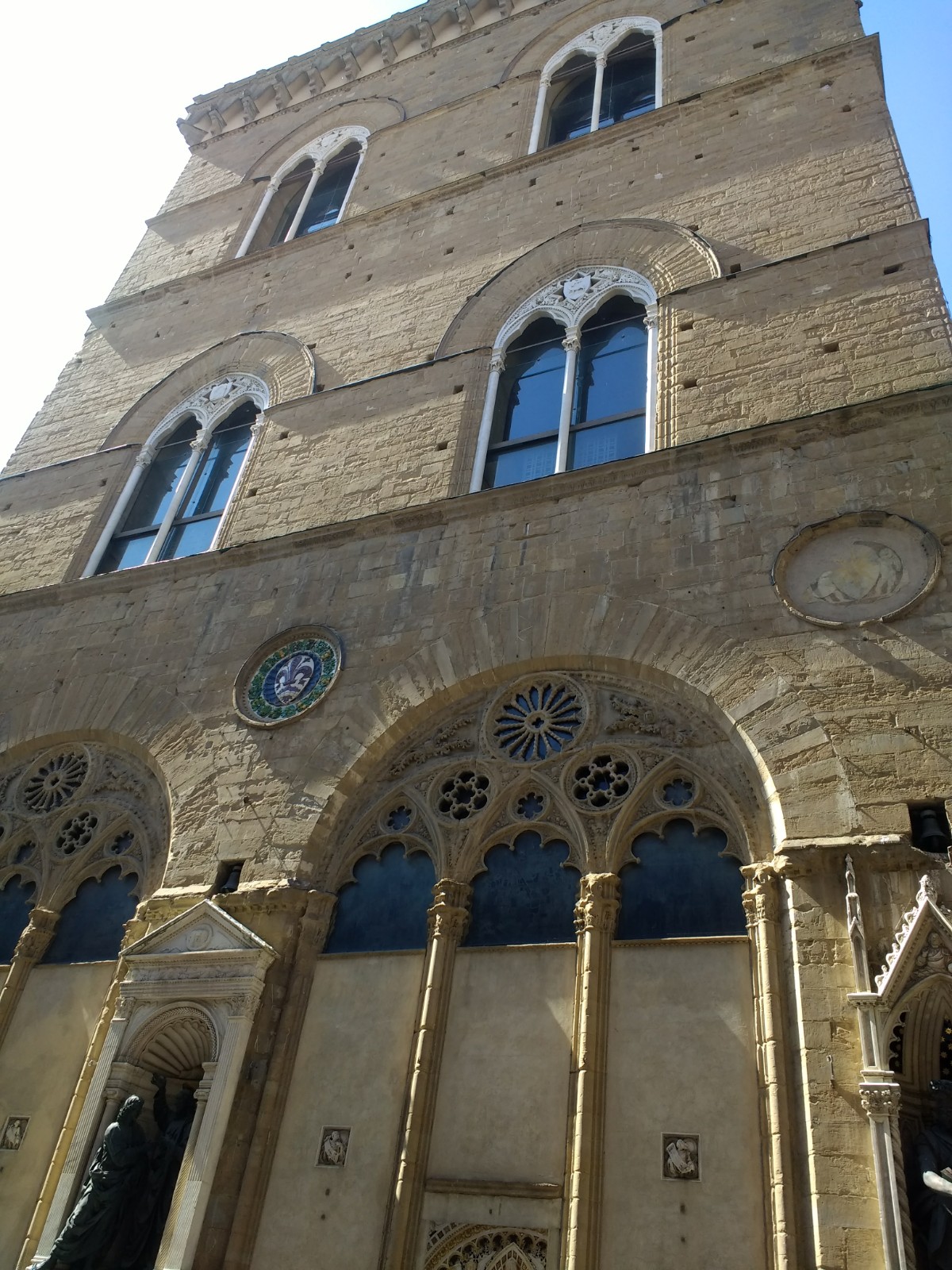
The arches were filled in during the 1300’s when it was made into a church.
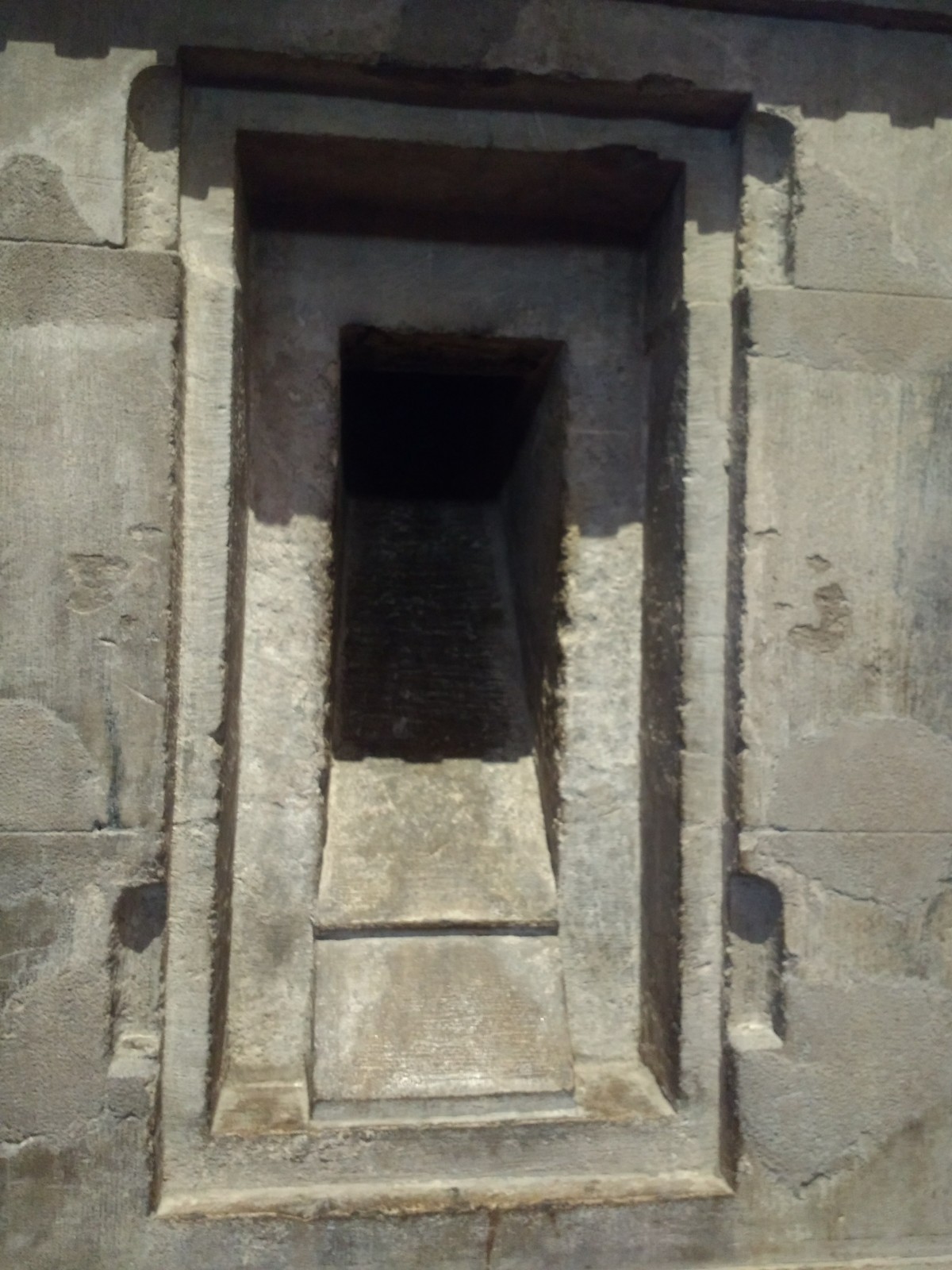
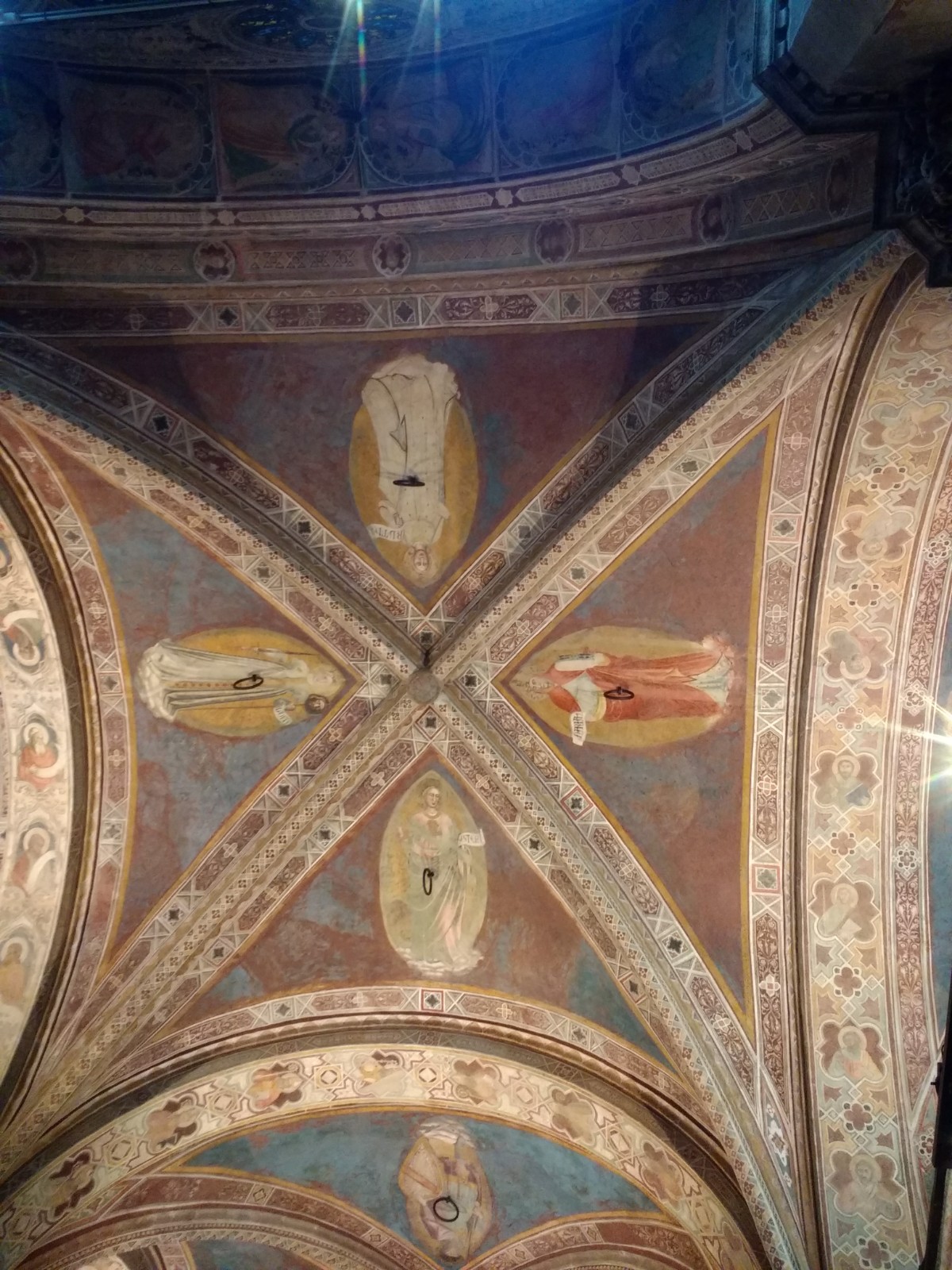
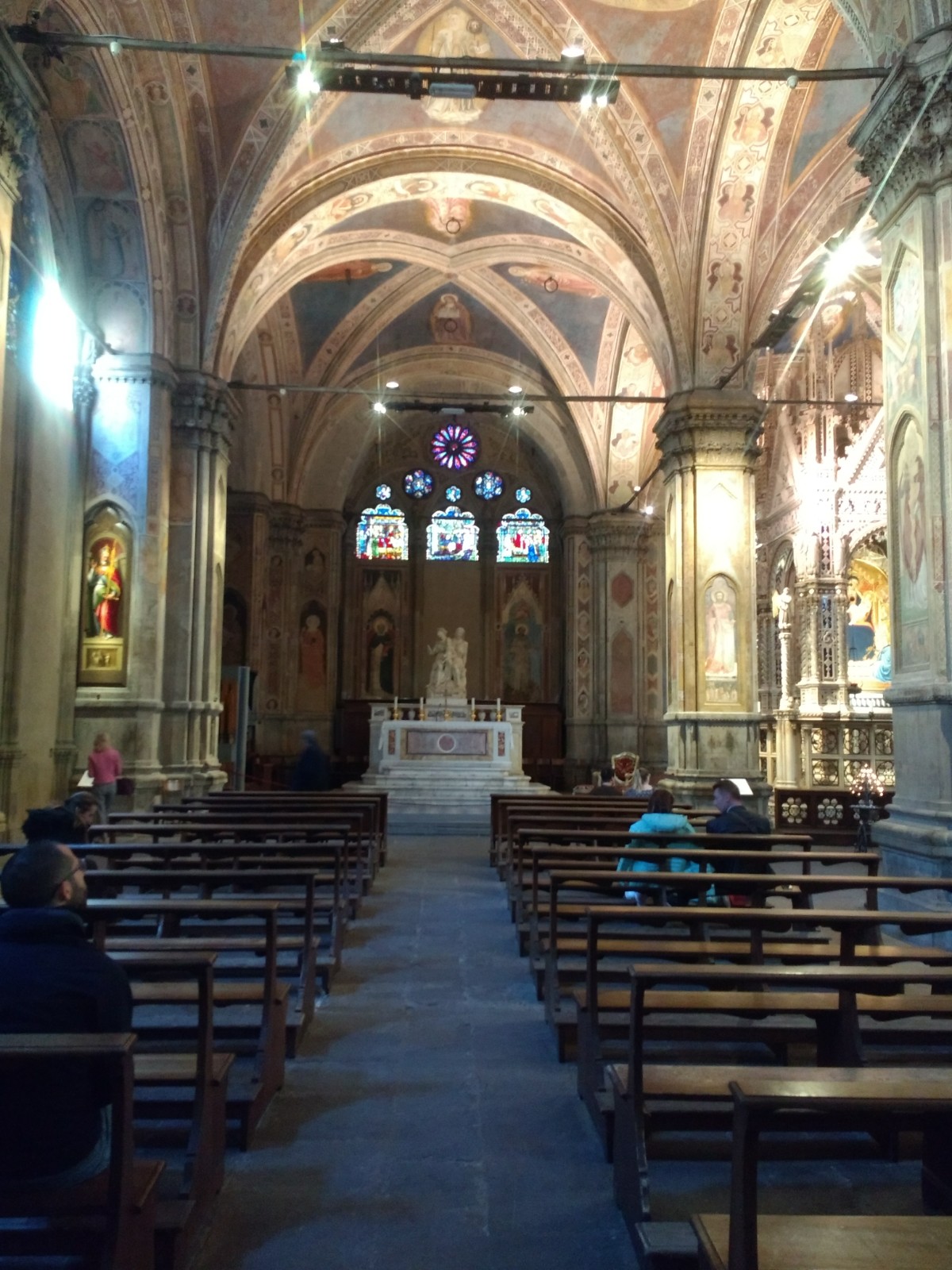
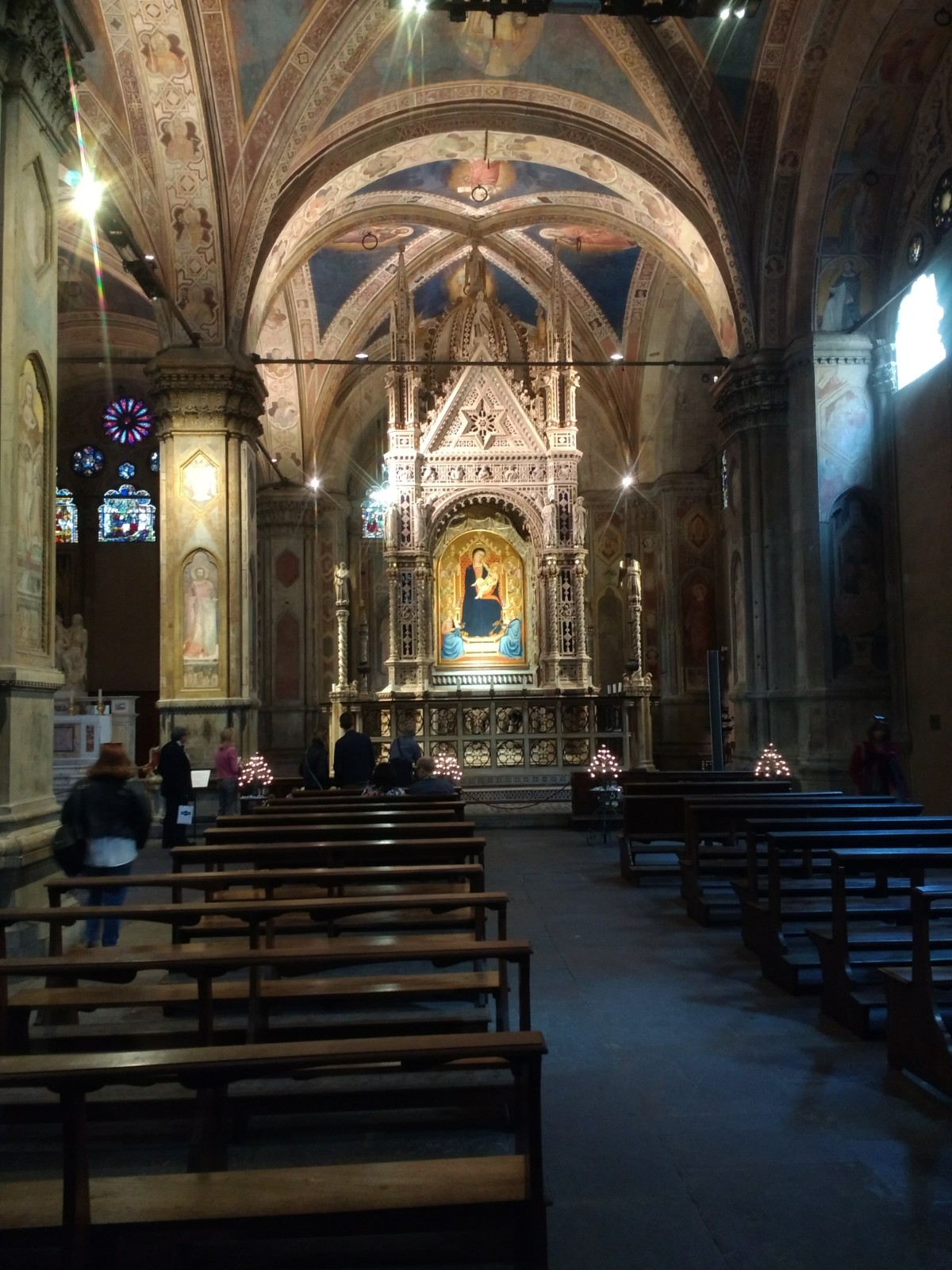
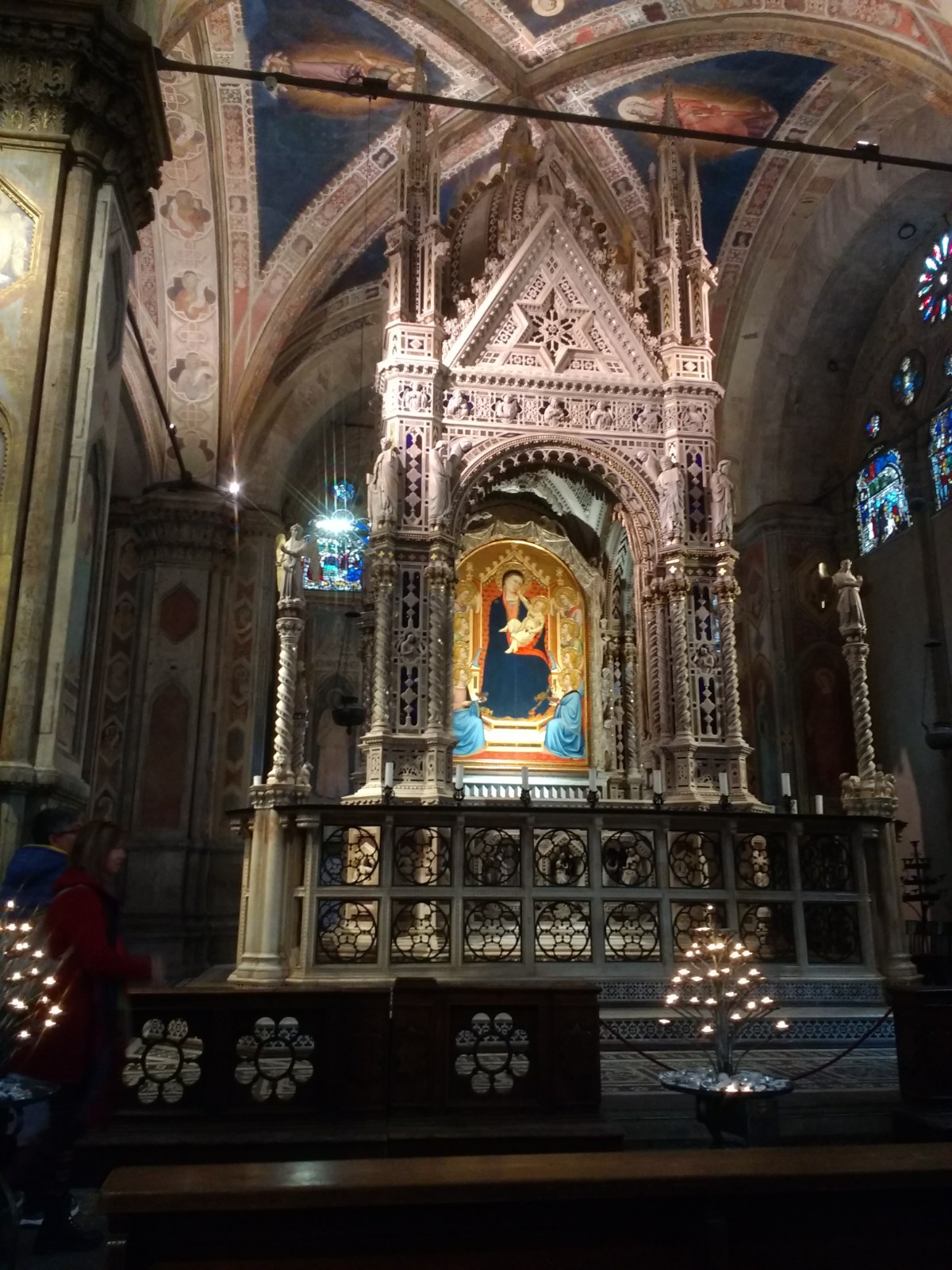
Outside the church, copies of fourteenth century statues (the originals are mainly scattered throughout the city museums) stand in niches.
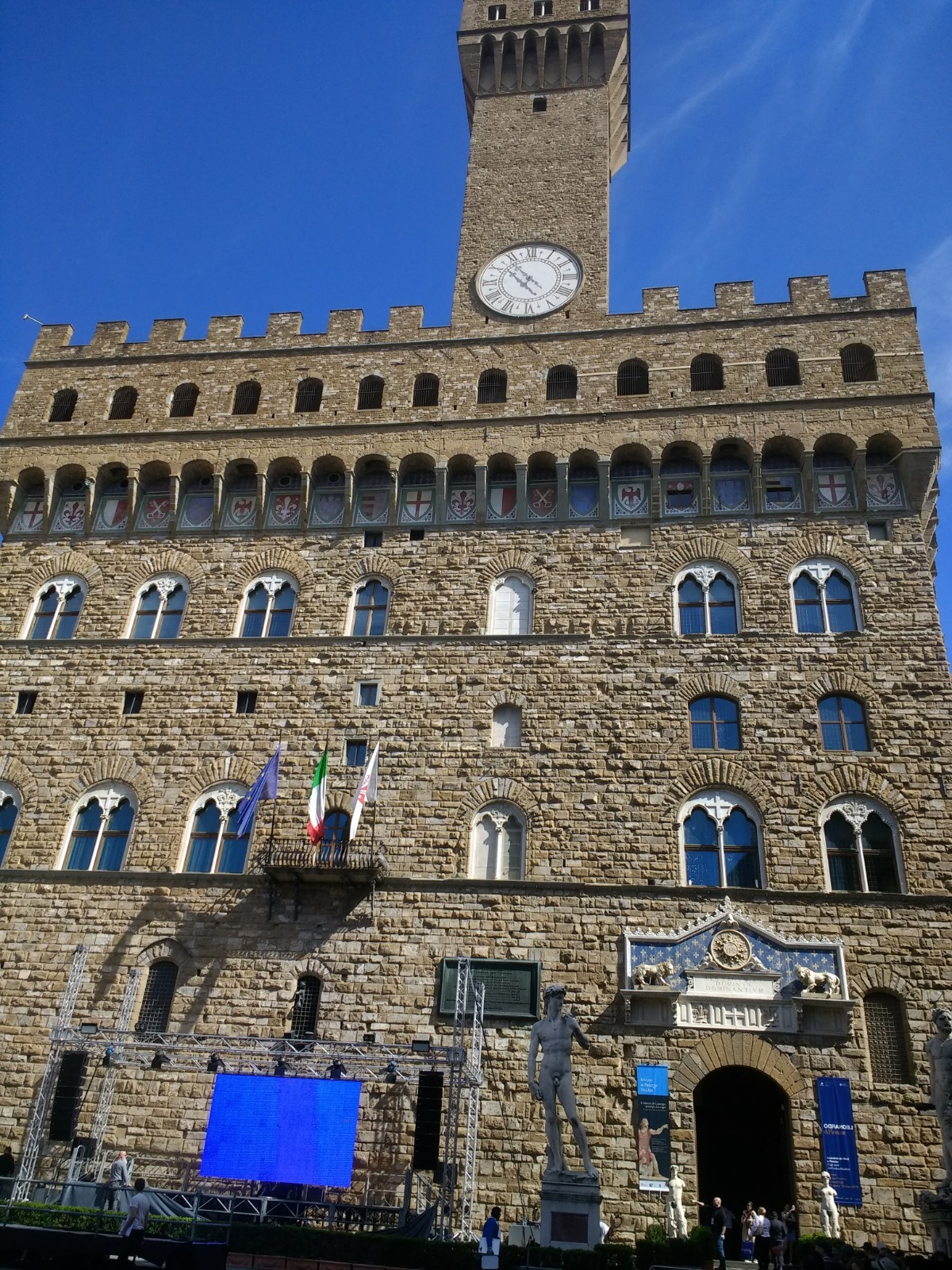
Next stop Palazzo Vecchio and the square in front of it, Piazza Signoria.
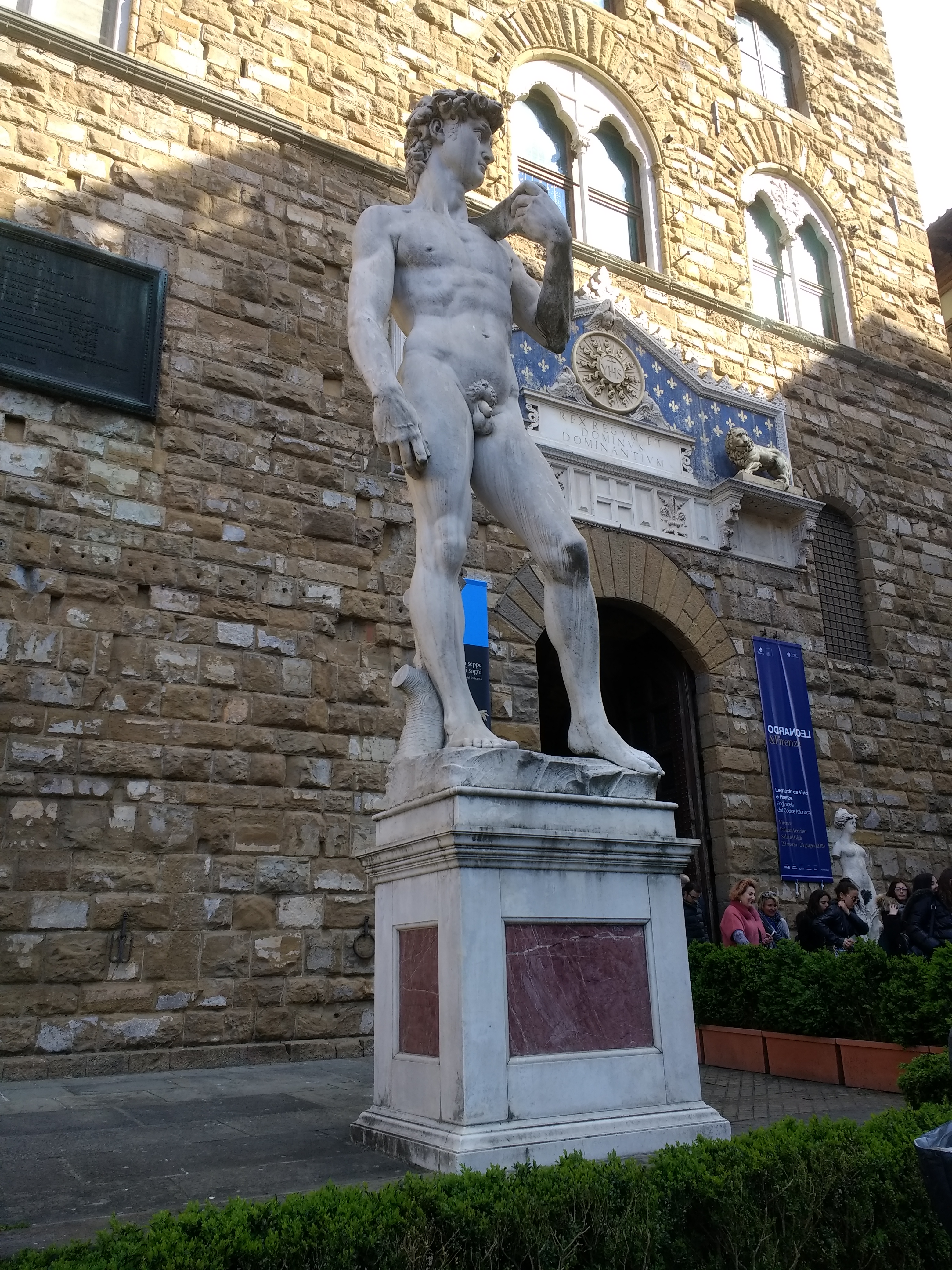
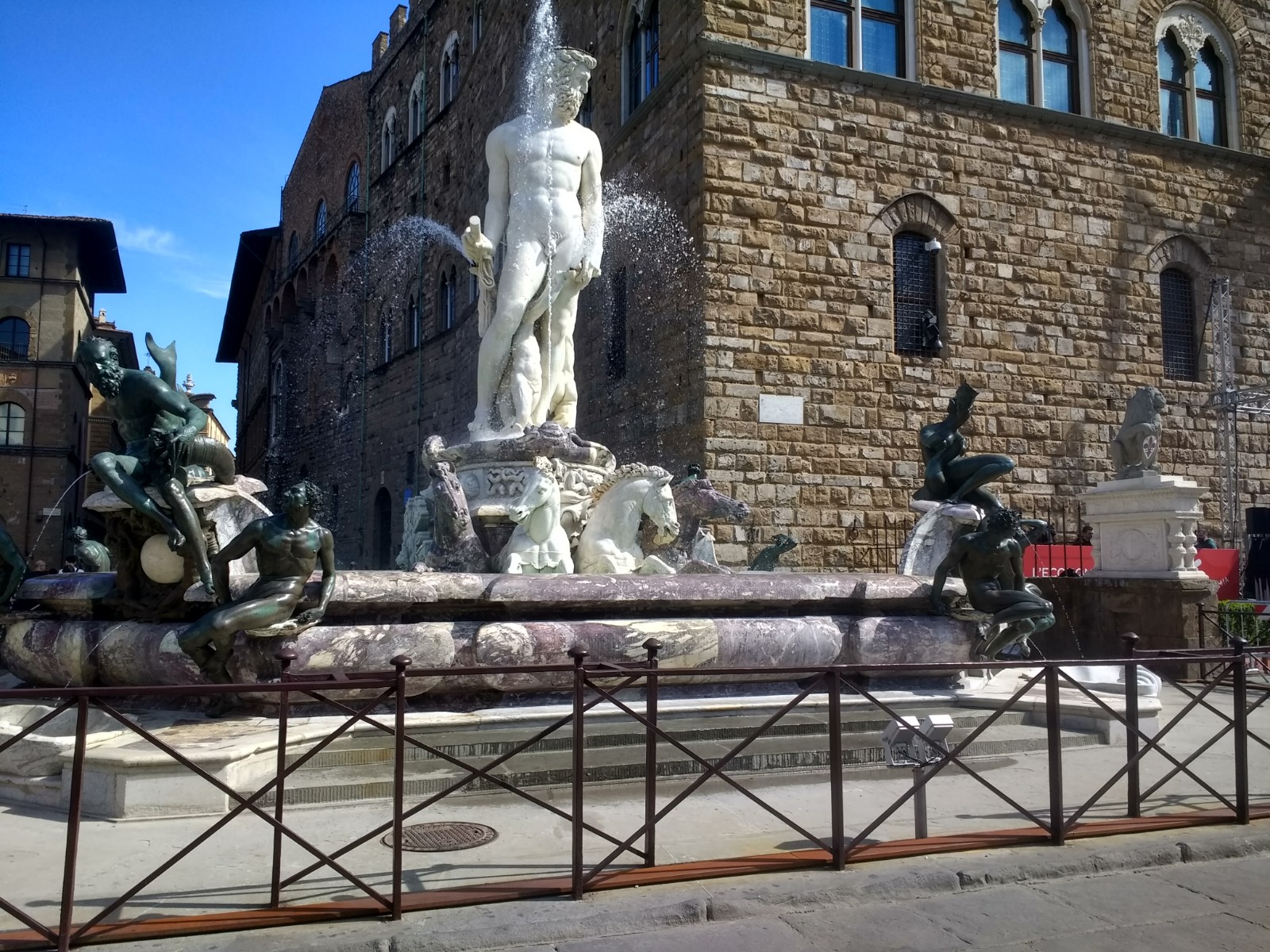
Michelangelo apparently considered this a waste of marble.
Finally, although this wasn’t the end of the walk, a plaque in the ground.
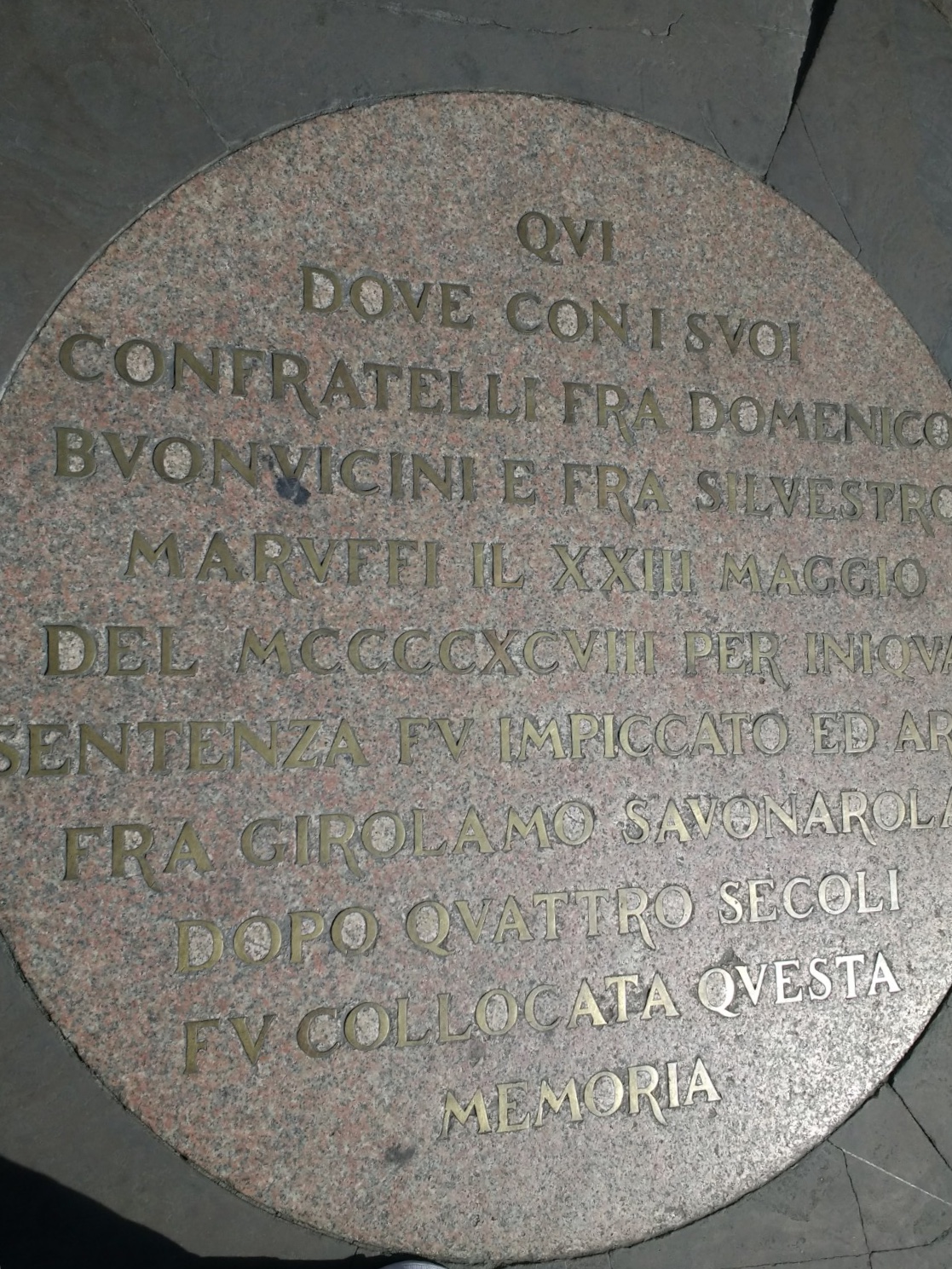
The plaque marks the spot where a puritanical monk, named Savonarola, was hanged and burnt in 1498. After the excesses of the Medicis, he preached a return to a plainer way of life and encouraged the destruction of paintings and books produced during the Renaissance.
The Florentines, supported by the Pope and the exiled Medicis, fought back and arrested Savonarola, before dispatching him in a grisly manner.
It’s wonderful having time to watch …
While having lunch, in a corner of the Palazzo Vecchio, we watched a dozen men we took to be film crew (the blue rectangle in front of the Palazzo is a film screen) dragging, and arranging, a set of crush barriers to keep a crowd at bay. As soon as one arrangement was finished, some barriers would be undone, and carted off in another direction.
When we had finished lunch, and were standing in the Piazza looking at the statues, a gang of men in high-vis yellow arrived. They drove their van onto the Piazza, manhandled some of the arranged crush barriers into the van, drove the van to the other side of the square, unloaded the barriers and put them down into another configuration.
We have no idea what all this was in aid of, other than practice for some event. We thought we might just have to wait a bit too long to find out.

 Tortoise Travel