Until air-conditioning was installed in Teatro San Carlo in Naples, the opera season only ran from November to May, as the other months were too hot. Visiting the theatre last week, we joined a guided tour.
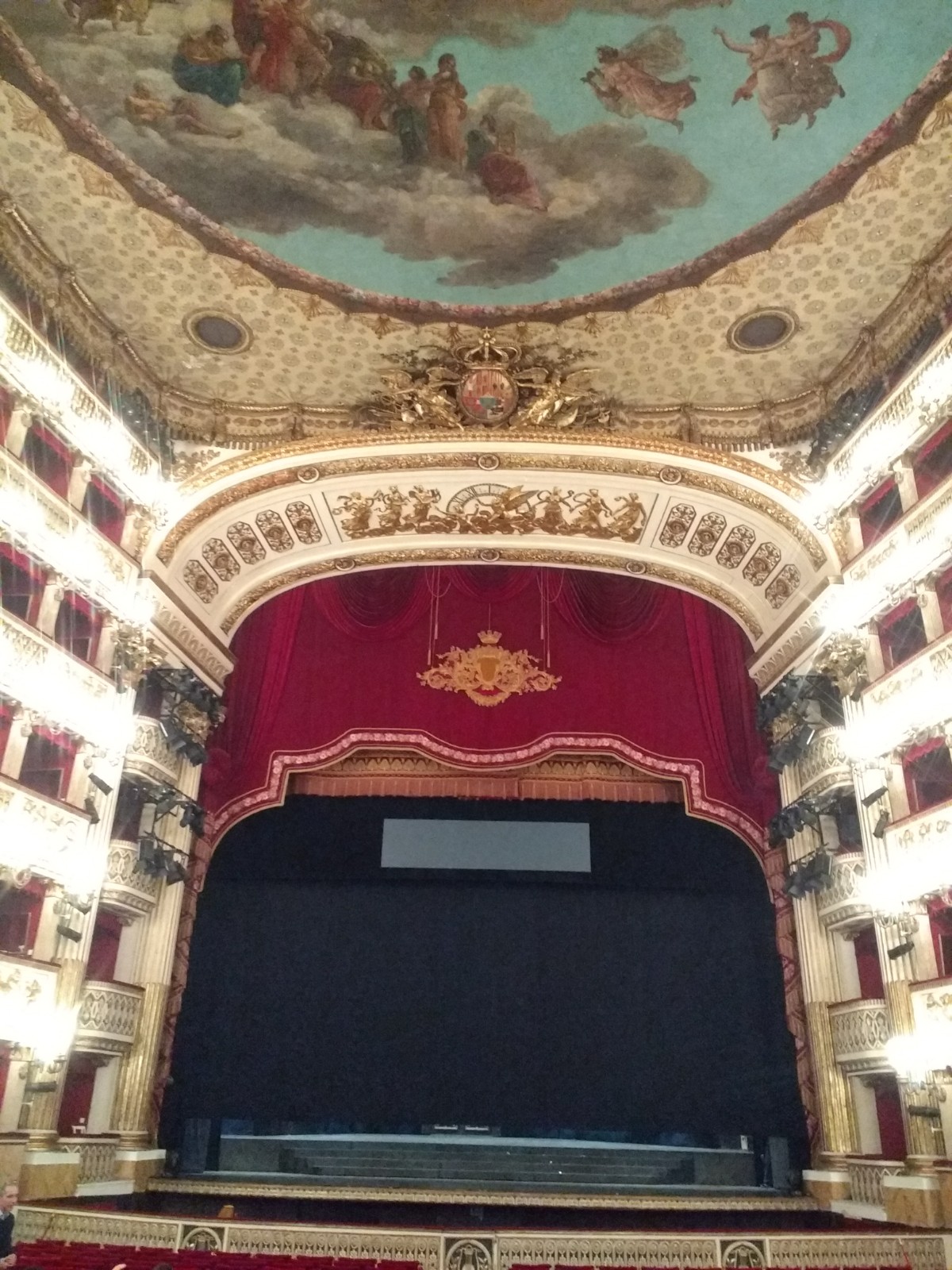
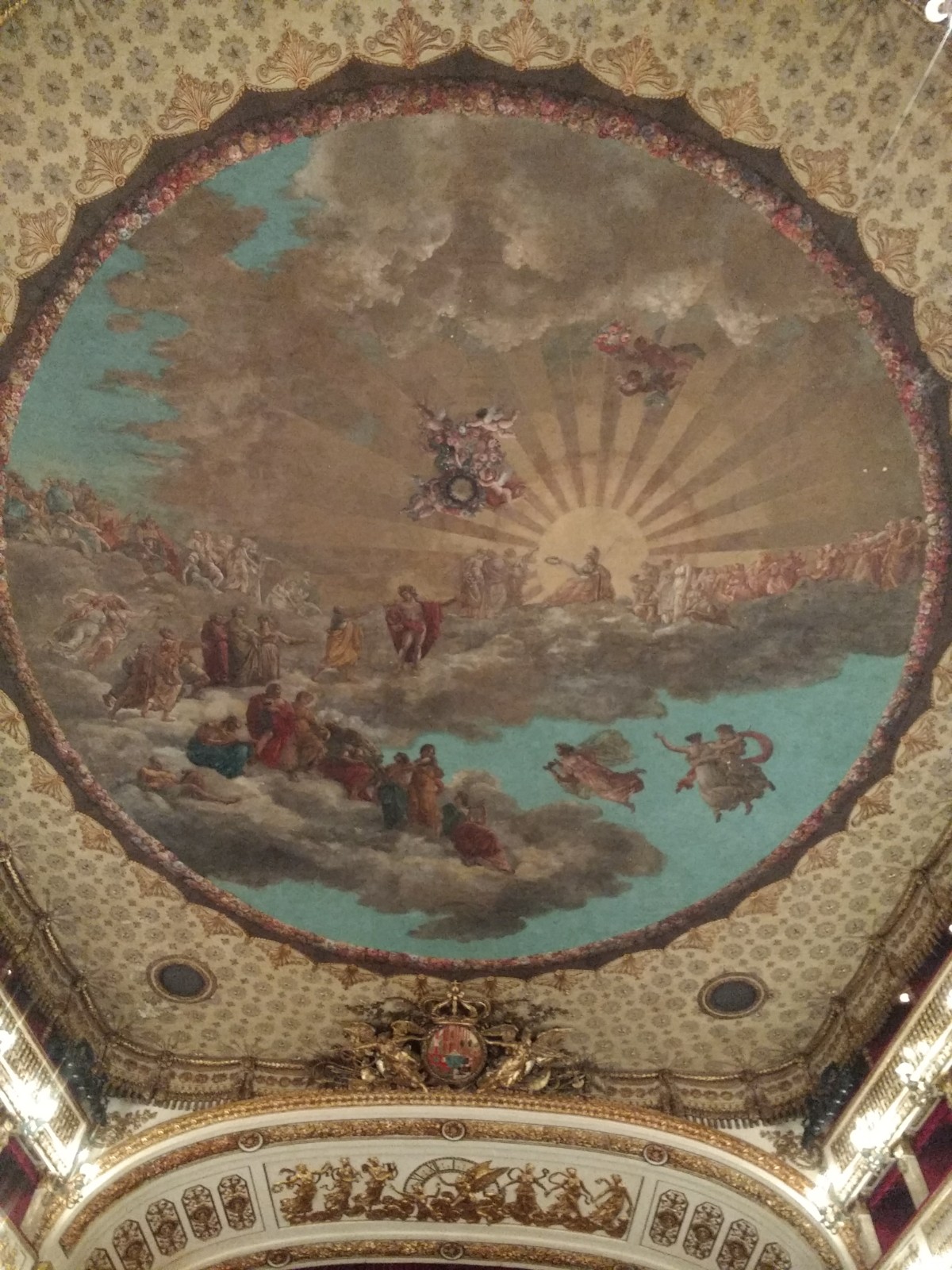
The theatre was commissioned by Charles III of Naples (the one who left to become King of Spain) in 1737, and was restored after a fire by his son, Ferdinand IV. Ferdinand, suspicious of the number ‘17’, had the numbering on the boxes he passed, on the way to his own, changed, to read, ‘15, 16, 16 bis (meaning for the second time) 18.
Why Italians are suspicious of the number ‘17’. XVII is an anagram of the Latin word VIXI meaning ‘I have lived’. The use of the past tense, suggesting death, was considered unlucky.
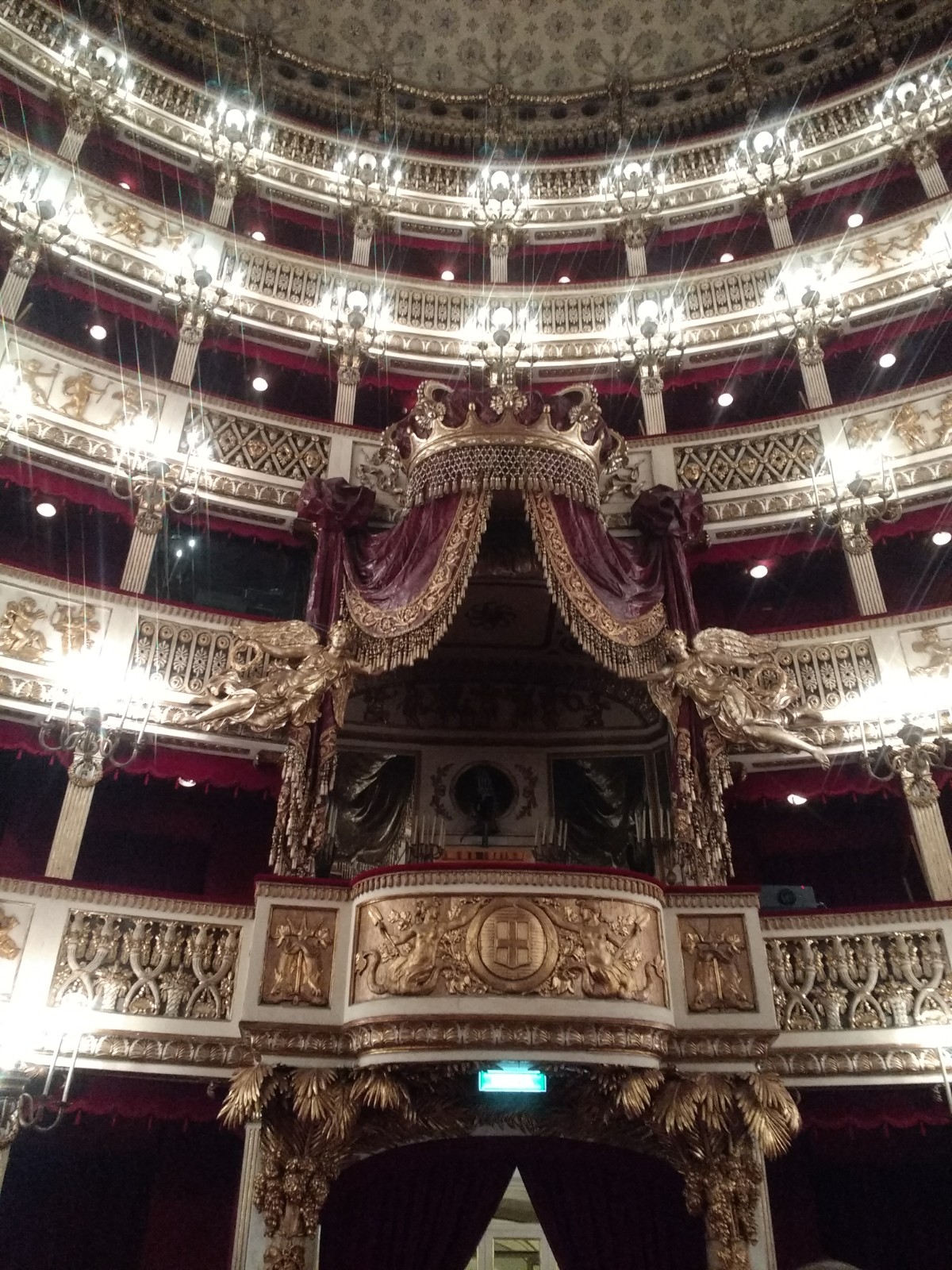

When a theatre was considered for the Royal Palace of Caserta, the designer, Vantitelli, produced a scaled-down copy of Teatro San Carlo.
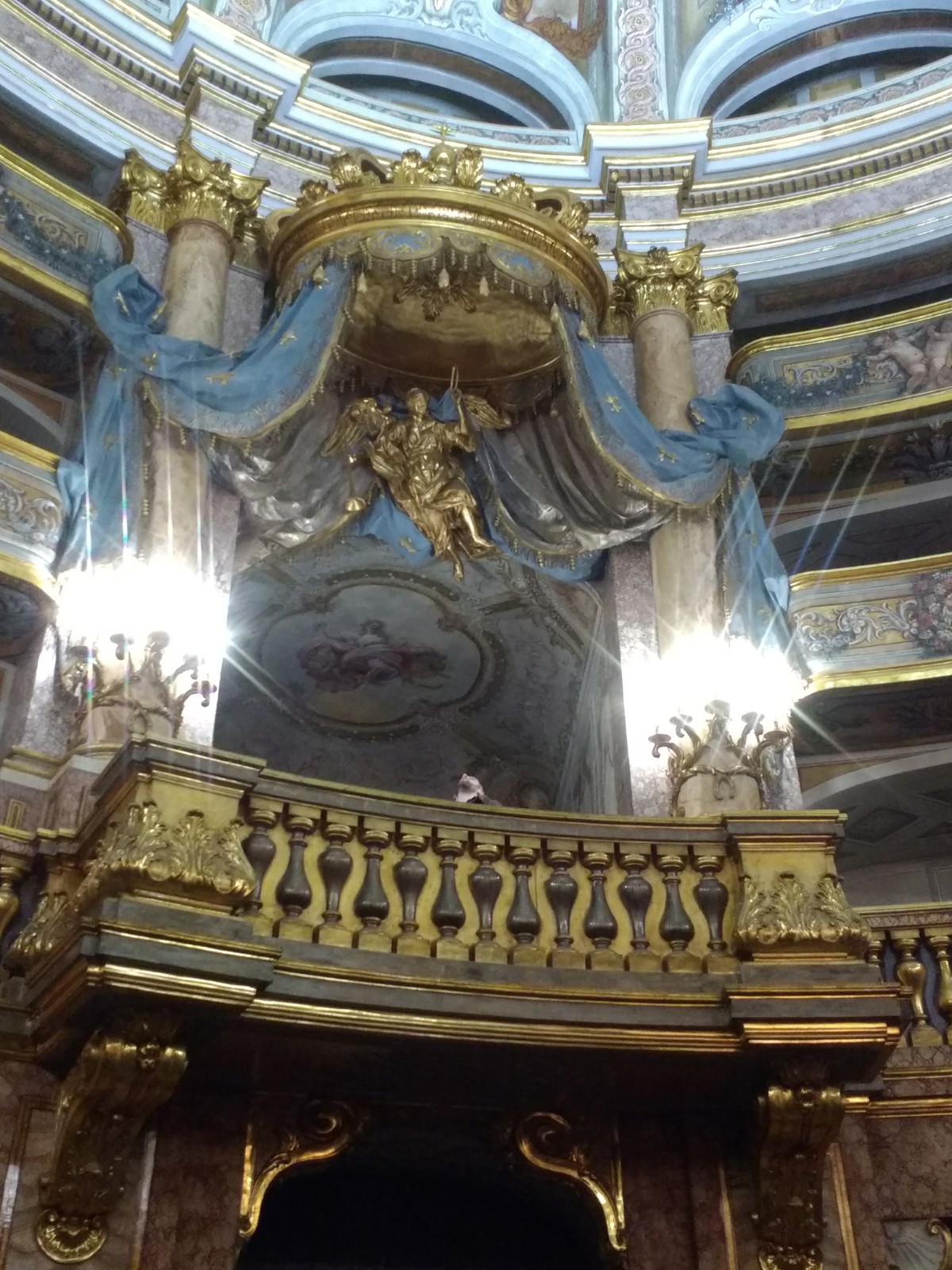
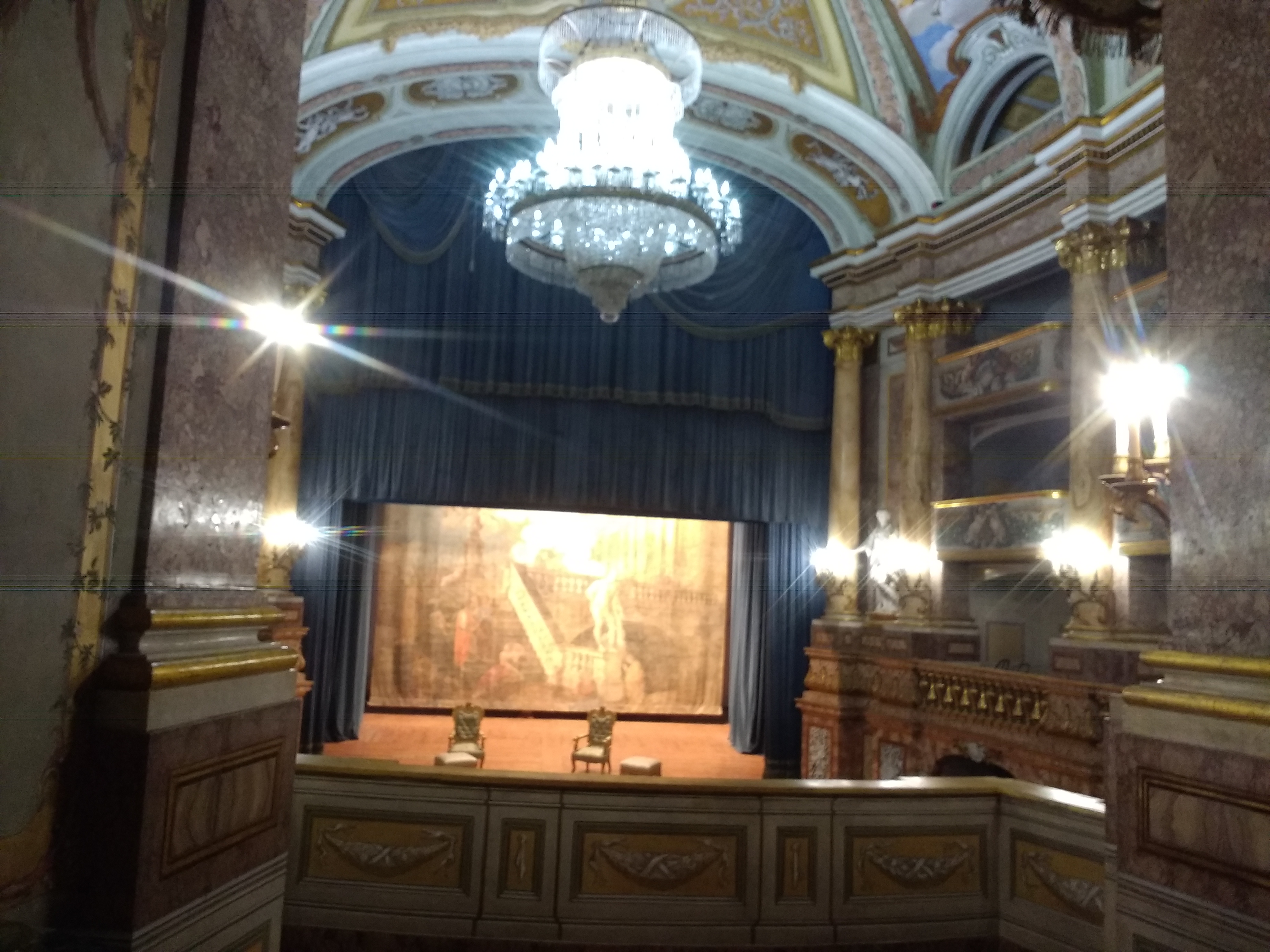
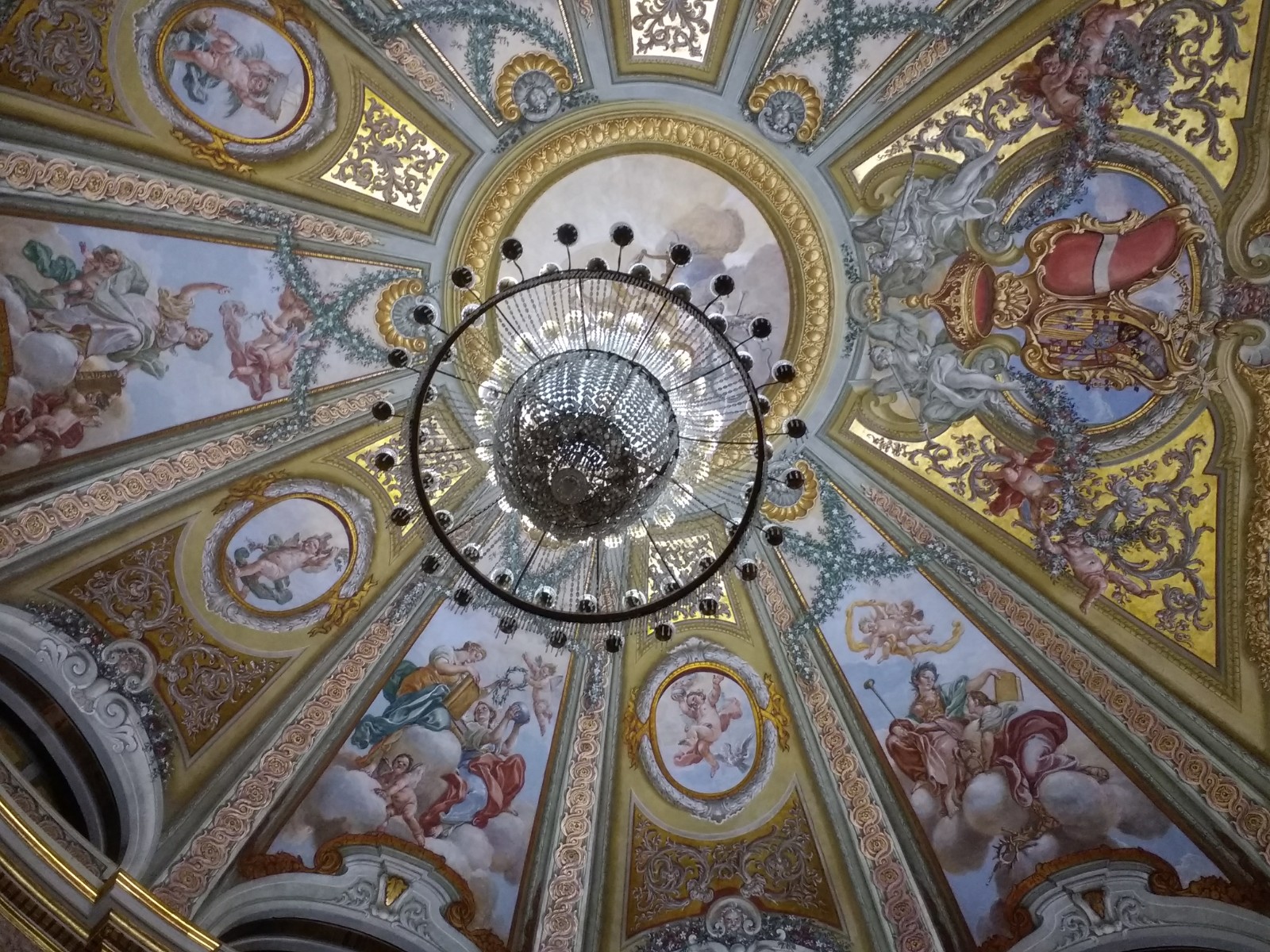
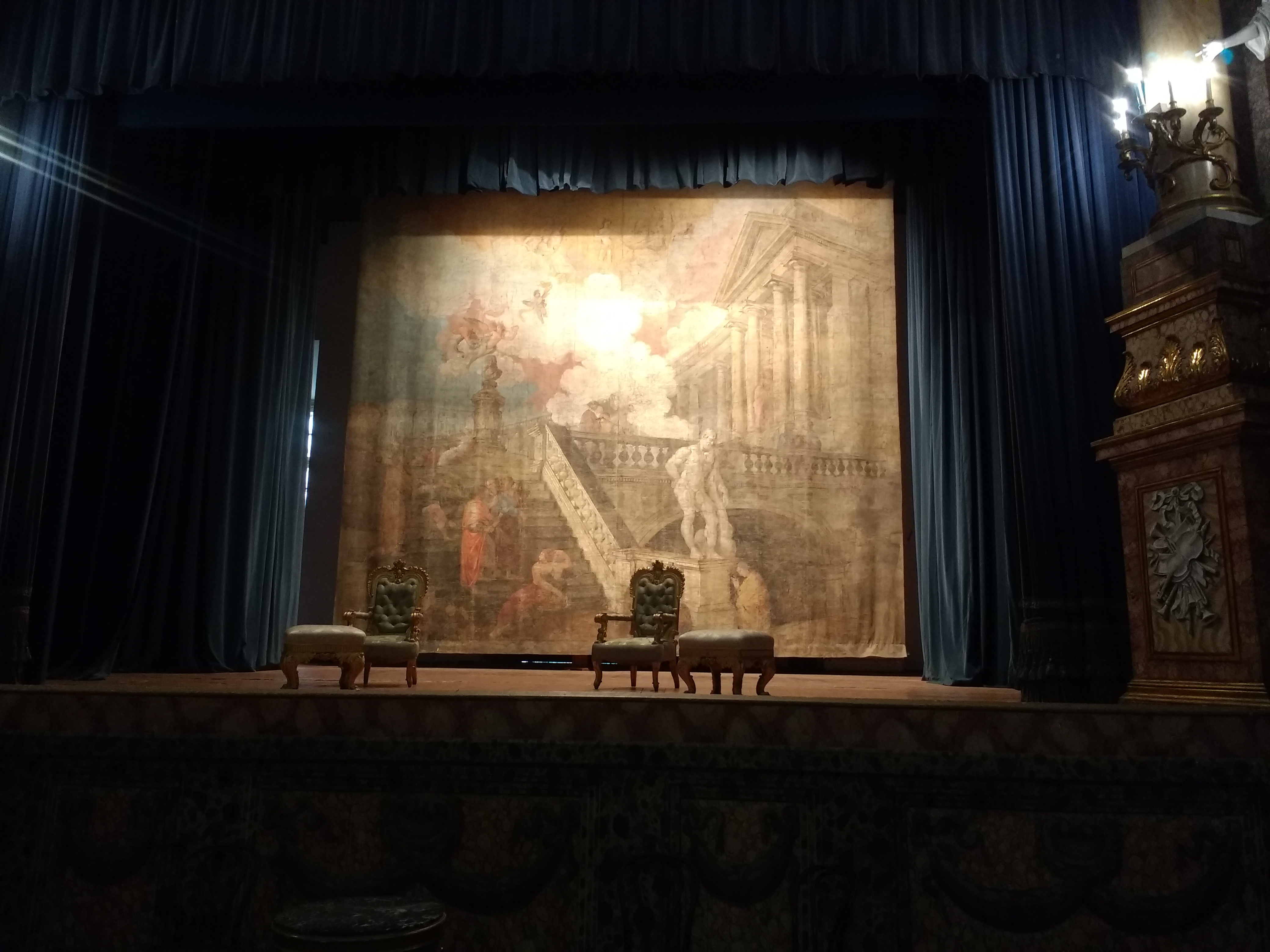
Tom Cruise, who was at Caserta for part of the filming for Mission Impossible III, contributed to the restoration of the scenery.
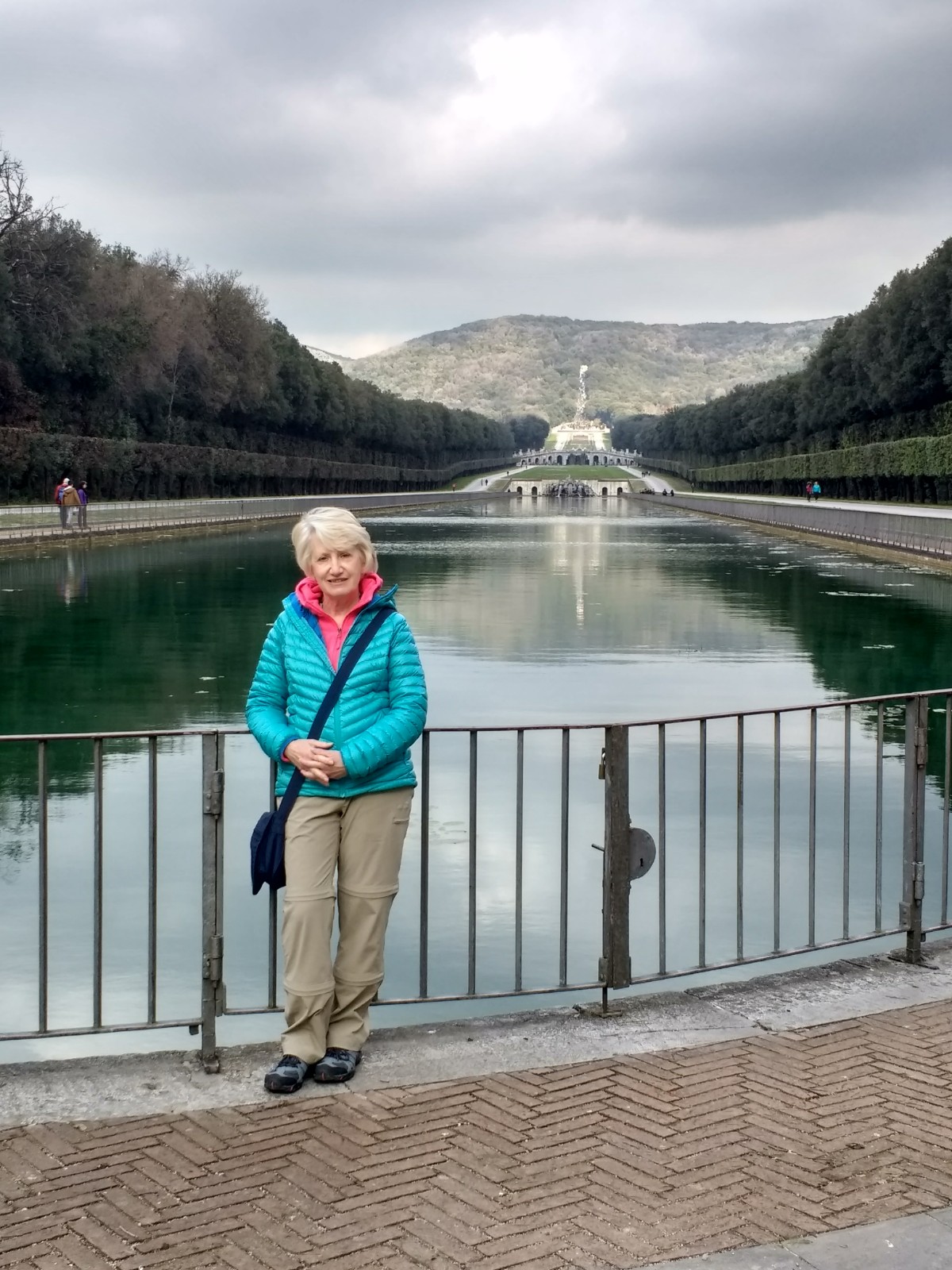
We were glad to be able to see the theatre at Caserta when we visited today, and also pleased that the formal garden was open, the wind having dropped. The English garden though (we are thinking manicured lawn and flowers) was closed for reasons of ‘safety’.
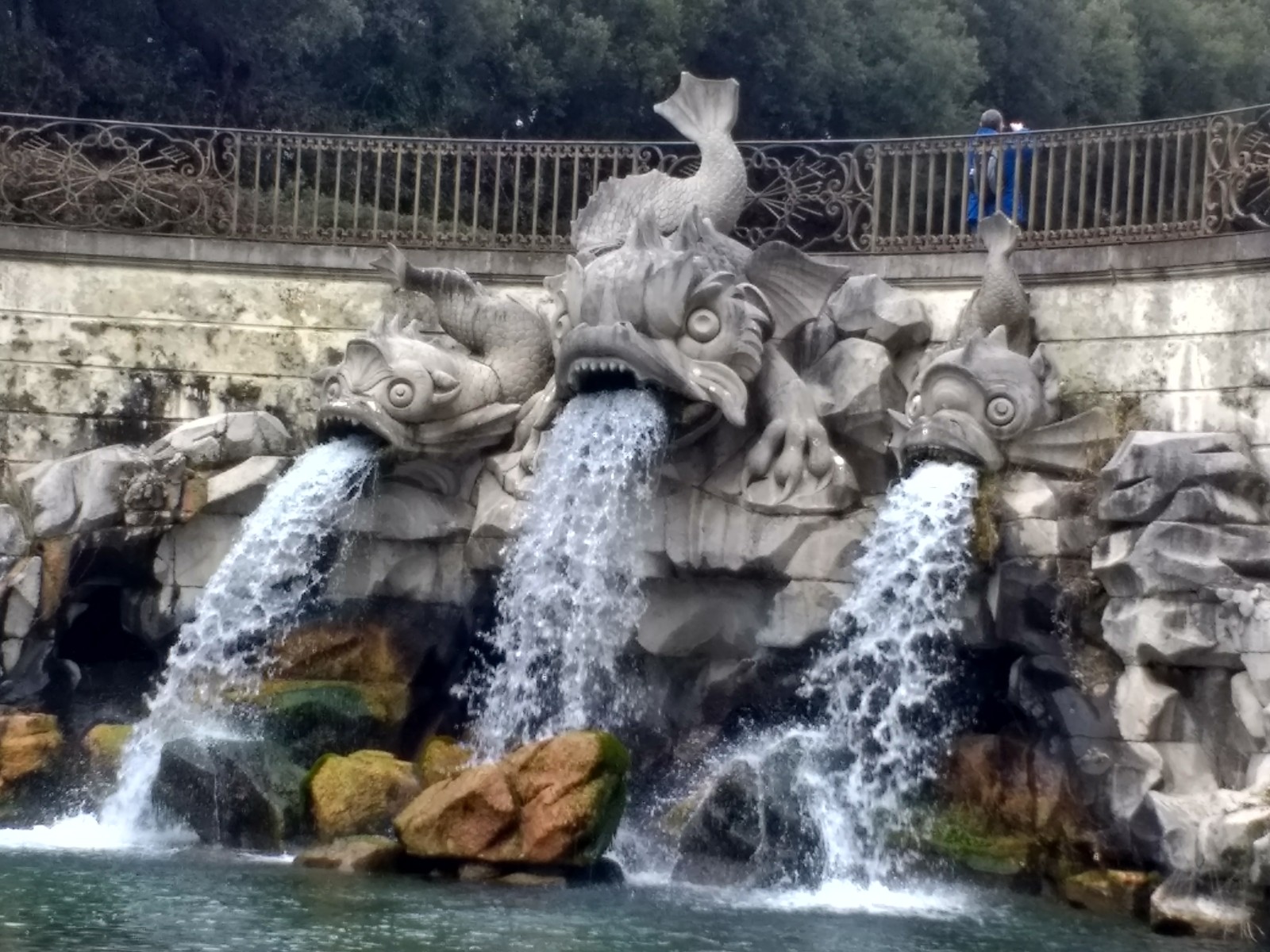
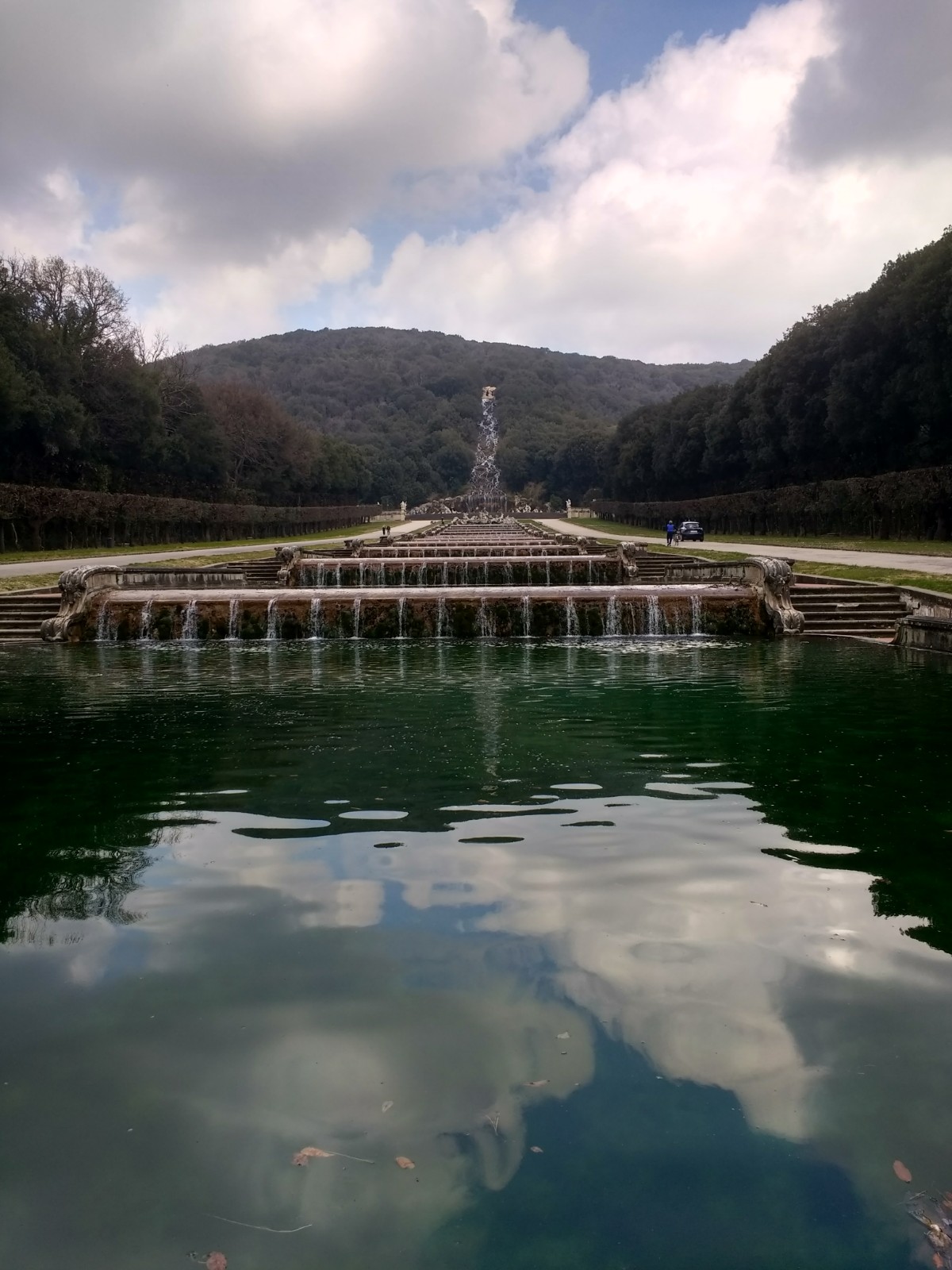
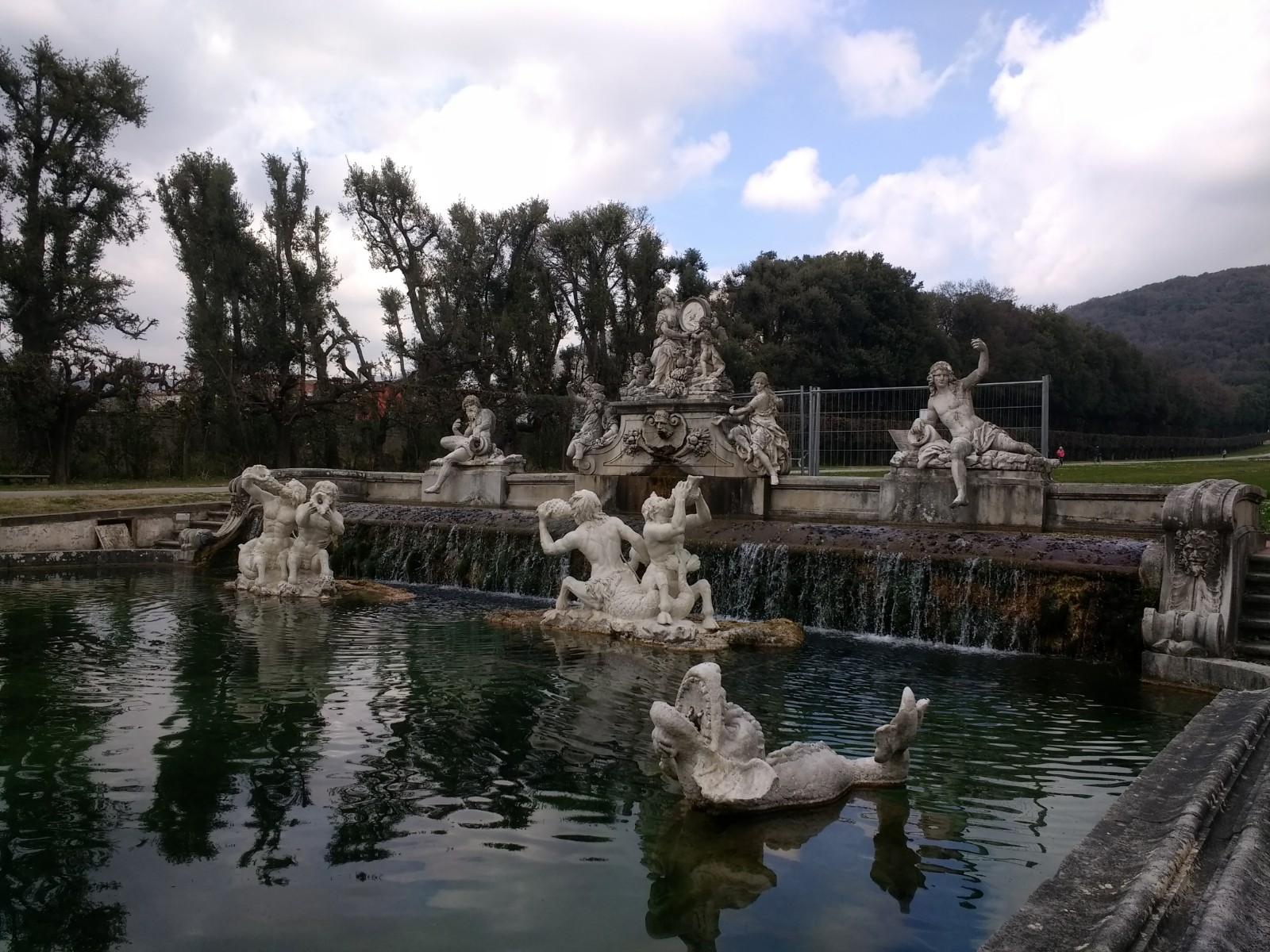
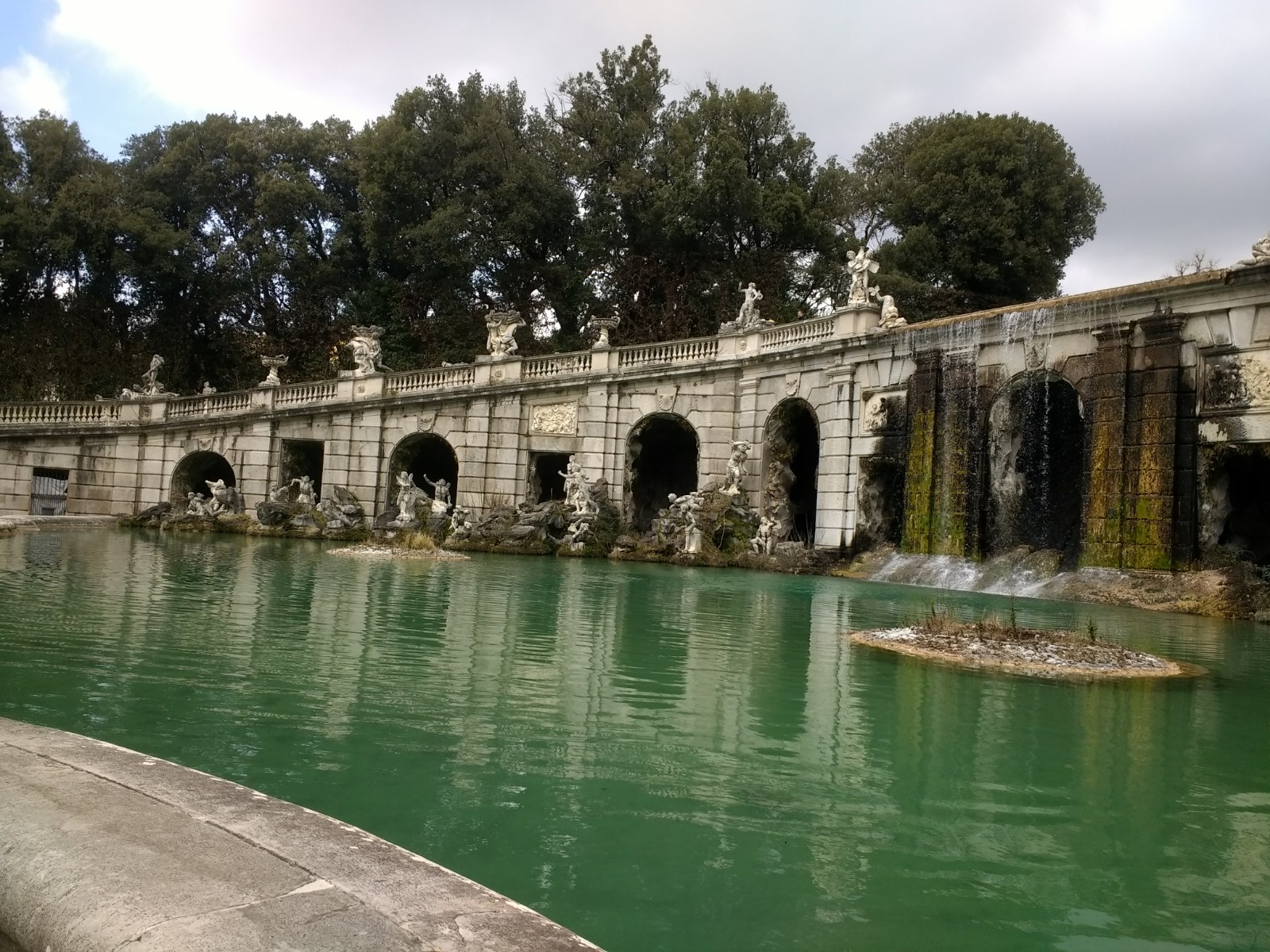
The formal garden is spectacular for its size, rather than for its colour or creation of varied vistas.
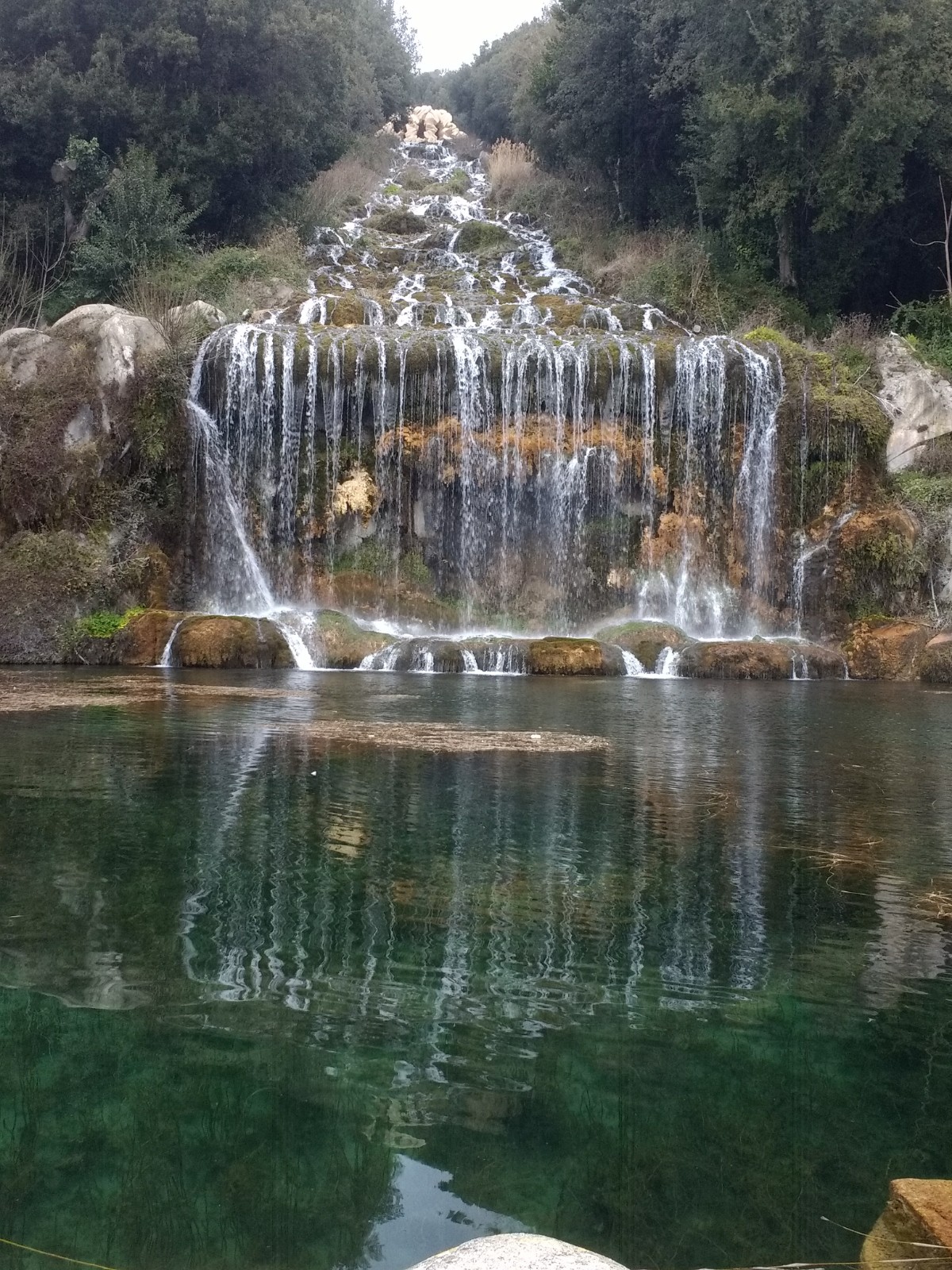
Modelled on the gardens at Versailles, there is a two-kilometre stretch of water and statues up to a cascade.
A poste-script to the above
A little Italian is a dangerous thing …
After our visit to the Palace, we got to the platform for the Naples train, where a train was waiting, with minutes to spare. We both looked up at the train indication board. Our train was top of the list, but what was this? We both noticed the word, ‘Cancello.’
‘Oh, no,’ we said, ‘Our train’s been cancelled.’ (The Italian word for ‘cancel’ being something similar to the English).
Then I noticed the word, ‘Via,’ before ‘Cancello’.
‘There’s not a place called ‘Cancello, is there?’ I wondered.
‘Scusi, Signor,’ I said in my best Italian as I approached a gentleman standing in the open doorway of the carriage, ‘Napoli?’
‘Si,’ he shrugged and we hopped on the train.
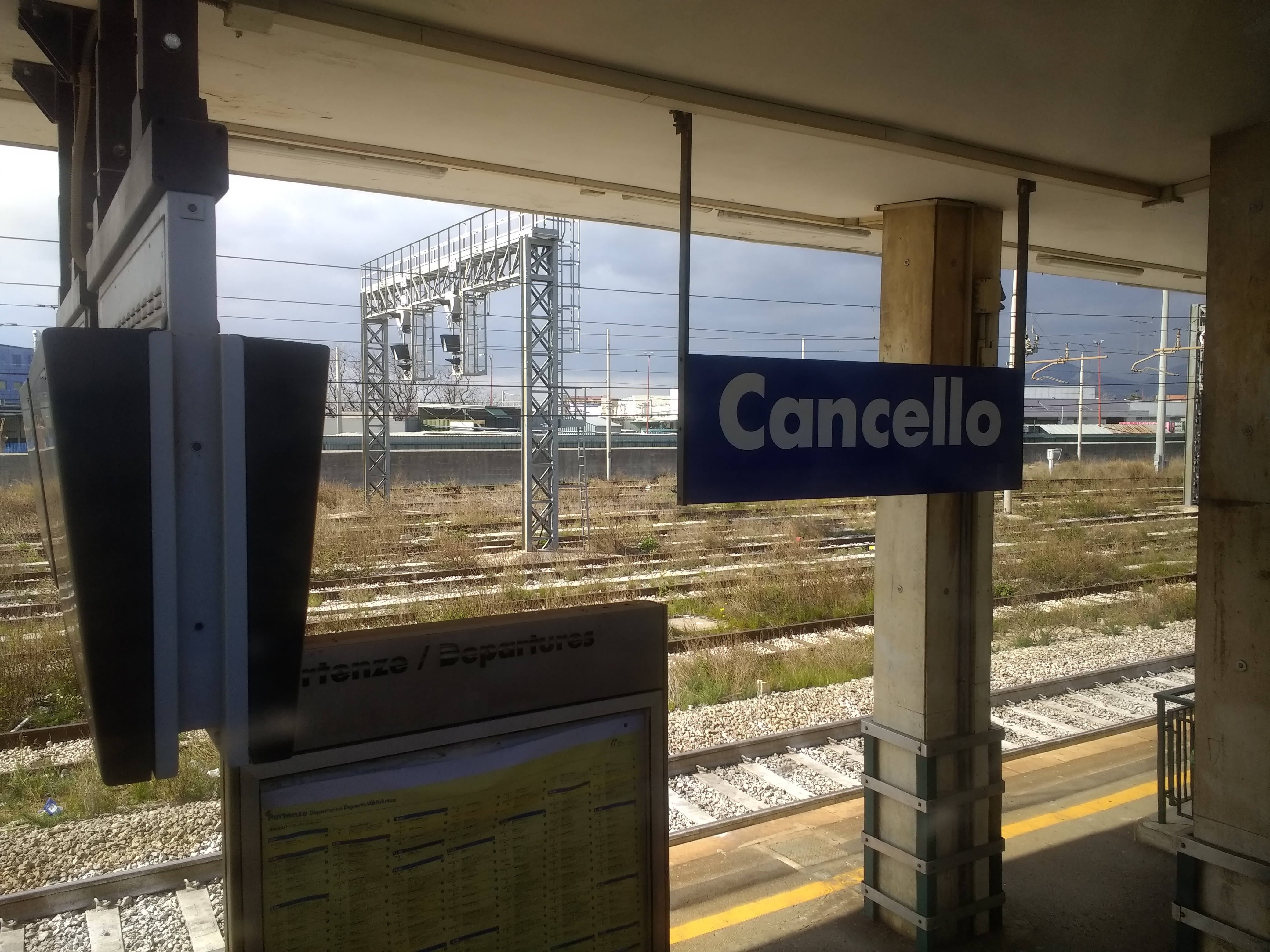
(Now I am home, I have looked up the correct Italian. If the train had been cancelled, I think the word ‘cancellato’ would have been used, and not ‘cancello’).

 Tortoise Travel